Best Car Batteries for Weekend Drivers (2026): Based on Specs and Reviews
For weekend drivers, the best car battery is usually an AGM in the exact group size, with enough reserve capacity for long sits and cold starts. Poor storage behavior leads to no-start mornings, weak cranking, and shortened battery life. This guide compares the best battery types and picks by self-discharge, recovery after infrequent use, and fitment.
Quick comparison
| Product | Badge | Best for | Price | ||
|---|---|---|---|---|---|
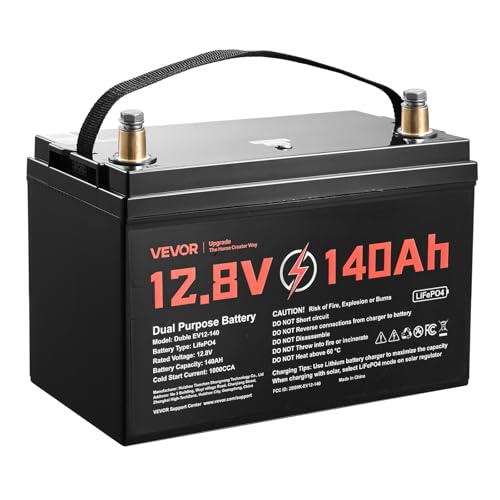 |
VEVOR 12V 140Ah LiFePO4 Dual Purpose Battery, 1000CCA BCIVEVOR | Our pick | Group 32 · 1000CCA · 140Ah LiFePO4 | $399.90
Price as of 26 Oct 2026
|
View |
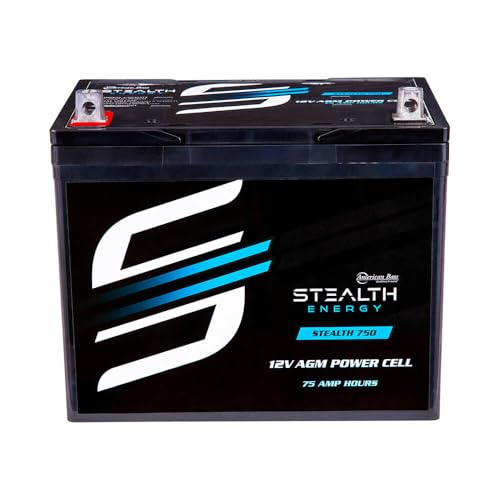 |
American Bass Car Audio Stealth 750 AGM Battery 12V, 75Ah,American Bass | Upgrade pick | 12V · 75Ah · AGM Maintenance-Free | $315.78
Price as of 26 Oct 2026
|
View |
 |
OPTIMA® Batteries D34M BLUETOP® Dual Purpose Boat and RVOPTIMA | Also great | D34M · 750 CCA · Dual Purpose | $339.99
Price as of 26 Oct 2026
|
View |
 |
Battery 12 Volt 330 Cold Cranking Amps/ 900 Pulse HotPart Synergy | Also great | $300.02
Price as of 26 Oct 2026
|
View | |
 |
12V 100Ah LiFePO4 Battery, Group 24 Deep Cycle for RVs &SUPER EMPOWER | Our pick | $179.99
Price as of 31 Oct 2026
|
View |
Use the table to match the battery to your parking pattern, climate, and electrical load before you look at price. If cold starts are the main problem, prioritize CCA and AGM construction. If the car draws accessories while parked, reserve capacity matters more.
How we chose
The shortlist focuses on storage behavior first, then starting margin. That means self-discharge resistance, reserve capacity, fitment size, terminal layout, and whether the battery suits cars that sit through the workweek.
We compared published CCA, Ah, reserve capacity, warranty length where listed, and whether the battery type is AGM or a different chemistry. For a weekend car, a higher number only helps if the battery also fits the tray and matches the vehicle’s charging setup.
Two different faults often get mixed together. Short-trip recharge problems happen when the alternator never has enough time to refill the battery after a drive, while true storage drain happens while the car is parked. The battery choice should match the real fault, not the symptom alone.
Mighty Max MM-H6: best for weekend drivers
This AGM option is the cleanest fit for many weekend-driven cars because it pairs 760 CCA with 120 minutes of reserve capacity. That combination matters when the car sits for days, then needs a strong first crank and enough buffer for accessory load on the drive home.
It suits drivers who want a sealed, maintenance-free battery with spill-proof construction and better vibration resistance than a basic flooded unit. The tradeoff is simple: the larger Group 48 / H6 format will not suit every tray, and the added capacity can be wasted if the car’s parking problem is actually a parasitic draw that needs repair.
Why the 760 CCA and 120-minute reserve capacity matter
CCA is the starting-power metric. In the weekend-driver market, you will often see 650 CCA, 680 CCA, and 760 CCA used as the main comparison points. The MM-H6 sits at the upper end of that spread, which gives more margin when a car has been sitting idle and the weather turns cold.
Reserve capacity is the runtime measure. A 120-minute figure does not mean the car should be left on accessories for two hours, but it does signal more buffer than a 100-minute battery when you have longer weekend drives, heated seats, audio load, or a charging system that recovers slowly after idle time.
Where the Group 48 / H6 size fits better
Group 48 / H6 is the better choice when the tray and hold-down are built for that larger footprint and the vehicle calls for more capacity. One competitor lists Group 48 at 70Ah and 760 CCA, with 180 minutes of reserve capacity, which shows why the size can be attractive when the car has higher accessory demand.
That said, a bigger battery is not automatically better. If the tray is tight, the hold-down does not match, or the terminal layout puts the cables under strain, the extra capacity is the wrong trade.
Who should skip it?
Skip the MM-H6 if the car is clearly a Group 47 fitment, if weight and tray space are tight, or if the budget is limited and the existing charging system is healthy. A battery that fits correctly and charges fully is worth more than a larger one that sits poorly or never gets topped off.
Quick comparison table
| Option | CCA | Ah | Reserve capacity | Battery type | Warranty | Price |
|---|---|---|---|---|---|---|
| Mighty Max MM-H6 | 760 CCA | 70Ah | 120 minutes | AGM | Not listed here | Not listed here |
| Mighty Max MM-H5 | 680 CCA | 60Ah | 100 minutes | AGM | Not listed here | Not listed here |
| 1AUTODEPOT BCI Group 47 | 680 CCA | 60Ah | Not listed here | AGM | 36 months | Not listed here |
| Example Group 48 competitor | 760 CCA | 70Ah | 180 minutes | AGM | Not listed here | Not listed here |
| Example G35 competitor | 650 CCA | 55Ah | Not listed here | AGM | Not listed here | Not listed here |
For a car that sits most weekdays, the MM-H6 is the stronger all-around battery if the tray accepts Group 48 / H6. The MM-H5 is the better value when Group 47 or a smaller footprint is the real fitment target, while the 1AUTODEPOT Group 47 is the cleaner choice when compact fitment matters most.
Weekend driver battery match table
| Driving pattern | Parking duration | Climate | Electrical load | Preferred battery type | Minimum CCA range | Recommended reserve capacity | Red flags to avoid |
|---|---|---|---|---|---|---|---|
| Short weekend errands, car starts once or twice | 5 to 7 days | Mild | Low | Flooded or AGM if fitment allows | 600 to 650 CCA | 90 to 100 minutes | Wrong group size, weak resting voltage, obvious parasitic draw |
| Weekend commuter with morning cold starts | 7 to 10 days | Cold | Low to moderate | AGM | 650 to 760 CCA | 100 to 120 minutes | Battery that barely meets OEM CCA, loose hold-down, mixed terminal layout |
| Weekend car with audio, heated seats, or dash cam | 7 to 14 days | Mild to cold | Moderate to high | AGM with higher RC | 680 to 760 CCA | 120 to 180 minutes | Low reserve capacity, undersized tray, frequent deep discharge |
| Garage-kept car with no accessories left on | 5 to 14 days | Any | Low | Flooded can be enough if charging is healthy | At least OEM spec | 100 minutes or better if available | Buying extra capacity instead of fixing charging or storage issues |
The table makes one point plain: the battery should match the pattern, not the marketing copy. A garage-kept weekend car with low electrical load may do fine with a good flooded battery, while a cold-climate car that sits through long stretches usually benefits from AGM and a stronger reserve-capacity number.
Mighty Max MM-H5: best for tighter budgets
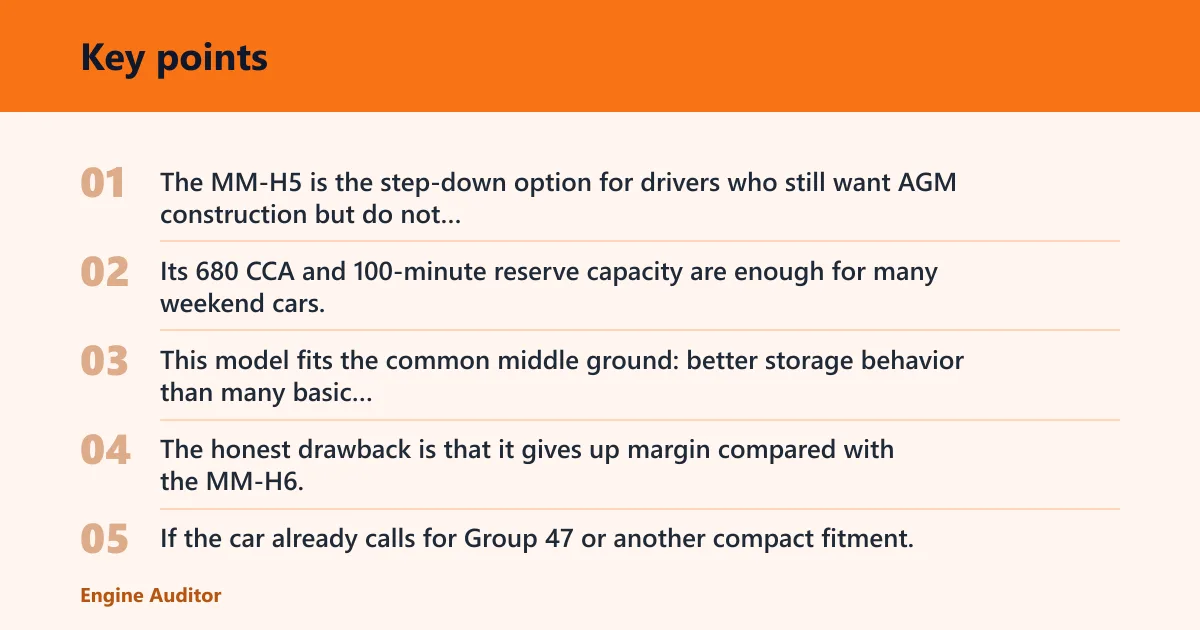
The MM-H5 is the step-down option for drivers who still want AGM construction but do not need the larger MM-H6 format. Its 680 CCA and 100-minute reserve capacity are enough for many weekend cars, especially when the vehicle is not loaded with accessories and the climate is moderate.
This model fits the common middle ground: better storage behavior than many basic flooded batteries, without pushing into the larger Group 48 footprint. The honest drawback is that it gives up margin compared with the MM-H6, so cold-weather starting and accessory headroom are lower.
When it makes more sense than moving up a size
If the car already calls for Group 47 or another compact fitment, staying in that size often makes more sense than forcing a larger case into a tray that was not built for it. That is especially true when the car is driven weekly, not used for long accessory-heavy trips.
Reserve capacity still matters, but not every weekend driver needs the highest number on the page. If the vehicle starts reliably after a week and the electrical load is modest, 100 minutes can be enough.
What you give up versus the MM-H6
The MM-H5 gives up both starting margin and runtime.
That tradeoff is acceptable when fitment and budget matter more than extra headroom. It is less attractive for cars with a large electrical draw or a history of weak starts after idle periods.
1AUTODEPOT BCI Group 47: best for compact fitments
Despite the larger title in the product data, the weekend-driver value here is the Group 47 fitment and the published 680 CCA rating. The listed 12V, 60Ah, 38.76 lbs, AGM setup suits cars that need a compact sealed battery with maintenance-free operation and decent starting margin.
That weight figure can matter when tray space is limited or when the hold-down hardware is designed around a smaller case. The drawback is that the product details shown here do not include reserve capacity, so it is harder to compare runtime directly with the MM-H5 and MM-H6.
Fitment checks for Group 47
Do not buy by group name alone. Verify the case dimensions, hold-down style, terminal orientation, and clearance above the posts before ordering. A Group 47 battery can still be wrong if the cable reach is short or the cover sits too close to the terminals.
The page lists dimensions of 9.57 x 6.89 x 7.48 inches. That makes it useful as a reference point, but the car’s actual tray and clamp should still decide the fit.
Why the 38.76 lb weight matters
Weight is not the top metric, but it can signal where a battery sits on the size-capacity tradeoff. A heavier battery may carry more material and capacity, yet if the tray or bracket is built for a lighter case, the gain is not worth the fitment risk.
For compact weekend cars, the safer path is usually the battery that fits cleanly and charges correctly, even if the larger option looks stronger on paper.
VEVOR 12V 140Ah LiFePO4 Dual Purpose Battery: best for high-demand setups
This is not the default pick for a normal weekend car, but it belongs on the list for owners dealing with high accessory demand or a dual-purpose starting and house-load setup. The published 1000CCA, 140Ah, and built-in smart BMS make it a different class from the AGM options above.
The drawback is obvious for most car buyers: it is a much more specialized lithium battery, with a higher price and a fitment profile aimed at Group 31 use cases rather than typical passenger-car weekend storage problems.
Who should consider it?
Choose this only if the vehicle and charging system are set up for lithium and the use case really calls for dual-purpose performance. It is better suited to certain RV, marine, or specialized engine-starting applications than to a typical sedan that sits at home all week.
For ordinary weekend driving, the extra capability is more than you need. Fitment and charging compatibility matter more than peak numbers here.
American Bass Stealth 750 AGM Battery: best for vibration-prone installs
This maintenance-free AGM battery is a reasonable fit for drivers who care about sealed construction and vibration resistance. The published 75Ah rating and 900A claim make it appealing on paper for accessory-heavy vehicles, and the sealed design avoids spill concerns.
The drawback is that this listing is less explicit about the fitment details weekend drivers need most, including group size and reserve capacity. Without that information, it is harder to use as a direct replacement than the more clearly sized weekend-driver batteries above.
Why vibration resistance matters
Vibration resistance is worth paying attention to if the car sees rough roads, a stiff suspension, or a mounting position that shakes more than normal. Repeated vibration can shorten service life, especially in a car that already sits unused for most of the week.
That benefit is real, but it does not replace fitment. A vibration-resistant battery still needs the right case size, terminal layout, and charging profile.
OPTIMA D34M Bluetop: best for accessory-heavy weekend use
This sealed AGM battery is a good match when you want maintenance-free operation, dual-purpose use, and stronger reserve capacity than a basic starting battery. The published 750 CCA and 120-minute reserve capacity place it close to the strongest weekend-driver options in the list.
Its honest downside is size and price pressure. A D34M-style battery is not the right answer if your car calls for a smaller group size, and the cost only makes sense when the vehicle’s load pattern justifies it.
What the reserve capacity adds
Reserve capacity matters most when the battery has to carry lights, audio, or other accessories for longer drives. A 120-minute rating gives more cushion than 100 minutes, and that can reduce the chance of a weak recovery after a long sit.
It still does not excuse poor storage habits. Even the better AGM batteries should not be left to sit through repeated discharge cycles without a charger or a clean storage plan.
Which one should you buy?
Start with fitment, then choose by parking duration and climate. If the car sits 5 to 14 days and you live where cold starts are common, AGM is usually worth the extra cost; if the car sits only a few days and the electrical load is light, a quality flooded battery can still be enough.
Use Group 48 / H6 when the tray and hold-down are made for it and you want the higher-capacity path. Use Group 47 when the car was built around a smaller case and compact fitment matters more than maximum reserve capacity.
When AGM is worth paying
AGM is the better buy when you want spill-proof construction, maintenance-free operation, and better vibration resistance in a car that may sit for days. It also makes more sense for start-stop systems, because those cars need more frequent restart support and better cycle life than a basic flooded battery usually provides.
AGM is not mandatory for every weekend driver. A flooded battery can still be sufficient when the car is garage-kept, starts easily, and has no unusual standby draw.
How to separate storage drain from short-trip recharge problems
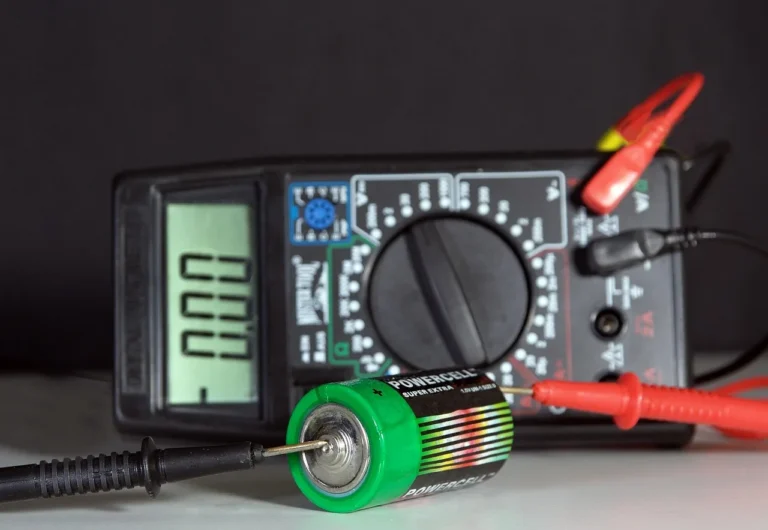
Check resting voltage after the car has sat long enough for surface charge to settle, then compare that result with what happens after a normal drive. If the battery is healthy at rest but keeps falling after short drives, the problem is often recharge time. If it drops while parked, suspect parasitic draw or storage drain.
A common first-timer mistake is buying a heavy-duty battery for a weekend coupe without first checking whether a small interior light is draining it during the week. A resting-voltage check and a current-draw check can save the cost of a battery that was never the real problem.
A simple maintenance plan for weekend cars
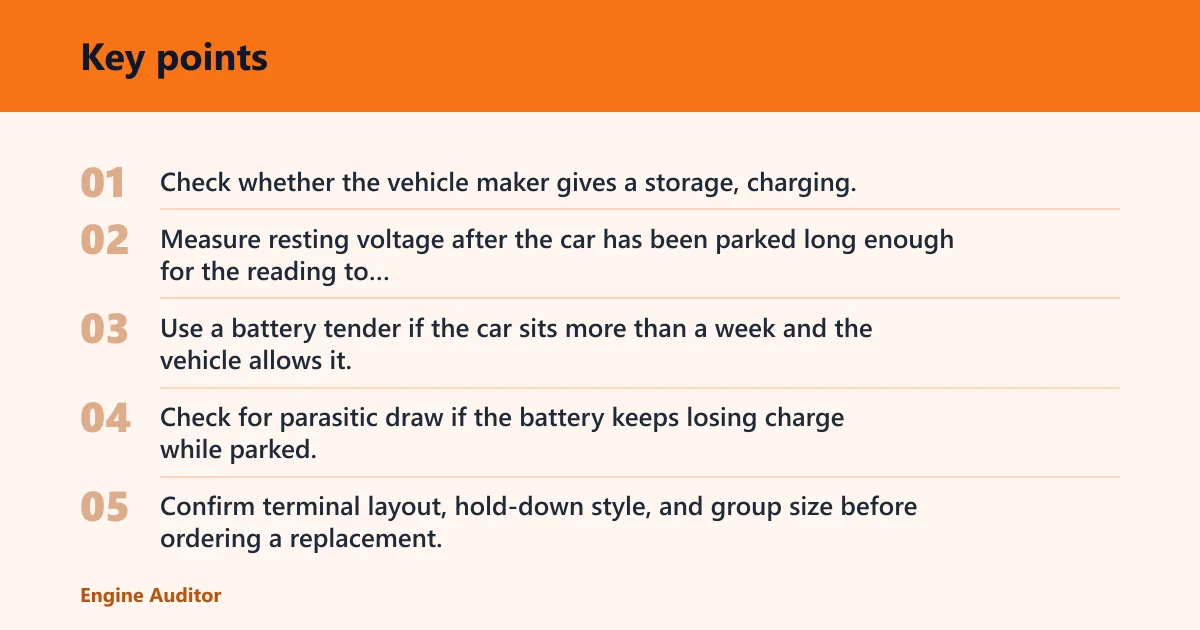
- Check whether the vehicle maker gives a storage, charging, or battery-disconnect procedure.
- Measure resting voltage after the car has been parked long enough for the reading to settle.
- Use a battery tender if the car sits more than a week and the vehicle allows it.
- Check for parasitic draw if the battery keeps losing charge while parked.
- Confirm terminal layout, hold-down style, and group size before ordering a replacement.
Picture a car that starts fine after a five-day gap, then fails after a two-week vacation. If the battery passes a resting check but falls low during storage, the fix is usually charging discipline or a draw problem, not simply a higher CCA number.
How do I choose the right Group size for my weekend car?
Read the owner’s manual or inspect the current battery label first, then compare the tray dimensions, hold-down style, and terminal position. Group 47 and Group 48 / H6 are common weekend-driver sizes, but the correct one is the size that physically fits and routes the cables correctly.
If a larger battery requires cable strain, cover removal, or a loose clamp, it is the wrong choice. A clean fit matters more than squeezing in extra capacity.
Frequently asked questions
What battery is best for a weekend car that sits all week?
A weekend car that sits all week usually does best with an AGM battery in the correct group size, especially if cold starts or accessory load are part of the picture. If the car is mild-climate, garage-kept, and lightly loaded, a good flooded battery can still be enough, but the fitment and storage behavior must be right.
Is AGM better for a weekend driver than a flooded lead-acid battery?
AGM is better when you need spill-proof construction, maintenance-free operation, better vibration resistance, or stronger recovery after sitting idle. Flooded lead-acid can still work if the car is simple, parked indoors, and started often enough to recharge fully, so the right answer depends on storage time and electrical load.
How many cold cranking amps do I need for a weekend car?
Use the vehicle’s required CCA as the floor, then add margin if the car sits for days or sees cold weather. Higher CCA helps most when the engine is cold and the battery has been idle.
What reserve capacity matters most for a car driven only on weekends?
Reserve capacity becomes more important when the car runs accessories, drives longer distances, or needs extra time to recover after sitting.
Do I need a special battery if my car has start-stop technology?
Yes, start-stop systems usually need a battery that can handle frequent restart cycles and higher cycling demand. AGM is commonly the safer choice because it is built for repeated starts and better cycle life. Check the vehicle specification sheet before replacing the battery, because a standard flooded unit may not last.
Which battery handles cold starts after the car sits for days?
The best cold-start choice is the battery that combines enough CCA with low storage loss. In practice, that often means AGM with the exact fitment the car needs.
Products related to this article
Sponsored / affiliate links. As an Amazon Associate I earn from qualifying purchases. I may earn additional commission from eligible campaigns.