Level 1 vs Level 2 vs DC Fast Charging Explained for EVs
Level 1 fits overnight parking and small daily mileage; Level 2 fits several hours parked; DC fast charging fits short stops and road trips. Pick the wrong one and you waste time, pay more than needed, or roll out with a battery that still will not cover the next leg. I use this guide to compare home, workplace, and highway charging by parking time, driving pattern, cost, and battery impact.
This guide is part of our Electric vehicle basics: a simple owner guide series.
What Level 1, Level 2, and DC fast charging mean


| Factor | Level 1 | Level 2 vs DC Fast Charging Explained | Winner |
|---|---|---|---|
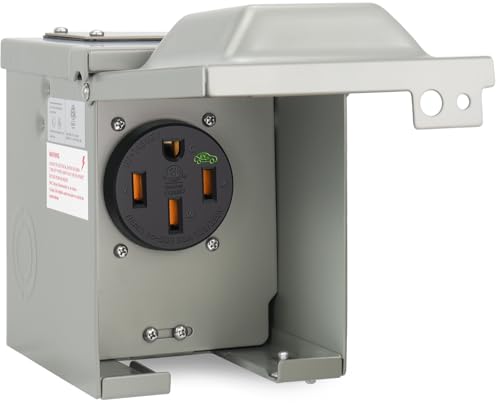
| Installation and access | Uses a standard 120-volt household outlet; usually no installation needed. | Level 2 uses a 208-volt or 240-volt circuit and usually needs dedicated equipment; DC fast charging requires DC-capable public hardware and is rarely a home solution. | Level 1 |
| Speed for daily use | About 5 miles of range per hour. | Level 2 adds about 25–40 miles per hour at home, while DC fast charging can add about 150–400+ miles per hour. | Level 2 vs DC Fast Charging Explained |
| Best parking pattern | Best for overnight parking or very low daily mileage. | Level 2 fits several-hour parking windows, overnight charging, and workplace parking; DC fast charging fits short stops during travel. | Level 2 vs DC Fast Charging Explained |
| Routine cost and convenience | Lowest hardware burden, but slow. | Level 2 is usually the best balance for daily ownership; DC fast charging is fastest, but usually the least convenient for routine charging. | Level 2 vs DC Fast Charging Explained |
| Failure if used outside its lane | Can leave the car short if daily miles are high. | Level 2 can be unnecessary if the car sits only briefly and the driver needs a quick refill; DC fast charging can be expensive and awkward for everyday charging. | Level 2 vs DC Fast Charging Explained |
| Best-fit use | Works when the car sits for a long stretch and daily mileage is modest. | Level 2 is the practical daily refill when the vehicle parks for several hours or overnight; DC fast charging is the right tool when the stop is short and the next drive leg needs a quick top-up. | Level 2 vs DC Fast Charging Explained |
| Effect on routine charging | Cheap to start with, but slow charging can become a daily limit. | Level 2 is the safer default for most parked-in-place routines; relying on DC fast charging for routine charging can mean more cost, travel to stations, and queue time. | Level 2 vs DC Fast Charging Explained |
| Battery filling behavior | Not described as slowing near 80 percent in the article. | DC fast charging usually slows near 80 percent because the battery management system reduces power as the pack fills; 10–80% is the common benchmark. | Level 1 |
Installation and access
Level 1 uses a standard household outlet at around 120 volts and usually does not need installation. That makes it the easiest entry point when the car parks at home and the driver wants to begin charging right away. Level 2 adds speed, but the extra circuit and equipment are part of the decision.
Speed for daily use
DC fast charging wins on raw output. Level 2 is the everyday middle ground, though, because it adds enough range during a normal work shift or overnight stop without turning charging into a separate chore. Level 1 works only when daily mileage stays low.
Best parking pattern
There is no single winner here because parking time decides the answer. A car parked all night can use Level 1 or Level 2; a car parked for a short errand usually cannot. DC fast charging fits when the stop is brief and the next leg needs meaningful range.
Routine cost and convenience
Level 2 usually wins for ordinary ownership because it balances speed, dwell time, and usefulness. Level 1 is cheap to start with, but slow charging can become a daily limit. DC fast charging is highly useful on the road, yet it is rarely the easiest way to refuel every day.
Failure if used outside its lane
Each level fails in a different way when the use case is wrong. Level 1 can fall behind a commute that drains too much battery; DC fast charging can turn into a time and money penalty for a car that sits at home each night. Level 2 is the safest default for most parked-in-place routines.
According to EV Charging Speed Levels Explained: Level 1 vs Level 2 vs DC Fast (2026) — DC fast charging is listed at 50–500 kW.
How fast is each charging level in real driving terms?
Measured in miles of range per hour, Level 1 is the slowest, Level 2 is the daily workhorse, and DC fast charging is the road-trip tool. That metric matters more than charger power alone because vehicle efficiency changes the result you actually get.
Miles of range per hour as the practical metric
Level 1 adds about 5 miles of range per hour. Level 2 home charging can add about 25–40 miles per hour, while DC fast charging can add about 150–400+ miles per hour. Those numbers translate better than watts when the real question is, “How much driving can the car recover while it sits?”
Why the same charger can feel faster or slower in different cars
Two EVs on the same charger can finish with different results because vehicle efficiency is not identical. A lighter, more efficient car gets more miles from the same energy than a larger, less efficient one. That is why a simple kilowatt rating often misleads drivers who care about usable range, not technical output.
Why your onboard charger can cap AC charging speed
The onboard charger converts AC power to DC inside the vehicle, and that component can cap Level 1 and Level 2 speed. Even if the station can supply more, the car’s own AC limit decides how quickly the battery fills.
What the onboard charger does inside the vehicle
Level 1 and Level 2 use alternating current, and the vehicle converts AC power before storing it in the battery. That conversion happens inside the car, not in the outlet or wallbox. The onboard charger is the gatekeeper for AC charging speed.
Why a 7.4 kW or 11 kW limit changes Level 1 and Level 2 results
A car with a lower onboard charger limit will not fully take advantage of a stronger Level 2 station. In practice, that means the station may advertise more power than the vehicle can accept. Drivers who assume the charger label tells the whole story often overestimate how much range they will recover during a parking window.
When should you use Level 1, Level 2, or DC fast charging?
Use Level 1 when the car sits for a long stretch and daily mileage is modest. Use Level 2 when the vehicle parks for several hours or overnight and you want a practical daily refill. Use DC fast charging when the stop is short and the next drive leg needs a quick top-up.
Low-mileage commuter with a long overnight park
Level 1 can work well if the commute is short and the car returns home for many hours. A driver who only uses a small slice of the battery each day may never need more than a household outlet. If the commute length grows, Level 2 becomes the safer choice.
Apartment resident or workplace parker
Level 2 is often the better answer when home charging is limited and the vehicle can stay parked for several hours at work or in a garage. Public Level 2 charging is common in parking settings, which makes it useful for longer dwell times. Level 1 may be too slow if the car cannot sit long enough.
Road-trip driver who needs a quick top-up
DC fast charging is the right tool when travel time matters and the stop is short. It is built for road-trip charging and short stops that add significant range. If a trip includes repeated highway legs, the speed advantage matters more than the extra cost.
Decision matrix: match driver type, parking time, and budget to the right charger

The wrong charger usually fails in a predictable way: it is either too slow for the parking window or too expensive for routine use. This matrix ties driver type to dwell time, daily miles, and budget, then shows what goes wrong when the choice misses the mark.
| Driver type | Parking duration | Daily miles | Budget | Best charging level | If the wrong level is chosen |
|---|---|---|---|---|---|
| Low-mileage commuter with home parking | Overnight | Short commute, light errand use | Low to moderate | Level 1 | Level 2 may be unnecessary expense; DC fast charging adds cost and inconvenience. |
| Full-time commuter with one car | Several hours or overnight | Moderate to high | Moderate | Level 2 | Level 1 can fall behind the commute; DC fast charging becomes a chore for daily use. |
| Apartment resident using public parking | Work shift or garage dwell time | Variable | Moderate | Level 2 | Level 1 is too slow in most public parking windows; DC fast charging is often overkill and costly. |
| Road-tripper | Short stops | High on travel days | High tolerance for per-stop cost | DC fast charging | Level 1 or Level 2 can waste hours when the trip needs fast turnaround. |
| Mixed-use driver with home and public charging | Home overnight plus daytime parking | Moderate | Moderate | Level 2 | Level 1 may not keep up on busy weeks; DC fast charging is inefficient for routine topping up. |
What happens if you pick a level that is too slow
The battery starts the next day with less margin than planned. That creates range anxiety, extra charging stops, or a scramble for public stations. In real use, “too slow” usually means the vehicle is fine on paper but not ready when the driver needs it.
What happens if you rely on DC fast charging for routine charging
Short-term speed is excellent, but the routine can be awkward. Drivers may pay more, spend time driving to and from stations, and sit through charger queues on busy days. It is a poor substitute for home or workplace charging when the car can remain parked for hours.
Why does DC fast charging slow near 80 percent?
DC fast charging usually slows near 80 percent because the battery management system reduces power as the pack fills. A common practice is to charge from about 10% to 80%, since charging often slows near the top to help protect the pack and manage heat.
The 10–80% charging window and why it matters
Most drivers use DC fast charging as a range refill, not a full battery fill. That is why 10–80% is the common benchmark. The middle of the pack charges much faster than the top, so the time-saving value drops as state of charge climbs.
What battery management is doing near the top of the pack
Near the top, the battery accepts energy more cautiously. That allows the system to limit heat and reduce stress while the cells approach full charge. Drivers who need the fastest stop should often unplug before the slowest part of the session begins.
Charging connectors and public network reality
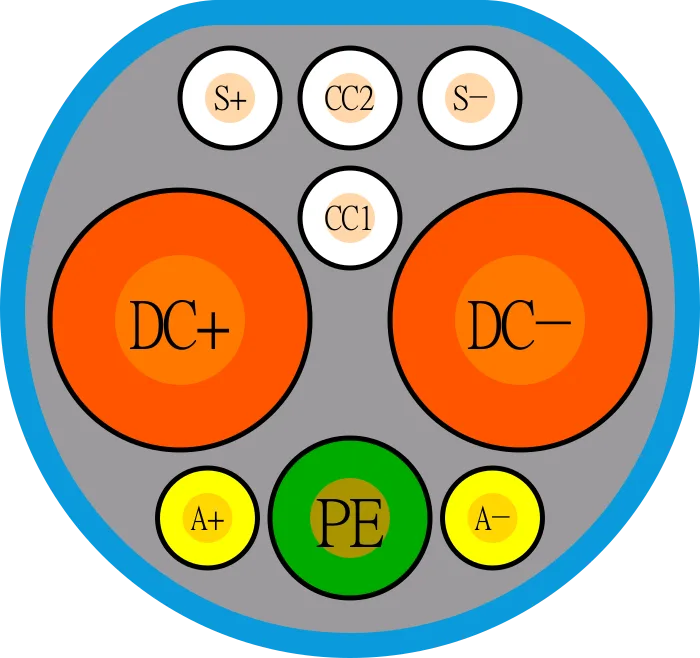
Connector type is not optional. The vehicle inlet and the charger standard must match, and that matters more than the marketing label on the station. Public charging networks often have Level 2 as a common public port type, while DC fast charging is more concentrated on travel corridors.
Why connector type must match the vehicle and charger
Charging connector types vary by level and market. A driver cannot assume any plug will fit or any station will communicate with every EV. Compatibility is part of the buying decision, especially for owners who depend on public charging or travel across regions with different standards.
Why Level 2 is common in public parking and DC fast charging sits on travel routes
Level 2 works well where cars park for hours: garages, workplaces, hotels, and shopping centers. DC fast charging is positioned where movement matters most, especially along highway corridors. That split reflects real dwell time, not just station power.
Choose Level 1 if…
Choose Level 1 if the car parks overnight, the daily mileage is low, and the battery only needs a gentle refill. It is the simplest answer for a household outlet and short trips. If the commute grows or the car sits for less time, move up to Level 2.
Choose Level 2 if…
Choose Level 2 if the vehicle can stay parked for several hours, the driver wants a practical daily refill, or household charging needs to keep pace with regular commuting. It is the best all-around choice for home and workplace use. For most EV owners, this is the default answer.
Choose DC fast charging if…
Choose DC fast charging when the stop is short, the route is long, or the next leg needs a fast burst of range. It is the right tool for road trips and quick top-ups, especially when the 10–80% window is enough to get back on the road. For daily charging, it is usually the wrong tool.
Frequently asked questions
What is the difference between Level 1, Level 2, and DC fast charging?
Level 1 uses a standard 120-volt household outlet and adds about 5 miles of range per hour. Level 2 uses a 208-volt or 240-volt circuit and is much faster for home or public AC charging. DC fast charging sends direct current straight into the battery for the quickest short-stop refill.
How fast is Level 1 charging compared with Level 2?
Level 1 is slow enough that it often suits overnight parking and light daily use only. Level 2 home charging can add about 25–40 miles per hour, while Level 1 adds about 5 miles of range per hour. That gap is why Level 2 usually wins for commuters.
How long does DC fast charging take from 10 to 80 percent?
DC fast charging commonly takes 20–40 minutes for 10–80%. That window is popular because the charger moves energy quickly in the middle of the battery, then slows as the pack gets fuller. For a road trip, that is usually the point where the stop stays useful.
Why does DC fast charging slow down after 80 percent?
Charging slows after 80 percent because the battery management system reduces power near the top of the pack. The last portion fills more cautiously to manage heat and protect the cells. Drivers who want the fastest possible stop usually get better time efficiency by unplugging earlier.
Can I charge my EV with a regular household outlet?
Yes. Level 1 charging uses a standard household outlet at around 120 volts and usually does not need installation. It works best when the vehicle sits for many hours and the driver does not need a large daily refill. For heavier commuting, Level 2 is usually the better fit.
Does fast charging wear out an EV battery faster?
Fast charging can add stress compared with slower AC charging, but the effect depends on use pattern, temperature, and how often the driver relies on it. Occasional road-trip charging is normal. The bigger concern is making DC fast charging the main daily charging method when home or workplace AC is available.
Products related to this article
Sponsored / affiliate links. As an Amazon Associate I earn from qualifying purchases. I may earn additional commission from eligible campaigns.