Electric Vehicle Basics: A Simple First-Week Guide
EV ownership is simple: charge to a routine limit that matches your manual, plug in when it fits your week, and judge range by your real efficiency, weather, and speed instead of the brochure number. In my own test drives and weeklong EV loans, that mindset mattered more than spec-sheet bragging rights. Ignore those basics and you can pay too much for charging, wait at crowded stations, or reach home with less buffer than planned.
Start with your charging plan, not the spec sheet
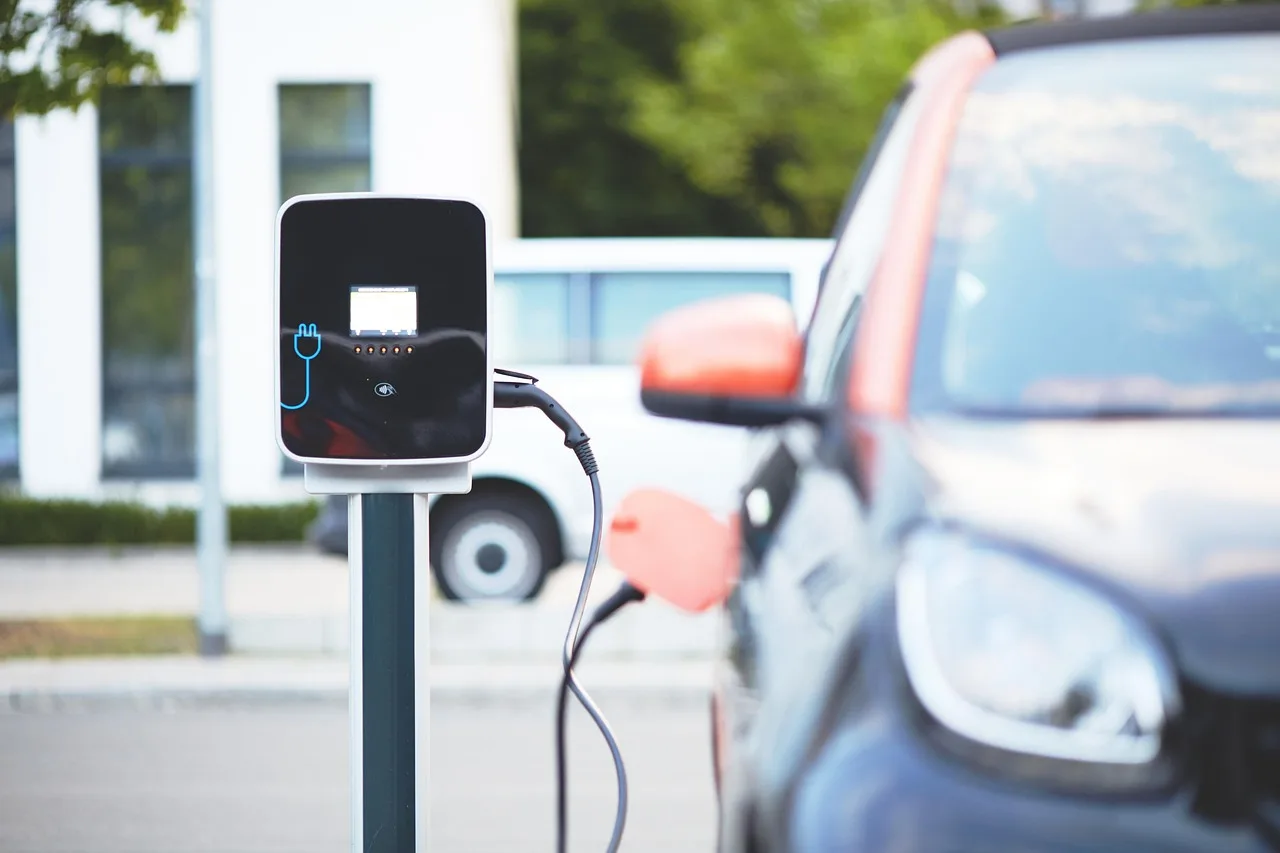


The three ownership setups
New owners usually fall into one of three groups: home charging, shared charging, or public-only charging. That split matters more in week one than a long feature list, because it determines whether charging feels invisible, manageable, or like a recurring errand.
Home charging is usually the easiest because the car charges where it already sits for hours. Shared charging can work well, but reliability varies by building or employer. Public-only charging can also work, though in my experience it demands more time, more planning, and a more deliberate backup routine.
A simple fit check before you buy
Check three things first: daily miles, where the car sleeps, and what chargers exist near home or work. The U.S. Department of Transportation reports Americans average far fewer miles per day than many first-time buyers assume, which is why charging access often matters more than maximum battery size.
If the car is parked near a regular outlet, Level 1 may be enough for light use. If it has a dedicated parking spot and higher daily mileage, Level 2 starts to make more sense. If parking is on the street, I would map the charging routine before buying, not after.
Why charging access matters more than battery size
An EV with average charging access is easier to live with than an EV with a huge battery but a bad routine. Bigger batteries can help on longer trips, but they do not fix an inconvenient workflow. In actual use, convenience usually beats capacity once the novelty wears off.
For many buyers, charging access decides whether the car feels effortless or annoying. That is the real first-week lesson behind Electric vehicle basics: a simple owner guide. If you are still comparing options, it also helps to review our EV buying guide for first-time shoppers.
What are the most important EV basics for a first-time owner?
The basics are simple: the battery pack stores energy, the electric motor drives the wheels, the inverter manages power between them, and state of charge tells the owner how full the battery is. Daily ownership then comes down to charging access, a realistic range buffer, and avoiding needless dependence on fast charging.
Battery pack, motor, and inverter in plain English
The battery pack stores the energy the EV uses to move. The motor turns that energy into motion, and the inverter manages how power flows between the battery and motor. During manufacturer events and media drives, I have found that understanding those three parts removes most first-time-owner confusion.
Owners do not need to study power electronics in detail. It is enough to know that usable battery capacity affects range, the motor provides propulsion, and the inverter helps explain why EVs feel smooth at low speed and responsive the moment you press the accelerator.
What state of charge means in daily use
State of charge, or SoC, is the battery percentage shown on the dash, and it is the number I check first whenever I get into an EV. It tells you whether tonight is a plug-in night, a skip-it night, or a road-trip charging stop.
Routine SoC guidance varies by model. Ford says charging to 90% is suitable for daily driving in the F-150 Lightning owner materials, while many other automakers recommend lower everyday limits or note that charging behavior can differ by chemistry and model. The owner’s manual should always win.
How range, charging speed, and battery size connect
A large battery does not automatically mean a better ownership fit. A smaller battery with easy overnight charging can be far more convenient than a bigger pack paired with weak charging access. I have driven both types, and the easier routine usually feels better after the first few days.
That is why ownership decisions work better when framed around workflow instead of the biggest number on the window sticker. If you are comparing charging hardware, our home EV charger installation guide can help match the setup to your parking situation.
How much range do you really need for daily driving?
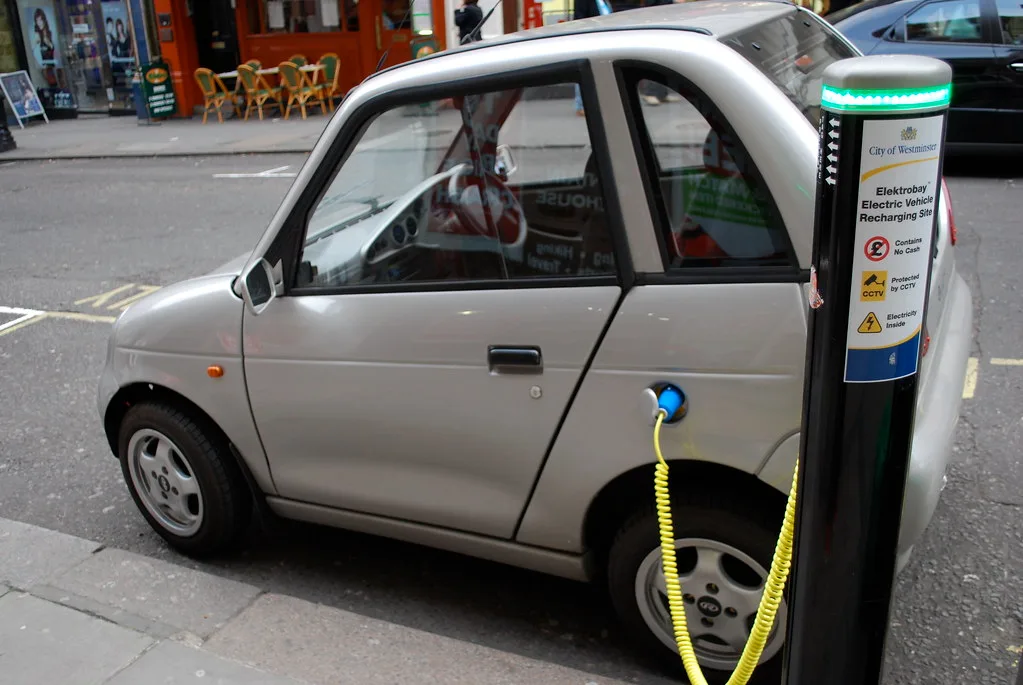
Most drivers need enough range for the normal week plus a buffer, not the longest drive of the year. EPA ratings are useful starting points, but charging access decides how much extra range really matters. In practice, the right answer depends more on routine than on fear.
Use your real week, not the brochure number
Count weekday commuting, school runs, errands, and one unplanned detour. Then ask where the car will charge. A driver covering 35 miles a day with dependable home charging may need far less rated range than a driver covering the same 35 miles while relying on public stations.
A practical rule helps: if daily driving is modest and home or work charging is dependable, do not overbuy range out of fear. If home charging is weak or absent, buy more charging flexibility before chasing a giant battery.
Rated range is a test number, not a promise
EPA range is the best common comparison tool in the U.S., but it is still a laboratory-based estimate. The EPA and DOE both note that speed, temperature, terrain, and accessory use can materially affect real-world energy consumption and available range.
That tracks with my own experience. On mild suburban routes, many EVs feel comfortably close to their rating. On winter highway drives, the same vehicle can feel much tighter, especially if the heater is working hard and charging options are sparse.
What around 250 miles of rated range means in practice
Many modern EVs land near the middle of the market on EPA range, often around 250 miles, but that should be treated as a planning baseline, not a universal real-world result. The exact number changes by model, drivetrain, wheel choice, and sometimes trim.
For model examples, the EPA lists the 2022 Chevrolet Bolt EV at 259 miles of range, and FuelEconomy.gov lists certain 2022 Volkswagen ID.4 configurations at 251 miles or 280 miles depending on drivetrain. Those examples show how widely ratings can vary within the same model line.
Where range usually goes
Cold weather can cut efficiency because battery performance and cabin heating both affect energy use. The DOE notes that cold temperatures can reduce range significantly, especially on short trips. Hot weather can also trim range because air conditioning and battery cooling draw power.
Highway speed also matters. EPA and DOE guidance both reflect that faster driving generally increases energy use. That is why I plan with a buffer instead of assuming the dash estimate will stay optimistic all day, especially on unfamiliar routes or in rough weather.
How does charging at home actually work day to day?
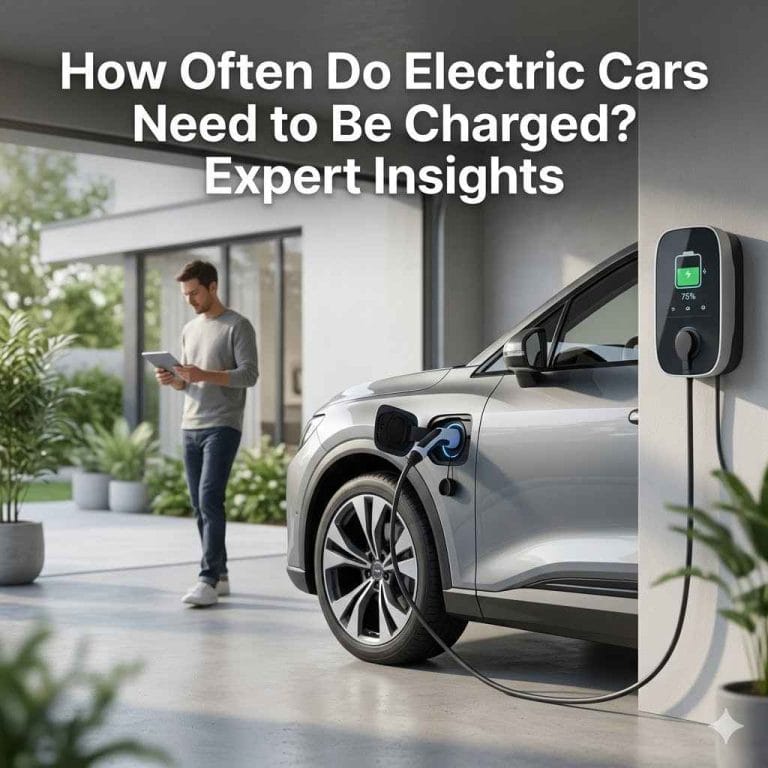
Home charging is usually simple: arrive with a buffer, plug in, set or confirm the charge limit, let the car charge during the preferred window, unplug in the morning, and leave near the target SoC. Once I settled into that rhythm on test cars, charging stopped feeling like a task.
The real workflow competitors usually skip
- Arrive home with enough buffer that a missed session is not a crisis.
- Plug in before going inside if that fits the household routine.
- Schedule charging for off-peak hours if the utility rate rewards it.
- Confirm charging actually started in the car or app.
- Set the daily target, often around 80% for routine driving.
- Unplug in the morning and leave without overthinking it.
This is the rhythm most owners want. It beats treating every evening like a refueling event.
When a regular outlet is enough
Level 1 uses a standard 120-volt household outlet. The DOE says it typically adds about 2 to 5 miles of range per hour of charging, so it can be enough for lighter daily driving if the car sits parked overnight or longer.
For light use, Level 1 is often the cheapest way to start because it may require no new hardware beyond the portable charge cord supplied by the automaker. I would try that first if the commute is short and parking time is long.
When Level 2 is worth the install
Level 2 is the usual home answer for owners who need faster overnight recovery. The DOE says Level 2 charging commonly adds about 10 to 20 or more miles of range per hour, depending on the vehicle and power level, which is why it suits heavier daily use.
That extra work pays off when the EV covers higher daily miles, acts as the main family car, or needs quick turnarounds between evening and morning drives. If that sounds like your situation, our guide to installing a home EV charger covers the planning steps.
Scheduling and target charge limits
Many EVs and home chargers use an app for scheduling. That lets owners shift charging to lower-priced utility windows and stop at a chosen SoC. Utility time-of-use programs vary, so check your local rate plan before assuming overnight charging is always cheapest.
The best first-week habit is simple: set a routine target, then stop checking the app every ten minutes. In my experience, new owners create more stress by micromanaging a normal overnight session than by just letting the car do its job.
What is the difference between Level 1, Level 2, and DC fast charging?
Level 1 is slow and best for light home use, Level 2 is the common home and public option for overnight or multi-hour charging, and DC fast charging is the quick public choice for trips and urgent top-ups. Picking the right one depends more on daily mileage and parking than on charger hype.
Level 1: slow, cheap to start, useful for light daily driving
Level 1 uses a standard household outlet. The DOE describes it as the slowest common charging method and says it is often suitable when a vehicle is parked for long periods. That makes it a reasonable first step for short commutes and long overnight dwell time.
Level 2: the usual home answer for overnight recovery
Level 2 is the middle ground most owners picture when they think about charging at home. DOE guidance describes it as much faster than Level 1 and common for homes, workplaces, and public stations. In day-to-day use, it is the least stressful option for many households.
DC fast charging: trip tool, not daily default
DC fast charging is fast public charging, but actual speed depends heavily on the vehicle, station power, battery temperature, and SoC. The DOE notes that charging from 10% to 80% can take roughly 20 minutes to an hour for many EVs, not one universal number.
It is best used for road trips, a quick top-up between long drives, or a backup when home charging is not available. In my experience, using DC fast charging as a daily plan feels less like convenience and more like repeated scheduling work.
A simple charger choice rule
Choose Level 1 if daily driving is light and the car sits plugged in overnight most nights. Choose Level 2 if the EV regularly needs to recover a bigger share of its battery between evening and morning. Use DC fast charging mainly when distance or schedule makes slower charging impractical.
How long does it take to charge an EV?
Charging time depends on the charger, the vehicle’s acceptance rate, battery temperature, and current SoC. DOE guidance says Level 1 commonly adds 2 to 5 miles of range per hour, Level 2 often adds 10 to 20 or more, and DC fast charging can bring many EVs from about 10% to 80% in roughly 20 minutes to an hour.
Why the same EV charges quickly one day and slowly the next
A warm battery usually charges better than a cold one, and a low SoC usually accepts energy faster than a high one. The charger matters too. A fast-capable car at a weaker station will only charge as quickly as the station and battery conditions allow.
Typical time windows in plain language
Level 1 is an overnight or all-day tool. Level 2 is usually a few-hour or overnight tool. DC fast charging is a trip stop, typically focused on getting back on the road rather than filling to 100%, which lines up with DOE fast-charging guidance and most automaker trip planners.
Why fast charging slows near the top
The battery management system protects the pack as SoC rises, so charge rates often taper near the top. That is why many route planners and automakers emphasize shorter DC fast sessions instead of waiting for a full battery at every stop.
I have seen this catch new drivers off guard: the first part of the session looks impressively quick, then the final stretch slows down enough that waiting longer stops making sense unless the route truly needs the extra energy.
Do you need a home charger to own an EV?
No, a home charger is helpful rather than mandatory. Owners can get by with Level 1 at home, shared charging in an apartment or condo, reliable workplace charging, or a careful public-charging routine. The key is having a repeatable plan that fits weekly mileage without constant low-battery stress.
Owning an EV in an apartment or condo
This is where many guides get thin. Apartment EV ownership works best when there is dependable on-site charging, workplace charging covers a large share of weekly energy needs, or a public station sits close enough to fit into an existing routine without extra driving.
If none of those are true, public-only ownership can become friction fast. Based on EV test weeks in dense areas, the first mistake is assuming every fast charger will be open, working, and priced reasonably at the exact moment you need it.
Using workplace and neighborhood charging without headaches
Workplace charging can be better than home charging for some owners because the car is parked for hours anyway. Neighborhood Level 2 charging can also work if it is near groceries, a gym, or another regular stop. The trick is pairing charging with time the car would already be parked.
When public-only charging works, and when it turns into friction
Public-only charging is easiest for low-mileage drivers with several nearby stations and flexible schedules. It gets harder when the owner has long daily miles, no backup location, or a habit of arriving home under a very low SoC with no margin for waits or outages.
The cheapest setup is often Level 1 at home if available. The easiest setup is usually Level 2 at home. Public DC fast charging is often the least convenient daily option even when it looks fast on paper. If road trips are a concern, our EV road-trip planning guide helps build backup stops.
What charge level is best for EV battery health?
For routine driving, many owners use a daily limit below full because several automakers recommend less than 100% for everyday use. Exact guidance is vehicle-specific. Ford, Tesla, Rivian, Hyundai, and others give different daily targets, so the owner’s manual matters more than any single blanket rule online.
Why a partial daily charge is common
Staying away from the very top during everyday use is common because many manufacturers recommend a partial daily charge limit for convenience or long-term battery care. It also leaves room for regenerative braking and creates a comfortable buffer instead of a nightly race to empty.
When charging to 100% makes sense
Charging to 100% makes sense before a long trip, when the route needs it, or when the automaker specifically advises full charges for calibration or normal use. Some models and battery chemistries tolerate or even prefer different habits, so routine and occasional charging should not be confused.
The habits that matter more than obsessing over a few percent
Avoiding repeated near-empty arrivals matters. Using overnight charging matters. Having a backup charging option matters. From my perspective, the healthiest ownership habit is building a low-drama routine instead of trying to optimize every single percentage point.
That is the right mindset. Battery care should reduce friction, not create a science project.
New EV owner checklist
One-page checklist for week one
| Section | What to do | Recommended target or rule | Why it helps |
|---|---|---|---|
| At-home charging setup | Check parking location and outlet access | Use Level 1 first if daily miles are light and overnight parking is long | Cheapest way to learn whether slow charging already fits the routine |
| At-home charging setup | Decide if an electrician is needed for Level 2 | Install Level 2 when the car needs regular overnight recovery beyond what Level 1 can cover | Removes morning range anxiety for higher-mileage households |
| At-home charging setup | Set charging schedule in the car or app | Prefer off-peak hours when local rates reward overnight charging | Reduces charging cost without changing daily use |
| Weekly charging habits | Set a normal daily charge limit | Use 80% for routine driving unless the manual says otherwise | Matches common battery-health guidance and keeps a buffer |
| Weekly charging habits | Avoid arriving home nearly empty | Try to stay above 10% SoC in normal use | Leaves room for missed sessions, detours, or bad weather |
| Weekly charging habits | Confirm charging started after plugging in | Check once, then leave it alone | Prevents simple first-week mistakes like a loose connector or inactive timer |
| Road-trip readiness | Use DC fast charging for distance | Aim for quick stops up to about 80% when conditions allow | Fast sessions are usually most time-efficient before the top-end taper |
| Road-trip readiness | Charge to 100% only when the trip needs it | Use full charge for departure day, not as the daily default | Gives extra range when useful without turning every week into a max-charge routine |
| Road-trip readiness | Keep a backup station in mind | Do not rely on a single charger location | Reduces risk from queues or out-of-service units |
Simple charger choice matrix
| Charging option | Best fit | What to expect | Main tradeoff |
|---|---|---|---|
| Level 1 | Short commute, home parking, long overnight dwell time | Regular-outlet charging is the slowest type and can take 14-16 hours for a full charge | Cheapest to start, slowest recovery |
| Level 2 | Moderate or higher daily miles, one-car driveway routine, family main car use | Common home/public charging level, often used for overnight charging; Level 2 public charging can take three to four hours | Easiest daily setup, may require electrician work |
| DC fast charging | Road trips, urgent top-ups, no practical slower option that day | Can add up to 80% in 20 to 30 minutes when conditions allow | Fastest stop, usually worst everyday routine and often higher cost |
Common first-week mistakes to avoid
- Buying range for one rare trip instead of sizing around the real week.
- Arriving home nearly empty and then discovering the charger is occupied or offline.
- Assuming public fast charging will feel like a gas stop every time.
- Installing Level 2 before checking whether Level 1 already covers the commute.
- Treating 100% as either mandatory or forbidden instead of situational.
Frequently asked questions
What do I need to know before buying an electric car?
Check daily miles, where the car will park, and where it will charge before comparing features. Charging access often matters more than a giant battery because average daily driving is modest by national travel data. A workable home, work, or nearby public routine usually decides whether ownership feels easy.
How does charging an electric car at home work?
Home charging is mostly a parking routine. Plug in when the car is parked, set a target SoC such as 80% for daily use if the manual supports it, schedule charging for off-peak hours if useful, confirm the session starts, and unplug before leaving. Most owners quickly stop thinking about it.
How long does it take to charge an EV?
Actual time depends on the charger, the vehicle, battery temperature, and starting SoC. DOE guidance says Level 1 commonly adds 2 to 5 miles of range per hour, Level 2 often adds 10 to 20 or more, and DC fast charging can take many EVs from roughly 10% to 80% in about 20 minutes to an hour.
Do I need a home charger to own an EV?
No. A home charger is helpful, but some owners do fine with Level 1 from a regular outlet, shared apartment charging, workplace charging, or a nearby public station that fits the weekly routine. The real requirement is a repeatable plan that does not depend on daily luck.
What battery charge level is best for EV battery health?
There is no single universal percentage for every EV. Many owners use a partial daily charge because several automakers recommend it, but exact guidance differs by model and battery chemistry. Charging to 100% can still make sense before a trip or when the manufacturer says it is appropriate.
What is the difference between Level 1, Level 2, and DC fast charging?
Level 1 uses a regular outlet and is the slowest option, Level 2 is the common home and public setup used over a few hours or overnight, and DC fast charging is the public quick-stop option. For most owners, Level 1 or Level 2 handles daily life while DC fast charging handles travel.
Sources
- U.S. Department of Energy, Alternative Fuels Data Center: Electric Vehicle Charging Speeds and Charging Infrastructure Basics.
- U.S. Environmental Protection Agency and FuelEconomy.gov: model-year EV range listings, including 2022 Chevrolet Bolt EV and 2022 Volkswagen ID.4 configurations.
- U.S. Department of Energy: effects of weather, speed, and auxiliary loads on EV range and efficiency.
- Ford F-150 Lightning owner resources and charging guidance for daily charge limits.
- Tesla charging recommendations and in-vehicle charge limit guidance.
- Rivian, Hyundai, and other OEM owner materials for model-specific battery and charging recommendations.
- U.S. Department of Transportation Federal Highway Administration travel data on average driving patterns.
- Local utility time-of-use rate materials for off-peak charging examples, where available.
Products related to this article
Sponsored / affiliate links. As an Amazon Associate I earn from qualifying purchases. I may earn additional commission from eligible campaigns.
 Oxygen Sensor Connector Pigtail Wiring Harness Compatible with Chevrolet
 EAGLEWING Compatible with Craftsman Vehicle/Car Charger for 20V Lithium Battery Fast Charger Black and Decker LBXR20 LBXR2020 LB2X4020 and Porter Cable 20V Lithium Battery PCC685L PCC680L PCC681L
 Car Key Battery for Ford Mustang (1998-2002 Mustang Remote Batteries CR2025 3V Pack of 2)