Best First Electric Car for New Buyers: Best Picks
Best first EV for most buyers: Hyundai Kona Electric for home charging, or Tesla Model 3 RWD for public charging; pick one with at least 250 miles EPA range or 150 kW DC fast charging. Range alone can set you up for slow charging, costly downtime, and a car you stop liking by week three. This guide ranks beginner-friendly EVs by home charging, apartment charging, daily commute, and budget.
This guide is part of our Electric vehicle basics: a simple owner guide series.
The best overall starter EV is the Hyundai Kona Electric for buyers who can charge at home and want a compact crossover that is easy to live with. It gives a practical mix of range, size, and price without pushing new owners into oversized batteries they may never need.
Best first electric car for new buyers
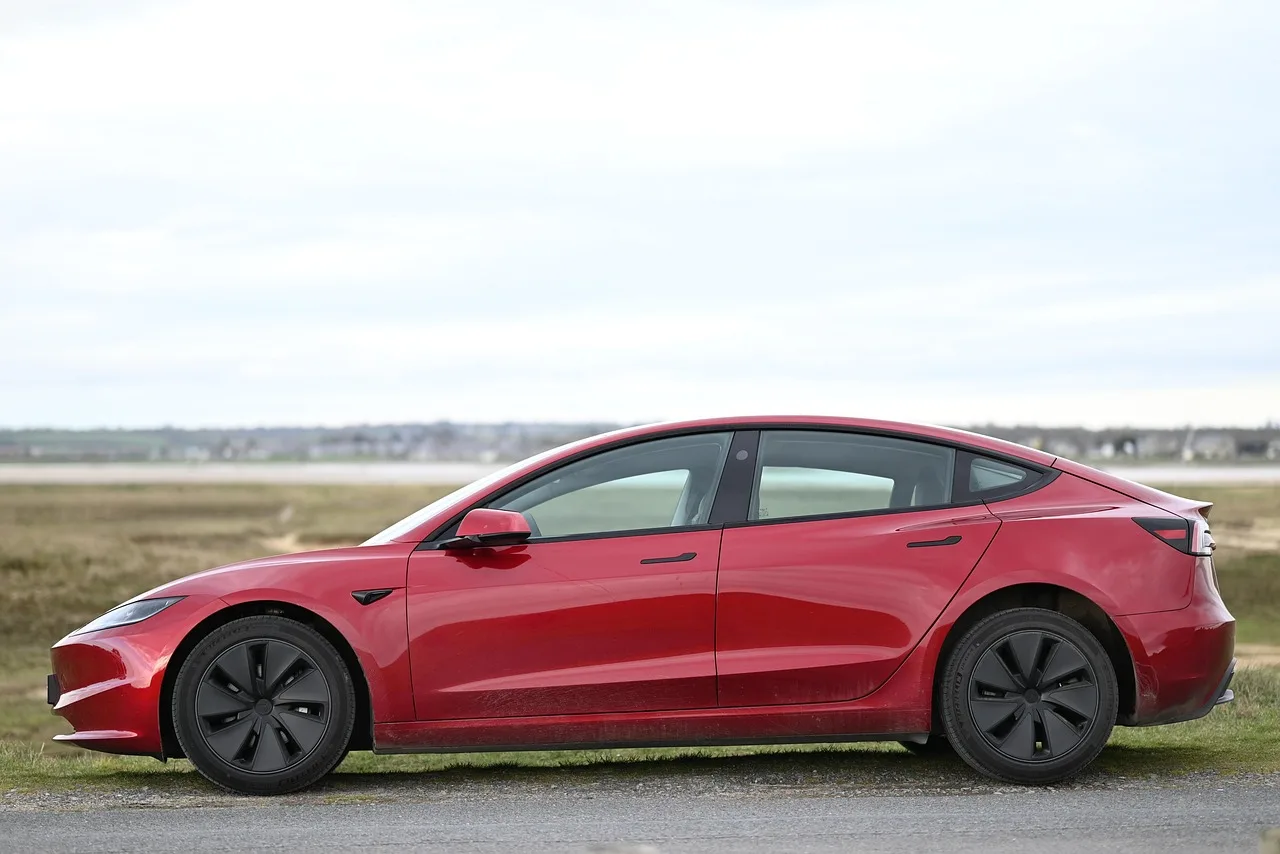


It is not the right answer for everyone. A city driver with very short trips may do better in a smaller EV. A buyer without home charging may care more about DC fast-charging access than sticker price. A family with cargo needs may want a roomier SUV shape.
According to Best EVs for First-Time Buyers – GreenCars — The Kona Electric has an EPA-estimated range of 261 miles.
Quick picks by buyer type
| Buyer type | Best pick | Why it fits | Key spec or price anchor |
|---|---|---|---|
| City driving and short commutes | Nissan Leaf | Low entry price, simple use, easy parking footprint | Starts at $29,280; about 150 miles of EPA-estimated range |
| Apartment dwellers or buyers without home charging | Tesla Model 3 | Supercharger access makes trip planning easier | Starts at $36,990 for the Standard trim |
| Budget buyers | Nissan Leaf | Lowest clear starting price in this group | Starts at $29,280 |
| Small SUV comfort and daily flexibility | Hyundai Kona Electric | Compact crossover shape with usable range | Starts at $34,425; 261 miles EPA-estimated range |
| Charging network access and easy trip planning | Tesla Model Y | Strong public charging path and cargo-friendly shape | Starts at $39,990 for the Standard trim |
How much range do you really need?
Many first-time buyers need enough estimated range to cover the daily commute, errands, and a little extra for weather. For many drivers, a few hundred miles of range is often the sweet spot. Less can work if charging at home is easy and the driving pattern is short. More helps when public charging is the norm.
Match EPA range to daily driving
EPA range is only a starting point. Real-world range changes with speed, heat, cold, hills, battery size, and how often the car runs at highway pace. A 261-mile EV can feel very different in winter than on a mild suburban commute.
For a 20- to 40-mile daily drive, a lower-range EV can still be fine if home charging is available. For a longer highway commute, range drops faster at speed, so extra battery capacity matters more. That is where a car with a comfortable margin starts paying back in convenience.
When extra range is worth paying for
Pay for more range when the car will sit outside in winter, when charging access is uncertain, or when weekend trips are common. Do not pay for extra range just to avoid a rare outlier day. That usually means more upfront cost, more weight, and no real gain during routine use.
What matters most before you buy an EV?
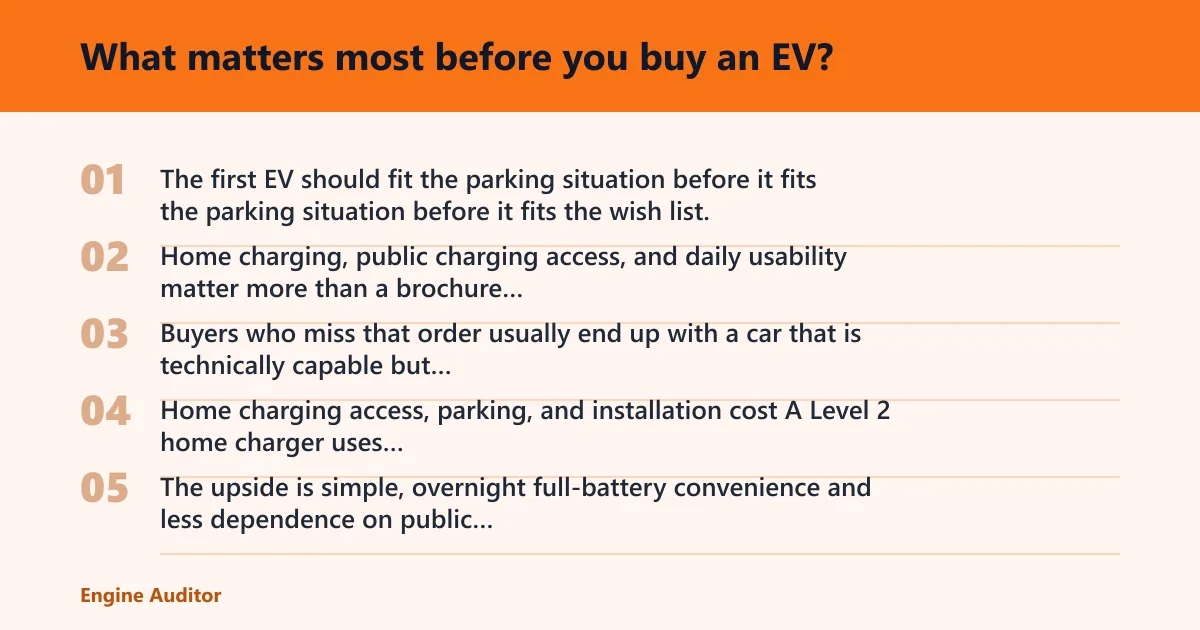
The first EV should fit the parking situation before it fits the wish list. Home charging, public charging access, and daily usability matter more than a brochure range figure. Buyers who miss that order usually end up with a car that is technically capable but awkward to own.
Home charging access, parking, and installation cost
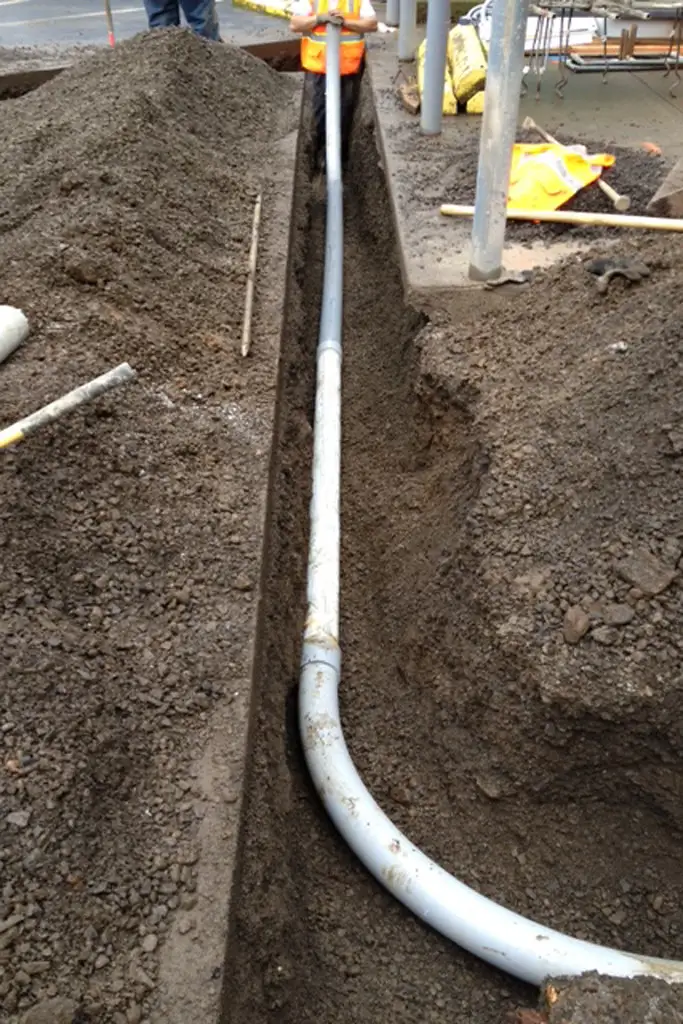
A Level 2 home charger uses higher-voltage charging and usually needs installation. The upside is simple, overnight full-battery convenience and less dependence on public stations. If a buyer cannot install one, the ownership experience changes fast, especially on cold weeks or busy work schedules.
Public charging access by region and route
Public charging does not work the same way everywhere. Charger density changes by region, and trip planning often becomes app-based. DC fast charging is useful, but it is not a full replacement for home charging when the car is the only household vehicle.
A good first EV for public-charging users should have predictable route planning and strong fast-charge support. Short-range cars can still work in that scenario, but they demand more attention and more patience at the plug.
Safety, reliability, visibility, and ride comfort
First-time buyers usually want a car that feels easy on day one. Clear outward visibility, simple controls, stable ride quality, and a calm cabin matter. Safety and reliability still belong near the top of the list, because a beginner should not have to learn quirks just to get to work.
Cargo space, rear-seat room, and daily usability
Small cabins can work for solo drivers. They get old fast once groceries, child seats, luggage, or a passenger show up. The best starter EV is often the one that makes ordinary errands boring in a good way.
Buyer-fit matrix: which EV fits which driver?
This matrix uses a simple 1-to-5 score, where 5 is strongest for that category. It is built around commute length, dependence on home charging, budget pressure, cargo needs, and charging speed. The point is not to crown one universal winner. It is to match the car to the life around it.
| Model | Commute length | Home-charging dependence | Budget | Cargo needs | Charging speed | Best for |
|---|---|---|---|---|---|---|
| Nissan Leaf | 3 | 3 | 5 | 2 | 2 | City drivers and lower-entry buyers |
| Nissan Ariya | 4 | 4 | 3 | 4 | 3 | Buyers who want a small SUV feel |
| Hyundai Kona Electric | 5 | 4 | 4 | 3 | 3 | Best all-around compact crossover value |
| Mini Cooper SE | 2 | 2 | 4 | 1 | 3 | Short-range commuters who want a fun car |
| Kia Niro EV | 4 | 4 | 4 | 4 | 3 | All-around comfort and practical space |
| Tesla Model 3 | 4 | 5 | 3 | 3 | 5 | Buyers who rely on Supercharger access |
| Tesla Model Y | 4 | 5 | 3 | 5 | 5 | Families and road-trip buyers |
Model-by-model picks for first-time buyers
Nissan Leaf: best for city use and lower entry price
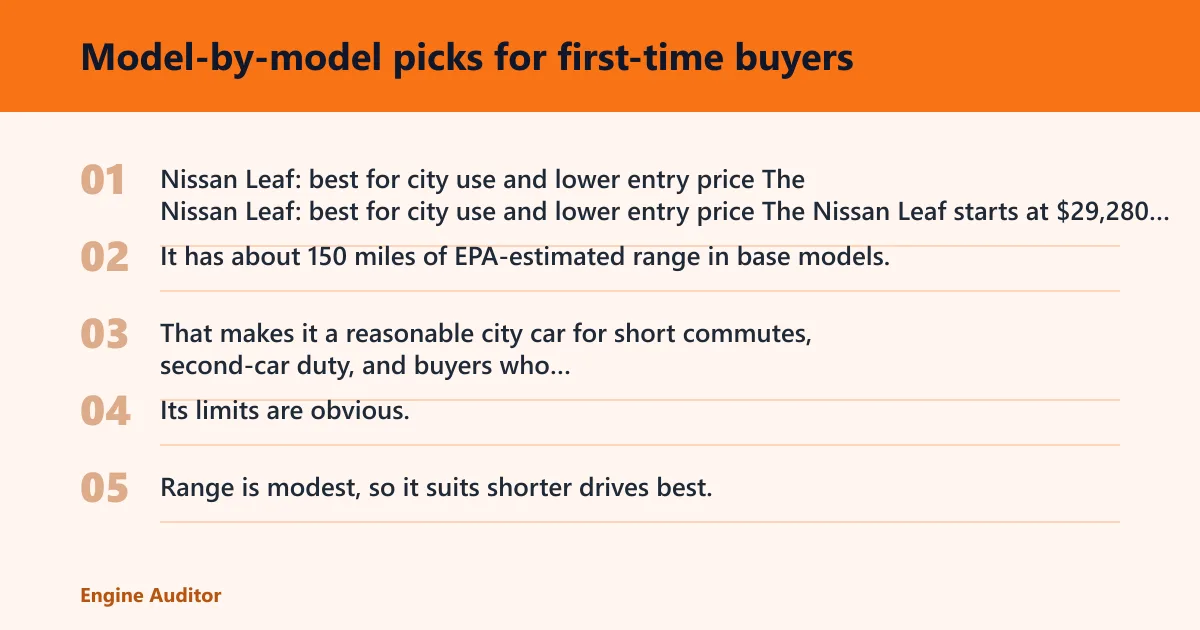
The Nissan Leaf starts at $29,280 and is described as affordable and easy to maintain. It has about 150 miles of EPA-estimated range in base models. That makes it a reasonable city car for short commutes, second-car duty, and buyers who want the simplest entry point into EV ownership.
Its limits are obvious. Range is modest, so it suits shorter drives best. It is a better fit for drivers who can charge at home and do not need a long highway cushion.
Mini Cooper SE: best for short-range commuting and fun driving
The Mini Electric starts at $30,900 and is marketed as small, punchy, and fun. It has a 114-mile EPA-estimated range, reaches 60 mph in 5.4 seconds, and can charge from 0 to 80% in about 30 minutes with DC fast charging. That profile fits short commuters who value personality over distance.
It is not the easy answer for long drives or apartment life without charging access. The short range is the price of the compact size and playful feel.
Hyundai Kona Electric: best compact crossover value
The Hyundai Kona Electric starts at $34,425 and is positioned as a compact crossover. It has an EPA-estimated range of 261 miles. For many first-time buyers, that combination hits the target, enough range for daily use, a practical ride height, and a price that stays below many larger EVs.
This is the strongest all-purpose recommendation when home charging is available. It is also one of the easier models to live with if the buyer wants a small SUV shape without stepping into a larger vehicle.
Kia Niro EV: best all-around comfort and practical space
The Kia Niro EV belongs on the short list for buyers who care about comfort, tech, and safety as much as sticker price. It fits the practical EV SUV role well, with a cabin shape that works for errands, passengers, and routine commuting. That makes it a sensible choice for people who want fewer compromises.
It is not the cheapest car here, and that is fine. Buyers who value a calmer daily drive and useful packaging will often be happier spending a little more on this type of EV than on a stripped-down short-range model.
Nissan Ariya: best for buyers who want a small SUV feel
The Nissan Ariya starts at $39,770 and offers 289 miles of EPA-estimated range. The FWD version uses a 63 kWh battery. That gives it a more mature, SUV-like feel than the Leaf, with enough range to handle commuting and weekend travel without immediate range anxiety.
It suits buyers who want a more premium cabin and a compact SUV stance. It is less compelling if the budget is tight or the driver mainly needs an around-town tool.
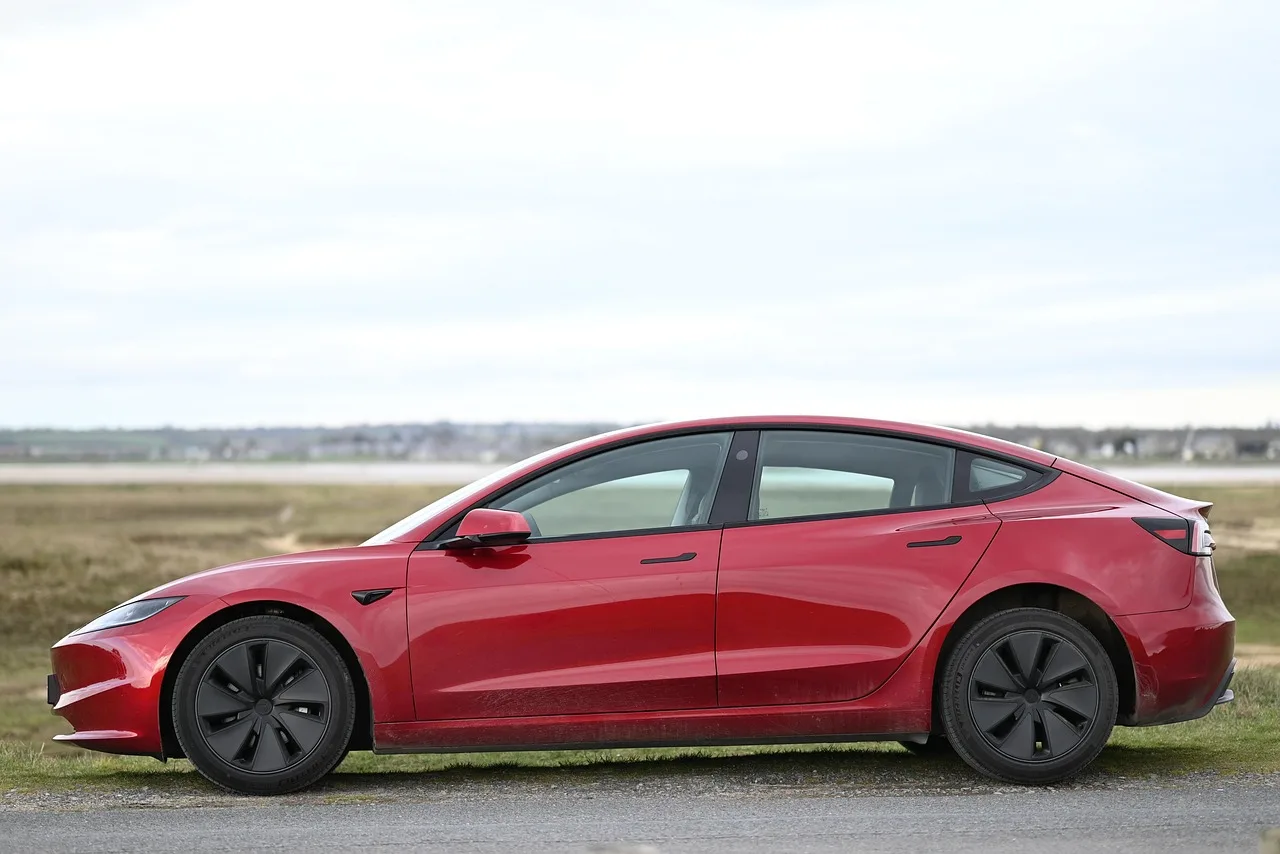
Tesla Model 3: best for charging network access and simple trip planning
Recurrent says the Tesla Model 3 starts at $36,990 for the Standard trim. Tesla drivers get access to the Supercharger network with the most charging stations in the country. For first-time buyers who do not have home charging, that network access can matter more than the badge.
The tradeoff is everyday comfort and cabin feel. Some buyers like the minimal controls. Others find the road noise and ride less relaxed than they expected. It is a strong first EV when charging access is the main problem to solve.
Tesla Model Y: best for families and road-trip buyers
Recurrent says the Tesla Model Y starts at $39,990 for the Standard trim. It brings the same charging network advantage as the Model 3, plus more cargo usefulness. That combination makes it the better Tesla for drivers who need space and do not want to think hard about charging stops.
It is a better fit than the Model 3 for households with gear, pets, or frequent luggage. It is still worth checking cabin noise and ride comfort before buying, because those traits matter on every commute.
Should you buy new or used for your first EV?
Used can be the smarter first EV when the budget is tight and the buyer wants to limit depreciation. It is also a good path when the commute is short and charging access is simple. New makes more sense when the buyer wants full warranty coverage, the latest charging hardware, or a cleaner battery history.
What to check on a used EV
Battery health comes first. Check remaining range, charging behavior, and service history. Confirm warranty status. Verify that the car still charges normally on Level 2 and DC fast charging if that feature matters for the buyer’s routine.
- Check the battery state of health and usable range.
- Review charging speed on the target model.
- Confirm warranty coverage on the battery and drivetrain.
- Inspect tires, brakes, and suspension wear.
- Test the car on the actual commute route if possible.
When new is worth the premium
Buy new when the EV will be the only car, when the charging setup is uncertain, or when the buyer wants the simplest ownership path. A new EV can be the cleaner answer if the difference in cost is small and the buyer wants lower risk.
What EV features matter most for first-time buyers?
First-time buyers should care most about easy controls, predictable range, charging convenience, safety, reliability, visibility, and ride comfort. A good first EV should feel ordinary to use, because ordinary is what gets driven every day. One-pedal driving is useful, but it should not replace good ergonomics.
Physical controls still matter. Rear-seat space matters if the car will carry adults. Cargo usefulness matters if the EV is replacing a gasoline crossover. If a model is awkward in these areas, the novelty wears off fast.
Are Teslas a good first electric car for new drivers?
Yes, for buyers who prioritize charging access and simple route planning. Tesla’s Supercharger network is a real ownership advantage, especially where home charging is unavailable or public charging is patchy. That makes the Model 3 and Model Y strong first-EV candidates for apartment dwellers and highway travelers.
They are less ideal for buyers who want more physical controls, softer ride tuning, or a quieter cabin. New drivers should choose Tesla for the charging network, not for the idea that every EV should feel the same.
Is a home charger necessary before buying my first EV?
No, but it changes the ownership experience a lot. A Level 2 home charger is the easiest path to overnight convenience and low daily effort. Without it, the buyer must rely more on public charging, which is workable in some regions and frustrating in others.
If home charging is impossible, choose an EV with strong DC fast charging and a reliable public network in the buyer’s area. If home charging is possible, it should be part of the decision, not an afterthought.
Frequently asked questions
How much range do I need for my first EV?
Most buyers should target enough EPA range to cover the daily commute with a buffer for weather and detours. For short commuting, lower range can work. For highway travel, winter use, or uncertain charging access, extra range becomes much more valuable.
Should I buy a new or used EV as my first electric car?
Used is often the lower-risk budget move if battery health is strong and the car has a clean service record. New is better when warranty coverage, charging speed, and peace of mind matter more than initial savings. The best choice depends on the buyer’s tolerance for uncertainty.
Which EV is easiest to live with for daily driving?
The easiest EV to live with is usually the one that matches charging access and commute length with the least friction. For many buyers, that means the Hyundai Kona Electric or Kia Niro EV at home, and a Tesla Model 3 if public charging is the main constraint.
How long does it take to charge a beginner-friendly EV?
Charging time depends on the charger and battery size. Level 2 home charging is the overnight convenience option. DC fast charging is much quicker, and the Mini Electric, for example, takes about 30 minutes to charge from 0 to 80% with DC fast charging.
Products related to this article
Sponsored / affiliate links. As an Amazon Associate I earn from qualifying purchases. I may earn additional commission from eligible campaigns.