How Electric Cars Work: Battery, Motor, and Inverter
An electric car typically uses a high-voltage battery to feed an inverter, which converts DC to AC for the motor; the motor turns the wheels, while a 12-volt system handles accessories and controls. Get this flow wrong, and you misread charging limits, range, warning lights, and why the car may not drive. This guide traces electricity from the plug to the battery, inverter, motor, regenerative braking, and back to the 12-volt system.
This guide is part of our Electric vehicle basics: a simple owner guide series.
How does an electric car work?
An EV stores electrical energy, then sends it to the motor to turn the wheels. All-electric vehicles use an electric motor instead of an internal combustion engine, and BEVs use a large traction battery pack to power the motor. Most EVs plug in to charge and do not need a clutch pedal.
Compared with a gasoline drivetrain, the energy path is shorter and easier to trace. Fuel is replaced by electricity, and the main conversion steps are charging AC to DC, then DC back to AC for driving. In normal use, the car behaves much like an automatic because the motor can deliver useful torque over a wide speed range.
What parts make up an EV drivetrain?
AFDC lists the main pieces plainly: battery, charge port, DC/DC converter, motor, onboard charger, power electronics controller, thermal system, traction battery pack, and transmission. That list matters because each part has a separate job. If one part is weak, the symptom often points to a specific stage of the energy path.
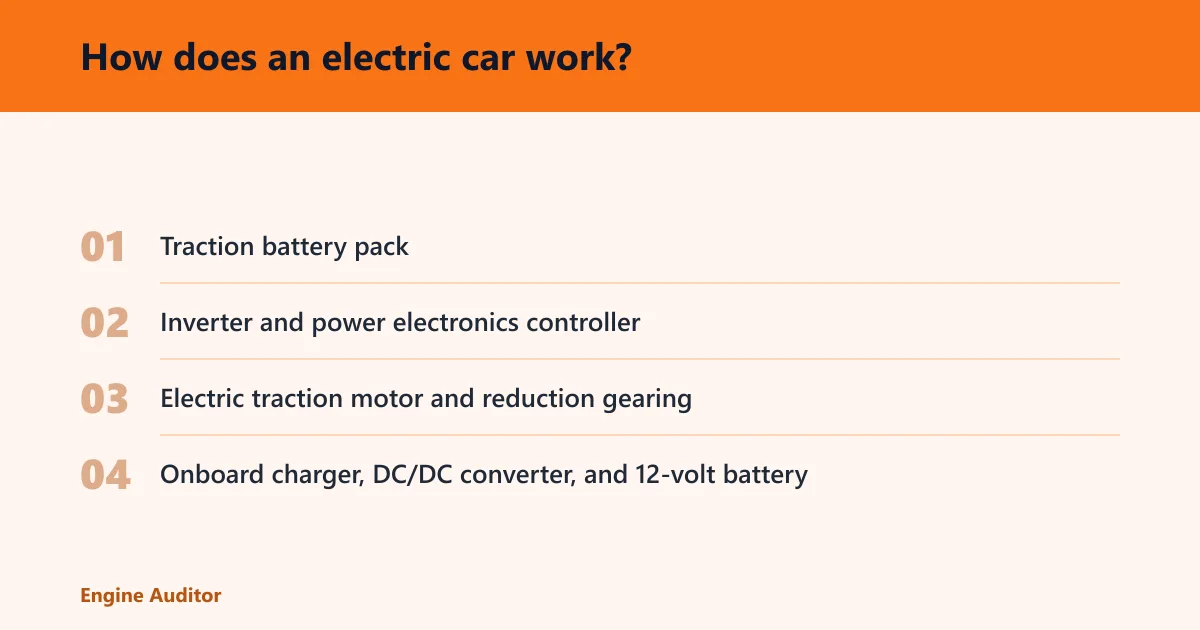
- Traction battery pack: stores propulsion energy at high voltage.
- Inverter and power electronics controller: shape electrical power for the motor.
- Electric traction motor and reduction gearing: move the wheels.
- Onboard charger, DC/DC converter, and 12-volt battery: handle plug-in charging and low-voltage vehicle power.
What does the battery do in an EV?
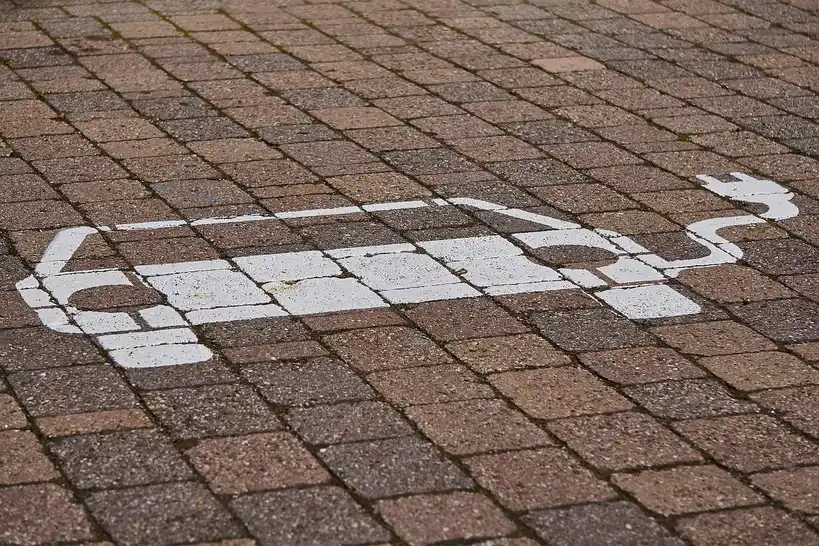
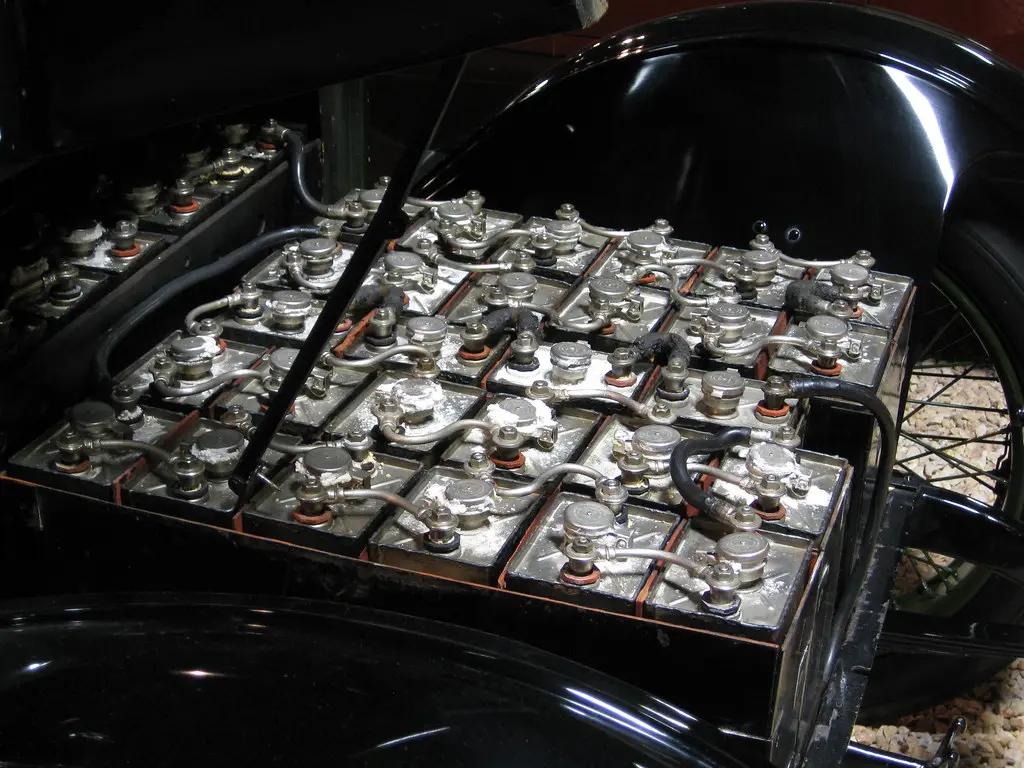
The traction battery is the car’s energy reservoir. It stores electricity for propulsion, feeds the motor and power electronics, and is usually a high-voltage pack placed under the floor for packaging and balance. Capacity is measured in kWh, which is a measure of stored energy, not motor power.
Pack chemistry and architecture matter because they affect usable capacity, charging behavior, weight, and thermal limits. CarVertical notes that EV traction batteries are often built from thousands of lithium-ion batteries. That cell-level structure is why one weak module, hot spot, or imbalance can change how the whole pack performs.
Why is the traction battery high-voltage?
High voltage reduces current for a given power level. Lower current means less heat in cables, switches, and power electronics. That helps the car move power efficiently from the pack to the inverter and motor, especially during hard acceleration or fast charging.
How do kWh, chemistry, and temperature affect range?
kWh tells you how much energy the pack can store. Range depends on how much of that stored energy is usable, which varies with chemistry, pack design, temperature, and software limits. Cold batteries charge more slowly and deliver less power until they warm into a better operating range.
How does electricity move from the plug to the battery?
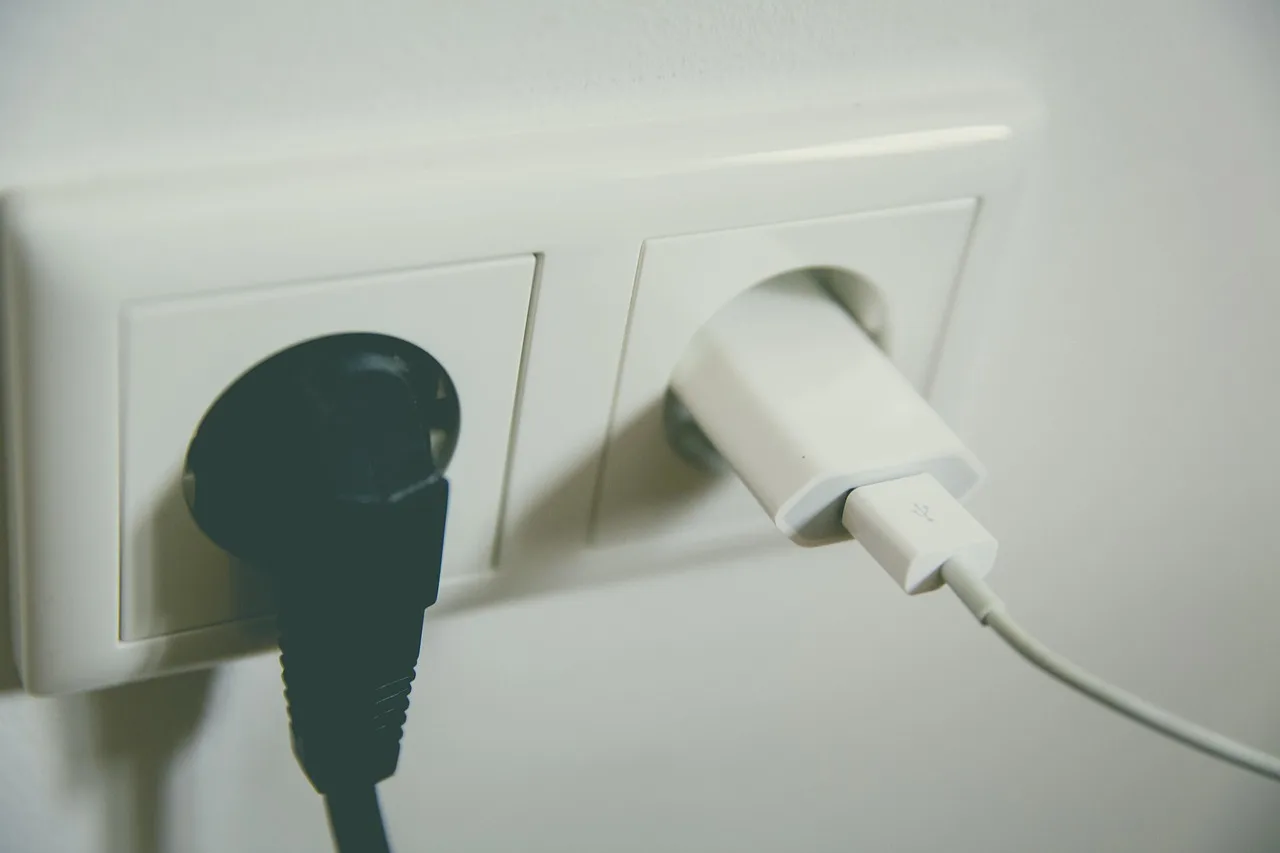
Plug-in charging starts outside the car, but the conversion work happens inside it. EVs must be plugged in to a wall outlet or charging equipment. The onboard charger then converts incoming AC electricity to DC for charging the traction battery. It also monitors voltage, current, temperature, and state of charge. (afdc.energy.gov)
EVSE, the external charging equipment, tells the car what power is available and provides a safe connection. It does not usually convert the electricity for the battery. For AC charging, the car does that conversion itself. During DC fast charging, much of the AC-to-DC conversion happens outside the vehicle, so the pack can receive DC directly.
What does the onboard charger do?
The onboard charger is the car’s internal AC-to-DC device for normal plug-in charging. It coordinates with the EVSE, checks charging limits, and keeps the battery within safe electrical and thermal bounds. If that unit is offline, AC charging may stop even though the plug, cable, and station look fine.
What is the practical difference between AC and DC charging?
AC charging sends alternating current into the car, then the onboard charger turns it into DC for the battery. DC fast charging sends direct current to the pack through a different charging path, so the onboard charger is bypassed or used differently depending on design. The battery still decides what it will accept.
What does the inverter do in an electric car?
The inverter converts DC battery power to AC for the traction motor, then supports bidirectional energy flow during regenerative braking. CarVertical describes the inverter as converting DC power to AC power and vice versa. That conversion step is central because most EV traction motors run on AC.
The power electronics controller manages the electrical energy delivered by the traction battery. It sets how much torque the motor makes, how fast it spins, and how much current flows. In simple terms, the inverter and controller are the car’s power translators and traffic managers.
Why does the inverter matter during regen?
During regeneration, the motor becomes a generator. Mechanical motion from the wheels is turned back into electrical energy, and the inverter routes that energy toward the battery in a controlled way. That is why a lift-off or brake event can slow the car while recovering some energy.
What happens if the inverter is weak or offline?
If the inverter cannot switch power correctly, the car may lose drive power, limit output, or refuse to move. Because the inverter sits between the pack and the motor, its fault can look like a propulsion problem rather than a charging problem. The symptom depends on which side of the system is affected.
How does an electric motor move the wheels?
An EV motor turns electrical energy into rotation. Top Gear describes electric motors as producing force from a current running through a magnetic field, and all-electric vehicles use one or more electric motors fed by a battery. The motor drives the vehicle’s wheels, usually through reduction gearing.
Many EVs do not need a multi-speed gearbox because the motor can work across a wide speed range. A single reduction gear lowers the motor’s fast rotation to a useful wheel speed and multiplies torque at the axle. The result is simpler than a stepped automatic transmission, but not gear-free.
What is reduction gearing?
Reduction gearing is a fixed gear ratio between the motor and the wheels. It lets the motor spin very quickly while the wheels turn at road speed. That ratio helps low-speed launch, highway cruising, and efficiency without the shift events found in many gasoline vehicles.
What happens when the motor acts as a generator?
Some EV motor generators perform both drive and regeneration functions. When the wheels back-drive the motor, it produces electrical current instead of consuming it. The inverter and controller then send that energy in the right direction, usually toward the traction battery if conditions allow.
Why do EVs need a 12-volt system?
EVs still need a separate low-voltage system for accessories, relays, computers, lighting, locks, and control modules. The DC/DC converter changes higher-voltage DC to lower-voltage DC for accessories and to recharge the auxiliary battery. That auxiliary battery is commonly lead-acid in many EVs.
A weak 12-volt battery can cause strange symptoms even when the traction battery is full. A car may not wake up, a contactor may not close, or warning lights may appear before the main pack is the real issue. The low-voltage system is small, but it can stop the whole car.
What does the DC/DC converter do?
The DC/DC converter steps down high-voltage pack energy to low-voltage DC. That keeps the 12-volt battery charged and runs vehicle electronics. Without it, the car would eventually lose the power needed for computers, pumps, locks, and other support systems.
What’s the difference between the traction battery and the 12-volt battery?
The traction battery powers propulsion. The 12-volt battery powers the car’s control and accessory systems. They serve different voltage levels and different jobs. In most EVs, the traction battery is the large high-voltage pack; the 12-volt battery is the smaller backup and support source.
What is regenerative braking in an electric car?
Regenerative braking uses the motor as a generator so the car can slow down while recovering some energy. Top Gear says regenerative braking recovers electricity when you lift off the throttle. It is useful, but it does not replace friction brakes in every stop or every speed range.
Think of regen as the first layer of slowing, with friction brakes filling the gap. At gentle deceleration, regen may do much of the work. At hard braking, low speeds, or when the battery cannot accept more charge, friction brakes do more. The car blends both systems.
How do regen and friction brakes work together?
Regeneration is limited by battery state, temperature, traction, and motor speed. Friction brakes still matter for emergencies, steep descents, and full stops. A common first-timer mistake is assuming one-pedal driving means the brake pedal is unnecessary. It is not.
What do you feel from the driver’s seat?
Picture a city commute with repeated stoplights. If you lift off the accelerator at 25 mph, the car may slow sharply through regen and feed energy back to the pack. Press the brake harder, and the friction system joins in for extra stopping force.
What is the thermal management system?
The thermal management system keeps the battery, motor, inverter, and related electronics in their operating range. It uses cooling and heating to control temperature, which affects performance, charging speed, and component life. Cold parts often limit output; hot parts often reduce power to protect themselves.
That matters on both sides of the drivetrain. A cold pack may accept charge more slowly. A hot inverter may reduce available torque. Thermal control is not an accessory; it is part of the energy path.
Energy flow from wall to wheels and back
| Scenario | Energy path | Component job in one line |
|---|---|---|
| AC charging from a wall outlet | Wall outlet → EVSE → onboard charger → traction battery | The onboard charger converts AC to DC, while the EVSE supplies safe external power and communication. |
| Driving from battery to motor | Traction battery → inverter / power electronics controller → motor → reduction gearing → wheels | The inverter turns DC into AC, and the controller meters speed and torque for the motor. |
| Regenerative braking back to battery | Wheels → motor acting as generator → inverter → traction battery | The motor generates electricity, and bidirectional power flow sends some of it back to the pack. |
- Power enters through the charge port or comes from the traction battery.
- The onboard charger handles AC charging; the inverter handles drive power conversion.
- The motor turns electrical energy into wheel motion through reduction gearing.
- During regen, the process runs partly in reverse and sends energy back to the pack.
- The DC/DC converter keeps the 12-volt system alive throughout the cycle.
Frequently asked questions
How does an electric car work?
An electric car stores electricity in a high-voltage traction battery, then uses an inverter and electric motor to move the wheels. The battery is charged from the grid through an onboard charger or, in some cases, a DC fast-charging path. Regeneration can send some energy back into the pack.
What does the battery do in an EV?
The traction battery stores propulsion energy and supplies the inverter, motor, and other high-voltage systems. Its capacity is measured in kWh. Pack chemistry, layout, and temperature affect charging speed, output, and usable range. The battery is the energy source, not the device that makes motion.
What does the inverter do in an electric car?
The inverter converts DC from the traction battery into AC for the motor. It also supports bidirectional flow during regenerative braking, when the motor can act as a generator. The power electronics controller works with it to manage torque, speed, and electrical limits.
How does an electric motor move the wheels?
The motor turns electrical energy into rotation, and that rotation is sent to the wheels through reduction gearing. In most EVs, the motor can operate over a wide speed range, so a single gear ratio is enough. During regen, the same machine can produce electricity instead of using it.
Why do EVs need an onboard charger?
Most charging from the grid arrives as AC, but the traction battery stores DC. The onboard charger converts AC to DC and monitors voltage, current, temperature, and state of charge while charging. That lets the car accept power safely from ordinary charging equipment.
What is regenerative braking in an electric car?
Regenerative braking slows the car by using the motor as a generator and sending some energy back to the battery. It recovers part of the motion that would otherwise become heat in the brakes. Friction brakes still handle hard stops, low-speed stopping, and situations where regen is limited.
Products related to this article
Sponsored / affiliate links. As an Amazon Associate I earn from qualifying purchases. I may earn additional commission from eligible campaigns.