What Are the Main Parts of an Electric Car? (Simple Explanation)
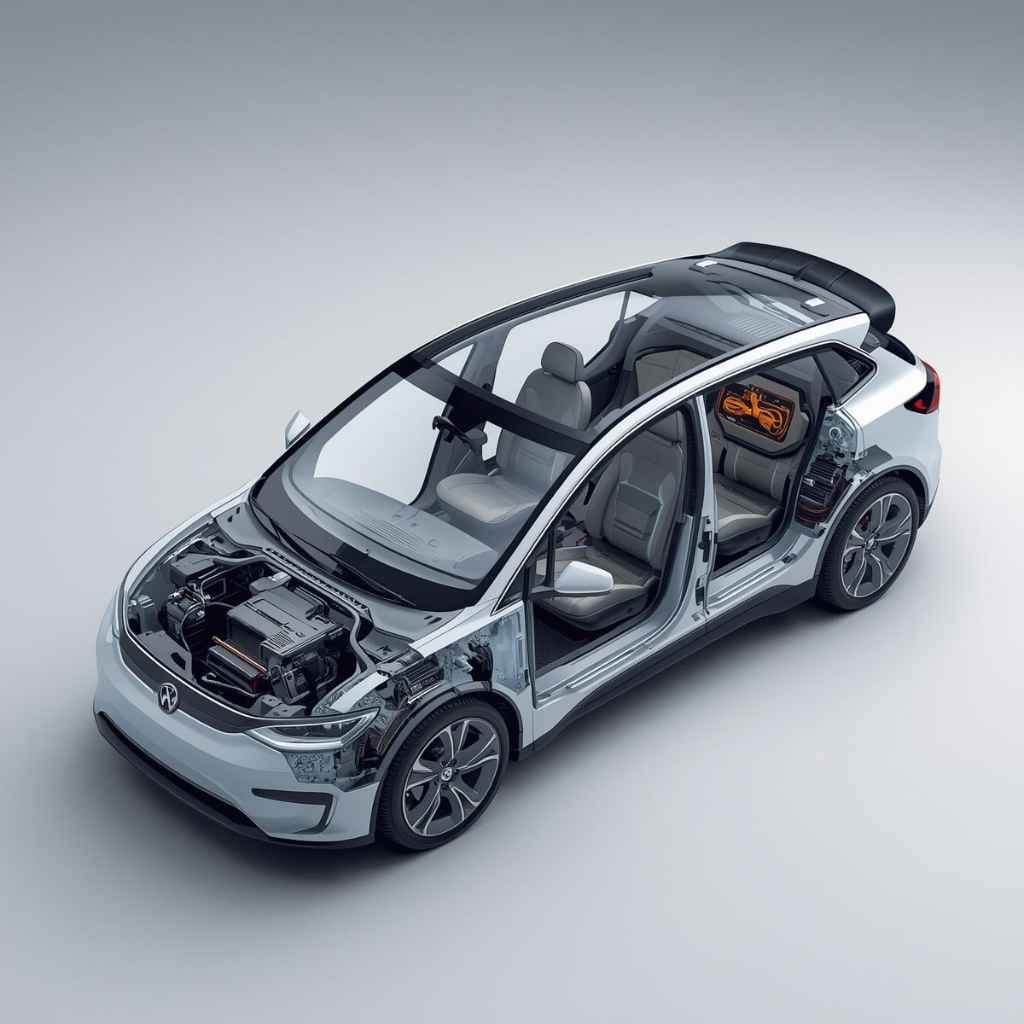
The popularity of electric cars has soared in the last decade. With governments, companies, and consumers paying more attention to climate change and sustainability, electric vehicles (EVs) are now everywhere. However, many people still wonder: what exactly is inside an electric car? How is it different from a regular gasoline car? If you ever asked yourself these questions, you are not alone. Understanding the main parts of an electric car is the first step to making smart choices—whether you want to buy, repair, or just learn more about this modern technology.
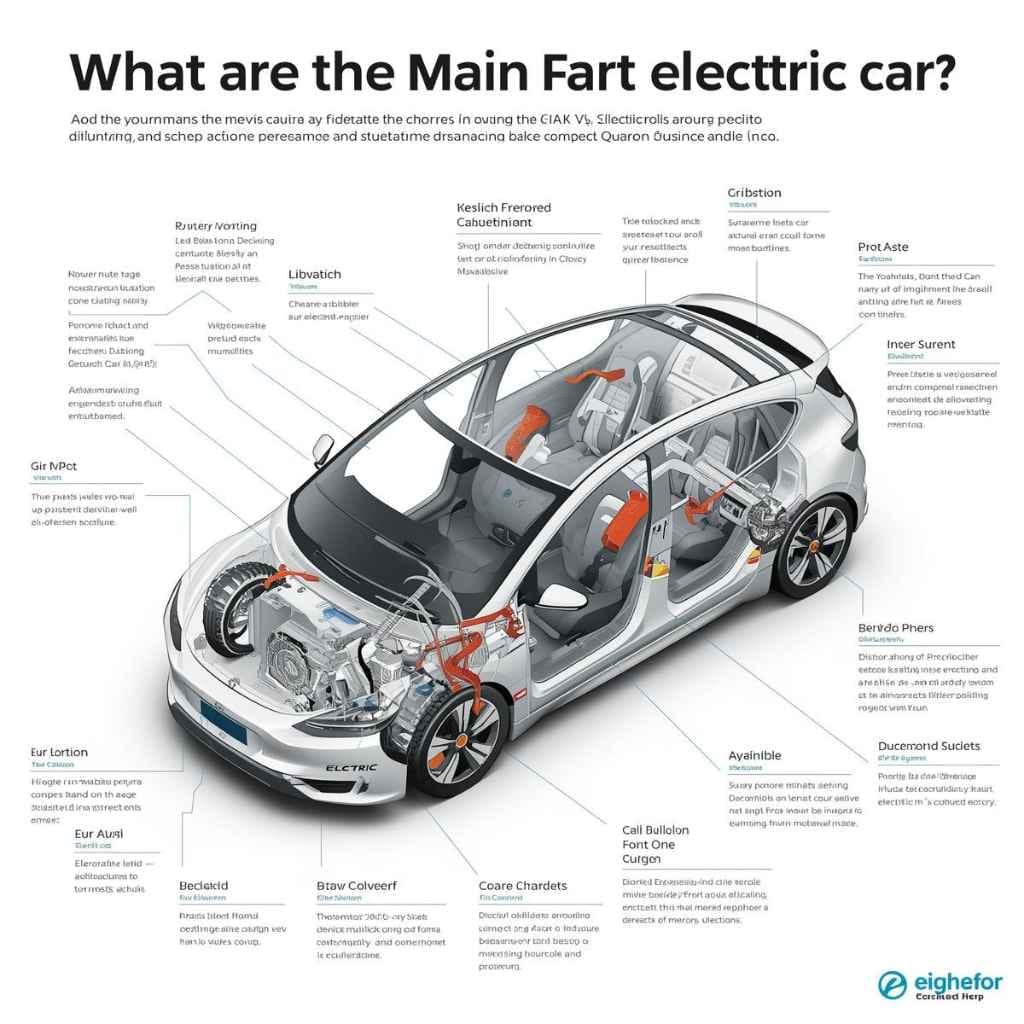
This article will walk you through the essential components that make up an electric car. You will learn how these parts work together, what makes them unique, and which details matter most. As a calm expert, I will keep explanations clear and practical, even if you are new to the topic.
You will also find real examples, helpful data, and answers to common questions at the end. By the time you finish reading, you will have a solid grasp of what powers an electric car and how each part plays its role.
The Electric Motor
One of the most important parts of any electric car is the electric motor. This device is responsible for converting electrical energy from the battery into mechanical energy that moves the wheels. Unlike gasoline engines, electric motors are much simpler and more efficient. They have fewer moving parts, which means less maintenance and lower chances of breakdown.
How It Works
The electric motor receives power from the battery pack. When you press the accelerator pedal, the car’s computer (the controller) tells the battery to send electricity to the motor. The motor then spins, creating torque that turns the wheels. Most modern electric cars use one of these types of motors:
- AC Induction Motor: Used in early Tesla models, known for durability.
- Permanent Magnet Synchronous Motor (PMSM): Used in many new EVs, offers high efficiency.
- Brushless DC Motor: Common in smaller EVs and e-bikes.
Key Benefits
- High torque at low speeds: Electric motors can provide full torque instantly, making acceleration quick and smooth.
- Regenerative braking: When you slow down, the motor can act as a generator, sending energy back to the battery.
- Quiet operation: Unlike gasoline engines, electric motors run almost silently.
Real Example
The Tesla Model 3 uses a permanent magnet synchronous motor, which gives it fast acceleration and good energy efficiency. This is one reason why many drivers notice EVs feel more responsive than traditional cars.
Battery Pack
The battery pack is the heart of an electric car. It stores the electrical energy needed to power the motor and all other systems. The size and quality of the battery largely determine how far the car can go on a single charge.
Types Of Batteries
Most electric cars today use lithium-ion batteries. These are similar to the batteries in smartphones and laptops, but much larger. Some older or cheaper EVs might use nickel-metal hydride or lead-acid batteries, but these are rare now.
Key Features
- Capacity: Measured in kilowatt-hours (kWh). A higher kWh rating means the car can store more energy and drive farther. For example, a Nissan Leaf might have a 40 kWh battery, while a Tesla Model S can have up to 100 kWh.
- Voltage: Modern EV batteries operate at 350 to 800 volts for better efficiency.
- Cooling system: Large batteries generate heat, so most packs have a liquid cooling system to prevent overheating.
Battery Placement
Manufacturers usually place the battery pack under the car floor. This design lowers the center of gravity, improving stability and handling.
Lifespan And Replacement
Most EV batteries last 8-15 years or 100,000 to 200,000 miles. They slowly lose capacity over time but rarely fail suddenly. Replacement costs are dropping, but it is still a major expense—usually $5,000 to $15,000, depending on the model.
Hidden Insight
One detail many people miss: EV batteries are made of many smaller cells (hundreds or thousands), grouped into modules. If one module fails, it can sometimes be replaced instead of the whole pack, reducing repair costs.
Power Electronics Controller
The power electronics controller acts as the brain of the electric drive system. It manages the flow of electrical energy between the battery and the electric motor, making sure the car responds smoothly to your driving.
Main Functions
- Speed control: Adjusts the amount of power sent to the motor based on how much you press the accelerator.
- Direction control: Controls whether the motor spins forward or in reverse.
- Efficiency optimization: Ensures the motor uses energy in the most efficient way possible.
Types
- Inverter: Changes direct current (DC) from the battery into alternating current (AC) used by most motors.
- DC-DC Converter: Steps down high-voltage battery power to 12V for accessories like lights and the infotainment system.
Real-world Impact
A good controller can improve driving experience and energy efficiency. Poorly designed controllers may cause jerky acceleration or reduce range.
Onboard Charger
The onboard charger is a key part that allows you to charge your car’s battery from a regular electrical outlet or charging station. It converts the AC electricity from the grid into DC electricity stored in the battery.
How It Works
- When you plug in your EV, AC power flows into the onboard charger.
- The charger changes this to DC, regulates the voltage, and safely charges the battery.
- Most onboard chargers have power ratings from 3.3 kW to 22 kW, affecting how quickly you can charge at home or public stations.
Insights
- Some EVs accept faster charging than others. For example, a car with a 7.2 kW onboard charger will charge twice as fast as one with a 3.6 kW unit—if the power supply allows.
- Fast DC charging (found at roadside stations) usually bypasses the onboard charger and connects directly to the battery.
Charging Port
The charging port is the point where you connect your electric car to external power for charging. It may look simple, but the design and compatibility are essential for everyday use.
Common Types
- Type 1 (SAE J1772): Used mainly in North America.
- Type 2 (Mennekes): Popular in Europe and many new EVs worldwide.
- CCS (Combined Charging System): Supports both AC and DC fast charging.
- CHAdeMO: Used by Nissan Leaf and some Asian brands.
- Tesla Connector: Unique to Tesla vehicles in some regions.
Placement
Charging ports are usually located at the front, side, or rear of the vehicle, depending on the model. The placement matters for ease of parking and connecting to public chargers.
Non-obvious Tip
Adapters are available for many port types, but charging speed and features may be limited. For example, using an adapter may prevent fast charging on some networks.
Thermal Management System
Electric vehicles need to keep their batteries, motors, and power electronics at the right temperature. The thermal management system does this job, using a mix of air and liquid cooling.
Why It Matters
- Battery health: Extreme heat or cold can damage batteries or reduce their efficiency.
- Performance: Motors and controllers work best within a certain temperature range.
- Safety: Prevents overheating, which can lead to fires or other failures.
What’s Inside
- Liquid cooling loops (like radiators in gasoline cars)
- Fans, pumps, and valves to move coolant or air
- Heaters for cold weather (sometimes using heat pumps)
Real-world Example
The Chevrolet Bolt uses a liquid cooling system for its battery, which helps keep range and performance stable even in hot or cold weather.
Common Misunderstanding
Some new EV drivers believe only the battery needs cooling. In reality, the motor and controller also generate heat, especially during fast driving or charging.
Transmission (reduction Gearbox)
Unlike gasoline cars, electric vehicles usually do not need a multi-speed transmission. Instead, they use a reduction gearbox (sometimes called a “single-speed transmission”) to connect the motor to the wheels.
Why Only One Gear?
Electric motors produce maximum torque from zero RPM, so they do not need multiple gears to stay in the power band. A single-speed gearbox is simpler, lighter, and more reliable.
What It Does
- Reduces speed: The motor spins faster than the wheels, so the gearbox reduces speed and increases torque.
- Reverses direction: Some systems use the gearbox to switch between forward and reverse.
Special Cases
Some high-performance EVs, like the Porsche Taycan, use a two-speed gearbox for better acceleration and top speed. However, most everyday EVs use just one gear.
Inverter
The inverter is a key part of the power electronics system. It converts DC electricity from the battery into AC electricity for the motor. It also helps with regenerative braking by converting AC from the motor back into DC for the battery.
Key Functions
- Motor control: Adjusts frequency and voltage to control motor speed and torque.
- Regenerative braking: Sends energy back to the battery when slowing down.
Hidden Insight
A high-quality inverter can improve driving smoothness and energy efficiency. In some EVs, the inverter is built into the motor housing to save space and reduce complexity.
Dc-dc Converter
Electric cars use a large, high-voltage battery to power the motor. However, many other systems—like lights, wipers, and the radio—still need standard 12V power. The DC-DC converter steps down voltage from the main battery to charge the 12V auxiliary battery.
Why It Matters
- Keeps traditional car electronics running, even when the main battery is low.
- Ensures safety systems (like airbags) always have power.
Example
If the DC-DC converter fails, your EV may lose headlights or dashboard functions, even if the main battery is fully charged.
Auxiliary 12v Battery
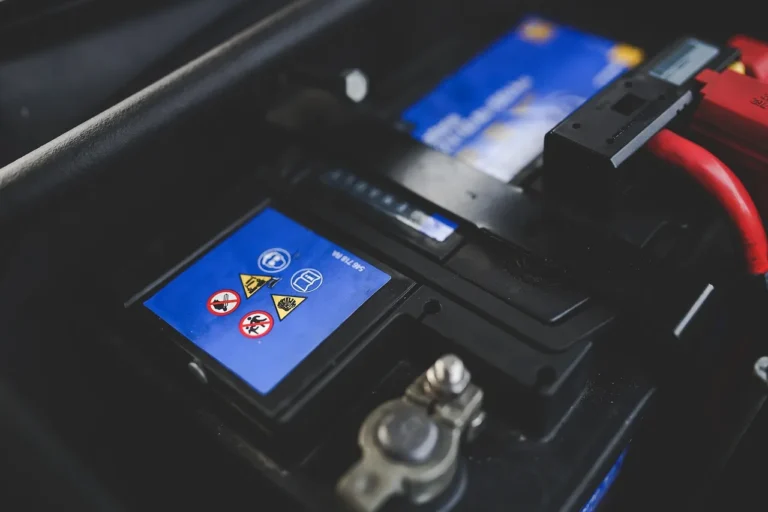
Despite advanced technology, most electric cars still have a small 12V lead-acid battery. This battery powers standard car systems and acts as a backup for computers and controls.
Functions
- Starts the car’s systems (“wakes up” the computer)
- Powers locks, lights, alarms, and infotainment
- Runs emergency features (like hazard lights) if the main battery fails
Non-obvious Fact
Even if the main battery is charged, a dead 12V battery can prevent the car from starting. This surprises many new EV owners, especially in cold climates.
Vehicle Control Unit (vcu)
The vehicle control unit is the main computer that manages all electrical and electronic systems in the car. It makes sure everything works together safely and efficiently.
Responsibilities
- Handles communication between the driver, motor, battery, and charging systems
- Monitors safety sensors and responds to problems
- Manages energy use for best performance and range
Example
If the VCU detects a problem (like overheating), it can reduce power or shut down the car to prevent damage.
High-voltage Cables
Electric cars move large amounts of power between the battery, motor, and charger using high-voltage cables. These cables are usually bright orange for safety.
Features
- Thick insulation to prevent shocks or fires
- Run underneath the car, protected from damage
- Special connectors to handle high currents
Safety Tip
Only qualified technicians should work on high-voltage cables. These lines can carry more than 400 volts, which is dangerous without the right training.
Electric Drive Module
Many modern EVs use an electric drive module that combines the motor, gearbox, and inverter into one unit. This design saves space, reduces weight, and improves reliability.
Advantages
- Fewer separate parts mean less maintenance
- Easier to assemble in the factory
- Can be placed at the front, rear, or both for all-wheel-drive models
Example
The Hyundai Ioniq 5 uses a compact drive module, making it possible to offer both rear- and all-wheel-drive versions with the same basic platform.
Suspension And Chassis
While not unique to electric cars, the suspension and chassis are specially designed in many EVs to handle the weight and shape of the battery pack.
Key Features
- Reinforced chassis: The heavy battery pack needs extra-strong underbody support.
- Low center of gravity: Placing the battery under the floor improves handling and reduces rollover risk.
- Special suspension tuning: To manage extra weight and provide a smooth ride.
Non-obvious Insight
Some EVs use “skateboard” chassis designs. This means all major parts are in a flat platform, allowing carmakers to design many different body styles on the same base.
Braking System (including Regenerative Braking)
Electric cars use standard hydraulic brakes, but they also feature regenerative braking. This system captures energy when slowing down and sends it back to the battery.
How It Works
- When you press the brake pedal, the motor acts as a generator, slowing the car and making electricity.
- At lower speeds or in emergencies, normal brakes take over for full stopping power.
Benefits
- Increases driving range (by 10-25% in city driving)
- Reduces wear on brake pads, saving money on maintenance
Practical Tip
Some EVs let you adjust the strength of regenerative braking. “One-pedal driving” uses strong regen to slow the car as soon as you lift off the accelerator.
Infotainment And User Interface
Modern electric cars often come with advanced infotainment systems and digital dashboards. These systems do more than play music—they show important EV data.
Features
- Range estimation: Shows how many miles/kilometers you can drive on the current charge.
- Charging status: Displays battery level and charging speed.
- Navigation with charging stops: Helps plan long trips by finding charging stations.
- Smartphone integration: Allows remote monitoring of charging, climate control, and vehicle status.
Example
The Tesla touchscreen interface is famous for its size and features, but even affordable EVs like the Nissan Leaf offer clear range and charging information.
Climate Control System
Because EVs do not have waste heat from an engine, they use electric climate control systems to heat and cool the cabin and sometimes the battery.
Types
- Electric resistive heaters: Simple, but use a lot of energy.
- Heat pumps: More efficient, especially in cold weather. Found in models like the Tesla Model Y and Hyundai Kona Electric.
Impact On Range
Using the heater or air conditioner can reduce driving range by 10-30%, especially in extreme weather. Pre-conditioning (warming or cooling the cabin while plugged in) can help save energy.
Acoustic Warning System
Electric cars are very quiet, especially at low speeds. For safety, many countries require an acoustic warning system that makes a sound to alert pedestrians.
Details
- Usually active below 30 km/h (19 mph)
- Sound can be a hum, buzz, or “engine” noise
- Some cars let drivers choose or customize the sound
Example
The Nissan Leaf emits a soft “whoosh” sound when driving slowly in parking lots or city streets.
Telematics And Connectivity
Many EVs come with telematics systems that provide remote monitoring, software updates, and data sharing.
Features
- Over-the-air software updates (like smartphones)
- Remote diagnostics for maintenance
- App-based functions: Lock/unlock, start charging, set climate control
External Link
To learn more about how electric vehicle telematics work, see the Wikipedia entry on telematics.
Safety Systems
Electric cars have advanced safety systems to protect passengers and the high-voltage battery.
Common Features
- Crash sensors that disconnect the battery in an accident
- Fire-resistant battery enclosures
- Extra insulation and shields for high-voltage parts
Note
EVs often score very well in crash tests, partly because the battery pack adds strength to the car’s structure.
Comparison Of Key Electric Car Parts And Their Functions
To help you see how the main EV parts fit together, here is a simple comparison.
| Part | Main Function | Unique to EVs? |
|---|---|---|
| Electric Motor | Drives the wheels | Yes |
| Battery Pack | Stores energy | Yes |
| Power Controller | Manages energy flow | Yes |
| Onboard Charger | Converts AC to DC | Yes |
| Charging Port | Connects to power supply | Yes |
| Transmission (Single-Speed) | Connects motor to wheels | Mostly |
| DC-DC Converter | Supplies 12V power | Yes |
| Thermal Management | Keeps parts cool or warm | No (but design differs) |
| Infotainment/UI | User controls & info | No |
| Braking System | Stops car, recovers energy | Partially (regen) |
Example: Tesla Model 3 Vs. Nissan Leaf Main Parts
Let’s compare two popular electric cars to see how their main parts differ.
| Component | Tesla Model 3 | Nissan Leaf |
|---|---|---|
| Battery Pack | 50-82 kWh, liquid cooled | 40-62 kWh, air cooled |
| Motor Type | Permanent magnet | AC synchronous |
| Onboard Charger | 11.5 kW (AC) | 6.6 kW (AC) |
| Fast Charging | 250 kW (Supercharger) | 100 kW (CHAdeMO) |
| Range (EPA) | 263-353 miles | 149-226 miles |
Practical Tips For Electric Car Owners
- Check battery health regularly, especially if buying a used EV. Ask for a battery report.
- Learn about your charging options at home and work. Faster onboard chargers mean more flexibility.
- Pre-condition your car when plugged in, especially in winter, to save range.
- Understand your charging port type and get the right cables or adapters for travel.
- Schedule regular maintenance for brakes, tires, and software updates—even if you need less service than a gasoline car.
Frequently Asked Questions
What Is The Most Expensive Part Of An Electric Car?
The battery pack is usually the most costly part. In some EVs, it can make up 30-40% of the total price. Battery costs are dropping, but replacement is still a major expense.
How Long Does An Electric Car Battery Last?
Most EV batteries last between 8 and 15 years or 100,000 to 200,000 miles. Proper care—like avoiding extreme temperatures and not charging to 100% every day—can extend lifespan.
Can You Repair Electric Car Parts Yourself?
Some parts, like tires or windshield wipers, are easy for DIY repair. However, high-voltage systems (battery, motor, cables) should only be serviced by trained professionals for safety reasons.
What Happens If The 12v Battery Dies In An Ev?
If the 12V battery fails, the car’s computer systems may not start, even if the main battery is full. Jump-starting or replacing the 12V battery is a simple fix, but it surprises many new owners.
Are Electric Car Parts Harder To Find Than Gasoline Car Parts?
Most EV parts, like brakes and tires, are standard and easy to find. Some components, like specific batteries or drive modules, may be special order or only available from the manufacturer.
Electric cars are transforming the way we drive and maintain vehicles. By understanding the main parts of an electric car, you are better prepared to make smart choices, solve problems, and enjoy the benefits of cleaner transportation. Whether you are an owner or just curious, knowing what’s under the hood of an EV gives you confidence for the road ahead.
Products related to this article
Sponsored / affiliate links. As an Amazon Associate I earn from qualifying purchases. I may earn additional commission from eligible campaigns.