The Ford Car That Looks Like a Porsche: Model Revealed
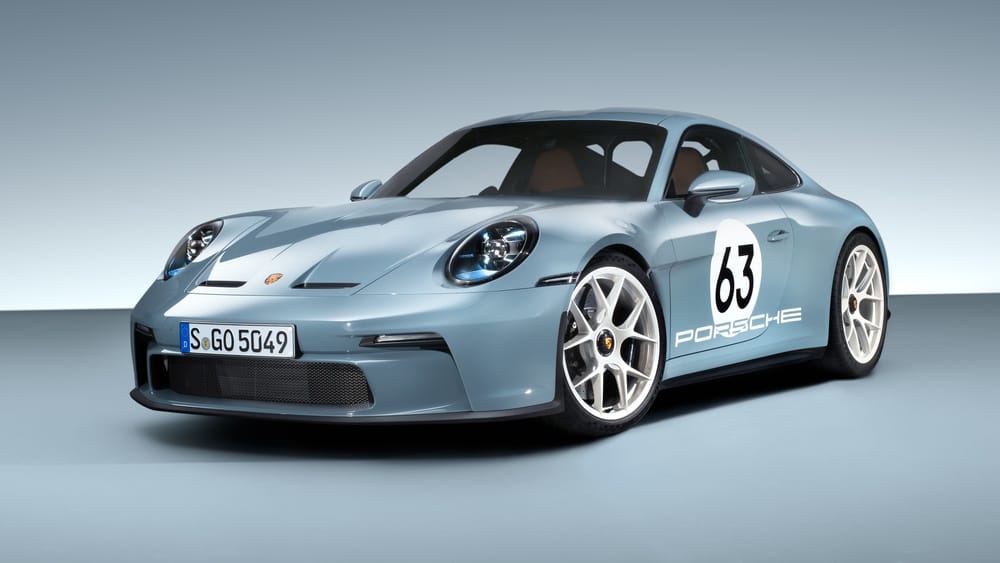
In the automotive world, few topics spark as much debate as unexpected resemblances between vehicles from different manufacturers. One of the most intriguing and hotly discussed comparisons is the Ford model that looks strikingly similar to a Porsche. This visual parallel has fueled conversations among car enthusiasts, designers, and industry analysts alike. The question is: which Ford model carries this Porsche-like presence, and why does it draw such attention?
The answer lies in both design evolution and the convergence of automotive trends. As carmakers respond to global market demands, aerodynamic efficiency, and consumer preferences, it’s not uncommon for design languages to overlap. However, when a mainstream brand like Ford produces a car that echoes the styling cues of an iconic luxury sports car manufacturer like Porsche, it turns heads for all the right reasons—and some of the wrong ones.
In this article, we reveal the Ford model in question, dig into the reasons behind its Porsche-esque appearance, and examine how this phenomenon reflects broader shifts in automotive design.
Key Takeaways
- The Ford Puma is widely recognized as the Ford model that visually resembles certain Porsche vehicles, especially the Porsche Macan.
- Shared design elements, aerodynamic necessities, and crossover popularity have contributed to this resemblance.
- Ford’s design choices are driven by market research, global trends, and brand strategy.
- The similarity has sparked both admiration and controversy in the automotive community.
- This case highlights the impact of platform sharing and design convergence in the auto industry.
- Understanding these design parallels helps consumers make more informed choices and appreciate automotive evolution.
The Ford Puma: Model Overview And Porsche Comparison
The Ford Puma’s Rebirth And Position In The Market
The Ford Puma was reintroduced in 2019 as a compact crossover SUV after a hiatus since the early 2000s, where it was previously a sporty coupe. Designed for European and global markets, the Puma quickly garnered attention for its dynamic styling, which many observers noted bore a resemblance to the Porsche Macan and even the Porsche Cayenne Coupe.
Positioned as a stylish, practical, and affordable crossover, the new Puma targets urban families and young professionals seeking a blend of sportiness and utility. Its competitive pricing, efficient powertrains, and advanced technology features have made it a top seller in several regions, especially in the UK and mainland Europe.
Visual Similarities: Side-by-side Design Analysis
The resemblance between the Ford Puma and Porsche models is most evident when comparing their side profiles, front grilles, and rear light clusters. Key similarities include:
- Curved rooflines with an athletic stance
- Wide, sculpted fenders for a sporty look
- Slim, horizontal headlamps with signature LED graphics
- Rounded rear ends with wraparound taillights
To illustrate these points, consider the following comparison table:
| Design Element | Ford Puma | Porsche Macan |
|---|---|---|
| Roofline | Sloping, coupe-like | Sloping, coupe-like |
| Front Grille | Wide, aggressive mesh | Wide, aggressive mesh |
| Headlights | Slim, swept-back LED | Slim, swept-back LED |
| Fender Flares | Pronounced, muscular | Pronounced, muscular |
| Rear Light Bar | Integrated, wraparound | Integrated, wraparound |
These elements combine to give the Ford Puma an upmarket aesthetic typically associated with luxury brands, allowing it to punch above its weight in style.
Engineering And Proportions: Beyond Surface-level Resemblance
The similarities extend beyond mere styling cues. Both the Ford Puma and Porsche Macan are engineered as compact crossovers with a focus on sporty handling, urban agility, and everyday practicality. While their underpinnings and price points are worlds apart, their proportions are surprisingly close, leading to a similar road presence.
Key dimensions (2026 models):
| Model | Length (inches) | Width (inches) | Height (inches) | Wheelbase (inches) |
|---|---|---|---|---|
| Ford Puma | 164.8 | 71.1 | 61.3 | 102.8 |
| Porsche Macan | 184.9 | 76.2 | 63.9 | 110.5 |
While the Macan is larger, the proportions remain similar, particularly in width and height, reinforcing the visual connection.
Public And Media Response
Automotive media, YouTubers, and online communities quickly picked up on the resemblance. Reviews from outlets such as Autocar and Top Gear have highlighted the Puma’s “mini-Macan” looks as a selling point. Social media memes and side-by-side comparison photos further fueled the conversation, making the Ford Puma’s Porsche-like styling a viral topic.

Credit: www.motor1.com
Why Do Some Ford Models Look Like Porsches?
The Influence Of Global Design Trends
Modern automotive design is shaped by aerodynamics, safety regulations, and consumer demand for sporty crossovers. This leads to a convergence in vehicle shapes, especially in the highly competitive compact SUV market. Porsche’s design language, known for its athletic stance and flowing lines, has proven popular with consumers, setting trends that other manufacturers are eager to emulate.
Platform And Component Sharing
While Ford and Porsche are not direct collaborators, the rise of global vehicle platforms means that many brands use similar engineering solutions to reduce costs and improve efficiency. Shared suppliers for lighting elements, body panels, and even infotainment systems can lead to accidental similarities. In the case of the Puma, Ford’s use of its B-car platform (shared with the Ford Fiesta) allows for flexibility in styling but still requires adherence to certain proportions dictated by the underlying chassis.
The Role Of Design Teams
Ford’s European design studio, led by designers with experience at premium brands, intentionally aimed for a premium feel with the new Puma. Interviews with Ford’s chief designers reveal a conscious effort to evoke a sense of dynamism and sophistication, which inevitably overlaps with Porsche’s established visual cues. The goal: make a mass-market car feel aspirational without infringing on intellectual property.
Market Positioning And Consumer Psychology
Ford understands that consumers are drawn to vehicles that look more expensive than they are. By giving the Puma a Porsche-esque appearance, Ford taps into aspirational buying behavior—customers enjoy the association with luxury, even when purchasing a far more affordable car. This strategy has been validated by strong sales and positive reception.

Credit: www.topgear.com
Case Studies: Real-world Reactions And Ownership Experiences
Case Study 1: Urban Commuter’s Perspective
Anna, a 32-year-old professional from Berlin, chose the Ford Puma over competitors like the Renault Captur and Nissan Juke. Her main reasons: “It looks like a baby Porsche, but fits my budget. I get compliments all the time, and people ask if it’s a luxury car.” Anna’s experience highlights the positive social value of the Puma’s design.
Case Study 2: Automotive Influencer Review
James, a UK-based YouTuber with 100,000 subscribers, posted a viral video titled “Is the Ford Puma a Porsche Macan Clone? ” In his review, he placed both cars side by side and polled his audience. Over 60% of respondents agreed the Puma’s styling was reminiscent of the Macan.
James concluded, “Ford nailed the look, and for most buyers, that’s half the battle. ”
Case Study 3: Porsche Owner Comparison
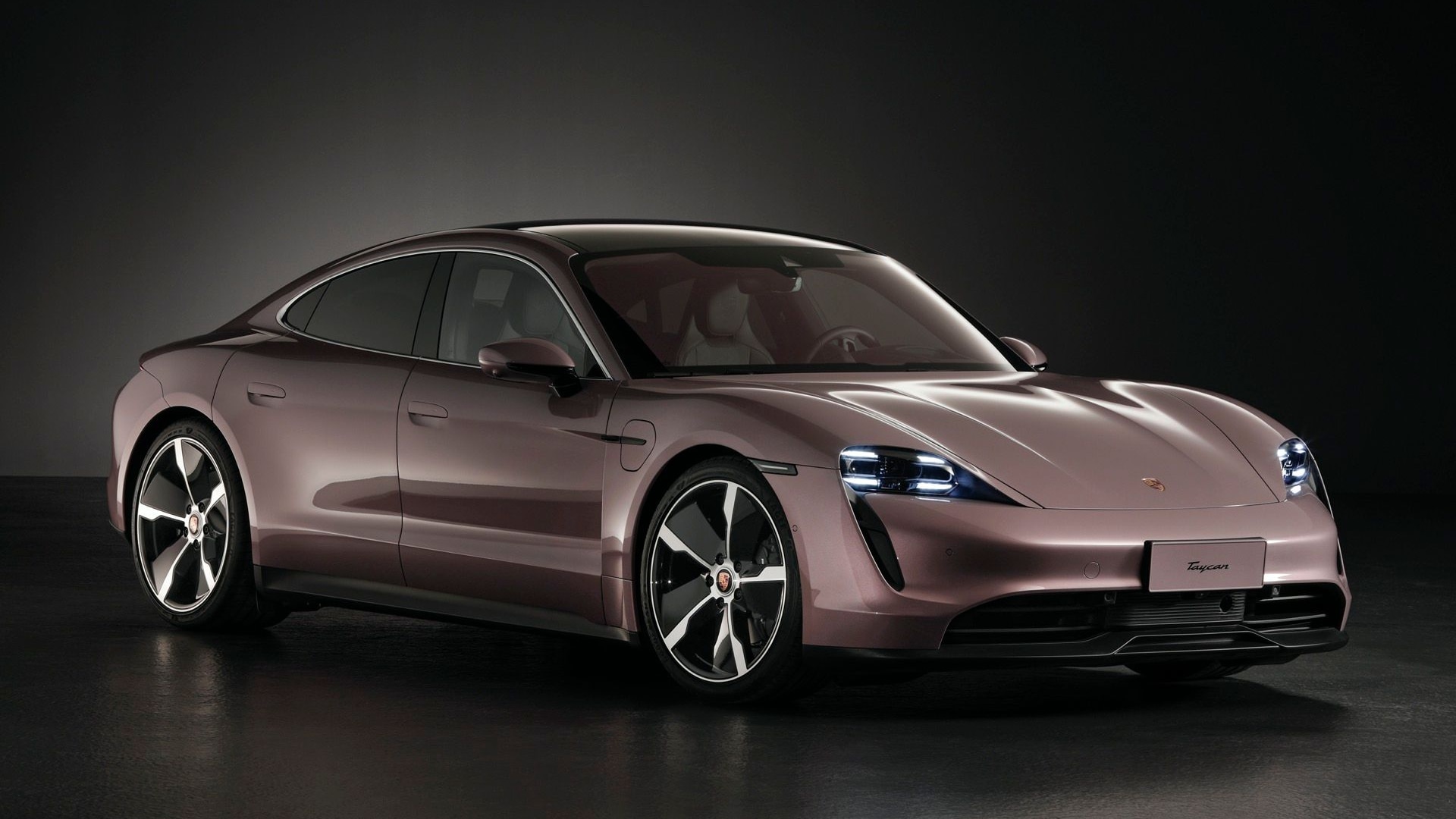
David, a long-time Porsche enthusiast, compared his Macan to his wife’s new Ford Puma. While he preferred the Macan’s performance and interior quality, he admitted, “From across the parking lot, you’d do a double-take. The Puma does a great impression, especially for a third of the price.
”
Credit: www.greencarreports.com
The Implications For Ford And The Automotive Industry
The Upside: Enhanced Brand Perception
By aligning the Puma’s styling with that of premium brands, Ford benefits from a halo effect—the positive associations with luxury spill over into its mainstream lineup. This strategy can boost showroom traffic and attract style-conscious buyers who might not have considered Ford previously.
The Downside: Accusations Of Copycat Design
Some critics argue that Ford’s approach borders on imitation rather than innovation. In online forums and automotive editorials, purists have expressed concern that such similarities dilute the uniqueness of both brands. However, design convergence is a widespread phenomenon, as seen in the proliferation of coupe-SUVs across manufacturers.
Legal And Ethical Considerations
While styling similarities are rarely grounds for legal action, automakers must tread carefully to avoid infringement. According to experts cited in Car and Driver, as long as distinctive design elements (like Porsche’s signature four-point headlights or rear engine layout) aren’t copied outright, the risk is minimal.
The Future Of Automotive Styling
As electrification and autonomy reshape the industry, expect even greater convergence in vehicle shapes due to battery packaging and aero efficiency. The Puma/Porsche case may just be a preview of more cross-brand similarities in the decade ahead.
Design Analysis: Breaking Down Key Features
Exterior Design
- Front Fascia: Both the Ford Puma and Porsche Macan feature wide grilles, sculpted bumpers, and aggressive air intakes, creating a performance-oriented look.
- Lighting: The use of thin, swept-back LED headlamps is a hallmark of modern sporty SUVs, with both brands emphasizing daytime running lights for visual signature.
- Roofline: The coupe-like roof, which tapers towards the rear, is a major point of similarity, lending both cars a dynamic side profile.
Interior Ambiance
While the exterior has drawn the most comparisons, the interior story is different. The Ford Puma’s cabin is practical, tech-focused, and ergonomic, but lacks the opulence and material quality found in Porsche’s offerings. Still, features like a digital instrument cluster, sporty seats, and customizable ambient lighting bring a touch of luxury to the mainstream segment.
Performance And Dynamics
- Ford Puma: Typically equipped with a 1.0L EcoBoost engine (123-153 hp), the Puma prioritizes efficiency and urban maneuverability. A sporty ST variant offers more power and sharper handling.
- Porsche Macan: Offers a range of turbocharged engines (248-434 hp), advanced AWD, and adaptive chassis systems for true sports SUV performance.
Comparison table:
| Specification | Ford Puma ST | Porsche Macan S |
|---|---|---|
| Engine | 1.5L Turbo I3 | 2.9L Twin-Turbo V6 |
| Horsepower | 197 | 375 |
| 0-60 mph | 6.7 sec | 4.6 sec |
| Fuel Economy (Combined mpg) | 40 | 20 |
| Base Price (USD) | $32,000 (Europe est.) | $66,000 |
This table shows that while the Puma delivers style and fun, Porsche’s engineering remains in a class of its own.
Buyer’s Guide: Choosing Between The Ford Puma And Porsche Alternatives
Value Proposition
The Ford Puma’s appeal lies in its ability to deliver head-turning design at a fraction of the price of a Porsche. For buyers prioritizing style, practicality, and cost, the Puma stands out.
Key advantages:
- Lower purchase price and running costs
- Generous standard equipment (Apple CarPlay, adaptive cruise, safety tech)
- Practical features like the “MegaBox” underfloor storage
When To Choose A Porsche
For those seeking authentic sports car performance, prestige, and luxury, the Porsche Macan remains the benchmark. It offers:
- Superior acceleration and handling
- Premium materials and craftsmanship
- Advanced driver assistance and infotainment
Alternatives To Consider
If you like the look of the Puma but want to explore options, consider:
- Mazda CX-30: Sporty styling, premium interior
- Volkswagen T-Roc: Strong build quality, tech features
- Renault Arkana: Coupe-SUV silhouette, value pricing
Each has its own strengths, but none has generated the same level of Porsche comparison as the Puma.
Ownership Costs And Reliability
Ford’s reputation for affordable maintenance and robust reliability gives the Puma an edge for cost-conscious buyers. According to a 2026 study by J.D. Power, Ford models consistently rank above the industry average for dependability, while Porsche’s maintenance costs are significantly higher.
The Impact On Ford’s Brand Identity
Repositioning As An Aspirational Brand
The success of the Puma demonstrates Ford’s ability to move upmarket without alienating its core customer base. By offering a vehicle that looks and feels more premium, Ford is able to capture new demographics—particularly younger, style-driven buyers who might otherwise turn to luxury brands.
Marketing Strategy
Ford has capitalized on the buzz by positioning the Puma as a “fashion-forward” crossover in advertising campaigns. Collaborations with influencers, lifestyle brands, and events have amplified the perception of the Puma as a trendsetter rather than a follower.
Global Reach
Although the Puma is not sold in North America, it has become a key player in Ford’s European lineup. Its success has encouraged Ford to consider similar strategies for other markets and future models, leveraging design-led appeal as a core competitive advantage.
Lessons For The Industry
Ford’s experience with the Puma offers valuable lessons for automakers worldwide:
- Design matters more than ever in driving purchase decisions.
- Consumers appreciate vehicles that deliver luxury looks without premium pricing.
- The line between mainstream and premium brands continues to blur, especially in the crossover segment.
The Broader Phenomenon: Design Convergence In The Auto Industry
Historical Context
Design convergence is not new. In the 1970s and 1980s, sedans from different brands often looked alike due to shared engineering priorities and regulatory constraints. Today, the trend is most visible in the SUV and crossover segments, where aerodynamic efficiency and pedestrian safety requirements narrow the range of possible shapes.
Other Notable Examples
- Hyundai Tucson vs. Lexus RX: Both feature bold grilles and angular lines.
- Kia Stinger vs. Audi A5 Sportback: Similar fastback silhouettes and rear-end treatments.
- Toyota Supra vs. BMW Z4: Shared underpinnings and design cues due to joint development.
These cases, covered in depth by Motor Trend, show how common such resemblances are, especially as brands chase the same customer base.
Consumer Reaction
Surveys indicate that most buyers are comfortable with design convergence as long as it delivers perceived value. According to a 2026 poll by Carscoops, 58% of respondents said they would consider buying a mainstream car with luxury-inspired styling.
The Role Of Regulation
Safety and emissions standards often dictate vehicle shape more than brand identity. For example, the need for thick roof pillars, pedestrian-friendly bumpers, and lower drag coefficients has resulted in similar body shapes across brands. This trend is expected to intensify with the shift to electric vehicles, where battery placement and cooling also influence design.
Future Outlook
As the industry moves toward electric and autonomous vehicles, expect even more cross-brand similarities. However, differentiation will likely shift to digital experiences, branding, and ownership models rather than sheet metal alone.
Frequently Asked Questions
What Is The Ford Model That Looks Like A Porsche?
The Ford Puma is the model most frequently compared to Porsche vehicles, particularly the Porsche Macan. Its sloping roofline, aggressive front grille, and overall sporty proportions have drawn widespread comparisons in media and owner forums.
Is The Ford Puma A Direct Competitor To The Porsche Macan?
No, the Ford Puma and Porsche Macan target very different market segments. The Puma is a compact crossover aimed at budget-conscious buyers, while the Macan is a luxury performance SUV. However, their similar styling has led to comparisons, especially regarding exterior design.
Was The Ford Puma Intentionally Designed To Look Like A Porsche?
While Ford has not officially stated that the Puma was designed to mimic Porsche, interviews with Ford designers indicate a conscious effort to give the Puma a premium, sporty appearance. This naturally led to similarities with successful models like the Macan, which set trends in the segment.
How Do The Ford Puma And Porsche Macan Compare In Terms Of Performance And Features?
The Puma offers efficient engines, practical features, and a sporty driving experience at a much lower price point. The Porsche Macan, on the other hand, delivers significantly more power, luxury, and advanced technology. For a direct, data-driven comparison, see the performance table earlier in this article.
Are There Other Ford Models That Resemble Luxury Cars?
Yes, Ford has adopted design cues from luxury brands across its lineup. The Ford Mondeo (Fusion in the US) has been compared to Aston Martin, while the Ford Edge shares styling elements with premium SUVs. This trend reflects Ford’s broader strategy to offer aspirational design in affordable packages.
The Ford Puma’s uncanny resemblance to the Porsche Macan is no accident—it’s a calculated response to changing consumer tastes, global trends, and the democratization of luxury design. By blending high-end styling with accessible pricing, Ford has created a vehicle that stands out in the crowded crossover segment and challenges perceptions of what a mainstream brand can achieve.
As the lines between premium and mainstream continue to blur, the story of the “Ford car that looks like a Porsche” is likely just one chapter in the ongoing evolution of automotive design.
Products related to this article
Sponsored / affiliate links. As an Amazon Associate I earn from qualifying purchases. I may earn additional commission from eligible campaigns.