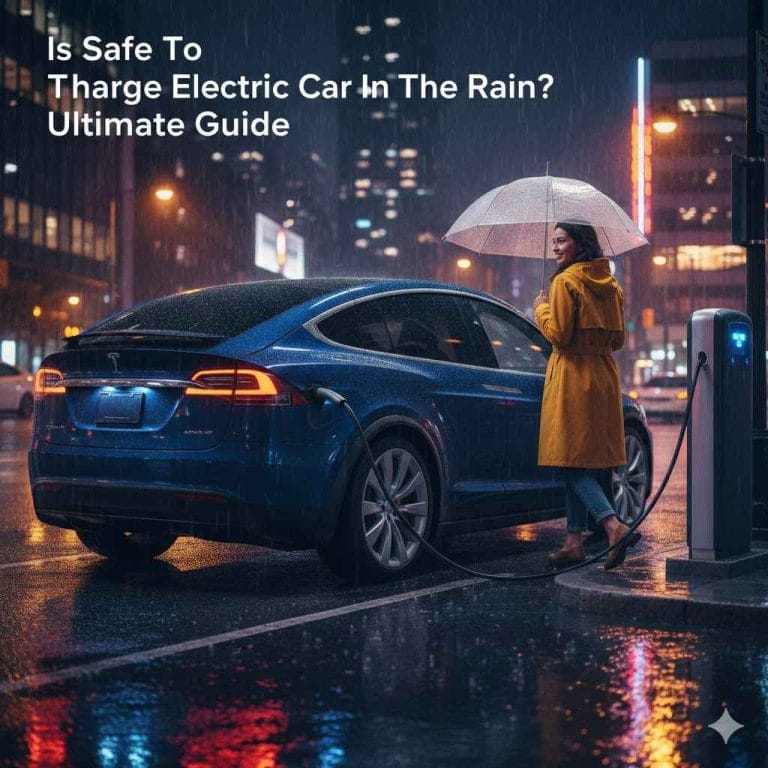
How to Get the Most Out of Your Electric Car: Expert Tips
Owning an electric car is about more than just plugging in and driving. It’s about smart habits, understanding your vehicle, and making choices that stretch every mile and every charge. Whether you just bought your first electric car or want to improve your daily routine, there’s a lot you can do to increase efficiency, save money, and enjoy your electric vehicle (EV) to the fullest.
Let’s dive deep into proven strategies, practical tips, and expert insights. We’ll cover everything from charging at the right time, to maximizing battery life, to smart driving techniques and even real-world cost comparisons. By the end, you’ll have a toolkit for getting the most out of your electric car every single day.
Understand Your Electric Car’s Capabilities
Before you can get the most from your EV, you need to know what it can do. Every electric car is a bit different, but there are some key features and data you should check.
- Battery range: This is the maximum distance your car can travel on a full charge. Read your manual and check the dashboard display. Real-world range is often lower than the manufacturer’s number, especially in cold weather or at high speeds.
- Charging speed: There are several levels of charging (Level 1, 2, DC fast charging). Learn how fast your car charges at home and at public stations.
- Regenerative braking: Many EVs let you recover energy when slowing down. Learn how to use this feature to extend range.
- Preconditioning: Some EVs can heat or cool the battery and cabin while plugged in. This saves battery for driving.
Knowing these features helps you plan better and avoid common mistakes like running out of charge or using the wrong charger.
Charging Smart: When, Where, And How
Charging is the “fueling” of your electric car. Doing it right saves money, time, and battery health.
Home Charging Habits
Most EV owners charge at home. Here’s how to do it efficiently:
- Install a Level 2 charger if possible. Level 1 charging (standard wall outlet) is very slow and only adds 3-5 miles per hour. Level 2 chargers add 20-30 miles per hour.
- Charge overnight when electricity rates are lower. Many utilities offer special EV rates for nighttime charging.
- Keep the battery between 20% and 80% for daily driving. Charging to 100% all the time can wear out the battery faster. Only go to 100% before a long trip.
- Precondition the car while plugged in. Set the climate control before you unplug. This uses grid power instead of draining the battery.
Public Charging And Trip Planning
Sometimes you’ll need to charge away from home. Here’s how to get the most out of public stations:
- Use apps like PlugShare or ChargePoint to find stations and check availability.
- Plan your route with charging stops if your trip is longer than your car’s range.
- Know the difference: DC fast chargers are best for quick top-ups, but frequent use can heat up the battery. Use Level 2 chargers for longer stops or overnight stays.
- Check charging fees. Some stations are free, but many charge per kWh, per hour, or a flat fee. Compare costs before you plug in.
Cost Comparison: Home Vs Public Charging
Here’s a look at how charging costs compare for a typical EV (60 kWh battery, 250-mile range):
| Charging Location | Cost per kWh | Full Charge Cost | Cost per 100 miles |
|---|---|---|---|
| Home (off-peak) | $0.13 | $7.80 | $3.12 |
| Home (peak) | $0.22 | $13.20 | $5.28 |
| Public Level 2 | $0.25 | $15.00 | $6.00 |
| DC Fast Charging | $0.35 | $21.00 | $8.40 |
Charging at home, especially overnight, is usually the cheapest and easiest way to keep your EV ready.
Maximize Battery Health And Longevity
Your EV’s battery is its most expensive part. Taking care of it means your car will last longer and perform better.
Practical Battery Care Tips
- Avoid frequent fast charging. DC fast charging is convenient, but regular use can increase battery wear.
- Don’t let the battery go below 10% or above 90% unless needed for a long trip. Staying in the middle range is best for battery life.
- Keep the car cool. Heat is harder on batteries than cold. Park in the shade or use a garage when possible.
- Update your car’s software. Manufacturers often release updates that improve battery management.
Non-obvious insight: Some EVs allow you to set a charging limit (e.g., stop at 80%). Use this feature to avoid overcharging.
Another tip: If you store your EV for a long time, leave the battery around 50-60% and plug in occasionally to keep it healthy.
Drive Efficiently: Get More Miles Per Charge
How you drive can make a big difference in how far you go on each charge.
Energy-saving Driving Techniques
- Accelerate gently. Quick starts use more energy. Smooth acceleration keeps range high.
- Use regenerative braking. Whenever possible, use the “B” mode or high-regen setting. This puts energy back into the battery.
- Drive at moderate speeds. Driving at 75 mph uses much more energy than 60 mph. On highways, slower is better for range.
- Use Eco mode. Many EVs have an “Eco” driving mode that reduces power and air conditioning to save energy.
- Plan your route to avoid big hills, heavy traffic, or rough roads if possible.
Example: The U.S. Department of Energy found that every 10 mph over 50 mph decreases fuel economy by about 14%. The same rule applies to electric cars.
Table: Driving Habits And Their Impact On Range
| Driving Habit | Impact on Range | Notes |
|---|---|---|
| Gentle acceleration | +10-15% | Improves efficiency |
| Frequent hard braking | -5-10% | Wastes energy unless using regen |
| Highway speeds (75+ mph) | -15-25% | Range drops quickly |
| Eco driving mode | +5-10% | Limits power, saves energy |
Climate Control: Stay Comfortable Without Draining The Battery
Heating and cooling use a lot of electricity. In some EVs, running the heater can cut range by 30% or more in winter.
Stay Efficient In All Weather
- Precondition the cabin while plugged in. Warm up or cool down your car before you drive, using grid power.
- Use seat and steering wheel heaters. They use less energy than heating the whole cabin.
- Dress for the weather. In winter, wear warm clothes so you can keep the heat lower.
- Ventilate instead of A/C. Open windows or use the fan before turning on air conditioning.
Non-obvious insight: In hot weather, tinted windows and sunshades reduce the need for A/C and keep the battery cooler.
Plan Trips Wisely
Long road trips in an electric car need a bit more planning than with a gas car, but it’s easy once you know how.
Trip Planning Tips
- Map out your charging stops before you leave. Apps like A Better Routeplanner (ABRP) help you plan based on your car’s range and charging network.
- Allow extra time for charging. Fast charging usually takes 20-40 minutes to go from 20% to 80%. Plan breaks around these stops.
- Know your backup options. Some stations may be busy or out of service. Have a backup charging location in mind.
- Start with a full charge and precondition your battery if it’s very cold or hot.
Example: If your EV has a 250-mile range, plan to stop every 150-180 miles. This gives you a buffer and keeps the battery in its optimal range.
Use Technology To Your Advantage
Modern electric cars are packed with tech to help you drive smarter and save energy.
Useful Features And Apps
- Range estimator: Use your car’s built-in range prediction, but check real-world numbers too.
- Remote monitoring: Many EVs have apps to check battery level, start charging, or precondition the cabin.
- Energy usage reports: Some cars show you which systems (drivetrain, climate, accessories) use the most energy.
- Charging station finders: PlugShare, ChargePoint, and the car’s navigation system show locations and real-time status.
Non-obvious insight: Some navigation systems can reroute you to a charging station automatically if you’re running low.
Maintain Your Electric Car
EVs need less maintenance than gasoline cars, but they still need attention to run their best.
Key Maintenance Areas
- Check tire pressure monthly. Low tires cut range and wear out faster.
- Rotate tires every 6,000-8,000 miles for even wear, especially since EVs are heavier than gas cars.
- Replace cabin air filter as recommended. Good airflow helps climate control work efficiently.
- Update software regularly for bug fixes and new features.
- Check brake pads. Regenerative braking means brake pads last longer, but still need inspection.
Tip: Keep a record of all maintenance and software updates. This helps with warranty and resale value.
Save Money And Time With Incentives
Owning an electric car can qualify you for rebates, tax credits, and special perks. Don’t miss out!
Common Incentives
- Federal tax credit (up to $7,500 in the U.S., varies by car and battery size)
- State and local rebates
- HOV lane access in some regions
- Reduced registration fees
- Free or discounted public charging
Check your local government and utility company websites for details. These incentives can save you thousands over the life of your EV.
For a comprehensive list of incentives by country and region, visit the Wikipedia page on EV incentives.
Compare: Electric Car Vs. Gasoline Car Costs
Many people wonder how the real costs compare. Here’s a side-by-side look at annual costs for a typical mid-size car (12,000 miles/year).
| Cost Area | Electric Car | Gasoline Car |
|---|---|---|
| Fuel/Electricity | $336 (home charging) | $1,380 (at $3.45/gallon, 30 mpg) |
| Maintenance | $330 | $792 |
| Oil Changes | $0 | $60 |
| Brake Service | $100 | $200 |
| Total per year | $766 | $2,432 |
Insight: Even when public charging is used occasionally, most EV owners save over $1,500 per year on fuel and maintenance.
Avoid Common Mistakes
Many new EV owners make simple errors that can reduce range or cost more money. Here’s how to avoid them:
- Not installing a home charger. Relying only on public charging is slow and expensive.
- Letting the battery drain completely. This can damage the battery or leave you stranded.
- Ignoring tire pressure. Even a few PSI low can reduce range.
- Overusing fast charging. Good for road trips, not for daily use.
- Forgetting to update software. You may miss improvements to range, charging, and features.
Pro tip: Join local or online EV owner groups. You’ll learn from others’ mistakes and get support for any problems.
Make The Most Of Your Electric Car’s Unique Features
Electric cars aren’t just about saving money or the environment—they offer unique advantages.
- Instant torque: Enjoy quick acceleration and smooth driving.
- Quiet ride: Relax with less noise, especially at low speeds.
- One-pedal driving: Some EVs let you accelerate and slow down using just one pedal, making city driving easier.
- Remote features: Start preheating or cooling from your phone, even in your living room.
- Software upgrades: Some cars receive new features over-the-air, like improved range or self-driving options.
Try all these features to see which fit your lifestyle best.
Frequently Asked Questions
How Long Does It Take To Charge An Electric Car?
Charging time depends on the charger type and battery size. With a Level 2 home charger, most EVs take 6-10 hours for a full charge. Using a DC fast charger, you can add 80% range in 20-40 minutes. Charging from a regular wall outlet (Level 1) is much slower—often 24 hours or more for a full battery.
Is It Bad To Always Fast Charge My Electric Car?
Frequent fast charging can heat up the battery and cause more wear over time. It’s fine for road trips, but for daily charging, it’s better to use Level 2 (home or work) charging. This keeps your battery healthy for many years.
How Much Money Do I Really Save With An Electric Car?
Most EV drivers save $1,000–$2,000 per year on fuel and maintenance compared to gasoline cars. The exact savings depend on electricity and gas prices in your area, how much you drive, and whether you use public charging. Incentives and tax credits can make ownership even cheaper.
What Happens If I Run Out Of Battery?
If your battery is fully empty, your car will slow down and eventually stop—just like running out of gas. Most EVs give plenty of warning and show the nearest charging stations. It’s rare for drivers to run out if they plan their trips and watch the range.
Can I Drive An Electric Car In The Winter?
Yes, but cold weather reduces battery range—sometimes by 20–40%. Preheat your car while plugged in, use seat heaters instead of blasting the cabin heater, and drive smoothly. Most EVs work well in winter with good planning and a little extra care.
Getting the most out of your electric car is about more than just plugging in and driving. With smart habits, regular maintenance, and a little planning, you’ll enjoy all the benefits of your EV—lower costs, less maintenance, and a smoother, quieter ride.
And as charging networks and battery technology improve, owning an electric car will only get easier and more rewarding.