Car ownership care: complete guide to maintenance
Car ownership care works best as a mileage-based routine: inspect monthly, check fluids and tire pressure every 1,000 miles, and follow your manual for oil, brakes, tires, battery, and coolant before wear turns into repairs. If you miss that rhythm, a small tire leak, low oil level, or ignored brake noise can turn into a tow, longer stopping distances, lower resale value, and repair bills that are much higher than scheduled service. This guide maps the intervals, DIY limits, warning signs, catch-up steps for used cars, and the shop visits that save money.
Start with a baseline, not a guess
Read the owner’s manual before buying parts or booking service
The owner’s manual is the control document for this whole routine. It gives the recommended engine oil interval, tire rotation guidance, fluid types, capacities, warning-light behavior, and model-specific exceptions that generic checklists can miss.
I check it before buying oil, filters, wiper blades, or tires. It matters even more on vehicles with staggered fitment, because some cars with performance tires use different-sized front and rear tires, which changes rotation rules and replacement planning.
Build a week 1 baseline if the car is new to you
Week 1 is for measuring what is there now. Record odometer, tire pressures, tread condition, oil level, battery age if marked, wiper condition, brake feel, and any warning lights. Check headlights, taillights, and lights over the license plate.
Look under the hood with the engine off and cool. Scan for damp hoses, cracked belts, white or crusty battery corrosion, and any fluid residue around the valve cover, radiator area, or undertray edges.
Then start a log. Mileage, date, work done, parts used, and receipts help resale later and stop duplicate service now.
What to reset early on a used car with no records
If records are missing, treat the car like an unknown baseline. Confirm tire condition, oil level, brake condition, battery health, wipers, filters, and visible belts and hoses first. Then reset the easy wear items and fluids that cannot be trusted from paperwork that does not exist.
That does not mean replacing every part on day one. It means resetting the items where unknown age creates real risk or blocks good decisions later. Oil and filter, wiper blades, cabin filter, engine air filter, and a battery test are common starting points. On a car with neglected tires, sidewall damage or balding matters more than cosmetic flaws.
According to How to Maintain Your Car to Keep It Running Well — The guide says tire rotation may be recommended once a year or once every 10,000 miles. (source)
What should you check in the first 30 days of ownership?
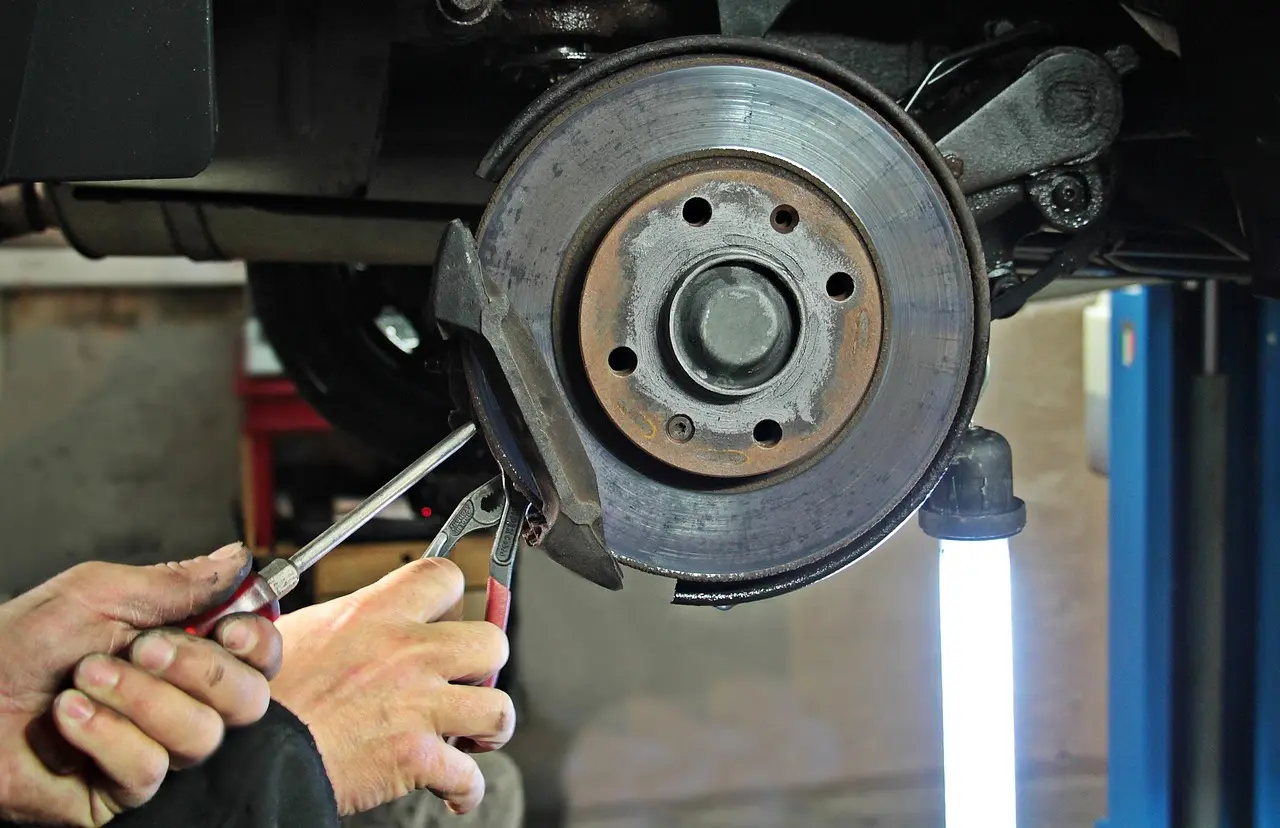
In the first 30 days, confirm the baseline with real measurements: tire pressure, tread and damage, oil level by dipstick, battery condition, wiper performance, all exterior lights, and brake feel. This catches shipping errors, used-car neglect, and slow leaks before they become a roadside problem or an early repair bill.
Tires, PSI, tread, and visible damage
The recommended tire pressure is listed inside the driver’s side door jamb, and tire pressure is measured in PSI. Use that label, not the sidewall. A low tire can be checked with a low-cost pressure gauge even if the car has a display.
Most new cars have tire-pressure monitoring systems, but TPMS only reports pressure loss after it crosses a threshold. It cannot inspect sidewall cuts, bulges, punctures near the shoulder, or uneven wear. A flat tire should not be driven on.
Check for wear bars across the tread, feathering on one edge, cupping, center wear from overinflation, and shoulder wear from underinflation. Visible cords, bulges, balding, or sidewall cuts are stop-driving defects. Tires should generally last between three and six years and up to 80,000 miles, but condition and use matter more than the date on the calendar.
Oil level, leaks, and other under-hood fluid checks
Checking oil requires locating and using the dipstick. Do it on level ground with the engine off and after enough time for oil to settle. The level should stay in the marked safe range and should not drop steadily between checks without explanation.
For gasoline vehicles, the manual sets the oil grade and change interval. EVs do not need engine oil service, but they still need washer fluid, brake fluid checks, cooling-system attention where applicable, and regular checks for leaks and damage underneath.
Warning signs include fresh spots under the engine, a burning-oil smell, smoke from the exhaust, or a top-up pattern that keeps repeating. An oil pressure warning light is a stop-driving trigger.
Battery, wipers, lights, and brake feel
Battery trouble usually gives warnings before the no-start day arrives. Slow cranking, dim interior lights during start-up, or corrosion on the terminals point to a battery that deserves testing, especially before winter, because cold weather cuts reserve capacity fast on a weak battery.
Wipers are simple but easy to ignore. Replace front and rear blades when they streak, skip, or chatter, and match the blade length to vehicle fitment. Wrong length can miss glass area or hit trim.
During the first month, notice brake feel every drive. Pulling, vibration, grinding, squealing, a soft pedal, or a pedal that sinks are service signs. Severe brake fade or a very low pedal is a stop-driving problem.

The 30-day, 3,000-mile, 6-month, and 12-month maintenance map
Mileage-and-time maintenance map
| Interval | Inspect | Safe DIY | Schedule service | Stop-driving triggers |
|---|---|---|---|---|
| 30 days | Tire PSI, tread, wear bars, bulges, cuts, oil by dipstick, battery terminals, wiper performance, all exterior lights, brake feel, visible leaks | Set tire pressure to door-jamb spec, top up washer fluid, replace wipers, clean battery corrosion if minor, log findings | Alignment for uneven tire wear, battery test if weak, brake inspection for noise or pull, oil leak diagnosis | Sidewall bulge, exposed cords, flat tire, oil pressure light, major fluid leak, severe brake fade |
| 3,000 miles | Recheck tire wear patterns, oil level trend, brake noise, belt cracking, hose swelling, filter condition, TPMS behavior | Pressure check, tread check, cabin filter on many cars, engine air filter on many cars | Oil service if manual or use pattern calls for it, brake measurement, rotation if manual says due, leak tracing | Grinding brakes, overheating signs, repeated oil loss, coolant smell with low level |
| 6 months | Battery health before season change, underbody salt or grime, tire age and condition, wipers front and rear, hoses, serpentine belt, brakes, filters | Wash underbody, inspect battery terminals, replace wipers, check spare or inflator kit | Cooling-system pressure concerns, brake pulsation, belt noise, aging battery test, tire rotation per manual | Overheating, steam, burst hose signs, deep sidewall damage, brake pedal suddenly soft |
| 12 months | Annual review against manual, receipts, fluids used, tire rotation history, battery age, brake wear, filter replacement need, climate wear | Update log, repeat full baseline, replace easy wear items only if measurement or schedule supports it | Annual inspection, alignment if wear suggests it, fluid service called for by manual, professional brake and suspension check | Any warning light tied to oil pressure, charging failure, overheating, or unstable braking |
How to use the map without overmaintaining
This map is built to prevent failure, not to sell parts early. If a filter is still clean and the manual does not call for replacement, leave it alone. If tires are wearing evenly and the rotation interval is not yet due, document the condition and move on.
The guide says tire rotation may be recommended once a year or once every 10,000 miles. The manual still decides. Some vehicles call for something else, and staggered tire setups may limit rotation choices.
Same-day service signs
Some symptoms are urgent without being full stop-driving events. A weak battery before colder weather, repeated low-tire alerts, a fresh coolant smell, brake vibration, or an oil level that drops between short intervals can justify same-day or next-day service planning.
How often should you check tires, TPMS, and air pressure?
Check tire pressure and tire condition about monthly and at regular mileage intervals, then again before long drives or big temperature swings. Use the door-jamb PSI and a gauge even if the car has TPMS, because the warning system reacts late and cannot see tread wear, bulges, or sidewall cuts.
Use the door-jamb PSI, not the number on the tire sidewall
The pressure molded into the tire is not the target for daily use. The target is the vehicle spec on the driver-side door jamb. Set pressures when the tires are cold for a cleaner reading. (caranddriver.com)
Keep a low-cost gauge in the glovebox and a portable air compressor in the trunk. A portable air compressor is recommended to carry in the trunk, but many rely on a 12V power source. If that outlet is dead, the compressor is dead too, so confirm the outlet works before an emergency.
How to read tread wear, wear bars, and uneven patterns
Wear bars show when tread is getting close to the point where wet grip drops hard. Also look for patterns. More wear in the center often means overinflation. Both shoulders worn suggests underinflation. One edge worn faster points to alignment or suspension issues.
If a tire is low once, inflate it and monitor it. If it goes low again, there is a leak until proven otherwise. Repeated inflation is not a repair plan.
TPMS limits and a low-pressure response plan
TPMS is useful, but it has blind spots. It may warn only after pressure falls well below target, and some systems report only that one or more tires are low. Even with real-time pressure display, a manual check still matters.
- Pull over safely if the light comes on and the car feels unstable.
- Inspect each tire for a puncture, bulge, balding, or sidewall damage.
- Check pressure with a gauge.
- Inflate to the door-jamb PSI if the tire is intact.
- If the tire is flat, do not drive on it.
- If the pressure drops again, schedule repair the same day.
What fluid and under-hood checks actually prevent breakdowns?
The checks that prevent breakdowns are the ones tied to failure modes: engine oil level, coolant condition and leaks, belt and hose condition, and battery health. These catch low oil, overheating, charging trouble, and hose failures early enough to plan service before the car quits in traffic.
Engine oil checks, change intervals, and signs of consumption
Engine oil is where prevention pays off fastest on gasoline cars. Follow the owner’s manual for the exact interval and oil specification. Between changes, use the dipstick to watch the level trend. A stable engine stays stable, a falling level needs a reason.
Low oil often gives clues before a breakdown: ticking on start-up, oil spots where the car parks, a burning smell after a drive, or the need to top up between routine services. If the oil pressure warning appears, stop driving and shut the engine off.
Used oil needs proper disposal. Store it in a sealed container and take it to a collection point that accepts automotive oil rather than dumping it or mixing it with household waste.
Belts, hoses, and coolant leak clues before overheating
The serpentine belt drives core accessories. On many vehicles that includes the alternator and water pump functions tied to keeping the car running and keeping the battery charged. Cracking, fraying, glazing, or missing ribs mean inspection is due.
Coolant hoses should look firm, not swollen or mushy. Look for dried residue near clamps, white or colored crusting, damp spots, or a sweet smell after parking. A coolant hose failure can turn a small seep into an overheating event fast.
Steam, a rising temperature warning, or coolant pouring out are signs to stop driving and get the car checked. Continued driving after overheating can turn a modest repair into engine damage.
Battery age, corrosion, and cold-weather weakness
Batteries usually fail like a slope, not like a switch. Starting gets slower. Electrical accessories dip during cranking. Then one cold morning the car does not start at all. That is why a health check before winter or a road trip is money well spent.
Check terminal clamps for white or blue-green corrosion. Minor buildup can be cleaned, but cracked cases, heavy leakage, or repeated discharge belong in a shop. For cars that sit a lot, battery maintenance matters even more because short drives may not fully recharge the 12V system.
Which wear items quietly raise costs if you ignore them?
The quiet cost raisers are brakes, wipers, and air filters. They often wear slowly enough that owners adapt to the decline, then pay more later through damaged rotors, poor visibility, reduced HVAC performance, or fuel and drivability complaints caused by neglected intake filtration.
Brakes: pad wear, rotor condition, noises, and pedal feel
Brake pads usually announce themselves. Squeal can mean wear indicators are contacting. Grinding can mean pad material is gone and rotor damage is happening now. Pulsation suggests rotor condition or uneven deposits that need inspection.
Pedal feel matters as much as sound. A firm pedal going soft, a longer stop distance, or the car pulling under braking all mean service. Brake work often involves torque-critical fasteners and safety risk, so inspection is a good DIY skill but repair is often smarter at a shop.
Wipers: streaking, chatter, rear blades, and fitment
Bad wipers make night driving and wet weather far more tiring. Replace blades when they streak, skip, or chatter. Do not forget the rear wiper on hatchbacks and SUVs, it often gets ignored until winter grime makes rear visibility poor.
Blade length must match the vehicle fitment. Too long can hit trim or another blade. Too short leaves unwiped glass and wasted visibility.
Engine and cabin air filters by driving conditions
The engine air filter protects airflow to the engine. The cabin air filter protects HVAC airflow and helps with dust and pollen load inside the car. They do not age the same way and should not be replaced on a blind calendar if use conditions differ.
Dusty roads load both filters sooner. Heavy pollen seasons load cabin filters hard. Short-trip driving can also make HVAC use more frequent in stop-start conditions. Check condition at the intervals in the manual, then adjust earlier only if the environment supports it.
What maintenance can you do yourself and when is a shop the better call?
Good DIY jobs are low-risk checks and simple replacements that need basic tools, little mess, and no lifting beyond normal access. Shop work starts when safety systems, torque-critical parts, coolant leaks, brake hydraulics, electrical faults, or under-car access are involved, because a wrong guess there costs more.
Safe DIY jobs with basic tools
- Check tire pressure and inflate to the door-jamb PSI
- Inspect tread, wear bars, bulges, balding, and sidewall damage
- Check engine oil by dipstick on gasoline vehicles
- Top up washer fluid
- Replace many front and rear wiper blades
- Inspect battery terminals for corrosion
- Replace many cabin and engine air filters
- Check exterior lights
Jobs that need lifts, torque specs, or diagnostic gear
Tire rotation can be simple in theory, but it becomes a shop job when the vehicle needs safe lifting equipment, exact torque, or there is a staggered setup. Brake pad and rotor work also fits here for many owners. So do coolant leaks, belt noise diagnosis, charging faults, and fluid leaks that are hard to trace from above.
If a repair affects stopping, steering, wheel retention, or overheating risk, caution wins. A cheap mistake there is rarely cheap by the end.
When paying a shop now is cheaper than guessing
Three patterns usually justify a shop visit early: a warning light tied to pressure, temperature, or charging, a symptom that repeats after a basic DIY correction, or any issue that can damage other parts if ignored. One alignment check can save a good set of tires. One coolant leak diagnosis can save an engine.
How do climate and driving habits change the schedule?
Climate and use should tighten or loosen the routine around the manual, not replace it. Winter salt, hot pavement, dusty roads, short trips, high mileage, and long parked periods all change what wears first, what should be checked sooner, and which symptoms deserve faster action.
Winter salt, hot weather, and dusty-road adjustments
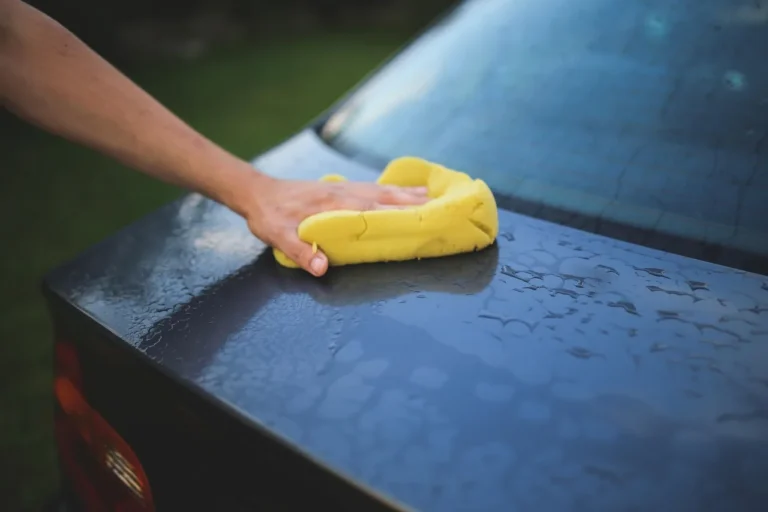
Winter salt raises corrosion risk on brake hardware, underbody fasteners, and body seams. Washing matters here because maintaining car cleanliness is a care topic tied to rust prevention, drain clearing, and visibility, not only looks. Rinse the underbody when salt buildup is obvious.
Hot weather pushes tire pressure upward through heat and stresses batteries. Dusty roads load filters faster and can hide leaks under grime, so under-hood inspections need a cleaner view.
Short trips, long highway use, and high-mileage routines
Short trips are hard on batteries and oil because the car may not fully warm up or recharge well. Highway use can be easier on brakes but it stacks mileage fast, so tire wear and fluid interval tracking matter more. High-mileage drivers should lean on mileage checkpoints more than calendar reminders.
Cars that sit for weeks at a time
Cars that sit often develop low batteries, flat-spotted tires, rusty brake surfaces, and stale washer fluid. Check tire pressure before driving, confirm the battery is strong, and listen for brake scraping that does not clear quickly. A parked car still ages.
How do you keep ownership costs low without skipping service?
Low ownership cost comes from catching the failures that strand drivers first, measuring before replacing, and using the manual instead of guesswork. The goal is to spend small amounts on inspection and targeted service so worn tires, low oil, dead batteries, and overheating never turn into major repairs.
Prioritize the items that strand drivers first
Tires, battery, oil level, and cooling issues have the highest chance of ruining a normal day. A portable air compressor in the trunk, a real pressure gauge, clean battery terminals, and regular dipstick checks cost little compared with a tow, a damaged tire, or an overheated engine.
Use inspections to avoid replacing good parts early
Prevention is not early replacement of everything. It is measured attention. If wipers clear well, keep them. If brakes are quiet, smooth, and inspect well, document them. If the air filter is clean and the manual does not call for service yet, leave it in place.
Track mileage, dates, and receipts to protect resale value
A simple record raises confidence for the next buyer and helps the current owner avoid duplicate work. Keep dates, odometer readings, tire purchases, oil services, battery tests, and brake inspections in one place. That file is part of the car’s value.
Frequently asked questions
How do I take care of my car for the first year of ownership?
Start with the owner’s manual, then build a week 1 baseline for tires, oil, battery, brakes, wipers, filters, and lights. Recheck at 30 days, inspect again at 3,000 miles, do a deeper look at 6 months, and review the full service record at 12 months.
What car maintenance can I do myself at home?
Most owners can handle tire pressure checks, tread inspection, dipstick oil checks on gasoline cars, washer-fluid top-ups, wiper replacement, light checks, and many cabin or engine air filters. Stop at work that needs safe lifting, brake disassembly, coolant leak diagnosis, or electrical troubleshooting.
How often should I check tires, fluids, and wipers?
Check tires monthly and every 1,000 miles, then before road trips or sharp weather changes. Check oil on the same rhythm for gasoline vehicles. Watch wipers during every rain event, replace them when they streak, skip, or chatter instead of waiting for a set annual date.
What maintenance keeps a car running well for years?
Long-term reliability comes from correct oil service for gasoline cars, tire pressure and rotation by the manual, brake inspections before pad material runs out, battery testing before seasonal stress, and catching coolant, belt, and hose problems before overheating or charging trouble begins.
How do I know when my car needs service?
Service is due when measurements drift or symptoms appear: repeated low tire pressure, uneven tread wear, falling oil level, brake noise, vibration, weak starts, coolant smell, streaking wipers, or warning lights. Stop driving for oil pressure warnings, overheating, flat tires, sidewall bulges, or severe brake fade.
What are the most important things to maintain on a car?
The highest-priority items are tires, engine oil on gasoline vehicles, brakes, battery, cooling parts, and wipers. Those directly affect whether the car starts, stops, steers, stays cool, and sees clearly in bad weather. Filters matter too, but they rank behind the breakdown and safety items.
Products related to this article
Sponsored / affiliate links. As an Amazon Associate I earn from qualifying purchases. I may earn additional commission from eligible campaigns.