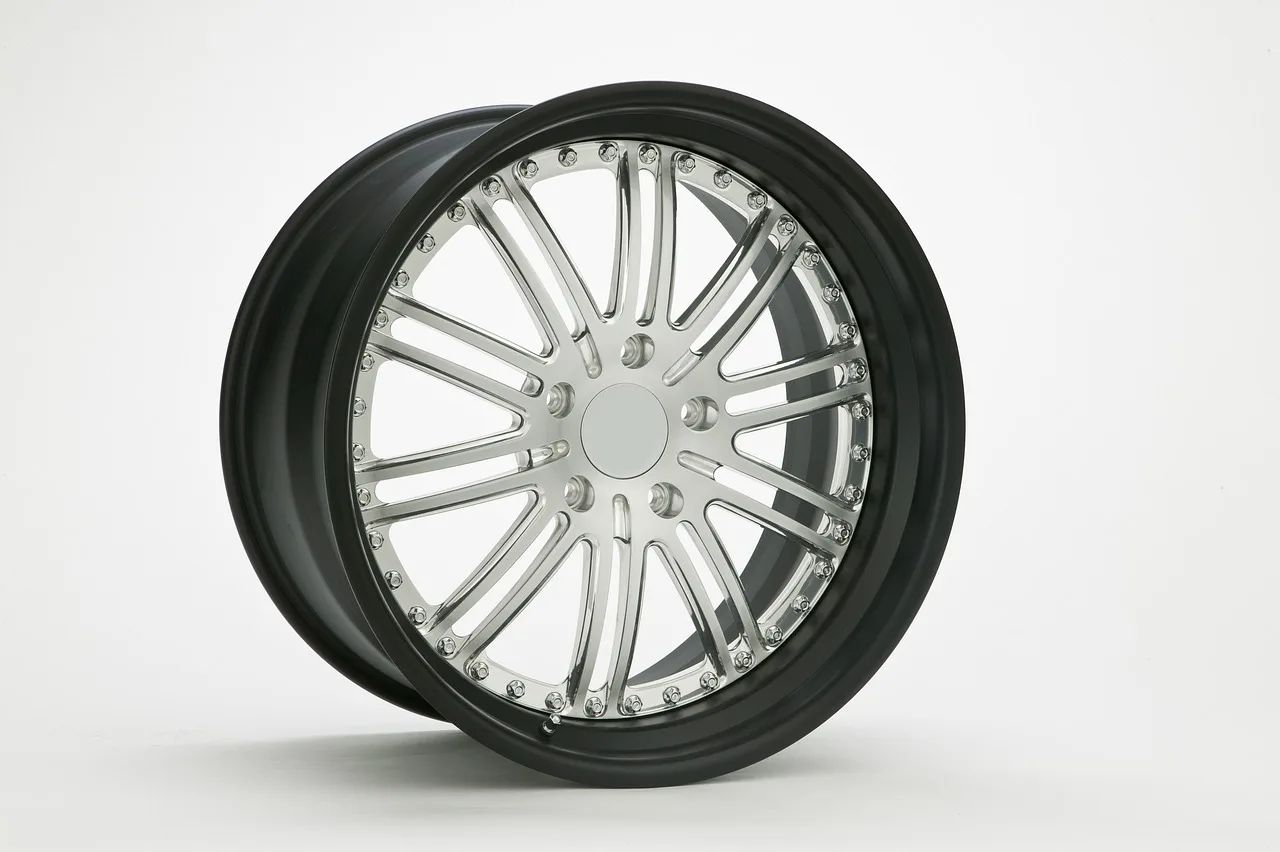
Can a Bent Rim Cause a Slow Leak? Symptoms and Fixes
Yes. A bent rim can cause a slow leak if an impact distorts the bead seat or cracks the wheel, though a puncture, valve stem failure, or damaged tire bead can look the same. Ignore it and you can keep losing air, wear out the tire, and risk vibration or a sudden pressure drop. This guide shows a symptom-by-symptom path to separate rim damage from tire, valve, and bead leaks.
This guide is part of our Tire and wheel issues guide series.
What you’ll need
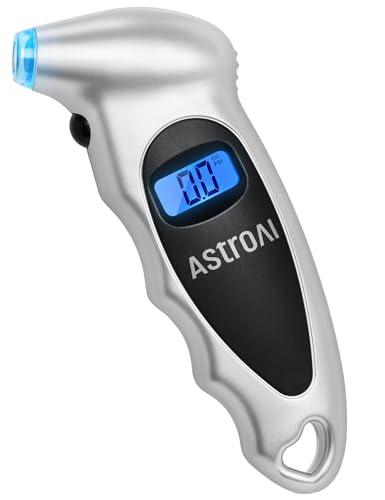


- Tire-pressure gauge
- Soapy water spray bottle or soap solution
- Flashlight
- Jack and lug wrench if wheel removal is needed
- Clean cloth or brush for bead-seat inspection
- Shop referral for runout or crack inspection if damage is visible
Can a bent rim cause a slow leak?
Yes. A small rim bend can open a tiny gap that lets air out little by little, especially after a pothole or curb strike. The leak may show up only when the wheel sits a certain way, and the same wheel can also cause vibration at certain speeds.
What a bent rim leak usually looks like
Most bends happen on the inner lip of the rim, not the outer face, and the inner edge takes the hit first when a tire drops into a pothole. That is why the tire may keep losing air even when the outside of the wheel looks only lightly marked.
A bent rim can sometimes create wheel hop or highway vibration without any obvious air loss. If the tire pressure stays steady but the steering wheel, seat, or floor shakes in a narrow speed band, balance or rim deformation moves up the list.
What you’ll need to narrow down the leak source
Use a few simple tools before you blame the rim. The goal is to separate a rim leak from a bead leak, valve problem, tread puncture, or sidewall damage.
Basic inspection kit
- Tire-pressure gauge to track leak rate
- Soapy water to find bubbles at the bead, valve stem, and valve core
- Flashlight to inspect the inner lip and sidewall
- Jack and lug wrench if you need wheel removal
- Clean cloth or brush to remove dirt and corrosion from the seal area
How do you tell a bent rim from a puncture or valve leak?
Start with the leak rate, then check the damage location. A tread puncture often leaks from the tread area, a valve issue may bubble at the stem or core, and a bent rim can leak at the bead or rim edge. Highway-speed vibration points more toward wheel deformation or balance than a simple nail puncture.
Symptom matrix for faster sorting
| Leak speed | Vibration speed band | Visible damage location | Bead / valve / tire clues | Next action |
|---|---|---|---|---|
| Hours | No vibration | Tread | Nail, screw, or puncture object | Repair or replace the tire, not the rim |
| Days | Low-speed hop | Rim lip or inner edge | Bubbles at bead after soapy water | Check bead seating and wheel runout |
| Overnight | Highway-speed shake | Rim barrel or inner lip | Air loss changes with wheel position | Stop driving and arrange a shop inspection |
| Slow, repeat refill | No vibration | Valve stem area | Core bubbles or cracked stem | Replace core or stem, then retest |
| Rapid, after impact | Shake plus pull | Sidewall bulge or cut | Sidewall damage may not be obvious at first glance | Replace the tire and inspect the wheel |
How do I fix a bent rim leaking air?
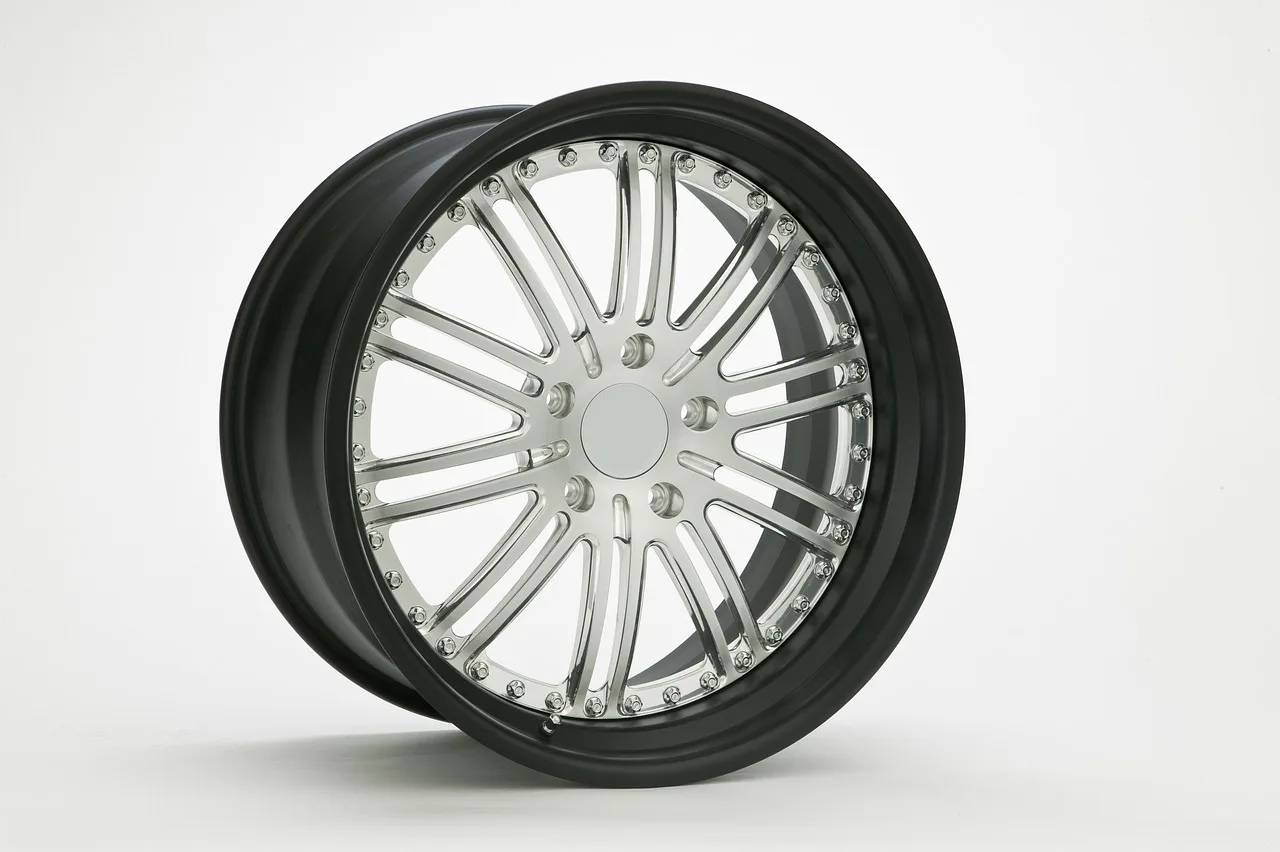
Fix the leak source first, then decide whether the rim itself needs repair. If the problem is bead corrosion or a loose valve core, the wheel may seal again after cleaning or replacement of the valve part. If the rim is cracked or badly deformed, replacement is usually the safer route.
Step-by-step troubleshooting path
- Clean the wheel lip and tire sidewall, then look for cracks, flat spots, or a bent flange.
- Spray the bead seat, valve stem, and valve core with soapy water to find the leak source.
- Check whether the tire leaks only after a curb hit or at highway speed, which points toward rim deformation or balance change.
- Measure wheel runout at a shop if the wheel still loses air or vibrates after cleaning and reseating.
- Replace the wheel if you find a crack, repeat air loss, or a bend that will not seal properly.
If that didn’t work, try this next
Move from easy checks to shop-level inspection. Ask for wheel removal, bead-seat cleaning, and runout measurement. If the tire has been driven low, inspect the sidewall closely, because sidewall damage may not be obvious at first glance and can make a repair unsafe.
Say your sedan hit a pothole at moderate speed and the right-front tire loses a few psi each day. If the leak bubbles at the inner bead, the rim may be bent or dirty at the seal surface. If the bubbles come from the valve stem, the rim is not the main cause.
What should you do when my tire keeps going flat overnight?
Overnight pressure loss points to a bigger leak than a slow weekly drop. If the tire is nearly flat after sitting, treat it as a serious leak and stop repeated refills until you find the source. Low pressure builds heat inside the tire and can turn a small leak into a larger failure fast.
Best next checks
- Check the bead-seat area for corrosion or a pinched bead
- Spray the valve stem and valve core with soapy water
- Inspect the tread for punctures and the sidewall for cuts or bulges
- Remove the wheel if the leak point is still unclear
A common first-timer mistake is assuming the rim is guilty because the leak followed a pothole. That impact can also unseat the bead or crack a valve stem. If the tire is nearly flat by morning, arrange service before more driving.
What happens if your rim is bent?
A bent wheel can leak, vibrate, and wear a tire unevenly. A wheel that wobbles can leave the tread worn unevenly, and bent rims can make highway vibration noticeable at a certain speed range. The vibration may be felt in the steering wheel, seat, or floor.
Why the damage matters
Not every bend is equal. A cosmetic bend may still hold air after cleaning and reseating, while structural damage changes the answer. A flat spot can cause hop, a barrel bend can change how the tire tracks, and a crack can leak intermittently and worsen under load.
Is it safe to repair a bent rim?
Sometimes, but only when the wheel remains structurally sound and can hold air after correction. Cosmetic bends are different from cracks or barrel damage. If the bend affects bead seating or runout, or if the wheel has been bent more than once, replacement is often the safer call.
Repair or replace?
- Repair is more reasonable for a small lip bend that still seals and stays round after correction
- Replacement is safer for cracks, repeated bends, barrel damage, or a wheel that will not hold pressure
- Stop driving and inspect immediately if the leak becomes fast, the wheel shows a crack, or the tire goes nearly flat overnight
Suppose an alloy wheel has a minor inner-lip bend from a curb rub and the tire holds pressure after bead cleaning. That may be repairable. If the same wheel also has a radial crack or a flat spot that causes hop, replacement is the safer call.
Can a curb hit damage the tire bead?
Yes. A curb hit can damage the tire bead, pinch it, or knock it off its seat against the rim flange. That seal is what keeps air in, so a damaged or unseated bead can leak even when the tire tread has no puncture and the sidewall looks normal at first glance.
How to check the bead area
Look for dirt, corrosion, or a shiny spot where air may be escaping. Spray soapy water around the bead on both sides of the wheel. If bubbles form at the rim-to-tire joint, the leak is in the seal area, not necessarily in the tire carcass.
Why does my tire keep losing air with no puncture?
Repeated air loss without a nail usually points to the bead, valve stem, valve core, or a rim defect. A slow leak can come from a tiny rim gap, but a loose core or cracked stem can mimic that pattern exactly. Wheel balance problems can add vibration without changing pressure at all.
What to separate first
- Bead leak: bubbles at the rim flange or bead seat
- Valve leak: bubbles at the stem or core
- Rim leak: repeated loss from a bent or cracked lip
- Tire issue: tread puncture, sidewall cut, or bulge
Diagnostic checklist: use the to pick the next step
Use a simple matrix to sort the cause before buying parts. The key inputs are leak speed, vibration band, and where the damage appears. That combination usually points toward bead, valve, rim, or tire, and it tells you when to stop driving.
One-page decision checklist
| Symptom pattern | Likely source | What to inspect at home | Shop check needed? | Next action |
|---|---|---|---|---|
| Slow leak over days, no vibration | Bead or valve | Soapy water at bead, stem, core | Often yes | Reseat bead, replace valve part, retest |
| Leak after pothole or curb hit, shake at speed | Bent rim | Inner lip, barrel, flat spot | Yes | Check runout and crack damage |
| Overnight flat, no obvious puncture | Severe leak or crack | Valve, bead, sidewall, rim edge | Yes | Stop driving and inspect wheel |
| Vibration only, pressure stable | Balance or bend | Wheel lip and visible deformation | Yes | Balance check and runout check |
| Bulge, cut, or sidewall scuff after impact | Tire damage | Sidewall all around the tire | Usually yes | Replace tire; inspect wheel too |
Common mistakes
The biggest mistake is blaming every leak on the rim. Valve stems crack with age or impact, beads can unseat, and sidewall damage can hide after the tire has been driven low. Another mistake is keeping a low tire in service long enough to build heat and worsen the damage.
What goes wrong and how to avoid it
- Ignoring the valve stem and valve core
- Skipping bead inspection after a curb hit
- Assuming a vibration means a bent rim when balance may be the issue
- Trying to repair a cracked wheel as if it were only bent
- Driving on a nearly flat tire and creating more tire damage
Frequently asked questions
How can I tell if the rim is bent or the tire is punctured?
Check where the air escapes. Tread punctures usually bubble in the tread area, while bent-rim leaks show up at the bead seat or rim edge. A highway-speed vibration with no visible puncture points more toward wheel deformation or balance than a simple nail hole.
Products related to this article
Sponsored / affiliate links. As an Amazon Associate I earn from qualifying purchases. I may earn additional commission from eligible campaigns.