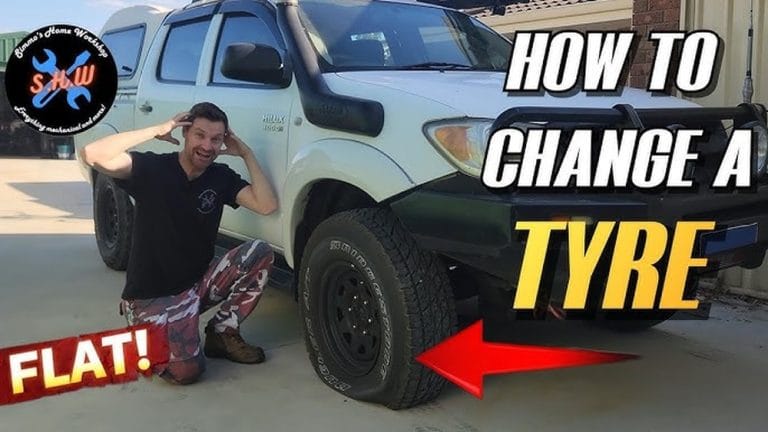
Why Does My Tire Make a Thumping Noise While Driving?
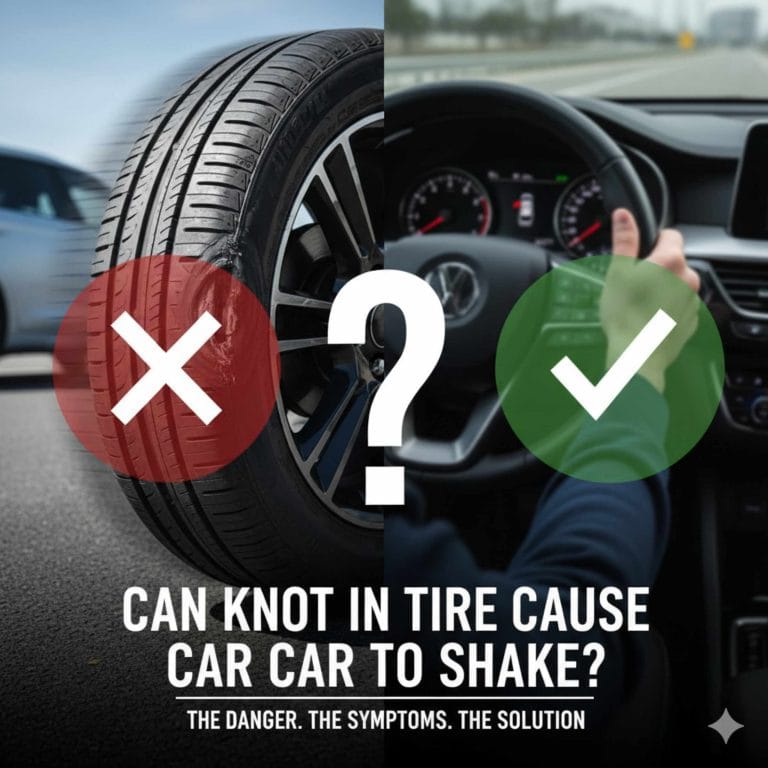
A tire that thumps while driving usually points to a tire defect, loose wheel, bent rim, low pressure, or a wheel bearing. If the noise speeds up with road speed or the car shakes, stop driving and inspect it. Ignoring it can turn a repairable tire or wheel issue into a blowout, damaged suspension, or a failed bearing. Use this quick, roughly 60-second check to help sort tire, wheel, bearing, and suspension causes and judge urgency fast.
Thumping noise triage table


| Noise pattern | Speed dependence | Turning effect | Likely cause | Next action |
|---|---|---|---|---|
| Rhythmic thump, same interval, tire vibration | Usually stronger as speed rises | Little change in a gentle lane change | Cupping, uneven tire wear, flat spot, out-of-round tire | Inspect tread, sidewall, pressure, and wheel balance; schedule tire service soon |
| Thump plus visible bulge or cord damage | Present at any moving speed | No useful change | Internal belt damage, severe tire defect | Stop driving and replace the tire |
| Roaring or humming that grows with speed | Clearly tied to vehicle speed | Louder during a lane change or turn on one side | Wheel bearing | Inspect bearing play and get the corner checked soon |
| Thump that follows bumps, dips, or braking weight transfer | May be worse at low speed over rough pavement | Can shift with corner load | Worn suspension parts | Inspect shocks, struts, bushings, and alignment |
| Louder road noise on porous pavement, wider tires, or studded snow tires | Most obvious at elevated speeds | No clear turning change | Normal tire noise pattern | Compare on smoother pavement before assuming damage |
What does the noise sound like?
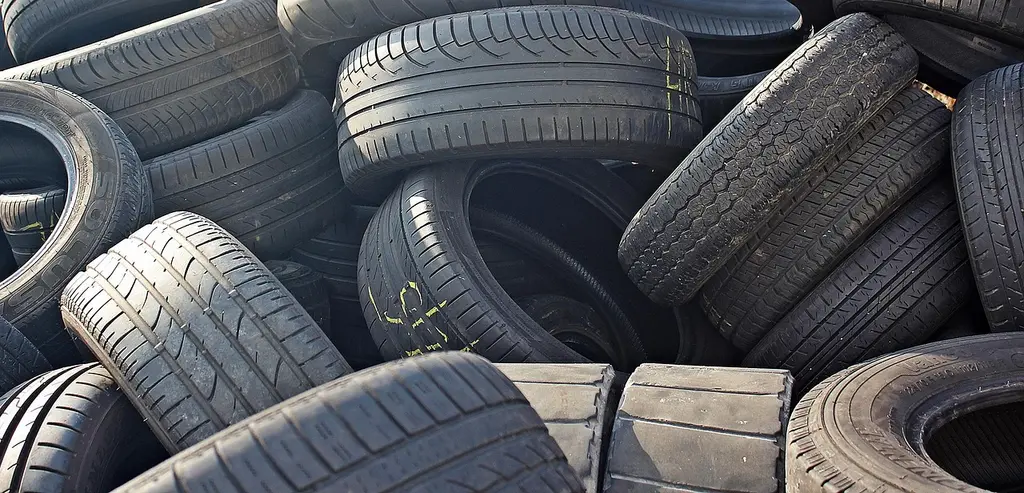
A true tire-related thump is usually rhythmic. A steady hum points more toward tread noise or a bearing, while a knock or grind suggests a different fault. If the sound changes mainly with road texture, pavement may be the main cause rather than damage.
Rhythmic thump versus steady hum
Tires always make some noise against the road, and that noise is usually most noticeable at elevated speeds. Larger and wider tires can be noisier, and studded snow tires tend to produce more noise. Porous road surfaces also produce more tire noise.
A rhythmic thump often means something repeats once per wheel revolution. That pattern fits a flat spot, a tire that is out of round, cupping, or a broken belt. A steady hum is less specific and more often tracks tread design, surface texture, or bearing wear.
Knock, grind, or roar clues
A roaring noise that gets louder with speed is a classic wheel bearing clue. Faint knocks from the wheel area can come from worn suspension parts, loose hardware, or a tire defect that shifts under load. A grind is more urgent and should not be ignored.
Picture a sedan on a coarse concrete freeway. The noise is louder there, then fades on smooth asphalt. That pattern points to road surface and tire type. If the same car begins thumping on every surface, the tire or chassis needs a closer check.
When road texture is the likely reason
Road surface can raise tire noise without any defect. Rapid acceleration, sharp cornering, and hard braking can also add to tire noise. If the sound stays mild, changes with pavement type, and does not come with vibration, the issue may be normal tire noise rather than damage.
Can a tire cause a thump?
Yes. Uneven tire wear can create abnormal noise, and cupping can cause tire vibration and excessive noise. Under-inflation, improper alignment, broken belts, flat spots, and tires that are out of round can all produce a repeating thump that sounds like a suspension problem.
Uneven wear and cupping
Uneven tire wear is often caused by improper tire inflation or improperly aligned tires. Cupping is a tread wear pattern that leaves high and low spots around the tire. Those spots can slap the road in a repeat cycle, which creates both vibration and noise.
Under-inflation increases pressure on the outer edges, so the shoulders can wear faster and the tire may sound louder. A tire pressure monitoring system, or TPMS, helps control tire pressure by warning you when pressure drops enough to matter.
Broken belts, flat spots, and out-of-round tires
A broken belt can let the tread shift and thump once per rotation. A flat spot can happen after sitting in one position for a long time or after a hard skid. An out-of-round tire can mimic a wheel problem because the tire rises and falls with each turn of the wheel.
Suppose a compact SUV begins thumping after a week parked outside in cold weather. If the sound eases after a few miles, a temporary flat spot is possible. If the thump stays constant and the steering wheel shakes, the tire needs inspection before more driving.
Why under-inflation can make tires louder
Low pressure changes how the tread contacts the pavement. That extra flex can raise noise and heat, and it can speed up wear at the outer edges. If one tire is low, the noise may stand out first at speed, then become more obvious as the tire warms up.
Is it the tire or wheel bearing?
Start by asking whether the noise changes with speed, cornering, or lane position. Tire defects often thump in a repeating pattern and may come with visible wear. A wheel bearing more often makes a roaring noise that grows with speed and changes while changing lanes or turning.
How bearing noise changes with speed
A faulty wheel bearing may cause a roaring noise while changing lanes. The noise often gets louder with speed, and it may sound like a growl that builds instead of a single thump. On many vehicles, the load shift during a lane change makes the bad side speak up.
Why lane changes or turns matter
Turning left or right changes the load on each side of the car. If the noise gets louder when the vehicle loads one side, a bearing moves higher on the suspect list. If the sound stays the same through gentle turns but repeats with wheel rotation, the tire deserves more attention.
What points away from the tire
Noise that is smooth, constant, and clearly tied to speed can point away from a tread defect and toward a bearing. Noise that changes little with tire inspection but worsens during lane changes also suggests a wheel bearing. Tire issues usually leave a visual clue on the tread or sidewall.
A common first-timer mistake is hearing a rear thump and assuming the tire alone is guilty. A worn bearing, bent wheel, or suspension fault can create a similar sound, so you need to check the sound pattern and the tire itself before replacing parts.
What to check roadside first
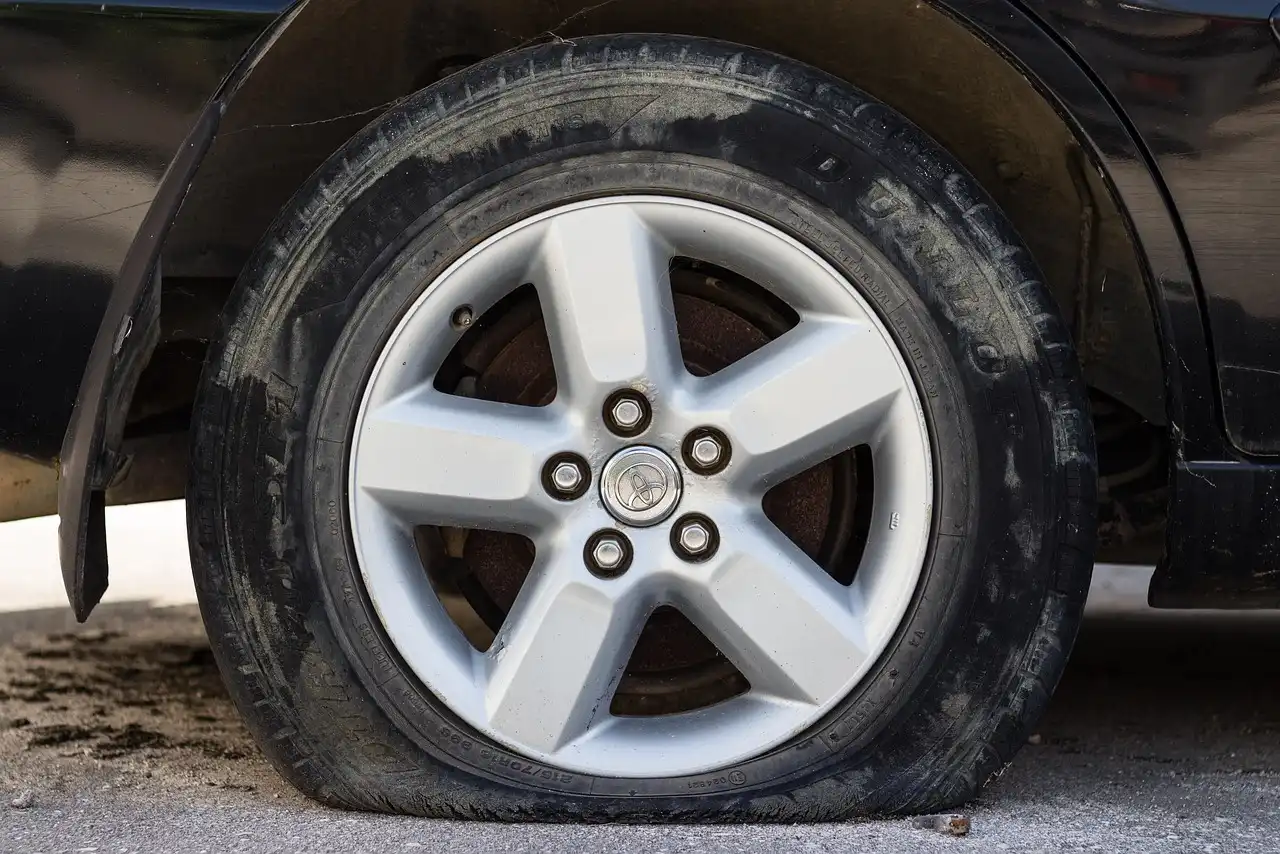
Use simple visual and touch checks only. Do not crawl under a vehicle on the shoulder. If the tire is visibly damaged, rapidly losing pressure, or shaking the car hard, stop driving. A short roadside check can separate a tire problem from a chassis problem quickly.
- Park on level ground, set the brake, and look at all four tires from a few steps away.
- Check for bulges, cuts, missing tread chunks, exposed cords, or a tire that sits visibly lower than the others.
- Use TPMS warnings as a clue, then confirm pressure with a gauge if available.
- Look for loose lug nuts, a missing wheel weight, or an obviously bent rim.
- Inspect visible suspension parts near the wheel for broken pieces, leaking fluid, or a wheel that sits at an odd angle.
- Feel for heat only if the wheel is safe to approach and one corner seems far hotter than the others; a hot wheel can point to a dragging brake or bearing issue.
Safe visual check for tread damage and bulges
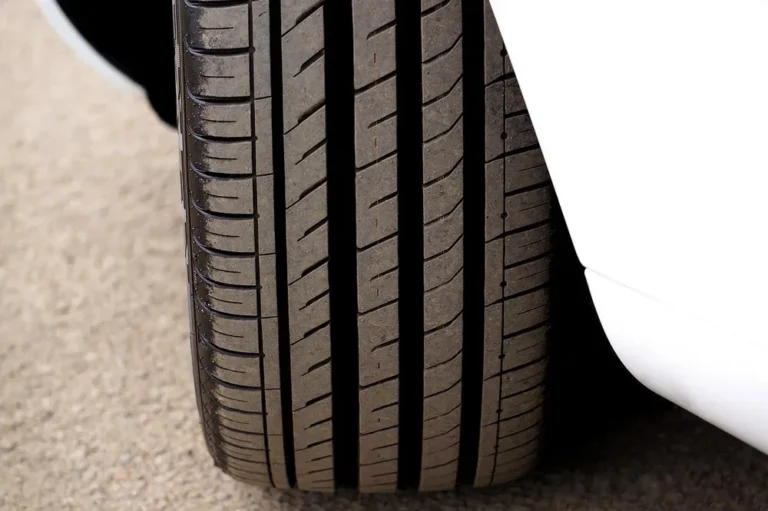
Walk around the vehicle and compare tire shape, tread depth, and sidewall condition. Bulges and bubbles are stop-driving signs. Deep cuts, separated tread, or exposed cords also mean the tire is unsafe. A tire that looks visibly flatter than the others needs pressure checked before more travel.
Pressure check with TPMS and a gauge
TPMS can alert you to under-inflation, but it is not a substitute for a gauge. Use the gauge reading to confirm whether one tire is low. If the tire is significantly underfilled and the thump started soon after, that pressure loss may be part of the noise problem.
Look for loose lug nuts and obvious suspension damage
Loose lug nuts can let a wheel move and thump, which is urgent. Look for anything visibly broken near the shock, strut, or control arm area. Worn suspension parts can cause a thumping sound and may mimic tire problems, so a quick look at the corner matters.
Could suspension parts be the source?
Yes. Worn shocks, struts, bushings, and related parts can cause a thumping sound that seems like a tire defect. Suspension faults can also affect alignment, which then contributes to uneven tire wear. If the tire looks damaged but the tread is not the only clue, inspect the chassis too.
Worn shocks, struts, and bushings
Shocks and struts control wheel motion, and worn bushings keep parts located correctly. When those parts wear out, the wheel can move more than it should over bumps, causing a thump. That sound may be most obvious on rough roads or during braking and cornering.
How suspension faults mimic tire noise
A bad suspension corner can make the tire hit the road with a sharper motion, so the driver hears the tire instead of the part that moved it. That is why a tire noise can remain after a new tire is installed if the suspension problem was never fixed.
Why alignment belongs in the diagnosis
Improper alignment can create uneven wear, and uneven wear can create abnormal noise. If the tire shows cupping or shoulder wear, alignment should stay on the short list. A vehicle can have both a tire defect and a suspension issue at the same time, so one symptom does not rule out the other.
When should you stop driving?
Stop driving right away if the thump comes with severe vibration, visible tire damage, bulges, exposed cords, rapid pressure loss, or a wheel that feels loose. If the noise is only mild and the tire looks intact, schedule service soon and avoid high-speed driving until it is checked.
Stop-driving-now signs
- Visible bulge, sidewall cut, or exposed cords
- Rapid pressure loss or a tire that looks half-flat
- Steering wheel shake or body vibration that worsens with speed
- Loud repeated thump after a recent pothole strike
- Metallic grinding, wheel wobble, or a wheel that feels loose
Signs that mean schedule service soon
A repeating thump without visible damage still deserves prompt inspection. That includes cupping, uneven wear, a suspected broken belt, or a possible bearing hum. Avoid long highway trips until the fault is found, because speed can make a small defect worse.
When tire replacement is the likely fix
If the tread shows severe cupping, a flat spot that does not smooth out, a bulge, or broken internal structure, replacement is often the right answer. If the noise follows the tire to a different wheel position, that also points toward the tire rather than the bearing or suspension.
Frequently asked questions
Why does my tire make a thumping noise while driving?
Most often, a thumping tire noise comes from uneven tire wear, cupping, an out-of-round tire, a flat spot, low pressure, or a damaged wheel. If the sound grows with speed, becomes a vibration, or comes with a bulge or cord damage, treat it as urgent and inspect the tire right away.
Is a thumping tire noise dangerous to keep driving on?
It can be. A mild thump on rough pavement may be only a tire noise issue, but a loud rhythmic thump can signal structural tire damage or a loose wheel. If the car shakes, the pressure drops, or the tire shows visible damage, stop driving and get it checked.
Can under-inflated tires cause a thumping sound?
Yes. Under-inflated tires place much pressure on the outer edges, which can make the tire sound louder and wear unevenly. TPMS can help alert you to low pressure, but you should confirm with a gauge. If inflation is low, fix it before looking for more complicated faults.
Could a worn suspension part make my tire thump?
Yes. Worn suspension parts might cause a thumping sound in the tires, and they can also create the uneven motion that leads to cupping and other wear patterns. If the noise changes over bumps or during braking and cornering, inspect shocks, struts, bushings, and alignment along with the tire.
How do I tell if the noise is from the tire or a wheel bearing?
Listen for pattern and load change. Tire problems usually make a repeating thump tied to wheel rotation, while a faulty wheel bearing often makes a roaring noise that gets louder with speed and can change while changing lanes. If the sound shifts in turns, the bearing moves higher on the list.
Can uneven tire wear cause thumping and vibration?
Yes. Uneven tire wear can create abnormal noise, and cupping can cause tire vibration and excessive noise. Improper inflation and improper alignment are common causes of that wear. If you see a scalloped or wavy tread pattern, the tire may be the source of both the thump and the shake.
Products related to this article
Sponsored / affiliate links. As an Amazon Associate I earn from qualifying purchases. I may earn additional commission from eligible campaigns.