How to Pick the Right Tires for Your Car (Easy Guide)
Choosing the right tires for your car can transform your driving experience, impact your safety, and even affect your wallet. With hundreds of models, brands, and types flooding the market, the process can feel overwhelming—even for seasoned drivers. But the right choice will provide optimal traction, comfort, and longevity, while the wrong one can compromise handling, increase fuel consumption, and endanger lives.
In this easy guide, you’ll discover how to confidently select the perfect tires for your needs, whether you’re commuting, road-tripping, or just want the best performance for your vehicle.
This comprehensive article covers everything from understanding tire specifications to interpreting tread patterns, comparing popular brands, and learning how climate, driving habits, and budget play a role. You’ll see real-world examples, expert recommendations, and actionable checklists to simplify your decision.
By the end, you’ll have a clear roadmap for picking the best tires and maximizing your investment—without confusion or regret.
Key Takeaways
- Tire selection depends on vehicle type, driving conditions, and personal preferences.
- Tire size and rating directly impact safety, handling, and performance.
- Seasonal tires are critical: Using the right tire for your climate boosts safety and efficiency.
- Comparing brands and models helps balance cost, quality, and longevity.
- Reading tire labels is essential for informed choices; learn what each code means.
- Proper maintenance extends tire life and saves money.
Understanding Tire Basics
Choosing the right tires starts with understanding fundamental concepts. Tires are more than rubber—they’re engineered for specific vehicles, environments, and purposes. Let’s break down the essentials you need to know.
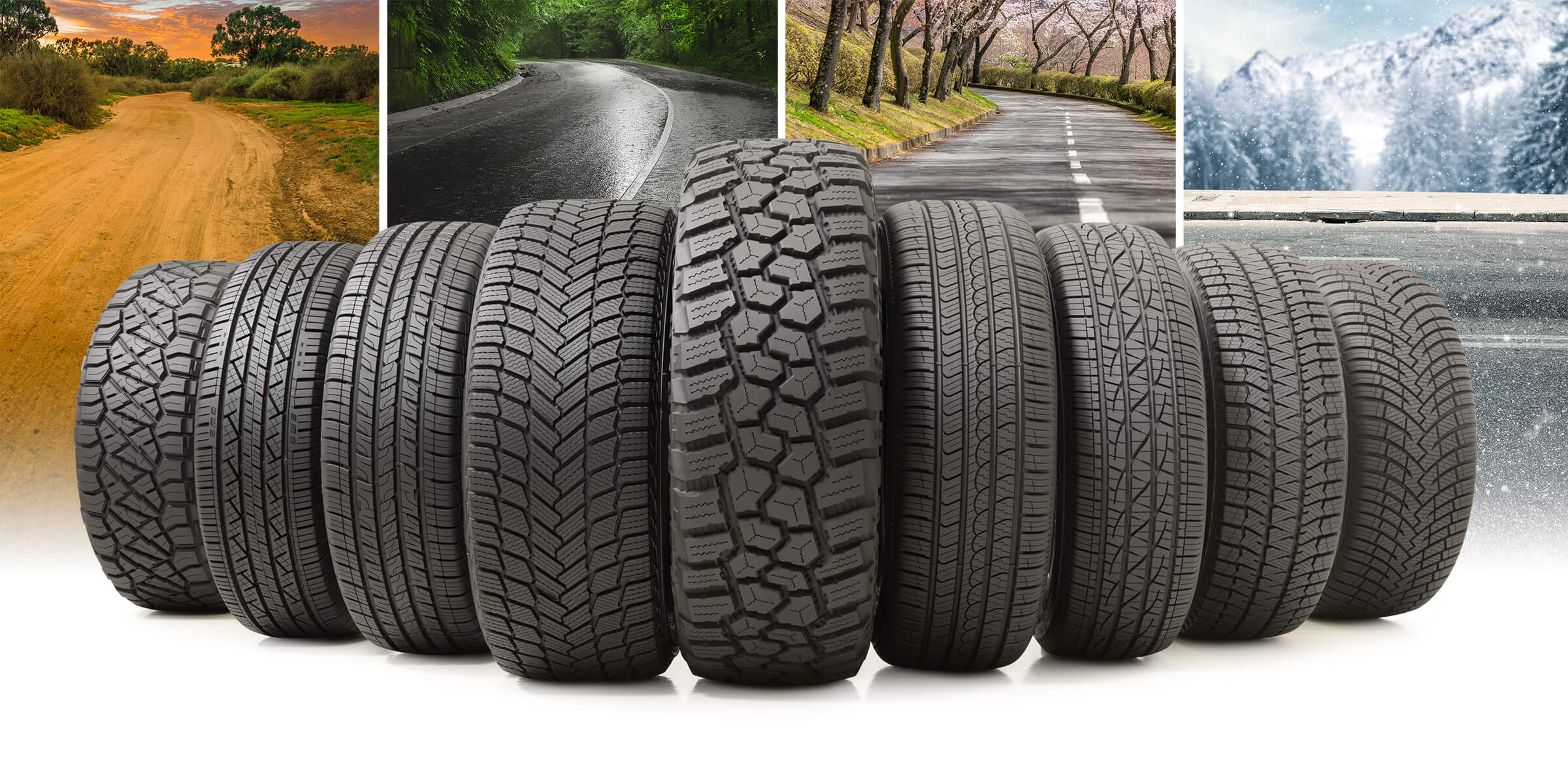
Tire Types: All-season, Summer, Winter, Performance, And More
Tires come in several categories, each designed for particular driving conditions:
- All-season tires: Versatile, suitable for moderate climates, and provide balanced performance year-round. They combine some characteristics of both summer and winter tires, making them a convenient choice for drivers who don’t face extreme temperatures or heavy snowfall. For example, the Michelin Defender T+H is a popular all-season model praised for its durability and reliable grip in various conditions.
- Summer tires: Optimized for warm weather, offering superior grip and handling, but unsafe in cold/snowy conditions. These tires use specialized rubber compounds and tread designs to maximize traction and braking on dry and wet roads in temperatures above 45°F (7°C). However, they become rigid and lose effectiveness in colder temperatures, increasing the risk of accidents.
- Winter tires: Engineered with softer rubber and deep treads for icy, snowy roads, improving traction and safety. Features like sipes (thin slits in the tread) and unique tread blocks help bite into snow and expel slush, offering shorter stopping distances and enhanced control in cold weather. The Bridgestone Blizzak WS90, for instance, is a top-rated winter tire for its reliable grip on snow and ice.
- Performance tires: Built for sporty handling and high speeds, ideal for performance vehicles. These tires emphasize cornering, responsiveness, and braking, making them essential for sports cars or drivers who enjoy spirited driving. However, performance tires tend to have shorter tread life and may not perform as well in cold or wet conditions.
- Touring tires: Focused on comfort, quietness, and long tread life for everyday driving. Touring tires are designed for sedans and coupes, offering a smooth ride with minimal road noise, making them an excellent choice for daily commuters and families.
For unique needs, there are also off-road tires (with aggressive treads for mud, rocks, and sand), run-flat tires (which can be driven short distances after a puncture), and eco-friendly tires (engineered for reduced rolling resistance to improve fuel economy). Selecting the right type depends on your climate and how you use your car. For instance, someone who frequently drives on unpaved roads will benefit more from all-terrain or mud tires, while a city commuter may prioritize low-noise and comfort.
Interpreting Tire Size And Ratings
Tire size is printed on the sidewall, such as 205/55R16. Here’s what it means:
- 205: Width in millimeters, indicating the section width of the tire.
- 55: Aspect ratio (height vs width), shown as a percentage. A lower number means a shorter sidewall for sportier handling, while a higher number offers more cushion and comfort.
- R: Radial construction, which is standard for most modern vehicles.
- 16: Wheel diameter in inches, specifying the size of the rim the tire fits.
Other important ratings include:
- Load index: How much weight the tire can safely support. For example, a load index of 94 means each tire can carry up to 1,477 lbs.
- Speed rating: Maximum safe speed (e.g., H = 130 mph, V = 149 mph, W = 168 mph). Exceeding the speed rating can lead to tire failure.
- UTQG rating: Uniform Tire Quality Grading for treadwear, traction, and temperature. For instance, a treadwear rating of 600 means the tire should last six times longer than a government reference tire.
Understanding these codes ensures you buy tires compatible with your vehicle and driving style. Always check your owner’s manual or the placard on your door jamb for recommended sizes and ratings.
Tread Patterns And Their Impact
Tread patterns affect how tires grip the road, disperse water, and handle different surfaces:
- Symmetrical: Same pattern across the tire; good for stability, longevity, and quiet performance. They can be rotated in multiple patterns, extending their lifespan and making them a cost-effective choice for most drivers.
- Asymmetrical: Different patterns for inside/outside; enhances cornering and wet traction. The outside of the tire often has larger tread blocks for cornering, while the inside has smaller blocks and sipes for wet grip. This design is common on performance and luxury vehicles.
- Directional: V-shaped patterns; best for channeling water and preventing hydroplaning. These tires must be mounted in the correct direction and are excellent for wet climates, but can only be rotated front-to-back.
Choosing the right tread pattern boosts safety and performance in your typical driving conditions. For example, a driver in a rainy region may benefit from directional or asymmetrical tires to minimize hydroplaning risk.
Tire Construction: Radial Vs. Bias-ply
Most modern tires are radial, which means the layers run perpendicular to the direction of travel, offering better durability, heat dissipation, and performance. Radial tires are more flexible, providing a larger contact patch and improving ride comfort and fuel economy.
Bias-ply tires, with diagonal layers, are rare outside specialty vehicles and vintage cars. They are stiffer, offer a harsher ride, and wear out faster, but can be useful for certain heavy-duty or off-road applications. Always choose radial tires unless your vehicle specifically requires bias-ply, such as for certain classic cars or agricultural equipment.
Credit: www.caranddriver.com
How To Choose The Right Tire For Your Vehicle
Selecting the ideal tire involves matching specifications to your car and driving needs. Here’s how to get it right.
Identify Your Vehicle’s Requirements
Start by checking your owner’s manual or the placard inside the driver’s door. This lists:
- Recommended tire size: Ensuring proper fit, speedometer accuracy, and vehicle handling.
- Load index: Matching the vehicle’s weight requirements.
- Speed rating: Ensuring safety at your typical driving speeds.
Never deviate from these recommendations unless consulting a tire specialist. Incorrect sizing can lead to poor handling, increased wear, voided warranties, and even potential mechanical problems like rubbing or improper alignment. For example, upsizing your tires for aesthetic reasons can impact your odometer reading and cause premature suspension wear.
Match Tires To Your Driving Conditions
Consider where and how you drive most:
- Urban drivers: Seek tires with good wet traction and durability. Pothole resistance and quietness are also important for city environments.
- Highway commuters: Look for low rolling resistance, comfort, and long tread life. Touring tires are often favored for their smooth ride and fuel efficiency.
- Sporty drivers: Opt for high-performance tires with excellent grip, responsive steering, and stable cornering.
- Rural/off-road users: Choose all-terrain or mud tires with reinforced sidewalls and aggressive tread for off-road adventures.
Matching tire features to driving conditions maximizes safety, longevity, and efficiency. For example, a commuter in the Pacific Northwest will prioritize wet traction, while a weekend off-roader might need tires that handle rocks and mud.
Climate Considerations
Climate is a critical factor in tire selection:
- Mild climates: All-season tires suffice. Their balanced performance makes them suitable for year-round use in regions without harsh winters or extreme heat.
- Hot climates: Summer tires resist heat, prevent blowouts, and maintain grip on hot pavement. The rubber compounds in summer tires remain flexible in the heat, reducing the risk of tire failure.
- Cold/snowy climates: Winter tires are essential for traction and braking. Even all-wheel-drive vehicles benefit significantly from winter tires, as AWD does not improve stopping ability on ice or snow.
Switch tires seasonally if you live in regions with extreme weather fluctuations. Many drivers invest in a separate set of wheels for winter tires, making seasonal swaps easier and protecting their primary wheels from road salt and damage.
Budget And Value Analysis
Don’t just buy the cheapest tire. Consider:
- Tread life warranty: Longer warranties suggest better durability.
- Brand reputation: Established brands may offer better support and consistent quality.
- Performance ratings: Compare wet/dry grip, noise, and comfort scores.
- Total cost of ownership: Factor in installation, rotation, and expected lifespan.
Investing in quality tires often saves money in the long run through fewer replacements, better fuel efficiency, and reduced risk of blowouts or accidents. For example, a set of premium tires with an 80,000-mile warranty may cost more upfront but require fewer replacements than budget tires with a 40,000-mile expectancy.
Real-world Example: Tire Selection For A Family Sedan
A driver in Chicago with a Toyota Camry faces snowy winters and hot summers. She uses:
- All-season tires from April to October for balanced performance and cost savings.
- Winter tires from November to March for enhanced grip, shorter stopping distances, and peace of mind on icy roads.
This approach ensures safety and performance year-round, with minimal compromise. Rotating between two sets of tires also extends the life of both, and many tire shops offer off-season storage for a small fee.
Credit: ultimateflaps.com
Comparing Top Tire Brands And Models
Brand reputation, performance, and price vary widely. Here’s how leading brands stack up.
Popular Brands Overview
Some of the most respected tire brands include:
- Michelin: Known for exceptional longevity, innovative technology, and comprehensive warranties. Consistently ranked at the top in independent tests for comfort, fuel economy, and wet/dry performance.
- Goodyear: Offers a broad selection, strong warranties, and is widely available. Goodyear’s Assurance line is popular with commuters for its value and reliability.
- Bridgestone: Industry leader in winter and all-weather tires, with models like the Blizzak series highly rated for snow and ice.
- Continental: Recognized for advanced wet braking and eco-friendly options. Their TrueContact Tour is a favorite among all-season tire shoppers.
- Pirelli: Dominates the performance market, with high-speed stability and precise handling. Often found as original equipment on luxury and sports cars.
- Cooper: Valued for affordability and solid warranties, especially in all-terrain and all-season segments.
- Hankook: An emerging brand offering good value and solid performance, making inroads in both the original equipment and replacement markets.
Each offers unique strengths, from durability to high-speed performance. Always consider your specific needs and consult expert and user reviews before making a final choice.
Data-driven Comparison Table: All-season Tire Models
Below is a comparison of popular all-season tires for midsize sedans:
| Brand | Model | Treadwear Warranty | Wet Traction | Price (per tire) |
|---|---|---|---|---|
| Michelin | Defender T+H | 80,000 miles | Excellent | $140 |
| Goodyear | Assurance ComfortDrive | 65,000 miles | Very Good | $125 |
| Continental | TrueContact Tour | 70,000 miles | Excellent | $135 |
| Bridgestone | Ecopia EP422 Plus | 70,000 miles | Good | $120 |
| Cooper | CS5 Grand Touring | 80,000 miles | Very Good | $110 |
This table highlights the importance of comparing treadwear warranties and wet traction ratings—two critical factors for everyday drivers. While Michelin may cost more upfront, its longer warranty and top-rated wet grip can provide better long-term value.
Performance And Specialty Tire Comparison Table
Here’s how top performance and winter tires compare:
| Brand | Model | Type | Snow Traction | Dry Grip | Price |
|---|---|---|---|---|---|
| Michelin | Pilot Sport 4S | Performance | Fair | Excellent | $200 |
| Bridgestone | Blizzak WS90 | Winter | Excellent | Good | $160 |
| Pirelli | P Zero | Performance | Poor | Excellent | $190 |
| Continental | VikingContact 7 | Winter | Very Good | Good | $150 |
This comparison illustrates that specialized tires excel in their intended environments. For instance, the Blizzak WS90’s snow traction is unmatched, while the Pilot Sport 4S is a favorite on dry, spirited drives but lacks winter capability.
Brand Reputation And Reviews
Reputation matters. Michelin consistently ranks highest for longevity and performance, while Goodyear is known for value and wide availability. Bridgestone excels in winter tires, and Pirelli dominates high-performance markets. User reviews on sites like tirereviews.com and expert ratings on Consumer Reports are valuable resources.
When choosing a brand, also consider after-sales service, warranty support, and how easy it is to find replacements locally. Many drivers find peace of mind in choosing a brand with a strong dealer network and responsive customer service.
Real-world Example: Comparing Tires For A Sports Car
A driver in Southern California wants maximum dry grip for his BMW M3. He compares Michelin Pilot Sport 4S and Pirelli P Zero, choosing the Michelin for its superior longevity, wet traction, and high marks in independent tests, despite a slightly higher price. The result is a better overall driving experience, with enhanced safety during unexpected rain.
Credit: www.tirerack.com
Decoding Tire Labels And Certifications
Understanding tire labeling is crucial for making informed choices. Every tire carries a wealth of information—if you know how to read it.
How To Read The Sidewall
Key elements found on a tire’s sidewall include:
- Tire size (e.g., 225/45R17) – ensures proper fit.
- Load and speed ratings (e.g., 94V) – confirm weight and speed compatibility.
- DOT code: Indicates compliance with US standards and manufacturing date (last four digits show the week and year, e.g., 2319 = 23rd week of 2019).
- UTQG ratings: Treadwear, traction, temperature – for comparing quality and expected lifespan.
- Additional markings: Such as “Extra Load” (XL) for reinforced tires, or “M+S” for mud and snow capability.
Learning to decode these ensures you never accidentally buy the wrong tire. Taking a photo of your current tire’s sidewall before shopping can help avoid confusion at the store or online.
Utqg Ratings Explained
UTQG stands for Uniform Tire Quality Grading. It rates tires on:
- Treadwear: Higher numbers mean longer life (e.g., 800 vs. 400). Note that these ratings are best used for comparing tires within the same brand, as testing methods can vary.
- Traction: Rated AA, A, B, or C—AA is best. Indicates wet braking performance, not cornering or dry grip.
- Temperature: Rated A, B, or C—A is best. Reflects the tire’s ability to dissipate heat, crucial for high-speed driving and hot climates.
Check UTQG ratings to compare longevity and performance between models. For example, a tire with a 700 treadwear, AA traction, and A temperature grade is likely to last longer and perform better than a 400 A B-rated competitor.
Tire Certifications And Standards
Look for certifications such as:
- DOT: US Department of Transportation – required for all road-legal tires sold in the US.
- E-Mark: European standards – ensures compliance for European roads.
- M+S: Mud and Snow (all-season or winter suitability) – indicates enhanced traction in those conditions.
- Three-Peak Mountain Snowflake: Severe winter performance – a must for true winter tires.
- OE Markings: Indicate the tire was designed as Original Equipment for specific car brands (e.g., MO for Mercedes, N for Porsche).
Choosing certified tires ensures compliance and safety. Counterfeit or uncertified tires may not meet safety standards, risking both lives and insurance claims.
Real-world Example: Avoiding Counterfeit Tires
A driver in Miami buys discounted tires online, but the sidewall lacks a DOT code. He returns them after learning they’re likely counterfeit, risking safety and insurance coverage. Always verify labeling and buy from reputable sources.
Assessing Your Driving Needs And Habits
Matching tires to your lifestyle is essential for satisfaction and safety. Here’s how to analyze your needs.
Daily Commuter Vs. Occasional Driver
- Daily commuters: Look for comfort, low noise, and durability. High-mileage drivers also benefit from tires with robust warranties and fuel-saving technology.
- Occasional drivers: May prioritize price or specialty features, such as enhanced all-weather traction for infrequent but challenging trips.
Think about mileage, road types, and typical weather. For instance, a retiree who only drives locally may choose less expensive tires, while a rideshare driver needs reliability and comfort for long hours on the road.
Sporty And Performance Driving
If you drive aggressively or own a performance vehicle, focus on:
- High-speed stability: Tires rated for your car’s top speed.
- Cornering grip: Wider, stickier compounds for precise handling.
- Short braking distance: Performance tires reduce stopping distances, especially in dry conditions.
Performance tires are a must, even if they wear out faster. For example, an Audi S4 owner who enjoys track days will prioritize a tire like the Michelin Pilot Sport 4S over a standard all-season.
Off-road And Adventure Driving
For SUVs and trucks used off-road:
- All-terrain tires: Balance on/off-road capability. Good for drivers who split time between pavement and trails.
- Mud tires: Deep treads for mud and sand. Best for frequent off-roaders and overlanders.
- Rock tires: Reinforced sidewalls for puncture resistance. Essential for rocky terrain and extreme off-road conditions.
Choose based on your typical terrain. Mixing off-road and highway use requires a compromise—pure mud tires may be noisy and wear quickly on pavement.
Fuel Efficiency And Eco-friendly Options
Eco-friendly tires reduce rolling resistance and improve fuel economy. According to fueleconomy.gov, low rolling resistance tires can save up to 5% on fuel annually. Over 60,000 miles, this could mean hundreds of dollars in savings.
Additionally, eco-tires often use advanced materials for lower emissions during production and recycling. Brands like Michelin (Energy Saver series) and Bridgestone (Ecopia line) lead this segment.
Real-world Example: Maximizing Fuel Economy
A hybrid owner opts for Michelin Energy Saver A/S, reducing her annual fuel costs by $60 compared to standard tires. Over the tire’s life, this adds up to significant savings and a smaller carbon footprint.
The Role Of Seasonal And Specialty Tires
Seasonal changes demand different tires for optimal safety and performance. Let’s explore how and when to switch.
All-season Tires: Pros And Cons
- Pros: Convenience, cost-effectiveness, good for moderate climates, can handle light snow or rain, and require less frequent changes.
- Cons: Compromised performance in extreme heat or snow. The tread compound and pattern are a compromise and may not excel in any one condition.
All-season tires are a practical choice for many, but not for all. In mountainous or very snowy regions, dedicated winter tires are a must.
Winter Tires: Essential For Safety
Winter tires use softer compounds and unique tread patterns. According to the NHTSA, winter tires reduce stopping distance by 25% on snow and ice compared to all-seasons. Their effectiveness is so pronounced that some insurance companies offer discounts for drivers who use them.
Switch to winter tires before the first frost for maximum safety. Remember to install four matching winter tires for balanced handling—mixing types can be dangerous.
Summer Tires: Performance In Warm Weather
Summer tires offer:
- Maximum grip on dry/wet roads, thanks to specialized tread and rubber compounds.
- Improved cornering and stability at high speeds.
- Shorter braking distances in temperatures above 45°F (7°C).
Never use summer tires in cold climates—they harden and lose traction. Even a brief cold snap can impact their performance and safety.
Specialty Tires: Run-flat, Off-road, And More
- Run-flat tires: Allow driving up to 50 miles after a puncture, reducing the need for roadside tire changes. However, they often ride firmer and are more expensive to replace.
- Off-road tires: Designed for rugged terrain, with aggressive tread and reinforced sidewalls.
- Touring tires: Focused on comfort and low noise, ideal for long-distance drivers and families.
Choose specialty tires only if your needs demand them. For example, a city dweller may not need run-flats, but a remote rural driver may value their peace of mind.
Evaluating Tire Longevity, Maintenance, And Replacement
Proper tire care extends lifespan, saves money, and keeps you safe. Here’s how to maximize value.
Tread Life And Wear Indicators
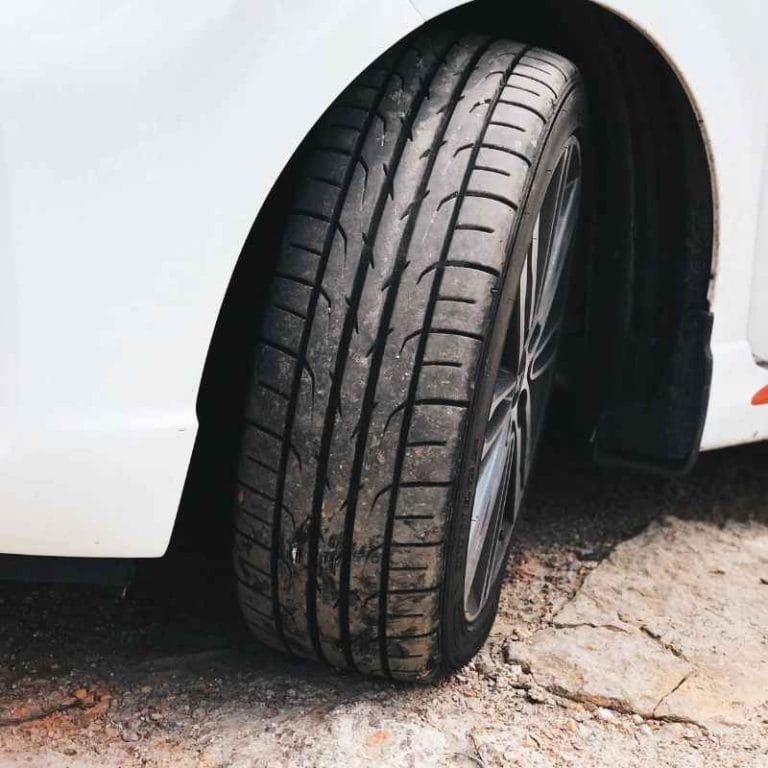
Tires have built-in wear bars. Replace tires when tread depth reaches 2/32 inch (legal minimum). For optimal safety, consider replacement at 4/32 inch, especially before winter.
You can check tread depth with a penny: insert Lincoln’s head into the groove—if you see the top of his head, it’s time to replace the tire.
Maintenance Tips For Longevity
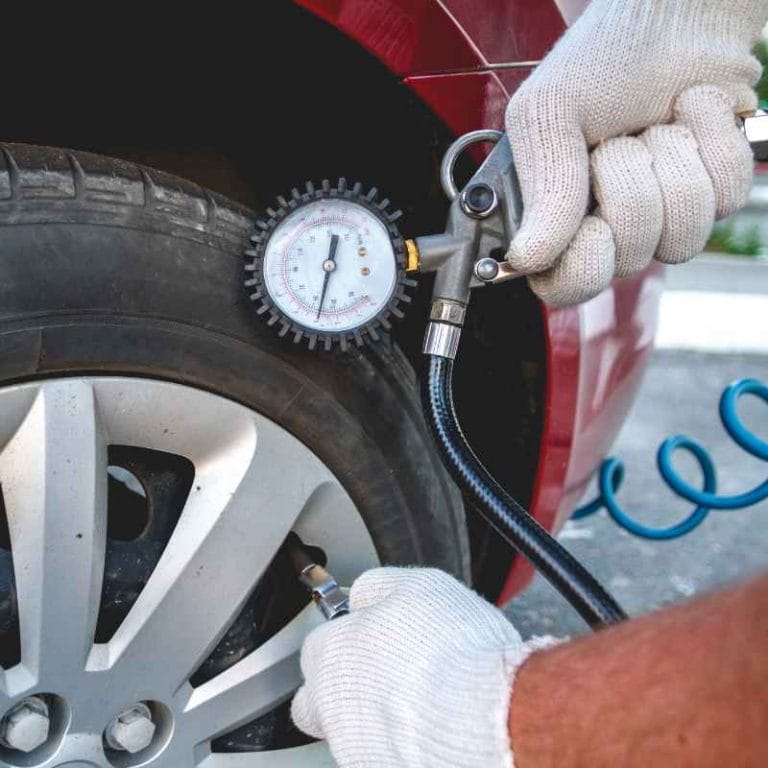
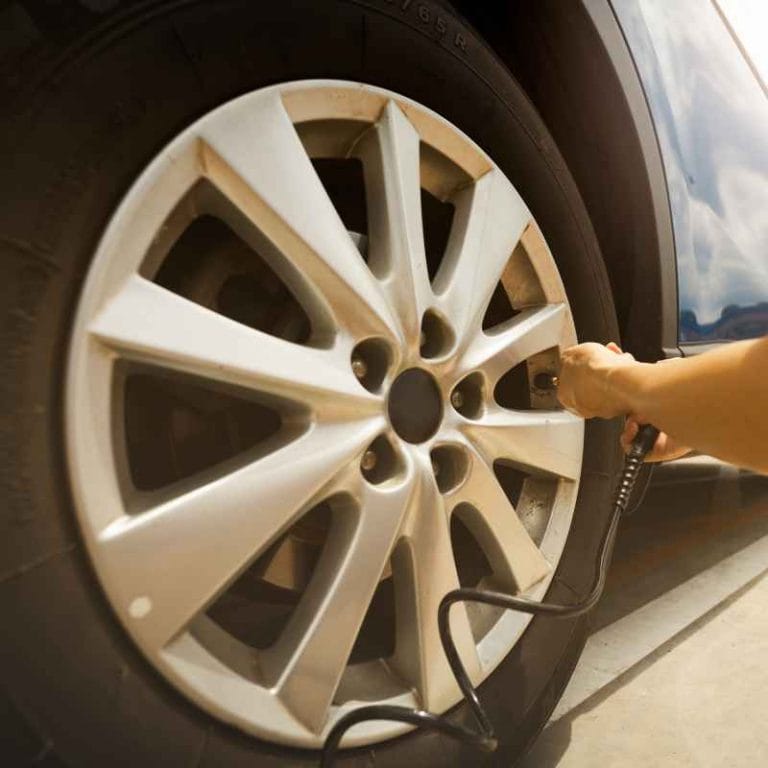
- Check tire pressure monthly, especially before long trips or when temperatures change. Underinflated tires wear faster, reduce fuel efficiency, and compromise safety.
- Rotate tires every 6,000–8,000 miles to ensure even wear, as front and rear tires wear differently.
- Balance and align annually or when you notice vibrations or uneven wear. Misalignment can rapidly destroy a new set of tires.
- Inspect for damage regularly, looking for cuts, bulges, embedded objects, or sidewall cracks.
Neglecting maintenance shortens tire life and increases risk. According to the NHTSA, underinflation is a leading cause of tire failure.
When To Replace Your Tires
Replace tires if:
- Tread is below 2/32 inch
- Sidewalls show cracks or bulges—these can indicate internal damage and risk of blowout.
- Tires are over six years old (even if tread remains), as rubber deteriorates over time, especially in hot climates.
Refer to the DOT code for manufacturing date. Some manufacturers recommend replacement at ten years regardless of condition.
Real-world Example: Preventing Blowouts
A driver ignores cracks on his old tires, resulting in a highway blowout. Regular inspection and timely replacement could have prevented the accident, underscoring the importance of proactive tire care.
Tire Longevity Comparison Table
| Tire Type | Average Lifespan | Typical Warranty | Replacement Interval |
|---|---|---|---|
| All-season | 50,000-80,000 miles | 60,000-80,000 miles | 4-6 years |
| Summer | 25,000-40,000 miles | 30,000-40,000 miles | 2-4 years |
| Winter | 30,000-40,000 miles | 30,000-40,000 miles | 3-5 years |
| Performance | 20,000-30,000 miles | 20,000-30,000 miles | 2-3 years |
This table provides a reference for planning tire replacements and budgeting accordingly.
Buying Tires: Where And How
Purchasing tires is easier than ever, but making the right choice requires diligence. Here’s how to navigate the process.
Online Vs. In-store Purchases
- Online: Wider selection, competitive pricing, user reviews, and often the ability to research and compare at your convenience. Many online retailers partner with local installers for delivery and fitting.
- In-store: Expert advice, immediate installation, local support, and the chance to see the tires before buying. Some stores offer free rotations or flat repairs for tires purchased with them.
Sites like Tire Rack and Discount Tire offer extensive inventories and helpful tools, such as customer reviews, comparison charts, and tire selection guides.
What To Ask Before Buying
- Is this tire compatible with my car’s specifications?
- What is the warranty and return policy?
- Are installation and balancing included?
- What are the tire’s performance ratings?
- Is there a road hazard policy for repairs or replacements?
- Does the shop offer free rotations or alignments with purchase?
Getting clear answers prevents costly mistakes and ensures you’re covered in case of defects or premature wear.
Installation And Balancing
Professional installation is crucial for:
- Safety
- Maximizing tire life
- Preventing vibrations and uneven wear
- Ensuring proper bead seating and air sealing
Always request balancing and alignment when fitting new tires. Misalignment can rapidly wear out a new set of tires and negatively impact handling.
Real-world Example: Online Purchase Success
A driver in Dallas uses Tire Rack’s comparison tool, orders tires online, and has them shipped to a local installer. He saves $80 per tire compared to a dealership and gets expert installation, demonstrating the value of researching and comparing options.
Recycling And Disposal
Dispose of old tires responsibly. Many retailers offer recycling; never dump tires illegally. Old tires can be recycled into road materials, playground surfaces, or fuel. Learn more at EPA.
Frequently Asked Questions
What Is The Best Tire Type For Most Drivers?
For most drivers in moderate climates, all-season tires provide a balance of traction, longevity, and comfort. They’re suitable for year-round use except in regions with severe winter conditions, where winter tires are essential.
How Often Should I Rotate My Tires?
Tires should be rotated every 6,000–8,000 miles, or as recommended in your vehicle’s owner manual. Regular rotation helps ensure even tread wear, prolongs tire life, and maintains optimal performance.
Is It Safe To Buy Tires Online?
Yes, reputable sites like Tire Rack and Consumer Reports offer safe online purchasing. Always check compatibility, reviews, and ensure professional installation for best results.
How Can I Tell When My Tires Need Replacing?
Replace tires when tread depth reaches 2/32 inch, or if you notice sidewall cracks, bulges, or if the tires are over six years old. Check treadwear indicators and refer to the DOT code for manufacturing date.
Do Expensive Tires Last Longer?
Generally, premium tires offer superior construction and longer warranties. However, longevity also depends on maintenance, driving habits, and road conditions. Always compare UTQG ratings and treadwear warranties for true value.
The right tires make a world of difference in safety, comfort, and cost. By understanding your vehicle’s requirements, climate, and driving habits, and by comparing brands and reading tire labels, you can confidently select the perfect tires for your car. Use the actionable tips and tables above to guide your decision, and remember: quality tires are an investment in your safety and driving enjoyment. For further guidance, consult authoritative resources like NHTSA and your manufacturer’s recommendations.