What to Do When Your Tire Keeps Going Flat Overnight
If a tire is flat again by morning, set the pressure first, then spray soapy water on the valve tip, valve base, tread, bead, and rim edge. Replace the tire only when the leak comes from the sidewall, a tread puncture too close to the shoulder, or visible wheel damage. A missed leak can strand you, wear out the tire faster, and waste money on a replacement that does nothing. This guide gives you a symptom-by-symptom decision tree to separate punctures, valve faults, bead leaks, rim damage, and wheel problems.
Why your tire goes flat overnight

- Inflates from a standard 12V car outlet
- Auto shut-off helps prevent overinflation
- Built-in LED light helps at night
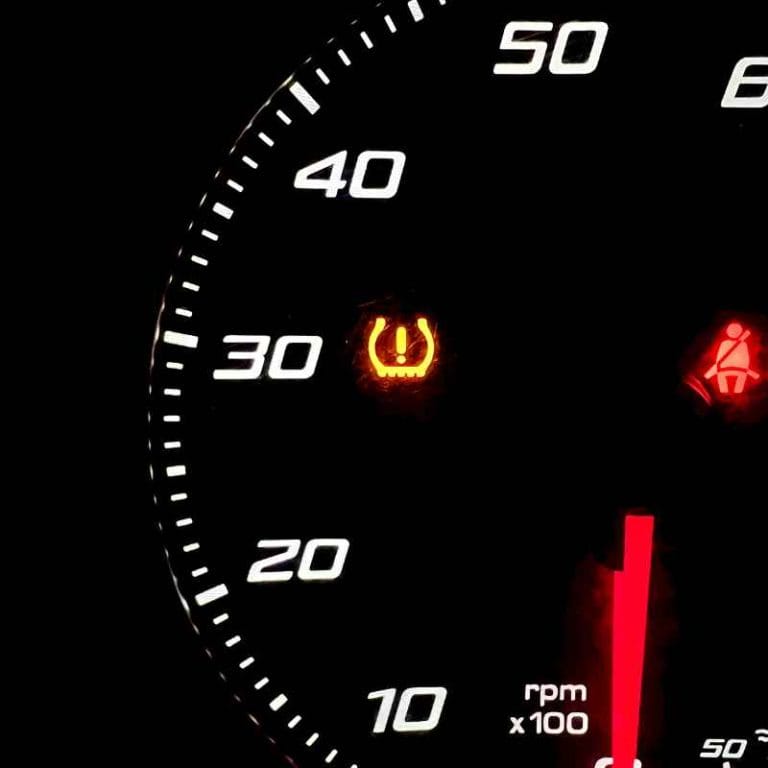
Cold weather can lower pressure enough to trigger TPMS without a puncture, so check the tire against the vehicle placard or owner’s manual first. If the loss is real, overnight flats usually come from a slow leak: a tread puncture, a valve core or stem issue, a bead seal problem, or rim damage that keeps the tire from sealing.
A tire that becomes soft or flat by morning can point to a small puncture, valve issue, or tubeless sealant problem. Where the leak starts matters more than when it showed up. A single hole on the road-facing side usually points to debris. A hole on the rim-facing side points to a rim or spoke-related issue only on wheel types that use that setup, which is not typical for passenger-car tubeless tires.
What you’ll need
- Tire-pressure gauge
- Soapy water in a spray bottle or mix
- Flashlight
- Valve-core tool and air source
- Gloves and a rag
Follow the vehicle manual for tire service, and never work under a vehicle held only by a jack. Keep items out of airbag zones and the driver’s view, and check local laws before driving on a damaged tire.
Overnight leak diagnostic table
| Symptom | Likely cause | Fastest at-home test | Safe to drive to a shop? | Expected repair cost range |
|---|---|---|---|---|
| Tread area has a visible nail, screw, glass, or wire; pressure drops over hours or overnight | Tread puncture | Inspect the tread, then spray soapy water over the suspected spot and watch for bubbles | Usually yes, if the tire still holds enough air to drive short distance and the sidewall is not damaged | About $20 to $40 for a standard repair; replacement if the puncture is not repairable |
| Air escapes at the valve tip or around the valve base | Valve core | Spray soapy water at the valve stem and base; a loose core can bubble steadily overnight | Yes, if the leak is slow and the tire can be kept inflated to placard pressure | About $5 to $20 for a core or valve service |
| Leak appears at the rubber stem or where the stem passes through the wheel | Valve stem | Spray the stem base and center; flex the rubber gently and look for cracking | Sometimes, if the leak is slow and pressure can be restored before driving | About $10 to $30 for stem service; more if TPMS parts must be moved |
| Tire loses air where the bead meets the rim, often after parking overnight | Bead leak | Spray the tire-to-rim seam all the way around and watch for bubbles | Usually short-distance only, after inflation and recheck | About $20 to $50 for bead cleaning and reseal |
| No puncture is visible, but air leaks from the wheel edge or returns after pothole impact | Rim damage | Inspect the rim lip for bends, dents, corrosion, or dirt; use soapy water at the bead seat | Only if the tire holds enough air and the wheel is not visibly bent or cracked | About $20 to $100+ depending on repairability; replacement may cost more |
| Bulge, cut, exposed cords, or sidewall damage | Sidewall damage | Visual inspection only; do not rely on soapy water as the main test | No | Replacement is usually required |
How to check the tire first
Read the tire pressure before inflating, then compare it with the placard or owner’s manual. A tire that is only low because of cold weather may need air, not a replacement. How much air loss overnight is normal versus a real leak depends on temperature and the recommended PSI; there is no universal number that fits every vehicle.
- Measure the pressure on all four tires and the spare if equipped.
- Compare the low tire with the vehicle placard, not the sidewall maximum.
- Inspect the tread for nails, screws, glass, or wire.
- Check the sidewall for cuts, bulges, or exposed cords.
Say your tire reads low after a cold night, but all four tires are down by a similar amount. That points more toward temperature-related pressure drop than a single puncture. If one tire is much lower than the others, move to the leak test right away.
How to test the valve and stem
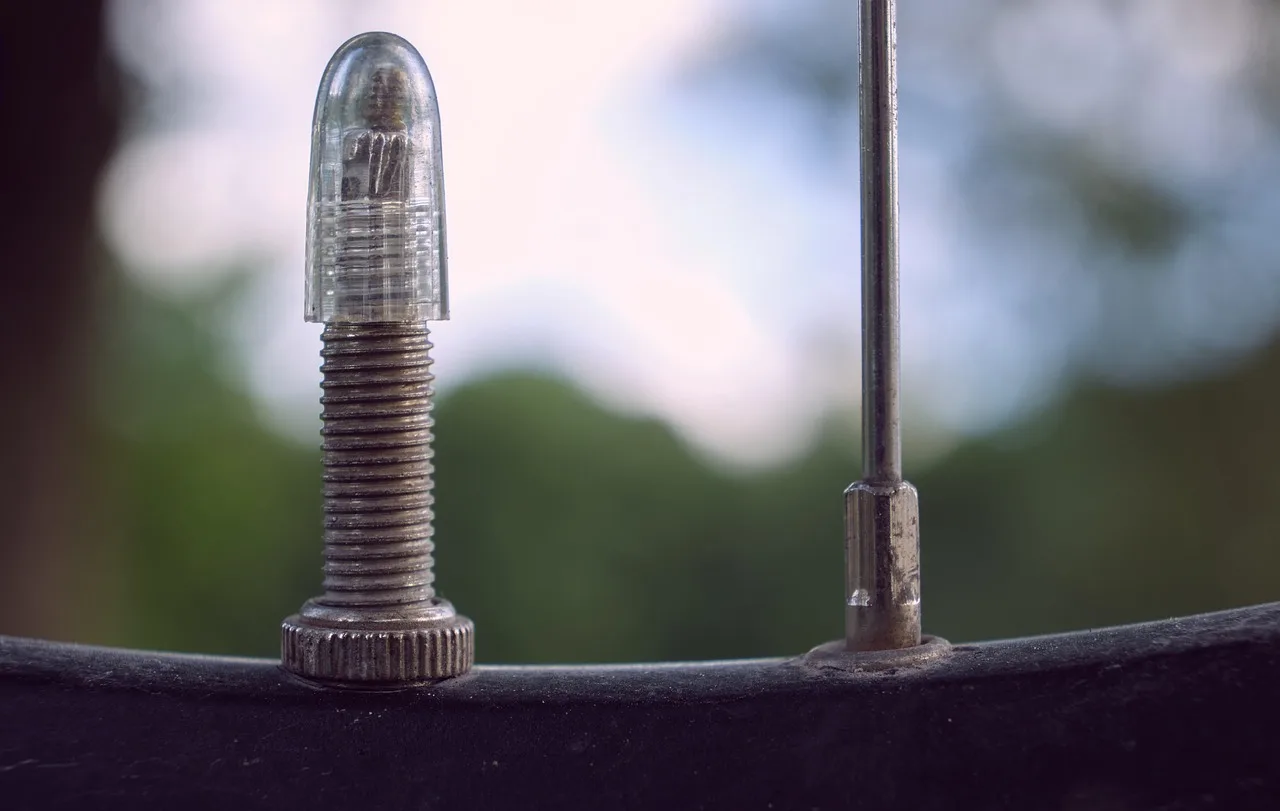
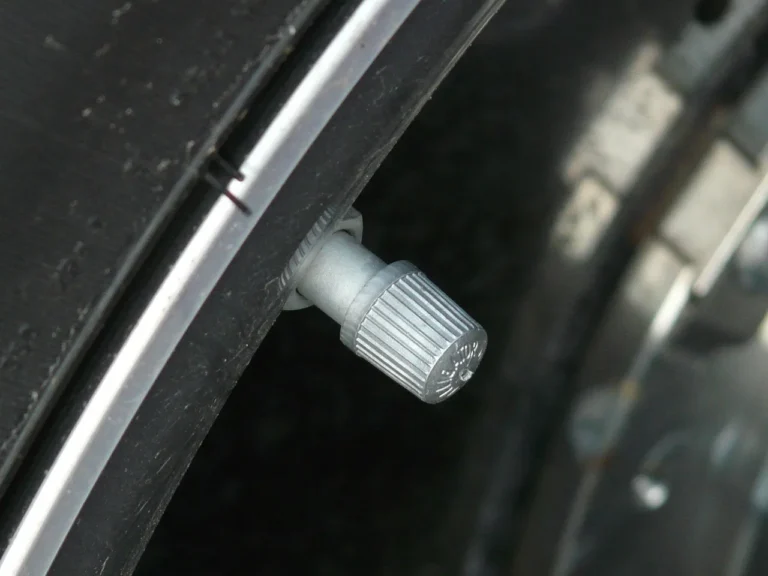
Can a valve stem or valve core cause a tire to go flat by morning? Yes. A loose valve core can create slow, steady air weeping overnight, and a rubber valve stem can crack with age or leak at the base or center. Schrader valve cores are removable with a valve-core tool, and the core can be snugged clockwise.
- Check that the valve cap is present and the core is not loose.
- Spray soapy water on the valve tip, the stem body, and the stem base.
- Look for bubbles that grow steadily, not just foam from the spray.
- If the core leaks, tighten it clockwise with a valve-core tool and retest.
Suppose the tire is flat by morning and bubbles form only at the valve tip. That points to the core, not the tire carcass. If bubbles form at the rubber base, the stem itself may need replacement.
How to check the bead and rim
Can rim tape or bead corrosion cause repeated overnight flats? On passenger cars, the more relevant issue is bead sealing at the tire-to-rim surface. Corrosion, dirt, or a bent rim can stop the tire from sealing. Older alloy wheels carry higher risk because corrosion at the bead seat is common enough to matter.
- Inspect the rim lip for corrosion, bends, dents, and impact marks.
- Spray soapy water around the bead seam on both sides of the tire.
- Watch for bubbles that appear along one section of the rim.
- Have the wheel checked for cracks or runout if the leak returns after resealing.
Why did my tire go flat overnight? If the pressure loss shows up only after the car sits, the bead is a strong suspect when the rim edge is dirty, corroded, or dented. A pothole can damage the rim even if the tire itself looks normal.
What to do before driving again
Decide whether the tire can be inflated and driven to a shop, or whether it needs a tow. A tread puncture in the tread area is often repairable if it is small enough for a standard shop repair. Sidewall damage, exposed casing cords, a bulge, or a damaged bead are not good candidates for continued driving.
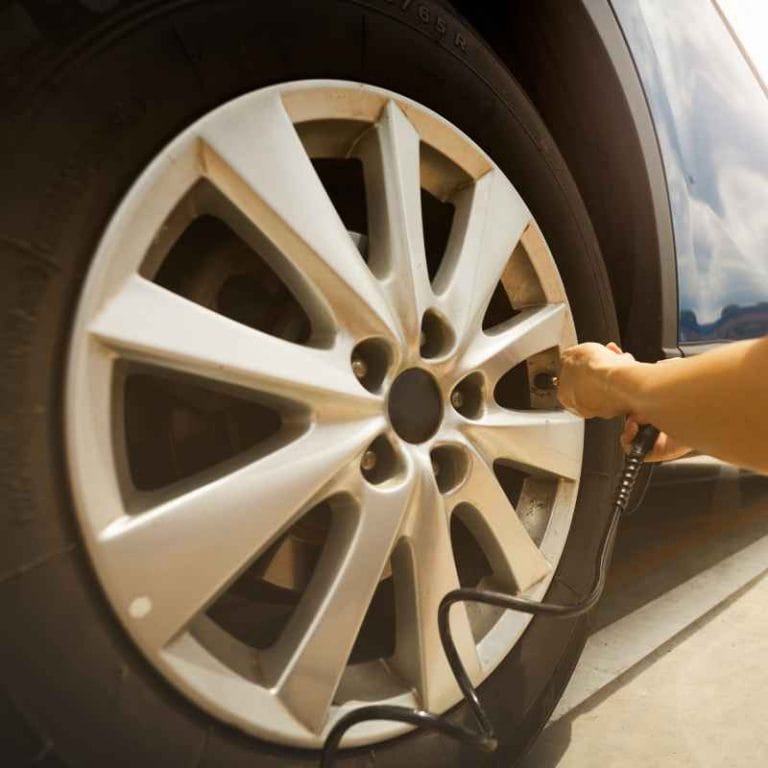
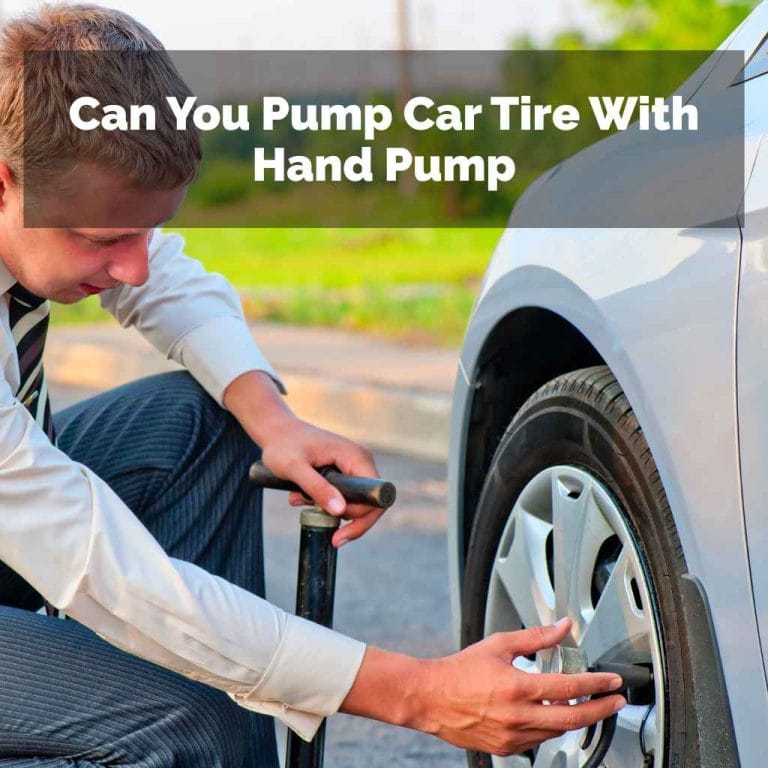
- Inflate the tire to placard pressure if the sidewall is intact and the leak is slow.
- Drive only if the tire holds pressure long enough to reach a repair shop safely.
- Do not keep driving on a tire with a bulge, exposed cords, or a damaged bead.
- Replace the tire only when the damage is in the sidewall, too close to the shoulder, or otherwise not repairable.
Is a sidewall bulge or bead damage unsafe to keep driving on? Yes. A tire with a damaged bead, exposed casing cords, or a bulge should not be ridden. That is a stop-driving situation, not a monitor-and-top-off problem.
What should you inspect before replacing the tire again? Check the inside and outside of the tire for a hidden puncture, then inspect the valve core, valve stem, bead seat, and rim edge. If the old tire was replaced without checking the wheel, the same leak source can return on the new tire.
Common mistakes
- Skipping the pressure check and assuming every overnight loss is a puncture.
- Replacing the tire before checking the valve core, valve stem, and bead seal.
- Ignoring a sidewall bulge or any exposed cords.
- Driving on a tire that is too low to hold shape.
- Not comparing the pressure with the vehicle placard or owner’s manual.
Can I leave my flat tire overnight? If it is already flat, leaving it overnight can make the situation worse by allowing the wheel to sit on the tire and by delaying the fix. Inflate it only if it can safely hold air long enough to move to a shop; otherwise, use a tow.
Frequently asked questions
How do I tell if the leak is from the tire, valve, rim, or wheel bead?
Use soapy water in this order: valve tip and base, tread, then the bead where the tire meets the rim. Bubbles at the tread usually point to a puncture, bubbles at the valve point to the core or stem, and bubbles along the rim edge point to bead seal or rim damage. A flashlight helps spot the exact source.
How much air loss overnight is normal versus a real leak?
Cold weather can lower pressure without a puncture, so compare the reading with the vehicle placard before calling it a leak. A real leak usually drops one tire more than the others, or it returns after refill. There is no universal normal number, so the pressure change has to be judged against temperature and recommended PSI.
Can a valve stem or valve core cause a tire to go flat by morning?
Yes. A loose valve core can weep air slowly overnight, and a rubber valve stem can crack with age or leak at the base or center. Spray soapy water at the valve stem and base, then snug the core clockwise with a valve-core tool if bubbles form at the tip.
Can rim tape or bead corrosion cause repeated overnight flats?
On passenger cars, the more relevant issue is bead sealing at the rim edge, not rim tape. Corrosion or dirt on the bead seat can stop the tire from sealing, especially on older alloy wheels. If the leak returns after inflation, have the wheel cleaned and checked for bends or cracks.
What should I inspect before replacing the tire again?
Inspect the tread for a road-facing puncture, then check the valve core, valve stem, bead seat, and rim lip. A tire that becomes soft or flat by morning can indicate a small puncture, valve issue, or tubeless sealant problem. Replacing the tire without checking the wheel can leave the leak untouched.
Is a sidewall bulge or bead damage unsafe to keep driving on?
Yes. A tire with a damaged bead, exposed casing cords, or a bulge should not be ridden. That kind of damage is not a routine repair candidate. If the sidewall is cut or swollen, stop driving and arrange a tow or a shop visit on a spare only if the vehicle manual allows it.
Products related to this article
Sponsored / affiliate links. As an Amazon Associate I earn from qualifying purchases. I may earn additional commission from eligible campaigns.
 Bullseye 12V DC Car Tire Inflator Portable Air Compressor - Rapid 2 Minute Inflation, Auto Shut-Off, Max 150 PSI, Easy Cord Storage, Digital Pressure Gauge, LED Display (Royal Blue) - As Seen on TV
 Bullseye 12V DC Car Tire Inflator Portable Air Compressor - Rapid 2 Minute Inflation, Auto Shut-Off, Max 150 PSI, Easy Cord Storage, Digital Pressure Gauge, LED Display (Yellow) - As Seen on TV