How to Inspect Wheels for Cracks Before a Trip
Inspect each wheel’s inner and outer lips, spokes, hub area, and bolt holes with bright light and the wheel off the ground. Any visible crack in a wheel is a sign not to start the trip until it is repaired or replaced. NHTSA advises using the vehicle placard for cold tire pressure, and tire makers warn that age, sidewall damage, and wheel cracks can make a tire unsafe even when tread looks fine. This guide shows where cracks hide, which symptoms matter, and the stop-trip decision rule.
Pre-trip wheel check


A proper pre-trip wheel check starts with the rims and tires, then moves to pressure, lug nuts, and the spare. Do it in daylight if possible, since cracks in the bead seat, spoke roots, and inner barrel are commonly easier to miss in shadow. A flashlight helps when you cannot remove the wheel.
Use a simple order. First, look at each wheel from the outside. Next, turn the steering wheel to open the front wheel view, or lift the vehicle if needed for the inner side. Then check pressure cold with a gauge against the door-jamb placard, confirm lug nut security, and inspect the spare before a long drive.
Tools you need
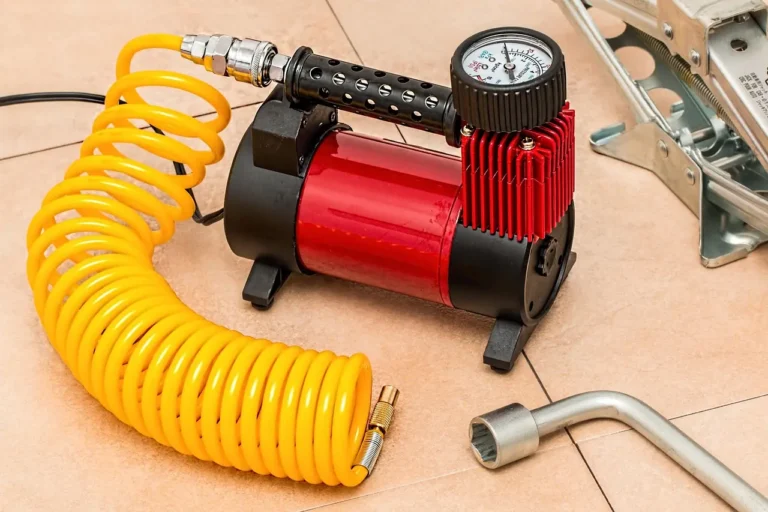
You do not need special equipment for a first pass. Bright light, a tire pressure gauge, a clean rag, and a little time cover most of the job. A flashlight is useful for the inner barrel and the inside sidewall, where hidden damage can sit below the tread line. If the damage is uncertain, a tire shop should remove the wheel for a closer look at the inner barrel and bead seat.
Fast walk-around order
- Look for obvious wheel damage, bulges, cuts, and fresh curb marks.
- Check the outer lip, spoke roots, and bead seat for cracks.
- Inspect the tire sidewall, including the inside sidewall.
- Measure pressure cold using the vehicle placard, not the tire maximum.
- Confirm lug nuts are secure and inspect the spare.
Where cracks hide on the wheel
Wheel cracks usually start where stress is highest, not where the finish looks worst. The outer lip, spoke roots, bolt holes, bead seat, and inner barrel deserve close attention, especially after pothole hits or curb strikes. A bent rim can hide a crack on the back side, so both faces matter.
Outer lip and rim edge
The outer lip is the easiest place to spot trouble because curb rash often shows there first. Scrapes alone are usually cosmetic, but a crack tends to look like a sharp line, split, or opening in the metal rather than a smooth scuff. Dirt packed into a line can hide it.
Spoke roots and spoke faces
Cracks often begin where a spoke meets the rim or hub area. That junction carries load, so a fracture may start as a thin line at the base of a spoke and run outward. Fresh paint flaking, a dark line, or a visible step in the metal deserves a slower look.
Bead seat and inner barrel
The bead seat is the surface where the tire seals to the wheel. Damage there can lead to air loss or a slow leak. The inner barrel matters too, because cracks on the back side are easy to miss from a casual walk-around and may only show up when the wheel is removed.
Picture a wheel that picked up a pothole hit on the highway. The face may look mostly fine, yet the inner barrel can show a split near the bead seat. That kind of hidden damage can let air escape slowly and then fail under load, which is why the inside surface matters.
How do you spot a real crack?
A real crack is a separation in the wheel material, not a surface scratch. Cosmetic scuffs usually stay shallow, follow the painted finish, and do not open when you clean them. Structural damage often has a sharp edge, a branching line, or a fracture that runs through the metal rather than across the coating.
Scuffs vs structural damage
Scuffs from a curb often look dull, narrow, and even. Structural cracks usually interrupt the shape of the rim, especially near the lip, spoke roots, or bolt holes. If you see a line that catches a fingernail, changes width, or appears on both the front and back side, treat it as serious until proven otherwise.
Hairline lines, splits, and flaking metal
Hairline cracks can be thin enough to miss without bright light. Clean the area first, then look again from two angles. Do not press on a suspected crack or use a screwdriver to test it; instead, inspect under bright light and, if the damage is unclear, have a tire shop remove the wheel to confirm the inner barrel and bead-seat condition.
When a bend points to hidden damage
A bent rim can be dangerous on a highway trip because the bend may accompany a crack that is hard to see. Even if the wheel still spins, a bent section near the bead seat or spoke root can weaken the wheel and create vibration, repeated pressure loss, or bead sealing problems.
Wheel crack checklist
Use this checklist as a trip decision tool, not a cosmetic review. If any wheel fails a stop-drive item, do not leave yet. If the finding is lower risk, clean the area and inspect again under bright light, or have a tire shop remove the wheel for a closer look at the inner surfaces.
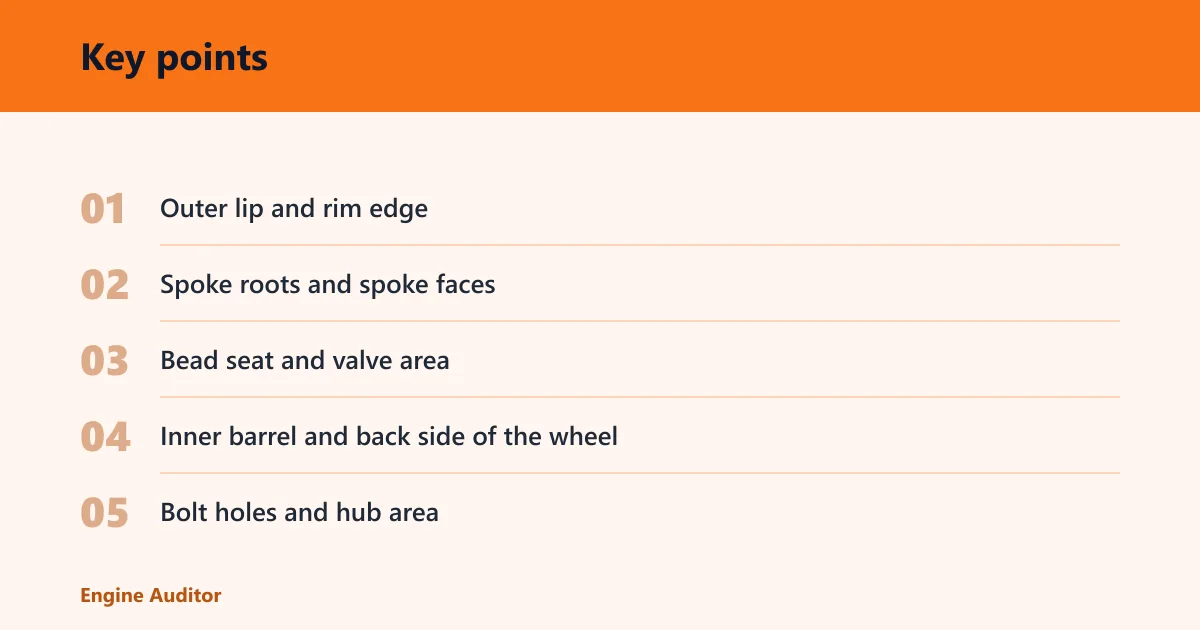
Pre-trip decision checklist
Section 1: Where to inspect
- Outer lip and rim edge
- Spoke roots and spoke faces
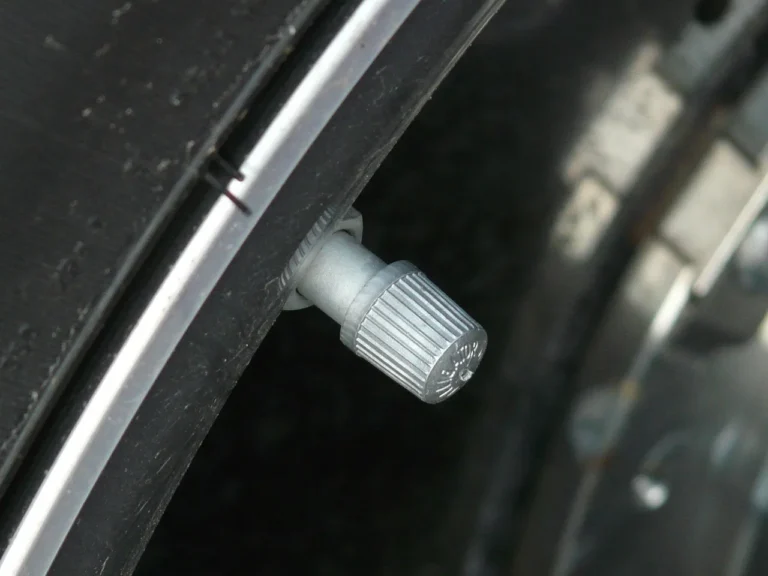
- Bead seat and valve area
- Inner barrel and back side of the wheel
- Bolt holes and hub area
Section 2: Red-flag do-not-drive findings
- Any visible crack in the wheel rim, spoke root, bead seat, or inner barrel.
- A crack that reaches the bolt hole area or shows metal separation.
- Air loss, a slow leak, or repeated tire pressure loss that points to wheel damage.
- A bend with fresh fracture marks, flaking metal, or a split near the tire bead.
- A crack that looks deep enough to accept a screwdriver.
Section 3: Lower-risk recheck or shop findings
- Light curb rash with no crack visible after cleaning.
- Scuffed paint that needs a second look under bright light.
- A questionable line that may be dirt in a scratch rather than a fracture.
- Recent wheel service with no torque recheck yet performed.
| Wheel position | Outer lip | Spokes | Bead seat | Inner barrel | Result | Notes |
|---|---|---|---|---|---|---|
| Front left | Pass / Fail | Pass / Fail | Pass / Fail | Pass / Fail | Pass / Fail | ____________________ |
| Front right | Pass / Fail | Pass / Fail | Pass / Fail | Pass / Fail | Pass / Fail | ____________________ |
| Rear left | Pass / Fail | Pass / Fail | Pass / Fail | Pass / Fail | Pass / Fail | ____________________ |
| Rear right | Pass / Fail | Pass / Fail | Pass / Fail | Pass / Fail | Pass / Fail | ____________________ |
Stop-drive findings
- Any visible crack in the wheel rim, spoke root, bead seat, or inner barrel.
- A crack that reaches the bolt hole area or shows metal separation.
- Air loss, a slow leak, or repeated tire pressure loss that points to wheel damage.
- A bend with fresh fracture marks, flaking metal, or a split near the tire bead.
- A crack that looks deep enough to accept a screwdriver.
Shop-soon findings
- Light curb rash with no crack visible after cleaning.
- Scuffed paint that needs a second look under bright light.
- A questionable line that may be dirt in a scratch rather than a fracture.
- Recent wheel service with no torque recheck yet performed.
What tire damage should you check too?
Wheel checks are not enough. Inspect every tire, including the spare, for cracks, bulges, cuts, embedded objects, and uneven tread wear. Good tread does not guarantee safety, because sidewall damage, age, or a hidden cut can still make a tire unfit for travel. NHTSA and tire makers both stress checking the placard pressure and tire condition together.
Sidewall cracks, bulges, and cuts
Sidewall cracking is an early warning sign of failure, especially when it is broad, deep, or paired with bulges or cuts. Surface cracking can still matter, and severe sidewall cracking is not repairable. If the damage reaches the inside sidewall too, plan on replacement rather than a delay-and-check approach.
Inside sidewall inspection
The inside sidewall is easy to miss from the curb side. Turn the steering wheel, roll the vehicle slightly, or lift it if needed to see the hidden surface. This matters because a casual walk-around can miss cracking, bulges, or cuts on the inner side of the tire.
DOT date code and tread wear
Check the DOT date code to estimate tire age, even when tread still looks fine. Tire makers typically use the last four digits of the DOT code to show the week and year of manufacture, and older tires deserve closer scrutiny even with good tread. Uneven tread wear can point to alignment or suspension problems, and it should prompt a closer look at the full tire, including the inside edge, not just the tread blocks.
Say your front left tire has strong tread but the inside edge shows fine cracks and a small bulge. That tire still needs attention, because tread depth does not cancel sidewall damage. The visible rubber may look serviceable while the tire structure is already compromised.
Can symptoms warn you before you see damage?
Yes. Air loss, a slow leak, vibration at speed, and repeated pressure loss can point to wheel or tire damage before a crack is obvious. Fresh impact marks on the rim, especially after a pothole or curb strike, also raise suspicion and deserve a closer look before the trip starts.
Slow leaks and repeated pressure loss
A wheel crack can leak air at the bead seat or along a damaged section of the rim. If one tire keeps losing pressure after inflation, the wheel and valve area both need inspection. Underinflation is a major tire enemy at highway speed, so do not ignore a pattern of pressure loss.
Vibration at speed
Vibration does not prove a crack, but it can signal a bent wheel, a separated tire, or hidden damage that needs attention. If the shake began after a pothole hit, treat the wheel as suspect. A visual check from the outside may not be enough to clear it.
Uneven wear and fresh impact marks
Uneven tread wear can indicate alignment or suspension problems, and those problems can add stress to the wheel and tire. Fresh curb rash, a new dent on the lip, or chipped finish around the spoke roots should push you toward a careful inspection, not a quick glance.
What else should you verify before leaving?
Finish with the pressure gauge, lug nuts, and the spare tire. Check tire pressure cold using the vehicle placard, not the tire sidewall maximum. NHTSA recommends following the placard because the vehicle maker’s spec is the correct target for normal use. Inspect lug nut security before departure, and recheck it after service if needed.
Cold pressure with a gauge
Measure tire pressure at least once a month and always before going on a long trip. Use the cold reading and the number on the vehicle placard. The sidewall maximum is not the target pressure for normal travel, and it is not a substitute for the placard setting. Tire makers also caution that underinflation can add heat and shorten tire life.
Lug nut security
Lug nuts should be checked before departure because looseness is a safety risk. If the wheels were recently serviced, a torque recheck matters even more. A missing or loose lug nut can let a wheel shift under load, which is not something to leave for later.
Spare tire condition and pressure
Inspect the spare tire before long trips, including pressure if it is equipped and the condition of the tread, sidewall, and age. A spare with severe cracking, low pressure, or unknown age may not help when you need it. Travel readiness should match the rest of the tires.
How often should you check tires and wheels for damage?
Check tires and wheels before any long trip, and make it part of a monthly routine for pressure and visible damage. A quick look before driving is not enough for older tires or any vehicle that recently hit a pothole. If anything changed since the last drive, inspect again before leaving.
Start with a cold pressure check, then inspect the entire tire from outer sidewall to inner sidewall. Look for cuts, cracks, bulges, embedded objects, and uneven wear. Then move to the wheel itself, because tire damage and rim damage often show up together after impact or long use.
Frequently asked questions
How do I check my wheels for cracks before a road trip?
Use bright light, then inspect the outer lip, spoke roots, bolt holes, bead seat, and inner barrel on each wheel. Clean off dirt first, because a crack can look like a stain or scratch. If any line opens, separates, or follows the metal itself, do not start the trip.
What do wheel cracks look like on a car?
Wheel cracks often appear as thin straight lines, dark splits, or fracture marks near the lip or spoke base. They are different from smooth curb rash, which usually affects only the finish. A crack may also sit on the inner barrel, where you need a flashlight or wheel removal to see it.
Can a bent rim crack be dangerous on a highway trip?
Yes. A bent rim can hide a crack that gets worse under load, speed, and heat. That can lead to vibration, air loss around the tire bead, or sudden wheel failure. If the bend is paired with fresh fracture marks or repeated pressure loss, the car should not leave yet.
Should I inspect the inside of the wheel before travel?
Yes. The inner barrel and inside sidewall can hold damage that is invisible from the outside. A casual walk-around misses too much. Turn the steering wheel, roll the vehicle, or lift it if needed so you can see the hidden surfaces before a long drive.
What wheel damage means I should not drive
Do not drive if you find any visible wheel crack, a bead-seat fracture, a split near the spoke root, or a wheel that is leaking air after impact. Stop also for severe tire sidewall cracking, a bulge, or a cut that reaches deep into the structure. Those are trip-ending findings.
Can good tread hide dangerous tire or wheel cracking?
Yes. Tread can look fine while the sidewall, inner sidewall, or wheel rim has serious damage. Age-related cracking, a hidden cut, or a wheel fracture can make the tire unsafe even when tread depth still seems acceptable. Tread is only one part of the decision.
Products related to this article
Sponsored / affiliate links. As an Amazon Associate I earn from qualifying purchases. I may earn additional commission from eligible campaigns.