How Old Can a Car Tire Be Before It Becomes Dangerous?
Few things are as critical to vehicle safety as the humble car tire. While tread depth, inflation, and visible damage all matter, the age of a tire is an often-overlooked factor that can spell the difference between safe travels and dangerous outcomes. Recent high-profile accidents and expert warnings have spotlighted the risks of driving on old tires—even those that appear visually intact or have plenty of tread left. Drivers, fleet managers, and car owners alike need to understand how tire age impacts performance, safety, and even insurance liability.
In this comprehensive guide, we’ll explore the science behind tire aging, examine real-world accidents caused by old tires, and provide actionable steps for identifying and mitigating age-related risks. Whether you drive a daily commuter, manage a commercial fleet, or simply want to maximize safety for your family, this article will equip you with everything you need to know about how old a car tire can be before it becomes dangerous.
Key Takeaways
- Tire age is a critical safety factor, often independent of tread wear or appearance.
- Most experts recommend replacing car tires every 6 years, with an absolute maximum of 10 years regardless of condition.
- Environmental factors—heat, UV, storage, and usage—accelerate tire aging.
- Older tires are linked to higher risks of tread separation, blowouts, and loss of control.
- Check the DOT code on your tire sidewall for the precise manufacture date.
- Regular inspections and proper storage can extend tire life, but not indefinitely.

Credit: tireguidepro.com
Why Tire Age Matters: The Science Of Rubber Degradation
The Chemistry Behind Tire Aging
Car tires are made from a blend of natural and synthetic rubber, reinforced with steel and textile fibers. Over time, the materials undergo chemical changes—primarily oxidation and UV exposure—that cause the rubber to harden and lose elasticity. This process, known as dry rot or ozone cracking, weakens the tire’s structure and increases the risk of catastrophic failure.
- Oxidation occurs as oxygen molecules penetrate the rubber, breaking down molecular bonds. This is an inevitable process, regardless of storage conditions, although it may be slowed by keeping tires away from sources of heat and light. The introduction of antioxidants during manufacturing helps, but it cannot stop the process entirely.
- UV radiation accelerates surface cracking, especially in tires exposed to sunlight. The sun’s ultraviolet rays break down the chemical structure of the rubber, causing it to lose flexibility and strength. Even tires that are not used but are exposed to sunlight, such as those on a vehicle parked outdoors, can age prematurely.
- Plasticizer migration causes the tire to lose flexibility, making it brittle. Plasticizers are compounds added to rubber to keep it supple, but with time and exposure to air, they migrate out of the rubber, especially from the sidewall. This leads to visible cracking and a chalky appearance.
Additional Factors Affecting Chemistry
Modern tires incorporate a variety of chemical stabilizers, waxes, and antiozonants to slow down the aging process. However, these chemicals are gradually depleted as the tire flexes during driving or even just through long-term exposure to the environment. Once depleted, the tire’s resistance to aging is dramatically reduced, making it more susceptible to cracking and structural failure.
How Aging Affects Tire Safety
As tires age, the following safety issues become prominent:
- Reduced traction: Hardened rubber grips the road poorly, especially in wet conditions. The loss of suppleness in the tread compound means that the tire cannot conform as effectively to the road surface, leading to longer stopping distances and increased risk of hydroplaning.
- Tread separation: The bond between the tread and carcass weakens, increasing blowout risk. This is particularly dangerous at highway speeds, where a sudden loss of tread can cause a rapid loss of control.
- Loss of structural integrity: Sidewall and bead areas become susceptible to cracking and sudden failure. In some cases, the internal belts may start to separate from the rubber, leading to bulges, vibrations, or complete tire failure.
Studies show that even unused tires stored for years can suffer from internal degradation. According to the National Highway Traffic Safety Administration (NHTSA), tires older than six years exhibit a marked increase in failure rates, regardless of tread depth (NHTSA Tire Safety Fact Sheet). Laboratory testing has demonstrated that rubber compounds lose their elasticity over time, and microscopic cracks form throughout the structure, invisible to the naked eye but enough to compromise safety.
The Hidden Dangers Of “new Old Stock” Tires
It’s important to note that tires sitting on a shelf in a warehouse or store also age, even if they are never mounted on a vehicle. The internal chemical changes continue, regardless of tread wear. Consumers may unknowingly purchase “new” tires that are already several years old, significantly reducing their safe service life.
Real-world Example: Ford Explorer/firestone Recall
In the late 1990s, the Ford Explorer/Firestone tire recall highlighted the dangers of aged tires. Many accidents were traced to tread separation in tires older than six years, leading to hundreds of injuries and deaths. This spurred industry-wide changes in tire manufacturing and safety guidelines (Wikipedia: Firestone Tire Controversy).
The controversy led to a re-examination of tire durability standards and brought tire aging to the forefront of public safety discussions. In the aftermath, tire manufacturers started including more explicit date codes and improved consumer education about the risks associated with old tires.
This case remains one of the most significant examples of how tire age can have tragic consequences when overlooked.

Credit: www.williamwellstireandautorepair.com
When Does A Tire Become Dangerous? Age-based Guidelines
Industry Recommendations
Most leading manufacturers, including Michelin, Bridgestone, and Goodyear, advise replacing tires every six years, with a hard maximum of 10 years from the date of manufacture.
| Brand | Recommended Replacement Age | Absolute Maximum Age | Source |
|---|---|---|---|
| Michelin | 6 years | 10 years | Michelin Official |
| Bridgestone | 6 years | 10 years | Bridgestone Tire Talk |
| Goodyear | 6 years | 10 years | Goodyear Tire Basics |
Manufacturers base these recommendations on extensive laboratory testing, accelerated aging simulations, and real-world data collected from warranty claims and accident investigations. The six-year guideline is a consensus aimed at balancing tire performance, safety margins, and consumer convenience.
Special Considerations For Commercial And Specialty Tires
For commercial trucks, RVs, trailers, and specialty vehicles, tire manufacturers often recommend even shorter replacement intervals due to the added stresses these tires endure and the higher consequences of failure. For example, RV tires are particularly susceptible to aging because they often sit unused for long periods, allowing internal degradation even if tread wear is minimal.
Legal And Regulatory Standards
- No federal law in the US mandates tire replacement based on age, but the NHTSA strongly advises following manufacturer guidelines.
- Some countries (e.g., Germany, Japan) have stricter regulations; commercial vehicles in Japan must replace tires after 6 years regardless of condition (Japan Automobile Manufacturers Association).
- In the European Union, regulations for public transport and commercial vehicles often set maximum allowable tire ages to ensure public safety.
State And Local Regulations
A few U. S. states have considered legislation to require tire age disclosure at the point of sale or during vehicle inspections, but as of now, most tire age management is left to industry self-regulation and consumer education. Nevertheless, some insurance companies are starting to require documentation of tire age for certain policies, especially for high-value vehicles or commercial fleets.
Insurance And Liability Risks
Driving on tires older than recommended can void insurance coverage in case of an accident. Courts increasingly view tire age as a factor in negligence, especially for commercial fleets. If an accident investigation finds that an aged tire contributed to a crash, liability may shift toward the driver or company for failing to follow established safety guidelines.
Impact On Personal And Commercial Insurance
Many insurers now ask for tire age documentation when underwriting policies for fleets or high-performance vehicles. If an accident occurs and the tires are found to be outside of recommended age limits, claims can be denied or settlements reduced. This has led to increased diligence in tire inspections and recordkeeping among fleet operators.
Case Study: Rental Car Incident
In 2014, a fatal accident in Florida involved a rental car fitted with a 9-year-old tire. Investigation found the tire had plenty of tread but suffered catastrophic tread separation due to age-related degradation. The rental company faced legal action for failing to inspect and replace the aged tire (Consumer Reports).
This case underscores the importance of not relying solely on tread depth or apparent condition. The rental agency’s failure to monitor tire age resulted not only in tragic loss of life but also in significant legal and reputational damages.
How To Check Tire Age: Dot Code Decoding
Locating The Dot Code
Every tire sold in the US has a DOT code stamped on the sidewall, indicating the week and year of manufacture. The code typically looks like:
- DOT XXXXXXXXX 2518: “2518” means the tire was made in the 25th week of 2018.
The DOT code is your definitive tool for determining tire age. For tires manufactured after 2000, the last four digits are the key: the first two digits are the week, and the last two are the year. For example, “3216” means the tire was manufactured in the 32nd week of 2016.
Step-by-step Guide
- Find the DOT code—usually on the outside sidewall. In some cases, it may be on the inner sidewall, especially for tires mounted with white lettering or decorative stripes facing outward.
- Identify the last four digits—these represent the week and year.
- Calculate the age—subtract the manufacture year from the current year.
For instance, if the DOT code is “0415,” the tire was made in the 4th week (late January) of 2015.
Tips For Accurate Reading
- Use a flashlight and rag to clean the area if the code is obscured by dirt or debris.
- If you can’t find the DOT code or if it’s incomplete (common on tires made before 2000), consider replacing the tire, as it is likely already beyond its safe service life.
Example Calculation
If your tire’s DOT code ends in 1917, it was manufactured in the 19th week of 2017. In 2026, the tire is 7 years old—past most recommended replacement windows.
Common Mistakes
- Ignoring unused tires: Age matters even if the tire was never mounted. Oxygen and ozone penetrate rubber over time, regardless of storage.
- Confusing production year with purchase year: Only the manufacture date counts. The time spent in a store or warehouse still ages the tire.
- Missing the code: On some older tires, the DOT code may be on the inner sidewall. Always check both sides if unsure.
Real-world Example: Classic Car Owners
Owners of vintage or classic cars often find tires with low miles but high age. Even if the tire looks pristine, it may be decades old and highly unsafe for road use. Enthusiast forums and restoration experts routinely warn against driving on old tires, urging owners to prioritize safety over originality.

Credit: g4tyresguildford.co.uk
Factors That Accelerate Tire Aging
Environmental Conditions
- Heat: High temperatures accelerate rubber breakdown. Tires in hot climates age faster, and those stored in garages without climate control can be particularly vulnerable.
- UV exposure: Sunlight causes surface cracks and loss of flexibility. Even brief daily exposure can have a cumulative effect over years.
- Humidity: Moist conditions can worsen internal corrosion, especially for steel belts. In coastal areas, salt in the air further accelerates the process.
Additional Environmental Factors
- Ozone: Urban environments with higher ozone concentrations can increase the rate of cracking and dry rot.
- Air pollution: Some airborne chemicals can interact with tire rubber, compounding the effects of ozone and UV.
Storage And Usage Patterns
- Improper storage: Tires stored outdoors, in direct sunlight, or near chemicals degrade quickly. Stacking tires on their sides can also cause deformation and stress.
- Low mileage: Tires on vehicles that sit for months may age faster due to lack of movement. Flexing the tire during regular driving helps distribute protective compounds within the rubber, so inactivity can actually be detrimental.
Best Practices For Storage
- Store tires in a cool, dry place, away from direct sunlight, electrical motors (which can emit ozone), and sources of heat.
- Use tire totes or storage bags to shield them from dust and light.
Type Of Tire And Construction
- All-season vs. performance: Some high-performance tires use softer compounds that degrade faster. These tires are designed for maximum grip but sacrifice longevity, both in terms of tread wear and resistance to aging.
- Run-flat tires: Often age at similar rates but may mask signs of internal damage. Their reinforced sidewalls can conceal structural issues until failure occurs.
Seasonal Tires
Winter tires often contain more natural rubber and specialized compounds for cold weather, making them more vulnerable to aging when exposed to summer heat or UV.
Comparison Table: Tire Aging Factors
| Factor | Effect on Aging | Recommended Action |
|---|---|---|
| Heat | Accelerates oxidation and cracking | Store in cool, shaded areas |
| UV Exposure | Causes surface degradation | Use tire covers; avoid sun |
| Storage | Poor storage increases aging | Keep tires indoors, upright |
| Low Mileage | Degrades rubber due to inactivity | Inspect regularly; replace as needed |
Additional Recommendations
- For vehicles in storage, inflate tires to manufacturer-recommended levels and move them periodically to prevent flat spots.
- Never store tires near solvents, fuels, or battery chargers.
Signs Of Dangerous Tire Aging: What To Look For
Visible Symptoms
- Cracks in the sidewall: Indicate dry rot and compromised structure. Even small cracks can allow moisture to penetrate, accelerating internal breakdown.
- Bulging or blistering: Suggest internal separation or impending failure. Bulges are often caused by air escaping from the inner liner into the structure of the tire.
- Discoloration: Fading or chalky appearance signals UV damage. Sometimes the entire sidewall will appear gray and powdery.
Additional Signs
- Cupping or scalloping: Irregular wear patterns can be a result of both mechanical issues and aging.
- Loose or missing rubber particles: Flaking or peeling of the surface layer is a warning sign.
Performance Symptoms
- Loss of traction: Slipping or skidding in wet conditions. This can be especially noticeable during sharp turns or emergency stops.
- Increased road noise: Hardening rubber makes tires noisier. The tread pattern may also become less effective at dispersing water.
- Vibration: Indicates possible internal belt separation. If vibrations are felt at certain speeds, it may point to uneven wear caused by internal degradation.
Inspection Checklist
- Check the DOT code for age.
- Inspect for cracks, bulges, discoloration.
- Examine tread for uneven wear and depth.
- Note any unusual handling or noise.
- Look for nails, screws, or embedded objects that could worsen with age.
- Check for sidewall bubbles or separation near the bead.
Frequency Of Inspection
- For daily drivers: Inspect at least once a month.
- For infrequently used vehicles: Inspect before each trip or season.
Real-world Example: Fleet Vehicle Inspection
A major delivery company conducted an audit of its fleet and found several vehicles with tires over 8 years old. Despite passing tread depth checks, many tires exhibited sidewall cracks. Replacing the aged tires reduced blowout incidents by over 60% in the following year.
This demonstrates that visual inspection and tread depth measurement alone are not sufficient—age must be part of the maintenance protocol.
Consequences Of Driving On Old Tires
Increased Accident Risk
According to the NHTSA, tires aged over six years are involved in over 50% of tire-related accidents. Common outcomes include:
- Tread separation: Sudden loss of control at highway speeds. The vehicle may swerve or roll over, particularly for high-center-of-gravity vehicles like SUVs and trucks.
- Blowouts: Rapid tire failure leading to rollovers. A blowout at speed can have catastrophic consequences, especially if the tire is on a steering axle.
- Loss of traction: Increased risk in wet or icy conditions. Older tires may lose grip more quickly, even if tread appears adequate.
Additional Safety Risks
- Longer stopping distances: Hardened rubber cannot grip the road as effectively, increasing the likelihood of rear-end collisions.
- Reduced cornering stability: Old tires flex less predictably, potentially causing understeer or oversteer.
Liability And Insurance Issues
- Denial of claims: Insurers may refuse coverage if an accident is linked to old tires.
- Legal consequences: Courts may find drivers liable for negligence. In some jurisdictions, knowingly operating a vehicle with unsafe tires may result in criminal charges if it leads to injury or death.
Financial Costs
- Repair costs: Damage from blowouts often extends beyond tires to suspension and bodywork.
- Increased maintenance: Old tires lead to frequent repairs and downtime.
- Higher insurance premiums: Following claims related to tire failure, insurers may increase premiums or refuse coverage.
Case Study: Commercial Truck Accident
A 2018 crash involving a commercial truck in Texas was linked to a 12-year-old tire suffering tread separation. The company faced a multimillion-dollar lawsuit and regulatory fines (NHTSA Tire Safety). The incident prompted the company to update its tire maintenance policy and implement strict age limits.
How To Safely Extend Tire Life
Proper Storage Techniques
- Keep tires indoors: Away from heat, moisture, and chemicals.
- Store upright: Prevents flat spots and deformation.
- Cover from sunlight: Use tire covers for vehicles parked outdoors.
- Avoid stacking: Stacked tires can deform under their own weight, especially in hot environments.
Additional Storage Tips
- Store tires on pallets or racks to keep them off concrete, which can draw out moisture and promote dry rot.
- Maintain a stable temperature in the storage area, ideally below 77°F (25°C).
Maintenance Best Practices
- Regular inspections: Check for visible and performance symptoms.
- Rotate tires: Balances wear and extends life. Follow manufacturer recommendations, usually every 5,000 to 8,000 miles.
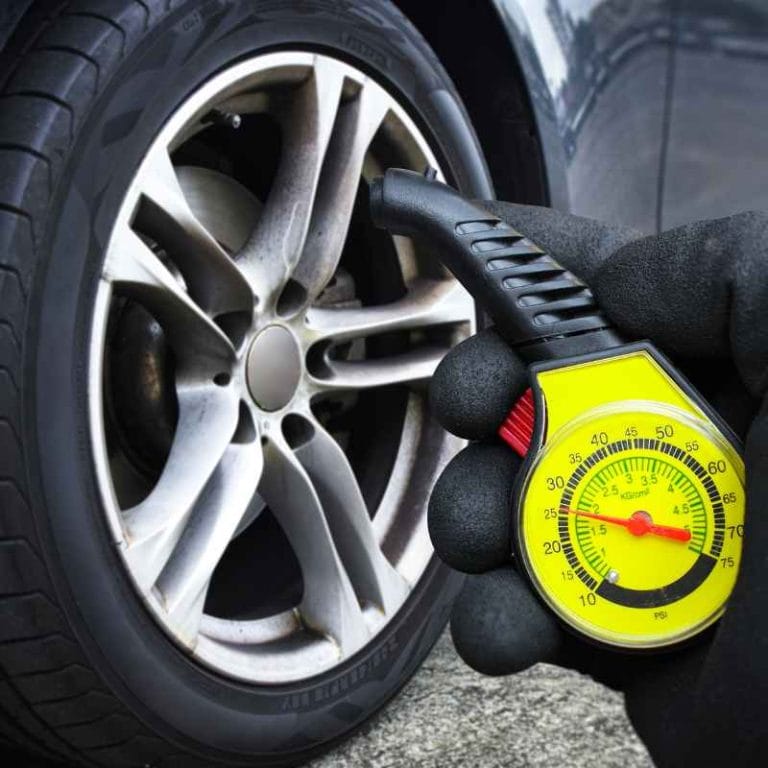
- Maintain proper inflation: Prevents stress and premature aging. Use a reliable gauge and check pressure when tires are cold.
- Wheel alignment: Misalignment causes uneven wear and accelerates aging.
Usage Adjustments
- Avoid long-term parking: Move vehicles periodically to prevent dry rot. If storing for months, consider using jack stands to take weight off the tires.
- Drive gently: Hard acceleration and braking accelerate wear. Smooth driving habits contribute to longer tire life.
- Avoid overloading: Exceeding the tire’s load rating can cause excessive heat and speed up degradation.
Example: Rv And Trailer Owners
Many recreational vehicles sit unused for months. Owners should inspect tires before every trip and replace after six years—even if tread appears good. It’s also a good practice to keep a log of tire age and maintenance for each vehicle.
Fleet And Commercial Vehicles
Fleet managers should implement a tracking system for tire age, schedule routine inspections, and educate drivers about the importance of tire safety.
Replacement Strategies: When And How To Replace Old Tires
Choosing The Right Replacement Time
- Replace at 6 years: Industry consensus for maximum safety. Some high-performance or specialty tires may need replacement even sooner.
- Absolute maximum of 10 years: Regardless of tread or use. For commercial or high-risk vehicles, follow stricter intervals.
Signs That Immediate Replacement Is Necessary
- Visible cracks, bulges, or severe discoloration.
- Noticeable vibration or noise changes.
- Tires stored for more than six years, even if never mounted.
Selecting New Tires
- Check manufacture date: Ensure new tires are recently made, not old stock. Ask your retailer for the DOT code before purchase.
- Match vehicle requirements: Use manufacturer-recommended specifications. Consider seasonal needs, driving style, and load requirements.
- Choose reputable brands: Quality control and rubber compounds vary widely between manufacturers.
Disposal And Recycling
- Recycle old tires: Use certified facilities to avoid environmental hazards. Many retailers offer free or low-cost recycling with purchase.
- Avoid resale of old tires: Selling aged tires is increasingly regulated. It is illegal in some jurisdictions to sell tires over a certain age.
Environmental Impact
Improper disposal of tires can lead to fire hazards and pollution. Recycling options include retreading, shredding for playgrounds, or use as fuel in industrial processes.
Comparison Table: Replacement Options
| Option | Pros | Cons | Best Use Case |
|---|---|---|---|
| New Tires | Maximum safety, warranty | Higher cost | Daily drivers, family vehicles |
| Retreaded Tires | Lower cost, eco-friendly | Shorter lifespan | Commercial fleets |
| Used Tires | Lowest price | Unknown history, higher risk | Temporary or emergency use |
Real-world Example: Auto Dealer Policy
A reputable auto dealership in California instituted a policy of never selling vehicles with tires older than four years. Customer satisfaction and safety ratings improved, and insurance premiums dropped as a result. The policy became a selling point for safety-conscious consumers.
Frequently Asked Questions
How Do I Find Out The Age Of My Tire?
Check the DOT code on the tire’s sidewall. The last four digits indicate the week and year of manufacture. For example, “5019” means the tire was made in the 50th week of 2019.
Is It Safe To Drive On Tires That Look New But Are Old?
No. Tires can appear visually intact but suffer from internal degradation. Age-related risks include tread separation and blowouts regardless of tread depth.
What Is The Maximum Safe Age For Car Tires?
Most experts recommend replacing tires after 6 years, with an absolute maximum of 10 years from the date of manufacture. After this point, the risk of failure increases dramatically.
Does Tire Age Affect Insurance Coverage?
Yes. Insurers may deny claims if an accident is linked to old tires. Courts may also assign liability if tire age is found to be a contributing factor.
Can Tire Aging Be Slowed Or Prevented?
While proper storage and maintenance can slow aging, it cannot be stopped. Heat, UV, and time will eventually degrade all tires. Regular inspection and timely replacement are essential for safety.
Whether you’re a daily commuter, car enthusiast, or fleet manager, understanding the risks of old tires is vital for safety and peace of mind. By learning how to check tire age, recognizing signs of degradation, and following industry guidelines for timely replacement, you can avoid costly accidents and ensure your vehicle remains roadworthy. Remember: tire age matters as much as tread depth, and being proactive is the best way to protect yourself, your passengers, and others on the road. For authoritative tire safety resources, consult the NHTSA Tire Safety portal or your tire manufacturer’s official guidelines.
Products related to this article
Sponsored / affiliate links. As an Amazon Associate I earn from qualifying purchases. I may earn additional commission from eligible campaigns.