Can a Bad Tire Pressure Sensor Cause Warning Lights?
A faulty TPMS sensor can also turn on a tire-pressure warning light, but low pressure is still more common; check all four tires first, and if one tire is about 25% or more below the placard spec, treat it as real low pressure. Ignoring the light can mean uneven wear, poorer braking, and a blowout risk. This guide shows a simple sequence to separate a sensor fault from a pressure problem and decide what to do next.
What a TPMS warning light means
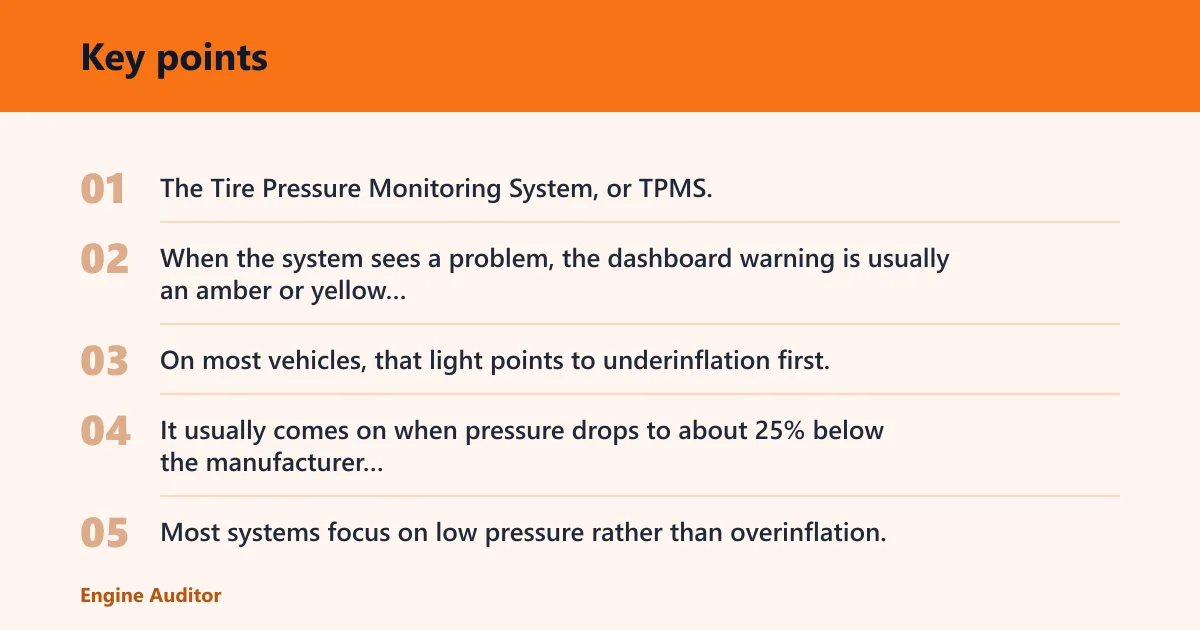
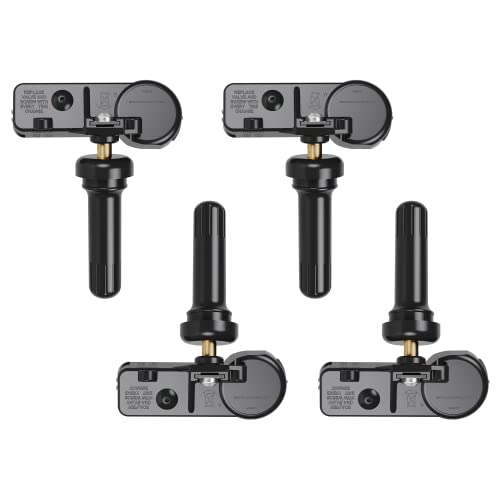


The Tire Pressure Monitoring System, or TPMS, watches tire pressure electronically through sensors in each wheel on many vehicles. When the system sees a problem, the dashboard warning is usually an amber or yellow symbol shaped like a horseshoe or tire cross-section with an exclamation point.
On most vehicles, that light points to underinflation first. It usually comes on when pressure drops to about 25% below the manufacturer recommendation. Most systems focus on low pressure rather than overinflation, so the dash light is a warning to check the tires, not a precise pressure gauge.
The light may stay solid, or flash when the system itself has a fault. A flashing light can be a clue that something beyond simple low pressure may be happening, such as a sensor communication issue.
Can a bad tire pressure sensor cause warning lights?
Yes, a bad TPMS sensor can trigger a warning light, but that is not the first assumption to make. The more common cause is still a tire that is actually low. If the light comes on, start with a manual pressure check before you think about sensor replacement.
A sensor fault often looks different from a plain low-tire event. Common clues include intermittent alerts after all four tires have been corrected, a light that flashes before staying on, or a system message that points to a communication problem rather than a single low tire.
Why older vehicles raise the odds of sensor trouble
TPMS has been standard on most vehicles since around 2008, which means older cars are more likely to be dealing with aging sensor batteries or worn components. That does not mean the sensor is the cause every time. It does mean a sensor fault becomes more plausible when the vehicle is older and the warning keeps returning after correct inflation.
Say your compact sedan shows the TPMS light on a cold morning, then goes off after you add air, then returns the next day even though the pressure was set correctly. That pattern is more suspicious for a slow leak or a sensor issue than for a one-time pressure drop.
Why is my tire pressure light on if my tires look fine?
Visually normal tires can still be underinflated. A tire can be meaningfully low without looking flat, and TPMS may also react to cold weather because air contracts as temperatures fall. A tire that looked fine yesterday can be low enough today to trigger the light.
Slow leaks are another common reason. A valve stem leak can bleed pressure over days or weeks, and a small puncture or tire damage can do the same. If the pressure keeps falling after you refill it, that is a leak until proven otherwise.
Picture a tire that looks round in the driveway but is about 4 psi below the placard value. It may still look normal from several feet away, yet the warning light is doing its job.
Low tire pressure vs. bad TPMS sensor
This is the fastest way to separate a real tire problem from a sensor fault using only checks a driver can do in minutes.
| Symptom | Likely cause | Quick check | Next action |
|---|---|---|---|
| One tire looks lower than the others | Low tire pressure | Check that tire at the valve stem with a gauge | Add air to the placard psi, then recheck |
| All tires look normal, but the light came on after a cold night | Cold weather temperature drop | Measure all four tires against the placard sticker | Inflate to spec and watch whether the light clears |
| Light went off after inflation, then came back later | Slow leak, valve stem leak, or puncture | Recheck the same tire for pressure loss | Inspect for damage and get the tire repaired if it will not hold air |
| Light flashes or acts intermittently after correct inflation | Sensor fault or communication issue | Confirm all four tires match the placard pressure | Plan an inspection by an authorized tire dealer |
| One tire is at placard pressure and the light still stays on | Possible failed sensor | Check the other three tires and look for a flashing warning | Have the system inspected if the warning does not clear |
How to check pressure the right way
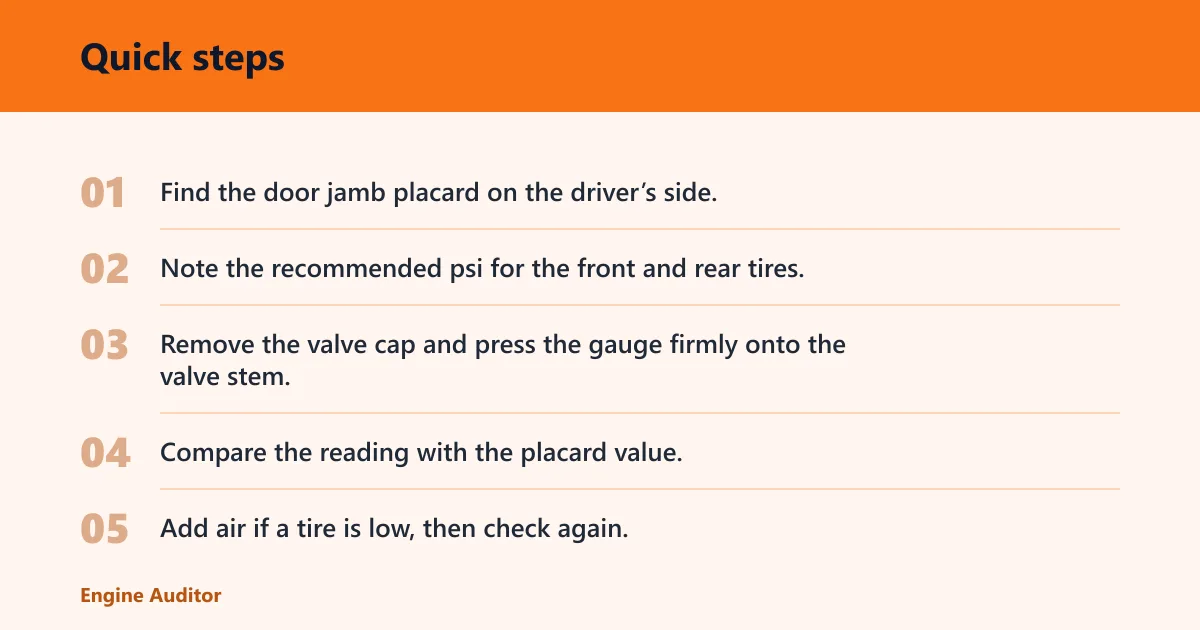
Use a tire pressure gauge at the valve stem. Do not trust the dash light alone. The recommended tire pressure is listed on the driver’s-side door jamb sticker, or in the owner’s manual if the placard is missing or unreadable.
Check all four tires, even if only one light is on. TPMS warns about a pressure problem, but it does not replace manual checks, and it usually does not give you a precise pressure readout.
- Find the door jamb placard on the driver’s side.
- Note the recommended psi for the front and rear tires.
- Remove the valve cap and press the gauge firmly onto the valve stem.
- Compare the reading with the placard value.
- Add air if a tire is low, then check again.
- Repeat for all four tires.
A tire can be low enough to matter without triggering the light, so monthly manual checks still matter. That is especially true when the pressure change is gradual, because TPMS misses some low-pressure conditions.
Can I keep driving with the tire pressure light on?
Only far enough to reach a safe place or station. Low pressure affects handling and braking, and the tire can run hotter as you drive. If the light comes on while you are on the road, slow down and head to a safe spot for a pressure check.
Do not treat the warning as permission to keep driving normally. The risk rises if the tire is more than slightly low, if the car pulls to one side, or if you hear a thumping sound that could point to damage.
What to do if the light stays on after inflation
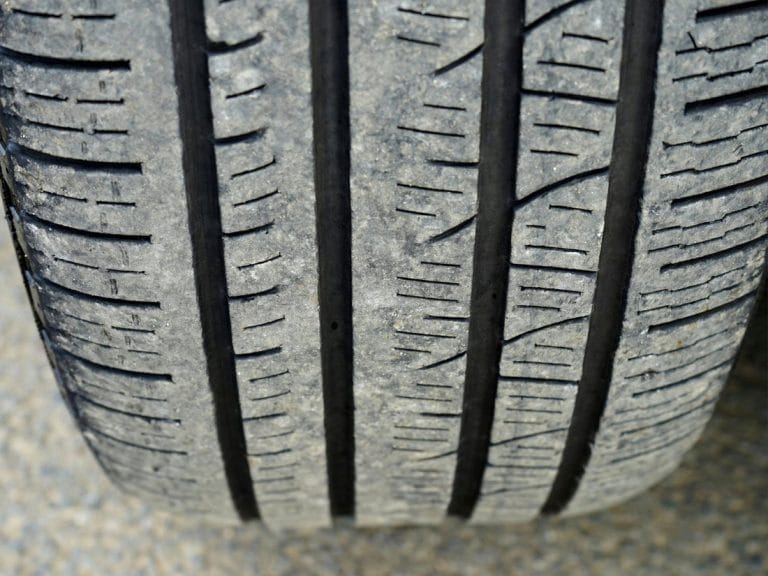
If you add air and the light does not clear, recheck the same tire and look for a slow leak, valve stem leak, or puncture. A nail, tear, bulge, or other visible damage means the tire needs inspection before it loses more pressure.
If the warning stays on after correction, BFGoodrich says to go to an authorized tire dealer immediately. That is the right next step when pressure is correct but the light remains on, flashes, or returns quickly after refilling.
Do not start with sensor replacement. First confirm pressure at the valve stem, then check whether the tire will actually hold air. A bad sensor is possible, but a real leak is more common.
Frequently asked questions
Why did my tire pressure light come on when it got cold?
Cold weather can trigger the warning because air contracts as temperatures drop. That can push pressure below the TPMS threshold even if the tires were fine the day before. Check all four tires against the door-jamb placard and add air as needed.
Does the warning light mean I have a puncture?
Not always. A puncture is one possible cause, but cold weather, normal air loss, and valve stem leaks can also trigger the light. If a tire will not hold pressure after a refill, inspect for a nail, tear, or other visible damage.
How do I know if the TPMS sensor is bad or the tire is actually low?
Measure the tires first. If one or more are below the placard psi, the tire is low. If all four are correct and the light flashes, stays on, or returns right after inflation, a sensor fault or communication issue becomes more likely and needs inspection.
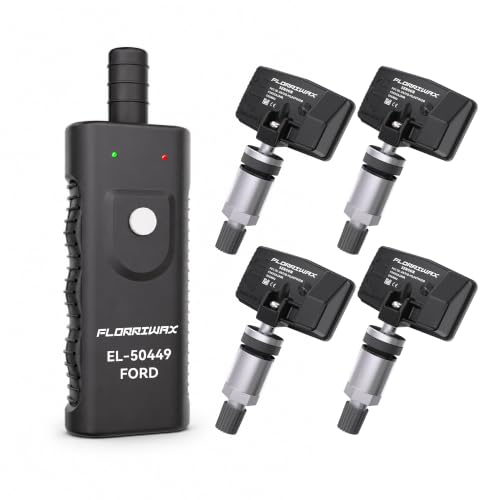
Products related to this article
Sponsored / affiliate links. As an Amazon Associate I earn from qualifying purchases. I may earn additional commission from eligible campaigns.