Why Does My Steering Wheel Shake at 60 Mph?
A steering wheel that shakes at 60 mph usually points to wheel-tire balance, a bent wheel, a tire defect, or front-end wear. If the vibration shows up only while braking, suspect brake rotor variation instead. Ignoring it can wear tires fast, damage suspension parts, and make highway driving harder to control. This guide shows how to separate tire, wheel, brake, suspension, and drivetrain causes by speed, braking, and where the vibration is felt.
Why highway speeds expose the shake



A shake that shows up around 55 to 75 mph often points to a rotating part that is slightly off. At those speeds, small defects get magnified, and a wheel or tire that feels fine around town can start to resonate on the highway.
That is why 55-65 mph is such a common complaint range. The wheel turns fast enough for a small imbalance, out-of-round tire, or bent rim to create a repeating shake, yet the car may still feel normal at lower speeds. A cruising vibration in that band is usually speed-specific, not random.
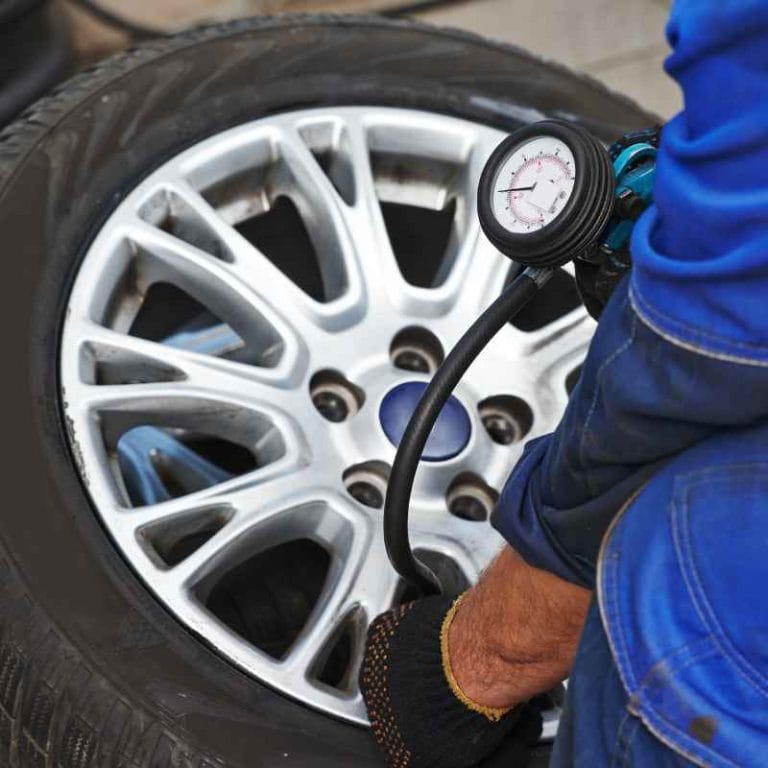
Check tire pressure first. Underinflation, overinflation, or uneven pressure side to side can make the ride feel harsher and can speed up uneven tire wear. If a tire is far off spec, the vibration may feel worse before you find the real fault.
The next clue is where you feel it. Cobb Tire notes that a high-speed vibration can show up as a shaky steering wheel or as bouncing from the seat. That split matters. Steering-wheel-only shake usually points toward the front end, while seat or floor vibration often points farther back in the car.
📊 wikiHow gives a typical wheel-bearing failure window of 85,000–100,000 miles. Source: Wikihow.
Tire wheel vibration matrix
Use the pattern before you guess. The table below separates cruising vibration from braking vibration and steering-wheel feel from seat or floor feel, so you can narrow the likely system before you book a shop.
| Speed band | Braking effect | Steering wheel vs seat/floor feel | Common front-end clues | Recommended next test |
|---|---|---|---|---|
| 55-75 mph, steady cruise | No clear change when braking | Steering wheel shake only | Often no clunk, may follow a recent tire rotation or lost balance weight | Check tire pressure, inspect for missing balance weights, then have the front tires balanced |
| 55-75 mph, steady cruise | No clear change when braking | Seat or floor vibration more than steering | Rear tire issue, bent rear wheel, or rear driveline vibration | Inspect rear tires and wheels for damage, then check balance and wheel runout |
| Any road speed, stronger with acceleration | Little or no change on the brake pedal | May be in steering wheel or whole car | Uneven tire wear, separated belt, flat spot, or bent wheel | Inspect tread for cupping, feathering, flat spots, and sidewall damage |
| 60 mph and above, after pothole or curb impact | No change with braking | Usually steering wheel first if the front wheel is involved | Visible wheel damage, pull to one side, new wobble, or tire bulge | Check wheel runout and inspect the hub, wheel, and tire for impact damage |
| Any speed, worsens only when braking | Shake increases with pedal pressure | Often felt in steering wheel and pedal | Pulsation while slowing, rust on rotor face, or warped rotor variation | Inspect brake rotors and pads; brake service is the next check |
| Any speed, grows with turns or lane changes | Usually unchanged by braking | May be steering wheel shake with humming or growling | Wheel bearing noise, looseness, or roughness on cornering | Check for bearing play and listen for noise while turning |
| Sudden severe shake, visible damage, or looseness | Do not continue road testing | May be steering wheel, seat, or both | Wheel wobble, tire damage, clunking, or a pulled-to-one-side condition | Stop driving and arrange towing |
Why does my steering wheel shake at 60 mph?
At 60 mph, the most likely causes are unbalanced tires, a bent wheel, an out-of-round tire, or front-end wear that lets the wheel wobble. That speed sits in a common resonance window, so a small defect can turn into a clear steering-wheel vibration.
Unbalanced tires and lost balance weights
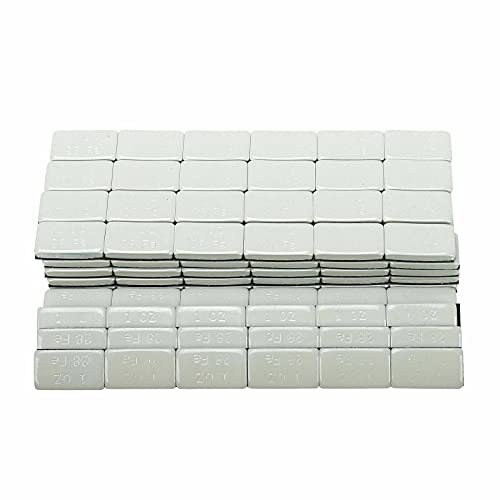
Unbalanced tires are the most common cause of highway-speed vibration. Wheel balancing uses small weights to distribute mass evenly around the assembly. If a weight falls off, or if the tire has worn enough to change its shape, the shake can return.
Balancing can fix the symptom only if the tire and wheel are otherwise sound. A balance job will not cure a separated belt, a bent wheel, or a tire that is no longer round. wikiHow also notes that imbalanced tires can cause shaking that becomes more extreme the faster you accelerate.
Out-of-round tires and tread damage
Uneven tire wear can include cupping, feathering, flat spots, and excessive edge wear. Those patterns are not cosmetic. They can create a repeating vibration that starts as a mild shimmy and turns into a stronger shake as speed rises.
Suppose the steering wheel only starts to tremble after 58 mph, and the tread shows scalloped edges on the front tires. That pattern fits a tire issue better than a brake issue, especially if the shake stays the same when you press the brake pedal lightly.
Bent wheel or hub runout after impact
A bent wheel can follow a pothole, curb impact, or other road hazard. It may produce a rhythmic vibration that feels speed-related and can look like the car is tracking normally while the steering wheel buzzes.
Check for visible damage, but do not stop at appearance. A wheel can look acceptable and still have runout. Hub damage can also keep a new tire balance from solving the problem, so a proper inspection should include the wheel, the hub, and the tire itself.
How do you tell tires from suspension?
Tires and suspension faults can feel similar at highway speed, but the clues differ. Tire and wheel problems usually create a repeating shake tied to road speed. Suspension wear more often brings looseness, clunks, wandering, or uneven tire wear along with the vibration.
Tie rod ends, ball joints, and control arm bushings
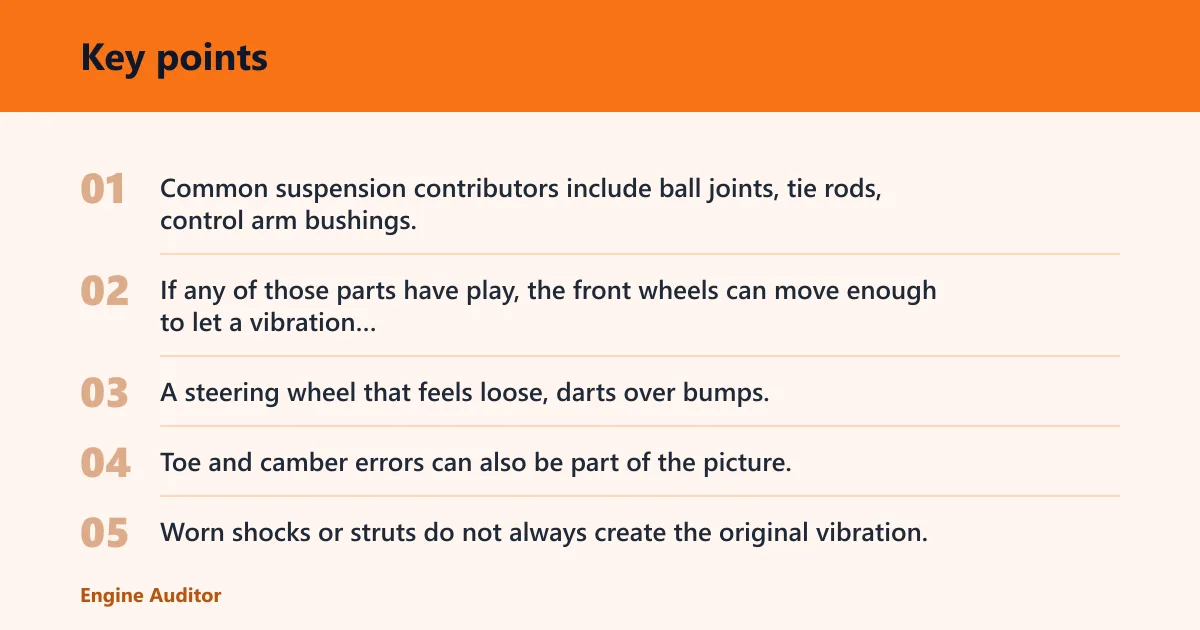
Common suspension contributors include ball joints, tie rods, control arm bushings, wheel bearings, and struts or shocks. If any of those parts have play, the front wheels can move enough to let a vibration build into a shake.
A steering wheel that feels loose, darts over bumps, or clunks during lane changes is less likely to be a simple balance issue. Toe and camber errors can also be part of the picture, especially if the car pulls to one side on a flat highway, as wikiHow notes.
Shocks or struts that let motion build
Worn shocks or struts do not always create the original vibration, but they can let a small tire or wheel fault feel larger. If the car bounces, settles slowly after a bump, or feels unstable at speed, suspension control deserves attention.
Alignment matters here too. Toe and camber problems can cause pulling and uneven tire wear, and that wear can make a highway-speed shake easier to notice. The alignment issue may be part of the cause, or it may come from worn parts that let the angles drift.
Does braking change the diagnosis?
Yes. If the shake gets much worse only when you press the brake pedal, the first suspect is usually the brakes, not the tires. Brake-related vibration usually shows up while braking rather than while cruising.
Brake rotors, rust, and pedal-linked shake
Warped or rusty brake rotors can transmit vibration through the steering wheel, especially under light to moderate braking. The tell is timing: the car may cruise smoothly at 60 mph, then shake only as you slow down.
If the steering wheel shakes on the highway and the vibration does not seem to change with braking, rotors are less likely. A cruising vibration that stays the same with pedal input points away from the brakes and toward tires, wheels, or suspension.
When cruising vibration points away from brakes
A common first-timer mistake is to blame the rotors because the shake happens at highway speed. If the car is smooth while coasting and the shake appears only during braking, brakes move up the list. If it shakes steadily at 60 mph with no pedal change, look elsewhere first.
Other causes to check next
Once tires, wheels, brakes, and front-end wear are sorted, there are a few less common checks. These are real possibilities, but they usually come after the more common causes have been ruled out.
Wheel bearings and speed-related noise
Wheel bearings can add humming, rattling, or growling, and they may contribute to steering-wheel shake. The clue is often noise that changes with speed or turns. A rough bearing can feel worse when the load shifts in a corner.
wikiHow gives a typical wheel-bearing failure window of 85,000–100,000 miles, but mileage alone is not the test. A noisy or loose bearing needs inspection, especially if the vibration changes when you steer left or right.
Wheel alignment, toe, and camber effects
Alignment problems are common follow-up checks after a vibration complaint. Bad toe or camber can make the car pull, wear tires unevenly, and make a highway-speed shake more noticeable. The alignment itself may not create the shake, but it can magnify it.
If the tires show feathering or edge wear, an alignment check belongs near the top of the list. That wear pattern often tells you the car has been rolling with the wrong angles long enough to affect the ride.
Drive shafts, CV axles, transmission, and differentials
Less common drivetrain causes include differentials, transmission, transfer case, drive shafts, and CV axles. These usually move lower on the list unless the vibration changes with acceleration, load, or speed in a way that does not fit a tire or wheel fault.
Drivetrain issues are more likely when the vibration feels like it comes from under the floor or through the seat, especially if it is tied to acceleration rather than a steady cruise. They are possible, but they are not the first place to start.
What to inspect before you book a shop
Use a short triage order. Mild shake first. Sudden shake second. After an impact, move faster.
- Check tire pressures on all four tires.
- Look for missing balance weights, cuts, bulges, flat spots, or uneven wear.
- Inspect the wheels for bends, curb rash, or signs of pothole damage.
- Note where the shake is felt: steering wheel, seat, floor, or both.
- Test whether the shake changes during braking.
- Listen for clunks, humming, or growling that point to suspension or bearing wear.
If the tires look normal and the shake is mild, a balance check is often the next move. The article suggests checking tire balance once yearly, and sooner if a weight is lost, a tire is replaced, or the vibration returns after a repair.
If the vibration started right after a pothole or curb strike, the inspection needs more depth. Bent wheels, bent axles, or hub damage can survive a balance job, and those faults need a proper check for runout or hidden damage.
Is it safe to keep driving if the wheel shakes at 60 mph? Sometimes, but only if the shake is mild, steady, and not paired with pull, looseness, or visible damage. Drive gently to a shop. If the shake is sudden, severe, or accompanied by wheel looseness, stop driving and arrange towing.
Frequently asked questions
Why would my steering wheel shake at 60 mph?
You would usually trace it to a rotating part that is slightly off, such as a tire that has lost a balance weight or a wheel with runout. A front suspension part can also let the vibration build. The location of the shake helps: steering wheel, seat, or floor.
Why is my steering wheel shaking at 60 mph?
Because 55 to 75 mph is a common window for vibration to become noticeable, small defects that were hidden at city speeds can show up on the highway. Start with tire pressure, then tire condition, then balance and wheel inspection. If braking changes the shake, inspect the rotors.
Why does my steering wheel shake above 60 mph?
A shake above 60 mph often means the defect is speed-sensitive and rotational. Unbalanced tires are the most common cause, but bent wheels, tire separation, and suspension wear can do it too. If the seat shakes more than the wheel, the rear tires or rear driveline become more likely.
How do I tell if the shake is from tires or suspension?
Tire and wheel problems usually create a steady vibration that tracks road speed. Suspension issues more often bring clunks, looseness, pulling, or uneven wear along with the shake. Check for cupping, feathering, and edge wear, then have the front-end parts inspected if the steering feels vague or noisy.
Is it safe to keep driving if the wheel shakes at 60 mph?
If the shake is mild and stable, you can usually drive gently to a shop, but keep speed down. Stop driving if the vibration is sudden, severe, or tied to visible damage, wheel looseness, or a strong pull. Those are signs that towing is the safer choice.
Products related to this article
Sponsored / affiliate links. As an Amazon Associate I earn from qualifying purchases. I may earn additional commission from eligible campaigns.