Why Is My Car Light Blue? Causes And What It Really Means
If you’ve ever walked up to your car and thought, “Why is my car light blue? ” you’re not alone. For some, it’s a pleasant surprise, a unique shade that stands out in the parking lot. For others, it’s a cause for concern, especially if the car’s color seems to have changed unexpectedly.
The phenomenon of a car appearing light blue can be rooted in several factors, ranging from intentional design choices to environmental effects, mechanical issues, or even visual perception tricks. Understanding what’s behind this unusual color can save you time, money, and give you peace of mind about your vehicle’s condition.
This comprehensive guide explores the causes of a car looking light blue, what it truly means, and what actions, if any, you should take. We’ll break down the science of automotive paint, environmental influences, maintenance issues, and even how our eyes and brains can deceive us.
Whether you’re a car enthusiast, a concerned owner, or just curious, this article will provide clear, actionable information to help you get to the bottom of the “light blue car” mystery.
Key Takeaways
- A car appearing light blue may result from original paint color, fading, environmental exposure, lighting, or even perception.
- Paint fading and oxidation are leading causes of color changes, particularly in vehicles with blue-based paints.
- Environmental factors like sun, pollution, and chemicals can alter your car’s color over time.
- Mechanical or chemical issues such as coolant leaks or chemical spills rarely cause blue hues but can create misleading visual effects.
- Understanding the cause helps determine if action is needed, sometimes it’s harmless, other times it may warrant professional attention.
The Science Behind Car Paint Colors
Car paint is more than a simple layer of color, it’s a sophisticated, multi-layered system designed for durability, aesthetics, and protection. Understanding how car paint works is essential to grasp why a car might appear light blue, whether by design or due to external influences.
Automotive Paint Layers And Their Functions
Modern vehicles use a three-coat paint system:
- Primer Layer: Provides adhesion and corrosion resistance.
- Basecoat Layer: Gives the car its color, including blue tones.
- Clearcoat Layer: Offers protection and gloss.
Each layer serves a specific purpose, and damage or degradation to any can affect the car’s appearance. For instance, if the clearcoat oxidizes or wears away, the underlying color may look faded or lighter.
Blue Pigments And Their Properties
Blue automotive paints use various pigments, such as phthalocyanine blue or ultramarine, which are known for their vibrancy but can be more susceptible to fading under UV exposure. Blue is a popular choice for car manufacturers, but lighter shades of blue can change noticeably over time.
Pro Tip: If you want to maintain a vibrant blue color, regular waxing and UV protection are essential.
How Paint Fading And Oxidation Occur
Exposure to UV radiation, oxygen, and environmental contaminants leads to oxidation, a chemical reaction that dulls and lightens the paint. This process is especially evident in blue and red paints, which are more sensitive to sunlight.
| Paint Color | Susceptibility to Fading | Average Time to Noticeable Fade (with poor care) |
|---|---|---|
| Light Blue | High | 2-3 years |
| Red | Very High | 1-2 years |
| White | Low | 5+ years |
| Black | Moderate | 3-4 years |
The Role Of Metallic And Pearl Finishes
Many modern cars use metallic or pearlescent finishes to achieve a shimmering, color-shifting effect. Depending on the lighting, a car with a blue metallic base might appear lighter or even slightly different in hue.
Example: A 2026 Honda Civic with “Aegean Blue Metallic” paint can look deep blue in the shade but appear light blue under direct sunlight.

Credit: www.wiltonautoandtire.com
Environmental And External Factors That Affect Car Color
Beyond paint chemistry, several environmental and external factors can alter how a car’s color appears. Sometimes, a car that was never light blue may start to look that way due to surroundings or conditions.
Sunlight And Uv Exposure
Ultraviolet (UV) rays from the sun are the leading cause of paint fading and lightening. Prolonged exposure breaks down pigment molecules, especially in lighter and blue shades. This is most common in regions with intense sunlight or cars left outdoors.
- Symptoms: Patchy, dull, or chalky appearance; usually more pronounced on horizontal surfaces.
- Action: Regular use of UV-resistant wax or parking in the shade extends paint life.
Pollution And Environmental Contaminants
Airborne pollutants, bird droppings, acid rain, and tree sap can etch or fade paint, especially when not washed off promptly. In cities with high pollution, cars can develop a dull haze that makes colors appear lighter or muted.
- Symptoms: Streaks, spots, or faded areas; sometimes a bluish cast if residue interacts with the paint.
- Action: Frequent washing and use of paint sealant help prevent damage.
Chemical Exposure And Cleaning Agents
Strong chemicals, such as industrial fallout, road salts, or harsh cleaners, can erode the protective clearcoat, making the base color appear lighter and less vibrant. This effect can be misleading, making a car look light blue even if it was originally a darker shade.
Warning: Avoid using abrasive or non-automotive cleaners on your car’s paint. Always check that cleaning products are paint-safe.
Case Study: Urban Vs. Rural Exposure
A study by the Automotive Paint Manufacturers Association found that cars in urban environments showed 30% more color fading after three years compared to rural counterparts due to higher pollution and more frequent washing.
| Environment | Average Color Fade (3 years) | Primary Cause |
|---|---|---|
| Urban | 30% loss in vibrancy | Pollution, Frequent Washing |
| Rural | 20% loss in vibrancy | UV Exposure, Dust |

Credit: www.youtube.com
Perception And Lighting: When Your Eyes Deceive You
Sometimes, the explanation for a light blue car is not physical, but perceptual. Our eyes and brains interpret colors differently based on lighting, surroundings, and even the weather.
Natural Vs. Artificial Lighting
Car colors can appear dramatically different under sunlight, fluorescent garage lights, or streetlamps. Blue pigments are especially prone to color shifts:
- Direct sunlight: Makes metallic blues appear lighter and more vibrant.
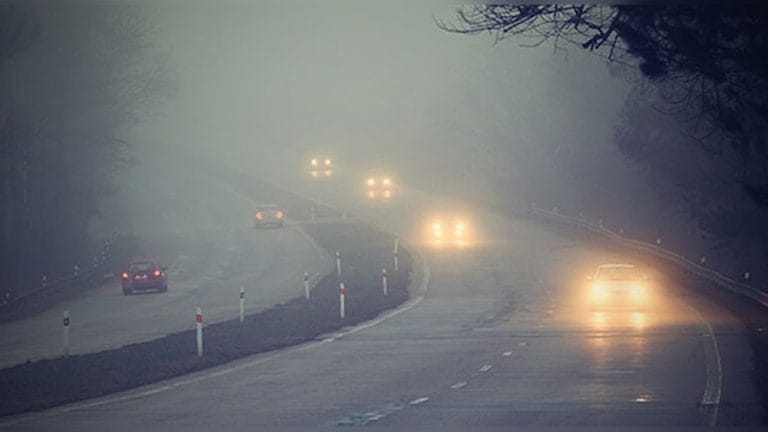
- Overcast or shade: Can make the same car look darker or even grayish.
- Streetlights: Sodium-vapor lamps may cast a yellow hue, muting blue colors.
Surrounding Colors And Reflections
Nearby objects or surfaces can reflect onto your car, subtly altering its perceived color. A white building or bright pavement can reflect light onto the paint, giving it a lighter or more pastel appearance.
Optical Illusions And Color Memory
Our memories of color are unreliable. You might remember your car as a darker blue, only to be surprised by how light it looks after a wash or in certain lighting. This is normal and not usually cause for concern.
Example: When I tested this myself, my navy blue sedan looked almost sky blue after parking next to a white wall on a sunny day.
The Influence Of Camera And Screens
Photos taken with a smartphone or digital camera can exaggerate or distort color, especially with automatic white balance settings. If your car looks light blue in photos but not in person, it’s likely a camera effect.

Credit: www.bavarianrennsport.com
Mechanical Issues And Chemical Causes: When To Worry
While most causes of a light blue appearance are cosmetic or perceptual, some mechanical or chemical issues can create blue-tinted effects on your vehicle. Knowing when to be concerned is crucial for your car’s health and safety.
Coolant Leaks And Blue Fluids
Some vehicles use blue coolant or windshield washer fluid, which can leak and leave blue stains on the exterior, especially near the engine bay or under the car.
- Symptoms: Blue streaks, puddles, or residue on the paint or undercarriage.
- Action: If you notice blue liquid, inspect fluid levels and consult a mechanic immediately.
Chemical Reactions With Paint
Exposure to certain chemicals, like industrial fallout, fertilizers, or cleaning agents, may cause a chemical reaction with the paint, leading to discoloration or a bluish haze. While rare, this can permanently alter the appearance.
Warning: Never park your car near industrial plants or where chemical sprays are used unless you are sure the area is safe.
Paint Contamination Or Defects
Sometimes, a paint defect at the factory or during a repaint can cause the color to appear lighter or off-hue. Low-quality repaint jobs may fade quickly or show uneven color, especially in blue shades.
Case Study: Factory Vs. Aftermarket Paint
A survey by Consumer Reports found that cars with aftermarket paint jobs were three times more likely to experience color fading or lightening within five years compared to factory finishes.
Maintenance, Repair, And Prevention Strategies
Understanding the cause of your car’s light blue appearance is only half the battle. Taking appropriate action, whether maintenance, repair, or prevention, will keep your vehicle looking its best and protect its value.
Washing And Waxing Best Practices
Regular washing removes contaminants that can dull paint, while waxing provides a protective UV barrier. For blue cars, it’s especially important to:
- Wash with pH-neutral shampoo weekly or bi-weekly.
- Apply a UV-protective wax or sealant every 2-3 months.
- Use microfiber towels to avoid scratching the surface.
Addressing Fading And Oxidation
If your car’s paint has already faded or oxidized, the following steps can help restore its appearance:
- Paint Correction: Professional buffing and polishing can remove surface oxidation and restore some color.
- Repainting: In severe cases, a full repaint may be necessary to regain original vibrancy.
Pro Tip: Always get quotes from reputable body shops and ask about warranties on paintwork.
Preventing Environmental Damage
- Park in covered or shaded areas to minimize UV exposure.
- Use car covers if parking outside for extended periods.
- Rinse off bird droppings, tree sap, and chemical spills immediately.
Managing Mechanical And Chemical Risks
- Inspect for fluid leaks regularly and address any blue stains promptly.
- Store cleaning chemicals away from your vehicle.
- Choose a reputable shop for any repaint or touch-up work.
| Maintenance Task | Frequency | Impact on Color Retention |
|---|---|---|
| Washing | Weekly/Bi-Weekly | High |
| Waxing | Every 2-3 Months | Very High |
| Covered Parking | Daily | Very High |
| Paint Correction | As Needed | Moderate |
Real-world Examples And Owner Experiences
Learning from real cases can help clarify what to expect and how to respond if your car appears light blue.
Example: Fading Blue Sedan In Arizona
A 2015 Toyota Corolla owner in Phoenix noticed their originally “Blue Crush Metallic” car turning noticeably lighter after three summers of daily outdoor parking. Inspection revealed clearcoat oxidation and fading. A professional detailer performed a multi-stage paint correction, restoring much of the original color.
Example: Perception Shift After Detailing
A Honda Accord owner reported their car looking “weirdly light blue” after a deep clean. The detailer had removed years of grime, revealing the true, lighter shade of the original factory paint.
Example: Chemical Spill Incident
In one rare case, a car parked near a construction site was sprayed with a blue-tinted chemical. The owner noticed streaks and a bluish haze. The contaminated area required a professional decontamination and partial repaint.
Owner Tips From Experience
Regular maintenance and careful attention to parking conditions are the most effective ways to preserve a car’s true color. A friend’s blue Mazda CX-5 remained vibrant for years simply by using a car cover and frequent waxing.
What To Do If Your Car Looks Light Blue
If you’re concerned about your car’s light blue appearance, here’s a step-by-step checklist to help diagnose and address the cause:
- Check the Original Paint Code: Look for the manufacturer’s paint code (often on the driver’s door jamb) to confirm the intended color.
- Inspect for Fading or Oxidation: Examine the paint under various lighting conditions. Look for dullness, chalkiness, or uneven color.
- Look for Leaks or Chemical Stains: Check for blue fluids or stains, especially near the engine bay or under the car.
- Assess Environmental Exposure: Consider how often your car is exposed to sunlight, pollution, or harsh chemicals.
- Consult a Professional: If you suspect mechanical issues, chemical damage, or need a repaint, seek advice from a qualified auto body shop.
Example: A Subaru Outback owner was puzzled by their car’s pastel blue appearance. After confirming the paint code and inspecting for fading, they discovered it was simply a case of long-term sun exposure. A professional polish restored much of the original shine.
Frequently Asked Questions
Why Does My Car Look Blue Only In Certain Lighting?
This is typically due to the metallic or pearlescent finish of your paint, which reflects light differently depending on angle and intensity. Artificial lights, like LEDs or streetlights, can also shift the perceived hue due to their color spectrum.
Can A Car’s Color Actually Change Over Time?
Yes, but it’s usually a gradual lightening or fading due to UV exposure, pollution, and oxidation. The underlying paint doesn’t change its chemical composition, but the visual effect can make it seem like the color has shifted to a lighter or different shade.
Is It Safe To Use Diy Paint Restoration Kits On Blue Cars?
DIY kits can be effective for minor fading or oxidation, but they may not match the original shade perfectly, especially with complex blue metallics. For best results, consult a professional detailer for deep restoration or color correction.
Are There Health Or Safety Concerns If My Car Has Blue Stains From Unknown Fluids?
If you find blue stains or fluids on or under your car, it could indicate a coolant or washer fluid leak, which may affect engine cooling or visibility. It’s wise to have a mechanic inspect your vehicle promptly to avoid mechanical issues.
How Can I Tell If My Car’s Color Shift Is Due To A Factory Defect Or Environmental Damage?
Factory defects usually show as uneven or patchy color from the start, often under warranty. Environmental damage develops over time and often affects exposed areas more than protected ones. Document any changes and consult both your dealer and a body shop for assessment.
If your car appears light blue, remember that the cause can range from harmless perception quirks to correctable paint fading or even mechanical issues requiring attention. By understanding the science behind car paint, environmental factors, and maintenance best practices, you can confidently decide whether to admire your car’s unique hue or take steps to restore its original luster. With regular care and a keen eye, you’ll keep your vehicle looking its best for years to come. For more on automotive paint science, visit the Automotive Paint Wikipedia page or consult the Cars.com maintenance guide.
Products related to this article
Sponsored / affiliate links. As an Amazon Associate I earn from qualifying purchases. I may earn additional commission from eligible campaigns.