Cheapest Places To Buy New Car Tires Without Getting Scammed
Buying new car tires can feel like a real chore. You know you need them, but the prices can make your eyes water. Then there’s the worry about getting ripped off.
It’s like a minefield out there. You just want good tires at a fair price. You’re looking for a way to find those deals without ending up with a bad deal or a scam.
Finding the cheapest new car tires means smart shopping. Look at online retailers, big box stores, and local shops. Compare prices, check for sales, and read reviews. Always verify warranty and installation costs before you buy.
What It’s Like Buying Tires
Buying new car tires is something most drivers face every few years. Your old tires wear out. They might get a flat.
Or maybe they just don’t grip the road like they used to. This is where the search for new ones begins. It can be a confusing journey.
Many people think tires are just round rubber things. But they are very important for your car’s safety. They help you steer.
They help you stop. Good tires keep you on the road when it’s wet or icy. Bad tires can be very dangerous.
So, when it’s time for new tires, you want to be sure you’re making a good choice. You want a tire that is safe. You want one that will last a long time.
And, of course, you want to pay a price that feels right. It’s easy to feel lost in all the options and numbers.
My Own Tire Shopping Headache
I remember a time a few years back. My old tires were really showing their age. The tread was almost gone.
I could hear a funny humming noise when I drove. It was a hot July day, and I was heading to visit my parents. Suddenly, I felt a wobble.
My car started pulling hard to one side. I pulled over, heart pounding.
One of my tires was flat. Like, really flat. I had a spare, but it was old.
I knew I couldn’t drive far on it. I was stuck on the side of a busy highway. The panic set in.
I needed new tires, and I needed them fast. I ended up calling a tow truck. It took me to the closest tire shop.
They had a tire that would fit. But the price? It was shocking.
I felt trapped. I paid way more than I wanted because I had no other choice. That day taught me a big lesson about being prepared and doing my homework before the emergency happens.
Smart Tire Shopping Basics
Know Your Tire Size. This is the most important step. It’s usually on the sticker inside your driver’s side door. It looks like P215/65R15.
You can also find it on the sidewall of your current tires.
Understand Tire Types. All-season tires are common. Winter tires are for snow and ice. Performance tires are for speed.
Truck tires are for trucks.
Read Reviews. See what other drivers say about tire wear and performance.
Where to Find the Cheapest New Car Tires
Finding a good deal on tires is all about knowing where to look. Many places sell tires. Some are online.
Some are big stores. Some are smaller, local shops. Each has its pros and cons.
You need to compare them all.
The cheapest price might not always be the best deal. You also need to think about the quality of the tire. And what about the cost to put them on your car?
This is where many people get caught out. They see a low tire price. But then the installation adds a lot to the bill.
Online Tire Retailers
Online stores are often a great place to find good prices. Companies like Tire Rack and Discount Tire sell many brands. You can see all the options right on your screen.
They have lots of filters to help you find the right size and type of tire.
One big plus with online stores is their huge selection. You can often find tires that local shops don’t carry. Prices are usually very competitive.
They have to be to compete with everyone else.
However, you can’t see the tires in person before you buy. You also need to figure out how to get them installed. Some online stores work with local shops.
You can have the tires sent there for mounting. Others expect you to find your own installer. This adds an extra step and potential cost.
Big Box Stores
Places like Costco, Sam’s Club, and Walmart also sell car tires. These stores can offer good prices. They often have sales events.
They also might have their own tire brands that are made to be affordable.
The benefit here is convenience. You can often get your tires mounted right there. You might be able to get an oil change or other car work done at the same time.
This saves you a trip.
The selection at big box stores might be smaller than at dedicated tire shops or online. Their staff might not be as specialized in tires as at a tire shop. So, you might get less expert advice.
Dedicated Tire Shops
These are shops that specialize just in tires and car repair. Brands like Discount Tire, Pep Boys, and Firestone Complete Auto Care fall into this category. They have a wide selection of tires.
Their staff are usually very knowledgeable.
You can often get expert advice here. They can help you choose the right tire for your car and your driving style. They also handle the installation and balancing on-site.
This makes the process easy.
However, prices at dedicated tire shops can sometimes be higher. They have more overhead costs than online stores. You need to shop around even within this category.
Local Independent Shops
Don’t forget about smaller, local garages. Sometimes, these places can offer very competitive prices. They might not have the huge advertising budgets of big chains.
They rely on local customers.
The service can be very personal. You might build a relationship with the owner or mechanics. They know your car.
They can offer great advice. They might also be more willing to work with you on pricing.
The downside is that their selection might be limited. They may not have every brand or size you’re looking for. You might need to call around to find the best deal.
Price Comparison Checklist
Tire Price: The price of the tire itself.
Installation Fee: Cost to mount and balance the tires.
Valve Stems: Sometimes charged extra.
Tire Disposal Fee: Cost to get rid of your old tires.
Alignment: Should you get an alignment? (Often recommended with new tires).
Taxes: Don’t forget sales tax.
Understanding Tire Markings
When you look at a tire, you’ll see a bunch of letters and numbers on the side. This is called the tire’s sidewall. It tells you a lot about the tire.
Knowing what these mean can help you choose the right one. It also helps you compare prices. You want to make sure you’re comparing apples to apples.
For example, you’ll see something like P215/65R15 98T.
- P: This means the tire is for a passenger car.
- 215: This is the tire’s width in millimeters.
- 65: This is the aspect ratio. It’s the height of the sidewall as a percentage of the width. So, 65% of 215mm.
- R: This means the tire is radial. This is standard for most cars now.
- 15: This is the wheel diameter in inches.
- 98: This is the load index. It tells you how much weight the tire can carry.
- T: This is the speed rating. It tells you the maximum speed the tire can handle safely.
You’ll also see other important things. There’s the UTQG rating. This stands for Uniform Tire Quality Grading.
It has three parts: Treadwear, Traction, and Temperature. Treadwear is a number that shows how long the tire is expected to last. Higher numbers mean longer life.
Traction is rated AA, A, B, or C. AA is the best grip. Temperature is also rated A, B, or C.
A is best for heat resistance.
Make sure the tires you are looking at match what your car needs. Your car’s owner’s manual or the sticker on the doorjamb will tell you the correct size and type.
How to Spot a Good Deal (and Avoid a Scam)
Getting a great deal on tires is satisfying. Getting scammed is awful. How can you tell the difference?
It’s all about being aware and asking the right questions.
Look for Sales and Rebates
Tire manufacturers and retailers often have sales. They also offer rebates. A rebate means you buy the tire.
Then you send in a form. The company sends you money back. This can save you a good amount.
Keep an eye out for these. They happen most often around holidays. Think Memorial Day, Labor Day, or the Fourth of July.
Tire shops often advertise these deals heavily.
Make sure you understand how rebates work. Some are mail-in. Some are instant.
You need to send the paperwork on time. Keep copies of everything.
Compare Total Cost
Never just look at the price of the tire itself. You must look at the total cost. This is the most important part of avoiding a scam.
Some places offer super low tire prices. But then they add high fees for everything else.
Ask for a full out-the-door price. This should include the tires, mounting, balancing, valve stems, disposal of old tires, and any shop supplies fees. If a shop is hesitant to give you this, that’s a red flag.
Check Warranty Information
Good tires come with a warranty. This protects you if the tire has a defect. It also often covers mileage.
Make sure you understand the warranty. What does it cover? How long does it last?
What do you need to do to keep the warranty valid?
Some warranties require you to do regular tire rotations. This is usually every 5,000 to 7,500 miles. If you don’t do this, your warranty might be void.
Keep records of your tire rotations.
Read the Fine Print
This sounds boring, but it’s crucial. Read all the paperwork before you sign. Understand what you are agreeing to.
If something doesn’t make sense, ask for clarification. Don’t feel rushed.
Be wary of deals that sound too good to be true. If a shop is pushing a specific tire aggressively, ask why. Is it because they get a better commission?
Or is it truly the best tire for you?
Beware of Used Tires Sold as New
This is a major scam. You should only ever buy new tires unless you specifically ask for and inspect used ones. Sometimes, dishonest shops will try to sell old tires as new.
Or they might sell tires that were returned for some reason.
Always check the tire’s date code. It’s a four-digit number on the sidewall. The first two digits are the week of the year.
The last two are the year. For example, 3223 means the tire was made in the 32nd week of 2023.
If a tire is more than a few years old, it might be considered old stock, even if it’s never been used. Rubber degrades over time. Very old tires may not perform as well.
Red Flags to Watch For
High-Pressure Sales Tactics: Being rushed into a decision.
Vague Pricing: Not getting a clear total cost.
“Extra” Services You Didn’t Ask For: Like unnecessary alignments or nitrogen fills.
Old Tires Being Pushed as New: Always check the date code.
Lack of Clear Warranty Information: Or a warranty that seems too good to be true.
When Are Tires “Cheap” But Still Good?
The term “cheap” can mean different things. For tires, it often means affordable. It doesn’t always mean low quality.
You can find tires that offer great value for your money.
Value Brands and Private Labels
Many tire manufacturers make “value” brands. These are tires made to be more affordable. They still meet safety standards.
They might not have all the fancy features of premium tires. But they are perfectly good for everyday driving.
Some large retailers also have their own private label tires. For example, you might see tires made by a major brand but sold under the retailer’s name. These are often a good way to get a reliable tire at a lower price.
Do your research on these brands. Read reviews. See what people say about their wear and performance.
A quick search online can often tell you who makes a private label tire.
Look for Tires on Sale
The best time to buy tires is often when they are on sale. Many brands go on sale throughout the year. You might find a premium tire brand at a discount.
This gives you a high-quality tire for a lower price.
Check the websites of major tire retailers regularly. Sign up for their email newsletters. This way, you’ll be notified when sales happen.
Consider Your Driving Needs
What kind of driving do you do? If you drive mostly in the city and on highways in good weather, you don’t need the most expensive, high-performance tire. A good all-season tire will be more than enough.
If you live in an area with harsh winters, you might need winter tires. But if you only get a few snowy days a year, good all-season tires with a decent tread might suffice. This decision can save you money.
Think about how long you plan to keep your car. If you’re trading it in soon, you might not need the longest-lasting tire available. A tire with a moderate treadwear rating might be fine.
Comparing Installation Costs
The price you see for tires is rarely the final price. Installation is a big part of the cost. It’s also an area where prices can vary a lot.
Mounting and Balancing: This is the basic cost to put the new tires on your wheels and make sure they spin evenly. This is essential.
Valve Stems: These are the little rubber or metal parts that let air into the tire. They should be
Tire Disposal: You have to pay a fee to dispose of your old tires. This is an environmental fee.
Tire Disposal Fee: You have to pay a fee to dispose of your old tires. This is an environmental fee.
Shop Supplies: Some shops add a small fee for “shop supplies.” This can include things like tire lube, weights, and cleaning materials.
Wheel Alignment: This is where it gets tricky. Some shops will strongly recommend a wheel alignment with new tires. If your alignment is bad, it can cause new tires to wear out quickly.
However, if your alignment is fine, you don’t need it. Be wary of shops that insist you need an alignment if you haven’t had problems.
Nitrogen vs. Air: Some shops offer to fill your tires with nitrogen instead of regular air. They often charge extra for this.
For most drivers, the benefits of nitrogen are minimal and not worth the extra cost.
Always ask for the total out-the-door price that includes all these potential fees. This is the best way to compare true costs.
Installation Cost Breakdown
Standard Fee: Usually covers mounting and balancing.
Per-Tire Extras: Valve stems, disposal.
Optional Services: Alignment, nitrogen fill (often unnecessary).
Total Price is Key: Always get the full price before agreeing.
When to Worry About Your Tires
Most of the time, buying new tires is a straightforward transaction. But there are times when you need to be extra careful. Or when you should walk away from a deal.
Signs of Old or Damaged Tires
If you’re looking at tires, check them carefully. Look for any signs of cracking in the sidewall. This can mean the rubber is old or has been exposed to too much sun.
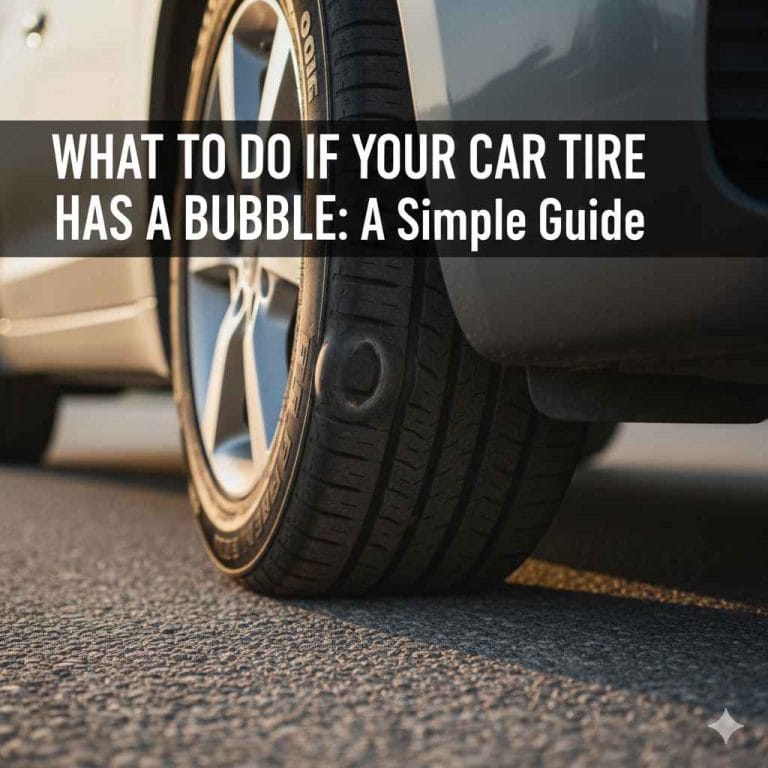
Check for any bulges or blisters on the sidewall. These are dangerous and mean the tire needs to be replaced immediately.
Make sure the tread looks even. Uneven wear can mean there are alignment or balancing issues. Even if the tire is new, uneven wear is a bad sign.
Deals That Seem Too Good to Be True
If a tire is significantly cheaper than anywhere else, ask why. Is it an older model? Is it a brand that doesn’t have great reviews?
Sometimes a very low price means the tire is not a good value in the long run.
Be especially suspicious if the shop can’t provide clear information about the tire’s warranty or manufacturing date.
Pushy Salespeople
A good salesperson will help you find the right tire. A bad one will try to pressure you into buying something you don’t need or want. If you feel uncomfortable, it’s okay to leave.
There are plenty of other places to buy tires.
Quick Tips for Saving Money
Here are some easy ways to keep more money in your pocket when buying tires:
- Shop During Sales Events: Holidays are your best friend for tire deals.
- Use Rebates: Don’t forget to claim them!
- Compare Online and Local: Always check both.
- Consider Value Brands: They offer good performance for less.
- Ask for the Total Price: No surprises.
- Join Retailer Loyalty Programs: Some stores offer discounts for members.
- Get Multiple Quotes: Call at least three different places.
- Check Your Tire Pressure Regularly: Proper inflation makes tires last longer.
- Rotate Your Tires: This helps them wear evenly and last longer.
Frequently Asked Questions About Cheap Tires
Are budget tires really safe?
Budget tires can be safe if they meet all government safety standards. They often use simpler rubber compounds or less advanced tread designs. This can mean they don’t last as long or perform as well in extreme conditions.
Always check reviews and ensure they are the correct size and type for your car.
What is the best time of year to buy tires?
The best time to buy tires is often during major holiday sales. Think Memorial Day, Labor Day, the Fourth of July, and Black Friday. Tire manufacturers and retailers frequently offer discounts and rebates during these periods.
Can I buy tires online and have them installed locally?
Yes, many online tire retailers partner with local installers. You can often have the tires shipped directly to a shop for mounting and balancing. This can be a convenient way to get a good price on tires and have them installed professionally.
What does “out-the-door price” mean for tires?
The “out-the-door price” is the final total cost you will pay for your tires. It includes the price of the tires themselves, plus all fees for mounting, balancing, valve stems, tire disposal, shop supplies, and taxes. Always ask for this total price to compare offers accurately.
How old is too old for tires, even if they look new?
Tires degrade over time, even if they are unused. Most experts recommend replacing tires that are more than six to ten years old from their manufacturing date. Check the DOT code on the sidewall for the week and year of production.
Rubber can become brittle and unsafe with age.
Is it worth getting an alignment when buying new tires?
An alignment is only necessary if your car’s wheels are not pointing straight. This can cause uneven tire wear. If your car pulls to one side or you notice uneven wear on your old tires, an alignment might be a good idea.
However, don’t let a shop pressure you into an alignment if it’s not truly needed.
Final Thoughts on Tire Shopping
Buying new tires doesn’t have to be a stressful or expensive event. By doing a little homework, comparing prices, and knowing what to look for, you can find great deals. Remember to always consider the total cost, including installation.
Your safety on the road depends on your tires. Making a smart choice will keep you rolling smoothly and affordably.
See also why don’t car tires have inner tubes anymore explained.
Products related to this article
Sponsored / affiliate links. As an Amazon Associate I earn from qualifying purchases. I may earn additional commission from eligible campaigns.