How Much Car Tire Pressure Should Be? Get It Right Every Time
It’s a common question, isn’t it? You’re driving, maybe you notice a slight wobble, or perhaps you’re just due for a check-up. That little gauge for your car’s tires feels like a mystery.
What’s the magic number? It feels like it should be simple, but getting it wrong can lead to so many little headaches. We’ll break down exactly what you need to know about car tire pressure, so you can feel confident every time you fill up.
The correct tire pressure for your car is found on a sticker inside your driver’s side doorjamb or in your owner’s manual. It is usually between 30 and 35 PSI. Never use the maximum pressure listed on the tire sidewall.
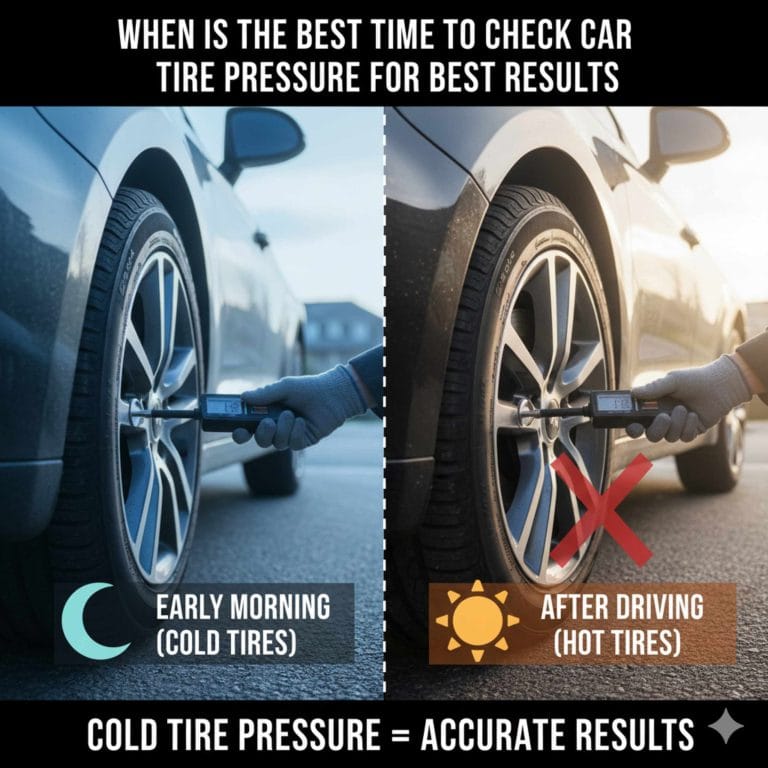
Check pressure when tires are cold.
What Is Tire Pressure and Why Does It Matter So Much?
Think of your car’s tires like its shoes. They’re the only part touching the road. Tire pressure is simply the amount of air inside those tires.
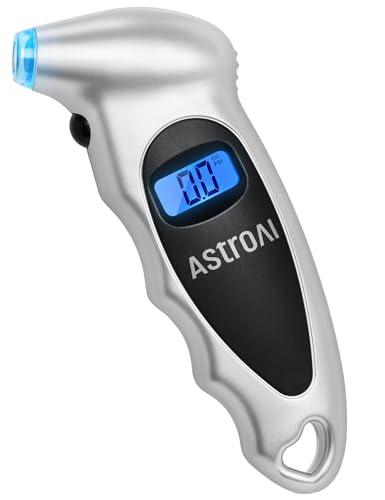
AstroAI
AstroAI Digital Tire Pressure Gauge 150PSI, ±1PSI…
- Accurate, Dependable Readings: Factory‑calibrated to ±1 PSI, so you can confidently match your vehicle’s recommended PSI (check th…
- Bright Backlit Display & Nozzle Light: The illuminated nozzle helps you find the valve stem in the dark, while the backlit LCD mak…
- 4 Measurement Units, One Button: Quickly switch among PSI, Bar, Kgf/cm², and KPA with a single press. No complex settings — just p…
As an Amazon Associate I earn from qualifying purchases.
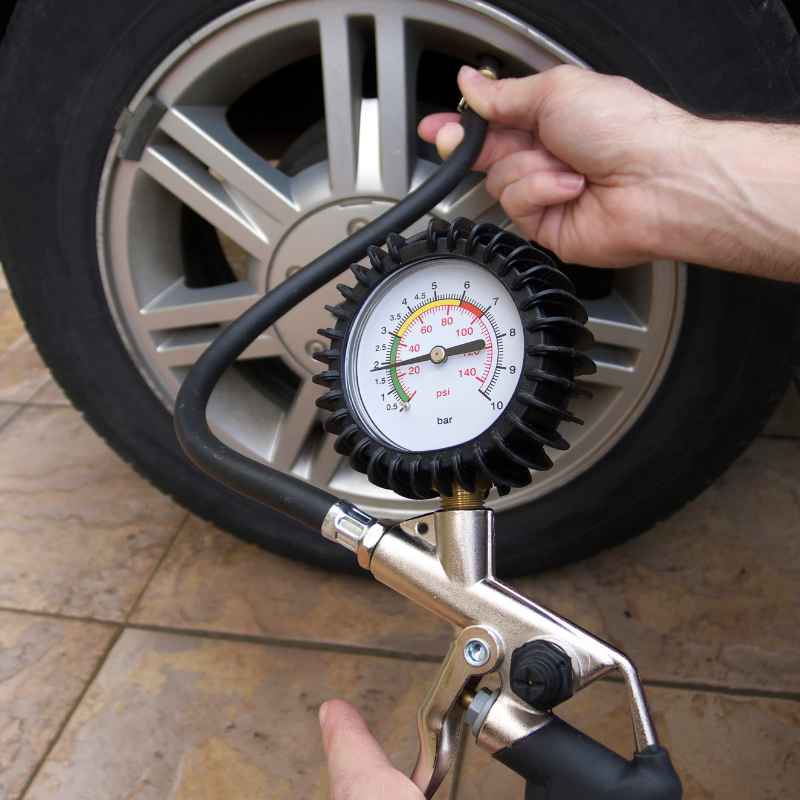
It’s measured in PSI, which stands for pounds per square inch. This number tells you how much air is pushing against the inside of the tire wall.
Getting this pressure just right is super important for a few big reasons. It affects how your car drives, how safe it is, and even how much gas you use. It’s not just about a smooth ride; it’s about keeping you and your car in good shape.
When your tires have the right amount of air, they can do their job best. They grip the road well. This helps you steer correctly.
It also helps you stop quickly when you need to. Plus, tires that are inflated properly wear out evenly. This saves you money in the long run.
The Secret Place to Find Your Car’s Perfect Tire Pressure
Most people think the number on the tire itself is the answer. That’s a common mistake! The number printed on the side of your tire, often called the “maximum inflation pressure,” is NOT the number you should use for everyday driving.
That number is the most air the tire can hold safely.
Your car’s manufacturer knows best for your specific vehicle. They tested it! They know how your car should handle and perform.
So, the best place to find the recommended tire pressure for your car is on a sticker. This sticker is usually found in one of these spots:
- Inside the driver’s side door jamb. Open your door and look at the frame.
- Inside the glove compartment door.
- Inside the fuel filler door.
- In your car’s owner’s manual. This is a treasure trove of info!
This sticker will tell you the correct PSI for your front and rear tires. Sometimes, they might even be different. Always use the PSI listed on this sticker, not the one on the tire itself.
This is your car’s happy place for air.
Understanding PSI: Cold vs. Warm Tires
This is a tricky one for many drivers. Tire pressure changes with temperature. When you drive your car, the tires heat up.
This heat makes the air inside expand. So, the pressure goes up.
That’s why the recommended PSI on your car’s sticker is always for cold tires. What does “cold” mean in this case? It means the car hasn’t been driven for at least three hours.
Or, it’s been driven less than a mile at normal speeds.
So, if you check your tire pressure at a gas station after a long drive, the reading will be higher than it should be. You might think your tires are fine, but they could actually be a bit low on air when they’re cold. Always try to check your tire pressure first thing in the morning.
If you must check your pressure when the tires are warm, add 1 or 2 PSI to the recommended cold pressure. But it’s best to do it when cold for the most accurate reading. It makes a difference in how your car handles.
A Personal Story: The Day I Almost Trashed My Tires
I remember one summer, a few years back. My old sedan started feeling a bit sluggish on the highway. It wasn’t terrible, but enough to notice.
I just kept driving, thinking maybe I needed to fill up the gas tank or something. Then, I started noticing the tires looked a little… soft. Like deflated balloons.
I’d driven my car for nearly two years by then and had never really thought about the tire pressure. I just assumed the car was built to handle it. I finally pulled into a gas station, and the tire pressure gauge on the air machine felt like a foreign object.
I squinted at the tire sidewall, saw a big number like “51 PSI,” and thought, “Okay, I’ll pump them up to 50!”
After filling them all to 50 PSI, the car felt… weird. It was bouncy. Every little bump in the road jolted me.
Steering felt a bit loose. I was so confused. Why did it feel worse?
It wasn’t until I was doing some online reading later that week that I found the sticker inside my driver’s door. It said “32 PSI” for the front tires and “30 PSI” for the rear. Thirty!
I had pumped them up to nearly double what they needed. I felt a wave of panic. I had probably been driving like that for weeks.
I imagined my tires wearing out unevenly, or worse, a blowout on the highway. It was a stark reminder that sometimes, the most obvious numbers aren’t the right ones.
Quick Tire Pressure Check Guide
What you need: A reliable tire pressure gauge.
When to check: In the morning, before driving far.
Where to look: Driver’s doorjamb sticker or owner’s manual.
How to check:
- Unscrew the valve cap.
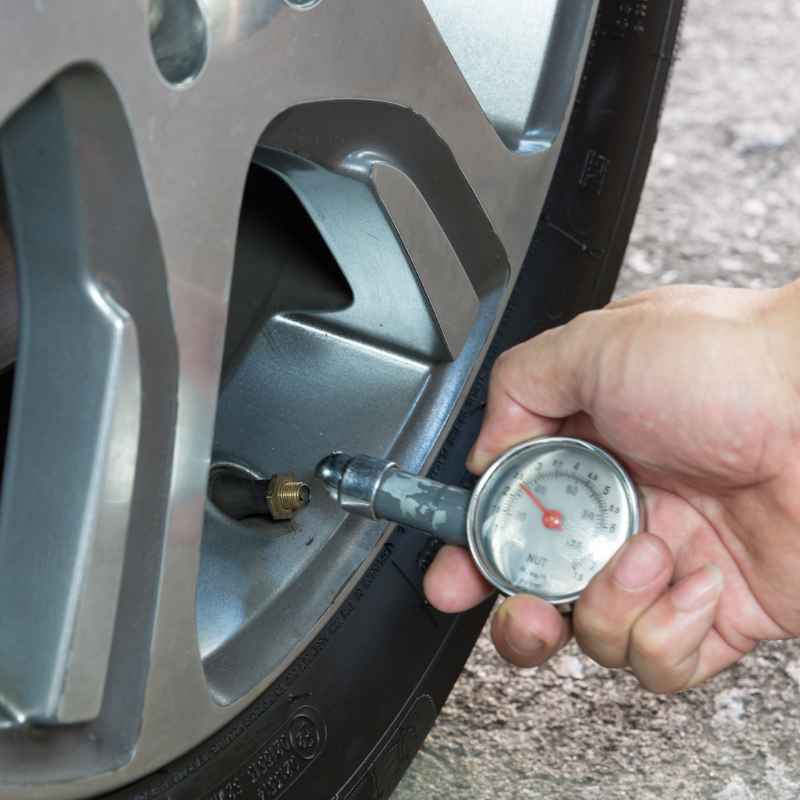
- Press the gauge firmly onto the valve stem.
- Read the PSI.
- Compare to your car’s recommendation.
- Add or release air as needed.
- Replace the valve cap.
Underinflated Tires: The Silent Danger
So, we know the sticker has the right number. But what happens if your tires have too little air? This is a really common problem.
Many cars on the road today are driving with underinflated tires. And it’s not good.
When a tire is underinflated, it can’t hold its shape properly. The sides of the tire bulge outwards. The middle part of the tread might lift slightly off the road.
This means less of the tire is actually touching the ground where it needs to grip.
This causes a few big issues:
- Poor Handling: Your car might wander or feel “floaty.” Steering responses feel slow. It’s harder to control the car, especially in quick turns or emergency maneuvers.
- Increased Braking Distance: Because less tread is on the road, your brakes can’t work as effectively. It takes longer to stop your car.
- Overheating and Blowouts: This is the scariest part. When a tire is underinflated, it flexes too much. This creates a lot of friction and heat. This heat can damage the tire’s internal structure. It can lead to a sudden blowout, which is extremely dangerous.
- Worse Fuel Economy: Underinflated tires create more rolling resistance. This means your engine has to work harder to move the car. You’ll notice you’re filling up your gas tank more often.
- Uneven Tire Wear: The edges of the tire tread will wear down much faster than the center. This shortens the life of your tires.
Think about it: your tires are your connection to the road. If that connection is weak because of low air, everything else suffers.
Overinflated Tires: Not as Bad, But Still Not Ideal
On the flip side, what happens if your tires have too much air? This is less common for most drivers to accidentally do, especially if they’re checking their tires regularly. But it can happen.
When a tire is overinflated, it becomes too rigid. It’s like a balloon pumped up way too much. The center part of the tire tread will bulge out.
This means the outer edges of the tread might not touch the road as well.
Here’s what can happen:
- Harsh Ride: Overinflated tires act like extra shock absorbers, but not in a good way. They make the ride very bumpy and uncomfortable. You’ll feel every little crack in the pavement.
- Reduced Traction: Because the center of the tire is pushing harder, it can reduce the contact patch with the road. This means less grip, especially on wet surfaces.
- Faster Center Tread Wear: The middle part of your tire tread will wear out much faster than the sides. This again leads to needing new tires sooner than you should.
- Increased Risk of Damage: An overinflated tire is more rigid. It’s more likely to be damaged by potholes or road debris. It can’t flex and absorb the impact as well.
While overinflated tires are generally safer than underinflated ones in terms of blowout risk (because there’s less flexing), they still compromise your car’s performance, comfort, and tire life.
Tire Pressure Myths vs. Reality
Myth: The PSI on the tire sidewall is the correct pressure.
Reality: That’s the maximum safe pressure the tire can hold, not the recommended pressure for your car.
Myth: I can check tire pressure anytime.
Reality: Tire pressure readings are most accurate when tires are cold (haven’t been driven for 3+ hours).
Myth: All tires on my car need the same pressure.
Reality: Your car’s sticker might list different pressures for front and rear tires.
Myth: Keeping tires fully inflated saves more gas.
Reality: Overinflating reduces traction and causes harsh rides, while underinflating wastes gas.
Understanding Tire Types and Their Pressure Needs
Not all tires are created equal. Some are designed for specific purposes, and this can influence their typical pressure ranges. While you should always stick to your car’s recommended PSI, understanding these differences can be helpful.
Standard Passenger Car Tires: These are what most of us have. They are designed for a balance of comfort, fuel efficiency, and handling on everyday roads. The recommended pressures usually fall in the 30-35 PSI range.
They are built to flex and absorb some of the road’s imperfections.
High-Performance Tires: These tires are often found on sports cars. They have a lower profile and are designed for maximum grip and sharp handling. They may have slightly different pressure recommendations, sometimes a bit higher, to maintain their shape during aggressive driving.
However, you still must follow your car’s sticker!
All-Terrain (AT) Tires: If you have an SUV or truck that goes off-road sometimes, you might have AT tires. These are tougher and have a more aggressive tread pattern. Their recommended pressures can vary more.
Some truck owners might use lower pressures off-road for better traction in sand or mud, but they raise it again for highway driving.
Winter Tires: These tires are made with a special rubber compound that stays flexible in cold temperatures. They also have unique tread patterns for snow and ice. Their pressure needs are generally similar to all-season tires, but it’s extra important to check them often in winter, as cold air drastically reduces pressure.
Low Rolling Resistance (LRR) Tires: Some newer cars, especially hybrids and electric vehicles, come with LRR tires. These are designed to reduce friction with the road, improving fuel economy. They often require slightly higher inflation pressures to achieve this.
Again, always consult your vehicle’s sticker.
Real-World Scenarios: When Tire Pressure Becomes Critical
We’ve talked about the numbers, but let’s look at when tire pressure issues pop up in everyday life. These are the moments when getting it right really matters.
Scenario 1: The Rainy Day Commute
Imagine you’re driving to work on a Tuesday morning. It’s pouring rain. Visibility is low, and the roads are slick.
You need your tires to have the best possible grip to avoid hydroplaning or sliding into other cars. Underinflated tires, with their reduced contact patch and tendency to flex unpredictably, are a recipe for disaster in these conditions. Overinflated tires, with their reduced contact patch, also offer less grip on wet surfaces.
The correct pressure ensures your tires are making the best possible connection with the road, helping you stop and steer safely when it’s most critical.
Scenario 2: The Family Road Trip
You’ve packed the car, the kids are in the back, and you’re heading out for a long vacation. Your car is loaded down with luggage, coolers, and people. This extra weight puts more stress on your tires.
The recommended tire pressure on your car’s sticker is often for a normal load. When you add extra weight, the tires will flex more. If you don’t adjust, or if they were already low, they can overheat more easily.
This is a prime condition for a blowout. Checking and potentially increasing tire pressure slightly (following your owner’s manual’s advice for load capacity) is crucial for safety on long trips.
Scenario 3: The Pothole Encounter
You’re driving home late at night, maybe on a road that hasn’t been maintained well. Suddenly, you hit a deep pothole. If your tires are properly inflated, they can absorb some of the shock.
The air inside acts as a cushion, and the tire can flex. If your tires are overinflated, they are too stiff. They can’t absorb the impact as well.
This can lead to damage to the tire itself, the wheel rim, or even suspension components. If your tires are underinflated, they might not offer enough support and could pinch against the rim, potentially damaging the tire’s sidewall.
Scenario 4: The Temperature Drop
It’s late autumn, and overnight temperatures have dropped significantly. You wake up, and it’s chilly! As we discussed, cold air makes your tire pressure drop.
If you haven’t checked your tires in a while, they could be several PSI lower than they should be. This isn’t just about comfort; it directly impacts your car’s handling and safety. This is especially true if you have winter tires, which need to be at the right pressure to work their magic on snow and ice.
Normal vs. Concerning Tire Pressure
| Indicator | Normal Condition | Concerning Condition |
|---|---|---|
| Visual Check | Tires look evenly round, with no excessive bulging at the bottom. | Tires appear visibly “flat” or saggy, with significant bulging on the sidewalls. |
| Gauged Pressure (Cold) | Within 1-2 PSI of the recommended pressure on the vehicle sticker. | More than 3-4 PSI below or above the recommended pressure. |
| Driving Feel | Smooth ride, responsive steering, car feels stable. | Bouncy or harsh ride (overinflated), sluggish or wandering steering (underinflated). |
| Tire Wear Pattern | Even wear across the entire tire tread. | Excessive wear on the edges (underinflated) or in the center (overinflated). |
What This Means for You: Making Tire Pressure Work for You
So, what’s the takeaway from all this? It’s simpler than it seems, but requires a little attention. Your car’s recommended tire pressure is your guide.
When Tire Pressure is Normal:
When your tires are inflated to the PSI recommended on your car’s sticker (when cold), you’re in a good place. Your car will handle as the engineers intended. You’ll get good gas mileage.
Your tires will wear evenly. Most importantly, you’ll have the best possible safety margin for braking and steering.
When to Worry:
You should worry if:
- You haven’t checked your tire pressure in months.
- Your tires look visibly flat or saggy.
- Your car feels different to drive – maybe it pulls to one side, feels bumpy, or handles oddly.
- You’ve hit a significant pothole or curb.
- You’re about to go on a long trip with a lot of extra weight in the car.
- The weather has changed drastically (especially getting colder).
Simple Checks You Can Do:
- Visual Inspection: Just look at your tires. Do they seem to be sitting flat on the ground? Do they look like they’re holding their shape?
- Feel the Ride: Pay attention to how your car feels. Does it feel normal, or is it suddenly very bumpy or very mushy?
- Use a Gauge: This is the most important check. Keep a simple tire pressure gauge in your glove compartment. It takes less than a minute per tire.
Making tire pressure a regular part of your car maintenance is key. It’s not a one-time fix.
Quick Tips for Maintaining Correct Tire Pressure
Here are some easy habits to get into:
- Check Monthly: Make it a habit to check your tire pressure at least once a month. Many people do it when they fill up their gas tank.
- Check Before Long Trips: Always check your tire pressure before embarking on a road trip, especially if you’ll be carrying extra passengers or luggage.
- Listen to Your Car: If your car has a Tire Pressure Monitoring System (TPMS) light, pay attention to it. While it won’t tell you the exact PSI, it will alert you when a tire is significantly underinflated.
- Invest in a Good Gauge: A simple pencil gauge is cheap, but a digital gauge or a good quality pencil gauge will give you more accurate readings.
- Keep Valve Caps On: These small caps protect the valve stem from dirt and moisture, which can cause leaks.
- Don’t Forget the Spare: If you have a spare tire, check its pressure too! A flat spare won’t do you any good.
These small steps can make a big difference in your car’s performance, safety, and longevity.
Frequently Asked Questions About Car Tire Pressure
What is the difference between the PSI on the tire and the PSI on the door sticker?
The PSI on the tire sidewall is the maximum air pressure the tire can safely hold. The PSI on your car’s door sticker (or in the owner’s manual) is the recommended tire pressure for your specific vehicle. You should always use the recommended pressure from your car manufacturer, not the maximum pressure from the tire.
How often should I check my car’s tire pressure?
It’s recommended to check your tire pressure at least once a month. You should also check it before any long road trips or if you notice a significant change in temperature.
Can I use the PSI recommended for a different car model?
No, you should never use the recommended tire pressure from a different car model. Each vehicle is designed differently, and the manufacturer specifies the correct tire pressure to ensure optimal handling, safety, and tire wear for that particular car.
My car has a Tire Pressure Monitoring System (TPMS). Do I still need to check manually?
Yes, you absolutely should still check your tire pressure manually with a gauge. The TPMS light usually only comes on when a tire is significantly underinflated (often 25% or more below recommended). It’s important to check regularly to maintain optimal pressure and prevent issues before the TPMS light even comes on.
What happens if I have different tire pressures in front and back tires?
Your car’s manufacturer may recommend different pressures for the front and rear tires. This is often due to the weight distribution of the vehicle. It is important to follow these specific recommendations for each axle to ensure proper handling and performance.
Is it okay to use nitrogen in my tires instead of air?
Nitrogen can help tires maintain pressure more consistently than regular air, as it is less affected by temperature changes. However, for most passenger vehicles, the benefits are minimal and not worth the extra cost. Regular air is perfectly fine.
If you do use nitrogen, ensure all tires are filled with nitrogen, not a mix of air and nitrogen.
Final Thoughts on Getting Tire Pressure Right
Mastering your car’s tire pressure is a simple skill that pays off big. It’s about safety, saving money on gas and tires, and enjoying a smoother, more controlled drive. Remember to always look for that sticker on your car and check your tires when they’re cold.
Your car will thank you for it!
Related pick: Check today's price on Amazon
Products related to this article
Sponsored / affiliate links. As an Amazon Associate I earn from qualifying purchases. I may earn additional commission from eligible campaigns.