What Happens If Your Vehicle’S Tires Are Underinflated?
It’s a sinking feeling. You know something isn’t quite right with your car. Maybe it feels a bit sluggish.
Or perhaps the steering feels off. Often, this points to an often-overlooked issue: underinflated tires. Low tire pressure is more than just an annoyance.
It can cause serious problems for your car and your safety. Let’s dive into what exactly happens when your tires aren’t filled up enough. We will explore the risks and what you can do about it.
Driving on underinflated tires makes your car less safe. It hurts your car’s handling and makes it use more gas. Tires wear out faster.
It can even cause a dangerous blowout. Keeping tires at the right pressure is very important for safe driving and a healthy car.
What Exactly Are Underinflated Tires?
When we talk about underinflated tires, we mean tires that have less air pressure than they should. Every car has a recommended tire pressure. This is usually shown on a sticker inside the driver’s door or in the owner’s manual.
When the air inside the tire drops below this number, it’s considered underinflated. Think of it like a balloon. A properly inflated balloon is firm.
A low balloon is soft and floppy. Your tires work best when they have just the right amount of air.
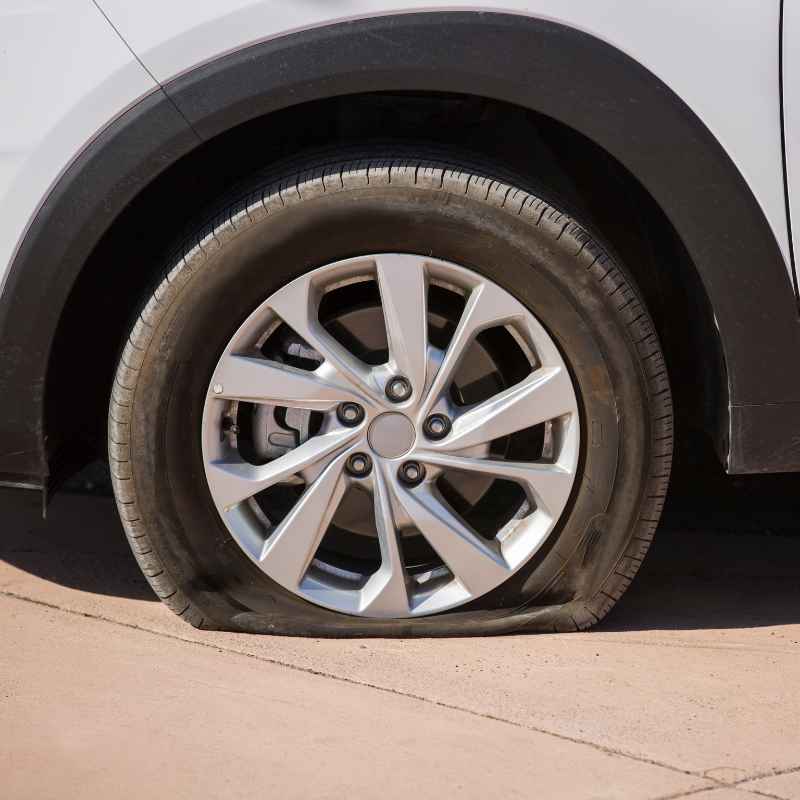
This lower pressure changes how the tire sits on the road. The sides of the tire start to bulge outwards. The middle part might lift slightly.
This means less of the tire tread is making solid contact with the pavement. This small change has big effects on how your car drives. It impacts everything from braking to how well you can steer.
It also makes the tire work harder.
Underinflation can happen for many reasons. Temperature changes play a big role. On a cold day, the air inside your tires shrinks.
This lowers the pressure. A slow leak from a small puncture or a faulty valve stem is another common cause. Even the natural process of air escaping over time can lead to low pressure.
It’s why checking your tire pressure regularly is so crucial. It’s not a one-time fix. It’s an ongoing task for car owners.
The Unexpected Dangers of Low Tire Pressure
Many people think low tire pressure is just about bumpy rides or maybe using a bit more gas. That’s only part of the story. The real dangers are much more serious.
They can affect your car’s performance in ways you might not expect. And they can put you and others on the road at risk.
One of the biggest risks is something called a tire blowout. When a tire is underinflated, its sidewalls flex much more than they should. This constant bending creates a lot of heat.
The rubber can overheat. This heat weakens the tire. It can lead to a sudden, violent burst of air.
This is a blowout. A blowout at any speed can cause you to lose control of your car instantly. This is incredibly dangerous.
Another major concern is how your car handles. Steering becomes less precise. When you turn the wheel, the car might feel sluggish to respond.
This is because the tire isn’t holding its shape properly. It can’t grip the road as well. This is especially problematic during sudden maneuvers, like trying to avoid an obstacle.
You might overcorrect or find the car doesn’t do what you expect.
Braking distances also increase. Because the tire tread isn’t making full contact with the road, your car needs more space to stop. This can be the difference between stopping in time and having an accident.
Imagine needing to brake suddenly on a wet road. With underinflated tires, that safe stopping distance suddenly gets much longer.
Tire Pressure: Quick Facts
Why It Matters: Proper tire pressure keeps your car safe.
Common Causes: Temperature drops, slow leaks, old valves.
Key Risks: Blowouts, poor handling, longer braking.
Solution: Check pressure monthly.
How Underinflation Affects Your Car’s Handling
Let’s talk more about that handling issue. It’s one of the first things drivers often notice, even if they don’t know why. When a tire is underinflated, the sidewall is too soft.
It can’t support the weight of the car as well. It also can’t resist the forces when you turn the car.
This softness means the tire can deform more easily. When you go into a turn, the tire might twist or roll in a way it shouldn’t. This makes the steering feel vague.
You lose that direct connection between your hands on the wheel and the road ahead. It’s like trying to steer a boat with a floppy oar.
Think about driving on a winding road. You need to make quick, precise steering adjustments. With low tire pressure, your car might lean more.
It might feel less stable. This can make driving feel unnerving. For drivers who aren’t used to it, they might think there’s a bigger problem with their car’s suspension or steering system.
But often, it’s just the tires.
In emergency situations, this poor handling is even more dangerous. If you need to swerve quickly to avoid something, the car might not react as you expect. The tires might lose grip.
This could lead to skidding. It makes controlling the vehicle much harder, especially at higher speeds.
The Impact on Fuel Economy (And Your Wallet)
Here’s a point that hits home for everyone: cost. Underinflated tires are like your car having to wear a pair of clunky, heavy boots all the time. They have to work harder to roll down the road.
This extra effort means your engine needs to use more fuel to move the car forward.
Studies show that even a few pounds per square inch (PSI) less than recommended can decrease your fuel economy. We’re not talking about a tiny difference either. Some estimates suggest you could lose 1% to 3% of your gas mileage for every 10% drop in tire pressure.
Over the course of a year, that adds up. It means more trips to the gas station and a bigger fuel bill.
This is an easy fix that has a direct financial benefit. By simply making sure your tires are properly inflated, you can save money on gas. It’s a simple maintenance task that pays for itself.
Plus, it keeps your car running more efficiently overall.
Consider it an investment in your car’s efficiency. A small amount of time spent checking tire pressure can lead to noticeable savings at the pump. It’s one of those win-win situations that is often overlooked in basic car care.
Most people forget about their tires until there’s a problem, but proactive care saves money.
Fuel Saver Tips
- Check Tire Pressure: Do this every month.
- Use a Gauge: Don’t just squeeze the tire.
- Find Correct PSI: Look on the driver’s door sticker.
- Inflate When Cold: Tire pressure is lowest when cold.
Accelerated Tire Wear: A Costly Consequence
Tires are expensive. Replacing them is a big cost for most car owners. Underinflated tires wear out much faster.
This means you’ll be buying new tires sooner than you should. This is a direct financial loss caused by neglecting your tires.
When a tire is underinflated, the outer edges of the tread are often the only parts making firm contact with the road. The center of the tire might even be slightly lifted. This uneven pressure distribution means the outside edges of the tire tread are doing all the work.
They wear down much quicker than the rest of the tire.
Imagine trying to walk on your tiptoes all day. Your calf muscles would get tired and sore very quickly. Your shoes would wear out unevenly, right?
Tires experience something similar. The constant stress on the sidewalls and the edges of the tread causes them to break down faster.
This premature wear not only costs money but also reduces the tire’s ability to perform safely. Worn tires have less grip. This is especially dangerous in wet or slippery conditions.
They are more prone to hydroplaning. They also won’t provide the same braking performance. So, you end up paying more for tires that are also less safe.
It’s a cycle that’s easy to break. A few minutes of checking your tire pressure can extend the life of your tires significantly. This saves you money and keeps your car safer on the road.
Many people don’t realize the direct link between air pressure and tire lifespan. It’s a fundamental principle of tire maintenance.
What Does “Properly Inflated” Even Mean?
Understanding what the right pressure is can be confusing. Many people look at the number on the tire sidewall. This number is NOT the recommended pressure for your car.
That number is the maximum pressure the tire can handle. It’s called the maximum load inflation pressure.
The correct tire pressure for your vehicle is found in a different place. Look for a sticker on the driver’s side doorjamb. It might also be on the fuel filler door or in your car’s owner’s manual.
This sticker lists the recommended cold tire inflation pressure for your front and rear tires. It might even specify different pressures for a loaded vehicle.
Why “cold” pressure? Because when tires are driven, they heat up. This heat increases the air pressure inside.
So, checking the pressure when the car has been sitting for at least three hours or driven less than a mile is best. This gives you the most accurate reading for the manufacturer’s recommendation.
So, if your car’s sticker says 32 PSI (pounds per square inch), that’s what you aim for. Not the 44 PSI or 51 PSI you might see molded into the tire itself. Using the correct pressure ensures the tire sits flat on the road.
It allows the entire tread to make contact. This is key for even wear, good fuel economy, and safe handling.
It’s worth noting that tire pressure can change with the weather. For every 10-degree Fahrenheit drop in temperature, tires can lose about 1 PSI. This is why it’s especially important to check your tires in the fall and winter.
You might need to add air more often during colder months. Consistency is key to maintaining that optimal balance.
Finding Your Car’s Tire Pressure
Where to Look: Driver’s doorjamb sticker (most common).
Other Spots: Fuel door, owner’s manual.
What to Find: Recommended COLD tire pressure (PSI).
What NOT to Use: The number on the tire sidewall.
What Happens If Your Tires Are Overinflated?
We’ve focused on underinflation, but overinflation is also a problem. While less common as a direct cause of immediate danger for most drivers, it has its own set of issues. Overinflated tires are too hard.
When a tire is overinflated, its center section bulges outwards. This means only the middle part of the tread makes contact with the road. The edges of the tire are lifted.
This reduces the tire’s ability to grip the road. It’s the opposite problem of underinflation, but the result is still poor contact.
This reduced contact patch makes your car more likely to skid. Braking distances can increase because there’s less rubber on the road to create friction. Handling becomes more sensitive.
The car might feel like it’s bouncing or skittish. Every little bump in the road can feel much harsher. It makes for an uncomfortable ride.
Overinflated tires are also more susceptible to damage from road hazards. Potholes and debris can cause more damage because the tire is too rigid. There’s less “give” to absorb the impact.
This can lead to cracks or blowouts, especially if the tire is already stressed.
It’s about finding that sweet spot. The right amount of air pressure keeps the entire tread flat on the road. This maximizes grip, provides a comfortable ride, and ensures even tire wear.
Both under and overinflation disrupt this critical balance, leading to problems.
Real-World Scenarios: When Low Pressure Becomes Obvious
Let’s paint a picture of what this looks like on the road. Imagine you’re driving on a hot summer day. You’ve been on the highway for a couple of hours.
Suddenly, you notice your car feels a bit floaty. When you try to change lanes, the steering feels a little mushy. You might think it’s just the heat making things feel strange.
Or perhaps you’re driving home after a cold snap in the winter. The car feels rougher than usual. Every crack in the pavement seems to send a jolt through the steering wheel.
You might even hear a faint thumping noise. This is the tire hitting the road in a less-than-ideal way.
Another common situation is noticing your car pulls to one side. You might initially think it’s an alignment issue. But if you check your tires, you might find one or two are significantly lower than the others.
This uneven pressure causes the car to drift towards the side with the lower pressure tire.
I remember a time I was rushing to a meeting. I hadn’t checked my tires in a few weeks. I noticed my car felt a bit sluggish on the freeway.
I thought maybe I was just tired. But then, coming off the exit ramp, I had to brake a bit harder than usual. The car seemed to take longer to slow down.
It made me uneasy. When I finally got to a gas station, I checked my tires. Two of them were about 10 PSI lower than they should have been.
That feeling of reduced braking power and vague steering was a direct result of those underinflated tires.
These scenarios highlight how subtle, yet significant, the effects of underinflation can be. It doesn’t always announce itself with a dramatic bang. Often, it’s a slow creep of reduced performance that we might dismiss as normal driving.
Paying attention to how your car feels is the first step in catching these issues.
Quick Checks and Simple Fixes
The good news is that dealing with underinflated tires is usually quite simple. The most important tool you need is a tire pressure gauge. These are inexpensive and available at auto parts stores, gas stations, or even online.
They come in digital and analog versions. Both work well.
Make it a habit to check your tire pressure at least once a month. Also, check before long trips. This regular checking is key.
It allows you to catch low pressure before it becomes a serious problem. You’ll also want to check your spare tire periodically, as it can lose air over time too.
When you check, remember to do it when the tires are cold. This means the car hasn’t been driven for a few hours. If you must check them after driving, add a couple of PSI to your reading, as the pressure will have increased.
Then, adjust down to the recommended cold pressure once the tires cool.
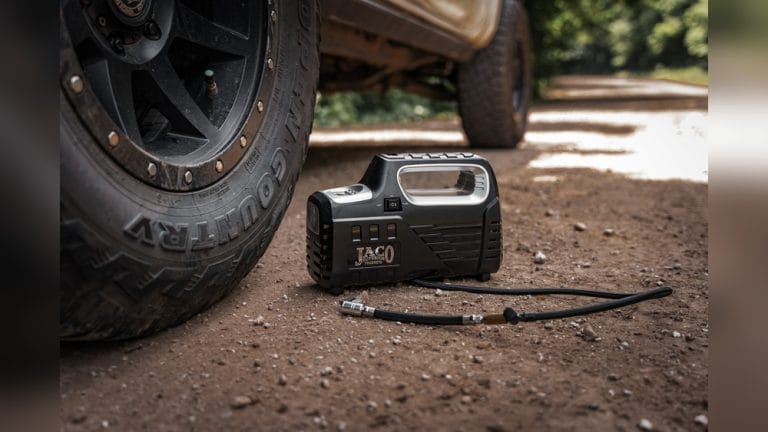
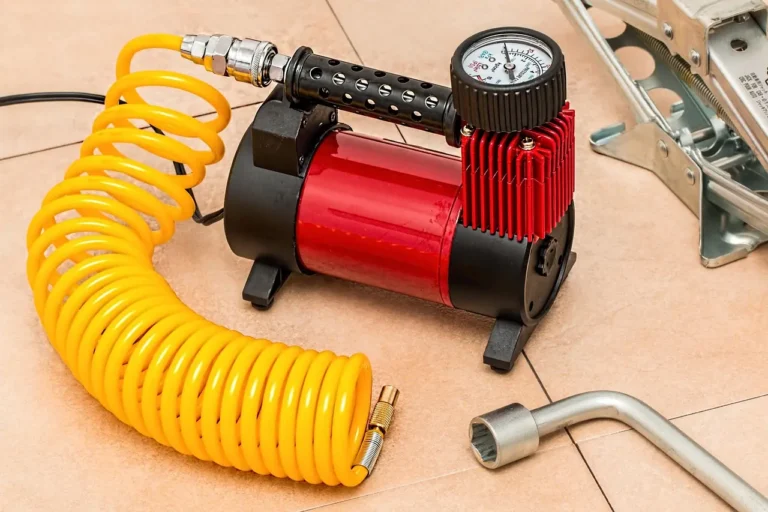
At a gas station, you’ll find air pumps. Most have built-in gauges, but it’s a good idea to have your own trusted gauge. You can also buy a portable air compressor that plugs into your car’s 12-volt outlet.
This gives you the freedom to inflate your tires at home.
Adding air is straightforward. Unscrew the valve cap on the tire. Press the air hose nozzle firmly onto the valve stem.
Air will start to flow. If you’re using a gauge, watch the reading. If you’re using a pump, it will often have a gauge.
Add air until you reach the recommended PSI. Then, replace the valve cap. Repeat for all tires, including your spare.
Your Tire Pressure Checklist
Tool Needed: Tire Pressure Gauge.
Frequency: Monthly, and before long trips.
When to Check: Tires cold (car hasn’t moved for 3+ hours).
Where to Inflate: Gas stations, portable compressor.
When to Seek Professional Help
While most underinflation issues are easy to fix yourself, there are times when you need a mechanic. If you are constantly having to add air to your tires, something is likely wrong.
A slow leak might be from a small puncture in the tread or sidewall. A nail or screw can cause this. Even a small hole will let air out over time.
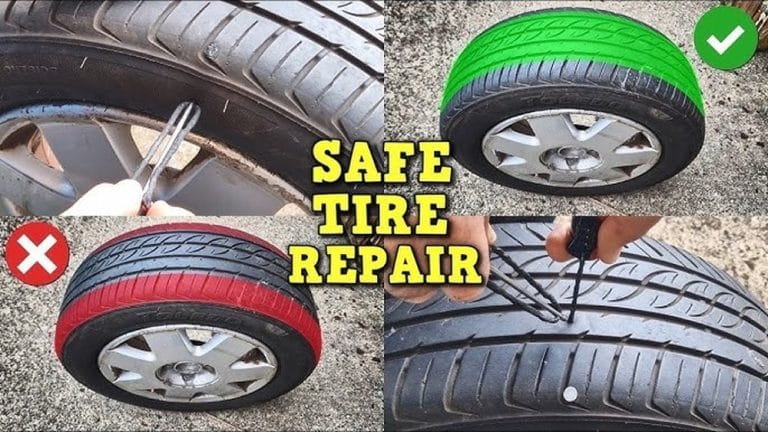
The tire shop can usually patch these small punctures from the inside. This is a permanent fix.
Sometimes, the leak is more serious. It could be a crack in the tire’s sidewall. This is often due to age or damage.
A cracked sidewall means the tire needs to be replaced. There’s no safe way to repair a damaged sidewall.
Another common culprit is a faulty valve stem. This is the small rubber or metal part where you put air in. If the rubber seal wears out or cracks, it can leak air.
Valve stems are relatively inexpensive to replace. It’s a good idea to have them checked when you get new tires.
The rim itself could also be the problem. If the wheel rim is bent, corroded, or damaged, it might not create a perfect seal with the tire. This can cause air to leak.
In some cases, the rim can be repaired. In others, it might need to be replaced.
If you notice your tires losing pressure very quickly, or if you see visible damage, it’s best to get professional help. Driving on a severely underinflated tire, or a tire with visible damage, is very risky. A tire shop has the tools and expertise to diagnose and fix these more complex issues.
Frequent Questions About Tire Pressure
Why do my tires lose air when it gets cold?
When the temperature drops, the air inside your tires becomes denser. This means the air molecules are closer together, taking up less space. This causes the pressure inside the tire to decrease.
For every 10-degree Fahrenheit drop in outside temperature, you can expect your tire pressure to go down by about 1 PSI.
How often should I check my tire pressure?
It’s a good habit to check your tire pressure at least once a month. You should also check them before any long road trips. This routine checking helps you catch any gradual leaks or pressure changes before they become a problem.
What is the difference between the PSI on the tire and the PSI on the door sticker?
The PSI number on the tire sidewall is the maximum pressure the tire can safely hold. It’s not the recommended pressure for your car. The correct tire pressure for your vehicle is listed on a sticker located on the driver’s side doorjamb, fuel filler door, or in your owner’s manual.
Always use the pressure recommended on the vehicle sticker.
Can I use just any air pump to inflate my tires?
Yes, you can use most air pumps found at gas stations. It’s best to use your own tire pressure gauge to double-check the pressure after inflating. If you’re using a pump with a built-in gauge, make sure it reads accurately.
Some car accessory stores sell portable compressors that plug into your car’s power outlet, which are very convenient.
What happens if I ignore low tire pressure?
Ignoring low tire pressure can lead to several serious issues. These include increased risk of tire blowouts, reduced fuel efficiency, uneven and accelerated tire wear, and compromised handling and braking performance. It makes your car less safe to drive and costs you more money in the long run.
Is it safe to drive on tires that are significantly underinflated?
No, it is not safe to drive on significantly underinflated tires. They are much more prone to overheating and a sudden blowout, which can cause you to lose control of your vehicle. It also greatly impairs your car’s ability to handle and stop safely.
If you suspect severe underinflation, pull over safely and check your tires.
Conclusion: A Simple Habit for Safer Driving
Taking care of your car’s tires is one of the most basic yet vital aspects of vehicle maintenance. What happens if your vehicle’s tires are underinflated? They become a danger to you and others.
They cost you more money. They make your car less responsive. It all comes down to a simple habit: checking your tire pressure regularly.
This small effort can prevent big problems.
By understanding the risks and knowing what to do, you can keep your tires in top shape. This ensures your car drives safely and efficiently. It’s a small step with huge rewards for your wallet and your peace of mind on the road.
Make it a routine, and you’ll be glad you did.
See also best way to pop a car tire you should actually know. See also best car tyres for indian roads top rated options in 2026.
Products related to this article
Sponsored / affiliate links. As an Amazon Associate I earn from qualifying purchases. I may earn additional commission from eligible campaigns.