How To Know If Your Car Tire Is Flat (Easy Ways To Tell)
A flat tire is a tire that has lost most or all of its air. This can happen due to a puncture, a leak, or damage to the wheel rim. Knowing the signs helps you react fast.
You can often tell by looking, listening, and feeling how your car drives.
What It Means When Your Tire Looks Flat
A tire’s main job is to hold air. This air pressure is what keeps the tire firm and round. It also carries the weight of your car.
When air escapes, the tire can’t do its job right. This causes it to sag or look deflated. A flat tire can be dangerous.
It makes driving hard and can hurt your car’s parts.
The tire has a strong rubber wall. This wall holds the air inside. When air leaks out, the wall starts to bend.
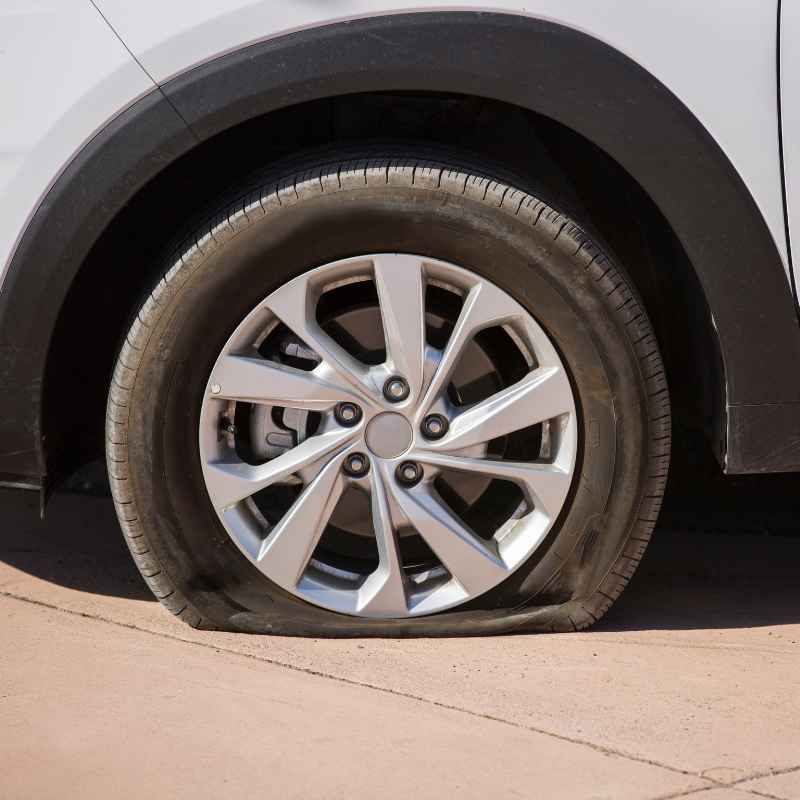
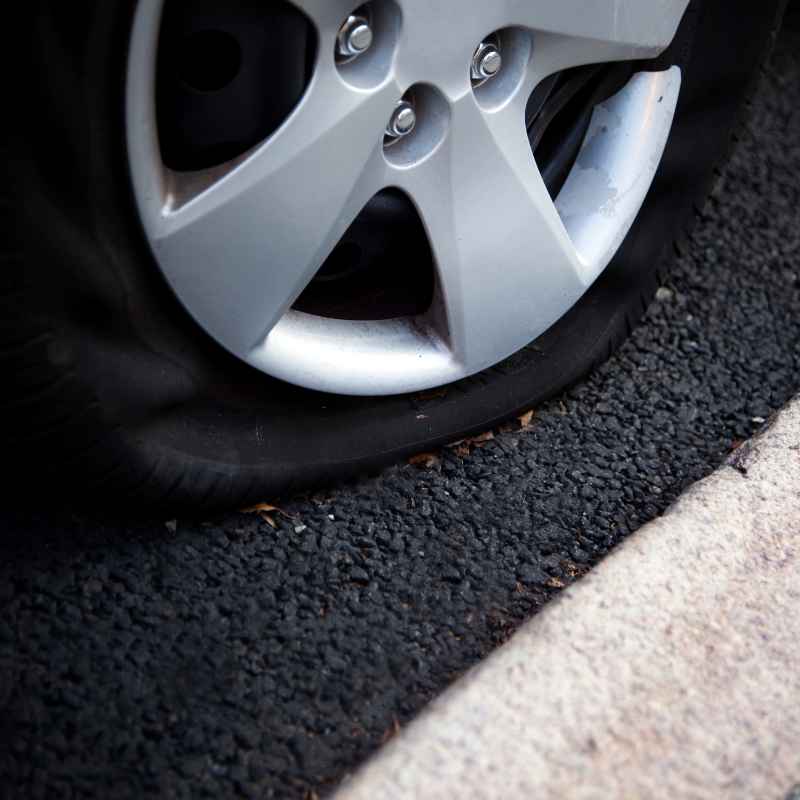
It pushes outward on the ground. You will see a part of the tire that looks squished. It won’t look like the other tires on your car.
This is the most obvious sign that something is wrong.
My Own Scare with a Soft Tire
I remember one crisp autumn morning. I was heading out for a weekend camping trip. Coffee in hand, music low, feeling good.
As I pulled out of my driveway, the car veered sharply to the right. It wasn’t a big pull, but it was noticeable. Then I heard it – a soft, rhythmic thudding sound coming from the front passenger side.
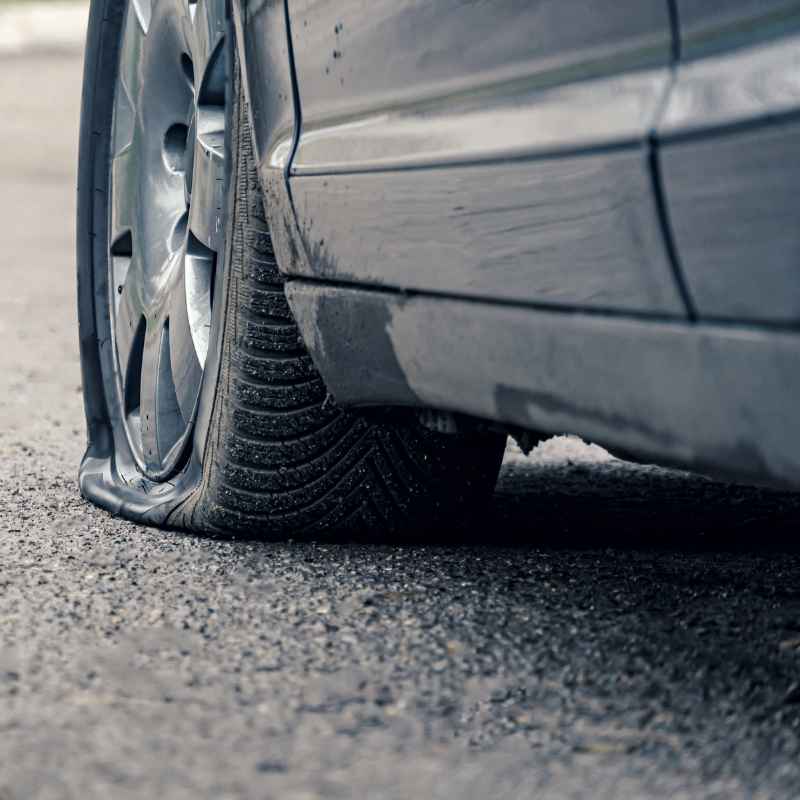
My stomach did a little flip. I pulled over to the side of the road, a bit embarrassed but mostly worried. Getting out, I saw it immediately.
The front passenger tire was visibly sagging. It looked like it had been deflated all night. I felt a wave of relief wash over me that I had noticed it before driving far.
It could have been much worse.
That experience taught me to trust my gut and pay attention to my car. Even small changes in how a car feels can mean a lot. It also made me appreciate how important it is to know the basic signs of a flat tire.
It’s not just about the look; it’s about the sounds and how the car behaves.
Tire Check List: Quick Glance
Look: Is the tire bulging? Does it look lower than others? Is the rim touching the ground?
Listen: Do you hear a hissing sound? A rhythmic thumping or flapping?
Feel: Does the car pull to one side? Is steering harder than usual? Does the car shake?
How Your Car Behaves on a Flat Tire
A flat tire changes how your car handles. This is because the weight of the car is not supported evenly. The tire that is low on air can’t grip the road right.
This makes it hard to steer.
You might feel the car pulling. It will lean towards the side with the flat tire. This is because that side of the car is lower.
It’s like walking with one shoe having a flat sole. You’ll feel off-balance.
Steering can become heavy. It takes more effort to turn the wheel. This is a big sign.
Your car should feel easy to control. If it feels sluggish, check your tires. Turning might also feel jerky.
This happens when the car struggles to move.
Driving Feel: What’s Different
Car Pulls to One Side: This is a very common sign. The car leans into the flat tire.
Steering Issues: The steering wheel feels stiff or hard to turn. You might need more force.
Vibrations or Shaking: The car might shake, especially at higher speeds. This is the unbalanced wheel.
Weird Noises: Listen for thumping, flapping, or dragging sounds.
The Sounds of a Deflating Tire
Sometimes, you can hear a flat tire before you even see it or feel it. Air escaping can make noise. It might be a gentle hiss.
Or it could be a louder sound if the leak is big.
You might hear a soft flapping noise. This happens when the tire is very flat. The rubber edges might be scraping the road.
This sound is usually low and constant. It can get louder as you drive faster.
A steady thumping is also a clue. It’s like a drum beat that matches how fast your wheels are turning. This happens when the tire is not round anymore.
It hits the ground unevenly. It’s a clear signal that something is wrong with that tire.
What Do These Sounds Mean?
Hissing Sound: Usually means air is actively leaking out. It could be a small nail or a valve stem issue.
Thumping Sound: This is often heard when the tire is significantly deflated. The tire is no longer a smooth circle.
Flapping or Dragging: A very dangerous sound. It means the tire is severely flat and the rubber may be touching the road surface.
Visual Checks: What to Look For
The easiest way to check for a flat is to look. Take a good look at all your tires. Compare them to each other.
The flat one will stand out.
Look at the sidewall of the tire. This is the part between the wheel rim and the tread. If the tire is flat, this part will bulge out towards the ground.
It will look soft and saggy. The top of the tire will seem lower than it should be.
Check the gap between the tire and the wheel well. This is the space above the tire. If a tire is flat, this gap will be much smaller.
The tire will look like it’s touching the edge of the car’s body. The wheel rim might even be sitting on the pavement.
Another visual clue is the tread. The part of the tire that touches the road is the tread. When a tire is flat, the tread can look uneven.
One side might be more worn than the other. Or the whole tire may look flattened on the bottom.
Visual Inspection Guide
Bulging Sidewalls: The sides of the tire puff out excessively near the ground.
Uneven Stance: The car sits lower on one side compared to the others.
Rim Contact: The metal wheel rim touches the ground, indicating a severe deflation.
Valve Stem Check: Sometimes, you can see a small puncture or damage at the valve stem, where air goes in.
Using Your Senses: A Holistic Approach
Don’t rely on just one sense. Use all of them to get the full picture. Your eyes will see the shape.
Your ears will hear the sounds. Your hands will feel the steering wheel. Your body will feel the car’s movement.
When you get in your car, take a moment. Feel the steering wheel. Does it feel normal?
When you start driving, notice how the car moves. Does it feel steady? Or is there a slight wobble or pull?
These feelings are your car talking to you.
Always check your tires before long trips. A quick walk around the car can save you a lot of trouble. Look at the tires when they are cold.
This is when they have the least amount of air pressure. This makes any flatness more noticeable.
Sensory Check Summary
Sight: Visible sag, bulging sidewalls, uneven tire height.
Sound: Hissing, thumping, flapping, or rhythmic pounding.
Touch/Feel: Car pulling, steering difficulty, car shaking or vibrating.
Intuition: That “something’s not right” feeling often comes from subtle sensory input.
When Is a Tire Just Low, and When Is It Truly Flat?
There’s a difference between a tire that’s a little low on air and one that’s flat. Most tires need a certain amount of air pressure to work right. This is shown on a sticker in your car door frame.
It’s also in your car’s manual.
A tire that is low on air will look a bit soft. It might sag a little. But it will still hold its shape somewhat.
The car might pull slightly. It won’t feel as bouncy as a fully inflated tire.
A flat tire has lost almost all its air. It looks very saggy. The sidewall is bent over.
The rim might be on the ground. Driving on a flat tire is very bad for the tire. It can also damage your car’s suspension and steering parts.
Low vs. Flat: Key Differences
Low Tire: Visible sag, slight pull, steering okay, tire holds shape mostly.
Flat Tire: Extreme sag, significant pull, heavy steering, rim may touch ground, tire shape lost.
Action for Low: Add air. Check for leaks.
Action for Flat: Do not drive. Change tire or call for help.
Can You Tell If a Tire Is Flat While Driving?
Yes, you often can tell if a tire is flat while driving. The signs become more obvious when the car is moving. The pulling, the sounds, and the shaking get worse.
These are all warnings that a tire isn’t right.
A strong pull to one side is a big clue. If you have to fight the steering wheel to keep the car straight, stop. This is a safety issue.
A flat tire can cause you to lose control of the car.
The noise is also a giveaway. A soft thudding or flapping sound will get louder. It will be very hard to ignore.
If you hear these noises, it’s time to pull over safely. Do not keep driving.
Driving Clues for a Flat Tire
Sudden Pull: A noticeable and sharp pull to one side.
Loud Noises: Thumping, flapping, or grinding sounds increase.
Car Sways: The car feels unstable and rocks side to side.
Warning Lights: Some modern cars have tire pressure warning lights. This is a direct alert.
What to Do If You Think Your Tire Is Flat
If you suspect a flat tire, the first thing to do is slow down. Find a safe place to pull over. This could be a shoulder on the highway or a parking lot.
Turn on your hazard lights.
Once you are safely stopped, get out and look at the tires. Compare them. If one looks significantly lower, it’s likely flat.
Listen for any hissing sounds.
If you have a spare tire and the tools to change it, you can do it yourself. Make sure you know how to do this safely. If not, call for roadside assistance.
Most car insurance plans offer this service.
Never drive on a completely flat tire. It will destroy the tire and can damage your car. It’s better to wait for help or change it yourself.
Immediate Steps for a Suspected Flat
Slow Down Gently: Avoid sudden braking.
Find a Safe Spot: Pull completely off the road.
Turn On Hazards: Alert other drivers.
Assess the Tire: Visually inspect all four tires.
Call for Help: If unsure or unable to change it.
Common Causes of Flat Tires
Flat tires happen for a few main reasons. The most common is a puncture. This is when something sharp, like a nail or a piece of glass, goes through the tire rubber.
Another cause is a valve stem leak. The valve stem is the small nozzle where you add air. If it’s damaged or not sealed properly, air can escape.
Sometimes, the tire might lose air slowly over time. This is called a slow leak. It might be from a small puncture that isn’t obvious.
Or it could be from the bead of the tire not sealing well against the wheel rim.
Damage to the wheel rim itself can also cause a flat. If the metal rim is bent or cracked, it can let air out. Extreme temperature changes can also affect tire pressure.
Why Tires Go Flat
Punctures: Nails, screws, glass, sharp rocks.
Valve Stem Issues: Leaks, damage, or wear.
Sidewall Damage: Cuts or bubbles on the side of the tire.
Rim Damage: Bent or cracked wheel rims.
Underinflation: Driving on tires with too little air can cause damage and leaks.
What Does a Tire Pressure Monitoring System (TPMS) Tell You?
Many newer cars have a Tire Pressure Monitoring System, or TPMS. This system uses sensors inside your tires. It keeps track of the air pressure in each tire.
If the pressure in a tire drops too low, the TPMS will light up on your dashboard.
This light is usually an orange symbol that looks like a tire with an exclamation mark inside it. It’s a very helpful alert. It tells you there’s a problem with tire pressure before it becomes a full flat.
The TPMS is not a substitute for checking your tires visually. Sometimes, the system can be slow to react. Also, it might not tell you if a tire is losing air very slowly.
It’s best to check your tires manually every so often.
TPMS: Your Car’s Tire Alert
Function: Monitors air pressure in each tire.
Alert: Dashboard light illuminates when pressure is low.
Benefit: Early warning of potential flat tires or underinflation.
Limitation: Not a replacement for manual checks; may not detect very slow leaks.
How to Check Tire Pressure Accurately
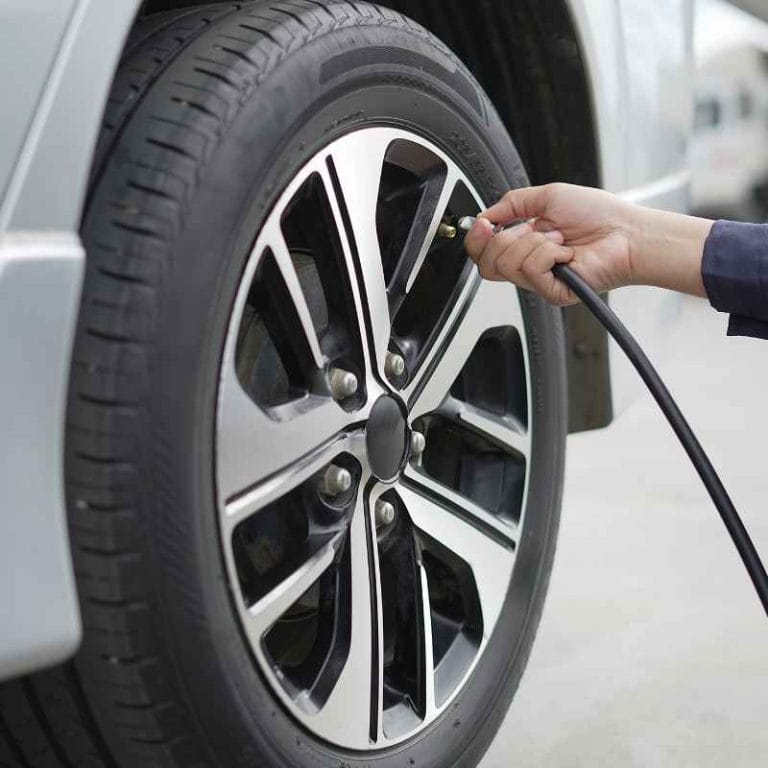
To check your tire pressure, you need a tire pressure gauge. You can buy these at auto parts stores. They are inexpensive.
First, find the recommended tire pressure for your car. This is usually on a sticker inside the driver’s side door jamb. It might also be in your owner’s manual.
Do not use the pressure listed on the tire sidewall. That is the maximum pressure the tire can hold, not the recommended pressure for your car.
Remove the valve stem cap from one of your tires. Press the gauge firmly onto the valve stem. It should make a hissing sound for a second.
Then, the gauge will show you the air pressure reading.
Compare the reading to the recommended pressure. If it’s lower, you need to add air. If it’s higher, you can let some air out by pressing the little pin in the center of the valve stem.
Replace the valve stem cap when you are done. Repeat for all tires.
Tire Pressure Check Steps
1. Find Recommended PSI: Check the driver’s door jamb sticker or owner’s manual.
2. Get a Gauge: Use a reliable tire pressure gauge.
3. Remove Valve Cap: Unscrew the cap from the tire’s valve stem.
4. Measure Pressure: Press the gauge firmly onto the valve stem.
5. Read and Adjust: Compare to recommended PSI and add or release air as needed.
6. Replace Cap: Screw the valve cap back on securely.
Is It Dangerous to Drive on a Low Tire?
Yes, it is dangerous to drive on a low tire. Even if it’s not completely flat, driving on an underinflated tire can be risky. It affects your car’s handling.
It makes braking harder.
A low tire can overheat. This is because the tire flexes more than it should. Overheating can lead to a blowout.
This is when the tire suddenly bursts. A blowout at speed can cause you to lose control of the car.
It also causes uneven tire wear. The edges of the tire will wear down faster than the center. This means you’ll need to replace your tires sooner.
It also uses more fuel, so you’ll be stopping at the gas station more often.
Risks of Driving on Low Tires
Poor Handling: Car pulls, steers poorly, and is less stable.
Increased Braking Distance: It takes longer to stop your car.
Tire Overheating: Can lead to a sudden and dangerous blowout.
Uneven Wear: Reduces tire lifespan and increases replacement costs.
Reduced Fuel Economy: Your car uses more gas.
How to Prevent Flat Tires
Preventing flat tires is easier than fixing them. Regular maintenance is key. Make sure your tires are always properly inflated.
Check the pressure at least once a month.
Inspect your tires regularly for any signs of damage. Look for cuts, bulges, or embedded objects like nails. If you find something, get it checked by a professional.
They can often repair small punctures.
Avoid driving over potholes or debris. These can damage your tires and wheels. Also, make sure your wheels are balanced.
Unbalanced wheels can cause vibrations that can harm your tires over time.
When you buy new tires, choose good quality ones. High-quality tires are often more resistant to punctures. Rotate your tires regularly.
This helps them wear evenly, which can prevent some types of damage.
Preventative Tire Care
Maintain Correct Air Pressure: Check monthly.
Inspect Tires Often: Look for cuts, bulges, and embedded objects.
Avoid Road Hazards: Drive carefully around potholes and debris.
Regular Rotation and Balancing: Ensures even wear and reduces stress.
Choose Quality Tires: Invest in durable tires.
When to Get Professional Help for a Tire Issue
Sometimes, a tire problem is more than you can handle on your own. If you see a large gash in your tire sidewall, it’s usually not repairable. These are often dangerous and need replacement.
If you hear a loud bang and then your car pulls hard, you might have had a blowout. This requires immediate attention and probably a new tire. Don’t try to drive on a blown-out tire.
If your tire pressure light stays on even after you’ve added air, there might be a leak you can’t find. Or the TPMS sensor might be faulty. A tire shop can diagnose these issues.
If you’re unsure about changing a tire, or if you’re in an unsafe location, call for professional help. It’s better to be safe than sorry. Roadside assistance services are there for these situations.
When to Call a Pro
Large Sidewall Damage: Cuts or bubbles you can see.
Blowout: A sudden loud pop and loss of control.
Persistent Low Pressure: Light stays on, or tire keeps losing air.
Uncertainty or Unsafe Location: If you don’t feel safe or know what to do.
Rim Damage: Bent or cracked wheel rims.
Understanding Tire Markings: What They Mean
Tires have lots of numbers and letters on their sides. These are called tire markings. They tell you a lot about the tire.
For example, 32 PSI is the recommended pressure for many cars. The tire itself might show MAX PRESS 51 PSI. This is the most air it can safely hold.
Other markings tell you the tire size. Like P215/60R16. ‘P’ means passenger car tire.
‘215’ is the width in millimeters. ’60’ is the aspect ratio (the height of the sidewall as a percentage of width). ‘R’ means radial.
’16’ is the rim diameter in inches.
You’ll also see codes for treadwear, traction, and temperature grades. These tell you about the tire’s performance. Treadwear is how long the tire is expected to last.
Traction shows how well it stops on wet surfaces. Temperature shows its resistance to heat build-up.
Decoding Tire Markings
Max Press: Maximum air pressure the tire can hold.
Tire Size (e.g., P215/60R16): Width, sidewall height percentage, construction type, rim diameter.
Treadwear: Durability rating.
Traction: Stopping ability on wet roads.
Temperature: Resistance to heat build-up.
Final Thoughts on Tire Safety
Knowing how to spot a flat tire is a key part of being a safe driver. It’s about more than just avoiding inconvenience. It’s about safety for you and others on the road.
Regularly checking your tires, listening to your car, and understanding the signs will help you stay safe.
Don’t ignore your tires. They are the only part of your car that touches the road. Keeping them in good shape is essential.
A little bit of attention can prevent big problems and keep you rolling smoothly and safely.
Frequently Asked Questions
What is the most common reason for a flat tire?
The most common reason for a flat tire is a puncture from a sharp object like a nail, screw, or piece of glass.
How long can I drive on a flat tire?
You should not drive on a flat tire at all. Driving on a flat tire can severely damage the tire, the wheel rim, and other parts of your car, like the suspension and brakes. If you must move a very short distance, do so at a very low speed, but it’s best to change it immediately or call for assistance.
Can a flat tire fix itself?
No, a flat tire cannot fix itself. If a tire is flat, it has lost its air pressure due to a leak or puncture. It needs to be repaired or replaced.
Driving on it will only cause more damage.
How often should I check my tire pressure?
You should check your tire pressure at least once a month and before any long trips. It’s also a good idea to check them when they are cold, as temperature can affect the reading.
What is the difference between a slow leak and a flat tire?
A slow leak means the tire loses air gradually over time, so it might look a bit low but not completely flat. A flat tire has lost most or all of its air and appears visibly deflated, often sagging significantly.
Can I tell if my tire is flat by looking at it from a distance?
Sometimes, yes. A very flat tire will be visibly sagging and much lower than the other tires. However, for tires that are just low on air, you might need to get closer or use a gauge to tell for sure.
What should I do if my tire light comes on while driving?
If your tire pressure warning light comes on, find a safe place to pull over as soon as possible. Check your tires for visible signs of flatness. If you can’t find an obvious issue, you can try adding air if you have a gauge and pump, or call for roadside assistance.
},
},
},
},
},
},
}
]
}
See also can car tires be recycled here’s everything you should know.