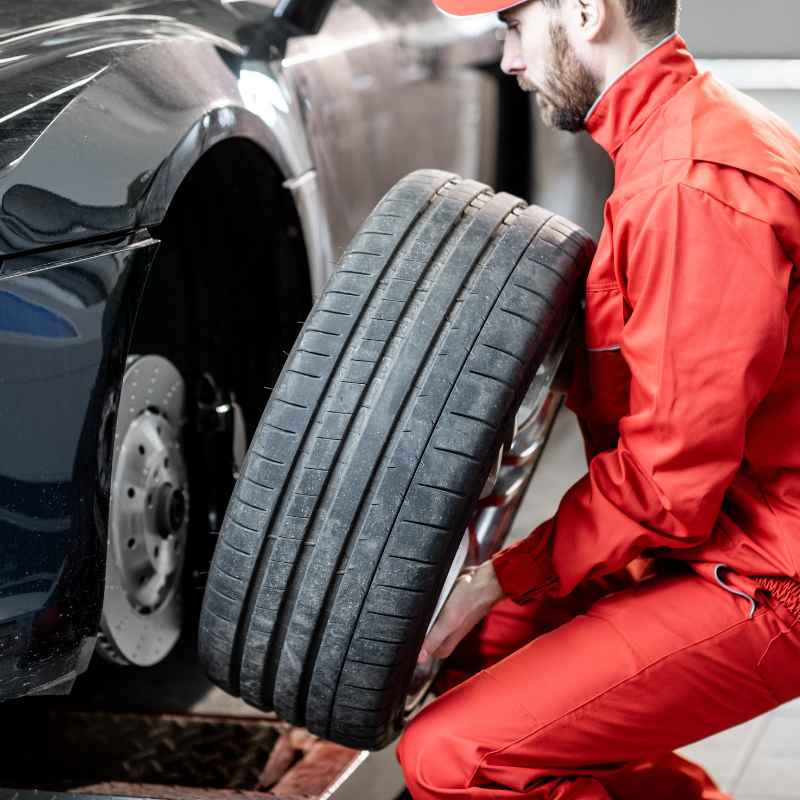
Should You Change Car Tyres In Pairs? Here’S The Truth
It’s a question many car owners face: when one tyre is worn out, do you replace just that one, or buy a pair? This can feel like a tricky decision. You want to do what’s best for your car and your wallet.
Getting it wrong could mean trouble. It might affect how your car handles. It could even make things unsafe. We’ll break down exactly what you need to know. You’ll learn how to make the smartest choice for your vehicle.
When one car tyre is worn out, it’s best to replace them in pairs on the same axle. Replacing tyres individually can lead to uneven wear, poor handling, and reduced safety. Always aim for matching tyres on each axle for optimal performance and vehicle stability.
Understanding Tyre Wear and Why It Matters
Tyres are the only part of your car that touches the road. They are super important for driving. They help you steer, stop, and go. When tyres wear down, they don’t work as well. This is especially true for steering and braking.
Tyre wear happens for many reasons. One big reason is how much you drive. More miles mean more wear. Your driving style also plays a part. Driving fast or braking hard wears tyres out faster.
The air pressure in your tyres is key. If it’s too low or too high, the tyre wears unevenly. This is called uneven tyre wear. It can make your tyres wear out faster in some spots. It also affects how your car drives.
Alignment is another big factor. Your car’s wheels need to be lined up just right. If they aren’t, the tyres can scrub against the road. This causes them to wear out fast. You might see strange patterns on the tyre.
Balance is also crucial. Tyres need to be balanced. This means they spin smoothly. If they are out of balance, they can cause vibrations. This vibration can lead to uneven wear over time.
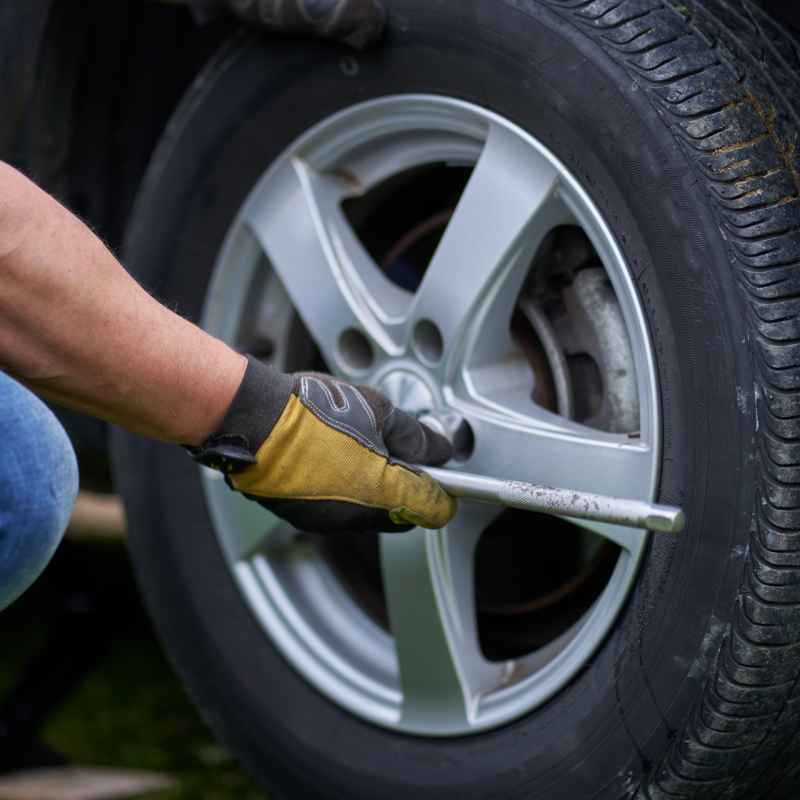
The Mechanics of How Tyres Work Together
Think of your car’s tyres as a team. They all work together. They help your car stay on the road. They provide grip. This grip is what lets you turn corners. It also helps you stop quickly.
Your car has two axles. One is the front axle. The other is the back axle. Each axle usually has two tyres. These tyres on the same axle share the load. They also work together for steering and stability.
When you brake, all four tyres help stop the car. If one tyre is much newer or has more tread, it grips better. This means it does more of the stopping. The older tyre might not help as much.
When you turn, the tyres on the front axle steer the car. The rear tyres help keep it stable. If the front tyres have different amounts of grip, it can make steering feel weird. The back tyres need to match too.
This balance is important. It helps your car drive smoothly. It keeps it from pulling to one side. It also makes sure your brakes work evenly. Uneven tyres mess up this balance.
My Own “Oh No” Moment with Tyres
I remember one time, I was driving my old sedan. It was a hot summer day. I noticed my front passenger tyre looked a bit low. I thought, “No big deal, I’ll just get this one replaced.” I was in a hurry.
So, I drove to a shop and got just that one tyre changed. It looked great, nice and new. I drove away feeling good. But soon after, something felt off. My car seemed to pull a little to the left. It wasn’t a huge pull, but I felt it.
Then, when I braked, it felt… uneven. Like the car wanted to swerve slightly. I started to get a bit worried. I thought maybe I needed an alignment. I didn’t connect it to the single tyre change.
A few weeks later, I was driving on the highway. It started to rain. Suddenly, my car felt really unstable. It felt like it was hydroplaning way too easily. I slowed down a lot. I was honestly a little scared.
That’s when I finally talked to a mechanic. I told him about the pulling and the wobbling in the rain. He looked at my tyres. He pointed out the obvious. My front passenger tyre was nearly new. The other three were quite worn.
He explained how the difference in grip was making my car behave strangely. He said the new tyre was grabbing the road differently. It was messing with the car’s balance. Especially when the road was wet. He told me, “You should always change tyres in pairs on the same axle.” It was a clear lesson. I learned it the hard way.
What Happens When You Only Change One Tyre?
Changing just one tyre when others are worn sounds like a good idea. It saves money upfront. But it can cause several problems. The biggest one is how it affects your car’s handling.
When you have tyres with different tread depths, they don’t grip the road the same. A new tyre has a lot of tread. It can grab the road very well. An old tyre has less tread. It can’t grip as well, especially in wet or slippery conditions.
This difference in grip can make your car pull to one side. This is because the side with the grippier tyre tries to steer the car. It fights against the side with the less grippy tyre.
Braking is also affected. If you brake hard, the tyre with more tread will stop faster. This can make the car swerve. It means you might need more distance to stop. This is very dangerous.
Your car’s safety systems can also be tricked. Things like ABS (Anti-lock Braking System) and traction control rely on all four tyres working similarly. If one tyre is very different, these systems might not work as well. They might even give false readings.
This uneven wear can also put more stress on your car’s suspension. It can lead to other parts wearing out faster. So, while you save money initially, you might spend more later on other repairs.
When to Replace Tyres: Looking at Tread Depth
The main sign that you need new tyres is the tread depth. The tread is the pattern on the tyre. It’s what gives your tyres grip. As you drive, this tread wears away.
In the U.S., the legal minimum tread depth is 2/32 of an inch. Many experts say 4/32 of an inch is the point where you should consider replacing them, especially for safety in wet weather.
You can check your tread depth easily. Most tyres have small bars built into the grooves. These are called wear indicators. When the tread is worn down to the level of these bars, the tyre is at the minimum legal limit.
Another way is to use a tread depth gauge. You can buy these at auto parts stores. You can also use a penny. Put a penny into a tread groove with Lincoln’s head facing down. If you can see the top of Lincoln’s head, your tread is likely below 2/32 of an inch. It’s time for new tyres.
Don’t forget to check the sides of the tyre too. Sometimes, tyres can develop cracks or bulges. These are serious. They mean the tyre is damaged and needs replacing right away, even if the tread looks good.
The Importance of Matching Tyres on the Same Axle
Replacing tyres in pairs on the same axle is crucial. Let’s break down why. An axle is the bar that holds your wheels. You have a front axle and a rear axle.
On the front axle, both tyres help you steer. They also carry a lot of the car’s weight and help with braking. If these two tyres are very different in tread depth, they won’t grip the road the same. This can lead to the car pulling to one side when you steer or brake.
On the rear axle, the tyres help with stability. They keep the car balanced. If the rear tyres are very different, the car can become unstable. This is especially noticeable during turns or on slippery roads.
Imagine trying to run with one shoe that’s brand new and one that’s almost gone. It would feel awkward and you wouldn’t run very well. Your car feels this too. It needs its tyres to be as close to the same as possible on each axle.
This matching ensures that your car’s weight is distributed evenly. It also means that braking and steering forces are applied evenly. This leads to a safer and more predictable driving experience.
What About Replacing All Four Tyres at Once?
Replacing all four tyres at the same time is often the best option. It ensures that all your tyres are the same age and have the same tread depth. This gives you the most consistent grip and handling.
When all four tyres are new and matched, your car will perform at its best. Steering will be responsive. Braking will be strong and even. You’ll have consistent traction in various weather conditions.
This is especially important for cars with advanced safety features. Systems like electronic stability control and all-wheel drive work best when all tyres are equal.
While replacing all four tyres costs more upfront, it can save you money in the long run. It can prevent uneven wear on other tyres. It can also help avoid premature wear on other car parts. Plus, it gives you peace of mind knowing your car is as safe as possible.
The Case for Replacing Tyres in Pairs (But Not All Four)
Sometimes, you might have a situation where only one axle’s tyres are significantly worn. For example, front tyres often wear faster than rear tyres due to steering. If your front tyres are worn out, but your rear tyres still have plenty of tread left, you might consider replacing just the front two.
In this scenario, you would
However, you must be careful about mixing tyre types. Using different brands or models of tyres can cause problems. Even if they are the same size, they might have different grip levels and wear patterns.
When you replace just a pair, you’ll need to monitor your rear tyres more closely. You’ll need to replace them when they start to wear down. The goal is always to keep the tyres on the same axle as close to identical as possible.
What About AWD and 4WD Vehicles?
If you have an All-Wheel Drive (AWD) or Four-Wheel Drive (4WD) vehicle, tyre matching becomes even more critical. These systems send power to all four wheels. They constantly adjust power distribution.
The drivetrain in AWD and 4WD vehicles is more sensitive to tyre differences. If the tyres have different diameters due to wear, it can cause the system to work incorrectly. The system might think some wheels are slipping when they are not.
This can lead to extra wear and tear on the drivetrain components. It can also cause the car to handle strangely. Some manufacturers strongly recommend replacing all four tyres at once on AWD/4WD vehicles. Others say replacing in pairs is acceptable, but the tyres must be very close in tread depth.
Always check your car’s owner’s manual. It will have specific recommendations for tyre replacement on your AWD or 4WD vehicle. Ignoring these recommendations can lead to expensive repairs.
Infographic: Tyre Wear Patterns and What They Mean
Common Tyre Wear Signs
Center Wear
Tyre is overinflated. Air pushes out the center.
Edge Wear (Both Sides)
Tyre is underinflated. Air pushes out the sides.
One-Sided Wear
Wheel alignment is off. One side wears faster.
Feathering/Scalloping
Alignment or suspension issues. Edges feel rough.
Real-World Scenarios: When Does It Make Sense?
Let’s look at some common situations people find themselves in. This helps make the advice more practical.
Scenario 1: Regular Commuter Car
You drive about 15,000 miles a year. Mostly on highways. You have a front-wheel-drive car. Your front tyres are more worn than your rear tyres.
Recommendation: Replace the front two tyres. Make sure they match perfectly. Keep an eye on the rear tyres and plan to replace them when they get close to the front tyres’ wear level.
Scenario 2: Performance Sports Car
You have a rear-wheel-drive sports car. You like to drive it spiritedly. Your rear tyres are significantly more worn than your front tyres.
Recommendation: Replace the rear two tyres. Ensure they match. Your front tyres might still have life. However, consider that significant differences can affect handling. If the front tyres are also getting low, replacing all four might be safer.
Scenario 3: Brand New Car Owner
You just bought a new car. After a year, you notice a slow puncture on one tyre. The other three tyres look almost new.
Recommendation: You can likely replace just that one tyre. However, it’s best to check the tread depth of the other three. If they are very close in wear to the new replacement tyre, it’s fine. If they are slightly more worn, it could cause issues down the line. It’s often wise to buy a pair if you can.
Scenario 4: Used Car Purchase
You buy a used car. One tyre has a nail in it, and it needs replacing. The other three tyres look okay, but you don’t know their history.
Recommendation: This is a tricky one. It’s safest to
These scenarios show that while replacing in pairs on an axle is often the rule, there are nuances. Always assess the wear on all tyres.
Understanding Tyre Age vs. Tread Depth
It’s important to remember that tyres don’t just wear out from use. They also degrade over time. The rubber can become brittle. This happens due to exposure to sun, heat, and cold.
Tyres typically have a manufacturing date on their sidewall. It’s a four-digit code. For example, “3219” means the tyre was made in the 32nd week of 2019.
Even if a tyre has a lot of tread left, it can become unsafe if it’s too old. Most experts recommend replacing tyres that are 6 to 10 years old, regardless of tread depth. The rubber can lose its flexibility and grip. This increases the risk of a blowout.
So, when you check your tyres, look at both the tread depth and the age. A tyre with good tread but that’s 8 years old might need replacing more urgently than a 3-year-old tyre with slightly less tread.
Quick Checks You Can Do at Home
You don’t need to be a mechanic to do some basic tyre checks. These simple steps can help you stay safe.
Visual Inspection: Walk around your car. Look at all four tyres. Do they look flat? Do any seem lower than the others? Check for any obvious damage like cuts or bulges.
Tread Depth Check: Use the penny test (as mentioned before). Or, if you have a tread depth gauge, use that. Check in multiple spots on each tyre.
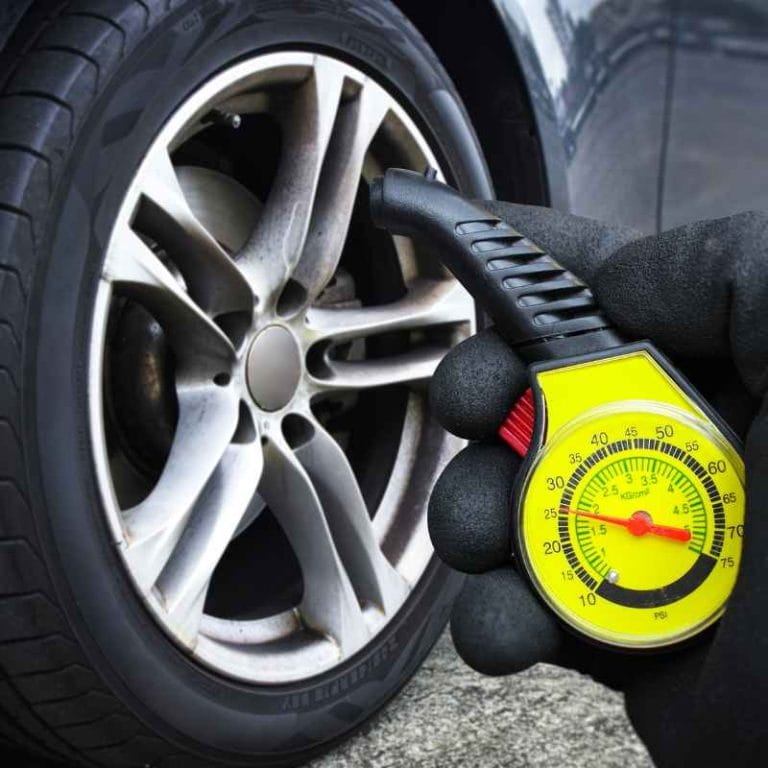
Air Pressure Check: Find the recommended tyre pressure on a sticker inside your driver’s side door jamb or in your owner’s manual. Use a tyre pressure gauge to check each tyre. Adjust the pressure as needed. Do this when the tyres are cold.
Tyre Age Check: Find the DOT code on the sidewall. Look for the last four digits to see the manufacturing date.
These quick checks can alert you to potential problems. They help you know when it’s time to visit a tyre shop.
What This Means for Your Safety and Your Car
Making the right choice about tyre replacement directly impacts your safety. It also affects your car’s longevity.
When you have matching tyres on an axle, your car handles predictably. This means you can steer and brake more confidently. This is crucial in emergency situations.
Having tyres with even tread depth helps your car’s systems work correctly. Your ABS and traction control will function as designed. This can be the difference between avoiding an accident and being in one.
For your car, proper tyre maintenance means less stress on other parts. Uneven tyres can cause vibrations that damage suspension and steering components. By replacing tyres correctly, you can help prevent these issues.
It’s about more than just avoiding a ticket for worn-out tyres. It’s about keeping yourself, your passengers, and other road users safe. It’s also about protecting your investment in your vehicle.
Frequently Asked Questions About Car Tyres
Can I mix tyre brands on the same car?
It’s generally not recommended to mix tyre brands on the same car, especially on the same axle. Different brands can have different performance characteristics, like grip levels and wear rates. This can lead to unpredictable handling and braking. If you must mix brands, ensure they are the same size, load index, and speed rating. It’s best to use matching tyres on each axle.
What is the best tyre for all-season driving?
All-season tyres are designed to provide decent performance in a variety of conditions, including light snow, rain, and dry roads. When choosing, look for tyres with good reviews for wet traction and tread life. Brands like Michelin, Continental, and Goodyear often offer reliable all-season options. Always check specific model reviews for your vehicle type.
How often should I rotate my tyres?
Tyre rotation helps ensure even wear across all four tyres. Most manufacturers recommend rotating your tyres every 5,000 to 7,500 miles. This is often done during an oil change. If you notice uneven wear patterns before then, you may need to rotate them sooner. Always check your car’s owner’s manual for the specific recommendation.
Can I put larger tyres on my car?
While it’s sometimes possible to fit larger tyres, it’s not always advisable without other modifications. Larger tyres can affect your speedometer readings, odometer accuracy, and braking performance. They can also rub against your car’s body or suspension. Consult a professional tyre shop or your vehicle’s manual before changing tyre sizes.
What does the number on the tyre sidewall mean (e.g., P215/60R16)?
This code tells you a lot about the tyre. P’ means it’s a passenger car tyre. ‘215’ is the width of the tyre in millimeters. ’60’ is the aspect ratio (the tyre’s height as a percentage of its width). ‘R’ means radial construction. ’16’ is the wheel diameter in inches.
Is it okay to buy used tyres?
Buying used tyres can be risky. While they might seem like a cost-saver, you don’t know their history. They could have internal damage, be older than they look, or have hidden wear. If you do buy used, inspect them thoroughly for cracks, bulges, and uneven wear. Ensure they have at least 4/32 inches of tread. It’s generally safer to buy new tyres.
Final Thoughts on Tyre Safety
Taking care of your car’s tyres is a vital part of driving safely. The decision to replace tyres in pairs on an axle is a key part of this. It ensures your car handles predictably and your braking is effective.
Don’t compromise on tyre safety. Always check your tread depth and tyre age regularly. When in doubt, consult a trusted mechanic or tyre professional. Your safety on the road depends on it.
See also car tires starting to crack do this before it’s too late. See also car tire that doesn’t need air airless tire options today.
Products related to this article
Sponsored / affiliate links. As an Amazon Associate I earn from qualifying purchases. I may earn additional commission from eligible campaigns.