How To Make Car Tyre Shine At Home
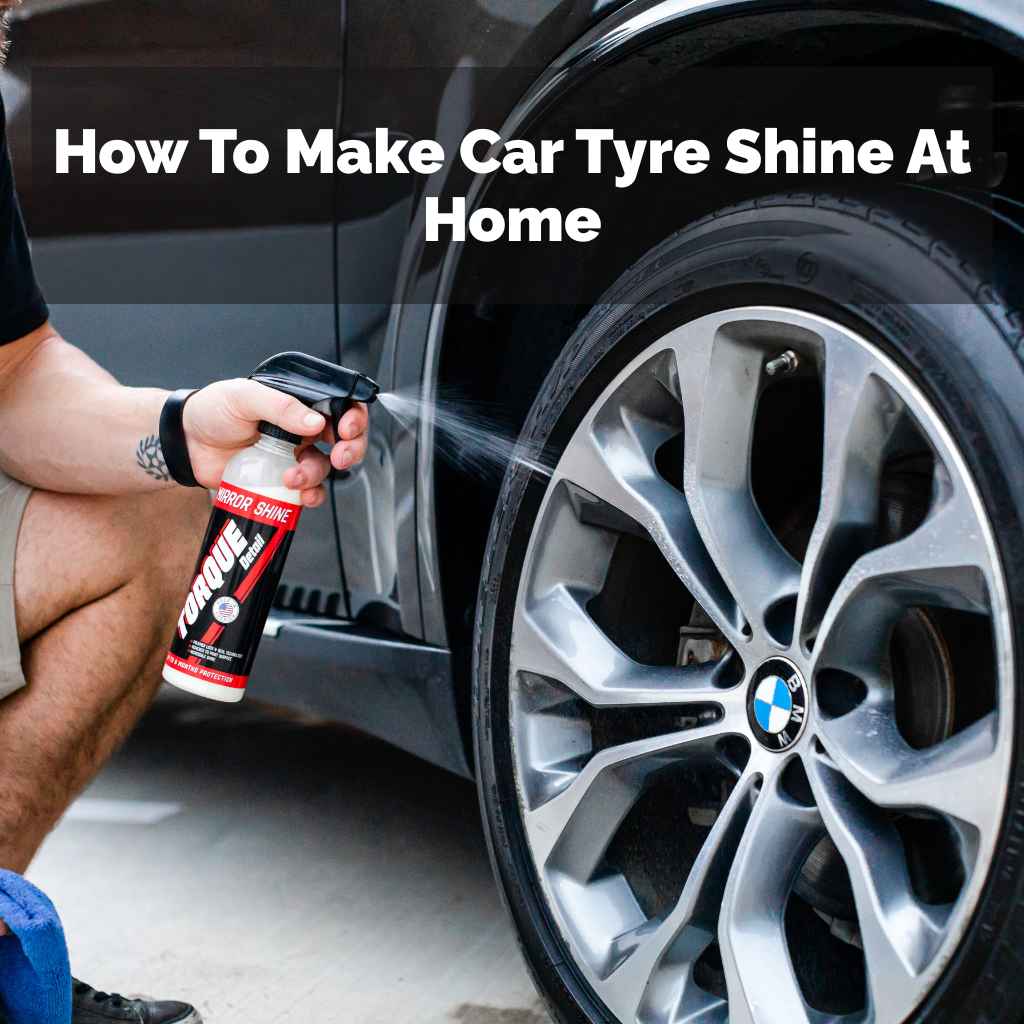
Making your car tyres shine at home is achievable with the right cleaning and dressing products. Focus on thorough cleaning to remove brake dust and road grime. Then, apply a quality tyre dressing using an applicator pad for an even, long-lasting gloss.
Avoid silicone-based sprays that can sling onto paintwork.
Understanding Tyre Shine
So, what exactly makes a tyre look shiny? It’s a combination of a few things. First, the rubber itself on your car’s tyres can get dull.
Dirt, road grime, and UV rays from the sun can really take a toll. This makes them look faded and grey, instead of that deep black.
Then there’s the actual shine. This comes from products called tyre dressings. These are liquids or sprays that you put on the tyre’s sidewall.
They add a layer of gloss. This makes the rubber look new again. It also helps protect the tyre from future damage.
Think of it like lotion for your car’s skin.
Many people want that “wet look.” This is a very deep, dark shine that makes the tyre look like it’s just come off the showroom floor. It’s a popular style. It really boosts the overall appearance of your vehicle.
But getting it right means you need to do more than just spray something on.
Why Your Tyres Lose Their Shine
Tyres face a lot out there on the road. They are constantly exposed to harsh elements. This is why they lose their shine.
Let’s break down what causes this fading and dullness.
Environmental Factors
The sun is a big culprit. Its ultraviolet (UV) rays break down the rubber. This makes the tyre look faded and chalky.
Rain and moisture can also leave water spots. These look bad and can attract more dirt. Road salt in winter also attacks the rubber.
It can cause premature aging.
Road Grime and Contaminants
Every time you drive, your tyres pick up dirt. This includes mud, dust, and tar. Brake dust is also a huge problem.
It’s made of metal particles. It sticks to your tyres like glue. This grey film covers the black rubber.
It makes your tyres look dirty even when they aren’t.
Old or Incorrect Products
Sometimes, the products you use can harm your tyres. Old dressings might dry out and crack. Sprays that fling off can leave an uneven, patchy look.
Some products are too harsh. They can strip away the tyre’s natural protective oils. This speeds up fading.
The Right Way to Clean Your Tyres
Before you can make your tyres shine, you must clean them. This is the most important step. If you try to put a shine product on a dirty tyre, it won’t look good.
It will just look like a shiny dirt tyre.
Gather Your Supplies
You’ll need a few things. Get a good wheel and tyre cleaner. A dedicated product works best for brake dust.
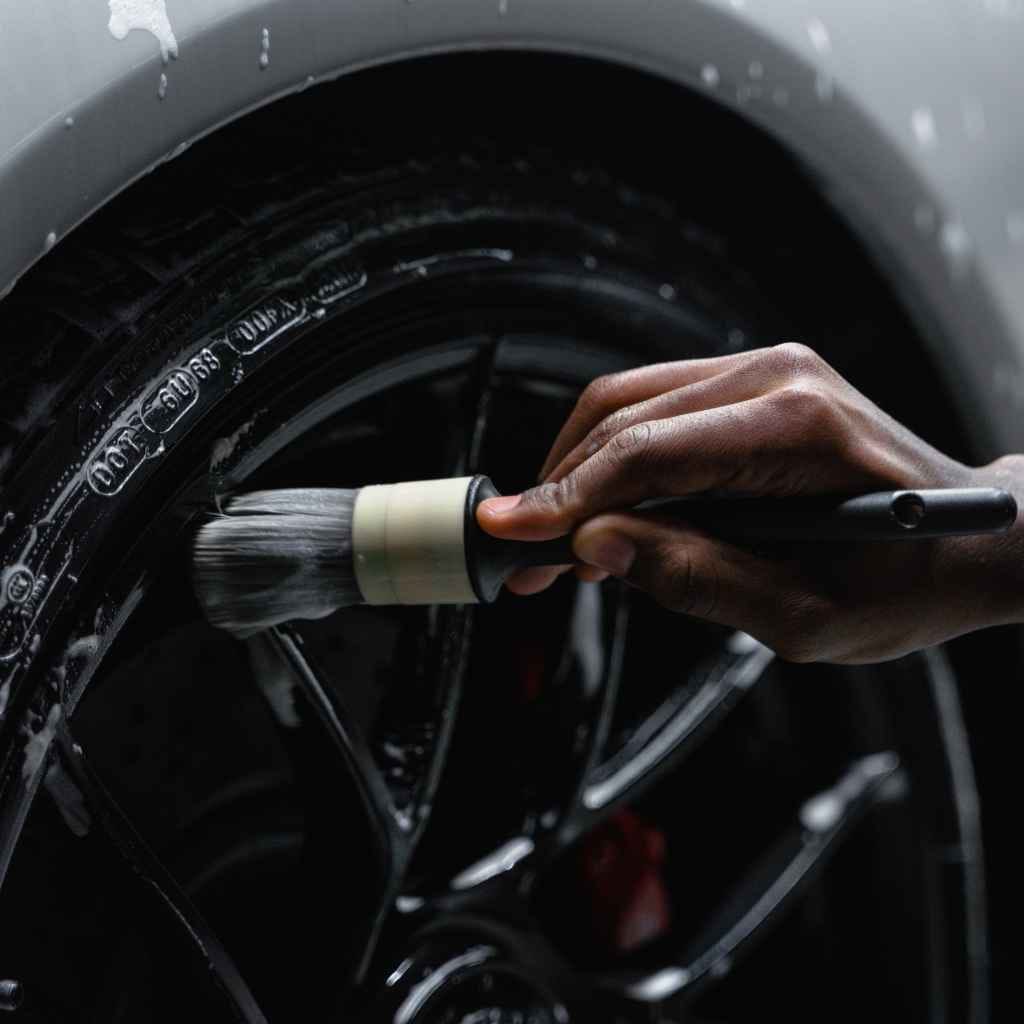
You’ll also need a stiff-bristled brush. This is for scrubbing the sidewall. A separate brush for the wheels is smart.
You’ll also need a hose or pressure washer. And don’t forget clean microfiber towels.
I remember one time I was cleaning my car for a show. I rushed the tyre cleaning. I just sprayed some soap and wiped.
The dressing looked okay at first. But as I drove, I saw streaks. The brake dust was still there, just shinier.
It looked terrible. I had to stop and re-clean them. It taught me a valuable lesson about prep work.
The Cleaning Process
First, wet the tyre. Then, spray the tyre cleaner generously. Let it sit for a minute or two.
This gives it time to break down the dirt. Now, take your stiff brush. Scrub the tyre sidewall well.
Get into all the grooves and textured areas. You’ll see a lot of dirty foam. Rinse the brush often.
After scrubbing, rinse the tyre thoroughly. Make sure all the cleaner and dirt is gone. Check the tyre again.
If you still see grey spots or brake dust, repeat the cleaning process. Don’t be afraid to scrub hard. Tyres are tough.
They can handle it. A clean tyre is key to a good shine.
Essential Cleaning Tools
Stiff Bristle Brush: For deep cleaning tyre sidewalls and removing stubborn grime. Look for one with a comfortable grip.
Wheel Cleaner: A pH-neutral formula is best for most wheels. For heavy brake dust, a stronger cleaner might be needed. Always test in an inconspicuous spot first.
Tyre Cleaner: A dedicated tyre cleaner works wonders on rubber. It helps lift dirt that wheel cleaner might miss.
Microfiber Towels: Use these for drying and wiping down. Have plenty on hand.
Choosing the Right Tyre Dressing
Once your tyres are clean and dry, it’s time for the shine. This is where tyre dressings come in. There are different types.
Each gives a different look and lasts for a different amount of time.
Types of Tyre Dressings
You’ll find water-based and solvent-based dressings. Water-based ones are generally safer. They don’t contain harsh chemicals.
They tend to dry to a satin or matte finish. They are less likely to sling onto your car’s paint. They are a good choice for a natural look.
Solvent-based dressings often give a high-gloss, wet look. They can be very effective. But they can also be harsh on the rubber.
They might also contain silicones. These can attract dust and sling onto your car. They might also dry out the tyre over time.
Use these with caution. Always read the label.
Gels vs. Sprays vs. Wipes
Tyre dressings come in different forms. Sprays are easy to apply. You just mist them on.
But they can be hard to control. You might get overspray on your wheels or paint. Gels are thicker.
They offer more control. You apply them with an applicator pad.
This lets you spread the product evenly. It also helps you avoid getting it on the wheel rim. Wipes are pre-soaked.
They are very convenient for touch-ups. But they might not give the best coverage for a full shine. For a deep, even shine, gels are often the best bet.
I experimented with a lot of dressings early on. Some made my tires look greasy. Others washed off after the first rain.
I found that a good quality gel dressing applied with a foam applicator gave me the best results. It was controllable and lasted much longer.
Dressing Styles at a Glance
Satin/Matte Finish (Water-Based)
- Looks natural, like new rubber.
- Lasts a moderate amount of time.
- Less prone to slinging.
- Good for everyday use.
High Gloss/Wet Look (Solvent-Based or Advanced Water-Based)
- Deep, dark, and very shiny.
- May require more frequent application.
- Can attract dust.
- Best for shows or special occasions.
Applying Tyre Dressing Like a Pro
The way you apply the dressing matters. A good application makes the shine look even and last longer. A bad application looks streaky and messy.
Don’t rush this part. Take your time.
Preparation is Key
Make sure your tyres are completely dry. If there’s any water left, the dressing won’t stick well. This can lead to streaks.
Also, ensure your wheels are clean. You don’t want to accidentally get dressing on them. You can tape off your wheels if you’re worried about overspray.
Using an Applicator Pad
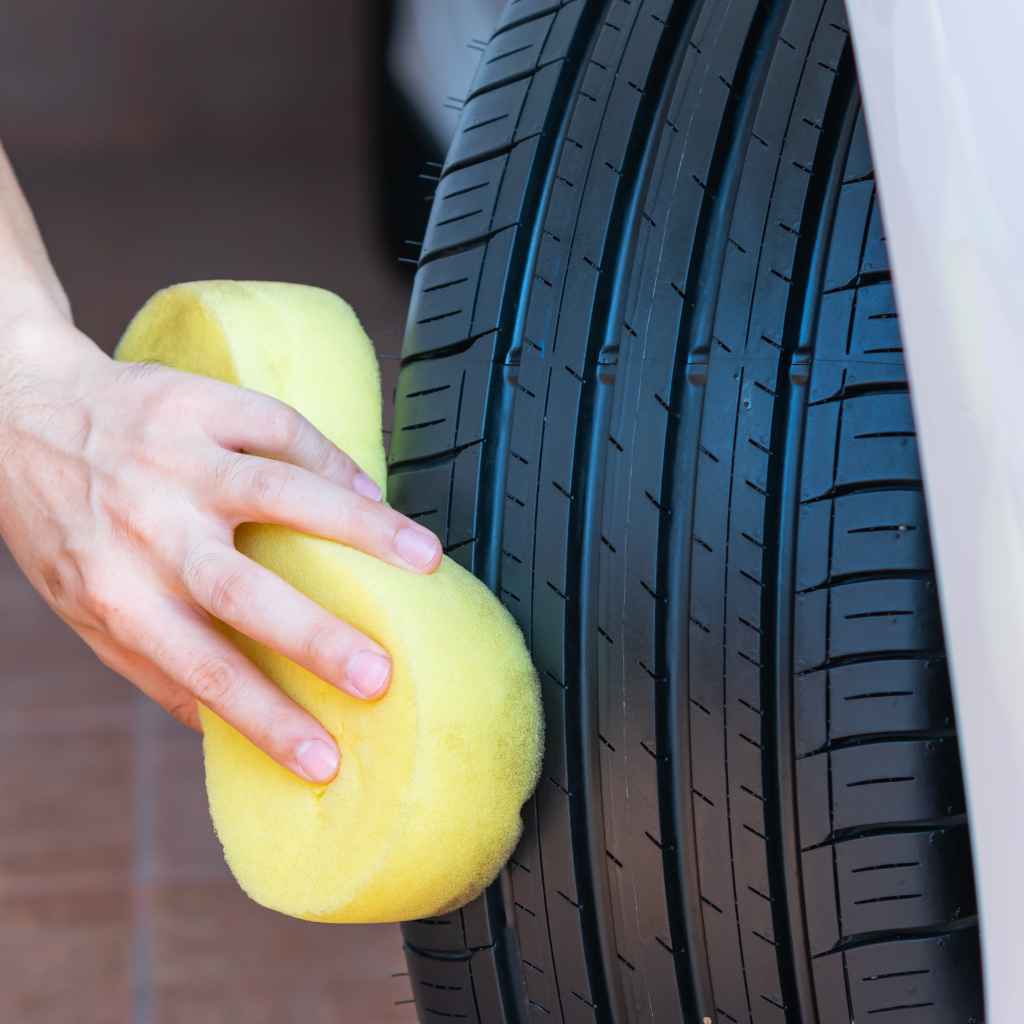
For gels and thicker liquids, use a foam applicator pad. These are like sponges. They help you spread the product evenly.
Apply a small amount of dressing to the pad. You don’t need a lot. Start at the top of the tyre sidewall.
Work your way down. Use smooth, even strokes.
Cover the entire sidewall. Make sure you get into the textured areas. Don’t apply too much product.
It will just run and create a mess. If you’re going for a high shine, you might need a second thin coat. Apply it after the first coat has set a little.
What I learned is that applying a thin, even coat is better than one thick, goopy coat. It looks more professional. It also lasts longer because it dries down properly.
If you use too much, it can feel sticky. Then it attracts dirt and slings onto your car.
Application Steps
Step 1: Ensure tyre is completely dry.
Step 2: Apply a small amount of dressing to a foam applicator pad.
Step 3: Work in even, overlapping strokes from top to bottom.
Step 4: Cover the entire sidewall surface.
Step 5: Wipe away any excess product from the rim or paint with a microfiber towel.
Achieving the “Wet Look”
Many car enthusiasts love the “wet look.” It makes the tyres appear deep black and incredibly shiny. It’s like they’re permanently wet. Getting this look requires a specific approach.
Choosing the Right Dressing for Gloss
Not all dressings will give you a true wet look. You need a product specifically designed for high gloss. These often contain more oils or silicones.
They are formulated to create a deep, reflective finish. Look for terms like “high gloss,” “wet look,” or “show car finish” on the bottle.
Water-based dressings can give a nice sheen. But they usually won’t achieve that super-dark, wet appearance on their own. Some of the best wet-look products come in gel form.
This allows for thicker application. It also gives you more control over where you put it.
Application Techniques for Maximum Shine
For the wet look, you might apply more product. But do it in thin layers. Apply one layer with your applicator pad.
Let it sit for a few minutes. Then, apply a second thin layer. This builds up the shine.
You want it to look deep, not just greasy.
After applying, some people like to buff the tyre slightly with a clean microfiber towel. This removes any excess product. It also helps to even out the shine.
It can make the surface smoother. This prevents a streaky or patchy look.
I once saw a car at a local meet. The tyres looked incredible. They were so black and shiny.
I asked the owner what he used. He told me he used a specific gel. He applied three thin coats.
He let each one tack up before applying the next. Then he buffed them gently. It made a huge difference.
Wet Look Tips
Product Choice: Select a high-gloss or wet-look tyre dressing.
Layering: Apply 2-3 thin coats rather than one thick coat.
Drying Time: Allow each layer to “tack up” before applying the next.
Buffing: Gently buff with a clean microfiber towel to even shine and remove excess.
Avoid Over-Application: Too much product leads to sling and greasy look.
What to Avoid for Best Results
Not all products or methods are good for your tyres. Some can actually cause problems. Knowing what to avoid is just as important as knowing what to do.
Silicone-Based Sprays
Many cheap tyre sprays are silicone-based. They give a quick shine. But they tend to fling off onto your car’s paint.
This leaves oily spots. It can also damage the paint over time. Silicone can also attract a lot of dust.
This makes your car look dirty faster.
Over-Application
Putting too much dressing on the tyre is a common mistake. It seems like more product means more shine. But it doesn’t.
It just makes the tyre look greasy. It can also cause the dressing to run. This creates streaks down the tyre.
It will also sling onto your paint and wheels.
Using Household Cleaners
Avoid using harsh household cleaners on your tyres. Things like oven cleaner or bleach can damage the rubber. They are too strong.
They can dry out the tyre. This makes it prone to cracking. Always use products designed for automotive use.
Common Mistakes to Skip
Mistake: Using silicone sprays that sling.
Mistake: Applying too much dressing at once.
Mistake: Using harsh household chemicals.
Mistake: Applying dressing to dirty or wet tyres.
Mistake: Forgetting to clean the tyres first.
Maintaining Your Tyre Shine
Once you’ve got that beautiful shine, you want it to last. Regular maintenance is key. It’s not a one-time job.
But with a good routine, you can keep your tyres looking great.
Regular Washing
Wash your car regularly. This includes rinsing your tyres. Even a quick rinse can remove loose dirt.
This prevents it from building up. When you do a full wash, make sure to scrub the tyres again. This removes brake dust and road film.
Touch-Up Applications
Depending on the product you use and the weather, the shine will fade. You might need to reapply dressing. For water-based products, this might be every few weeks.
For high-gloss products, it could be more often.
When reapplying, you don’t always need a full deep clean. Often, a quick wipe-down and a single coat of dressing is enough. This keeps the shine fresh between full washes.
Always check your tyres. See how they look. That will tell you when they need attention.
I found that if I did a quick rinse and touch-up every other car wash, my tyres stayed looking good. It saved me time compared to a full scrub and re-application every time. It’s all about staying on top of it.
Maintenance Checklist
Weekly: Quick rinse to remove loose dirt.
Bi-Weekly/Monthly: Full wash and scrub of tyres.
As Needed: Reapply dressing to maintain shine.
Observe: Check tyre appearance for signs of fading or dirt buildup.
When to Worry About Your Tyres
While making your tyres shine is about looks, there are times when their appearance signals a problem. It’s good to know the difference between a dull tyre and a damaged one.
Cracking and Dry Rot
If you see small cracks or a dry, crumbly look on the sidewall, this is serious. This is called dry rot. It happens when the rubber ages and breaks down.
It’s often caused by UV exposure and lack of proper protection. Cracked tyres are unsafe. They can lead to blowouts.
Uneven Wear Patterns
Tyres should wear down evenly. If you see one side is more worn than the other, or if there are bald spots, there’s an issue. This can be from improper inflation.
It can also mean your car’s alignment or suspension needs checking. Uneven wear affects handling and safety.
Bulges or Blisters
Any bulge or blister on the tyre’s sidewall is a major warning sign. This indicates internal damage to the tyre’s structure. It’s extremely dangerous.
A tyre with a bulge is at high risk of failing suddenly. It needs to be replaced immediately.
Frequently Asked Questions About Tyre Shine
How often should I apply tyre shine?
This depends on the product and your driving conditions. Water-based dressings might need reapplication every 2-4 weeks. High-gloss or silicone-based products may last longer, but can attract more dust and may need cleaning before reapplication.
A good rule is to reapply when the shine starts to fade or the tyre looks dull again.
Can I use the same product on my tires and wheels?
No, you should not. Wheels have different finishes (alloy, chrome, painted) and require specific cleaners. Tyre dressings are made for rubber and can damage some wheel finishes.
Always use separate, dedicated products for tyres and wheels. Cleaning them separately also ensures a better overall finish.
Will tyre shine make my tyres last longer?
Some tyre dressings contain UV inhibitors and protectants. These can help slow down the rubber’s aging process and protect against sun damage. So, yes, using a quality dressing can contribute to the longevity of your tyres by protecting them from the elements.
However, it’s not a substitute for proper maintenance like correct inflation and regular cleaning.
Is it okay if tyre shine gets on my car’s paint?
It’s best to avoid getting tyre shine on your car’s paint. Many dressings, especially silicone-based ones, can leave oily residue. This residue can attract dirt and dust, and might even stain the paint over time if not cleaned off promptly.
Use an applicator pad with care to avoid overspray onto the paintwork.
What is “sling” when it comes to tyre shine?
“Sling” refers to the tyre dressing flying off the tyre onto the car’s body panels or wheels while the car is moving. This happens when too much product is applied, or if a product is too thin or oily. It leaves unsightly streaks and spots on your clean paintwork.
Using quality products and applying them correctly minimizes sling.
Can I use cooking oil or other household items on my tyres?
While some people might suggest using things like olive oil or petroleum jelly, it’s generally not recommended for long-term tyre health. These products can attract a lot of dirt and may not offer proper UV protection. They can also degrade the rubber over time.
Stick to automotive-specific tyre dressings for the best and safest results.
Conclusion
Making your car tyres shine at home is totally doable. It’s a satisfying task. It really completes the look of a clean car.
The key is thorough cleaning first. Then, pick the right dressing for the look you want. Apply it carefully.
And remember to do some regular upkeep. With these steps, your tyres will look fantastic. They’ll turn heads for all the right reasons.
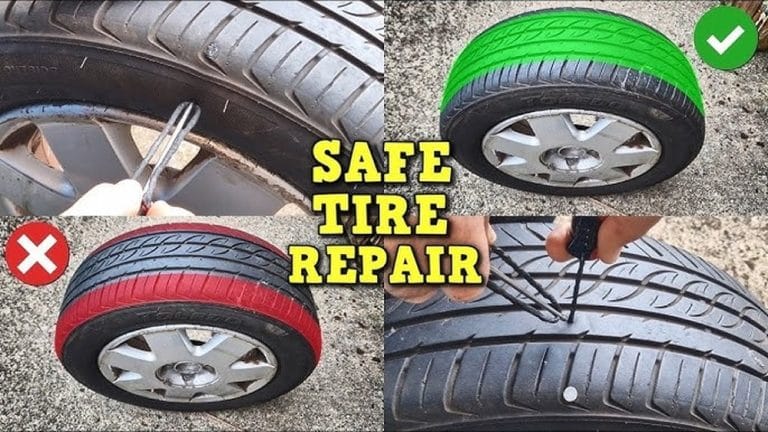
See also how to fix a car tire puncture without calling for help.