Will Car Tires Be Affected By Tariffs? What Drivers Should Know
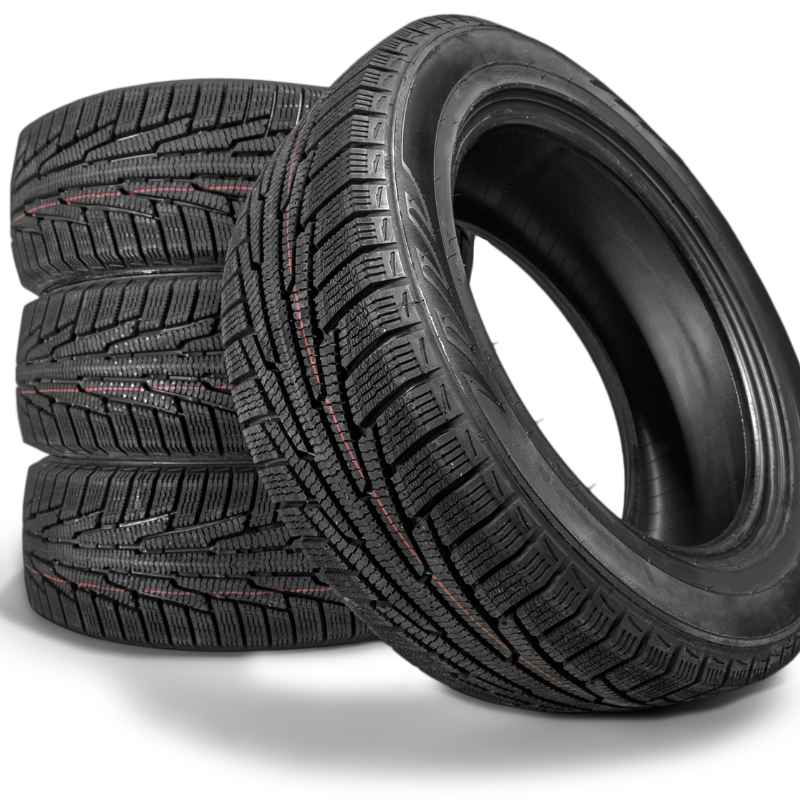
The potential impact of car tire tariffs on drivers involves increased costs and possible changes in tire availability. Understanding these trade policies helps anticipate these effects. This guide explains what tariffs are, why they are put in place, and what they mean for your tires.
What Are Car Tire Tariffs?
Tariffs are like taxes on goods. When countries trade, one country might put a tariff on items coming from another. Think of it as an extra fee.
The U.S. government might put a tariff on tires made in China. This makes those imported tires more expensive for American buyers.
Why would a government do this? Usually, it’s to help their own industries. If imported tires are pricier, people might buy tires made in the U.S.
instead. This helps U.S. tire companies sell more.
It can also be about trade disputes. Countries might use tariffs to push other countries to change their trade practices.
For drivers, this means the price you see on the shelf might change. If a tariff is added, the importer pays it. They often pass that cost on to the store.
The store then raises the price for you, the customer. It’s a chain reaction that starts with a trade decision far away.
Why Tariffs on Tires? A Closer Look
The idea behind these tariffs often comes down to fairness in trade. U.S. tire makers might feel that other countries aren’t playing fair.
Maybe those countries subsidize their tire factories. This means their factories can make tires cheaper than they otherwise could. Or, they might say tires are being “dumped” on the U.S.
market. This means they are sold for less than their real cost.
When the U.S. government agrees, they can impose tariffs. This is to level the playing field.
They want U.S. companies to compete fairly. For example, the U.S.
International Trade Commission (ITC) looks into these claims. If they find harm to U.S. industries, tariffs can be set.
These tariffs are often called “anti-dumping” or “countervailing” duties.
It’s a complex process. There are many reports and legal steps. But the end result for you is simple: prices can go up.
It’s not just about a few extra dollars. Tariffs can affect the whole market for tires. This includes the big brands and the smaller ones.
Tariff Basics for Car Tires
What is a tariff? An extra tax on imported goods.
Why tariffs on tires? To protect U.S. tire makers from “unfair” foreign competition.
Who pays? Importers pay the tariff, but often pass the cost to consumers.
My Own Experience with Rising Costs
I remember a few years back. I needed new tires for my old sedan. It was a typical Tuesday afternoon.
I walked into my usual tire shop. The prices seemed… higher. Not just a little higher, but noticeably more.
I asked the shop owner what was going on. He sighed and mentioned trade issues. He said something about new import taxes.
He showed me a few brands. The ones he used to recommend were now way out of my budget. He had to suggest other brands I’d never heard of.
It felt a bit unsettling. I trusted the brands I knew. Now, I was being pushed towards unknown territory.
It made me feel a little powerless. I had to choose between paying a lot more or trying something new.
I ended up picking a mid-range tire from a brand I hadn’t seen before. It’s been okay. But I still think about that day.
It made me realize how connected our daily lives are to big economic policies. A tariff from across the ocean could make my wallet feel lighter. It was a real wake-up call about how trade wars can affect regular people.
How Tariffs Affect Tire Prices Directly
When a tariff is placed on tires from a certain country, the cost of bringing those tires into the U.S. goes up. Let’s say a tire costs $80 to make in another country.
The shipping and import costs might add another $20. So, the U.S. importer pays $100.
Now, imagine a 25% tariff is added. That’s an extra $25 on that tire ($100 x 0.25). The importer now pays $125.
They can’t absorb that full extra cost and stay in business. So, they’ll likely sell it to the tire shop for more, maybe $115 or $120.
The tire shop then marks up its price. What was perhaps $130 before might now be $150 or $160. So, you, the driver, pay more for the same tire.
This is especially true for tires that are mostly imported from the countries facing tariffs.
Not all tires are affected the same way. If a brand has factories in the U.S., those tires might not see a price increase due to foreign tariffs. But many popular tire brands are made overseas.
So, many drivers will likely feel the pinch.
Price Impact Breakdown
Base Tire Cost: What it costs to make the tire overseas.
Import Fees: Shipping, duties, etc., before tariffs.
Tariff Amount: The percentage tax on the import value.
Importer’s New Cost: Base Cost + Import Fees + Tariff Amount.
Retail Price Increase: How much the importer and retailer add to cover costs and profit.
The Availability Puzzle: Will Tires Be Harder to Find?
Tariffs don’t just affect price; they can also change what’s available. When certain tires become much more expensive, some importers might stop bringing them into the U.S. They might switch to importing tires from countries that don’t have tariffs.
Or, they might just reduce the number of tires they import.
This can lead to fewer choices on the shelves. If your favorite brand or model is no longer readily available, you have to look elsewhere. For tire shops, this means they might stock fewer types of tires.
They have to manage their inventory carefully.
If a specific tire you need is out of stock and harder to get, you might have to wait. Or, you might have to settle for a different tire. This can be frustrating, especially if you have specific needs, like for all-season tires or performance tires.
Sometimes, tariffs can also lead to changes in manufacturing. A tire company might decide to build a new factory in the U.S. to avoid the tariffs.
This could take years. In the meantime, availability might be tight for certain tires. It’s a supply and demand game, and tariffs can really shake things up.
Availability Factors
- Reduced imports due to high cost.
- Shift to non-tariffed countries.
- Tire shops stocking fewer brands.
- Longer wait times for specific tires.
- Potential for new U.S. manufacturing over time.
Beyond Price: Other Impacts on Drivers
It’s not just about the sticker price. Tariffs can create a ripple effect. For example, if imported tires become too expensive, more people might look for used tires.
This could increase demand and prices for used tires too.
Mechanics and repair shops might also feel the impact. If they can’t get certain tires easily, it could affect their ability to do repairs on time. This could lead to customer complaints and lost business for them.
The competition in the tire market can also change. If foreign tires are priced out, domestic brands might have less pressure to keep their prices competitive. This could mean less of a choice for drivers who are looking for the best value.
Think about car maintenance. Tires are a big part of it. If the cost of one essential part goes up, it can make overall car ownership more expensive.
This is something many families worry about, especially when budgets are already tight. It’s a constant balancing act for many households.
Ripple Effects to Consider
Used Tire Market: Increased demand and potentially higher prices.
Repair Shops: Delays and stocking challenges for mechanics.
Market Competition: Less pressure on domestic brands for lower prices.
Overall Car Costs: Higher expenses for essential vehicle maintenance.
What Can You Do as a Driver?
When facing rising tire costs, knowledge is your best friend. First, stay informed. Keep an eye on trade news, but focus on how it might affect consumer goods like tires.
You don’t need to be an expert, but a little awareness helps.
Shop around. Don’t just go to the first tire shop you see. Compare prices at different stores and online retailers.
Sometimes, you can find great deals if you look a little harder. Check for sales or promotions. Tire shops often have them.
Consider different brands. As I found out, there are many good tire manufacturers. You don’t have to stick to just one or two popular names.
Explore options from companies that might not be as widely advertised. Read reviews to see what others think of them.
Take care of your current tires. Proper inflation, regular rotations, and alignment can make your tires last much longer. This means you won’t have to buy new ones as often.
It’s a simple way to save money, no matter what tariffs are in place.
Driver Action Plan
- Stay Informed: Watch for news impacting consumer goods.
- Compare Prices: Shop at multiple stores and online.
- Explore Brands: Look beyond the most famous names.
- Maintain Tires: Proper care extends tire life significantly.
Real-World Scenarios and Tire Choices
Let’s think about different situations. If you live in a snowy region like Minnesota, you might need special winter tires. These can be more expensive.
If tariffs hit those specific winter tires hard, it could be a big hit to your budget each year. You might have to decide between less protection or a higher cost.
If you drive a lot for work, like a delivery driver, tires are critical. Worn-out tires can be dangerous. And they affect your fuel economy.
High tariffs mean more operational costs for your business. This might force you to raise your prices, which affects your customers.
For someone who only drives short distances on weekends, tire wear is slower. They might be able to get away with a less expensive tire, even with tariffs. Or they might focus more on longevity and fuel efficiency to save money over time.
The type of car also matters. A sports car might need high-performance tires. These are often imported and can be pricey.
An economy car might use standard all-season tires, which might have more domestic options available. Understanding your driving habits and car needs is key.
Scenario Spotlight
Scenario: Snowy Climate Driver
Challenge: Winter tires are essential but potentially hit hard by tariffs.
Consider: Balancing cost vs. safety; exploring less common winter tire brands.
Scenario: High-Mileage Driver (Delivery)
Challenge: Tires are a major business expense; tariffs increase operational costs.
Consider: Tire durability, fuel efficiency, and negotiating bulk discounts.
When Are Tariffs a Good Thing? (Or When They’re Meant To Be)
It’s easy to see tariffs as just a cost increase. But governments often see them as a tool. The idea is to boost domestic jobs and industries.
If U.S. tire factories sell more, they might hire more workers. This helps the local economy.
Sometimes, tariffs are used to push other countries to change their practices. If a country is accused of unfair trade, tariffs can be a form of pressure. This is part of international diplomacy, though it can be messy.
For U.S. tire manufacturers, tariffs can mean a chance to compete on a more even playing field. If they feel they’ve been unfairly disadvantaged by foreign subsidies or dumping, tariffs can help them recover or grow.
This could lead to more innovation and better quality products from U.S. companies over the long term.
It’s about balancing different interests. The interest of the consumer who wants cheaper tires, the interest of the domestic industry that wants fair competition, and the interest of the government in managing trade relations.
The “Good” of Tariffs (Intended Effects)
Boost Domestic Jobs: More sales for U.S. factories lead to hiring.
Fairer Competition: Levels the playing field against unfair trade practices.
Encourage U.S. Industry: Helps American companies grow and innovate.
Trade Diplomacy: A tool to influence other countries’ policies.
What This Means for Your Next Tire Purchase
When it’s time for new tires, be prepared for price variations. The tariffs on tires from specific countries, like China, have been in place for some time. So, the tire market has already adjusted to some degree.
You might notice that tires made in countries without tariffs are more common and potentially more affordable. Brands that have strong U.S. manufacturing bases might also be good options to explore.
They are less likely to be directly affected by foreign import tariffs.
Don’t be afraid to ask questions at the tire shop. A good salesperson can explain where their tires are made and how tariffs might affect the price. They can also recommend alternatives if your first choice is too expensive due to trade policies.
It’s important to remember that the tire market is huge and complex. Tariffs are just one factor influencing prices. Other things like raw material costs, shipping rates, and general supply and demand play big roles too.
So, while tariffs can have an impact, they aren’t the only story.
When Should You Worry About Tire Prices?
You don’t need to panic every time you buy tires. But there are times to be more watchful. If you see a sudden, sharp jump in prices for all types of tires, that’s worth paying attention to.
This could indicate new tariffs have been imposed or existing ones have changed.
If your usual brand or preferred tire suddenly becomes very hard to find, that’s another sign. It might mean importers are pulling back due to tariffs or other trade issues. This can lead to fewer choices and higher prices for what’s left.
Look at the overall cost of car ownership. If tire expenses are becoming a significant part of your monthly budget, it’s a signal. Especially if you notice this increase coinciding with news about trade policies.
It’s about recognizing patterns.
For most drivers, a steady, gradual increase in tire prices is more likely than a sudden crisis. The tire industry is competitive. Companies try to manage costs.
But when tariffs are substantial, those costs eventually reach consumers. Paying a bit more is one thing; seeing prices double overnight is another.
Red Flags for Tire Pricing
- Sudden, widespread price hikes across all tire types.
- Your preferred tire brand or model becomes scarce.
- Tire costs become a major, unexpected part of your budget.
- Noticing price increases that don’t seem tied to normal inflation.
Simple Tips for Smart Tire Buying
When it’s time for new tires, think ahead. Don’t wait until your tires are completely bald. This can be dangerous and limits your options.
Check Tread Depth: Use a penny. Stick Lincoln’s head into the deepest part of the tread. If you can see the top of his head, it’s time for new tires.
Know Your Tire Size: It’s usually on the driver’s side doorjamb or in your car’s manual. It looks like P215/65R15.
Research Brands: Look at reviews for your car type and driving style. Consumer Reports, J.D. Power, and tire review sites can be helpful.
Consider the Whole Package: Don’t just look at the tire price. Factor in installation, balancing, and any warranty. Some shops include these, others charge extra.
Ask About Warranties: What does the warranty cover? Mileage, road hazards, defects? This can add value.
Timing is Everything: Many tire shops have sales at different times of the year, like spring and fall. Also, look for holiday sales.
Smart Tire Buying Checklist
1. Check Tread: Use the penny test for wear.
2. Find Size: Look on your car’s doorjamb.
3. Read Reviews: See what experts and owners say.
4. Compare Total Cost: Tire price + installation + warranty.
5. Look for Sales: Plan ahead for promotions.
Frequently Asked Questions About Tire Tariffs
Have U.S. tariffs on tires been a problem before?
Yes. The U.S. has implemented tariffs on tires from China in the past, starting around 2015.
These were put in place after investigations found Chinese tires were being sold unfairly in the U.S. This did lead to higher prices for consumers and changes in the market.
Do all tires get affected by these trade policies?
No, not all tires are affected equally. Tariffs are specific to tires imported from certain countries. If a tire is manufactured in the U.S.
or in a country not subject to these tariffs, its price might not increase directly because of these trade policies. However, overall market shifts can sometimes influence prices indirectly.
How can I tell if a tire’s price is affected by tariffs?
It can be tricky to know for sure. However, if tires from countries facing tariffs are significantly more expensive than comparable tires from other regions, it’s a strong indicator. Asking the tire professional about the country of origin and any potential tariff impacts can also give you clarity.
Will tariffs ever be removed?
Yes, tariffs can be removed, modified, or replaced. They are often subject to reviews by trade commissions or can be part of trade negotiations between countries. The political and economic climate plays a big role.
So, what’s in place today might change in the future.
Are there U.S.-made tires I can buy to avoid tariffs?
Absolutely. Many major tire brands have manufacturing facilities in the United States. Researching brands that prioritize U.S.
production can help you find tires that are less likely to be impacted by foreign tariffs. Always check the tire’s labeling or ask the seller about its origin.
How much do tariffs typically increase tire prices?
The increase can vary greatly. Tariffs are often set as a percentage of the imported value. For example, a 25% tariff could significantly increase the cost.
This percentage is applied to the cost of the tire itself, plus any shipping or import fees, before it reaches the consumer. So, it’s not a fixed dollar amount but a sliding scale.
Final Thoughts on Tire Costs and Trade
It’s clear that trade policies, like tariffs, can have a real impact on the price and availability of car tires. While the global economy is complex, understanding these basics helps you make informed decisions. Stay aware, compare options, and take care of your current tires to get the most value.
See also what to do when a car tire pops while driving safely.
Products related to this article
Sponsored / affiliate links. As an Amazon Associate I earn from qualifying purchases. I may earn additional commission from eligible campaigns.