Why Don’T Car Tires Have Inner Tubes Anymore? Explained
It’s a funny thing to think about, isn’t it? Those old black rubber things inside your tires. Most of us probably haven’t seen one in ages.
But why did car tires stop using inner tubes? It seems like such a simple part, but its disappearance has a lot to do with how we drive today and the safety we expect.
Modern car tires do not have inner tubes because tubeless tire technology offers better safety, performance, and convenience. This shift happened decades ago, driven by advancements in tire manufacturing and rim design that made inner tubes largely unnecessary and even detrimental for standard passenger vehicles.
The Big Change: Going Tubeless
So, the main reason car tires don’t have inner tubes anymore is simple: tubeless tire technology became the standard. This wasn’t a sudden switch. It was a gradual evolution that brought about many benefits.
Think of it like upgrading from an old flip phone to a smartphone. Both make calls, but the smartphone does so much more, and much better.
For many years, inner tubes were a normal part of a car’s wheel. They were essential for holding air. The tire itself was just a casing.
The inner tube was the real air container. This system worked for a long time. But as cars got faster and roads improved, people needed more from their tires.
The move to tubeless tires meant a big change in how tires and wheels worked together. Instead of the tube holding the air, the tire and the wheel rim had to seal perfectly. This sounds simple, but it took a lot of engineering.
It meant new ways of making tires and new ways of making wheel rims.
This change was a huge step forward for driving. It made our cars safer and more reliable. It also meant fewer flat tires and easier repairs.
Let’s dive into why this shift happened and what it means for us today.
My Own “Aha!” Moment with Tires
I remember vividly helping my dad change a tire when I was a kid. It was one of those classic, hot summer days. The kind where the asphalt seems to shimmer.
The tire was completely flat, sad and saggy. He pulled out the spare, the jack, and the trusty lug wrench. As he worked, I saw him wrestle with the tire.
He pointed out the inner tube, a sort of separate rubber bladder, folded inside.
He explained that this tube was what held the air. He showed me how it could get pinched or how a tiny hole could let all the air out. At that age, it just seemed like another part of the car.
But as I got older and started driving myself, I began to appreciate just how often we used to get flats. It felt like a constant worry, especially on longer trips. That memory of the inner tube stuck with me.
It made me wonder why we don’t see them on modern cars anymore.
It wasn’t until I started learning more about car mechanics and tire design that I truly understood the leap forward that tubeless tires represented. It felt like a solved problem, one I hadn’t even realized was such a big deal for people who came before me.
The Simple Science Behind Tubeless Tires
Let’s break down the basic idea. Imagine a balloon. The balloon itself holds the air, right?
A tubeless tire works kind of like that. The tire’s sidewall and the wheel rim create a sealed chamber. The air stays right inside that chamber.
For this to work, a few things have to be perfect. First, the tire bead – that’s the edge of the tire that sits on the rim – needs to be airtight. It’s usually made of strong steel wires.
Second, the rim itself has to be airtight. Modern wheel rims are designed with a special shape, often called a “hump” or “safety hump.” This hump helps keep the tire bead seated even when the tire pressure drops. This is super important for safety.
When a tubeless tire is inflated, the air pressure pushes the tire bead firmly against the rim. This creates a tight seal. It’s like a perfect handshake between the tire and the wheel.
If the seal is good, the air stays put.
So, it’s not magic. It’s clever engineering. The tire and the rim work together as a system.
They are designed to be an airtight unit. This design is much more effective than the old inner tube method for most cars.
Tubeless Tire vs. Inner Tube: Key Differences
Tubeless Tires:
- Tire and rim seal to hold air.
- Air pressure helps create the seal.
- Special rim design is needed.
- Tire bead is critical for sealing.
Tires with Inner Tubes:
- Separate rubber tube holds air.
- Tire is just a casing.
- Rim doesn’t need to be perfectly airtight.
- Tube can be punctured or pinched.
Why Were Inner Tubes Used in the First Place?
Inner tubes were the original solution for keeping air in tires. Think back to the early days of automobiles. Roads weren’t always smooth.
Cars were less sophisticated. The technology for making perfect, airtight seals between tires and rims just wasn’t there yet.
Inner tubes offered a simple way to solve the air-holding problem. They were made of rubber, which could be manufactured to hold air reasonably well. The tire itself was often made of fabric and rubber.
It was more like a protective sleeve for the inner tube.
The rim didn’t need to be perfectly smooth or precisely shaped. As long as it could hold the tire and the inner tube, it worked. The inner tube did all the heavy lifting for air pressure.
This made manufacturing wheels and tires a bit easier and cheaper back then.
It was a functional system for its time. It allowed cars to have pneumatic (air-filled) tires, which were a huge improvement over solid rubber tires. Those solid tires made for a very bumpy ride!
A Quick Look Back: Early Tire History
Era: Early 20th Century
Tire Type: Tube-type
Wheel Rim: Simpler design, not fully airtight.
Air Retention: Inner tube was the primary air holder.
Flat Tires: More common due to tube issues.
The Dawn of Tubeless: What Changed?
The shift to tubeless tires didn’t happen overnight. It began in the 1950s. Several key advancements made it possible and desirable:
1. Improved Tire Materials: Tire manufacturers got better at creating rubber compounds. They could make tires that were more durable and, crucially, more airtight themselves.
The rubber compounds and the way the tire was constructed changed.
2. Advanced Rim Design: This was a huge part. Wheel makers developed rims with specific shapes.
The “safety hump” I mentioned earlier became standard. This hump sits under the tire bead. It helps prevent the bead from dropping into the rim’s center.
This is important if the tire loses air suddenly.
3. Better Manufacturing Precision: Cars and their parts were being made with much higher precision. This meant that the rims and tires could be manufactured to closer tolerances.
This closeness was essential for creating a good seal.
These changes meant that the tire and rim could work together to hold air. The inner tube became less necessary. In fact, it started to become a weak link.
Why the Change Was Necessary
- Safety: Tubeless tires offer better control during a blowout.
- Performance: More stable at higher speeds.
- Convenience: Slower air loss from small punctures.
- Durability: Less chance of pinch flats.
The Benefits of Going Tubeless (Why It’s Better)
So, why is the tubeless system the winner? There are several clear advantages:
Slower Air Loss
This is a big one for everyday drivers. When a nail or screw punctures a tubeless tire, the sharp object often stays in the tire. It acts like a plug.
Air might leak out, but very slowly. With an inner tube, a puncture usually meant a rapid loss of air. You might have had to pull over immediately.
In a tubeless system, if the object remains, you might not even notice a significant air loss for days. This gives you time to get to a repair shop. It’s a huge convenience and a safety improvement.
Easier Puncture Repair
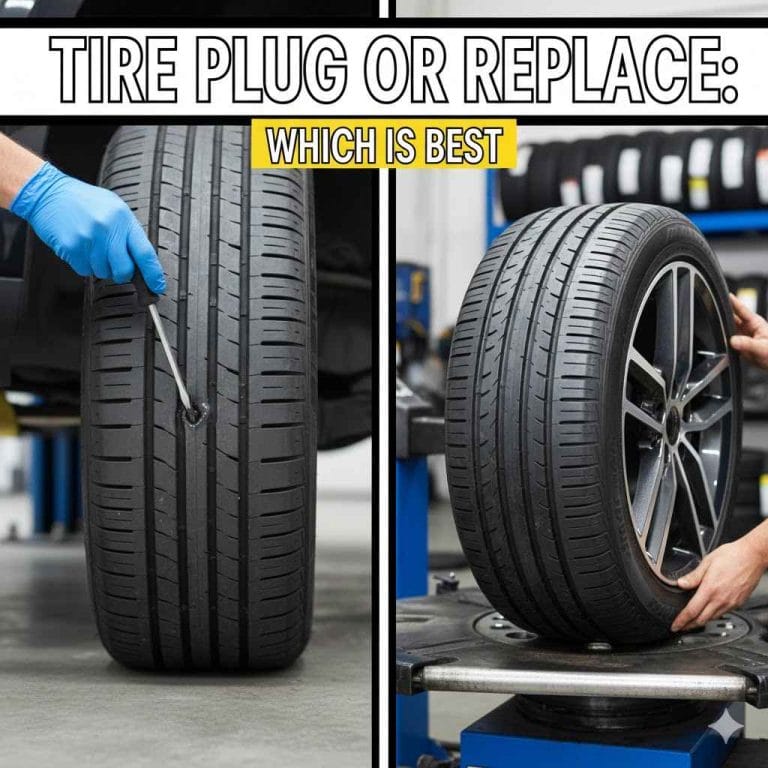
Repairing a puncture in a tubeless tire is often much simpler. Most repair shops can use a “plug-patch” from the outside. They insert a sticky, rubbery plug into the hole.
This seals the tire effectively. It’s quick and usually doesn’t even require removing the tire from the rim.
With inner tubes, fixing a flat meant taking the tire completely off the rim. Then you had to remove the inner tube, find the hole, patch it (or replace the tube), and then reassemble everything. This was a much longer and more involved process.
Better Heat Dissipation
This is more technical, but important for performance. Tubeless tires have a direct connection between the tire and the rim. This helps heat escape from the tire more efficiently.
Heat is the enemy of tires, especially at high speeds.
Inner tubes can trap heat. The extra layer of rubber inside can build up temperature. This can lead to tire failure, especially under heavy loads or high-speed driving.
Tubeless tires manage heat better, making them safer for longer drives and higher speeds.
Reduced Risk of Pinch Flats
A “pinch flat” happens when the inner tube gets squeezed between the tire and the rim. This usually occurs when hitting a sharp object, like a pothole or a curb. The tube gets cut, and air escapes quickly.
It’s a common problem with tube-type tires.
Because tubeless tires don’t have that separate inner tube, they are much less prone to pinch flats. The tire itself is designed to flex and absorb impacts without getting cut in the same way. This means fewer sudden, dangerous flat tires.
Improved High-Speed Stability
When a tire with an inner tube goes flat at high speed, it can be very unstable. The tube can shift inside the tire. This can cause the tire to wobble or even come off the rim suddenly.
This is a serious safety hazard.
Tubeless tires, with their secure bead on the rim, tend to deflate more progressively. The safety hump on the rim helps keep the tire bead in place, even with low pressure. This provides much better control for the driver during a deflation event.
Infographic: Tubeless Tire Advantages at a Glance
Slower Air Loss
Nails often seal leaks.
Easier Repairs
Quick plug-patch fixes.
Better Heat Control
Safer at high speeds.
Fewer Pinch Flats
No tube to get caught.
Stable Deflation
More control if air escapes.
Are There Any Downsides to Tubeless Tires?
While tubeless tires are overwhelmingly better for passenger cars, it’s worth noting that they aren’t perfect for every application. However, for your average sedan, SUV, or light truck, the benefits far outweigh any minor drawbacks.
One potential issue is that the rim needs to be in good condition. If the rim is bent, corroded, or has damage on the sealing surface, it might not hold air properly. This can lead to slow leaks or require the rim to be repaired or replaced.
Also, while repairs are often easy, some severe sidewall damage cannot be repaired on a tubeless tire. In these cases, the tire must be
It’s also important to ensure the tire is mounted correctly. If the tire bead isn’t seated properly on the rim, it won’t seal. This is why tire mounting is a job best left to trained professionals.
For certain specialized vehicles, like some heavy-duty trucks or off-road vehicles that run at very low pressures, inner tubes might still be used. But for standard road cars, the tubeless system is the undisputed champion.
What About Spare Tires?
Many spare tires are also tubeless. However, some compact “donut” spares might still use tubes, or be designed as a temporary, highly pressurized wheel that doesn’t rely on perfect long-term sealing. The main thing to remember is that for your primary set of tires on the car, they are almost certainly tubeless.
When you get a flat and use your spare, you’ll likely be putting on another tubeless tire. The process of changing it remains the same: removing the flat, putting on the spare, and heading to get the flat tire repaired or replaced.
The technology is so widespread now that finding a new passenger car tire that actually uses an inner tube is extremely rare. They are mostly found on older vehicles or specialized equipment.
Real-World Scenarios: Where Tubeless Shines
Let’s imagine some common driving situations:
The Road Trip Mishap
You’re cruising down the highway, miles from the nearest town. Suddenly, you feel a little wobble. You pull over safely.
A quick look shows a nail sticking out of your rear tire. With a tubeless tire, you might be able to put on your spare and drive straight to a tire shop. Or, if the nail is right and the damage is minimal, a tire shop might even be able to patch it without you needing a spare.
If this happened with an older, tube-type tire, that nail would likely have caused a rapid deflation. You’d be changing the tire right there on the side of the road, possibly in less-than-ideal conditions.
The City Commute
You’re driving to work, navigating city streets. You hit a pothole a bit harder than you meant to. Your car bounces.
You hear a slight hiss. With tubeless tires, this might just be a slow leak from a small cut. You can probably finish your commute, and then get it checked out at lunch or after work.
An inner tube could get pinched and damaged by that sharp pothole edge. This could lead to a more serious, faster leak, leaving you stranded.
The Parking Lot Surprise
You return to your car in a busy parking lot and notice one tire looks a bit low. You might wonder if someone bumped it, or if you drove over something. With a tubeless tire, it’s common for small objects to get embedded and cause a slow leak.
You can often drive it carefully to a tire shop for inspection and repair.
The reliability and gradual nature of air loss in tubeless tires make them much more forgiving in everyday situations.
Everyday Scenarios Compared
| Situation | Tubeless Tire Outcome | Inner Tube Tire Outcome |
|---|---|---|
| Nail Puncture (Highway) | Slow leak, can often drive to shop. | Rapid deflation, may need roadside change. |
| Pothole Impact | Potential slow leak, easier repair. | Risk of pinch flat, sudden air loss. |
| Slow Leak on Arrival | Can often drive to repair facility. | May need immediate attention or spare. |
When Tubeless Tires Aren’t the Standard (Niche Uses)
While we’re talking about passenger cars, it’s important to mention that inner tubes are still used. They are crucial in some specific applications:
- Heavy-Duty Trucks: Large commercial trucks often use tube-type tires. This is because they carry extremely heavy loads. The tubes can provide extra reinforcement and help manage the intense heat generated. Also, repairing a large truck tire can be more complex, and tubes offer a different repair dynamic.
- Off-Road Vehicles: Some extreme off-road vehicles that operate at very low tire pressures might still use tubes. This can help prevent the tire bead from unseating on rough terrain.
- Bicycles: Almost all bicycles today use inner tubes, although tubeless bicycle tires are becoming more common, especially for mountain biking.
- Motorcycles: Many motorcycles, especially dirt bikes and older models, still use inner tubes.
The reason for tubes in these cases often relates to the extreme pressures, loads, or terrain they encounter. They are designed for different needs than your typical car tire.
What This Means for You: Checking Your Tires
For the vast majority of car owners, this simply means you have tubeless tires. You don’t need to do anything different in terms of checking your tires, other than the usual:
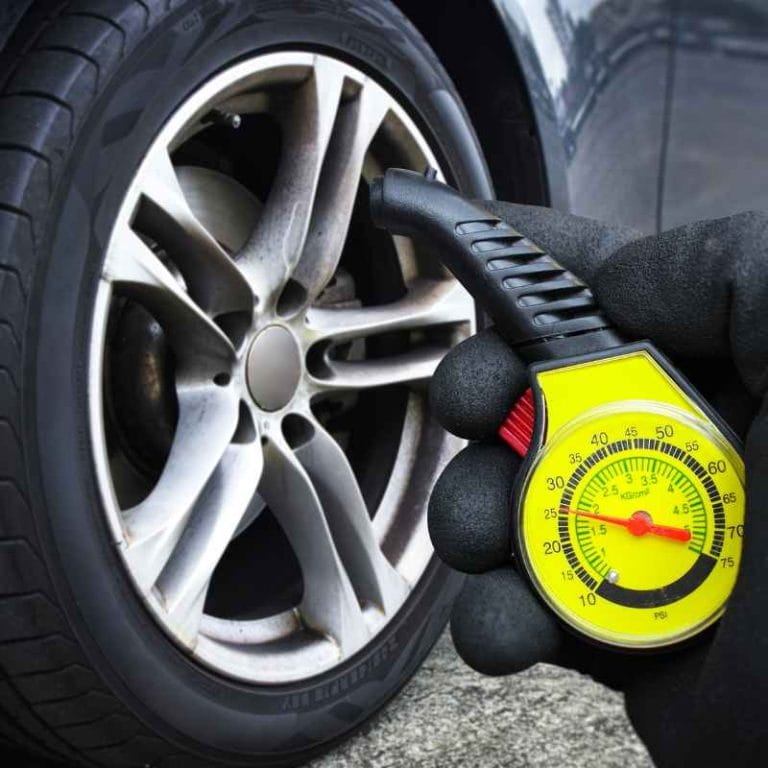
- Check Tire Pressure Regularly: Make sure your tires are inflated to the pressure recommended on the sticker inside your driver’s side doorjamb.
- Inspect for Damage: Look for cuts, bulges, or embedded objects in the tire tread and sidewalls.
- Rotate Your Tires: Follow your car’s maintenance schedule for tire rotation to ensure even wear.
If you ever get a flat tire, remember that your car is almost certainly equipped with tubeless tires. When you take it to a repair shop, they will be equipped to handle tubeless tire repairs and replacements.
It’s good to know that the technology that keeps your car safely on the road is advanced and reliable. The absence of inner tubes is a sign of that progress.
Quick Tips for Tire Care
Since we’re talking tires, here are a few general tips that apply to your modern, tubeless tires:
- Don’t Ignore Low Pressure: A tire that’s consistently losing air needs to be inspected. It could be a slow leak or a more significant issue.
- Watch for Wear: Uneven tire wear can indicate alignment or suspension problems.
- Balance is Key: Make sure your tires are balanced when they are mounted. This prevents vibrations and uneven wear.
- Consider Tire Sealant: For added peace of mind, some people use tire sealants inside their tubeless tires. These can automatically seal small punctures. However, they can sometimes make professional repairs more difficult.
Frequently Asked Questions About Tires and Inner Tubes
Why did car tires stop using inner tubes?
Car tires stopped using inner tubes primarily because of the development and widespread adoption of tubeless tire technology. This technology, which relies on an airtight seal between the tire and the wheel rim, offers superior safety, performance, and convenience compared to older tube-type systems.
Are all modern car tires tubeless?
Yes, for standard passenger cars, SUVs, and light trucks, virtually all modern tires are tubeless. Inner tubes are now mainly found in specialized applications like heavy-duty trucks, motorcycles, bicycles, and some off-road vehicles where their specific properties are still advantageous.
What happens if a tubeless tire gets a puncture?
When a tubeless tire gets a puncture, especially from a nail or screw, the object often stays lodged in the tire, acting as a plug and causing only a slow air leak. Many punctures can be easily repaired from the outside with a plug-patch kit by a tire professional, often without removing the tire from the rim.
How does a tubeless tire hold air without an inner tube?
A tubeless tire holds air through a tight seal created between the tire’s bead (the edge that sits on the rim) and the wheel rim itself. Modern rims have a specially designed shape, including a “safety hump,” which helps the tire bead seat correctly and maintains the seal, even when tire pressure is low.
Can I put an inner tube in a tubeless tire?
While it’s technically possible to install an inner tube inside a tubeless tire, it is generally not recommended and can be unsafe. Tubeless tire rims and tires are designed to work together as a system. Using an inner tube can interfere with proper sealing and heat dissipation, potentially leading to tire failure.
What is a “pinch flat” and why don’t tubeless tires get them?
A “pinch flat” occurs when an inner tube is compressed between the tire and the wheel rim, causing it to be cut and lose air quickly. Tubeless tires do not have a separate inner tube to pinch, making them much more resistant to this type of damage, especially when hitting impacts like potholes or curbs.
The End of an Era for Car Tires
The journey from inner tubes to the advanced tubeless tires we rely on today is a testament to automotive progress. It’s a change that might seem small, but it significantly boosted safety, reliability, and our overall driving experience. It’s comforting to know that the tires on our cars are built with technology that’s both effective and dependable.
See also why are car tyres black science behind the rubber color.
Products related to this article
Sponsored / affiliate links. As an Amazon Associate I earn from qualifying purchases. I may earn additional commission from eligible campaigns.