How Often Should You Replace Car Tires? Signs To Watch For
Car tires are your connection to the road. They keep you safe. But how long do they last?
When is it time to get new ones? This is a common question. Many drivers aren’t sure.
This guide will help you understand. We will look at when to replace tires. We will also cover signs that show it’s time.
You should
Understanding Tire Lifespan
Tires are made of rubber. Rubber wears down over time. Driving, weather, and how you use your car all affect them.
There isn’t a single magic number for tire life. It depends on many things. We need to look at a few key factors.
The first big factor is tread wear. The tread is the part that grips the road. It has patterns to help with traction.
As you drive, this tread wears away. Most tires have wear bars. These are small raised areas in the grooves.
When the tread is level with these bars, the tire is worn out. It’s no longer safe.
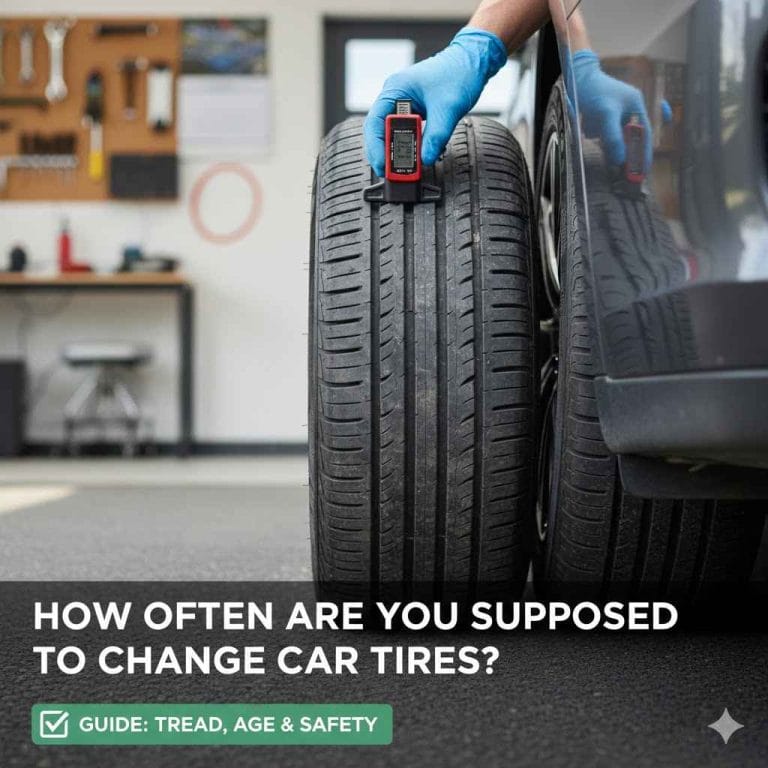
Tread depth is measured in 32nds of an inch. New tires have about 10/32 or 11/32 inch of tread. When tread gets down to 2/32 inch, it’s time for replacement.
This is about the depth of a penny’s head. It’s not much grip left. Driving in rain can be very risky then.
Age is another important factor. Rubber gets old. It can become dry and cracked.
Even if your tires look good, age matters. Most tire makers suggest replacing tires after 6 to 10 years. This is from the date they were made.
Not from when you bought them. Check the sidewall for a DOT code. This code shows the week and year the tire was made.
Damage is also a reason to replace tires. Punctures from nails or glass can happen. Blowouts can occur if a tire is severely damaged.
Sidewall damage is often not repairable. Cuts or bulges on the side are serious. They can lead to a sudden tire failure.
This is very dangerous.
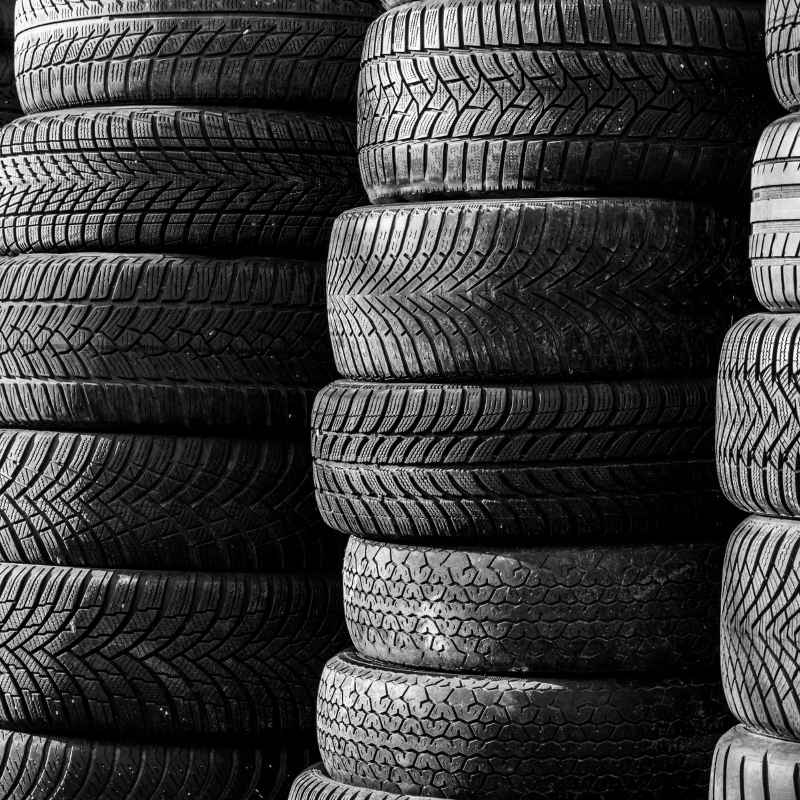
Signs Your Tires Need Replacing
You don’t always need to check numbers. Your tires will tell you when they are tired. You just need to know what to look for.
Regular checks are key. Make it a habit. Like checking your oil.
Or looking at your dashboard lights.
One of the first signs is uneven tread wear. This means parts of your tire have more wear than others. One side might be smooth.
The other side might still have good tread. This is often a sign of alignment issues. Or perhaps under-inflated tires.
Or over-inflated tires. Your car might be pulling to one side. This can also happen.
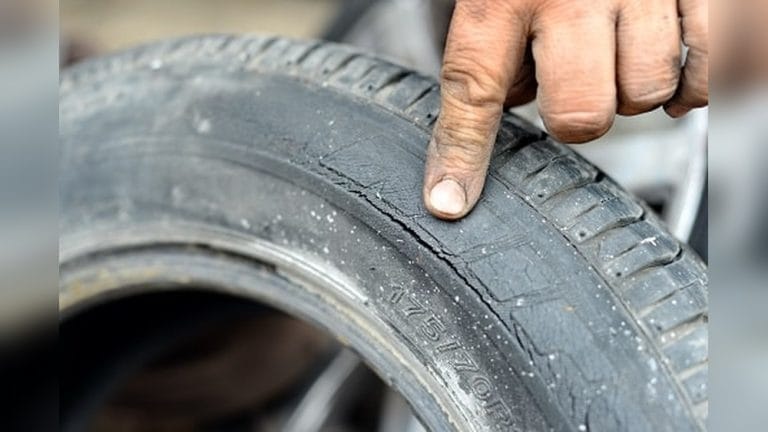
Cracked sidewalls are another bad sign. Look at the sides of your tires. Do you see small cracks?
These can get worse. Especially in hot or cold weather. They mean the rubber is drying out.
It’s losing its strength. This is a definite signal to get new tires soon.
Bulges or blisters on the tire surface are also a warning. These often look like bubbles. They mean the inner structure of the tire is failing.
This can lead to a blowout. You should never drive on a tire with a bulge. Replace it immediately.
It’s a serious safety risk.
Vibration when driving is another clue. If you feel shaking in your steering wheel. Or if the ride feels rough.
It might be your tires. They could be out of balance. Or they might be damaged.
Or worn unevenly. It’s worth getting them checked. It could be a tire problem.
Reduced traction is a more subtle sign. If your car slips more on wet roads. Or takes longer to stop.
Your tires might be the reason. The tread is not gripping the surface well. This is especially true in bad weather.
Good tread is vital for safe driving.
Tire Tread Check: Quick Guide
Use a Penny Test: Stick a penny head-first into a tire groove. If you can see all of Lincoln’s head, your tread is too low. Time for new tires!
Look for Wear Bars: These are small raised bumps. They sit in the main tread grooves. If the tread is even with these bars, the tire is worn out.
Inspect Sidewalls: Check for cracks, cuts, or bulges. Any of these mean the tire needs replacement for safety.
Why Tire Replacement Matters for Safety
Driving on old or damaged tires is dangerous. It’s not just about comfort. It’s about your life.
And the lives of others on the road. Tires are the only thing connecting your car to the pavement. They need to work perfectly.
Good tires provide grip. This grip is called traction. Traction helps you steer.
It helps you brake. It helps you accelerate. Worn tires lose traction.
This is a big problem in wet or icy conditions. Stopping distances increase. You might not be able to turn sharply enough.
Blowouts are the scariest tire failure. A blowout happens suddenly. The tire can burst.
This can cause you to lose control of the car. Especially at high speeds. It can lead to serious accidents.
Old tires are more prone to blowouts. Their rubber is weaker.
Uneven wear can also cause problems. It can make your car pull to one side. This can be distracting.
It can also mean you are not using your tires efficiently. Your gas mileage might suffer. And you might need to replace tires sooner than expected.
I remember a time years ago. I was driving on a wet highway. My tires were a bit old.
I had put off getting new ones. Suddenly, I hit a patch of water. My car hydroplaned.
It felt like I was on ice. I spun out. Luckily, I didn’t hit anyone.
But it was a terrifying moment. That day taught me a huge lesson. Never skimp on tires.
They are your most important safety feature.
Factors Affecting Tire Wear
Many things contribute to how fast your tires wear out. It’s not just driving miles. Your driving style plays a big role.
So does the car itself. And the roads you drive on.
Driving Habits: Fast acceleration and hard braking wear tires faster. Aggressive cornering also stresses the rubber. Smooth driving habits extend tire life.
Gentle starts and stops make a difference.
Tire Pressure: Under-inflated tires wear out faster. The edges of the tire take more load. Over-inflated tires wear out in the center.
It’s crucial to keep tires at the recommended pressure. Check it at least once a month. And before long trips.
Wheel Alignment: If your wheels aren’t aligned correctly, tires wear unevenly. This can happen after hitting a pothole. Or bumping a curb.
Misaligned wheels cause tires to scrub. They wear out quickly on one side.
Wheel Balance: Tires need to be balanced. If they are not, they can vibrate. This vibration can cause uneven wear.
It also puts stress on your suspension. Regular balancing keeps tires wearing evenly.
Road Conditions: Driving on rough roads, gravel, or construction sites wears tires faster. Extreme temperatures also play a part. Very hot or very cold weather can affect rubber.
Vehicle Load: Carrying heavy loads puts more stress on tires. Always make sure your tires are rated for the load you carry. Check your car’s manual for limits.
Tire Type: Different tires are made for different uses. Performance tires might wear faster than touring tires. All-season tires have different wear patterns than winter tires.
Tire Pressure: Why It’s Key
Recommended Pressure: Find the correct tire pressure on a sticker inside your driver’s side door jamb. Never use the max pressure listed on the tire sidewall.
Check Regularly: Check pressure when tires are cold. This means before you’ve driven more than a mile or two.
Impact of Low Pressure: Poor fuel economy, faster wear, and increased risk of blowouts.
Impact of High Pressure: Rougher ride, less traction, and increased wear in the center of the tread.
Tire Age: The Hidden Danger
We talk a lot about tread wear. But tire age is a sneaky problem. Tires can look fine.
The tread can seem deep. Yet, they can still be unsafe. This is because rubber degrades over time.
It becomes brittle.
The National Highway Traffic Safety Administration (NHTSA) offers guidance. They say tires degrade over time. Even if they are stored properly.
And even if they aren’t used much. They recommend replacing tires after 6 years. Some experts say up to 10 years.
But always check the manufacturer’s advice.
How do you find the age of your tires? Look at the DOT code on the sidewall. It’s a series of letters and numbers.
The last four digits are important. They tell you the week and year of manufacture. For example, “3421” means the tire was made in the 34th week of 2021.
If you see a tire that is several years old. Even if it has lots of tread. Be cautious.
It might not perform as well. Especially in extreme temperatures. Or during hard braking.
The rubber might be less flexible. It might be more prone to cracking.
I once bought a used car. The tires looked great. Deep tread.
No visible damage. I felt good about them. But then I noticed a tiny crack.
It was very small. I looked closer. I checked the DOT code.
The tires were almost 8 years old. I felt a bit uneasy. I decided to replace them just to be safe.
It was a good decision. I learned that age is just as important as tread.
Decoding Tire Age (DOT Code)
Locate the Code: Look for “DOT” on the sidewall. Then a series of letters and numbers.
Find the Last Four Digits: These indicate the manufacturing date.
Example: 3421 means 34th week of 2021.
Example: 1518 means 15th week of 2018.
Older Tires: Be cautious with tires over 6 years old, regardless of tread depth.
When to Replace Tires Immediately
Some tire problems are not gradual. They are urgent. If you see any of these signs, stop driving.
Get your tires replaced right away.
Major Sidewall Damage: Cuts, gouges, or tears on the sidewall are serious. These weaken the tire structure. They can lead to a sudden blowout.
Sidewall damage is often not repairable.
Bulges or Blisters: Any bubble-like swelling on the tire surface is a danger sign. It means the tire is separating internally. It could burst without warning.
Do not drive on a tire with a bulge.
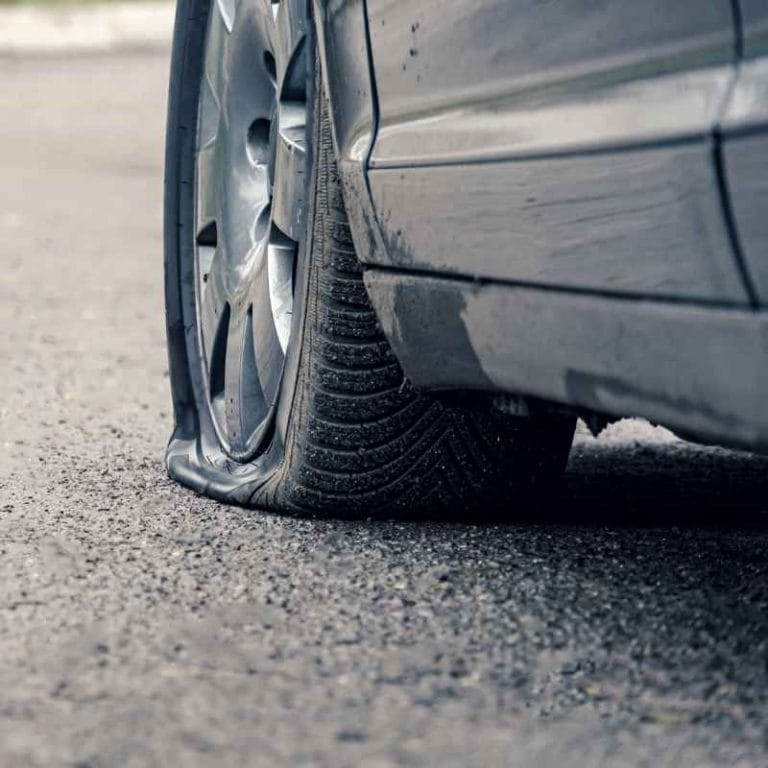
Visible Punctures or Leaks: If you can see a nail or screw sticking out. Or if your tire is losing air quickly. It needs immediate attention.
Small punctures might be repairable. But if the damage is near the sidewall, it might not be. If the tire is flat, do not try to drive on it.
Severely Worn Tread: If your tread is worn down to the wear bars. Or looks almost bald. The tire offers almost no grip.
This is very unsafe, especially in rain or snow. It can lead to loss of control. And is often illegal.
Signs of Aging (if severe): If you see extensive, deep cracking all over the tire. Especially on older tires. It might be time to replace them all.
Even if the tread looks okay.
The Role of Tire Rotation
Tire rotation is a simple maintenance task. It can help your tires last longer. And wear more evenly.
Tires don’t wear the same way on all parts of your car. The front tires often wear faster. This is because they handle steering.
And braking. They also carry more weight for the engine.
When you rotate tires, you move them to different positions on the car. This helps balance out the wear. You might move front tires to the back.
And rear tires to the front. There are different rotation patterns. Your mechanic will know the best one for your car.
Most manufacturers recommend rotating tires every 5,000 to 7,500 miles. This is often done with oil changes. It’s a good habit to keep.
Regular rotation can extend the life of your tires by thousands of miles. It also helps you spot problems early. You might notice uneven wear sooner.
I always get my tires rotated. It’s a small cost. But it saves me money in the long run.
My tires last much longer. And I feel safer knowing they are wearing evenly. It’s a win-win situation.
Don’t skip this easy maintenance step.
Tire Rotation: Common Patterns
Front-to-Rear: Front tires move straight to the rear. Rear tires move diagonally to the front. (Used for directional tires).
Cross Rotation: Front tires move to the rear diagonally. Rear tires move straight to the front.
Rearward Cross: Front tires move straight to the rear. Rear tires move diagonally to the front.
X-Pattern: All tires cross over. Front left to rear right, etc.
Always consult your owner’s manual for the recommended pattern for your vehicle.
When Is It Too Late to Repair?
Sometimes, a tire can be repaired. A simple nail puncture in the tread area. It can often be fixed with a plug or patch.
But there are limits. Not all damage can be safely repaired.
Tread Depth: If the tread is already too low (below 2/32 inch), repair is not recommended. The repaired area might wear out quickly. And the overall grip will still be poor.
Location of Damage: Punctures in the tread area are usually repairable. Damage on the sidewall is almost never repairable. The sidewall flexes a lot.
A repair there would likely fail. Damage near the shoulder (where the tread meets the sidewall) is also risky.
Size of Damage: Very large punctures or cuts might be too extensive to repair safely. Most repair guidelines are for punctures up to about 1/4 inch in diameter.
Multiple Repairs: If a tire has already had one or two repairs. Especially if they are close together. It might be too weakened to repair again.
Age of Tire: Even if a puncture is minor. If the tire is old (over 6 years). Many shops will refuse to repair it.
They prioritize safety. An old tire might not hold a repair well.
Other Damage: Any signs of sidewall cracking. Bulges. Or significant wear.
Even if there’s a puncture. These conditions mean the tire needs replacement, not repair.
It’s always best to ask a trusted tire professional. They can assess the damage. And tell you if a repair is safe.
If they recommend a new tire, listen to them. Your safety is worth more than the cost of a new tire.
Checking Your Spare Tire
Don’t forget your spare tire! It sits in your trunk or under your car. Waiting for an emergency.
But it also needs attention. A flat spare is useless. An old, brittle spare can be dangerous too.
Check your spare tire’s pressure regularly. It can lose air over time. Just like your regular tires.
Make sure it’s inflated to the pressure recommended on its sidewall. Or in your owner’s manual.
Inspect the spare for any damage. Cracks, bulges, or wear. Even though it’s not used often, it can degrade.
Especially if it’s an older “donut” spare. These temporary spares are not meant for long distances. Or high speeds.
They are for emergencies only.
If your spare is old, consider replacing it. If it’s 7-10 years old. It might be time.
A new spare tire gives you peace of mind. Knowing you have a reliable backup when you need it most.
What Does This Mean for You?
Knowing when to replace your tires is about more than just avoiding a ticket. It’s about your safety. And the safety of your passengers and other drivers.
It’s about preventing accidents.
When it’s normal to replace tires:
- Tread depth reaches 2/32 inch.
- Tires reach 6-10 years of age.
- Significant visible damage like large cuts or bulges.
- Uneven wear that cannot be corrected by alignment.
When to worry immediately:
- Any bulge or blister on the tire sidewall.
- Deep cuts or cracks on the sidewall.
- Sudden loss of tire pressure or a flat tire.
- Experiencing unusual vibrations or pulling while driving.
Simple checks you can do:
- Monthly tire pressure check.
- Visual inspection for damage every few weeks.
- Use the penny test for tread depth.
- Check the DOT code for age periodically.
Your tires are critical. They are your vehicle’s foundation. Treat them with care.
Perform regular checks. And replace them when needed. It’s a small investment for great peace of mind.
Quick Tips for Longer Tire Life
You can do a few simple things to help your tires last longer. These tips are easy to follow. And they make a difference.
Maintain Proper Tire Pressure: This is the single most important thing. Check it monthly when tires are cold. Use the pressure recommended for your car, not the tire’s max pressure.
Rotate Your Tires Regularly: Aim for every 5,000 to 7,500 miles. This ensures even wear across all four tires.
Check Wheel Alignment: If your car pulls to one side. Or you notice uneven wear. Get your alignment checked.
It can save your tires from premature wear.
Drive Smoothly: Avoid rapid acceleration. Hard braking. And sharp turns.
Gentle driving habits extend tire life significantly.
Inspect for Damage: Periodically walk around your car. Look for any foreign objects stuck in the tires. Or any visible cuts, bulges, or cracks.
Avoid Overloading: Don’t exceed your vehicle’s weight capacity. Overloading puts too much stress on your tires.
Proper Storage (if applicable): If you store seasonal tires, keep them in a cool, dry place. Away from direct sunlight and chemicals.
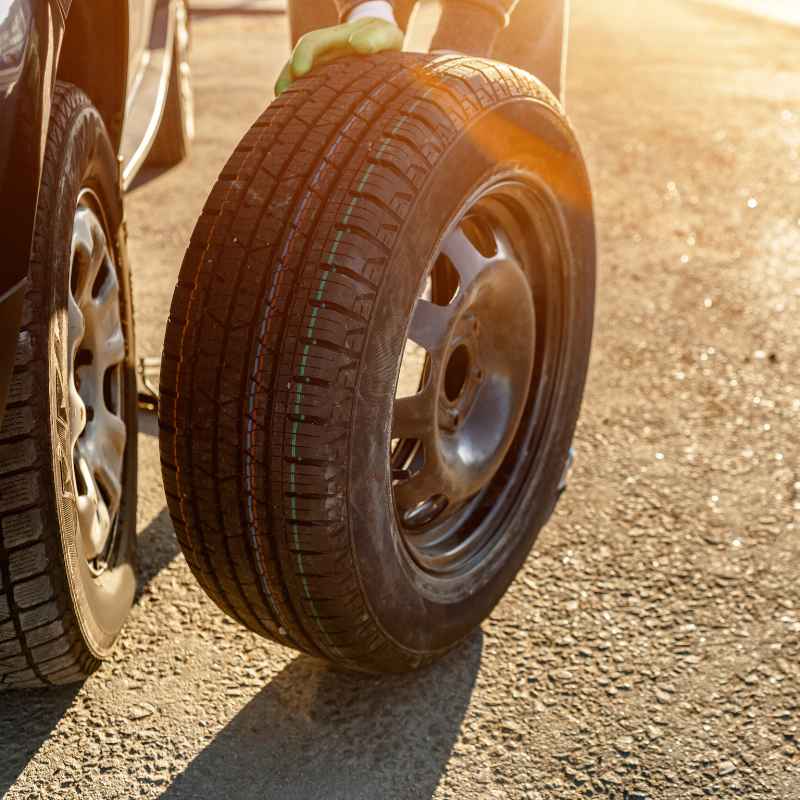
Frequent Questions About Tire Replacement
How do I know if my tires need replacing for the winter?
For winter, you need good tread depth for grip in snow and ice. If your tread is below 4/32 inch, it’s time to consider replacing tires before winter. Using dedicated winter tires is even better for deep snow and ice.
Can I mix tires of different brands or types on my car?
It’s generally best to have the same type of tire on all four wheels. Mixing brands or types can affect handling and braking. Especially in emergencies.
If you must mix, try to keep pairs on the same axle (front or rear).
What’s the difference between all-season and winter tires?
All-season tires are designed for a wide range of conditions, but they are a compromise. Winter tires have special rubber compounds and tread patterns that stay flexible in cold temperatures. They provide much better grip on snow and ice.
How long do cheap tires last compared to expensive ones?
Tire quality varies. Cheaper tires might not last as long as premium tires. They may also offer less grip and wear out faster.
However, some budget brands offer good value. It’s best to research reviews for specific tire models.
Is it okay to drive on tires that are more than 10 years old?
No, it is not recommended to drive on tires older than 10 years, even if they look fine. The rubber degrades over time, becoming brittle and unsafe. The risk of tire failure increases significantly with age.
Do I need to replace all four tires at once?
It’s best to replace all four tires at the same time for optimal handling and safety. If you only replace two, put the new ones on the rear axle. This helps prevent oversteer (fishtailing) if the rear tires have less grip.
Conclusion: Prioritize Your Tires
Your car’s tires are vital. They impact your safety, handling, and fuel efficiency. Regular checks for wear, damage, and age are key.
Don’t wait for a problem. Be proactive. Keep your tires in good shape.
And replace them when they show signs of wear. Your safety depends on it.
See also when can you plug a tire what mechanics won’t tell you. See also what is the correct psi for car tires know your numbers.
Products related to this article
Sponsored / affiliate links. As an Amazon Associate I earn from qualifying purchases. I may earn additional commission from eligible campaigns.