What To Do If Your Car Tyre Is Flat (Fast Action Guide)
If your car tyre is flat, pull over safely to the side of the road as soon as possible. Turn on your hazard lights. Assess if you can change the tire yourself or if you need roadside assistance.
Ensure you are in a safe location away from traffic before attempting any changes.
Understanding Your Flat Tyre
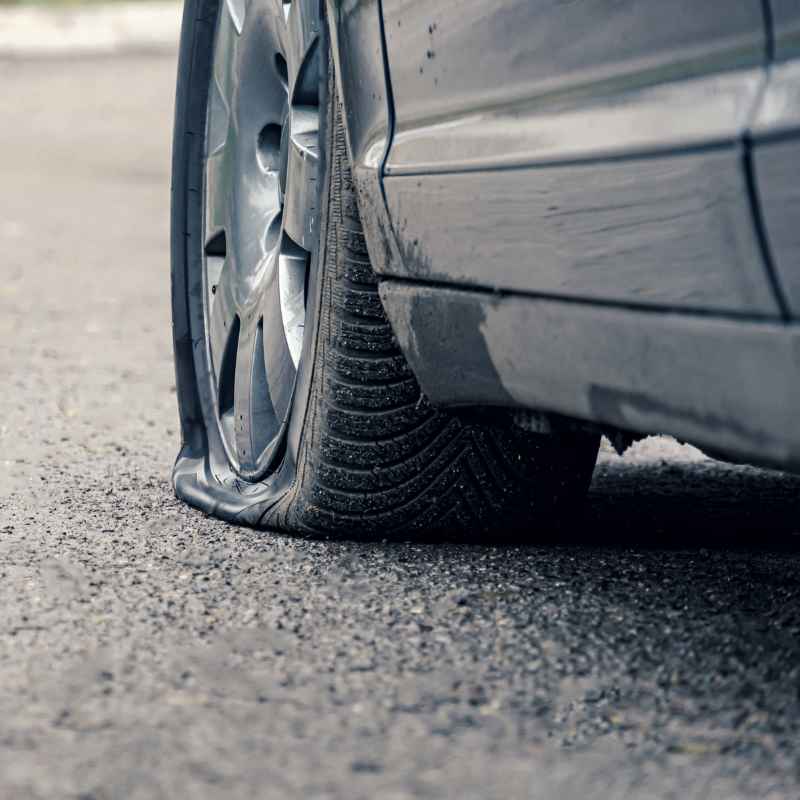
A flat tire happens when your tire loses too much air. This makes it soft or completely limp. It’s usually caused by a puncture.
Something sharp, like a nail or a piece of glass, can poke a hole. This lets the air escape. Sometimes, a tire can lose air slowly.
Other times, it happens very fast.
Knowing why it happened helps, but the first thing is safety. Your car might handle very strangely with a flat. The steering can feel heavy.
The car may pull to one side. This is because the flat tire doesn’t support the weight of your car. The wheel rim might even start to touch the road.
This can damage your wheel.
This is why you must act fast. But acting fast doesn’t mean acting rushed. It means acting with a clear head.
Safety comes first, always. We will cover how to make sure you are safe before you even think about the tire itself.
What To Do When You Get A Flat Tyre
The very first thing you should do is stay calm. Panicking will not help. It will only make things harder.
Take a deep breath. Your car is telling you something needs attention. Listen to it.
Now, focus on getting your car to a safe spot. You need to pull over. Look for a safe place.
A wide shoulder on the highway is good. A quiet side street is also good. Avoid stopping on a curve or a hill if you can.
You want to be visible to other drivers. And you want to be away from moving cars.
As soon as you can safely do so, slow down. Turn on your hazard lights. These are the flashing lights that tell other drivers you have a problem.
They are very important. They warn others to be careful around you.
Keep driving slowly until you are in a safe location. Do not try to drive far on a flat tire. You can damage your wheel.
You can also make the problem worse. Getting off the road is the main goal.
Immediate Safety Checks
Hazard Lights: Always turn these on first. They are your first line of defense.
Pull Over Safely: Find a spot away from traffic. Flat ground is best.
Engage Parking Brake: Once stopped, put on your parking brake. This stops the car from rolling.
Assessing Your Situation
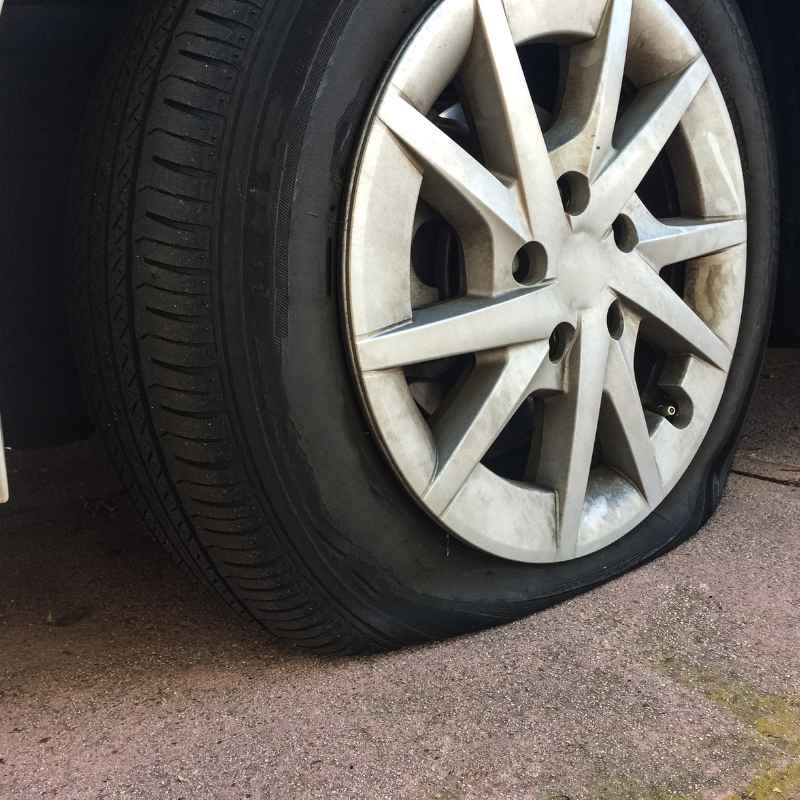
Once you are safely stopped, you need to look at your tire. Is it completely flat? Or is it just low on air?
Sometimes, a tire might just need air. But if it looks very flat, it’s likely a puncture. You might see the nail or screw stuck in it.
Or you might just see that it has no air.
Now, think about your options. Do you have a spare tire? Most cars do.
It’s usually in the trunk. You might also have a tire repair kit. This can be a can of sealant and air.
Or it could be a small inflator. You also need to know if you have the right tools. This includes a jack and a lug wrench.
If you have a spare tire and the tools, you might be able to change it yourself. But this is only if you feel comfortable doing it. And only if you are in a safe place.
Changing a tire can be hard work. It requires some physical effort. It also requires knowing how to use the tools.
If you don’t have a spare tire, or you don’t have the tools, or you just don’t feel safe doing it, that’s okay. You can call for help. Many people do.
Roadside assistance services are there for this exact reason. Your car insurance might cover this. Or you might have a separate membership like AAA.
Option 1: Changing The Tyre Yourself
If you decide to change the tire yourself, there are a few things you need to do first. Make sure you have everything. You need a spare tire.
You need a jack. You need a lug wrench. And you need your car’s owner’s manual.
The manual shows you exactly where to place the jack.
Step 1: Gather your tools. Find your spare tire. It’s often under the floor of the trunk. Find the jack.
This lifts your car. Find the lug wrench. This loosens the lug nuts.
These are the bolts holding the wheel on. Make sure your spare tire is properly inflated. A flat spare tire won’t help!
Step 2: Loosen the lug nuts. Before you lift the car, use the lug wrench to loosen the lug nuts on the flat tire. Turn them counter-clockwise. They might be very tight.
You may need to use your foot to help push the wrench. Just loosen them a little. Do not remove them yet.
Step 3: Position the jack. Find the correct jacking point for your car. This is a strong part of the car’s frame. Your owner’s manual will show you this.
Place the jack there. Make sure it is on a firm surface. If the ground is soft, you can put a small piece of wood under the jack.
Step 4: Lift the car. Use the jack to raise the car. Lift it just enough so the flat tire is off the ground. You need enough space to remove the flat tire and put on the spare.
Keep lifting until the tire is about an inch or two above the ground.
Step 5: Remove the lug nuts and the tire. Now, finish unscrewing the lug nuts. Keep them in a safe place. You don’t want to lose them.
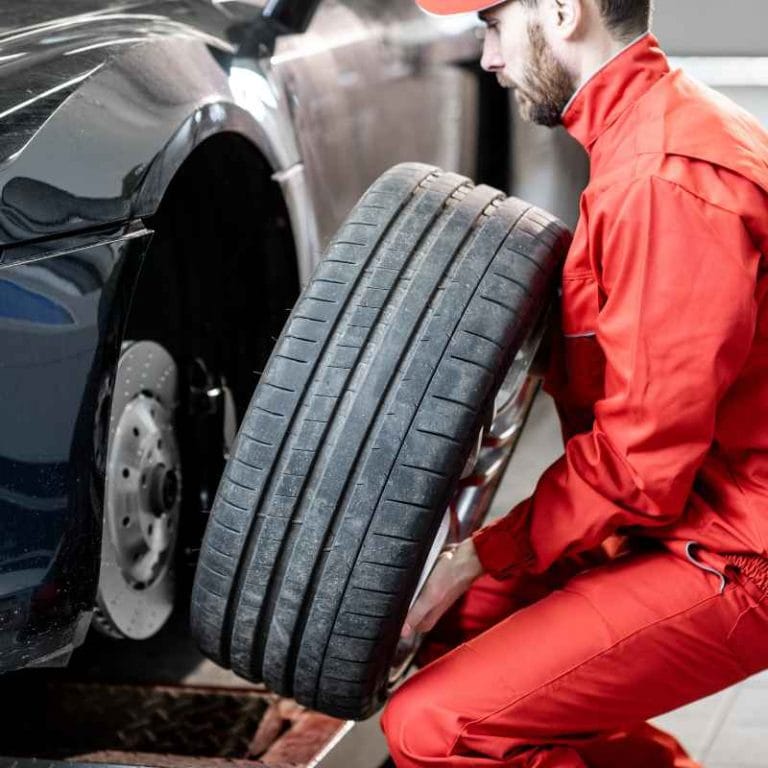
Then, pull the flat tire straight towards you. It might be heavy. Set it on its side.
Do not put it under the car. If the jack fails, the car could fall.
Step 6: Put on the spare tire. Line up the spare tire with the bolts. Push it onto the wheel studs. Then, put the lug nuts back on.
Screw them in by hand as much as you can. Make sure the tire is sitting flat against the car.
Step 7: Lower the car. Slowly lower the car using the jack. Once the tire is touching the ground but the car is not fully on the ground, tighten the lug nuts. Tighten them in a star pattern.
This means you tighten one, then the one opposite it. Go around the wheel. This helps the wheel seat evenly.
Step 8: Fully lower the car and tighten. Lower the car completely. Then, use the lug wrench to tighten the lug nuts again. Make them as tight as you can.
Your spare tire is usually a temporary fix. It might be a smaller size. You need to get your regular tire fixed or replaced soon.
Quick Guide To Changing A Tyre
1. Loosen nuts: Before lifting.
2. Jack up: Use correct jacking point.
3. Remove nuts: Keep them safe.
4. Swap tires: Put on the spare.
5. Hand tighten nuts: Then lower car.
6. Tighten fully: In a star pattern.
Option 2: Calling For Roadside Assistance
Sometimes, changing a tire is not an option. Maybe the weather is bad. Maybe you are not physically able.
Or maybe you just don’t have the right tools. That’s perfectly fine. Calling for help is often the smartest choice.
Who should you call? If you have roadside assistance, call them first. This might be through AAA, your car insurance company, or even your car manufacturer.
They have trained people who can help. They know how to handle tire changes safely.
If you don’t have roadside assistance, you can search for local towing companies. You can also call a friend or family member. Let them know where you are and what’s happening.
They might be able to help or bring you tools.
When you call for help, be ready to give them information. Tell them your exact location. This is very important.
Give them your car’s make and model. Tell them what the problem is – a flat tire. They will tell you an estimated arrival time.
While you wait, stay safe. Stay in your car if it’s safe to do so. If you get out, stand away from the road.
Keep your hazard lights on. It can feel like a long wait, but help is on the way.
When To Call For Help
No spare tire: If you don’t have one.
Missing tools: No jack or lug wrench.
Unsafe location: Too close to traffic.
Bad weather: Heavy rain or snow.
Physical limitations: You can’t lift or turn.
Uncertainty: If you don’t know how to do it.
Understanding Tyre Repair Kits
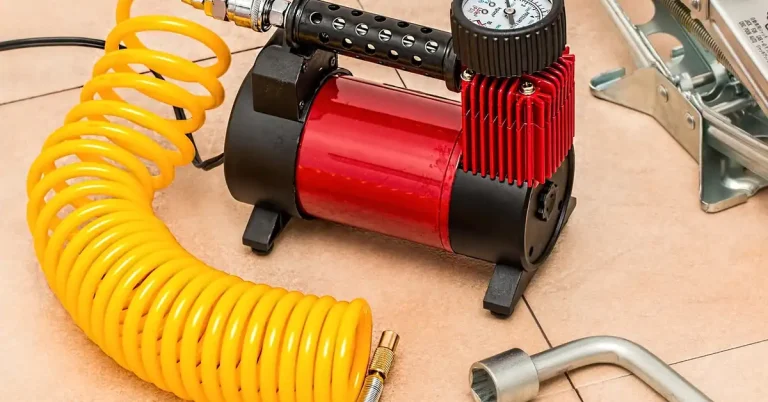
Some cars come with a tire repair kit instead of a spare tire. These kits usually have a sealant and a small air compressor. The idea is to inject the sealant into the tire.
The sealant seals the hole. Then, the compressor fills the tire with air.
These kits can be a good temporary fix. They can get you to a repair shop. However, they are not a permanent solution.
They often can’t fix larger holes. They also might not work on sidewall damage. Sidewalls are the sides of the tire.
If you use a tire repair kit, follow the instructions carefully. Make sure the tire is properly inflated afterward. Drive slowly.
Get to a tire shop as soon as you can. They will need to inspect the tire. They will tell you if it can be repaired or if it needs to be
Tyre Repair Kit Basics
What it is: Sealant and air compressor.
How it works: Seals the hole and inflates the tire.
Best for: Small punctures in the tread.
Limitations: Not for large holes or sidewall damage.
Next step: Visit a tire shop for inspection.
What To Do After The Tyre Is Changed
So, you’ve successfully changed your tire. Or the tow truck has
First, collect all your tools and the flat tire. Put them back in your car. Make sure nothing is left behind.
Check that your jack is put away safely. You don’t want it rolling around in your trunk.
If you used a spare tire, especially a temporary or “donut” spare, remember its limits. These spares are not meant for long distances. They are also not meant for high speeds.
Check the tire’s sidewall for speed and distance ratings. Usually, you can only drive about 50 miles. And usually, no faster than 50 mph.
You need to get your flat tire fixed or replaced as soon as possible. Take it to a tire shop. They can tell you if the puncture can be repaired.
Sometimes, a tire is too damaged. In that case, you’ll need a new one. Driving on a faulty tire, or a temporary spare for too long, is dangerous.
Also, remember to re-tighten the lug nuts on your spare tire after driving a short distance. About 50 miles is a good rule of thumb. This is because they can loosen up a bit as the wheel settles.
This is a very important safety step.
Post-Change Checklist
Secure tools: Store them properly.
Check spare limits: Speed and distance.
Visit tire shop: Repair or replace flat.
Re-tighten nuts: After about 50 miles.
Get regular tire fixed: Don’t delay.
Real-World Scenarios and Tips
I remember one time, I was driving home late. It was dark, and it had just rained. Suddenly, I heard a loud bang.
My car started pulling hard to the right. My heart sank. I knew it was a flat tire.
I was on a busy road, and it felt really unsafe. I managed to pull over onto a narrow shoulder. The traffic was zooming by.
I was so nervous. I looked in my trunk and realized my spare tire was flat too! That was a rookie mistake I never made again.
I had to call for a tow truck. It took a while to arrive. That experience taught me to always check my spare tire.
It also taught me the importance of finding a really safe place to stop.
Here are some extra tips based on real experiences:
Check your spare regularly: Don’t wait for a flat. Check the air pressure in your spare tire at least once every few months. Make sure it’s properly inflated.
A flat spare is as useless as a flat on the road.
Know your tools: Before you need them, get familiar with your jack and lug wrench. See how they work. Practice using them in your driveway.
This makes a big difference when you’re stressed on the side of the road.
Invest in roadside assistance: If you drive a lot, or if you don’t feel confident changing a tire, a roadside assistance membership is worth the cost. It offers peace of mind.
Carry a basic tire repair kit: Even if you have a spare, a small can of tire sealant and inflator can be a lifesaver. It can get you to a safe place if your spare is also flat or if you can’t change it.
Be aware of your surroundings: Always look for the safest place to pull over. If you’re on a highway, try to get as far off the road as possible. If you’re in a parking lot, find a spot away from other cars and in a well-lit area.
Proactive Tips
Regular Spare Check: Air pressure monthly.
Tool Familiarity: Practice at home.
Roadside Membership: For peace of mind.
Basic Repair Kit: As a backup.
Situational Awareness: Choose safe stopping spots.
When Is A Flat Tyre Just A Flat Tyre?
Most of the time, a flat tire means you have a puncture. This is usually from something sharp. It could be a nail, screw, or glass.
These can often be repaired. A tire shop can plug the hole from the inside or outside. This is a common and effective fix for tread damage.
However, not all flat tires are simple punctures. Sometimes, the tire can be damaged in other ways. You might have a sidewall blowout.
This is very dangerous. It means the side of the tire has burst. This is often caused by hitting a pothole hard or by tire wear.
Sidewall damage usually means the tire needs to be replaced. Repairing sidewall damage is often not safe or possible.
Another cause can be a valve stem issue. The valve stem is where you put air in the tire. It can get damaged or corroded.
This can cause air to leak out. Sometimes, the valve core can be loose. A tire shop can replace a valve stem.
You might also have a leaky rim. The rim is the metal part of the wheel. If it’s bent or corroded, it might not seal properly with the tire.
This can cause slow air leaks. Cleaning the rim or even replacing it might be necessary.
When to worry:
- If the tire is making a loud popping or hissing sound.
- If the tire is visibly shredded or has large tears.
- If you hit something hard and then the tire goes flat.
- If the flat happens suddenly while driving at high speed.
In these cases, it’s more than just a simple puncture. Get professional help and consider replacing the tire.
The Importance Of Tyre Maintenance
Preventing flat tires starts with good tire maintenance. It’s not just about avoiding problems. It’s also about safety and saving money.
Tire Pressure: This is the most important thing. Underinflated tires overheat. They wear out faster.
They can lead to blowouts. Overinflated tires also wear unevenly. They can lead to a harsher ride.
Check your tire pressure at least once a month. And check it when the tires are cold. The correct pressure is listed on a sticker inside your driver’s side door jamb.
It’s also in your owner’s manual. Don’t use the number on the tire itself. That’s the maximum pressure.
Tread Depth: Tires need good tread to grip the road. Worn tires are dangerous, especially in wet conditions. They increase your stopping distance.
You can check tread depth by looking at the wear bars. These are small raised bars in the grooves of your tire. When the tread is level with these bars, it’s time for new tires.
A simple penny test also works. Stick a penny into the deepest tread groove. If you can see all of Lincoln’s head, your tread is too low.
Tyre Rotation: Rotating your tires helps them wear more evenly. This means they last longer. Most car manufacturers recommend rotating tires every 5,000 to 7,500 miles.
This is often done during an oil change.
Wheel Alignment: If your car pulls to one side, or if your tires wear unevenly, you might need a wheel alignment. Misaligned wheels can cause tire damage and affect handling.
Taking care of your tires means fewer surprises on the road. It means better fuel economy too. And most importantly, it keeps you and your passengers safer.
Tyre Care Matters
Proper Inflation: Check monthly for safety and wear.
Sufficient Tread: Check wear bars or use the penny test.
Regular Rotation: For even wear and longer life.
Wheel Alignment: Prevents uneven wear and poor handling.
Frequent Questions About Flat Tyres
What is the first thing I should do if I get a flat tire?
The very first thing to do is stay calm and pull over to a safe location as soon as possible. Turn on your hazard lights to warn other drivers. Your safety is the top priority.
Can I drive on a flat tire?
No, you should not drive on a flat tire. Driving on a completely flat tire can cause severe damage to your wheel rim and other car parts. It can also make the tire impossible to repair and is very unsafe to drive.
How long can I drive on a spare tire?
This depends on the type of spare tire. Many are temporary “donut” spares. These usually have speed (around 50 mph) and distance (around 50 miles) limitations.
Always check the tire’s sidewall or your owner’s manual for specific limits.
What if my spare tire is also flat?
If your spare tire is also flat, you will need to call for roadside assistance. Explain that you have a flat tire and your spare is also not usable. They will be able to help you get your vehicle to a safe location or a repair shop.
How much does it cost to fix a flat tire?
The cost can vary. A simple plug repair at a tire shop might cost $20-$50. If the tire needs to be replaced, the cost can be much higher, from $100 to $300 or more, depending on the tire type and brand.
How can I prevent flat tires?
Regular tire maintenance is key. Keep your tires properly inflated, check tread depth, rotate your tires regularly, and get your wheels aligned if needed. Also, be aware of road debris and avoid hitting potholes.
Is it better to repair or replace a flat tire?
This depends on the type and location of the damage. Small punctures in the tread are often repairable. However, sidewall damage, large punctures, or damage from driving on a completely flat tire usually means the tire needs to be replaced for safety reasons.
Final Thoughts on Flat Tyre Situations
Getting a flat tire can be a stressful event. But with the right knowledge, you can handle it calmly. Remember to always put your safety first.
Pull over in a safe spot and turn on your hazard lights. Then, assess if you can change the tire yourself or if you need roadside assistance. Keep your spare tire in good condition and know how to use your tools.
Regular tire maintenance is your best defense against unexpected flats. By being prepared, you can turn a flat tire situation into a minor inconvenience rather than a major disaster.
See also what causes car tires to explode warning signs to watch.
Products related to this article
Sponsored / affiliate links. As an Amazon Associate I earn from qualifying purchases. I may earn additional commission from eligible campaigns.