What to Consider When Buying Car Tyres (Key Factors)
Tires are the only part of your car touching the road, so the wrong ones mean longer stopping distances, poor grip, and higher fuel use. NHTSA links roughly 11,000 tire-related crashes a year to worn or mismatched tires. This guide covers the key factors to check, how to compare options, and the mistakes that cost drivers the most.
Why The Right Car Tires Matter
Best Tire Check Tool Pick
Digital Tread Depth & Pressure Gauge – $12.99
Checks the 2/32-inch tread depth minimum this guide’s used-tire checklist calls out, plus pressure, in one tool.
- Best for: Checking a used tire before buying, or your own tires before a road trip
- Why we picked it: Combines tread depth and pressure so you skip carrying two tools
- Main drawback: A basic penny test works for tread depth if you don’t want to buy a gauge
Compare more tire-buying essentials
 Option 1 AstroAI Pressure Gauge – $9.99
|
 Option 2 TIREWELL Portable Inflator – $39.99
|
 Option 3 CARTMAN 4-Way Lug Wrench – $19.99
|
As an Amazon Associate we earn from qualifying purchases.
Many people do not realize how much tires influence their daily driving. Tires are the only parts of your car that touch the road. They control how your car brakes, turns, and handles bumps. Using the wrong tires can cause:
- Longer stopping distance on wet roads
- Poor grip in snow or mud
- Less comfort from road noise and vibration
- Higher fuel use due to extra rolling resistance
According to the National Highway Traffic Safety Administration (NHTSA), there are roughly 11,000 tire-related crashes each year in the US, causing an estimated 200 deaths. Choosing the right tires is not just about performance; it is about safety.
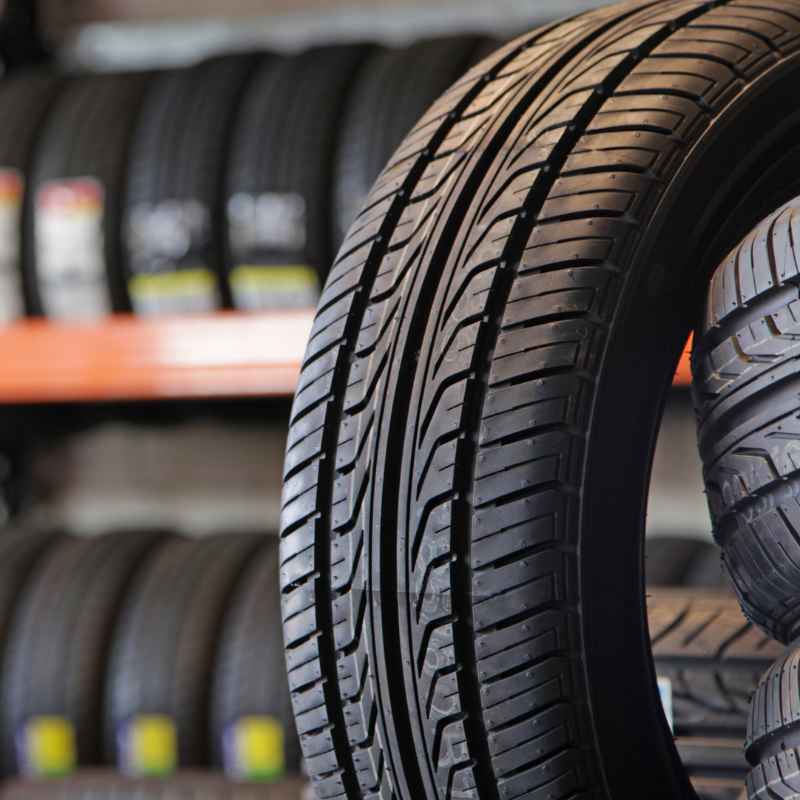
Key Factors To Consider When Buying Car Tires
Before you buy, you need to know what matters most. Here are the main factors:
Tire Size
Every car needs a specific tire size. You can find this information on the sidewall of your current tires or in your car’s manual. The size is written like this: 205/55R16. Each part has a meaning:
- 205 – Width in millimeters
- 55 – Sidewall height (as a percent of width)
- R – Radial construction
- 16 – Diameter in inches
If you get the wrong size, the tires will not fit or work well.
Example Tire Size Breakdown
| Marking | Meaning |
|---|---|
| 225/45R17 | 225 mm wide, 45% aspect ratio, 17-inch rim |
| 195/65R15 | 195 mm wide, 65% aspect ratio, 15-inch rim |
| 235/60R18 | 235 mm wide, 60% aspect ratio, 18-inch rim |
Tire Type
There are several types of tires. Your driving needs decide which is best.
- All-season tires – Good for most climates, average grip in rain and light snow.
- Summer tires – Designed for warm weather, better handling and braking on dry/wet roads.
- Winter tires – Special tread and rubber for snow and ice, best grip in cold.
- Performance tires – For sporty driving, sharp handling, and high speed.
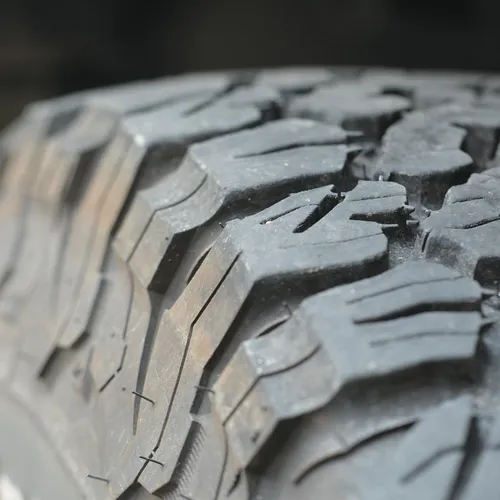
- All-terrain tires – Used for SUVs and trucks, good on dirt, gravel, and pavement.
If you drive in snow every winter, do not pick all-season tires. If you drive a sports car, performance tires might suit you.
Tread Pattern
Tread pattern affects how tires handle water, mud, and snow. There are three main types:
- Symmetrical – Same pattern across the tire, long life, quiet ride.
- Asymmetrical – Different patterns on each side, better grip in corners.
- Directional – V-shaped pattern, good for water drainage, must be mounted in a specific direction.
Tire Tread Patterns Comparison
| Pattern | Best For | Drawbacks |
|---|---|---|
| Symmetrical | Daily driving, comfort | Less sporty handling |
| Asymmetrical | High-performance, cornering | More expensive |
| Directional | Wet roads, aquaplaning | Cannot rotate side-to-side |
Load Index And Speed Rating
Every tire has two important numbers:
- Load index – How much weight the tire can carry. Example: 91 means 1,356 lbs.
- Speed rating – Maximum safe speed for the tire. Example: H means up to 130 mph.
If you often carry heavy loads or drive fast, check these ratings.
Quality And Brand
Not all tires are equal. Well-known brands like Michelin, Goodyear, and Bridgestone often offer better reliability and warranty. But some lesser-known brands also provide quality at lower prices.
- Premium brands – Higher price, long life, strong warranties.
- Budget brands – Cheaper, may wear out faster, less grip.
Buying the cheapest tire can cost you more in the long run if you replace them often.
Price And Value
Tires range from $50 to $400 each, depending on size, type, and brand. The most expensive tire is not always the best. Consider total value:
- How long will they last? (Mileage warranty)
- How safe are they in rain or snow?
- Will they save you money on fuel?
Warranty
Most tires come with a mileage warranty and a defect warranty. Mileage warranty tells you how many miles the manufacturer expects the tire to last (e.g., 60,000 miles). Defect warranty covers problems like cracks or bubbles. Always check the details.
Fuel Efficiency
Some tires are made to reduce rolling resistance. This means the car uses less energy to move, saving fuel. According to the US Department of Energy, low rolling resistance tires can improve fuel economy by 1–2 mpg.
Noise And Comfort
Noisy tires can make driving unpleasant. Look for tires with special rubber or tread designs that reduce noise. Test drive if possible, or check reviews from other drivers.
Weather Conditions
If you live where winters are cold and snowy, winter tires are a must. In hot, dry places, summer tires are better. All-season tires work in mild climates but may not handle extreme weather.
Age Of The Tires
Even new-looking tires can be old. Rubber gets hard and cracks with age. Check the DOT code on the sidewall. The last four numbers show the week and year of manufacture (e.g., 2219 means week 22 of 2019). Avoid tires older than six years.
How To Compare Car Tires
When you visit a tire shop or website, you will see many options. Here’s how to compare:
Read Reviews And Ratings
Look for real driver reviews. Sites like Consumer Reports and Tire Rack give unbiased ratings. Focus on comments about grip, comfort, wear, and noise.
Check Performance Data
Manufacturers often publish test results for braking, handling, and wet grip. Compare these numbers.
Example: Wet Braking Performance
| Tire Model | Wet Braking Distance (feet) | User Rating (out of 5) |
|---|---|---|
| Michelin Primacy MXM4 | 120 | 4.6 |
| Goodyear Assurance WeatherReady | 125 | 4.5 |
| Kumho Solus TA31 | 135 | 4.2 |
Shorter braking distance means safer stopping.
Compare Warranty And Mileage
Some tires come with a 40,000-mile warranty, others with 80,000 miles. Higher warranty often means longer life, but read the fine print—warranty may not cover all types of damage.
Look For Tire Labels
Many tires sold in the US and Europe carry labels for:
- Fuel efficiency
- Wet grip
- Noise rating
These labels help you compare at a glance.
Common Mistakes When Buying Car Tires
Even experienced drivers make mistakes. Here are the most common:
- Ignoring tire size – Using the wrong size can cause handling problems and void your warranty.
- Buying the cheapest option – Low-quality tires may wear out fast and offer poor grip.
- Skipping seasonal needs – Using summer tires in winter or vice versa is unsafe.
- Not checking tire age – Old tires may be unsafe even if unused.
- Missing load and speed ratings – Overloading or speeding can cause tire failure.
- Not reading reviews – Trusting salespeople only can lead to poor choices.
Avoid these mistakes to save money and drive safely.
How To Choose The Best Tire Shop
Where you buy tires matters as much as what you buy.
Local Vs. Online Shops
- Local shops – Offer installation, balancing, and disposal of old tires. You can see tires in person.
- Online stores – Usually cheaper, more choices, but you need to arrange installation.
Some shops give free rotations or repairs if you buy from them.
Certified Technicians
Always choose shops with certified technicians. Improper installation can cause vibration, uneven wear, or even accidents.
Ask About Services
Some shops offer extras:
- Free tire rotation
- Free balancing
- Road hazard warranty
Ask before you buy.
How To Make Tires Last Longer
Even the best tires will not last if you neglect them. Here are tips to extend tire life:
- Check air pressure monthly – Under-inflated tires wear out faster and use more fuel.
- Rotate tires every 6,000–8,000 miles – This keeps wear even.
- Balance and align wheels – Misalignment causes uneven wear.
- Inspect for damage – Look for cuts, bubbles, or nails.
- Drive gently – Hard braking and fast turns wear tires quickly.
Many drivers forget about rotation, which can cut tire life in half.
Tips For Buying Used Car Tires
Sometimes, used tires can save money. But they carry risks.
What To Check
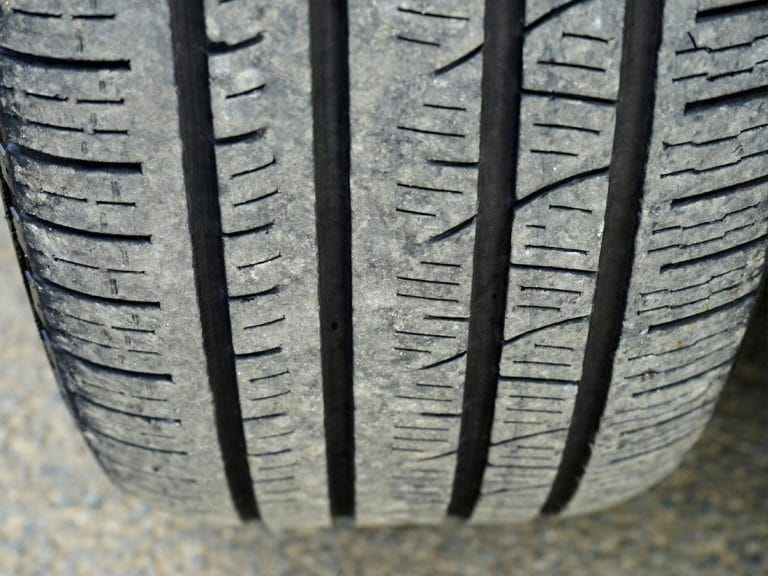
- Tread depth – Must be more than 2/32 inch. Less is unsafe.
- Age – Avoid tires older than six years.
- Damage – Look for cracks, cuts, or patches.
- Brand and model – Stick to known brands.
Risks
Used tires may have hidden defects or poor grip. Buy only from trusted sellers, and inspect carefully.
How To Read Tire Sidewall Markings
Understanding sidewall markings helps you know what you are buying. Besides size, you will see:
- DOT code – Age and factory
- Treadwear rating – Higher number means longer life (e.g., 400)
- Traction rating – Grades like AA, A, B, or C
- Temperature rating – Grades like A, B, or C
These ratings are part of the Uniform Tire Quality Grading (UTQG) system.
Special Considerations For Suvs, Trucks, And Sports Cars
Different vehicles need different tires.
Suvs And Trucks
- Need higher load index
- All-terrain or mud-terrain tires for off-road
- Often larger sizes, more expensive
Sports Cars
- Need performance tires
- Higher speed ratings
- Shorter tread life, but better grip
Electric Cars
- Require low rolling resistance for range
- Special tires designed for quiet and efficiency
How Tire Technology Has Changed
Modern tires use advanced rubber and tread designs. Some new features:
- Run-flat tires – Can drive even after losing air, up to 50 miles.
- Self-sealing tires – Seal small punctures automatically.
- Eco-friendly tires – Made with less oil, lower rolling resistance.
According to a recent industry report, eco-tires can reduce CO2 emissions by about 4% over their lifetime.
How To Save Money When Buying Car Tires
New tires are a big expense. Here’s how to save:
- Shop around – Compare prices online and at local shops.
- Look for promotions – Many brands offer rebates or discounts.
- Buy in sets of four – Sometimes cheaper than buying two at a time.
- Use manufacturer warranties – Replace tires early if defects appear.
Some drivers miss online deals that can save $100 or more per set.
The Impact Of Tire Choice On Driving
The tires you choose change the way your car feels and performs.
- Handling – Performance tires make steering sharper.
- Braking – Good wet grip shortens stopping distance.
- Comfort – Softer tires reduce vibration.
- Noise – Some tires are much quieter than others.
If you drive long distances, comfort and noise matter more. If you drive in city traffic, braking is key.
How To Decide Between All-season And Seasonal Tires
This is a common question. Here’s a quick guide:
- If you live where winters are mild, all-season tires are enough.
- If you face snow or ice every winter, buy winter tires for cold months.
- Switch back to summer or all-season tires for warm months.
Changing tires for the season may cost more, but improves safety.
How To Spot Fake Or Counterfeit Tires
Counterfeit tires are a real problem. They may look real, but have poor quality.
Signs Of Fake Tires
- No brand markings or strange names
- No DOT code or wrong format
- Poor quality sidewall printing
- Price much lower than normal
Buy from trusted shops only. Fake tires can fail suddenly.
What To Do With Old Tires
Old tires cannot be thrown in the trash. Most shops recycle them. Some ways to use old tires:
- Recycle into playground surfaces
- Use for garden beds
- Turn into art or furniture
The EPA says over 290 million tires are discarded each year in the US. Recycling helps the environment.
Non-obvious Insights Most Buyers Miss
Even experienced buyers miss some key points:
- Tire pressure changes with temperature – Cold weather lowers tire pressure, so check more often in winter.
- Mixing tread patterns can cause handling issues – Always use the same pattern and type on all wheels.
- Tire performance can drop before tread is gone – If rubber gets hard or cracks, grip is lost even if tread remains.
Many drivers believe tires last as long as tread, but age and rubber quality matter.
Real-life Example: Choosing Tires For A Family Sedan
Let’s say you drive a Toyota Camry. You live in a region with cold, snowy winters and hot summers.
- Tire size: 215/55R17
- Needs: Safe winter grip, quiet summer ride, good mileage
- Solution: Buy winter tires for November–March, all-season for the rest. Choose brands with strong reviews and a high treadwear rating. Check DOT code to avoid old stock. Install at a certified shop.
This approach costs more upfront, but improves safety and comfort.
Frequently Asked Questions
What Is The Best Tire Brand For My Car?
There is no single best tire brand for every car. Top brands like Michelin, Goodyear, and Bridgestone are known for quality and reliability. Choose a brand that fits your driving needs, budget, and vehicle. Always check reviews and ratings.
How Do I Know When To Replace My Tires?
Replace tires when tread depth is less than 2/32 inch, or when you see cracks, bulges, or uneven wear. Also replace if tires are older than six years, even if they look good. Poor grip, noise, and vibration are signs it’s time for new tires.
Is It Safe To Buy Used Tires?
Buying used tires can be safe if you check tread depth, age, and damage. Avoid tires with patches, cracks, or low tread. Only buy from trusted sellers. Used tires may not last as long as new ones and may have hidden problems.
How Do I Find My Car’s Tire Size?
Your car’s tire size is printed on the sidewall of each tire and listed in the owner’s manual. It looks like 205/55R16. Make sure to match all numbers exactly when buying new tires.
Can I Use Different Tires On Front And Rear Wheels?
It’s best to use the same tires on all wheels for safety and handling. Mixing types or patterns can cause uneven grip and poor performance. If you must use different tires, make sure they are similar in size and performance.
Final Thoughts
Buying car tires can feel confusing, but understanding key factors makes the process simple. Think about your car, your climate, and your driving style. Check tire size, type, brand, and ratings. Avoid common mistakes, and never rush the decision. Proper tires improve safety, comfort, and save money in the long run. For more detailed tire advice, visit NHTSA. With the right knowledge, you can drive confidently, knowing your tires will keep you safe wherever you go. See also why are car tires rotated the reason most drivers miss. See also why is my tire not coming off the rim easy solutions.
Products related to this article
Sponsored / affiliate links. As an Amazon Associate I earn from qualifying purchases. I may earn additional commission from eligible campaigns.