What Happens If Car Tires Aren’T Balanced? Don’T Ignore It
When car tires aren‘t balanced, you can experience steering wheel vibration, uneven tire wear, reduced fuel efficiency, and increased strain on suspension parts. Ignoring unbalanced tires can lead to premature tire replacement, costly repairs, and a less safe driving experience. Addressing tire balance promptly is key.
Understanding Tire Balance: The Hidden Force
So, what exactly is tire balance? Think of your car’s tire and wheel assembly. It might look perfectly round and smooth.
But in reality, even tiny differences in weight distribution can cause issues. This happens because tires are never perfectly uniform. There can be slight variations in the rubber’s thickness or even the wheel itself.
When these small weight differences are uneven, the assembly doesn’t spin smoothly as you drive.
This uneven spinning creates a wobble. It’s like trying to spin a perfectly balanced washing machine load versus one with a heavy towel bunched up on one side. The unbalanced load shakes and vibrates.
The same thing happens to your tire. As the wheel rotates faster, this imbalance gets worse. It sends vibrations through your steering wheel, your car’s frame, and even your seat.
This is the main symptom that something is off with your tire balance.
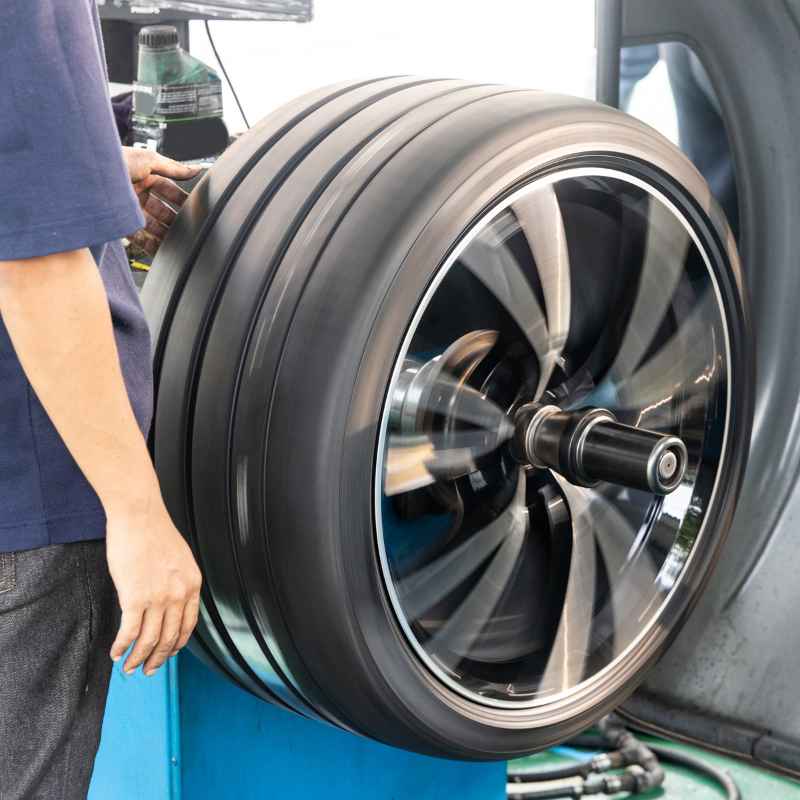
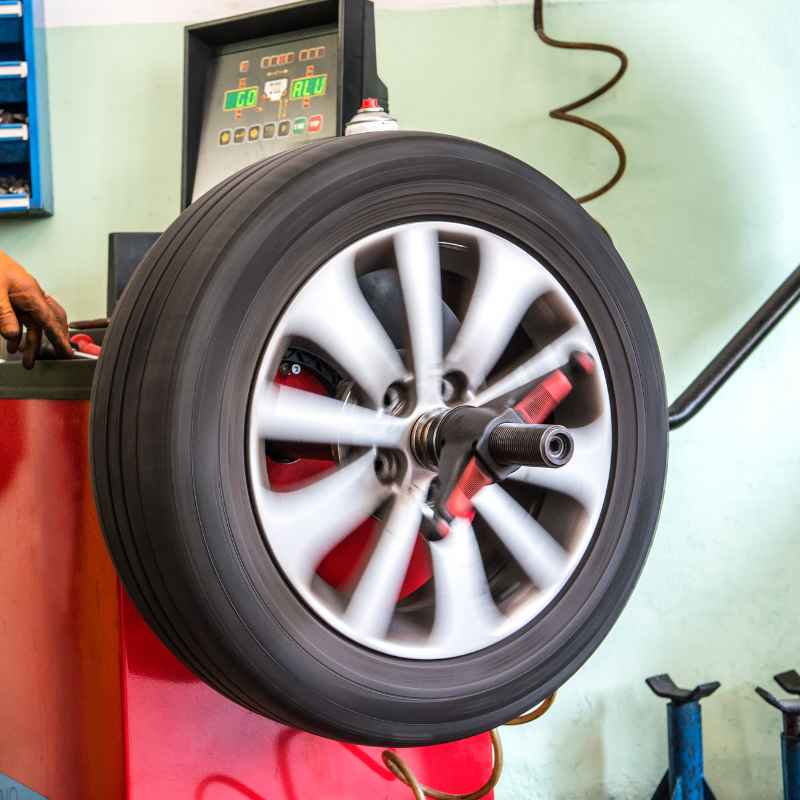
Tire balancing is the fix. Technicians use a special machine. They spin the wheel and tire assembly.
The machine detects where the weight is uneven. Then, small weights are attached to the wheel rim. These weights add just enough metal to the opposite side.
This makes the entire assembly perfectly balanced. It ensures the wheel spins true and smooth at all speeds. A balanced tire means a smooth ride and better handling for your car.
Personal Experience: The Road Trip That Wasn’t
I remember this one road trip years ago. My family and I were heading to the mountains. The car was packed.
We were about two hours in, cruising on the highway, when I started feeling it. A small vibration. It was mostly in the steering wheel.
I told my wife, “This road must be really bad.” She just nodded, looking out the window.
But as we drove, the vibration got worse. It wasn’t just a little shimmy anymore. It felt like the car was dancing on the road.
My hands were gripping the wheel tighter. I started to get that knot in my stomach. I kept thinking, “Is something going to break?” The ride was so uncomfortable.
We had to slow down. The fun of the trip was totally gone. We finally pulled over at a rest stop.
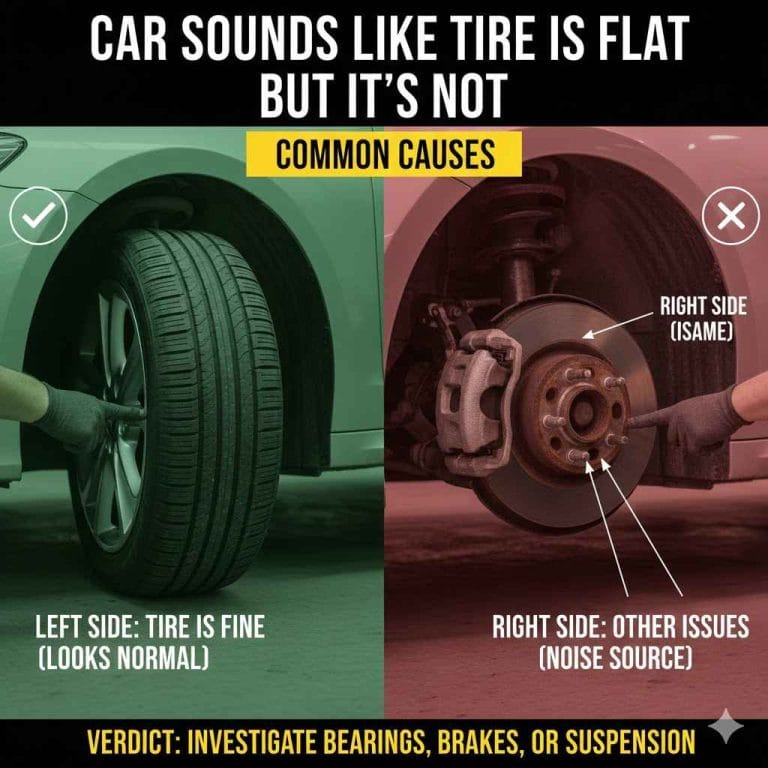
I got out and looked at the tires. They looked fine. No obvious problems.
But I knew that vibration wasn’t normal. It turned out one of our front tires was way out of balance. A quick stop at a tire shop fixed it.
The ride back was smooth as glass. It taught me a big lesson: don’t ignore those early warning signs.
The Unbalanced Tire’s Toll
Vibration: The most common sign. You feel it in the steering wheel, seats, or floorboards. It often gets worse at higher speeds.
Uneven Tire Wear: Tires start to wear down in spots. This looks like cupping or scalloping on the tread.
Poor Handling: Your car might pull to one side or feel less stable on the road.
Increased Fatigue: Driving becomes tiring due to constant vibrations.
What Happens If Car Tires Aren’t Balanced? The Domino Effect
When tires are out of balance, it’s not just about a bumpy ride. It’s about how that imbalance affects other parts of your car. It starts a chain reaction.
This chain reaction can cost you money and cause headaches down the road.
The first thing you’ll notice is the vibration. As the wheel spins unevenly, it makes your steering wheel shake. This is because the front tires are directly connected to your steering system.
This constant shaking puts extra stress on the steering components. Things like tie rods and ball joints can wear out faster than they should.
Then there’s the wear on your tires. An unbalanced tire doesn’t roll smoothly. It bounces slightly with every turn.
This bouncing causes the tire tread to wear down unevenly. Instead of wearing flat and evenly, certain spots on the tire get more pressure. This leads to what mechanics call “cupping” or “scalloping.” These are circular, scoop-like patterns in the tread.
This uneven wear shortens the life of your tires. You’ll have to buy new ones much sooner.
Your car’s suspension system also suffers. Your suspension is designed to absorb bumps and keep your tires on the road. When a tire is unbalanced, it’s like a constant tiny hammer blow hitting the suspension.
This extra force can damage shock absorbers, struts, and other suspension parts. These parts are expensive to replace. So, ignoring tire balance can lead to costly repairs beyond just new tires.
Fuel efficiency can also take a hit. When tires are unbalanced, your engine has to work harder. The wheels don’t spin as freely.
This means your car uses more gas to go the same distance. It’s a small difference at first, but it adds up over time. Think of it like trying to push a wobbly shopping cart versus a smooth one.
The wobbly one takes more effort.
Quick Scan: Is Your Car Telling You Something?
Signs of Unbalanced Tires
- Steering wheel shakes or vibrates, especially at highway speeds.
- Car feels shaky or unstable while driving.
- Tires make a humming or thumping noise.
- You notice unusual wear patterns on your tires.
- The car pulls to one side when you’re driving straight.
Real-World Context: Why Does Balance Get Off?
Tires don’t just become unbalanced for no reason. Several things can cause this. Understanding these causes can help you be more aware.
The most common reason is wear and tear. Over time, the tread on your tires wears down. This wear isn’t always perfectly even.
As weight is lost from one part of the tire, the balance shifts. Think of it like an eraser getting smaller. As you use it, its shape changes slightly.
Hitting potholes or curbs is another big culprit. When your tire slams into a pothole or scrapes against a curb, it can actually knock off a balance weight. Even a small jolt can dislodge one of those tiny metal weights that technicians attach.
If a weight falls off, the wheel is no longer balanced.
Road debris is also a factor. Things like nails, screws, or even just sticky mud can get stuck in your tire tread. This adds weight to one side of the wheel.
If this debris is significant enough, it can throw off the balance. Imagine driving with a large rock stuck in your tire tread. It would definitely make it wobbly.
Even the act of getting new tires can sometimes lead to imbalances. While tire shops are experts, sometimes the mounting process itself can create slight imbalances. This is why it’s always a good idea to have your tires balanced whenever you get new ones installed.
The climate also plays a role. Extreme temperature changes can affect the air pressure inside your tires. While this doesn’t directly cause imbalance, it can exacerbate existing issues.
Properly inflated tires are crucial for maintaining balance and tire health.
Contrast Matrix: Normal vs. Concerning Vibrations
| Normal Vibrations | Slight rumble on very rough roads. |
| Concerning Vibrations | Noticeable shaking in steering wheel or car body. |
| Normal Vibrations | Occasional minor steering wheel tremor at low speeds. |
| Concerning Vibrations | Consistent, strong vibration that gets worse with speed. |
| Normal Vibrations | Car feels stable and tracks straight. |
| Concerning Vibrations | Car feels unsteady, pulls to one side, or is hard to keep straight. |
What This Means For You: Safety and Savings
So, what does all this mean for you, the driver? It means that seemingly small issues can have big consequences. The most important is your safety.
When your tires are unbalanced, your car handles differently. Especially at higher speeds, a vibration can make you lose control. Imagine hitting a patch of ice or a sudden gust of wind.
If your steering is already compromised by vibrations, it’s much harder to react correctly. This can lead to accidents. Consumer Reports often highlight tire condition as a key safety factor.
Then there’s the financial impact. As we’ve discussed, unbalanced tires cause uneven wear. This means you’ll need to replace your tires more often.
Tires are a significant expense for most car owners. Replacing them every 30,000 miles instead of 60,000 miles really adds up. Plus, the stress on your suspension and steering systems can lead to expensive repairs.
Think about replacing struts or tie rods. These can cost hundreds or even thousands of dollars.
Fuel economy is another area where you’ll see an impact. Your car will burn more gas. Over a year, this can mean paying more at the pump.
It’s like paying extra just to have a bumpy ride.
Your driving comfort is also affected. Who wants to drive a car that shakes and rumbles constantly? It makes long trips unpleasant.
It can even add stress to your daily commute. A smooth ride means a more enjoyable and less tiring driving experience.
It’s crucial to remember that tire balance is a maintenance item. It’s not a repair you do only when something breaks. Regular checks and adjustments can prevent all these issues.
Stacked Micro-Sections: Key Takeaways for Drivers
Regular Checks: Get your tires balanced when you get new tires, or if you notice vibrations. This is key for tire longevity.
Listen to Your Car: Don’t ignore new noises or vibrations. They are your car’s way of talking to you.
Tire Wear: Inspect your tires regularly for uneven wear. This is a sure sign of a balance problem.
Professional Help: Tire shops have the right equipment to balance your tires accurately.
Quick Fixes and Tips for Balanced Tires
While tire balancing is a job for professionals, there are things you can do to help. And there are things to watch out for.
When to Get Them Balanced: The best time to get your tires balanced is when you buy new ones. Also, if you notice any of the signs we’ve talked about, like vibrations or pulling, it’s time to get them checked. Some manufacturers recommend a balance check every 5,000 to 10,000 miles.
Ask your mechanic what they recommend for your car.
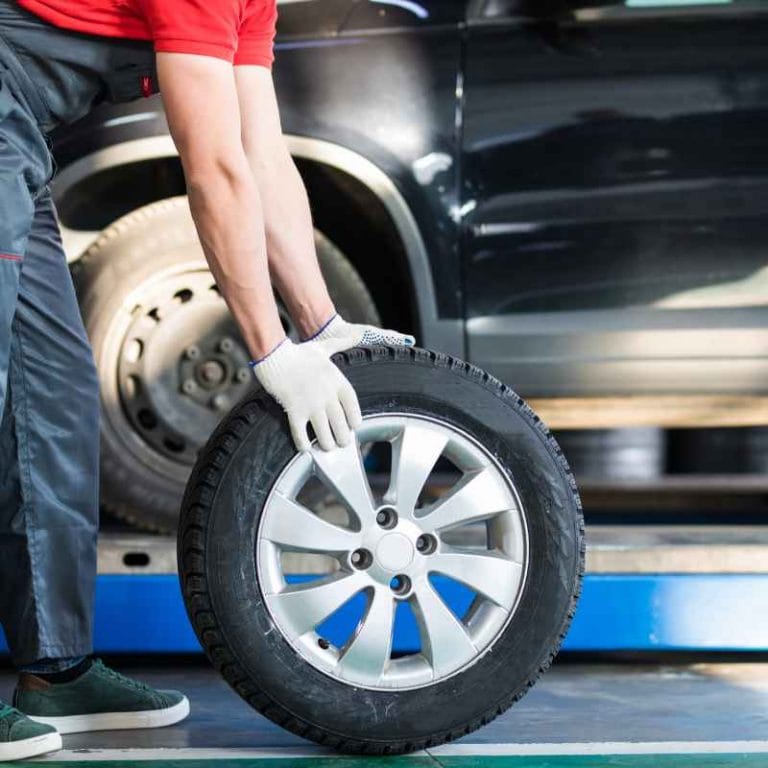
What to Expect at the Shop: The technician will take your wheel off. They’ll put it on a balancing machine. This machine spins the wheel to find the heavy spots.
Then, they will stick small weights onto the rim. These weights are usually made of lead or zinc. The goal is to make the wheel perfectly round and balanced when it spins.
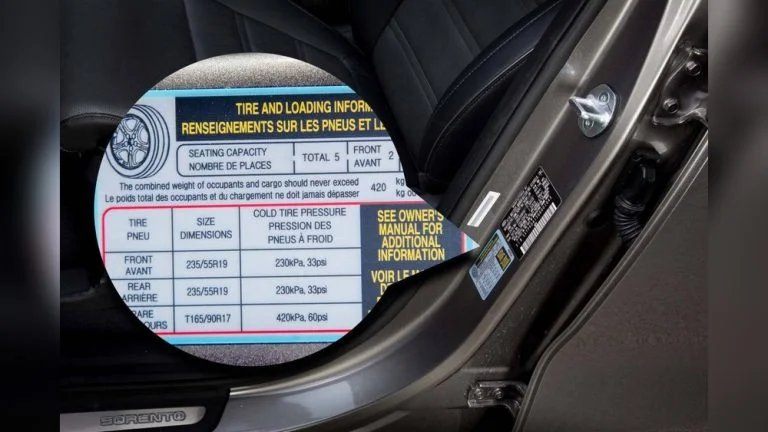
Tire Pressure is Key: Always keep your tires properly inflated. The correct tire pressure helps your tires wear evenly. Check your car’s doorjamb sticker for the right pressure.
Don’t just guess. Proper inflation also makes your tires more stable and responsive.
Driving Habits Matter: Try to avoid hitting potholes or curbs whenever possible. These impacts are rough on your tires and wheels. They can knock off balance weights or even damage the wheel rim.
Driving smoothly helps your tires last longer.
Road Hazard Protection: Some tire shops offer road hazard protection. This can cover damage from things like nails or potholes. It’s worth considering, especially if you drive in areas with rough roads.
Don’t Mix Tire Types: It’s generally best to have the same type and brand of tires on all four wheels. Mixing different tires can affect how your car handles. It can also make balancing more difficult.
Observational Flow: From Vibration to Smooth Ride
Step 1: Notice the Feeling. You might feel a slight shimmy in the steering wheel, especially at highway speeds.
Step 2: Don’t Ignore It. This is your car telling you something is wrong. It’s the early warning.
Step 3: Visit a Tire Shop. Explain what you’re feeling. They will inspect your tires and wheels.
Step 4: Balancing Process. The technician uses a machine to find and correct the imbalance with small weights.
Step 5: Test Drive. After balancing, the vibrations should be gone. Your car will feel stable and smooth again.
Step 6: Enjoy the Ride. A balanced car means a safer, more comfortable, and more fuel-efficient drive.
Frequently Asked Questions About Tire Balance
How often should I get my tires balanced?
It’s a good idea to balance your tires every time you get new tires. Most experts recommend checking them every 5,000 to 10,000 miles. Or, if you start to feel vibrations in your steering wheel or car.
Can I balance my tires myself?
No, balancing tires requires specialized equipment found only at auto repair shops. They have machines that spin the wheel and tire assembly to find the exact spots that need weights.
What’s the difference between tire balancing and wheel alignment?
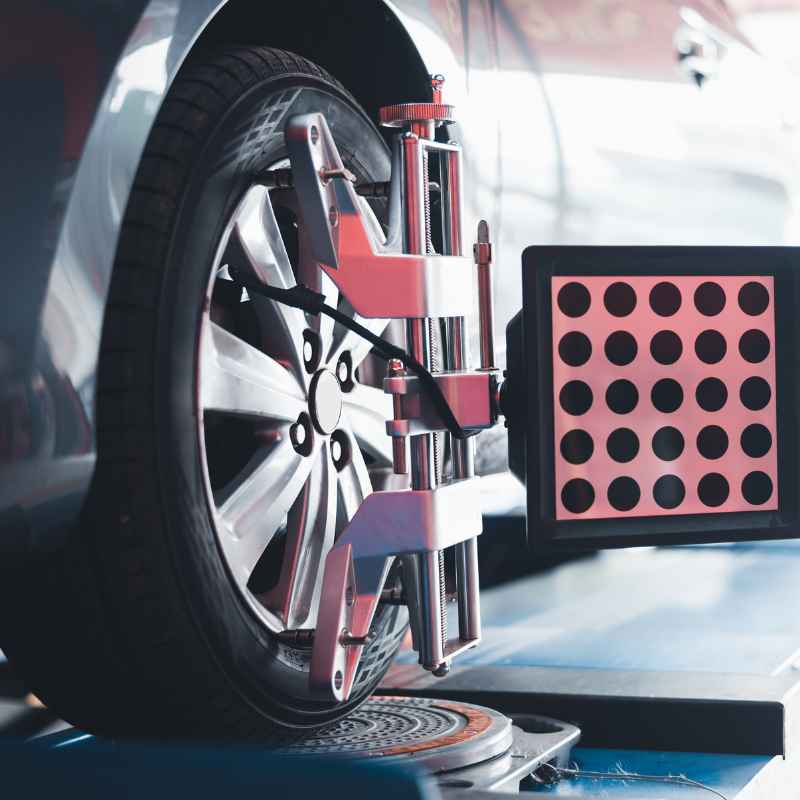
Tire balancing deals with the weight distribution of the tire and wheel assembly to ensure smooth spinning. Wheel alignment deals with the angles of your wheels to ensure they are parallel and perpendicular to the road, which affects steering and tire wear.
How long does a tire balancing service take?
Typically, balancing one tire takes about 10-15 minutes. So, balancing all four tires usually takes about 45 minutes to an hour, depending on how busy the shop is.
What if I only feel vibrations at certain speeds?
Vibrations that only happen within a specific speed range, like 50-65 mph, are a strong sign of unbalanced tires. As speed increases, the imbalance has more force, causing more noticeable shaking.
Can unbalanced tires damage my car’s suspension?
Yes, absolutely. The constant shaking from unbalanced tires puts extra stress on your car’s suspension and steering parts, like shocks, struts, and tie rods. This can lead to premature wear and costly repairs.
Conclusion: Keep Your Wheels Spinning Smoothly
Ignoring tire imbalance is like ignoring a little leak in your roof. It might seem small at first. But over time, it can cause serious damage and become a much bigger problem.
The vibrations, the uneven wear, the extra strain on your car—it all adds up.
By understanding what causes tire imbalance and what its effects are, you can take better care of your car. Regular checks and prompt attention to any strange feelings while driving will save you money. More importantly, it will keep you and your passengers safer on the road.
A smooth ride is a safe ride.
See also car tyre ideas for garden creative diy projects to try. See also pros and cons of all weather tires every driver should know.
Products related to this article
Sponsored / affiliate links. As an Amazon Associate I earn from qualifying purchases. I may earn additional commission from eligible campaigns.