How Often Should You Change Car Tires? The Honest Answer
We’ll break down exactly what you need to know. You’ll learn about wear, age, and all the little clues your car gives you. We’ll help you feel confident about your tire decisions.
The honest answer to how often you should change car tires depends on wear, age, and driving habits, typically between 6 to 10 years or when tread depth reaches 2/32 inch. Regular checks are key.
Understanding Tire Lifespan
Your car tires are the only thing connecting you to the road. That’s why their condition is so important. They help you steer, stop, and handle different weather.
Think of them like your shoes. When they get worn out, they don’t work as well.
Tires don’t last forever. They wear down over time. Driving on them causes the rubber to get thinner.
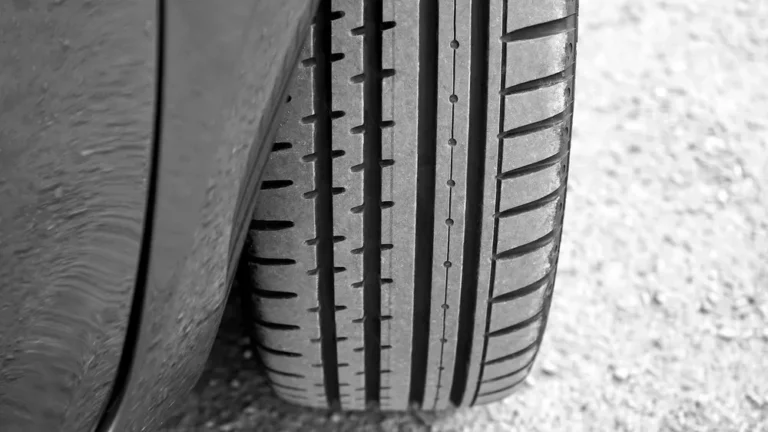
This is called tread wear. The tread is the pattern on the outside of the tire. It helps grip the road.
When the tread is low, your tires can’t grip well. This is more dangerous in rain or snow. It makes stopping harder.
It can also make your car drift.
Besides wear, tires also age. Rubber gets old. It can become brittle.
This can happen even if you don’t drive much. Sunlight, heat, and cold all play a part. Old tires can crack.
They might even blow out. This is why checking the age of your tires is just as vital as checking their tread.
So, it’s not just about how many miles you drive. It’s also about how long you’ve had them. And how you’ve treated them.
We will look closer at these factors.
My Tire Scare One Snowy Evening
I remember one winter evening quite clearly. I was driving home from a friend’s house. It had started to snow lightly, but it was quickly getting worse.
The roads were becoming slick. I was on a familiar highway, one I’d driven countless times. Suddenly, as I took a curve, my car felt… loose.
It wasn’t a sharp skid, but a sort of mushy slide that made my heart jump into my throat. My tires, which I thought were still okay, weren’t gripping the wet snow like they should.
Panic set in for a moment. I slowed down way more than usual. I remembered looking down at the dashboard, then my hands gripping the wheel tightly.
I could almost feel the lack of traction. That night, I vowed to pay much closer attention to my tires. It was a stark reminder that worn tires can turn a normal drive into a risky one very fast.
It wasn’t just about vanity; it was about safety, plain and simple. That feeling of uncertainty is something I never want to experience again, and it pushed me to really understand tire wear and tear.
Tire Wear Indicators: What to Look For
Tires have built-in indicators. These are small raised bars in the grooves of the tread. When the tread wears down to be even with these bars, it’s time for new tires.
Look for these bars. They show you when your tires are worn out.
How to Check Tire Wear
Checking your tires is a simple task. You can do it yourself. You don’t need special tools.
First, make sure your tires are cool. Park your car on a flat surface. Use a flashlight if needed.
You want to see the tread clearly.
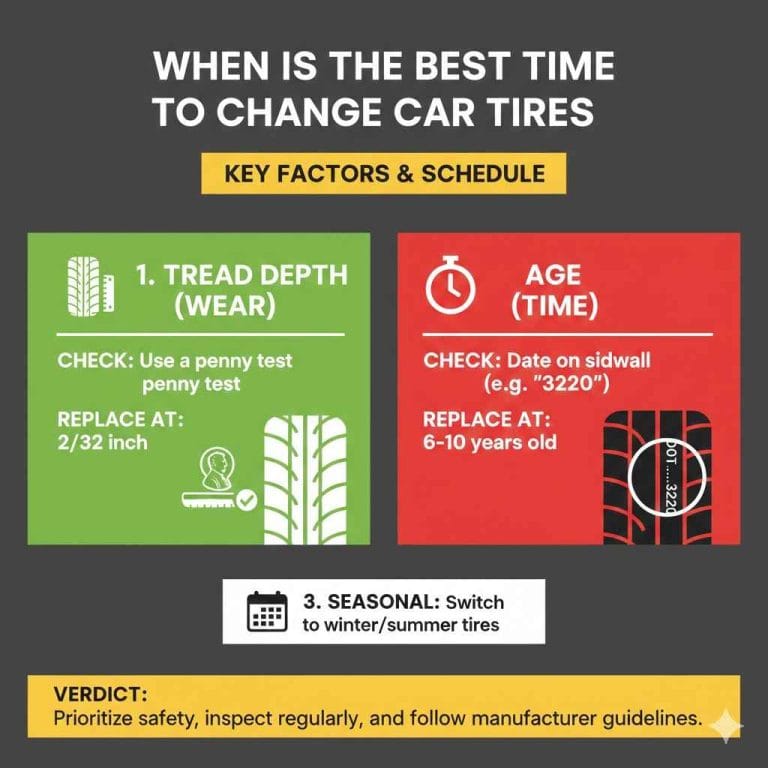
One easy way is the “penny test.” Take a penny. Put Abraham Lincoln’s head upside down into the deepest part of the tire tread. If you can see the top of Lincoln’s head, your tread is too low.
You need new tires. The U.S. government suggests a minimum tread depth of 2/32 of an inch.
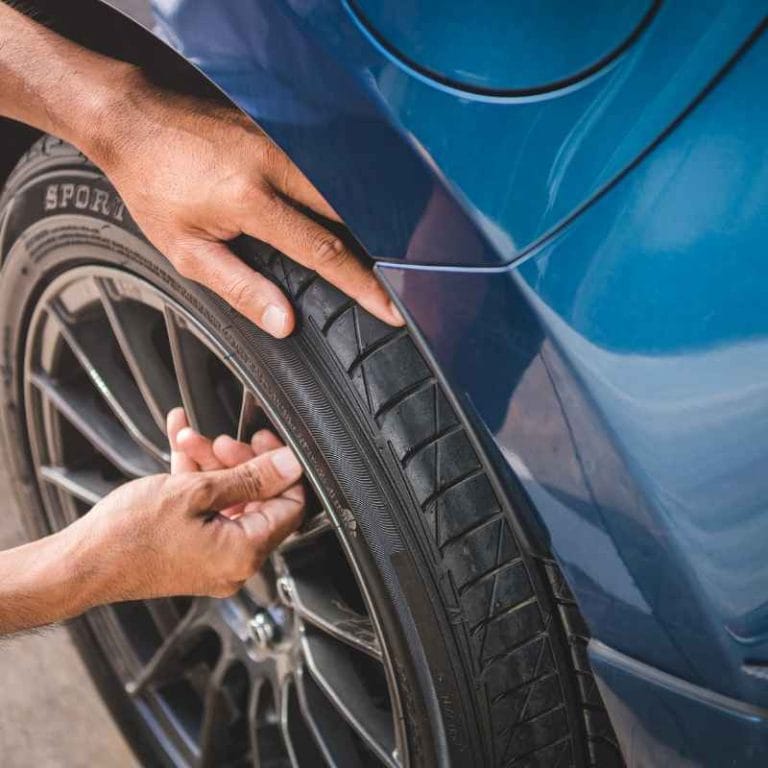
Another check is for uneven wear. Look at the tire from the side. Is one edge more worn than the other?
Does the center look more worn than the edges? Or are the edges worn more than the center? Uneven wear can mean other problems.
Your car might need an alignment. Or your tire pressure might be wrong. Fixing these issues can help your new tires last longer.
Also, check for cracks or bulges. Look at the sidewalls of the tire. Do you see any cuts?
Are there any bumps or blisters? These are serious problems. They can lead to a blowout.
If you see any of these, replace the tire right away. Don’t wait.
Tire Pressure: A Quick Check
Proper tire pressure is key for even wear and safety. Look for the sticker on your driver’s side door jamb. It tells you the right pressure.
Check your tires when they are cold. A tire pressure gauge is a cheap and useful tool to have.
The Age Factor: Beyond Tread Depth
We often focus on tread wear. But tire age is just as crucial. Rubber is a natural material.
It degrades over time. Exposure to sun, heat, and oxygen makes it dry out. This leads to cracks.
These cracks can appear on the sidewalls or even on the tread itself.
Even if your tires look good and have plenty of tread, they can become unsafe with age. Tires can lose their flexibility. They become brittle.
This means they are more likely to fail suddenly. This is why most tire manufacturers and safety experts recommend replacing tires that are 6 to 10 years old. This is true even if they have never been used.
How do you know how old your tires are? Look for the DOT code on the sidewall. This is a series of numbers and letters.
The last four digits tell you the week and year the tire was made. For example, “2419” means the tire was made in the 24th week of 2019. If the code is “3015,” it means the 30th week of 2015.
If you can’t find the DOT code, or if it’s old and faded, it might be hard to tell. In that case, it’s best to be safe. Consult a tire professional.
They can help you assess the tire’s age and condition. Remember, a tire that looks fine might be hiding age-related weaknesses.
Tire Age Breakdown
- New Tires: Less than 3 years old.
- Good Condition: 3 to 5 years old (with good tread).
- Check Carefully: 6 to 10 years old (inspect closely for age signs).
- Replace: Over 10 years old, regardless of tread.
Driving Habits and Tire Longevity
How you drive your car makes a big difference. Aggressive driving wears tires out faster. This includes things like fast acceleration.
It also includes hard braking. Taking corners too quickly also stresses your tires. These actions cause the rubber to rub more.
This speeds up tread wear.
Your driving environment matters too. Driving on rough roads can cause more damage. Roads with lots of potholes or gravel can chip away at the tire.
Frequent driving on hot pavement can also speed up aging. On the other hand, smooth highway driving is easier on tires.
Proper tire pressure is also a habit. Under-inflated tires flex too much. This makes them overheat.
It causes wear on the outer edges. Over-inflated tires have less contact with the road. This makes them wear out in the center.
Regularly checking and adjusting your tire pressure is a simple habit that saves tires.
If you often carry heavy loads, this also adds stress. It can increase wear. Think about how you use your car.
Do you drive mostly in the city? Or long highway miles? Are you often on dirt roads?
These details help predict how long your tires will last.
Driving Habit Impact
| Habit | Effect on Tires |
| Aggressive Driving (Speeding Up/Braking Hard) | Faster tread wear. |
| High-Speed Cornering | Edge wear, potential damage. |
| Driving on Rough Roads | Chipping, cuts, faster wear. |
| Consistent Under/Over Inflation | Uneven wear patterns. |
What Affects Tire Performance Besides Wear?
It’s not just about how much tread is left or how old the tire is. Other things can affect your tires. These include the weather.
And how your car is aligned. Even the type of tires you choose plays a role.
Weather: Extreme temperatures can affect tire performance. Very hot weather can cause tires to heat up. This can speed up aging.
Very cold weather can make the rubber harder. This reduces grip. Rain and snow are obvious challenges.
Worn tires handle these poorly. But even good tires can struggle if they are not the right type for the season.
Wheel Alignment: Your car’s wheels need to be aligned correctly. This means they point straight ahead. It also means they are parallel to each other.
If your alignment is off, your tires will wear unevenly. It can also make your car pull to one side. This is a safety issue and a tire-killer.
Tire Balance: Tires need to be balanced. This means the weight is spread evenly around the tire. If a tire is unbalanced, it can vibrate.
This can cause uneven wear. It can also be uncomfortable to drive. You might feel a shaking in the steering wheel.
Tire Type: There are different types of tires. All-season tires are common. They work okay in most conditions.
But they aren’t the best for heavy snow. Summer tires offer great grip in warm weather. Winter tires have special rubber and tread for cold and snow.
Using the right tires for the season can improve safety and tire life.
Factors Beyond Tread Depth
- Climate: Extreme heat and cold impact rubber.
- Alignment: Misaligned wheels cause uneven wear.
- Balance: Unbalanced tires vibrate and wear poorly.
- Tire Type: All-season vs. summer vs. winter tires.
- Road Conditions: Potholes and rough surfaces.
When Are My Tires Definitely “Too Old”?
This is a tough question because there’s no exact mileage for age. But safety groups have clear advice. Most experts say you should consider replacing tires after 6 years.
Even if they look fine. And definitely by 10 years. This is regardless of tread depth.
Why so strict? Because the rubber itself degrades.
Think of an old rubber band. It might look okay. But it snaps easily.
Tire rubber can become like that. It’s not as flexible. It’s more prone to sudden failure.
A blowout can be very dangerous. Especially at highway speeds.
So, even if you only drive your car a few thousand miles a year, you still need to think about age. Those tires are still sitting there. They are still exposed to the elements.
Sunlight, air, and temperature changes all contribute to aging. This is why a low-mileage car might still need new tires sooner than you think.
If your tires are 6 years old, start checking them more often. Look for small cracks in the sidewall. Check if the rubber feels hard.
If you see any signs of age, or if you are nearing the 10-year mark, it’s time to plan for replacement. It’s a proactive step for your safety.
Age vs. Tread: A Quick Look
Normal Tire Life: 6-10 years or until tread is worn.
Tread Wear: Check the penny test. 2/32 inch is the legal minimum.
Age Concerns: Cracks, stiffness, loss of flexibility.
Recommendation:
Signs Your Tires Might Need Changing Soon
Beyond the obvious low tread, there are other clues. Paying attention to these signs can help you avoid problems. It’s like listening to your car.
It tells you what it needs.
Strange Noises: A humming or thumping sound can signal tire issues. It might mean the tread is worn unevenly. Or that the tire is damaged internally.
Sometimes, you might hear a whistling or flapping sound. This could be a sign of air loss. Or a tire starting to break apart.
Vibration: If you feel a vibration in your steering wheel or through the car, it’s a warning. This often points to unbalanced tires. But it can also mean the tire is damaged.
Or that the tire is not round anymore. This is dangerous. It affects handling.
Loss of Grip: Do you feel like your car is slipping more? Especially in wet or dry conditions? This is a clear sign of reduced traction.
Your tires are not gripping the road as they should. This makes steering and braking less effective. It’s a major safety concern.
Cracks and Cuts: As mentioned, any visible cracks. Or cuts on the sidewall or tread are serious. These are signs of rubber degradation or damage.
Don’t ignore them. They can lead to sudden tire failure.
Bulges or Blisters: These look like bumps on the tire’s sidewall. They indicate internal damage. The tire’s structure is compromised.
This is a critical safety hazard. The tire could blow out at any moment. Replace it immediately.
Warning Signs Checklist
Listen: Humming, thumping, or flapping noises.
Feel: Vibrations in the steering wheel or car body.
Sense: Reduced grip or slipping, especially when braking.
See: Visible cracks, cuts, bulges, or blisters on the tire.
Check: Tread depth using the penny test (if Lincoln’s head is visible, it’s time).
When to Change Tires: Real-World Scenarios
Let’s look at a few typical situations. This can help you decide when it’s your time for new tires.
Scenario 1: The High-Mileage Driver. Sarah drives 20,000 miles a year for work. She often drives on highways. She checks her tire pressure weekly.
She notices her tires, which are 4 years old, are starting to look a bit low on tread. The penny test shows Lincoln’s head is becoming visible. Based on her mileage and tread wear, she should consider new tires within the next 6 months to a year.
She wants to avoid getting caught with low tread during the rainy season.
Scenario 2: The Low-Mileage Owner. Mark only drives about 5,000 miles a year. His car is 8 years old. The tires look okay.
The tread is still decent, maybe a bit more than the penny test minimum. However, he notices some small cracks on the sidewalls when he washes the car. Even though the tread is okay, the age and the cracks are a concern.
Mark should plan to
Scenario 3: The Weather Warrior. Maria lives in a place with very cold winters and hot summers. She uses all-season tires. After 5 years, she notices her tires don’t grip as well on icy roads as they used to.
Even with good tread, the rubber has likely hardened in the cold. She might consider dedicated winter tires. Or at least inspect her all-seasons closely for signs of age and wear.
If they are showing any stiffness or cracks, she should replace them before winter.
These examples show that it’s a mix of factors. Mileage, age, and visible condition all matter. It’s about being aware of your specific situation.
Scenario Quick Guide
- High Mileage: Focus on tread wear and driving habits.
- Low Mileage: Focus on tire age and visible degradation (cracks).
- Harsh Climates: Consider seasonal tires and their age/condition.
What This Means for Your Car’s Safety
Changing your tires when needed isn’t just about a smooth ride. It’s a critical safety measure. Worn or old tires can lead to dangerous situations.
Braking Distance: Good tread is essential for stopping. When tires are worn, they can’t grip the road as well. This means it takes longer to stop your car.
In an emergency, those extra feet can make all the difference. Imagine needing to brake suddenly. You want your tires to do their job.
Hydroplaning: This happens when a layer of water builds up between your tires and the road. Good tread helps channel water away. Worn tires can’t do this as well.
This makes your car float on the water. You lose steering control. This is called hydroplaning.
It’s incredibly dangerous, especially at speed.
Handling and Stability: Tires provide the grip needed for turning and maneuvering. When they are compromised, your car’s handling suffers. You might feel less control.
The car might sway more. Or feel less responsive to steering. This affects your ability to avoid obstacles.
Blowouts: Old, brittle tires or tires with internal damage are at risk of a sudden blowout. This is when the tire rapidly loses all its air. It can cause a sudden loss of control.
This is especially dangerous if it happens at high speed or while turning.
Regularly checking your tires ensures they can perform their best. This keeps you and others on the road safer. It’s a simple step with big safety rewards.
Safety Implications of Worn Tires
Increased Braking Distance: Takes longer to stop.
Higher Risk of Hydroplaning: Loss of control on wet roads.
Reduced Handling: Less stable steering and cornering.
Potential for Blowouts: Sudden, dangerous tire failure.
Quick Tips for Maximizing Tire Life
While tires do wear out, you can take steps to make them last longer. Good maintenance can extend their life. And save you money in the long run.
Maintain Correct Tire Pressure: This is the simplest and most effective tip. Check your tire pressure at least once a month. And before long trips.
Use the pressure recommended on your car’s sticker, not the maximum pressure on the tire sidewall. Properly inflated tires wear evenly. They also improve fuel efficiency.
Rotate Your Tires Regularly: Most mechanics recommend rotating tires every 5,000 to 7,500 miles. This means moving the front tires to the back and vice versa. If you have all-wheel drive, the rotation pattern might be different.
Rotation helps ensure all tires wear down at a similar rate. This promotes even tread wear.
Get Wheel Alignments: Have your wheel alignment checked at least once a year. Or if you notice your car pulling to one side. Or if you hit a large pothole.
Proper alignment keeps your tires pointing straight. This prevents uneven wear.
Balance Your Tires: If you feel vibrations when driving, get your tires balanced. This is usually done when you get new tires. Or when you rotate them.
Balancing ensures weight is evenly distributed. This leads to a smoother ride and even wear.
Drive Smoothly: Avoid rapid acceleration and hard braking. Take corners at moderate speeds. Smooth driving puts less stress on your tires.
This helps them last longer.
Inspect Regularly: Make it a habit to look at your tires. Check for any objects stuck in the tread. Look for any signs of damage or unusual wear.
Early detection of problems can prevent bigger issues.
Tire Longevity Tips
- Pressure: Check monthly.
- Rotation: Every 5,000-7,500 miles.
- Alignment: Annually or after impacts.
- Balance: When vibrations occur.
- Driving: Smooth acceleration and braking.
- Inspection: Regular visual checks.
Frequently Asked Questions about Tire Changes
How many miles can car tires typically last?
Car tires can last anywhere from 20,000 to 50,000 miles, and sometimes even more. This varies a lot based on the tire type, your driving habits, road conditions, and how well you maintain them. Don’t just go by mileage; always check tread depth and age.
Is it okay to mix different tire brands or types on my car?
It’s generally best to use the same brand and type of tire on all four wheels. Mixing can affect your car’s handling and braking. If you must mix, at least try to match tires on the same axle (front or rear).
Always consult your car’s manual or a tire professional.
How can I tell if my tires are starting to lose air?
You might notice a tire looking visibly flatter than the others. Your car might pull to one side when you drive. You might also hear a hissing sound.
Regularly checking tire pressure with a gauge is the most reliable way to catch slow leaks early.
What does it mean if my tires are making a humming sound?
A humming sound can mean several things. It often indicates uneven wear on the tread. This can happen due to poor alignment, under-inflation, or aggressive driving.
It might also suggest the tire itself is wearing out internally. It’s a good reason to get them inspected.
Can I change only two tires if the other two are still good?
It’s best to replace tires in pairs, meaning both front tires or both rear tires at the same time. For all-wheel-drive vehicles, it’s highly recommended to replace all four tires together. This ensures consistent traction and handling across the vehicle.
What’s the difference between a summer tire and a winter tire?
Summer tires are designed for warm weather with more flexible rubber and tread patterns that offer great grip on dry and wet roads. Winter tires have a special rubber compound that stays flexible in freezing temperatures. They also have deeper, more aggressive tread patterns to bite into snow and ice for better traction.
Final Thoughts on Tire Replacement
Deciding when to change your car tires is a balance. It’s a mix of mileage, age, and what you see. Always prioritize safety.
Keep an eye on your tread depth. Don’t forget how old your tires are. Listen to your car.
If you feel or hear something strange, get it checked.
Taking care of your tires means taking care of yourself and your passengers. It’s a vital part of responsible car ownership. Stay informed, check often, and drive safely.
See also how to avoid a car tyre puncture on long road trips.
Products related to this article
Sponsored / affiliate links. As an Amazon Associate I earn from qualifying purchases. I may earn additional commission from eligible campaigns.