What is the Difference Between Car Models? (Simple Explanation)
Buying a new car can feel overwhelming, especially when you see so many terms like sedan, hatchback, SUV, or coupe. Even people who have driven for years sometimes wonder what really separates one car model from another. These differences are not just about style or size—they often affect how a car performs, how much space you get, and how the car fits your lifestyle.
If you’re thinking about your next car or just want to understand the world of automobiles better, knowing the details between car models is a smart move.
Let’s explore what makes each car model unique. You’ll learn about the design, main features, real-world examples, and practical considerations for each type. Whether you want a family car, something sporty, or a daily commuter, understanding these differences will help you make a confident choice.
What Does “car Model” Really Mean?
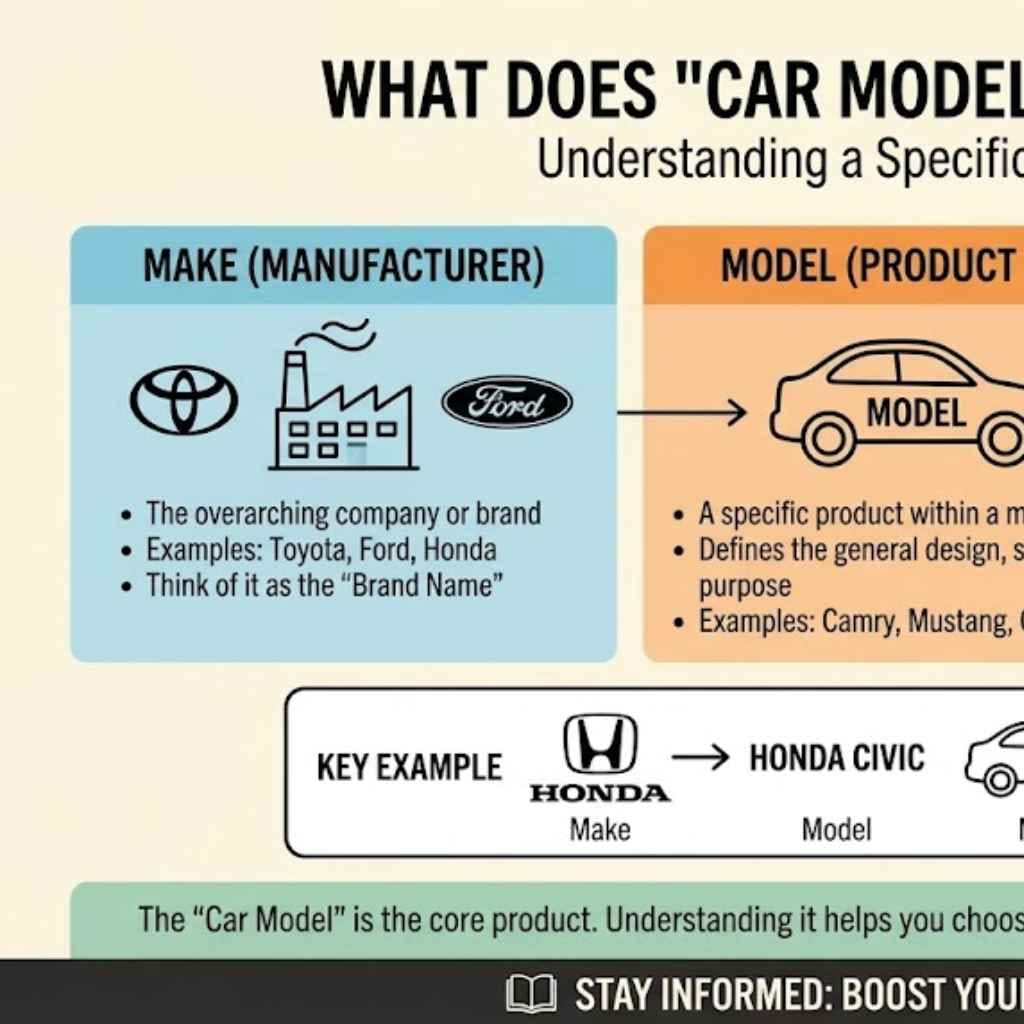
Many people confuse car models with other terms like make or trim. A car’s make is the manufacturer (like Toyota or Ford), while the model refers to a specific product line (like Camry or Mustang). Within one model, there might be several trims or configurations, each with different features or engines.
For example, the Honda Civic is a car model, but it comes in different trims (LX, EX, Sport). Understanding car models is about knowing how the shape, design, and purpose of a vehicle change from one type to another.
Main Types Of Car Models And How They Differ
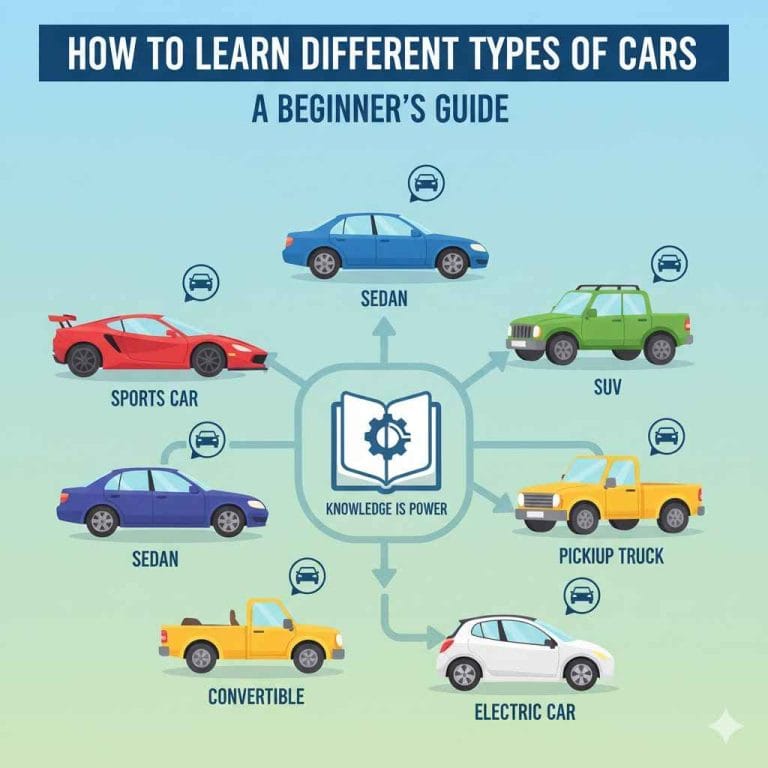
The automotive world has many car models, but most fit into a few key categories. Each one is built with a certain driver or purpose in mind.
1. Sedan
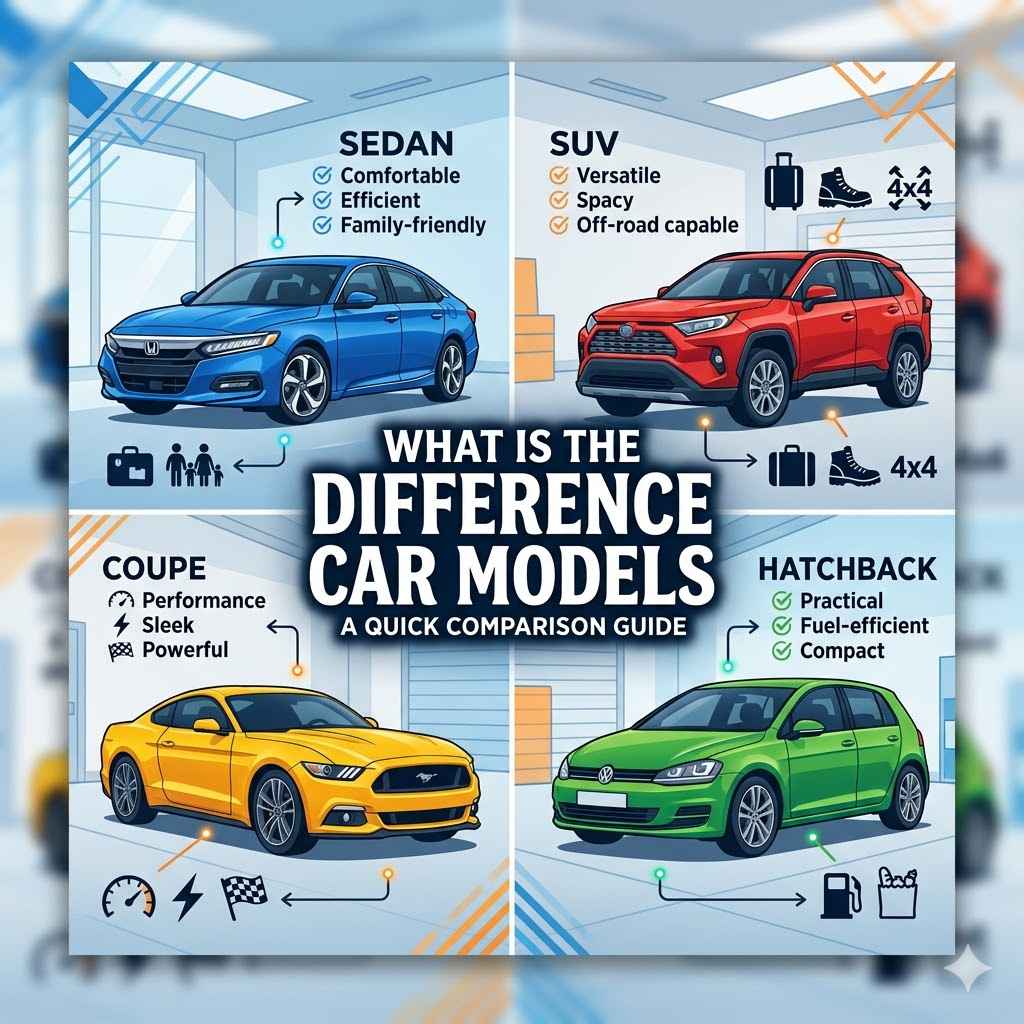
A sedan is one of the most common car models worldwide. It usually has four doors and a separate trunk for cargo.
- Design: Sedans have a three-box layout—engine, passenger area, and trunk.
- Examples: Toyota Camry, Honda Accord, Hyundai Sonata
- Why choose: Comfortable for families, good fuel economy, and quiet rides.
- Insight: Some sedans now offer sporty trims with powerful engines, blurring the line with performance cars.
2. Hatchback
A hatchback looks similar to a sedan but has a rear door that swings up, giving access to the cargo area. This design allows you to fold the back seats for more space.
- Design: Two-box layout—engine and combined passenger/cargo area.
- Examples: Volkswagen Golf, Honda Fit, Ford Focus
- Why choose: Great for city driving, flexible cargo space, easy to park.
- Beginner tip: Hatchbacks often have more room than you expect, especially with the seats folded down.
3. Suv (sport Utility Vehicle)
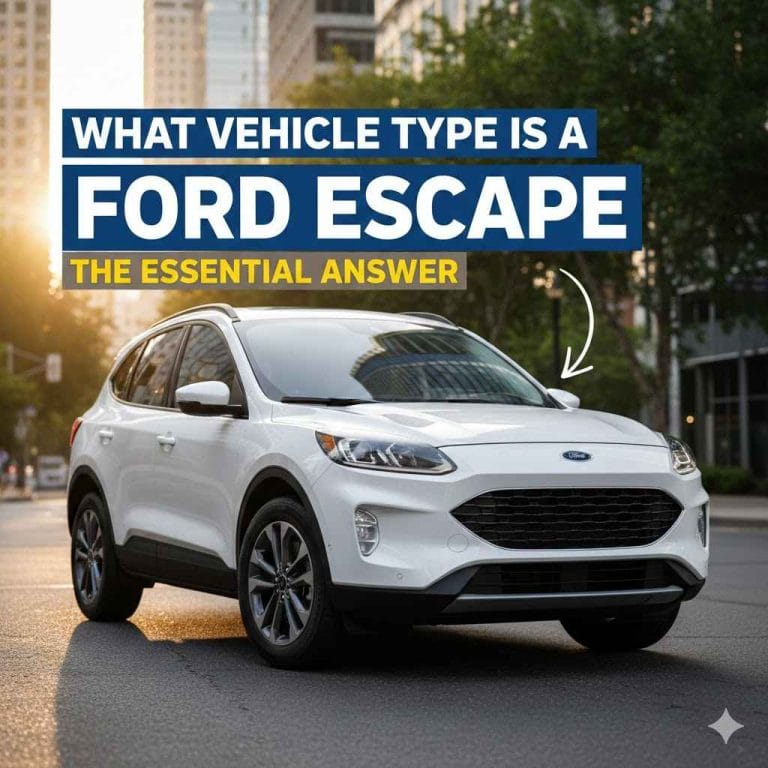
SUVs are popular for their size, comfort, and ability to handle rough roads. They usually sit higher off the ground.
- Design: Higher ride height, more ground clearance, often available with all-wheel drive.
- Examples: Toyota RAV4, Ford Explorer, Honda CR-V
- Why choose: Good for families, outdoor trips, or bad weather.
- Non-obvious insight: Not all SUVs are built for off-roading; many are designed mainly for city and highway use.
4. Crossover
A crossover looks like an SUV but is built on a car’s frame, not a truck’s. This makes it lighter and usually more fuel-efficient.
- Design: Mix of car and SUV, unibody construction.
- Examples: Mazda CX-5, Nissan Rogue, Hyundai Tucson
- Why choose: Easier to drive than big SUVs, but still gives you more space and a higher driving position.
5. Coupe
A coupe is designed for style and sportiness, often with two doors and a sloping roof.
- Design: Sleek, low roofline, usually two doors.
- Examples: Ford Mustang, BMW 4 Series, Audi A5
- Why choose: Sporty look and feel, good performance.
- Hidden detail: Some modern coupes have four doors but keep the coupe name for marketing.
6. Convertible
A convertible lets you drive with the roof down for open-air fun.
- Design: Retractable roof (manual or automatic), may be soft or hard top.
- Examples: Mazda MX-5 Miata, BMW Z4, Chevrolet Camaro Convertible
- Why choose: Fun for sunny days, stylish, often sporty.
- Practical note: Convertibles can be noisier and offer less security than hardtops.
7. Station Wagon
A station wagon combines a sedan’s comfort with the cargo space of an SUV.
- Design: Extended roofline, rear hatch door, large cargo area.
- Examples: Subaru Outback, Volvo V60, Audi A4 Allroad
- Why choose: Lots of space for luggage or pets, comfortable for long trips.
8. Minivan
Minivans are made for families, focusing on space and convenience.
- Design: Sliding doors, three rows of seats, flat floors.
- Examples: Honda Odyssey, Toyota Sienna, Chrysler Pacifica
- Why choose: Easy for kids and seniors to enter, fits 7 or 8 people, lots of storage.
9. Pickup Truck
A pickup truck is built for carrying heavy loads and sometimes off-road driving.
- Design: Two or four doors, open cargo bed in the back, high ground clearance.
- Examples: Ford F-150, Chevrolet Silverado, Ram 1500
- Why choose: Good for work, towing, and outdoor activities.
- Insight: Many pickups now offer luxury features, making them comfortable for daily driving.
10. Sports Car
Sports cars are made for speed, sharp handling, and excitement.
- Design: Low, sleek body, often two seats, powerful engines.
- Examples: Porsche 911, Chevrolet Corvette, Nissan GT-R
- Why choose: Best for driving fun, not always practical for daily use.
11. Luxury Car
A luxury car focuses on comfort, technology, and high-quality materials.
- Design: Premium features, quiet interiors, advanced safety.
- Examples: Mercedes-Benz S-Class, Lexus LS, Audi A8
- Why choose: Superior comfort, status symbol, advanced gadgets.
12. Hybrid And Electric Cars
These models use alternative power to save fuel and reduce pollution.
- Design: Hybrid uses gas plus electric motor, electric uses only batteries.
- Examples: Toyota Prius (hybrid), Tesla Model 3 (electric), Nissan Leaf (electric)
- Why choose: Low running costs, eco-friendly, some offer fast acceleration.
Comparing Car Models: Size, Space, And Use
Seeing the differences between car models is easier with a comparison. Here’s a simple data table showing average dimensions and passenger capacity for common types.
| Car Model | Average Length (m) | Seats | Main Use |
|---|---|---|---|
| Sedan | 4.7 | 5 | Family, daily commute |
| Hatchback | 4.2 | 4-5 | City, small families |
| SUV | 4.6-5.2 | 5-7 | Family, outdoor trips |
| Coupe | 4.5 | 2-4 | Sport, style |
| Pickup Truck | 5.2-5.8 | 2-5 | Work, towing |
| Minivan | 5.1 | 7-8 | Large families |
Key Factors That Set Car Models Apart
Choosing between car models is about more than looks. Here are the main factors that truly separate one from another:
Body Shape And Doors
- Sedans and station wagons have four doors, while coupes often have two.
- Hatchbacks and wagons have a rear door that lifts up.
- Minivans feature sliding doors for easy access.
Ride Height And Ground Clearance
- SUVs and pickup trucks sit higher, making them better for rough roads.
- Sedans, coupes, and hatchbacks have lower ride height for smooth, stable handling.
Cargo Space
- Station wagons, minivans, and SUVs offer much more cargo space than sedans or coupes.
- Hatchbacks give you flexible space, but not as much as a minivan or SUV.
Handling And Performance
- Sports cars and some coupes focus on speed and cornering, often at the cost of comfort or space.
- Luxury cars and sedans offer smooth, quiet rides.
- SUVs and pickup trucks are heavier and may feel less “sharp” in corners.
Fuel Economy
- Hatchbacks and sedans usually offer the best fuel economy.
- SUVs and pickup trucks use more fuel, especially older or larger models.
- Hybrid and electric cars are designed for maximum efficiency.
Seating And Interior Space
- Minivans and some SUVs can seat 7 or 8 people.
- Coupes and sports cars may only have two or four seats.
- Sedans, hatchbacks, and station wagons typically seat 4–5 people.
Drivetrain
- SUVs and pickup trucks often offer all-wheel or four-wheel drive for tough conditions.
- Sedans and hatchbacks usually come with front-wheel drive, which is enough for most city and highway use.
What Really Matters When Choosing A Car Model
Picking the right car model is not just about personal taste. Consider these points to avoid common mistakes:
- Purpose: Think about what you need most. Is it space for kids, off-road ability, or just a fuel-efficient commuter?
- Parking: Larger models (SUVs, trucks, minivans) can be hard to park in tight city spaces.
- Budget: Some models cost more to maintain or insure, like sports cars or luxury vehicles.
- Fuel: If you drive a lot, a hatchback or hybrid can save you money.
- Weather: If you live where it snows, an SUV or crossover with all-wheel drive could be safer.
- Resale Value: Popular models (like Toyota Camry or Honda CR-V) often keep their value better.
Non-obvious advice: Many buyers forget to check how easy it is to load child seats or large items in the back. Test this before you decide.
Real-world Examples: When Different Models Make Sense
Let’s look at a few scenarios to see how model differences matter in daily life.
- Young professional in the city: A hatchback or small sedan is easy to park, uses little fuel, and is affordable.
- Family with two kids: A sedan, compact SUV, or minivan offers space, comfort, and safety.
- Outdoor adventurer: An SUV or pickup truck can handle camping gear, rough roads, or towing.
- Car enthusiast: A coupe or sports car gives fun and style, but may not be practical for families.
- Eco-conscious driver: A hybrid or electric hatchback is clean, quiet, and efficient.
The Role Of Trends And Technology In Car Models
Car models change with new trends and technology. Today, many car makers offer crossovers because people want the look of an SUV but the handling of a car. Electric and hybrid models are also growing quickly as fuel prices rise and people care more about the environment.
Some car models now offer advanced safety features like automatic braking, lane keeping, and adaptive cruise control. These are often easier to find in luxury cars but are becoming common in sedans and SUVs too.
Data point: In 2023, over 60% of new cars sold in the US were SUVs or crossovers, showing how tastes have shifted.
Comparing Models By Price And Value
Let’s see how some car models compare in terms of average price (US market, 2024) and what you get for your money.
| Model Type | Starting Price (USD) | Main Advantages | Typical Drawbacks |
|---|---|---|---|
| Sedan | $23,000 | Affordable, practical, comfortable | Less cargo space |
| Hatchback | $20,000 | Flexible cargo, easy to park | Less stylish to some buyers |
| SUV | $29,000 | Roomy, higher view, safe feel | Higher fuel use, costlier |
| Sports Car | $28,000+ | Fast, exciting, stylish | Low space, expensive insurance |
| Minivan | $34,000 | Maximum space, family-friendly | Not sporty, larger size |
| Pickup Truck | $33,000 | Towing, hauling, rugged | High fuel use, big size |
| Hybrid/Electric | $28,000 | Efficient, eco-friendly | Limited range (electric), higher upfront price |
Common Mistakes When Comparing Car Models
Even experienced buyers can make errors when choosing between car models. Here are some things to watch for:
- Ignoring practical needs: It’s easy to fall for the look of a sports car, but will it fit your family or luggage?
- Overestimating SUV benefits: Many SUVs rarely go off-road. If you mostly drive in the city, a sedan or hatchback may be better.
- Underestimating total costs: Insurance, fuel, and maintenance can be much higher for pickups, SUVs, and sports cars.
- Missing test drives: Features on paper don’t show how a car feels on the road. Always test drive different models before you buy.
- Not thinking ahead: Your needs may change soon (kids, pets, moving). Pick a model with some flexibility.
How Car Models Affect Insurance And Maintenance
The type of car model you choose can also change what you pay for insurance and upkeep. Here’s a quick look:
| Car Model | Average Insurance Cost (USD/year) | Maintenance Cost (5 years, USD) |
|---|---|---|
| Sedan | $1,500 | $5,000 |
| Hatchback | $1,350 | $4,800 |
| SUV | $1,700 | $6,500 |
| Sports Car | $2,100 | $7,000 |
| Pickup Truck | $1,600 | $6,800 |
| Minivan | $1,550 | $6,200 |
| Hybrid/Electric | $1,300 | $4,500 |
Tip: Insurance is usually highest for sports cars, because they are more likely to be driven fast or stolen. Hybrids and hatchbacks often cost less to insure.
The Future Of Car Models
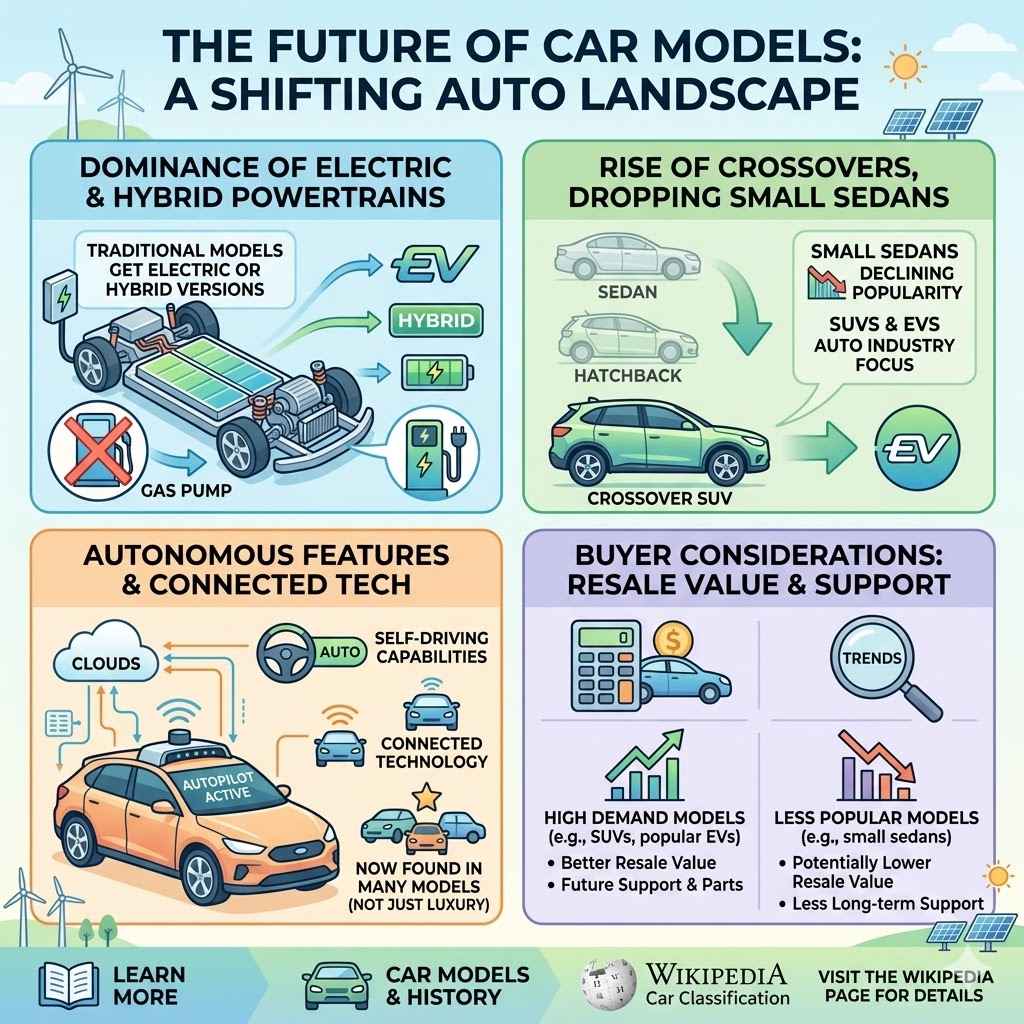
The auto industry is always changing. Electric vehicles (EVs) are becoming more common, and many traditional car models now offer electric or hybrid versions. Crossovers are also replacing smaller sedans and hatchbacks in many markets. Self-driving features and connected technology are now found in many models, not just luxury cars.
Some automakers are dropping less popular models (like small sedans) to focus on SUVs and EVs. If you’re buying soon, consider how trends may affect resale value and future support.
For more in-depth details on car types and their history, check out the Wikipedia Car Classification page.
Frequently Asked Questions
What Is The Main Difference Between A Sedan And A Hatchback?
A sedan has a separate trunk, while a hatchback has a rear door that opens to the main cabin. Hatchbacks usually offer more flexible cargo space because you can fold the rear seats and load larger items.
Are Suvs Better Than Sedans For Families?
Not always. SUVs offer more space and a higher driving position, but sedans are often cheaper, use less fuel, and are easier to park. For small families, a sedan can be just as practical as an SUV.
Is A Crossover The Same As An Suv?
No. A crossover is built on a car’s frame (unibody), making it lighter and more fuel-efficient, while a traditional SUV uses a truck frame (body-on-frame) and is often stronger for towing or off-roading.
Do Sports Cars Always Have Two Doors?
Most sports cars have two doors, but some modern models offer four doors for extra practicality. What matters most is the sporty design and performance focus, not the exact number of doors.
What Is The Best Car Model For City Driving?
A hatchback or compact sedan is usually best for city driving. They are easy to park, use less fuel, and maneuver well in traffic. Crossovers are also popular for their higher seating, but may be bigger than needed for city-only use.
Choosing the right car model means thinking about your needs, lifestyle, and budget. Each model has strengths and weaknesses, but with the right information, you can find the one that fits you best. See also types of car by size from micro to full-size explained. See also vehicle types and rental tips every traveler should know.
Products related to this article
Sponsored / affiliate links. As an Amazon Associate I earn from qualifying purchases. I may earn additional commission from eligible campaigns.
 A-Premium Front Passenger Side Power Window Regulator with Motor | Compatible with Chevrolet Silverado Tahoe GMC Yukon XL Sierra Escalade Pickup Truck SUV 2000-2006
 GUNHYI Car Cover for Automobiles All Weather Waterproof, Universal Fit Sedan Ford Mustang, Chevy Camaro/Malibu, Kia Optima, Hyundai Sonata, Nissan Altima, Volkswagen Passat