What To Do If Your Car Tire Is Flat (Complete Guide)
A flat tire can feel like a big problem. It happens to many drivers. Knowing what to do can save you time and worry.
This guide will help you understand flat tires. You’ll learn how to check them. You’ll also find out about safe ways to handle them.
We’ll cover common causes and what to do next.
If your car tire is flat, the best first step is to find a safe place to pull over. Check if it’s safe to change the tire yourself. If not, call for roadside assistance.
Knowing how to inflate it temporarily or change it can get you back on the road safely.
Understanding a Flat Tire
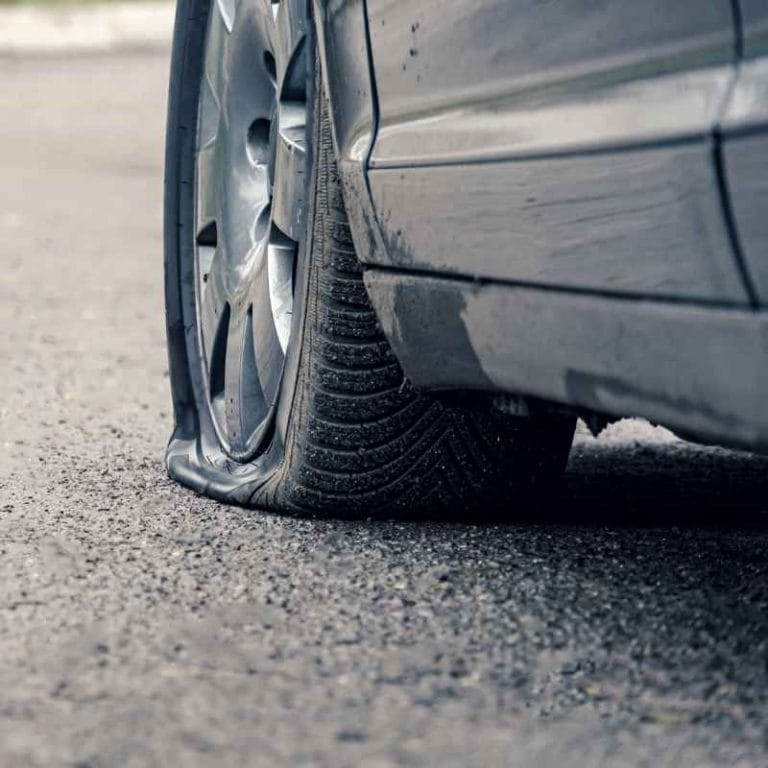
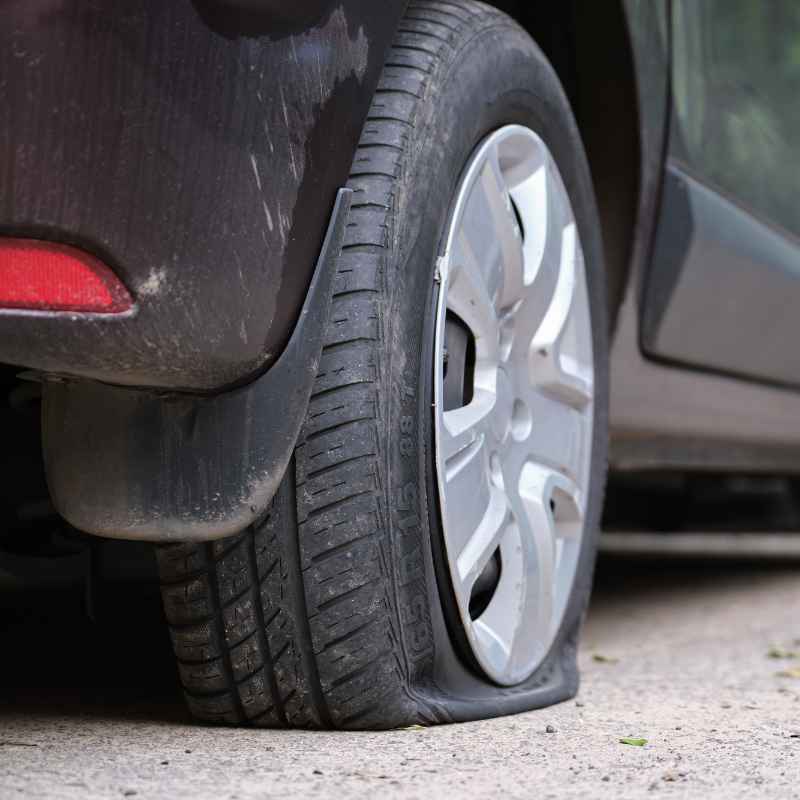
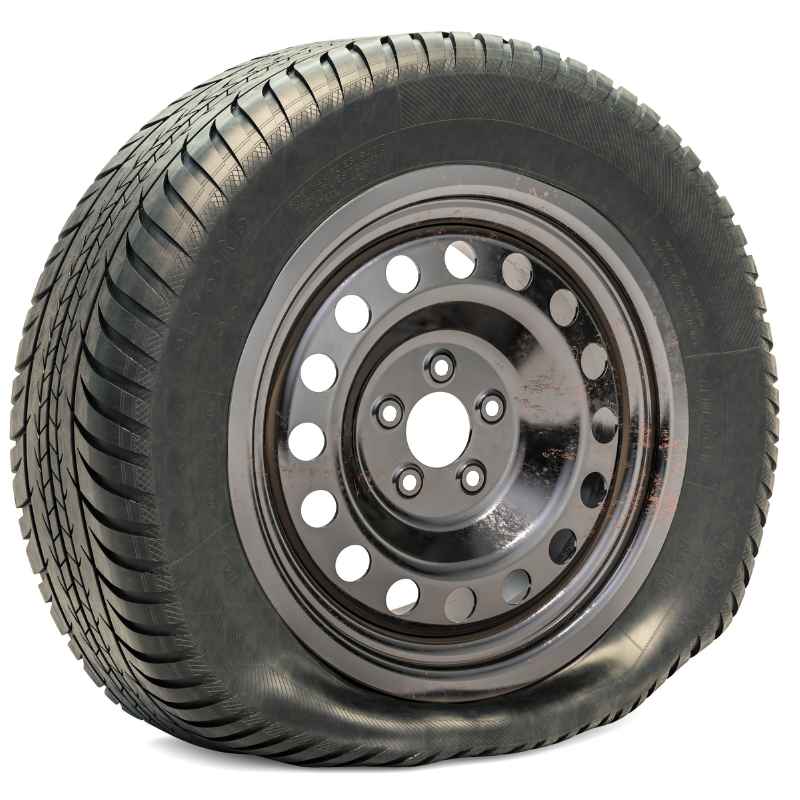
A flat tire means your tire has lost too much air. This makes it sag or lie completely flat. It can happen for many reasons.
Sometimes it’s a quick leak. Other times, it’s a total loss of air.
The air pressure in your tires is very important. It helps your car drive smoothly. It also helps with steering and stopping.
When a tire is flat, these things don’t work right. This can be dangerous.
Most car tires are tubeless now. They hold air within the tire and wheel. If there’s a hole or a bad seal, air escapes.
This is what causes the flatness.
Common Causes of Flat Tires
Several things can lead to a flat tire. Knowing these helps you avoid them. It also helps you spot a problem early.
Punctures
This is very common. Sharp objects on the road can poke holes. Nails, screws, glass, or sharp rocks can cause this.
When these objects pierce the tire, air leaks out.
Some punctures are small. They might make the tire lose air slowly. Others are bigger and cause a rapid deflation.
The location of the puncture matters too. A hole in the tread is often fixable. A hole in the sidewall is usually not.
Valve Stem Issues
The valve stem is where you add air. It has a small cap and a core inside. This core can become loose or damaged.
Dirt or debris can also get stuck in it. This can stop it from sealing properly. Air then leaks out.
Sometimes, the valve stem itself can crack or break. This can happen from age or impact. A damaged valve stem will definitely cause a leak.
Sidewall Damage
The sidewall is the side part of the tire. It’s thinner than the tread. Hitting curbs or potholes hard can damage the sidewall.
This can cause bulges or cuts. These can lead to leaks or even a blowout.
Sidewall damage is serious. It compromises the tire’s structure. It’s often not safe to repair.
Wear and Tear
Tires don’t last forever. Over time, the tread wears down. This makes the tire thinner.
Older tires can also develop cracks in the rubber. When a tire is old or very worn, it’s more likely to fail.
Driving with worn tires is risky. The grip is not as good. They are also more prone to punctures and blowouts.
Underinflation
Driving on tires that don’t have enough air is bad. It causes the tire to flex too much. This can overheat the tire.
It can also damage the sidewalls. Eventually, this can lead to a flat tire.
Underinflation makes tires more vulnerable to damage from road hazards. Always check your tire pressure regularly.
Quick Tire Pressure Check
Why it matters: Correct tire pressure is key for safety and tire life.
How to check:
- Find the recommended pressure on your car’s doorjamb sticker.
- Use a reliable tire pressure gauge.
- Check when tires are cold.
What to look for: Pressure should be within 5 PSI of the recommended level.
Blowouts
A blowout is when a tire fails suddenly and violently. This often happens at speed. It can be caused by a fast leak or severe damage.
Blowouts are very dangerous. They can cause you to lose control of your car.
A blowout is a tire failure. It’s not just a slow leak. It often makes a loud pop sound.
The car will pull hard to one side.
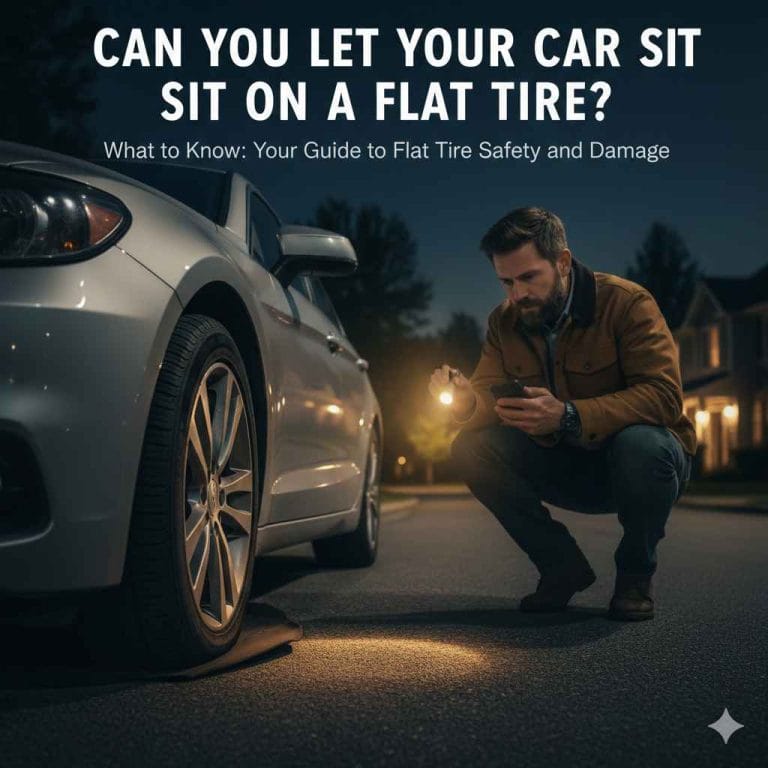
My Flat Tire Scare
I remember one evening, I was driving home late. It was raining hard. The road was dark and slick.
Suddenly, I heard a strange thumping sound. Then, my car started to pull hard to the right. My heart jumped into my throat.
I knew it was bad. I could feel the car getting heavy. I quickly looked in my rearview mirror.
The rear passenger tire looked completely flat. I gripped the steering wheel tightly. I steered slowly off the main road onto a quieter side street.
I found a well-lit area under a streetlamp. The rain was still coming down. Seeing that flat tire in the dim light was a sinking feeling.
I felt a bit panicked. My first thought was, “How will I get home?”
What to Do Immediately When You Suspect a Flat
When you notice a flat tire, stay calm. Your immediate actions are critical for safety.
Pull Over Safely
The most important thing is to get off the road. Find a safe spot away from traffic. Look for a level area if possible.
Avoid stopping on a curve or a hill.
Turn on your hazard lights. This warns other drivers. Make sure you are far enough from moving cars.
Assess the Situation
Once you are stopped, take a deep breath. Look at the tire. Is it completely flat?
Is it just low? Can you see an obvious cause, like a nail?
Check your surroundings. Is it safe to get out of the car? Is there heavy traffic?
Is the ground stable?
Decide Your Next Step
You have a few options:
- Change the tire yourself.
- Use a tire repair kit.
- Call for roadside assistance.
Your decision depends on several factors. These include your comfort level, the tools you have, and your location.
Can I Drive on a Flat Tire?
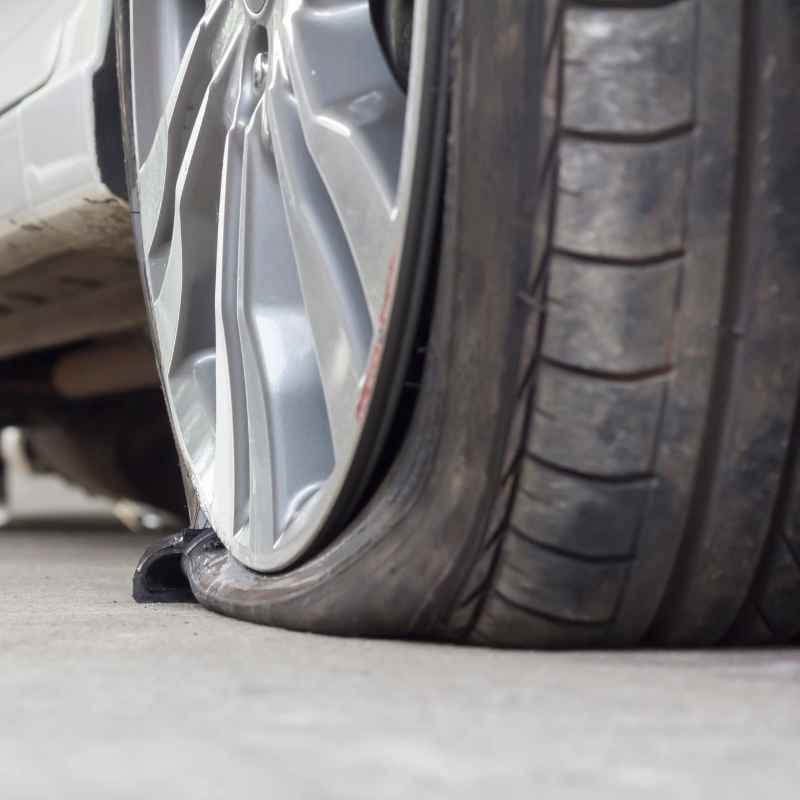
Generally, no. Driving on a flat tire is a bad idea. It can cause much more damage.
Damage to the Wheel
The tire protects your car’s wheel. When the tire is flat, the metal rim touches the road. This can bend or scratch your wheel.
This can be an expensive repair.
Damage to the Tire
Even if you think you can drive a short distance, you shouldn’t. The tire’s structure is compromised. Driving on it can shred the tire.
It can make it unrepairable. This means you’ll need a new tire instead of just a patch.
The sidewall is particularly vulnerable. It can be destroyed by driving on a flat. This is the part that is hardest to fix.
Safety Risks
A flat tire means your car won’t handle correctly. Steering will be difficult. Braking will be less effective.
You could lose control of your vehicle. This is especially dangerous on highways or busy roads.
If you must move the car a very short distance (like a few feet to get out of a traffic lane), do it slowly. But this should be a last resort only.
Checking Your Tire for Problems
Before you do anything, it’s good to know what you’re dealing with. A quick check helps you make the right choice.
Visual Inspection
Look closely at the tire. Can you see anything sticking out? Is there a visible cut or bulge?
Check all sides of the tire if you can. Sometimes the problem is on the inner side, which is harder to see.
Tire Pressure Gauge
If you have a tire pressure gauge, use it. It will give you a clear reading. Even if the tire looks flat, a gauge tells you the exact pressure.
If the pressure is very low, it’s a definite flat. If it’s just a bit low, you might have a slow leak. This is a good time to check all your tires.
Tire Inspection Checklist
Check the Tread: Look for uneven wear or cuts.
Check the Sidewalls: Look for bulges, cracks, or punctures.
Check the Valve Stem: Is it damaged or leaking?
Check for Objects: See if nails or screws are stuck in the tire.
Fixing a Flat Tire: Temporary Solutions
Sometimes, you need a quick fix to get you to a repair shop. There are a few temporary options.
Using a Tire Sealant and Inflator Kit
Many newer cars come with these kits. They are designed for emergencies. The kit usually has a can of sealant and a small air compressor.
You attach the sealant can to the valve stem. Then, you connect the compressor. The sealant goes into the tire.
It helps plug small holes. The compressor then fills the tire with air.
Important Note: These kits are for small punctures only. They are not for sidewall damage or large holes. Also, some tire shops do not like repairing tires that have used sealant.
Tell them you used a sealant kit.
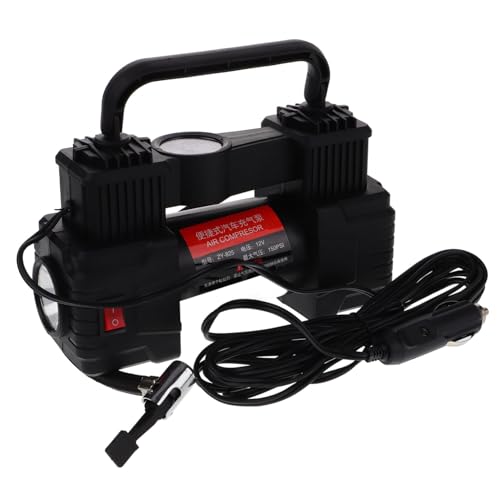
Using a Portable Air Compressor
If the tire is just low and not completely flat, a portable air compressor can help. You plug it into your car’s power outlet (like the cigarette lighter). You attach the hose to the valve stem and turn it on.
This can reinflate a tire with a slow leak. It can also help you add air to a spare tire. This is useful if your spare is also low.
Tip: Keep a portable compressor in your car. Check its battery or power source regularly.
Driving on a Run-Flat Tire
Some cars have run-flat tires. These tires are designed to be driven on even with no air pressure. They have reinforced sidewalls.
They can support the car’s weight for a limited distance and speed.
Check your car’s manual to see if you have run-flat tires. If you do, follow the manufacturer’s recommendations for how far and how fast you can drive. You still need to get the tire inspected and likely replaced.
Run-Flat Tire Guide
What they are: Tires that let you drive a short distance after a puncture.
How they work: Stronger sidewalls support the car’s weight.
Limitations: Usually good for about 50 miles at speeds up to 50 mph. (Check your manual).
What to do: Drive directly to a tire shop for inspection and repair/replacement.
Changing a Flat Tire Yourself
Changing a tire can seem daunting. But with the right tools and steps, it’s manageable. Make sure you have a spare tire, a jack, and a lug wrench.
Steps to Change a Tire
- Park Safely: Find a level spot. Turn on hazards. Engage the parking brake.
- Get Tools Ready: Locate your spare tire, jack, and lug wrench.
- Loosen Lug Nuts: Before jacking, use the lug wrench to loosen the lug nuts on the flat tire. Turn them counterclockwise. Just loosen them a bit, don’t remove them yet.
- Position the Jack: Find the correct jacking point on your car’s frame near the flat tire. Consult your owner’s manual.
- Jack Up the Car: Raise the car until the flat tire is off the ground.
- Remove Lug Nuts: Unscrew the lug nuts completely. Keep them safe.
- Remove the Flat Tire: Pull the flat tire straight towards you.
- Mount the Spare Tire: Line up the spare tire with the wheel studs. Push it on.
- Tighten Lug Nuts: Put the lug nuts back on by hand. Tighten them as much as you can.
- Lower the Car: Slowly lower the car with the jack.
- Fully Tighten Lug Nuts: Once the tire is on the ground, use the lug wrench to tighten the lug nuts firmly. Tighten them in a star pattern.
- Stow Flat Tire and Tools: Put the flat tire and tools away.
- Check Spare Tire Pressure: Make sure the spare is properly inflated.
Important: Spare tires (especially donut spares) are temporary. They have speed and distance limits. Get your flat tire repaired or replaced as soon as possible.
Spare Tire Basics
Type: Most cars have a full-size spare or a compact “donut” spare.
Donut Spares: Lighter and smaller. Meant for short distances only. Have strict speed limits (often 50 mph).
Full-Size Spares: Look and work like your regular tires. Can be driven normally, but still check the flat.
Pressure: Always check the pressure in your spare. It should be inflated to the higher PSI recommended for your vehicle.
When to Call for Professional Help
Not every flat tire situation is one you can handle yourself. Knowing when to call for help is smart.
You Don’t Have the Right Tools
If your car is missing a jack or lug wrench, you can’t change the tire. Some cars don’t come with a spare tire anymore. They rely on repair kits.
You Feel Unsafe
If you are on a busy highway, a dark street, or a dangerous area, don’t risk it. Your safety comes first. Call for roadside assistance.
The Tire is Severely Damaged
If the tire is shredded, has a large gash in the sidewall, or the rim is bent, it’s beyond a simple fix. You’ll need a tow truck.
You’re Not Comfortable
If you’re unsure about any step, or just don’t feel capable, that’s okay. Professional help is available.
Who to Call
- Roadside Assistance: If you have a membership with AAA or a similar service, or if your car insurance includes it.
- Towing Company: If you need a tow to a repair shop.
- Local Tire Shop: Some shops offer mobile repair services.
Preventing Flat Tires
While you can’t prevent every flat, you can reduce your risk.
Maintain Proper Tire Pressure
This is the most important step. Check your tires every month. And before long trips.
Inspect Tires Regularly
Look for wear and tear, cracks, or embedded objects. Remove any small stones stuck in the tread.
Avoid Road Hazards
Be careful around potholes. Don’t drive over curbs unnecessarily. Watch out for debris on the road.
Rotate Your Tires
Tire rotation helps wear them down evenly. This extends their life and can prevent premature failure.
Replace Old Tires
If your tires are old or the tread is low, replace them. Don’t wait for a problem to happen.
Tire Maintenance Schedule
Monthly: Check tire pressure and visually inspect tires.
Every 6 Months: Rotate tires.
Annually: Have tires professionally inspected for wear and damage.
As Needed: Check pressure before long trips.
What to Do After a Flat Tire
Once you’ve dealt with the immediate flat tire situation, there are a few more things to consider.
Get the Flat Tire Repaired or Replaced
Take the flat tire to a reputable tire shop. They can tell you if it’s repairable. Punctures in the tread are often fixable.
Sidewall damage usually means replacement.
Check the Other Tires
While you’re at the shop, have them check your other tires. Make sure they are all in good condition. They can also check your spare tire.
Reinstall Your Regular Tire
Once your flat tire is fixed or replaced, put it back on your car. Remove the spare tire. It’s important to use your regular tires as soon as possible.
Monitor Your Spare
If you used a spare, remember to get it checked. It might need to be re-inflated or serviced. Don’t leave it in your car forever.
Frequent Questions About Flat Tires
Is it safe to drive a few miles on a flat tire?
No, it’s generally not safe or recommended. Driving on a flat tire can cause severe damage to your wheel rim and the tire itself. It can also compromise your car’s handling, making it difficult to steer and brake.
If you absolutely must move the car a very short distance to get out of immediate danger, do so very slowly and carefully, but aim to stop as soon as possible.
How do I know if my tire can be repaired?
Tires can often be repaired if the puncture is in the tread area and is no larger than about a quarter-inch in diameter. Punctures or damage to the sidewall, or large cuts, usually mean the tire needs to be replaced. A professional tire technician will be able to determine if a repair is safe and possible.
What is a donut spare tire?
A donut spare is a compact, temporary spare tire. It’s smaller and lighter than your regular tires. It’s designed to get you to a repair shop, not for long-term use.
Donut spares have strict speed and distance limits, often around 50 mph and a maximum of 50 miles. Always check the sidewall of the donut spare or your car’s manual for specific limitations.
How often should I check my tire pressure?
You should check your tire pressure at least once a month. It’s also a good idea to check it before any long road trips. Tire pressure can change with temperature, so checking regularly helps ensure your tires are always at the recommended level.
My tire is only a little low, do I need to worry?
Even a tire that is only a little low on air can be a problem. It can affect your car’s handling and fuel efficiency. It also puts more stress on the tire, making it more prone to damage or a blowout.
It’s best to inflate it to the correct pressure as soon as possible. If it continues to lose air, you may have a slow leak that needs to be repaired.
What if I get a flat tire in a dangerous area?
If you get a flat tire in a location that feels unsafe, your priority is your safety. Drive to the nearest safe spot if possible. If not, stay in your locked car and call for roadside assistance or emergency services.
Do not attempt to change the tire if you feel threatened or unsafe.
Conclusion
Dealing with a flat tire is never fun. But understanding the causes and knowing the steps to take makes it much easier. Always prioritize safety.
Check your tires often. This will help you avoid many problems. Be prepared, and you’ll handle a flat tire with more confidence.
See also how to stop car tyres deflating overnight or on the road.
Products related to this article
Sponsored / affiliate links. As an Amazon Associate I earn from qualifying purchases. I may earn additional commission from eligible campaigns.