What Can Bad Tires Do To Your Car? Risks You Can’T Ignore
Bad tires can seriously hurt your car’s ability to stop, steer, and handle. This increases the chance of accidents. You might face blowouts, loss of control, and damage to other car parts.
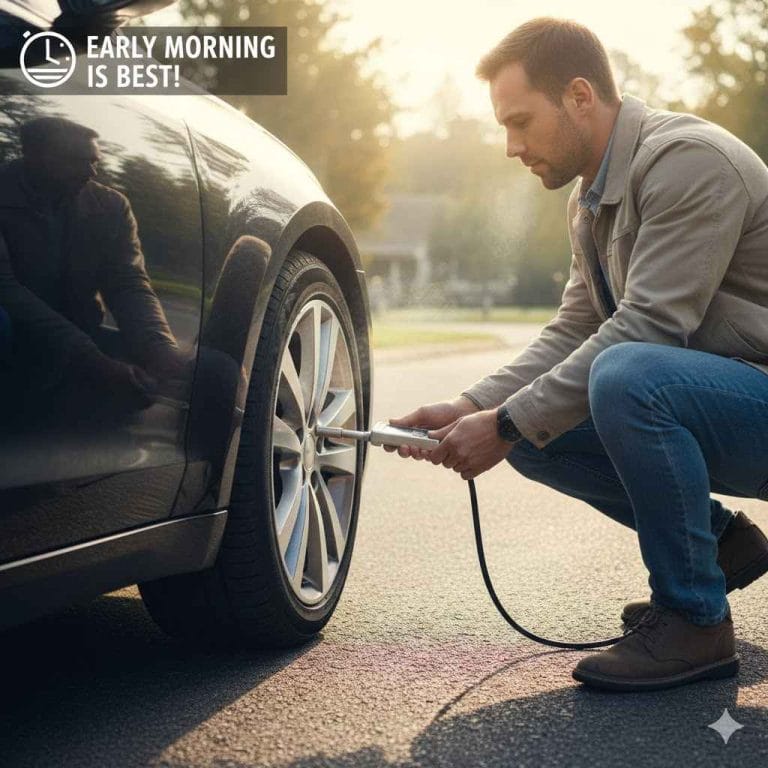
Regular checks are key to staying safe on the road.
What Makes Tires “Bad”?
So, what exactly makes a tire “bad”? It’s not just about looks. Tires can be bad in many ways.
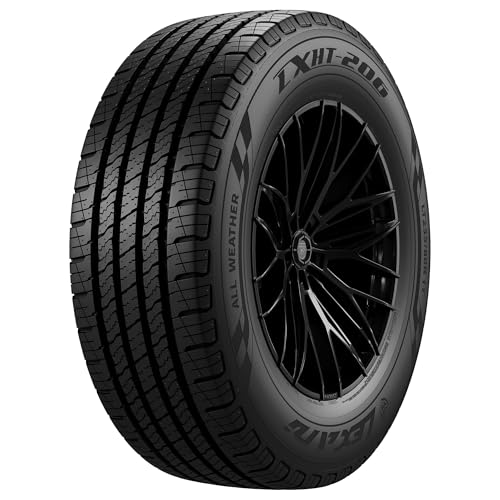
Lexani
Lexani LXHT-206 P245/65R17 105T | Highway-Terrain, Quiet…
- Designed for use on light trucks and SUVs
- Circumferential grooves drain water from the tread to reduce the risk of hydroplaning on wet roads
- Built with a rigid center rib that puts more rubber on the road to boost stability and straight-line driving performance
As an Amazon Associate I earn from qualifying purchases.
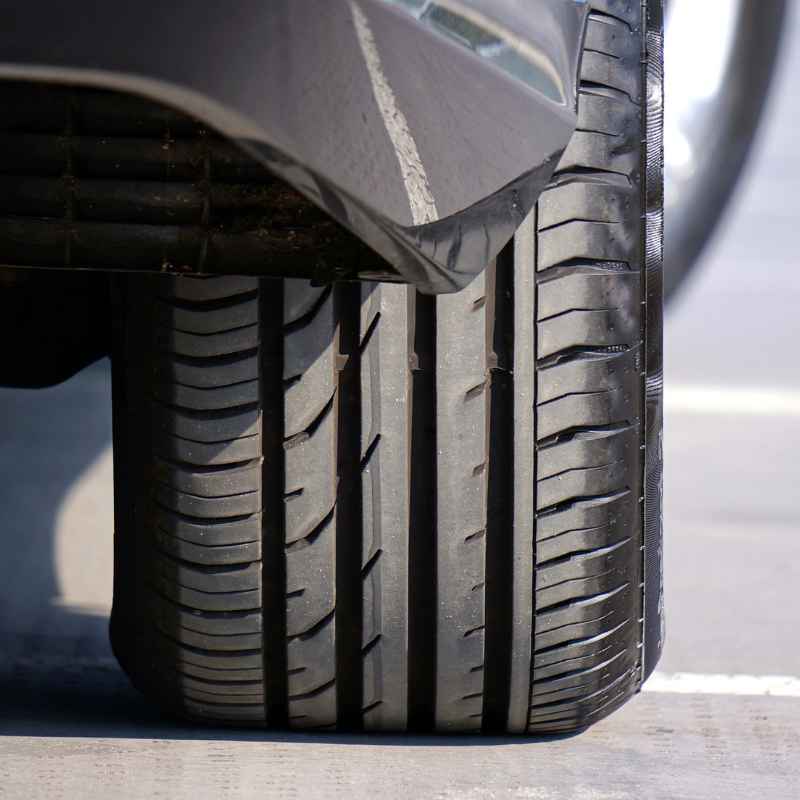
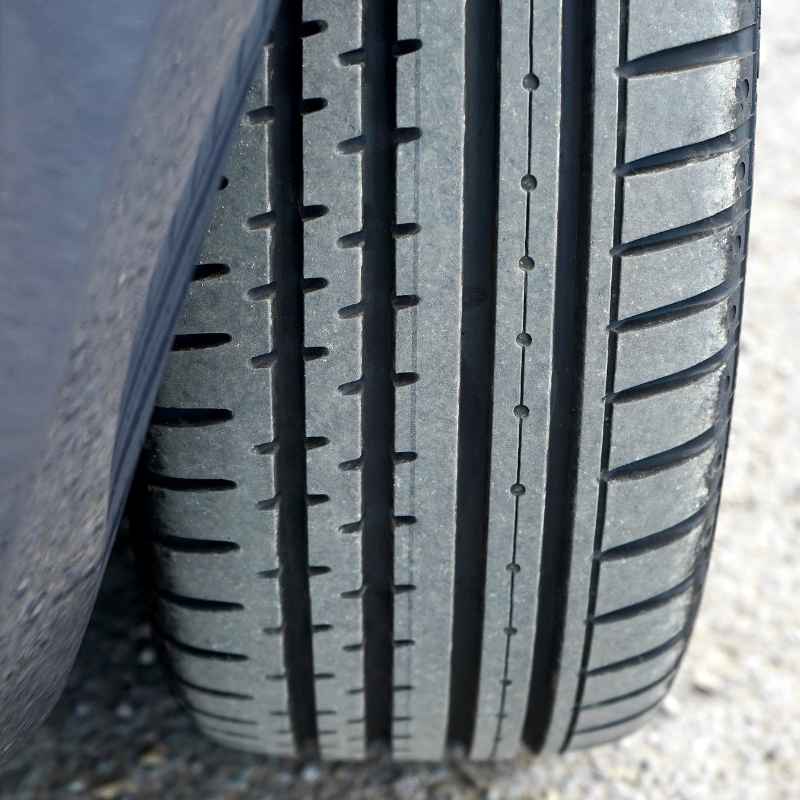
The most common issue is wear. This means the tread is gone. The tread is the part with the deep grooves.
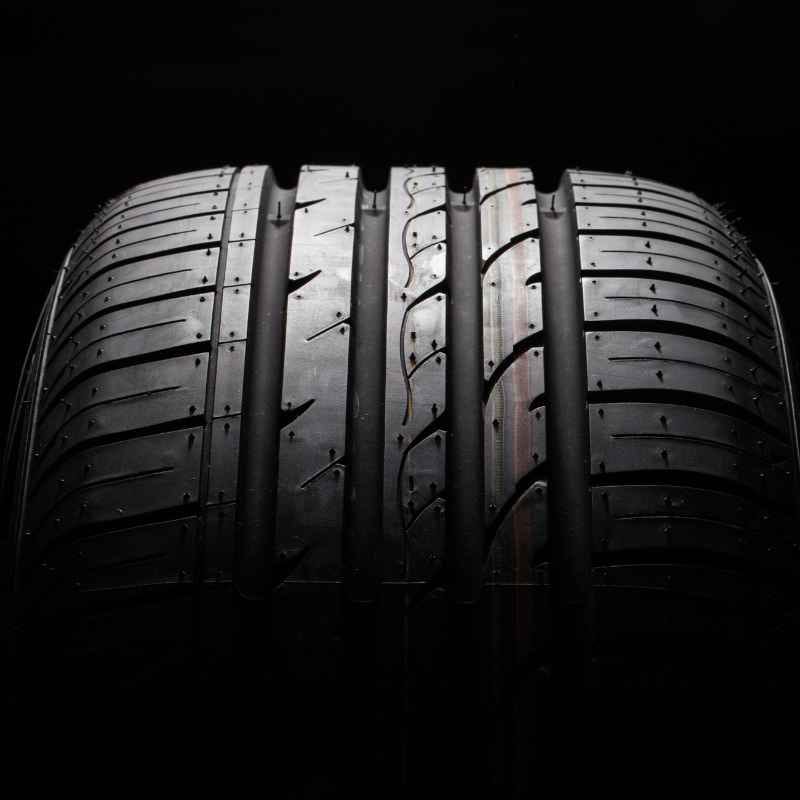
These grooves help your car grip the road. They also help water move away.
When tread wears down, grip gets weaker. This is especially bad when it’s wet. Another problem is age.
Yes, tires get old. Rubber breaks down over time. Even if a tire looks okay, it might be brittle.
It could crack or fail more easily.
Damage is another big one. Things like cuts, bulges, or punctures make a tire unsafe. A bulge on the side is a sign of a weak spot.
It could burst without warning. Nails or screws can cause slow leaks or sudden blowouts. All these issues can happen even if the tire isn’t very old.
Uneven wear is also a sign of trouble. This means one part of the tire is more worn than another. It could be on the edge or in the middle.
This often points to other car problems. Like issues with alignment or tire pressure.
The Hidden Dangers of Worn Tires
Worn tires are like bad shoes. They don’t support you well. For your car, this means less grip.
Think about stopping your car. Good tires grab the road. This helps you slow down fast.
Worn tires can’t grab as well. Your stopping distance gets longer. This is super dangerous.
Especially in an emergency.
Imagine you need to brake hard. Your car might slide further than you expect. This could lead to a crash.
Water on the road makes this worse. Worn tires can’t push water out of the way. So, the tire rides on top of the water.
This is called hydroplaning. Your car loses all steering and braking control. It’s a scary moment.
I remember once driving in a sudden downpour. My old tires just couldn’t handle it. The car felt like it was floating.
I had to let off the gas and hope for the best. It was a real wake-up call.
Steering is also affected. Good tires help you turn smoothly. Worn tires can make steering feel sloppy.
Or the car might pull to one side. This is especially true with uneven wear. It makes driving feel less precise.
It’s harder to keep the car going where you want it to. This takes away from your confidence behind the wheel.
Tire Tread Depth: What It Means
Why it matters: The grooves in your tires are crucial for safety. They help grip the road and clear water.
Legal limit: In most places, the minimum tread depth is 2/32 of an inch. It’s a good idea to replace tires before they reach this point.
Penny test: Stick a penny into the tread groove with Lincoln’s head facing you. If you can see all of Lincoln’s head, your tread is too low. It’s time for new tires.
The Scars of a Tire Blowout
A tire blowout is one of the most frightening things that can happen to a car. It’s a sudden, explosive failure. One moment you’re driving fine.
The next, there’s a loud bang. Your car swerves violently. It can be very hard to control.
Blowouts often happen without much warning. A weak spot in the tire, perhaps from damage or age, can suddenly give way. High speeds, underinflation, or hitting an object can trigger it.
When it happens, one tire loses all its air instantly. This can make the car pull hard to one side. The steering wheel might fight you.
You need to grip it firmly.
What to do if it happens: First, stay calm. Resist the urge to slam on the brakes. This can make you lose control.
Gently ease off the gas pedal. Hold the steering wheel straight. Let the car slow down on its own.
Once it’s going slower, you can then gently apply the brakes. Pull over to a safe spot off the road. Turn on your hazard lights.
Assess the situation. If you’re not comfortable changing a tire, call for roadside assistance.
The damage from a blowout isn’t just to the tire. The sudden loss of air and the violent steering can damage your car’s suspension. It can bend or break parts.
The wheel rim can also get damaged. Sometimes, a blowout can even cause a secondary accident. If another car hits you or loses control trying to avoid you.
I saw a car on the highway once after a blowout. The side of the car was scraped up badly. The wheel looked bent.
The driver was shaken but okay. It was a stark reminder of how quickly things can go wrong.
Signs a Tire Might Blow Out
Bulges or blisters: A bump or bulge on the tire’s sidewall means the inner structure is failing. This is a major warning sign.
Cracks: Deep cracks in the sidewall or tread indicate the rubber is old and brittle. It’s lost its strength.
Excessive heat: If a tire feels unusually hot to the touch, it could be underinflated or have internal damage. Stop and check it.
Vibrations: Sudden or new vibrations while driving can mean a tire is out of balance or damaged internally.
Compromised Handling and Control
Your car’s handling is how it responds to your steering. Good tires are key to this. They connect your car to the road.
Bad tires mess with this connection. You might notice your car doesn’t feel as stable. Especially on turns or curves.
It might lean more than usual.
This is because the worn or damaged tire can’t hold its shape well under pressure. It flexes too much. The sidewalls might wobble.
This makes it hard to predict how the car will react. When you turn the wheel, the tire needs to grip and turn the car. If the tire is weak, it won’t do that right.
It might slip or slide.
Underinflated tires are a big cause of poor handling. When a tire doesn’t have enough air, it flattens out more. The sidewalls bend inward.
This makes the tire less responsive. It also generates more heat. Heat can lead to further damage and even blowouts.
Always check your tire pressure. The correct pressure is usually on a sticker inside your driver’s side door.
Overinflated tires are also bad. They make the ride stiff and bumpy. They also reduce the contact patch with the road.
This means less grip. And the tire can wear out faster in the center.
I once drove a friend’s car that had really low tire pressure. It felt like I was driving a boat. Every turn was sluggish.
I couldn’t wait to get back into my own car with properly inflated tires. The difference in control was amazing. It felt safe and responsive again.
Worn tires also affect how your car handles in different conditions. Think about rain, snow, or ice. Good tread is vital.
It channels away water or grips snow. Worn tires offer very little of this. You’re much more likely to slide or spin out.
Damage to Other Car Parts
It’s not just the tires themselves that suffer when they’re bad. Other parts of your car can also take a beating. This is especially true if the tire problems are causing vibrations or imbalances.
Suspension system: Your car’s suspension is designed to absorb bumps and keep the wheels on the ground. When tires are worn unevenly or have bulges, they don’t roll smoothly. This extra stress can wear out your shock absorbers and struts faster.
It can also damage ball joints and other suspension components. These repairs can be quite expensive.
Brake system: Worn tires mean longer stopping distances. This puts more strain on your brake pads and rotors. Over time, this extra work can cause them to wear out faster.
In severe cases, if a tire fails suddenly, it can damage the brake lines or even the caliper itself.
Wheel bearings: If a tire is severely out of balance or damaged, it can cause vibrations that travel through the axle. This can put extra wear on your wheel bearings. When wheel bearings fail, you might hear a grinding or humming noise.
This is another costly repair. And it can be a safety issue if the wheel comes loose.
Body damage: In the worst-case scenario, a catastrophic tire failure like a blowout can cause significant damage to your car’s fender, doors, or even the undercarriage. Flying rubber and debris can tear into the metal. It’s a chain reaction of damage that starts with a single bad tire.
When to Get Your Tires Checked
Monthly: Check tire pressure. Do a quick visual check for damage.
Every oil change: Ask your mechanic to inspect your tires. They can spot wear patterns you might miss.
After hitting something: If you hit a large pothole, curb, or debris, have your tires and alignment checked.
Before long trips: Make sure your tires are in good shape for the miles ahead.
The Cost of Neglect: Beyond Tire Replacement
Ignoring bad tires isn’t just risky; it can end up costing you more money in the long run. Replacing worn-out tires is an expense, yes. But the costs of not replacing them can be much, much higher.
Think about the potential for accidents. A minor fender-bender can cost hundreds or even thousands in repairs. A more serious crash can lead to major medical bills.
And, of course, the risk of injury or worse to yourself or others.
Then there are the costs of repairing other car parts. As we talked about, suspension damage, brake wear, and wheel bearing issues all add up. These are often repairs you wouldn’t have had to make if your tires were in good shape.
A $100-$200 tire replacement now could save you $1000+ in future repairs.
Fuel efficiency can also be impacted. Underinflated or severely worn tires create more friction. This means your engine has to work harder.
You’ll burn more gas. Over time, this adds up. Replacing your tires with good ones can actually improve your gas mileage.
Consider the peace of mind. Driving a car with worn tires creates stress. You’re always a little worried.
Will it rain? Will I have to brake suddenly? Will the tire hold up?
New, safe tires let you relax and enjoy the drive.
I had a friend who kept putting off buying new tires. She said she was saving money. Then she got a flat tire on the highway.
She had to pay for a tow truck, a new tire, and she missed an important appointment. She said she learned her lesson. The few hundred dollars saved wasn’t worth the hassle and worry.
Tire Age and Degradation: A Silent Threat
Tires don’t just wear out from use. They also age. Rubber is a natural material.
It breaks down over time. Exposure to sunlight, heat, and ozone all contribute to this. Even if your tires look good and have plenty of tread, they can still be dangerous if they’re old.
The rubber can become brittle. It loses its flexibility. This makes it more prone to cracking.
You might see small cracks on the sidewalls or in the tread grooves. These cracks are weak points. They can lead to sudden failures.
Tire manufacturers usually recommend replacing tires after 6 to 10 years. This can vary depending on the tire and how it’s stored and used. The manufacturing date is stamped on the sidewall.
It’s a four-digit code. The first two digits are the week. The last two are the year.
For example, “2421” means the tire was made in the 24th week of 2021.
If your tires are older than 6 years, it’s a good idea to have them inspected by a professional. Even if they seem fine. Especially if they’ve been exposed to harsh conditions.
Tires that have been sitting in direct sunlight for years are more vulnerable. Those used in extreme heat or cold can also degrade faster.
I once bought a used car. The tires looked like they had tons of tread. But they were almost 8 years old.
I noticed tiny cracks forming on the sidewalls after a few months. I replaced them right away. It was an unexpected cost, but better safe than sorry.
Understanding Tire Age Codes
Location: Found on the tire’s sidewall, usually in a circular or oval-shaped marking.
Format: A four-digit number, like “3519”.
Meaning: The first two digits are the week of the year (01-52). The last two digits are the year of manufacture.
Example: “3519” means the tire was made in the 35th week of 2019.
What This Means for Your Driving Safety
All these potential problems boil down to one thing: your safety. Bad tires are a serious safety hazard. They compromise the fundamental ways your car interacts with the road.
Stopping: Worn tires can double your stopping distance in wet conditions. This is the difference between stopping safely and hitting something. Or someone.
Steering: Lack of grip means you can’t steer effectively. This is crucial for avoiding obstacles. Or for making controlled turns.
You could lose control of the vehicle.
Stability: Tires provide the stable platform for your car. When they are damaged or worn, the car can feel unstable. This is dangerous at any speed, but especially at highway speeds.
Weather: The impact of bad tires is magnified in bad weather. Rain, snow, and ice turn a bad tire into a disaster waiting to happen. Hydroplaning is much more likely.
It’s about control. When your tires are in good shape, you have control. You can react to situations.
You can trust your car to do what you want it to do. When your tires are bad, that control is gone. You’re relying on luck more than skill.
When Are Your Tires “Too Bad” to Drive On?
Figuring out when it’s time for new tires is important. Don’t wait until it’s an emergency. Here’s a simple guide:
- Tread Depth: If the tread is worn down to the wear bars (small raised bars in the grooves), or if the penny test shows Lincoln’s full head, it’s time.
- Visible Damage: Any bulges, cracks, cuts, or punctures that go deep into the tire mean it’s unsafe.
- Age: Tires over 6-7 years old, especially if they look dry or cracked, should be checked by a pro. Even if they have tread.
- Uneven Wear: This can be a sign of other problems. But the tire itself might not be safe to drive on. It’s a signal to get it checked immediately.
- Loss of Pressure: If a tire constantly loses air, it has a leak. This could be a nail or a faulty valve stem. It needs fixing or replacement.
Regular checks are your best friend. Make it a habit to look at your tires. Even a quick walk-around before driving can spot something obvious.
It only takes a minute. But it can save you from a serious problem.
Quick Tire Inspection Checklist
Pressure: Are they all inflated to the correct PSI? (Check door sticker)
Tread: Is there enough tread left? (Use penny test)
Damage: Any cuts, bulges, or cracks on the sidewalls or tread?
Wear: Is the wear even across the tire?
Age: Do they look old or are they nearing 6-7 years?
Common Tire Myths Debunked
There are a lot of ideas out there about tires. Some are helpful, but others can lead you astray. Let’s clear up a few common tire myths:
Myth 1: “All tires are the same.” False. Tires are designed for different conditions and vehicles. All-season, summer, winter, and performance tires all have different grips and handling.
Using the wrong type can be unsafe.
Myth 2: “You only need to
Myth 3: “Tire pressure is not that important if the tires look okay.” Very important. Underinflated or overinflated tires are dangerous. They cause poor handling, faster wear, and increase the risk of blowouts.
Myth 4: “A little wobble or vibration is normal.” No. Any new or worsening vibration or wobble is a warning sign. It usually means a tire is out of balance, damaged, or there’s an issue with the wheel or suspension.
Myth 5: “You can fix any tire damage.” Not always. Deep cuts, sidewall damage, or punctures near the edge are often not repairable. A professional tire shop will tell you if a tire is unsafe to repair.
Preventive Care: Your Best Defense
The best way to avoid the problems bad tires cause is to prevent them. Taking care of your tires is an ongoing process. It’s not a one-time fix.
Regular Pressure Checks: Check your tire pressure at least once a month. And before long trips. Use a reliable tire pressure gauge.
Make sure the tires are cold (driven less than a mile).
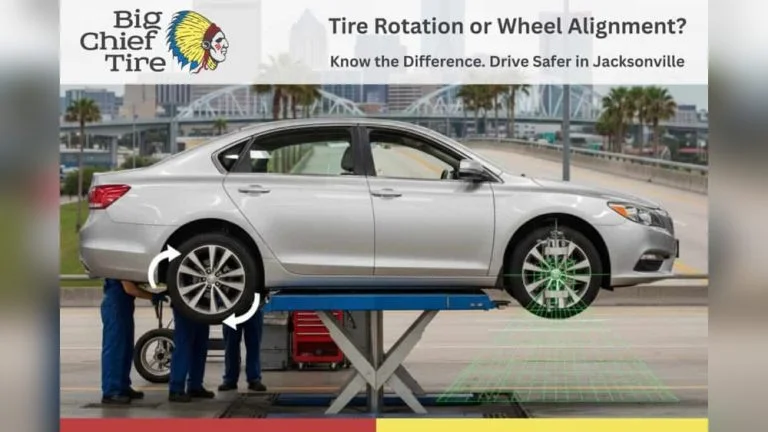
Tire Rotation: Rotate your tires every 5,000 to 7,000 miles. This helps them wear more evenly. It extends their life.
It also lets you inspect them more closely.
Wheel Alignment: Have your alignment checked periodically. Especially if you notice pulling or uneven tire wear. Proper alignment keeps your tires tracking straight.
Balancing: Get your tires balanced when you buy new ones. Or if you feel vibrations. Balancing ensures the weight is distributed evenly around the wheel.
This leads to a smoother ride and even wear.
Driving Habits: Avoid hitting potholes or curbs. Don’t drive over sharp objects. Gentle acceleration and braking also help.
They reduce stress on the tires.
Visual Inspections: Make it a habit to look at your tires. Check for any unusual wear patterns, cuts, bulges, or embedded objects. Do this weekly if possible.
These simple steps can make a huge difference. They help your tires last longer. And more importantly, they keep you safer on the road.
It’s about being proactive. Not reactive.
When to Call a Professional
While you can do a lot of basic checks yourself, some things are best left to the experts. If you see any of these signs, it’s time to visit a tire shop or mechanic:
- Significant tread wear: Beyond the penny test, if you’re unsure, ask a pro.
- Sidewall damage: Bulges, deep cracks, or cuts on the side of the tire.
- Frequent air loss: A tire that needs air often likely has a puncture or a faulty seal.
- Vibrations or pulling: If your car vibrates or pulls to one side, it could be tire imbalance, alignment issues, or damaged tires.
- Tire age concerns: If your tires are over 6 years old and you have doubts about their condition.
- After an accident or major impact: Even a small bump could have caused internal damage.
Professionals have the tools and knowledge to properly assess tire health. They can tell you if a tire is repairable or if it needs
Conclusion: Prioritize Your Tires, Prioritize Your Safety
Your tires are the only part of your car that touches the road. They are critical for your safety. Ignoring their condition can lead to dangerous situations.
From reduced braking ability to catastrophic blowouts. Understanding what bad tires can do is the first step. Taking action is the next.
Regular checks, proper inflation, and timely replacement are not expenses. They are investments. Investments in your safety, the safety of your passengers, and the longevity of your vehicle.
Don’t wait for a problem to appear. Be proactive. Keep your tires in top shape.
It’s one of the smartest things you can do for your car and yourself.
Frequently Asked Questions
How often should I check my tire pressure?
You should check your tire pressure at least once a month. It’s also a good idea to check it before any long road trips. Make sure the tires are cold for the most accurate reading.
What does “hydroplaning” mean?
Hydroplaning happens when a layer of water builds up between your tires and the road. This causes your car to lose its grip. Steering and braking become very difficult or impossible.
Can I still drive if my tire has a bulge?
No, you should never drive on a tire with a bulge. A bulge indicates that the internal structure of the tire has failed. It is very likely to blow out.
How do I know if my tires are too old?
Check the tire’s sidewall for the DOT code. The last four digits show the week and year of manufacture. Tires older than 6 years should be inspected closely, and those over 10 years should be replaced, regardless of tread depth.
What is the penny test for tire tread?
The penny test is a simple way to check tread depth. Insert a penny into the tread groove with Lincoln’s head facing you. If you can see the top of Lincoln’s head, your tread is too low and the tire needs replacing.
Does uneven tire wear mean I need new tires?
Not always. Uneven wear often indicates a problem with alignment, inflation, or suspension. However, the tire may still need to be replaced if the wear is severe.
It’s best to have it inspected by a professional.
See also car tire sensor not working how to diagnose and fix it.
Related pick: Check today's price on Amazon See also how are tires made step by step the full factory process.
Products related to this article
Sponsored / affiliate links. As an Amazon Associate I earn from qualifying purchases. I may earn additional commission from eligible campaigns.