Car Sounds Like A Helicopter After Tire Rotation? Fixed
This article aims to clear things up. We will explore why this helicopter sound might happen. We’ll look at common causes.
We will also share simple checks you can do. Our goal is to help you understand what’s going on. We want you to feel more confident about your car.
A helicopter-like sound after a tire rotation often points to a tire or wheel issue. It could be uneven wear, a loose lug nut, or even a damaged bearing. Simple checks can often help pinpoint the cause and lead to a fix.
Understanding the Helicopter Sound
That strange noise your car makes after a tire rotation can be quite alarming. It’s not just a little squeak. It’s a distinct whirring or humming.

YTFRL
YTFRL Solar Rotating Helicopter Car Ornament, Creative…
- Stylish Decoration: This car interior ornament is designed with a cool aviation helicopter appearance, which is very attractive. I…
- Excellent Quality: The aircraft model of this ornament is made of high-quality ABS material, which has excellent high-temperature…
- Solar Rotation: The base of this center console ornament uses a light energy concentrator that can convert sunlight into electrici…
As an Amazon Associate I earn from qualifying purchases.
This sound often changes with your speed. It might get louder when you turn. Or it might stay constant.
The way it grows with speed is what makes it sound like a rotor. It feels like something is spinning fast. It’s a common, yet annoying, issue.
Several things can cause this noise. Most are related to the tires themselves. Or they might be parts connected to the wheels.
Tire rotation moves tires around your car. This can highlight existing problems. Problems that weren’t as noticeable before.
The new position can make a small issue much bigger. Or it can change how a part interacts with the road.
Let’s break down the most likely reasons. We will look at each one closely. This will help you figure out what’s happening with your vehicle.
My Own Scare with a New Noise
I remember it well. I had just gotten my tires rotated at a local shop. I drove out feeling pretty good.
The car felt fresh, like new. About ten miles down the road, I heard it. A faint hum.
It grew louder. Then it got that distinct whirring sound. My stomach dropped.
It sounded exactly like a distant helicopter. I immediately thought, “Oh no, what did they do?”
I pulled over, my heart pounding. I turned off the radio. I listened hard.
The sound was definitely coming from the rear passenger side. It wasn’t a loud bang. It was a persistent, rhythmic hum that changed pitch with my speed.
I felt a rush of panic. Was I going to break down? Was this expensive to fix?
I imagined the mechanic shaking his head at me.
After a few minutes of listening and worrying, I decided to drive home slowly. I called the shop. They told me to bring it right back.
When I got there, a different mechanic took a look. He said it was a classic case. He showed me what it was.
It was a simple fix. But in that moment, the sound made me feel so vulnerable.
Tire Wear Patterns: The Hidden Culprit
One of the most frequent causes for a helicopter sound after rotation is tire wear. Tires don’t wear perfectly evenly. This is normal.
But sometimes, certain wear patterns emerge. These are called cupping or feathering. They look like little dips or high spots on the tire tread.
They aren’t always obvious until the tire is in a different spot.
When a tire rotates, these uneven spots hit the road. They make a noise. The pattern of the bumps creates the whirring sound.
Think of it like dragging a bumpy toy across the floor. It makes a specific noise. The same happens with your tire.
The speed of rotation amplifies this effect. It can sound like a continuous humming or whirring. It sounds like that distant helicopter.
The front tires can wear differently than the back. This is due to steering. They also handle braking forces.
Rear tires may wear more evenly. But they can still develop issues. When tires are rotated, a tire that had a minor wear issue on the back might now be on the front.
This can make the noise much more noticeable. The change in position exposes the problem.
Tire Wear: What to Look For
Cupping: Small, isolated dips on the tire tread.
Feathering: Tread blocks wear down on one edge more than the other.
Balding: Tread is worn very thin in spots.
Uneven Wear: One side of the tire is smoother than the other.
These wear patterns often happen because of issues with your car’s alignment or suspension. It could also be due to under-inflated tires. Or sometimes it’s just the age and mileage of the tires.
Tire rotation is supposed to help even out wear. But it can also reveal existing wear issues.
Loose Lug Nuts: A Serious Concern
This is a critical one. And it’s scary. Lug nuts hold your wheel onto the car.
They are very important. If one or more lug nuts are loose, the wheel can wobble. This wobble creates a noise.
It can be a clicking, clunking, or even a humming sound. It can get worse as you drive.
When a wheel is not tightened properly, it doesn’t sit flush. It can shift slightly. This movement can cause a vibration.
This vibration can feel like a hum. It might even sound like a whirring noise. This is more serious than tire wear.
A loose wheel can be very dangerous.
Tire shops are supposed to tighten lug nuts. They often use a torque wrench. This makes sure they are tight enough.
But not too tight. Sometimes, a lug nut can loosen up over time. This can happen even if it was tight at first.
It’s rare, but it happens. Especially after a recent change.
Quick Lug Nut Check
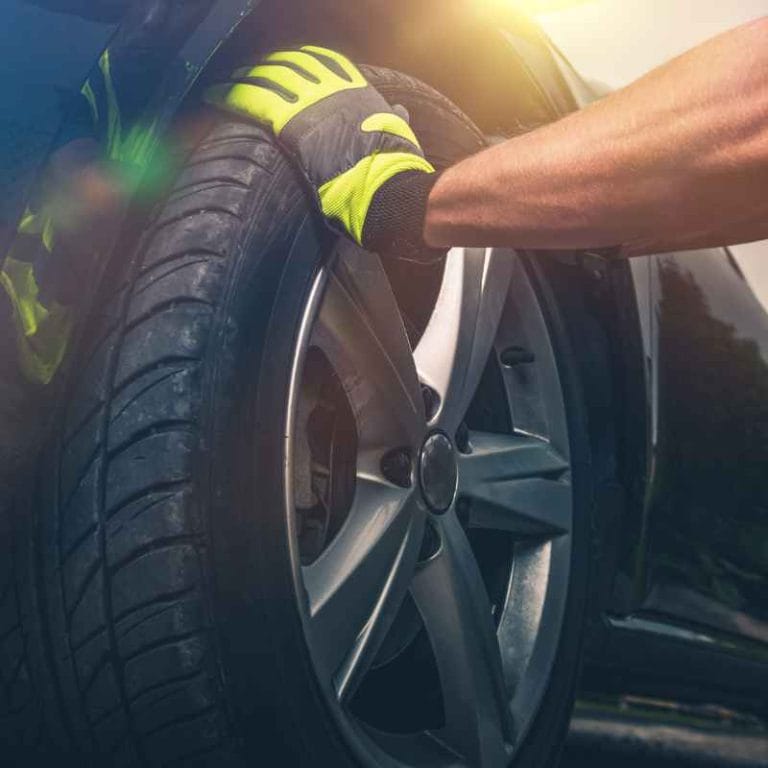
What you need: A lug wrench that fits your car’s nuts.
How to do it: Try to gently tighten each lug nut. Turn clockwise.
Important: Do not overtighten. If they feel very loose, stop. Get professional help immediately.
When to check: After any tire work. Or if you hear new, strange noises.
If you suspect loose lug nuts, stop driving. Get your car checked right away. Most shops will check this for free.
It’s a simple safety check. It can prevent a disaster.
Wheel Bearing Problems
Your wheel bearings are small but vital parts. They sit inside the wheel hub. They allow the wheel to spin freely.
When a bearing starts to go bad, it makes noise. This noise is often a grinding or humming sound. It tends to get louder with speed.
And it can change when you turn.
A damaged wheel bearing can make a sound that is very similar to a helicopter. It’s a constant drone that increases. It’s a low hum at first.
Then it becomes a louder whirring. Turning one way might make it quieter. Turning the other way might make it much louder.
This is because the pressure on the bearing changes.
A tire rotation doesn’t cause bearing failure. But it can sometimes make a failing bearing more obvious. The tires are moved around.
The forces on the wheel hub change. A bearing that was about to make noise might start doing so in its new position. It’s like finding a problem that was already there.
Wheel Bearing Symptoms to Watch For
Noise: Humming, grinding, or clicking that gets louder with speed.
Vibration: You might feel a shaking in the steering wheel or car body.
Looseness: The wheel might feel loose or wobbly.
Turning Effects: Noise gets louder or quieter when turning left or right.
Wheel bearing issues are not usually a DIY fix. They require specialized tools. If you suspect a bad bearing, it’s best to take it to a mechanic.
They can diagnose it properly. And repair it safely.
Brake Components and Noise
Sometimes, brakes can cause noises after tire work. This is less common for a helicopter sound. But it’s possible.
If brake pads are worn or if the rotor is warped, it can cause a hum. This hum can get louder with speed.
After a tire rotation, the wheels are removed. This is a chance for brake parts to be bumped or shifted. A brake dust shield might be slightly bent.
It could be touching the rotor. This can create a scraping or humming sound. It might sound similar to what you’re hearing.
Also, if brake pads are nearing the end of their life, they can start to make noise. This noise is often a high-pitched squeal. But it can sometimes manifest as a deeper hum.
Especially if combined with other factors. The pressure of the wheel seating can also affect this.
Brake Noise Clues
When it happens: Does the noise change when you brake?
Type of sound: Is it a grinding, squealing, or humming?
Location: Can you tell if it’s coming from the wheels?
Visual check: Look for brake dust or uneven wear on pads.
Brake issues need prompt attention. If you think your brakes are involved, have them inspected by a professional. Safe braking is paramount.
The Role of Tire Pressure
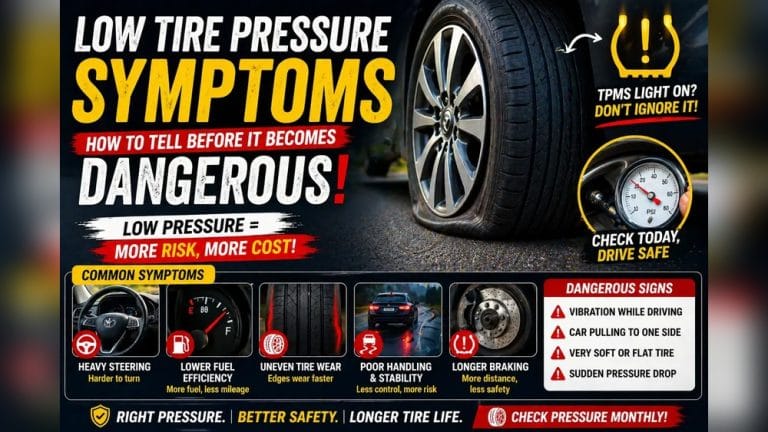
Did you know that tire pressure can affect noise? It’s true. If tires are over-inflated or under-inflated, they don’t perform as they should.
This can lead to uneven wear. And it can also affect the way the tire contacts the road. This can create new sounds.
A tire that is under-inflated can flex more. This extra flexing can create heat. It can also cause the tread to cup or wear unevenly.
This leads to noise. A tire that is over-inflated can be too stiff. It might bounce more.
This can also cause noise. It might feel rough. And create a humming sound.
Tire shops often check tire pressure. But sometimes, it can change. Especially with temperature shifts.
It’s good practice to check your tire pressure regularly. The recommended pressure is usually on a sticker in your driver’s side door jamb. Or in your car’s owner’s manual.
Tire Pressure: Simple Steps
Find the sticker: Driver’s door jamb is most common.
Check when cold: Best to check before driving.
Use a gauge: Digital or analog gauges work well.
Adjust as needed: Add or release air to reach recommended PSI.
Correct tire pressure is key. It helps with safety, fuel economy, and tire life. It can also help keep your ride quiet.
Road Force Balancing and Tire Issues
Tire balancing is usually done during a rotation. It ensures the wheel spins smoothly. It adds small weights to the wheel.
These weights counteract heavy spots. If balancing is off, you might feel vibrations. Sometimes, these vibrations can sound like a hum.
Road force balancing is a more advanced type of balancing. It simulates the weight of the car on the tire. This can find issues that regular balancing misses.
Like a tire that isn’t perfectly round. Or a tire with an internal defect.
A tire rotation might expose a problem that road force balancing would have caught. If a tire has an internal issue, it might cause a droning sound. This sound can be mistaken for a helicopter.
The new position on the car can make the problem apparent.
Road Force Balancing Explained
What it is: Simulates driving weight on the tire.
Why it’s better: Finds issues regular balancing misses.
Detects: Tire roundness, internal defects, and imbalances.
Result: Smoother ride and quieter operation.
If your car continues to make noise after other checks, consider asking about road force balancing. It’s a good way to ensure your tires are as smooth as possible.
When the Noise is Normal (or Less Concerning)
Not all new noises are cause for panic. Sometimes, the sound you’re hearing is just the tire working. Especially if you have new tires.
Or if the tires have a specific tread pattern. Some aggressive tread designs can create more road noise.
If the noise is a mild hum. And it doesn’t change much when you turn. And there are no vibrations.
It might be normal. Especially if the shop installed new tires. Or if you switched to a different type of tire.
Some all-terrain tires can be noisier. They are designed for grip off-road. This can make them louder on pavement.
Another factor is the road surface itself. Some asphalt roads are much noisier than others. A freshly laid, smooth road will be quieter.
An older, rougher road will be louder. The sound can change as you drive on different surfaces. This can make you think the car is the problem.
Signs a Noise Might Be “Normal”
Mild sound: Not a loud grinding or clunking.
Consistent: Doesn’t get drastically worse with turns.
No vibrations: You don’t feel shaking in the steering wheel.
New tires: If you recently installed new tires with aggressive treads.
Road surface: Sound changes on different types of pavement.
Listen carefully. Compare the sound to what you know your car usually sounds like. If it’s just slightly louder, it might be okay.
But if it’s new and distinct, it’s worth investigating.
When to Worry and Seek Professional Help
There are times when you absolutely need to get your car checked. Don’t delay if you notice any of these things:
- Loud grinding or clunking noises: These are never good signs.
- Vibrations: If you feel shaking in the steering wheel or pedals.
- Difficulty steering: If the car pulls to one side. Or if steering feels stiff.
- Loose wheel: If you can see or feel the wheel moving on the hub.
- Any change that feels unsafe: Trust your gut. If it feels wrong, it might be.
The helicopter sound itself can be alarming. But if it’s accompanied by any of these other symptoms, it’s more serious. The mechanics at your trusted shop are trained to spot these issues.
They have the tools and experience to diagnose them correctly.
Remember my story? I was worried. But it turned out to be a simple fix.
However, I did stop to check. That’s important. Never ignore a new, strange noise.
Especially after maintenance.
Your Car’s Health Checklist
Listen: Pay attention to any new sounds.
Feel: Notice any unusual vibrations or changes in handling.
Look: Check for obvious damage or leaks around wheels.
Act: If in doubt, get it checked by a qualified mechanic.
It’s always better to be safe than sorry. A quick check can prevent a major repair or a dangerous situation. Your car relies on you to be its advocate.
Simple Checks You Can Do at Home
Before you rush to the shop, there are a few things you can check yourself. These are simple. They don’t require special tools.
And they can sometimes point you directly to the problem.
Check the Tires Visually
Walk around your car. Look closely at each tire. Do you see any obvious damage?
Are there any cuts or bulges? Are the treads very low on one side? This is wear.
Even wear is good. Uneven wear is a clue.
Also, check the tread for foreign objects. Sometimes a nail or a screw can get stuck in the tread. This can cause a noise.
It can also cause a slow leak. A simple visual inspection can reveal these issues.
Check Tire Pressure
As we discussed, correct tire pressure is important. Use a tire pressure gauge. Check all four tires when they are cold.
Make sure they are inflated to the level recommended by your car manufacturer. You can usually find this on a sticker inside the driver’s doorjamb.
If one tire is significantly lower than the others, it might be causing the noise. Or it might indicate a slow leak. This could be a nail or a faulty valve stem.
Listen from Outside the Car
Have a friend or family member slowly drive the car past you. While you stand still. Listen carefully.
Can you pinpoint which side the noise is coming from? Can you tell if it’s front or back? This can help narrow down the area for a mechanic.
Sometimes, the noise is more apparent from the outside. It’s like hearing a different sound when you’re not inside the loud cabin. This outside perspective can be very helpful.
Check for Loose Items
It sounds simple, but sometimes things get stuck. Did something fall out of your trunk? Is there anything loose under the car that could be hitting the wheels?
It’s rare for this to cause a helicopter sound, but it’s worth a quick look.
Make sure nothing is hanging down from the undercarriage. Check the wheel wells for any debris. Sometimes a plastic shield can come loose.
Or a piece of road debris can get lodged there.
Home Check Action Plan
Step 1: Visual tire inspection (damage, wear, objects).
Step 2: Tire pressure check (all four tires).
Step 3: Outside listening test (with a helper).
Step 4: Quick check of undercarriage and wheel wells.
These simple steps can save you time and worry. They can also help you explain the problem better to your mechanic.
What the Tire Shop Should Do
When you bring your car back to the shop that performed the rotation, they should take it seriously. A reputable shop will:
- Listen to your concerns: They should believe you and investigate thoroughly.
- Perform a road test: They need to hear the noise themselves.
- Check the lug nuts: They should re-torque all lug nuts to the correct specification.
- Inspect the tires: Look for wear patterns, damage, or debris.
- Check tire pressure: Ensure all tires are properly inflated.
- Inspect brakes: Make sure brake components aren’t rubbing.
- Check wheel bearings: Listen for grinding or humming.
If they find the issue, they should explain it clearly to you. They should also offer to fix it. If the problem was caused by their work, they should fix it at no charge.
It’s important to remember that mistakes can happen. Even at the best shops. What matters is how they handle it.
Good customer service means addressing problems quickly and fairly.
Shop Inspection Checklist
Listen to customer: Priority one.
Verify issue: Road test is key.
Check torque: Lug nuts must be secure.
Inspect components: Tires, brakes, bearings.
Explain clearly: Customer education matters.
Don’t be afraid to ask questions. You are paying for a service. You deserve to understand what’s happening with your car.
Can I Drive with the Helicopter Sound?
This is a common question. And the answer depends on the cause of the sound. If the noise is mild and seems to be related to tire wear patterns, you might be able to drive for a short while.
Especially to get to a mechanic.
However, if the sound is loud. If you feel vibrations. Or if you suspect loose lug nuts or a bad wheel bearing, you should NOT drive the car.
Driving with these issues can be very dangerous. It can cause further damage. It can lead to an accident.
For example, a loose lug nut can cause the wheel to detach. This is a catastrophic failure. A failing wheel bearing can seize up.
This can lock the wheel. This can also cause a loss of control.
When in doubt, it’s best to err on the side of caution. Call for a tow truck. It might seem like an extra expense.
But it’s far cheaper than a major accident or repair bill.
Driving Safety Guide
Mild hum, no other issues: Proceed with caution to mechanic.
Loud noise, vibrations, steering issues: DO NOT DRIVE. Call for tow.
Suspected loose wheel: Immediate stop and tow.
Always err on side of safety: If unsure, don’t risk it.
Your safety and the safety of others on the road are the top priorities. Don’t take chances with unusual car noises.
Conclusion: Peace of Mind for Your Ride
That helicopter sound after a tire rotation can be a startling experience. It’s easy to feel worried or frustrated. But now you know.
There are several common reasons why this happens. Most are related to tire wear, loose parts, or component wear. Simple checks can often give you clues.
Remember to listen carefully to your car. Don’t ignore new noises. If you’re concerned, seek professional advice.
A qualified mechanic can diagnose the issue. They can perform the necessary repairs. Getting your car checked promptly will give you peace of mind.
And it ensures your vehicle remains safe and reliable.
Frequently Asked Questions About Helicopter Sounds After Tire Rotation
Why does my car sound like a helicopter after a tire rotation?
This sound often happens because tire rotation can highlight existing tire wear patterns. These uneven spots hit the road and create a whirring or humming noise. Other causes include loose lug nuts, damaged wheel bearings, or brake component issues.
The change in tire position can make these problems more noticeable.
Could my tires be worn out if they sound like a helicopter?
Yes, worn tires are a common cause. Uneven wear like cupping or feathering can create a rhythmic noise that gets louder with speed, sounding like a helicopter. Rotation moves these worn spots to a position where the sound is more apparent.
It’s a sign your tires might need replacing soon.
Is it safe to drive if my car makes a helicopter sound after tire rotation?
It depends on the cause. If it’s mild noise from tire wear and there are no vibrations or handling issues, you might be able to drive carefully to a mechanic. However, if you hear loud grinding, feel vibrations, or suspect loose lug nuts or a bad bearing, do not drive.
Call for a tow truck.
What should I do if I hear a helicopter sound after a tire rotation?
First, perform simple checks: visually inspect your tires, check tire pressure, and listen from outside the car. If you can’t find an obvious cause or if the noise is concerning, contact the tire shop that performed the rotation. They should inspect it for you.
How long does it take for a tire rotation to show noise issues?
The noise can often be heard almost immediately after driving away from the shop. The change in position of the tires can instantly make a pre-existing wear pattern or component issue noticeable. Sometimes, it may take a few miles of driving for the sound to become apparent.
Can a new tire cause a helicopter sound after rotation?
While less common, it’s possible. If you installed new tires with a very aggressive tread pattern, they might naturally be noisier on the road. Also, a new tire could have a manufacturing defect or an internal issue that creates a humming sound.
It’s important to distinguish this from sounds caused by wear or loose parts.
See also when a tire cannot be repaired signs you need new one.
Related pick: Check today's price on Amazon See also how to stop car tyres perishing before their time.
Products related to this article
Sponsored / affiliate links. As an Amazon Associate I earn from qualifying purchases. I may earn additional commission from eligible campaigns.