What To Do Before Buying Your First Car
Before buying your first car, it’s crucial to set a budget, research reliable models that fit your needs, check your credit score if financing, understand insurance costs, and plan for maintenance. Know your options for financing and get pre-approved if possible. Always test drive thoroughly and have a mechanic inspect the car before signing any papers.
Understanding Your Needs and Budget
Your first step is to figure out what you really need. Think about how you’ll use the car. Will you drive it mostly in the city?
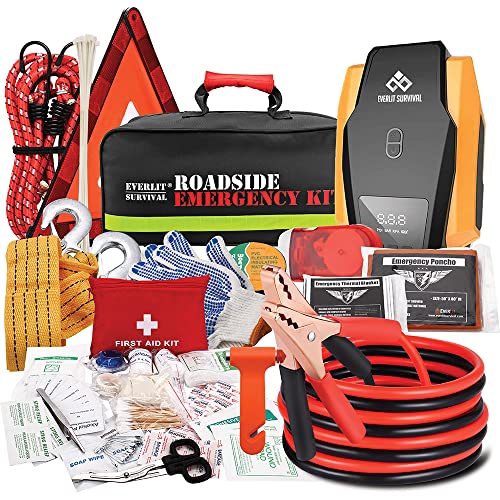
EVERLIT
Everlit Survival Car Emergency Kit, Roadside Safety…
- The Road Guardian- The portable roadside assistance kit is designed and hand picked by a group of experienced veterans and experts…
- Top-Notch Digital Auto Tire Inflator- lightweight and compact air compressor can inflate your standard vehicles tire in seconds. W…
- Copper-Clad Aluminum 12 Feet 8 Gauge Jumper Cable- A durable battery starter cable is a must-have for your trip. Unlike other kits…
As an Amazon Associate I earn from qualifying purchases.
Or do you need it for long highway trips? Maybe you need space for friends or gear. Your daily commute matters too.
How far do you drive each day? This helps decide on the type of car.
Consider fuel economy. Gas prices can change. A car that uses less gas saves you money over time.
Safety features are also key. Look for cars with good safety ratings. Think about how many people you usually drive with.
Do you need lots of cargo space? A small car might be great for city parking. A bigger SUV might be better for families or outdoor gear.
Next, let’s talk money. This is super important. How much can you afford to spend?
This isn’t just the sticker price. You also need to think about ongoing costs. Insurance is a big one.
Maintenance and repairs add up too. Gas costs money every week. Registration and taxes are also part of the picture.
Make a list of all these costs. Be realistic. It’s easy to get caught up in the excitement.
But a car payment that’s too high can cause stress. Look at your bank account. How much can you save for a down payment?
A larger down payment means a smaller loan. This can save you a lot on interest.
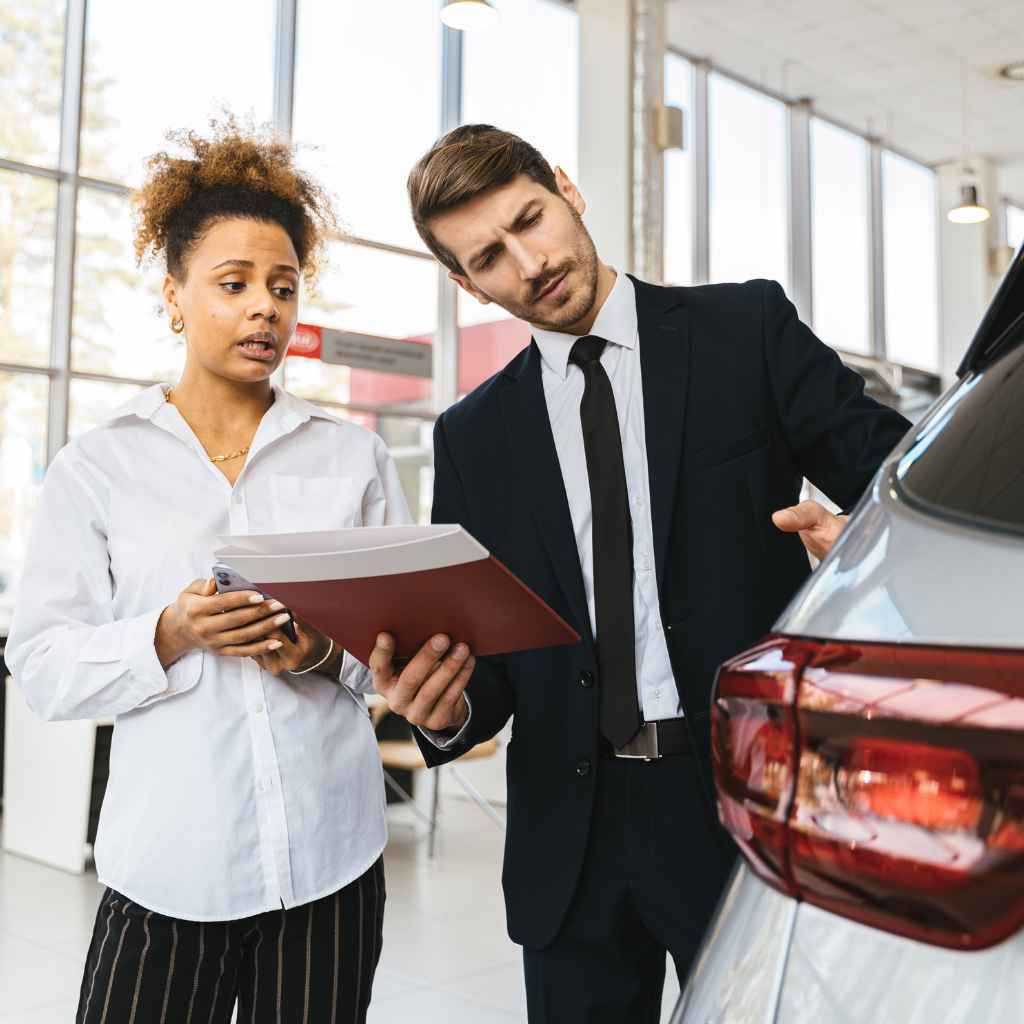
Budgeting for Your First Car
Your Car Budget Breakdown
Down Payment: How much cash can you put down? More is better!
Monthly Payment: What fits your income after bills?
Insurance: Get quotes early for models you like.
Gas: Estimate based on your daily driving.
Maintenance: Set aside money for oil changes and repairs.
Taxes & Fees: Don’t forget these upfront costs.
If you plan to finance, know your credit score. Lenders use this to decide on interest rates. A good score means lower rates.
This saves you money on the loan. If your score isn’t great, try to improve it. Or, a co-signer might help.
They have a good credit history. This can get you better loan terms.
Researching Car Models
Once you know what you need and can afford, it’s time to research. This is where you find cars that match your criteria. Look for reliability.
You don’t want a car that breaks down often. Websites like Consumer Reports are great for this. They test cars and give reviews.
Think about the type of car. Do you want a sedan, an SUV, a truck, or a hatchback? Each has its pros and cons.
Sedans are good for commuting. SUVs offer more space. Trucks are for hauling.
Hatchbacks are versatile.
Fuel efficiency is important. Look for cars with good miles per gallon (MPG). This saves you money on gas.
Also, consider the car’s resale value. Some cars hold their value better than others. This matters if you plan to sell it later.
Popular First Car Types
Car Type Matcher
Sedan: Great for daily commutes and city driving. Usually good on gas.
Compact SUV: Offers more space and higher driving position. Versatile for errands and trips.
Hatchback: Flexible cargo space. Good for moving things. Often fuel-efficient.
Small Truck: Useful for hauling and tough jobs. Less fuel-efficient usually.
Read reviews from owners. They share their real-world experiences. What do they like?
What do they dislike? Are there common problems? This information is gold.
It helps you avoid cars with known issues. Don’t just look at the big features. Think about the small things too.
Like how comfortable the seats are. Or how easy the controls are to use.
I remember looking for my first car. I was so focused on the cool factor. I wanted something sporty.
But my dad reminded me about reliability. He showed me reviews for cars I liked. Some had lots of complaints about repairs.
I felt a little disappointed. But I listened. I ended up with a car that was safe and dependable.
It saved me a lot of headaches later.
New vs. Used Cars
This is a big decision. New cars are shiny and have no miles. They come with full warranties.
But they are also more expensive. They lose value quickly, especially in the first few years. This is called depreciation.
Used cars cost less. You can often get a nicer model for the same price as a new, basic one. But they come with risks.
They might have hidden problems. Warranties might be shorter or expired. You need to be extra careful when buying used.
For a first car, a used car is often a smart choice. You can get a reliable car that’s a few years old. It will be much cheaper.
Plus, it has already gone through its biggest depreciation. You won’t lose as much money when you eventually sell it.
New vs. Used: Key Differences
New Car Perks
Pros: Full warranty, latest tech, no previous owners, that new car smell.
Cons: Higher price, rapid depreciation, potentially higher insurance.
Used Car Savings
Pros: Lower price, slower depreciation, often lower insurance costs.
Cons: Potential for hidden issues, shorter or no warranty, older tech.
If you go the used route, look for certified pre-owned (CPO) cars. These cars are inspected by the dealer. They often come with an extended warranty.
They are a good middle ground between new and regular used.
Always get a vehicle history report. Services like Carfax or AutoCheck can tell you if a car has been in an accident. They also show if it has a clean title.
Or if it’s been a rental car.
Financing Your First Car
Most people need a loan to buy a car. This means you’ll be borrowing money. You’ll pay it back over time with interest.
Getting pre-approved for a loan is a smart move. You can do this at your bank or credit union. This gives you a set interest rate.
You know exactly how much you can borrow.
Dealerships also offer financing. Their rates might be good, but it’s wise to compare. If the dealership offers a lower rate, they might have other ways to make money.
Always read the fine print. Make sure you understand the loan terms. How long is the loan?
What is the interest rate (APR)? What’s the monthly payment?
Loan Pre-Approval Steps
Getting Pre-Approved
Check Your Credit: Know your score first.
Shop Around: Compare banks and credit unions.
Apply: Fill out the loan application.
Get Terms: You’ll receive an offer with an interest rate.
Use It: Use this offer at the dealership to negotiate.
The loan term is how long you have to pay back the loan. Shorter terms mean higher monthly payments. But you pay less interest overall.
Longer terms mean lower monthly payments. But you pay more interest over the life of the loan.
Understand how interest works. It’s the cost of borrowing money. A small difference in interest rate can save you thousands of dollars.
Especially on a car loan that might last 5-7 years.
I once saw a friend get caught up at the dealership. They didn’t get pre-approved. The dealer offered them a loan.
It seemed okay at first. But the monthly payment was higher than they expected. The interest rate was also higher than what they could have gotten elsewhere.
They felt pressured to sign. It was a lesson learned about doing homework first.
Insurance Costs
Car insurance is mandatory in the U.S. It protects you if you have an accident. It also protects others.
The cost of insurance depends on many things. Your age, driving record, where you live, and the type of car you drive all play a role.
For a first car, especially for a young driver, insurance can be expensive. Get insurance quotes before you buy the car. This is very important.
The same car can have different insurance costs. Some models are cheaper to insure than others. Insurers look at theft rates and repair costs too.
Factors Affecting Insurance Rates
Insurance Checkpoints
Your Driving Record: Accidents and tickets increase rates.
Your Age: Younger drivers usually pay more.
Your Location: Densely populated areas can have higher rates.
The Car You Drive: Sports cars cost more to insure than sedans.
Your Coverage Level: More coverage means higher costs.
When you get quotes, compare them carefully. Make sure you are comparing the same coverage levels. Ask about discounts.
Are you eligible for a good student discount? Or a discount for being a safe driver?
You’ll need to have insurance before you drive the car off the lot. So, getting these quotes ahead of time is vital. It helps you avoid surprises.
It also helps you choose a car that fits your total budget, not just the car payment.
Inspecting the Car
You’ve done your research. You have a budget. You know your financing.
Now it’s time to see the car in person. Never buy a car without seeing it and driving it. This is where you check if it’s as good as it looks online.
If you’re buying used, this step is critical. Look for obvious signs of damage. Check the paint for rust or mismatched colors.
Open all the doors and the trunk. Look inside for tears or stains. Check the tires for wear.
Are they all the same brand?
Get inside the car. Sit in the driver’s seat. Are the seats comfortable?
Can you reach the pedals and steering wheel easily? Turn on the engine. Does it start smoothly?
Listen for any strange noises. Check all the lights, blinkers, and wipers. Test the radio and air conditioning.
Pre-Inspection Checklist
Visual Checks
Exterior: Dents, rust, paint condition, tire wear.
Interior: Upholstery, dashboard cracks, smells (smoke, mold).
Under the Hood: Fluid levels (oil, coolant), belt condition, battery terminals.
Under the Car: Leaks, rust on the frame, exhaust system condition.
The test drive is your chance to feel how the car handles. Drive it on different types of roads. City streets, highways, and bumpy roads if possible.
Does it accelerate smoothly? Does it brake well? Listen for any clunks or squeaks when you turn or go over bumps.
Does the steering feel tight or loose?
If you’re buying from a private seller, this is even more important. They might not be as upfront about issues as a dealer. Be polite but firm.
You are there to check the car thoroughly. If the seller won’t let you do these checks, walk away.
Getting a Mechanic’s Inspection
This is a step many first-time buyers skip. It’s a mistake. For a used car, a pre-purchase inspection (PPI) by an independent mechanic is worth every penny.
You pay the mechanic a fee, usually around $100-$200. They will give the car a thorough check.
A good mechanic can spot problems you might miss. They know what to look for. They can tell you if there are upcoming repairs needed.
Things like worn-out brakes or a leaky transmission. This information is powerful. It can help you negotiate the price.
Or it can help you decide to walk away from a bad deal.
I had a friend who bought a used car. He skipped the mechanic check. A few weeks later, the car’s engine started making a terrible noise.
It turned out to be a major engine problem that would cost thousands to fix. He later found out the seller knew about the issue. He wished he had spent a little money for that inspection.
Why a Mechanic’s Inspection is Crucial
Mechanic’s Insight
Expert Eyes: They see things you can’t.
Problem Spotting: Identify worn parts and potential failures.
Negotiation Power: Use their report to lower the price.
Deal Breaker: Discover major issues before you buy.
Peace of Mind: Know you’re buying a sound vehicle.
When you take the car to a mechanic, be clear about what you want. You want a pre-purchase inspection. Ask them to check the engine, transmission, brakes, suspension, and electrical system.
They should also check for signs of accidents or flood damage.
Negotiating the Price
Once you’ve inspected the car and are happy with it, it’s time to negotiate. Don’t be afraid to haggle. Cars are often priced with room for negotiation.
Do your homework on the car’s market value. Websites like Kelley Blue Book (KBB) or Edmunds can give you a good idea.
Know your maximum price. This is the most you are willing to pay. Stick to it.
If the seller won’t meet your price, be ready to walk away. There are always other cars.
If you got a mechanic’s inspection and they found issues, use that report. You can say, “The mechanic found that the brakes need replacing soon. That will cost about $X.
Can you lower the price by that amount?”
If you’re financing through the dealership, try to negotiate the car price first. Before you talk about the loan. This way, the dealer can’t play games with interest rates to seem like they’re giving you a discount on the car price.
Negotiation Tips
Smart Haggling
Do Your Research: Know the car’s value.
Set a Limit: Decide your top price beforehand.
Be Polite but Firm: Stand your ground.
Use Inspection Report: Negotiate based on needed repairs.
Walk Away: Be willing to leave if the deal isn’t right.
Remember, the salesperson wants to make a sale. You want to buy a car at a fair price. It’s a negotiation, not a battle.
Stay calm and confident. Think about the total cost of the car, not just the monthly payment.
Understanding the Paperwork
This is the part where you sign on the dotted line. It’s important to understand everything you are signing. Don’t rush.
Ask questions if you don’t understand something.
If you are buying from a dealer, you’ll see a lot of papers. The sales contract lists the car’s price, fees, and any add-ons. The financing agreement shows the loan terms.
There will also be registration and title forms.
Make sure the price on the contract matches what you agreed upon. Check for any hidden fees. Sometimes dealers add “prep fees” or “documentation fees” that are negotiable.
The financing agreement should clearly state the interest rate (APR), loan term, and monthly payment.
If you are buying from a private seller, you’ll mainly deal with the title and bill of sale. The title is proof of ownership. You need to make sure the seller’s name is on the title.
The bill of sale is a record of the transaction. It should include the car’s VIN, the price, and the date.
Key Documents to Review
Paperwork Essentials
Sales Contract: Lists car price, fees, and agreed terms.
Financing Agreement: Details loan amount, interest rate (APR), and payments.
Title: Proof of ownership; ensure seller’s name is on it.
Bill of Sale: A receipt for the transaction.
Odometer Disclosure: Confirms mileage at the time of sale.
Once you sign the papers, you own the car. Make sure you have insurance in place. You’ll need to register the car with your state’s Department of Motor Vehicles (DMV).
They will issue you new license plates and a new title in your name.
Maintenance and Ownership
Buying the car is just the start. Owning a car means taking care of it. Regular maintenance keeps your car running smoothly.
It also prevents small problems from becoming big, expensive ones.
Follow the manufacturer’s recommended maintenance schedule. This is usually found in the owner’s manual. It will tell you when to get oil changes, tire rotations, and other services.
Keep records of all your maintenance. This is helpful for resale value.
Basic Maintenance Schedule
Keeping Your Car Healthy
Oil Changes: Every 3,000-5,000 miles (check manual).
Tire Rotation: Every 5,000-7,000 miles.
Brake Check: Inspect every year or as needed.
Fluid Levels: Check coolant, brake fluid, and washer fluid regularly.
Air Filter: Replace when dirty (usually yearly).
Be aware of warning lights on your dashboard. If a light comes on, don’t ignore it. It could be a minor issue or a major problem.
Get it checked by a mechanic as soon as possible. This can save you from costly repairs down the road.
Think about where you will park your car. Protecting it from the elements can help. A garage or carport is best.
If you park outside, consider a car cover. This protects it from sun, rain, and snow. These things can extend the life of your car’s paint and body.
When It’s Time to Buy
There’s never a “perfect” time to buy a car. Life happens. But by following these steps, you can make the process much smoother.
You’ll feel more confident. You’ll be less likely to make a mistake.
Remember to be patient. Don’t rush into a decision. Take your time.
Do your research. Ask questions. Trust your gut feeling.
If something feels off, it probably is.
Buying your first car is a milestone. It gives you freedom and independence. By being prepared, you can make it a positive experience.
Enjoy the ride!

Frequently Asked Questions About Buying Your First Car
What is the first thing I should do before buying a car?
The very first thing you should do is determine your budget. Figure out exactly how much you can afford for the car payment, insurance, gas, and maintenance. This will guide all your other decisions.
Is it better to buy a new car or a used car for my first vehicle?
For a first car, a used car is often a wiser choice. It costs less, and you avoid the steep depreciation that new cars experience. Look for reliable, well-maintained used cars, perhaps certified pre-owned.
How can I check if a used car has been in an accident?
You should get a vehicle history report from services like Carfax or AutoCheck. Also, a pre-purchase inspection by an independent mechanic can reveal signs of past accidents or damage.
Should I get pre-approved for a car loan before going to the dealership?
Yes, absolutely. Getting pre-approved from your bank or credit union gives you a clear understanding of your loan terms and interest rate. This helps you negotiate better at the dealership.
What are the ongoing costs of owning a car besides the loan payment?
Ongoing costs include car insurance, fuel (gas), regular maintenance (oil changes, tire rotations), potential repairs, registration fees, and taxes. Always budget for these extra expenses.
How important is a pre-purchase inspection for a used car?
It is extremely important. A pre-purchase inspection by a trusted mechanic can uncover hidden problems that could cost you thousands of dollars later. It’s a small investment that can save you a lot of money and stress.
Final Thoughts
So, buying your first car is a journey. It requires planning and research. But it’s a rewarding process.
You’ll gain knowledge. You’ll make a big purchase with confidence. Remember to focus on reliability and affordability.
Happy car hunting!
},
},
},
},
},
}
]
}
See also best way to clean car tires and keep them looking fresh.
Related pick: Check today's price on Amazon