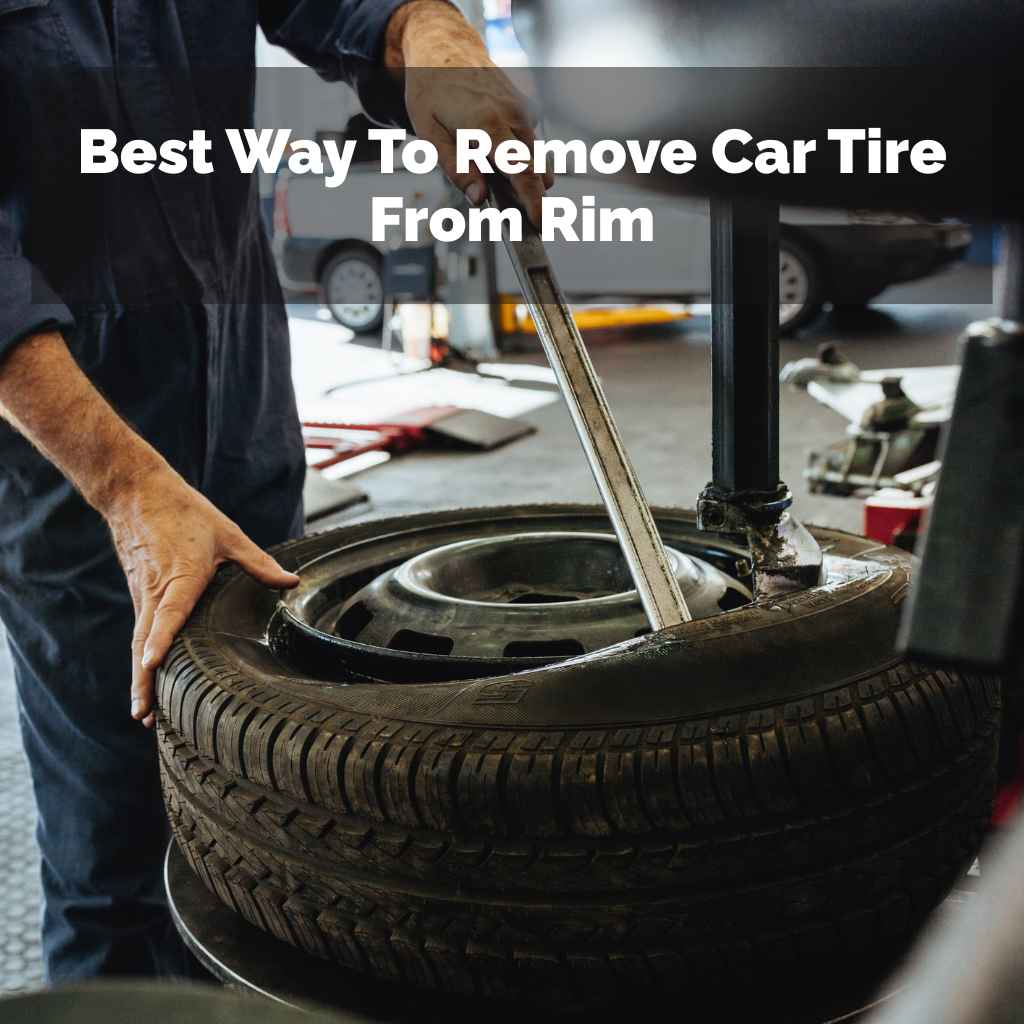
Best Way to Remove Car Tire From Rim (DIY Guide + Cost)
Getting a stubborn car tire off a rim can feel like a real puzzle. You’ve tried pushing, pulling, maybe even a little kicking. It’s a common frustration for anyone trying to save money or just learn more about their car. This guide will show you the best way to tackle this job. We’ll make it simple, safe, and something you can feel good about.
The best way to remove a car tire from a rim involves breaking the bead seal, deflating the tire, and using leverage. Proper tools and technique make it manageable, even for a beginner. Safety first is key.
Understanding Tire and Rim Interaction
Your car tire sits snug on a metal wheel, called a rim. A tight seal between the tire and the rim keeps air inside. This seal is called the bead. It’s a strong rubber edge. This edge presses hard against the rim. It has to be strong to hold air pressure. It also needs to be tough to keep the tire from spinning on the rim.
Why Tires Stick to Rims
Several things make tires stick. The bead itself is designed to be tight. Age and heat can make the rubber harder. Dirt and corrosion can build up between the bead and the rim. This can create a bond. Sometimes, the tire has been on the rim for a long time. This can make it seem almost welded on.
The Importance of Breaking the Bead
Before you can even think about prying the tire off, you must break the bead. This is the hardest part for many. The bead seal is very strong. It’s what keeps the air in. You need to force the tire bead away from the rim’s edge. This takes some force. If you don’t break the bead, you won’t get the tire off.
My Own Tire-Changing Battle
I remember a time I needed to change a flat tire on my old pickup. It was late, and rain was starting to fall. I had the spare ready. But when I tried to get the flat tire off the rim, it just wouldn’t budge. I pushed with all my might. I even tried standing on the rubber. Nothing worked. I felt a bit panicked. The rain was getting harder. I thought I’d have to call for help. Then, I remembered seeing a special tool. It was a bead breaker. I decided to try one. It made a huge difference. The tire came off with much less effort. It taught me that sometimes, the right tool is everything.
Breaking the Bead: The Crucial First Step
Breaking the bead is the key to getting the tire off. You need to push the rubber edge inward. You want it to move from the rim’s lip. There are a few ways to do this. Some are easier than others. The goal is to get that tight seal to give way.
Method 1: Using a Bead Breaker Tool
This is often the easiest and safest way. A manual bead breaker is like a strong clamp. You place it on the tire’s sidewall. It presses down hard. This forces the bead inward. You move the tool around the tire. You do this several times. You need to work on both sides of the tire. This ensures the bead is fully broken all the way around.
Method 2: Using a Vehicle’s Weight (With Caution!)
You can carefully use the weight of your car. This is risky. You need a solid surface. Place the tire and rim on something strong. A piece of thick wood can work. Then, you drive one side of the tire’s sidewall onto the wood. The car’s weight pushes the bead down. You must do this slowly. You also need to do it on both sides. Be very careful not to damage the rim. This method can scratch or bend your rim if not done right.
Quick Bead Breaking Tips
Manual Bead Breaker: Clamp and squeeze. Move around the tire. Repeat on the other side.
Vehicle Weight: Drive onto a strong board slowly. Check for rim damage. Repeat on both sides.
Leverage Tools: Pry bars can work but may damage the rim. Use with extreme care.
Method 3: Tire Irons and Leverage
This method is more manual. You use strong tire irons. You place one under the tire’s bead. You pry it down. You need to use a second tire iron a little ways away. You repeat this. You work your way around the tire. You are essentially pushing the bead into the rim’s center. This takes a lot of effort. It’s also easy to slip and scratch your rim.
Deflating the Tire Completely
Once the bead is starting to break, you need to let all the air out. This makes the tire softer and easier to work with. Most tire valves have a small pin in the middle. You can push this pin to let air escape.
Removing the Valve Core
For even faster deflation, you can remove the valve core. This is a small metal part inside the valve stem. You need a special tool for this. It’s called a valve core remover. It usually looks like a small nut driver. You screw it onto the valve stem. Then you turn it to unscrew the core. Be ready for a loud hiss. All the air will rush out quickly.
Valve Stem Basics
What it is: A small tube that lets air in and out.
Valve Core: The small part inside that stops air from leaking.
Removal Tool: Makes removing the core easy and fast.
Separating the Tire from the Rim
After breaking the bead on both sides and deflating the tire, it’s time to get it off the rim. This is where tire irons become very useful. You will likely need at least two, maybe three.
Positioning the Tire and Rim
Place the wheel flat on the ground. You want the rim to be stable. Make sure you have good space to work. The tire should be completely flat. You’ve already broken the bead on both sides. One side will be easier to start with.
Using Tire Irons for Removal
Start on the side that seems looser. Insert the curved end of a tire iron. You want to hook it under the tire’s bead. This is the rubber edge. Pry it up and over the rim. This is tough. The rubber is still tight. You are trying to lift the bead over the rim lip.
Once you have a small section of the bead over the rim, hold it there. You can use your foot or a block of wood for this. Now, insert a second tire iron a few inches away. Do the same thing. Pry that section of the bead over the rim. Keep going. You are working your way around. It’s like a slow, steady crawl.
You might need a third tire iron. Use it to help hold the lifted section. This frees up your hands. Patience is key here. Don’t force it too hard. You risk bending the rim. Or you might damage the tire’s bead. You want to lift the bead over the rim edge.
Tire Iron Technique
- Start Slowly: Get a small section over the rim.
- Hold it Firm: Use your foot or a block.
- Work Around: Use a second (or third) iron a few inches away.
- Lift Over: Always aim to lift the bead over the rim edge.
- Be Gentle: Avoid forcing or bending the rim.
Dealing with Stuck Beads
Sometimes, the bead is just incredibly stubborn. Even with tools, it fights you. This is where a little extra help can make a big difference.
Lubrication is Your Friend
A lubricant can help the rubber slide. You can use special tire mounting paste. Soapy water also works well. Mix dish soap with water in a spray bottle. Spray it liberally around the bead. You want to get it between the tire and the rim. This helps reduce friction. It makes the bead slide more easily.
Heat Can Help (Use with Extreme Caution!)
Some people use heat. A heat gun can soften the rubber slightly. This can make it more pliable. However, this is risky. Too much heat can damage the tire. It can also damage the rim’s finish. Only do this if you are experienced. Always keep the heat moving. Do not concentrate it in one spot. This is usually a last resort.
Safety First: What to Watch Out For
Working with car tires can be dangerous. They hold a lot of pressure. Even deflated, they are heavy and awkward.
Eye Protection is Essential
Always wear safety glasses. Debris can fly out. Small pieces of rubber or metal can be sharp. You don’t want them in your eyes.
Gloves for Grip and Protection
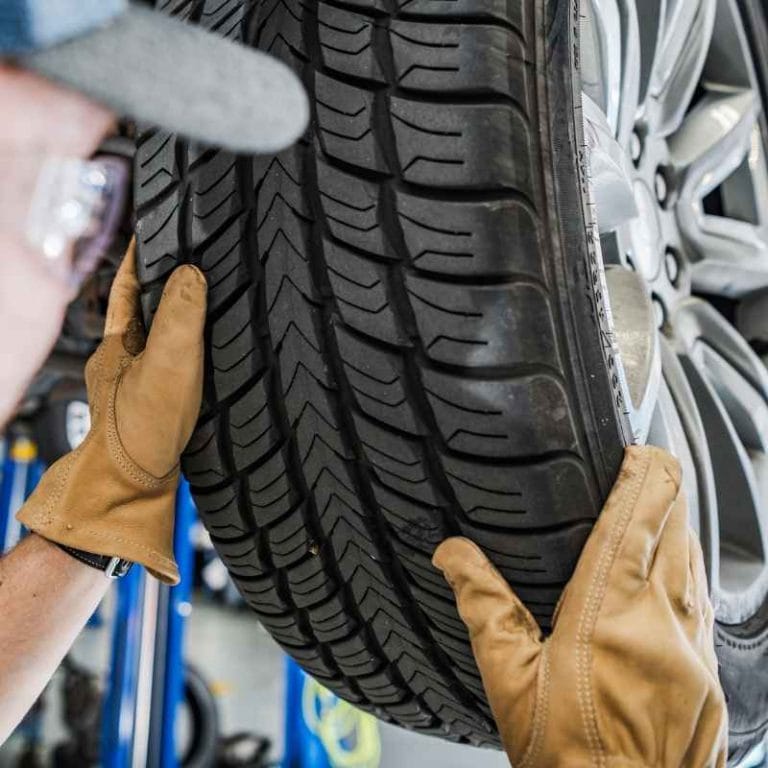
Work gloves are a good idea. They help you grip the tire and tools better. They also protect your hands from cuts and scrapes.
Stable Working Surface
Make sure the car is on level ground. Use wheel chocks. This stops the car from rolling. Work on a firm surface, not soft dirt.
Rim Protection
Rims can be expensive. They can also be scratched or bent easily. Be mindful of your tools. They should not hit the rim directly. Using a tire lubricant helps. It lets the metal of the tire iron slide more smoothly against the rim.
Safety Checklist
- Eye Protection: Always wear safety glasses.
- Hand Protection: Use sturdy work gloves.
- Stable Ground: Park on level ground. Use wheel chocks.
- Rim Care: Avoid direct tool contact with the rim.
- Air Pressure: Always deflate the tire fully. Never force a stuck tire.
What Happens After Removal
Once the tire is off the rim, you can do what you need to do. This might be fixing a puncture. Or it could be replacing the tire entirely.
Cleaning the Rim
It’s a good time to clean the rim. Remove any old rubber bits. Check for corrosion. Clean the bead seating area well. This ensures a good seal for the new tire. A wire brush can help.
Inspecting the Tire
Look closely at the old tire. Check for uneven wear. Look for damage. This tells you about your car’s alignment or tire balance.
Putting a New Tire On (Briefly)
While this guide is about removal, remember that putting a new tire on is the reverse process. It also requires breaking the bead, but this time you’re pushing the bead outward. Lubrication is even more critical here to get the tire seated correctly. Proper inflation is also vital.
When to Call a Professional
Sometimes, a tire is just too stuck. Or maybe you don’t have the right tools. Or you are worried about damaging your expensive rims. That’s perfectly okay. There’s no shame in taking it to a tire shop. They have specialized equipment. They can do it quickly and safely. It’s often worth the small cost to avoid damage or injury.
Frequent Questions About Tire Removal
Can I remove a car tire from a rim with just household tools?
It’s very difficult. You might be able to with very strong pry bars. But you risk damaging your rim. Special tire irons and a bead breaker tool make the job much easier and safer.
How long does it take to remove a car tire from a rim?
It can take anywhere from 15 minutes to over an hour. This depends on how stuck the tire is. It also depends on your tools and experience.
What is the hardest part of removing a tire from a rim?
Breaking the bead seal is usually the hardest part. It’s the tight connection between the tire rubber and the metal rim.
Will removing a tire damage my rim?
It can if you’re not careful. Using the wrong tools or too much force can scratch, bend, or even crack the rim. Lubrication and proper technique help prevent this.
Is it safe to remove a tire myself?
Yes, it can be safe if you follow all the safety steps. Wear protective gear. Work on a stable surface. Always deflate the tire fully. If you’re unsure, a professional is the best option.
What kind of lubricant should I use for tire removal?
Special tire mounting paste is best. Soapy water (dish soap and water) is a good alternative for home use. It helps reduce friction.
Final Thoughts on Tire Removal
Taking a car tire off a rim is a task that requires patience and the right approach. It’s not just about brute force. It’s about understanding how the tire and rim work together. Breaking that bead seal is the key. Using the right tools, like tire irons and a bead breaker, makes a huge difference. Always remember safety. Protect your eyes and hands. Work on a stable surface. If it feels too difficult, don’t hesitate to get help. You’ll gain confidence with practice, making future tire changes much smoother.