What To Consider When Buying Car Tires (Complete Checklist)
Buying new car tires involves understanding several key factors. Consider tire type for your vehicle and driving needs. Check the tire size, load index, and speed rating. Evaluate tread wear, weather suitability, and manufacturer reputation. Balance performance with your budget for a safe and efficient choice.
Understanding Your Tire Needs
So, what exactly goes into choosing new car tires? It’s more than just picking a brand that looks good. It’s about matching the tire to your car and how you use it.
Think about your daily drives. Do you mostly drive in the city? Or do you often go on long highway trips?
Maybe you live somewhere with harsh winters. All these things matter. Getting the right tire means better safety.
It also means your car handles better. Plus, you can save money on gas. Good tires last longer.
They also help your car use less fuel. It’s a smart investment for your vehicle.
We also need to think about the car itself. What kind of car do you have? Is it a small sedan?
A big SUV? Or maybe a truck? Different vehicles need different kinds of tires.
A sporty car might need tires that grip the road tightly. A family minivan might need tires that are quiet and comfortable. Your car’s manual often has great information.
It tells you the original tire size. It can also suggest the best types of tires for your model. This is a good starting point.
Let’s not forget about where you live. Climate plays a big role. If you deal with snow and ice, you’ll need tires designed for that.
If it’s always warm where you are, you can choose something else. We’ll dive into this more. But knowing your local weather helps narrow down choices.
It’s all about making an informed decision. This ensures you get the best performance and safety.
Tire Size and Specifications Explained
Okay, let’s get a bit technical for a moment. But don’t worry, we’ll keep it simple. Every tire has a series of numbers and letters on its sidewall.
This is its identification code. It tells you everything you need to know about that specific tire. It might look confusing at first.
But once you know what each part means, it’s easy to read. This is the most crucial information for buying the right fit.
The first part is the tire size. It usually looks like this: P205/55R16. Let’s break this down.
The ‘P’ stands for Passenger car tire. If you see ‘LT’, it means Light Truck. Next, ‘205’ is the tire’s width in millimeters.
It’s measured from one sidewall to the other. Then comes ‘55’. This is the aspect ratio.
It’s the tire’s height as a percentage of its width. So, a 55 aspect ratio means the height is 55% of the 205mm width. Lower numbers mean shorter sidewalls.
The ‘R’ means Radial construction. This is the standard for most car tires today. Finally, ‘16’ is the diameter of the wheel that the tire fits.
It’s measured in inches. So, you need a tire that matches your wheel’s diameter. Always check this number carefully.
Buying the wrong size means the tire won’t fit. It can also mess up your car’s speedometer. It might even damage your car.
Beyond size, there are other important numbers. You’ll see a Load Index. This is a number like ‘91’.
It tells you how much weight each tire can carry. Higher numbers mean more weight capacity. You can find a chart online that matches these numbers to pounds or kilograms.
Next is the Speed Rating. It’s a letter, like ‘H’. This letter tells you the maximum speed the tire can safely handle.
Again, there are charts for these. For example, ‘H’ might mean 130 mph.
Why are these important? Using a tire with too low a load index is dangerous. It can cause the tire to fail.
Using a tire with a low speed rating can be risky if you drive fast. Always stick to the tire size and specifications recommended for your car. You can find this on a sticker inside your driver’s side doorjamb or in your owner’s manual.
These numbers are not just suggestions. They are safety requirements.
Key Tire Specifications at a Glance
Tire Size: P205/55R16
- P = Passenger Tire
- 205 = Width (mm)
- 55 = Aspect Ratio (%)
- R = Radial Construction
- 16 = Wheel Diameter (inches)
Load Index: (e.g., 91) – Max weight per tire.
Speed Rating: (e.g., H) – Max safe speed.
Types of Tires: Finding Your Match
Now that we know how to read a tire’s code, let’s talk about types. Tires aren’t one-size-fits-all. They are designed for different jobs.
Choosing the right type makes a huge difference. It impacts how your car drives, feels, and performs. Let’s explore the main categories.
First, we have All-Season Tires. These are the most common type for many cars. They are designed to offer decent performance in a wide range of conditions.
Think dry roads, wet roads, and even light snow. They provide a good balance. Most people find them perfectly adequate for everyday driving.
They are a good compromise if you don’t want to change tires often. However, they aren’t specialists. They don’t perform as well as dedicated tires in extreme conditions.
Next are Summer Tires. These are built for warm weather. They have a special rubber compound that stays firm in heat.
They offer excellent grip on dry and wet roads. They are often favored by car enthusiasts who want maximum performance. But, they are not good in cold temperatures.
The rubber hardens. This makes them lose grip. They can also be damaged by snow or ice.
If you live somewhere with hot summers and mild winters, they might be an option.
Then we have Winter Tires. These are crucial if you live in areas with significant snow, ice, and cold temperatures. They have a softer rubber compound.
This keeps them flexible even in freezing weather. Their tread patterns are also more aggressive. They have deeper grooves and more sipes (small slits).
These help them bite into snow and ice. They provide much better traction and stopping power in winter. Safety is greatly improved.
You typically switch to winter tires in the fall and back to all-seasons in the spring.
There are also specialized tires. Performance Tires are for sports cars. They offer super sharp handling and grip.
They often have lower aspect ratios (shorter sidewalls). This makes the car feel more connected to the road. However, they usually wear out faster.
They also might provide a rougher ride. All-Terrain Tires are for SUVs and trucks. They are designed for both on-road and off-road use.
They have tougher sidewalls and a more aggressive tread pattern. They can handle dirt roads, gravel, and light mud. They might be a bit noisier on pavement, though.
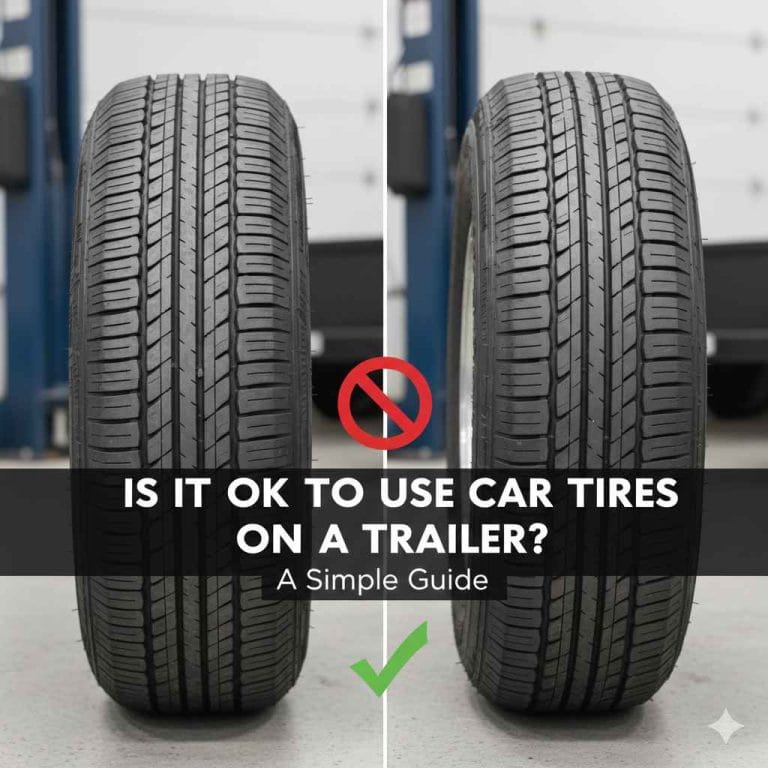
Finally, think about your specific needs. Do you tow a trailer? You might need a specific type of tire for that.
Are you concerned about fuel economy? Some tires are designed for lower rolling resistance. This means your car uses less gas.
When you go to a tire shop, tell them how you drive and where you live. They can help guide you to the best type for your situation. Don’t be afraid to ask questions.
That’s what they are there for.
Tire Type Quick Guide
All-Season: Good for most conditions, year-round. Balanced performance.
Summer: Best for warm weather. Great grip on dry and wet roads. Not for cold.
Winter: Essential for snow, ice, and cold. Superior traction in freezing temps.
Performance: For sporty driving. Sharp handling, excellent grip. May wear faster.
All-Terrain: For SUVs/trucks. Good on-road and off-road. Tougher.
Tread Wear and Longevity
One of the most important things to look at is tread wear. The tread is the part of the tire that touches the road. It has grooves and patterns.
These help your tire grip the road. They also help push away water. Worn-out tread is dangerous.
It reduces your car’s ability to stop. It also makes it easier to hydroplane. That’s when your car skids on wet surfaces.
How do you know how long a tire is supposed to last? Most tires have a UTQG rating. This stands for Uniform Tire Quality Grading.
It’s a system set by the government. It has three parts. The first two are about treadwear and traction.
The third is about temperature resistance. We’ll focus on treadwear here. The treadwear number is a figure like ‘400’ or ‘800’.
A higher number means the tire is designed to last longer.
For example, a tire with a treadwear of 400 is expected to last twice as long as a tire with a treadwear of 200. However, this is a guideline. It’s not a guarantee.
Your driving habits affect how long tires last. If you brake hard a lot, or turn sharply, your tires will wear faster. Proper inflation is also key.
Underinflated tires wear unevenly on the edges. Overinflated tires wear faster in the center.
Another factor is alignment. If your car’s wheels aren’t aligned correctly, your tires will wear unevenly. You might see feathering or cupping on the tread.
It looks like one side of the tire is worn down more than the other. This is why regular maintenance is important. Most tire shops can check your alignment.
They can also check your tire pressure and balance.
When looking at new tires, consider the treadwear rating. If you drive a lot of miles, a higher number might be better. This means fewer tire changes over time.
It can save you money in the long run. But remember, sometimes tires with very high treadwear ratings might offer less grip. They might also have a harder ride.
It’s a balance. Think about your priorities. Do you want the longest possible life?
Or do you want the best grip?
Another thing to watch for is the tread wear indicators. These are small raised bars in the grooves of the tire. When the tread wears down to the level of these bars, it’s time for new tires.
You can also check tread depth with a penny. Stick a penny into the deepest groove. If you can see the top of Lincoln’s head, your tread is too low.
It’s time to replace them.
Understanding Treadwear
UTQG Treadwear Number: Higher number = longer expected life.
Factors Affecting Wear:
- Driving habits (braking, turning)
- Tire pressure (under/over-inflation)
- Wheel alignment
- Road conditions
When to Replace:
- Tread worn down to wear indicators.
- Cannot see Lincoln’s head on a penny inserted into tread grooves.
- Uneven wear patterns noted.
Climate and Driving Conditions Matter
I remember a time I was visiting family up in the mountains. It was late fall. I was driving my trusty sedan.
I thought my all-season tires were fine. Then, overnight, it snowed. Not just a dusting, but a real snowfall.
My car, which usually handles so well, felt like it was on ice skates. I couldn’t get up a small incline to leave my aunt’s driveway. It was a bit scary.
I learned a big lesson that day about different climates.
Your local climate is a huge factor in tire choice. If you live in a region with hot summers and cold, snowy winters, you have a few options. You can use high-quality all-season tires.
These are designed to handle a bit of everything. But they are a compromise. They won’t perform as well as dedicated winter tires in heavy snow.
They also might not offer the same grip in the summer heat as performance tires.
Many people who experience true winter conditions opt for a two-tire system. This means having a set of all-season or summer tires. Then, you also have a set of dedicated winter tires.
You swap them out when the seasons change. This might seem like more work. It also means buying two sets of tires.
But the safety and performance boost is significant. Winter tires have special tread and rubber compounds that work best in freezing temperatures.
If you live in a place that is mostly warm year-round, you have different choices. You might prioritize tires that offer great grip for spirited driving. Or perhaps fuel efficiency is more important.
Performance tires or specialized eco-friendly tires could be good options. In regions that get a lot of rain, good wet-weather traction is essential. Look for tires with deep, wide grooves.
These help channel water away from the tire.
Consider the roads you drive on most often. Are they smooth highways? Or are they filled with potholes and rough patches?
If you encounter rough roads often, you might want tires with stronger sidewalls. This helps prevent damage. All-terrain tires, as mentioned before, are also a good choice for mixed surfaces.
They are built to be more durable. They offer a more comfortable ride over bumps.
Don’t overlook the impact of humidity and extreme heat. In very hot climates, tires can wear faster. The rubber can soften.
Choosing tires designed for higher temperatures is a good idea. Always check the temperature rating on the tire sidewall. It usually comes after the traction rating and looks like ‘A’, ‘B’, or ‘C’.
‘A’ is the highest resistance to heat.
Ultimately, match your tires to your environment. Think about the worst driving conditions you might face in a year. Then, choose tires that can handle them safely.
It’s better to be a little over-prepared than under-prepared, especially when safety is involved.
Climate-Smart Tire Choices
Cold/Snowy Winters: Dedicated winter tires recommended. Look for deep tread and flexible rubber.
Hot Summers: Tires designed for high heat. Check temperature rating (A, B, C).
Wet Conditions: Tires with good wet traction. Deep, wide grooves for water evacuation.
Mixed Climate: High-quality all-season tires or a dedicated winter/summer set.
Rough Roads: Tires with reinforced sidewalls or all-terrain tires.
Tire Construction and Features
Beyond the basic type, tires are made with different materials and designs. These construction details affect how the tire performs. They also influence its durability and ride comfort.
Let’s look at some of these features.
We already touched on radial construction. That’s the ‘R’ in the tire size. In radial tires, the cords run straight across the tire, from bead to bead.
This is different from older bias-ply tires. Radial tires are more flexible. They run cooler.
They also offer better fuel economy. They are the standard for almost all passenger cars today.
The rubber compound is a big deal. Different compounds are used for different purposes. A soft, sticky compound is great for grip.
This is common in performance tires. It helps them hug the road. But this softness means they wear out faster.
A harder rubber compound lasts longer. It’s more resistant to wear. But it might not grip as well.
Winter tires use a special compound. It stays soft even in very cold weather. This keeps them flexible for better traction.
The tread pattern is another key feature. Think about the design of the grooves and blocks. Some patterns are designed for maximum grip on dry roads.
Others have deep grooves and many small slits (sipes) for snow and rain. Aggressive, blocky treads are common on all-terrain tires. These help them dig into dirt or mud.
Some tires also have noise-reducing features. They might have varied tread block sizes. This helps break up the sound waves as the tire rolls.
Sidewall construction is also important, especially for certain vehicles or driving styles. Some tires have reinforced sidewalls. This makes them more resistant to punctures from potholes or debris.
This is especially useful for trucks and SUVs. It also helps them maintain their shape better under heavy loads. Tires for sports cars often have stiffer sidewalls.
This reduces flex. It makes steering more responsive.
What about run-flat tires? These are special tires. They have reinforced sidewalls.
They can support the car’s weight even if they lose all air pressure. This means you can keep driving for a limited distance. This lets you get to a safe place to change the tire.
They are convenient but can be more expensive. They might also offer a firmer ride.
When you look at tires, examine the tread. See the pattern. Are the blocks closely spaced?
Or are they large and spread out? Are there many small cuts (sipes)? These details tell you something about the tire’s intended use.
Don’t be afraid to ask the tire dealer about the construction. They can explain why a tire is designed a certain way. Understanding these features helps you make a choice.
It ensures you get a tire that’s built for your needs.
Tire Construction Highlights
Radial Construction: Standard for most cars. Flexible cords run across the tire.
Rubber Compound: Affects grip, wear, and temperature performance. (Soft = grip, Hard = wear).
Tread Pattern: Designed for specific conditions (dry, wet, snow, off-road).
Sidewall Construction: Can be reinforced for durability or stiffened for responsive handling.
Run-Flat Tires: Allow limited driving after air loss due to reinforced sidewalls.
Brand Reputation and Reviews
In any purchase, brand reputation matters. The tire industry is no different. Some brands have been around for a long time.
They’ve built a name for quality and reliability. Others are newer but have made a splash with innovative products. Knowing the reputation can help you choose.
Think about brands like Michelin, Goodyear, Bridgestone, and Continental. These are often considered premium brands. They typically offer a wide range of tires.
They invest heavily in research and development. This often means their tires perform very well. They might also be more expensive.
But many people find them worth the cost for their longevity and performance.
There are also what we call mid-tier brands. Brands like Cooper, Firestone, and Hankook fall into this category. They often offer a good balance of quality and price.
You can get very good tires from these brands. They might not always have the absolute cutting edge technology. But they are reliable choices for most drivers.
They are popular for a reason.
Then there are value brands or budget brands. These tires are usually the cheapest. They can be a good option if you’re on a tight budget.
Or if you don’t drive much. However, it’s important to check reviews. Not all budget tires are created equal.
Some might wear out very quickly. Others might not offer good grip in wet conditions. It’s wise to research them carefully.
Where can you find out about brand reputation and specific tire performance? Online reviews are your best friend. Websites like Consumer Reports conduct rigorous testing.
They compare different tires in various categories. Tire review sites also let real drivers share their experiences. Look for patterns in reviews.
Are people consistently praising a tire for its grip? Are they complaining about premature wear?
I once bought a set of tires based purely on price. They were a brand I’d never heard of. They looked fine.
But oh boy, were they noisy! Every bump in the road seemed amplified. Plus, they wore out faster than I expected.
It was a lesson learned. For future purchases, I always read reviews. I try to find tires that balance cost with a good reputation for comfort and longevity.
When you’re at a tire shop, don’t hesitate to ask the staff about different brands. They hear feedback from many customers. They can tell you which tires tend to hold up well.
Which ones are popular for specific uses. However, remember they might also have preferred brands they sell more of. So, do your own research too.
A good tire is an investment. It impacts your car’s safety, handling, and fuel efficiency. Choosing a reputable brand often means getting a better-made product.
It gives you peace of mind. Don’t just go for the cheapest option. Look for a brand that has a history of making good tires.
Read reviews to see what others are saying.
Brand Reputation Factors
Premium Brands: (e.g., Michelin, Goodyear) – Often higher price, cutting-edge tech, strong performance.
Mid-Tier Brands: (e.g., Cooper, Hankook) – Good balance of quality and price, reliable.
Value Brands: (e.g., Various budget options) – Lowest price, research reviews carefully for performance.
Where to Check:
- Consumer Reports
- Tire review websites
- Customer feedback at tire shops
Traction Ratings: Stopping Power
We talked about speed ratings and temperature ratings. There’s also a Traction rating. This is part of the UTQG system we mentioned earlier.
It’s incredibly important for safety. It tells you how well the tire can stop your car. Especially on wet surfaces.
It’s rated using letters: AA, A, B, and C. ‘AA’ is the highest. ‘C’ is the lowest.
The traction rating is determined by a standardized test. The car is driven at a set speed on a wet surface. Then, the brakes are applied.
The distance the car takes to stop is measured. A tire with a higher rating (like AA) will stop the car in a shorter distance. This is crucial.
In an emergency, every foot counts.
Why is this so important? Wet roads are slippery. Water can get between the tire and the road.
This is called hydroplaning. Good traction helps your tires cut through that water. It allows them to maintain contact with the road.
This means better control. It means shorter stopping distances. This can prevent accidents.
When you’re shopping for tires, especially if you live in a rainy area or want the best possible safety, look for tires with AA or A traction ratings. You’ll find this rating on the tire’s sidewall, usually near the treadwear and temperature ratings.
Consider this: your tires are the only thing connecting your car to the road. If they can’t grip, your brakes won’t work as well. Your steering won’t be as precise.
If you’re choosing between two tires that otherwise meet your needs, but one has a much better traction rating, that’s the one to go for. It’s a small detail that can make a big difference in a critical moment.
It’s also worth noting that traction can be affected by other factors. Worn-out tires will have less traction, even if they had a high rating when new. Proper tire pressure is also essential.
And the condition of your brakes plays a role too. But starting with tires that have a good traction rating is a fundamental step.
Understanding Traction Ratings
UTQG Traction: Measures stopping ability on wet surfaces.
Ratings:
- AA (Best)
- A (Very Good)
- B (Good)
- C (Fair)
Why it Matters: Directly impacts braking distance and wet-road safety. Aim for AA or A when possible.
Price and Budget Considerations
Let’s talk about money. Buying new tires can be a significant expense. It’s natural to want to find the best deal.
But remember, tires are not just a commodity. They are a critical safety component. The cheapest tire might not be the safest or most economical choice in the long run.
As we’ve discussed, tire prices vary a lot. Premium brands like Michelin might cost $150-$250 or more per tire. Mid-tier brands could be $100-$180.
Budget brands might be $70-$120. These are rough estimates, and prices change.
When you’re setting your budget, think about what you get for your money. A more expensive tire might last much longer. It might offer better fuel efficiency.
It could provide a smoother, quieter ride. It might have superior grip and handling. These benefits can outweigh the initial higher cost.
Consider the total cost of ownership. If a $100 tire wears out in 30,000 miles, and a $150 tire lasts 60,000 miles, you’re actually saving money with the more expensive tire. You’ll buy fewer sets over time.
Plus, you’ll likely have a better experience.
Look for sales and promotions. Tire shops often have deals. Sometimes you get a discount for buying a set of four.
Other times, there might be rebates from manufacturers. Keep an eye out for these opportunities. Buying during a sale can help you get a better tire for your budget.
Don’t forget to factor in installation costs. Mounting, balancing, and disposal fees can add up. Make sure you get a full quote that includes everything.
Some shops offer package deals. Others charge for each service. Ask about alignment checks too.
Sometimes they are included or offered at a discount.
Another thing to consider is whether you need all four tires replaced. If one tire is significantly more worn than the others, it’s generally best to replace tires in pairs. That means two tires on the same axle.
If all four are roughly the same age and wear, replacing all four is ideal. It ensures balanced performance and handling.
If your budget is tight, and you need to compromise, prioritize safety. Look for tires with good traction ratings and appropriate all-season performance. You might have to sacrifice some luxury features or extreme longevity.
But never compromise on safety. A cheap tire that can’t stop your car effectively is never a good deal.
Think about your driving needs. If you drive very few miles each year, a less expensive tire might be perfectly fine. If you’re a high-mileage driver, investing in a longer-lasting, more comfortable tire makes sense.
Balance your needs with what you can afford. Do your research. And look for value, not just the lowest price.
Budgeting for Tires
Cost Range: $70 – $250+ per tire, depending on brand and type.
Total Cost: Include mounting, balancing, disposal, and alignment fees.
Value vs. Price: Consider longevity, performance, and safety. Higher initial cost may save money long-term.
Look For: Sales, promotions, and manufacturer rebates.
Safety First: Never compromise on essential safety features (traction, appropriate type) for price.
The Importance of Tire Pressure
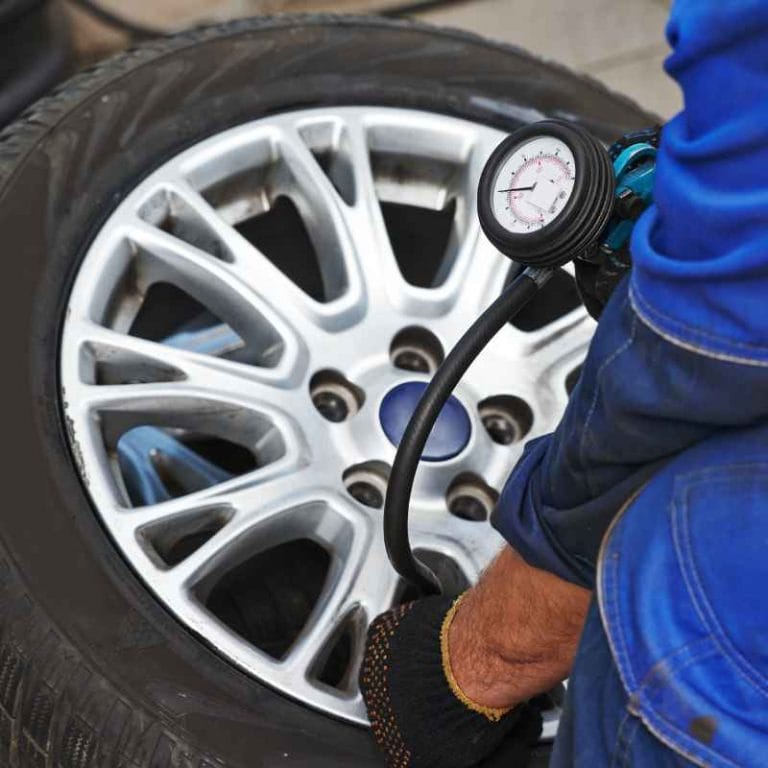
This is a simple one, but it’s overlooked by so many people. Keeping your tires properly inflated is vital. It’s one of the easiest things you can do to ensure tire safety and longevity.
And it helps your car’s fuel economy too!
Your car’s recommended tire pressure is not the number printed on the tire’s sidewall. That number is the maximum pressure the tire can hold. The correct pressure for your vehicle is usually found on a sticker.
It’s typically on the driver’s side doorjamb. Or inside the fuel filler door. You can also find it in your car’s owner’s manual.
It’s usually listed in PSI (pounds per square inch).
Why does pressure matter so much? If your tires are underinflated, several bad things happen. The tire flexes more.
This causes it to overheat. It increases the risk of a blowout. Underinflated tires also wear out faster.
They wear unevenly on the outer edges. Your car’s handling becomes sluggish. Steering feels less responsive.
And your fuel economy drops because the engine has to work harder.
On the flip side, overinflated tires are also a problem. They have less contact with the road. This reduces grip.
It makes your ride harsher and bumpier. It can also cause the center of the tread to wear out faster. Overinflation can also make the tire more susceptible to damage from potholes.
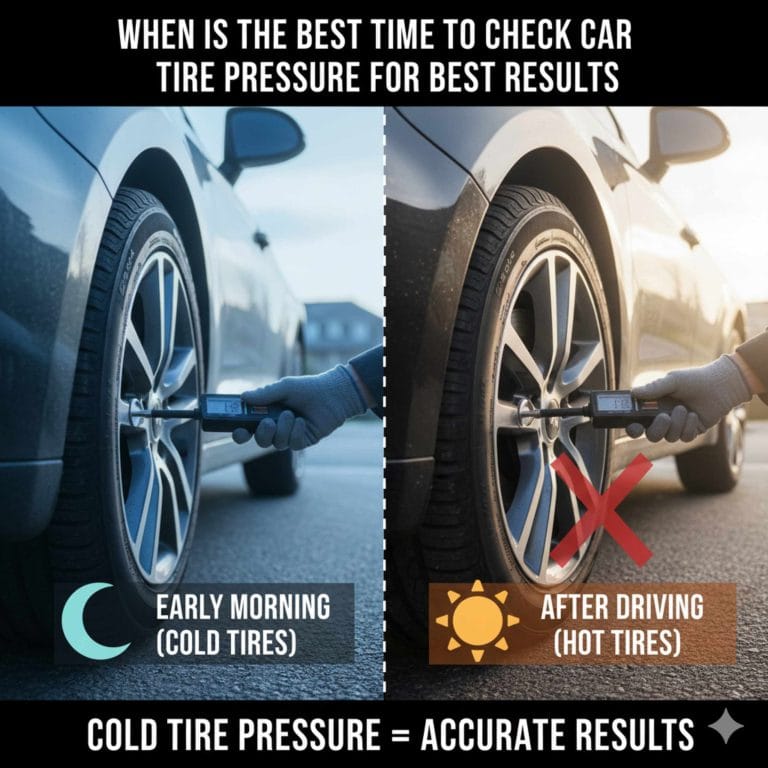
Checking your tire pressure should be a regular habit. Aim for at least once a month. And check it when the tires are cold.
Driving heats up the tires. This increases the air pressure inside. So, you won’t get an accurate reading if you check them after a long drive.
You can buy a simple tire pressure gauge at any auto parts store. They are inexpensive. Many gas stations have air pumps.
Some are free. Others require a small fee. It only takes a few minutes to check all four tires.
It’s a small task with big benefits.
If you’re unsure about your car’s recommended pressure, ask your mechanic or tire dealer. They can show you where to find the sticker. They can also help you adjust the pressure if needed.
Making tire pressure a regular part of your car maintenance routine is one of the best things you can do. It keeps you safe. It saves you money on gas and tires.
And it keeps your car running smoothly.
Tire Pressure Essentials
Where to Find Correct PSI: Driver’s doorjamb sticker, fuel door, or owner’s manual.
DO NOT Use: Sidewall maximum pressure.
Check Frequency: At least once a month, when tires are cold.
Underinflation Risks: Overheating, blowouts, uneven wear (edges), poor handling, reduced fuel economy.
Overinflation Risks: Reduced grip, harsh ride, faster center wear, increased damage risk from impacts.
When to Replace Your Tires
Knowing when to say goodbye to your old tires is crucial. They aren’t meant to last forever. Driving on worn-out tires is dangerous.
It compromises your car’s ability to brake and steer. It increases the risk of accidents, especially in bad weather.
The most common sign is tread wear. As we’ve discussed, look for the tread wear indicators. These are small raised bars in the main grooves.
When the tread is level with these bars, the tire is legally worn out in many places. It’s time for replacements. The penny test is another good indicator.
If you can see the top of Lincoln’s head when the penny is inserted upside down into a tread groove, your tread is too low.
Uneven wear is another major warning sign. This could be wear on one side of the tire more than the other. Or cupping (scalloped dips) around the tread.
This often indicates a problem with your car’s alignment, suspension, or tire balance. You should get this checked by a mechanic. And you’ll likely need new tires due to the damage.
Cracks or cuts in the tire’s sidewall are also serious. The sidewall is weaker than the tread area. If you see deep cracks, or a cut that goes deep into the rubber, the tire could fail.
This is especially dangerous. Have it inspected immediately.
Bulges or blisters on the sidewall are another red flag. These indicate damage to the tire’s internal structure. The tire could be weak in that spot.
It’s at a high risk of blowing out. If you see a bulge, replace the tire immediately. Do not drive on it.
Age is also a factor. Even if the tread looks good, rubber degrades over time. Most manufacturers recommend replacing tires after 6 to 10 years.
Even if they have plenty of tread left. Check the tire’s sidewall for a DOT code. This code includes the manufacturing date.
The last four digits represent the week and year the tire was made. For example, ‘3221’ means the tire was made in the 32nd week of 2021.
I had a set of tires on a car that sat for a while. They looked fine. But when I finally drove it again, I noticed a vibration.
And one tire felt a bit squishy. I checked them. They were only about 5 years old but had developed hairline cracks in the sidewalls.
It was a reminder that age matters, not just miles.
If you’re unsure about the condition of your tires, ask a professional. Take your car to a trusted tire shop. They can give you an honest assessment.
They can tell you if your tires are still safe. Or if it’s time to invest in new ones. Don’t wait until it’s too late.
Worn tires are a serious safety risk.
Signs Your Tires Need Replacing
Tread Wear: Down to wear indicators or Lincoln’s head visible on a penny.
Uneven Wear: One side worn more, or cupping/feathering patterns.
Sidewall Damage: Cracks, cuts, bulges, or blisters.
Age: Generally 6-10 years old, regardless of tread depth (check DOT code for date).
Performance Issues: Persistent vibrations, poor grip, or pulling to one side.
The Installation Process
So, you’ve picked out your new tires. Great! Now comes the part where they get put on your car.
The installation process itself is important for ensuring your new tires perform as they should. And that they last as long as possible.
When you take your car to a tire shop, they will typically do several things. First, they’ll remove your old tires. They use specialized machines for this.
Then, they’ll mount your new tires onto your wheels. This involves carefully fitting the tire bead onto the rim.
Next, they will inflate the new tires to the correct pressure. They should be using the pressure recommended for your vehicle, not the maximum pressure on the tire sidewall. It’s a good opportunity to confirm they are setting the right PSI.
After mounting and inflation, the tires need to be balanced. This is a critical step. Tires aren’t perfectly uniform.
There can be slight variations in weight. Wheel balancers use small weights. These are attached to the rim of the wheel.
They counteract any imbalance. This ensures the wheel spins smoothly. Without balance, you’ll feel vibrations.
Especially at higher speeds. This can also cause uneven tire wear.
The final step, before you drive off, is alignment. While not always done at the time of tire purchase, it’s highly recommended. Especially if you’ve
I always opt for the alignment check. A few years ago, I skipped it after getting new tires. Within a few months, I noticed my steering wheel was slightly off-center.
And the new tires started showing uneven wear on the edges. I had to go back for an alignment and some costly repairs. Lesson learned: do it right the first time.
When the work is done, review the invoice carefully. Make sure all the charges are clear. Ask questions if anything is unclear.
Most reputable shops will explain everything. They should also tell you about any warranty on the tires. Many tires come with a manufacturer’s warranty.
After you get your new tires, pay attention to how your car feels. It should feel smoother. The steering might be more responsive.
There should be no new vibrations. If you notice anything unusual, contact the tire shop immediately. They can check their work.
Tire Installation Steps
1. Removal: Old tires are taken off the wheels.
2. Mounting: New tires are fitted onto the rims.
3. Inflation: Tires filled to the vehicle’s recommended PSI (check this!).
4. Balancing: Small weights are added to the wheel to ensure smooth rotation.
5. Alignment (Recommended): Checks and adjusts wheel angles for proper wear and handling.
Common Tire Myths Debunked
There’s a lot of information out there, and sometimes myths spread. Let’s clear up a few common ones about car tires.
Myth 1: You have to buy all four tires at once.
This isn’t always true. The ideal situation is to replace all four tires at the same time. This ensures even wear and balanced handling.
However, if your tires are wearing unevenly, or if one is damaged, you can often replace just two tires. If you do this, always replace them in pairs on the same axle. And make sure the new tires are very close in tread depth and wear to the tires already on that axle.
Mixing drastically different tires can affect your car’s stability.
Myth 2: All tires from a major brand are expensive.
Major brands do offer premium tires at higher price points. But they also often have lines of tires that are more budget-friendly. For example, a brand like Goodyear might have a high-performance tire that costs a lot.
But they also make solid all-season tires that are much more affordable. It’s always worth checking their full range.
Myth 3: Nitrogen is much better than air for tires.
Nitrogen does have some benefits. It’s a more stable gas than oxygen, so tire pressure may fluctuate less with temperature changes. Nitrogen also leaks out slower than regular air.
However, for the average driver, the difference is often negligible. And filling your tires with regular air is free and readily available. The most important thing is to maintain the correct tire pressure, regardless of whether it’s air or nitrogen.
Myth 4: You can tell if tires are bad just by looking at them.
While visible damage like cracks or bulges is a clear sign, tread depth is harder to judge by eye. The penny test or a tread depth gauge is more accurate. Also, internal damage or wear patterns might not be visible.
Regular checks and professional inspections are important.
Myth 5: Tire pressure on the sidewall is what you should use.
We covered this, but it’s worth repeating. The number on the tire sidewall is the maximum pressure the tire can hold. The correct pressure for your vehicle is on the sticker inside your driver’s door jamb or in your owner’s manual.
Using the sidewall number can lead to overinflation, which is bad for your car and your ride.
Being informed helps you avoid these common misconceptions. Stick to reliable sources of information. And always prioritize safety and your car’s specific needs.
Tire Myth vs. Reality
Myth: Must buy all 4 tires at once.
Reality: Replacing in pairs on the same axle is often okay, but match tread depth.
Myth: All major brand tires are expensive.
Reality: Major brands offer various price points; research their full lines.
Myth: Nitrogen is vastly superior to air.
Reality: Benefits are minor for most drivers; proper inflation is key.
Myth: Visual inspection is enough to know tire condition.
Reality: Tread depth gauges, penny test, and professional checks are more reliable.
Myth: Tire sidewall pressure is the correct pressure.
Reality: Vehicle doorjamb sticker or owner’s manual has the correct PSI.
Conclusion: Driving Smarter with the Right Tires
Choosing the right car tires is more than just a chore. It’s a vital decision for your safety. And for your car’s performance.
We’ve covered a lot of ground. From understanding tire size and types to the importance of tread wear, climate, and price. Remember that your tires are your car’s connection to the road.
Taking the time to research and choose wisely pays off.
Don’t be afraid to ask questions. Talk to tire professionals. Read reviews from other drivers.
Consider your own driving habits and local conditions. By doing your homework, you can find tires that offer the best balance of safety, performance, and value for your specific needs. Happy driving!
See also why don’t car tires have sealant pre-installed explained.
Products related to this article
Sponsored / affiliate links. As an Amazon Associate I earn from qualifying purchases. I may earn additional commission from eligible campaigns.