What To Look For When Buying Car Tyres
Buying car tyres involves checking several key things to ensure safety, performance, and value. Look at the tyre’s size and specifications (load index, speed rating), tread pattern for your driving needs, date of manufacture, tread wear indicators, and your budget. Consulting your car’s manual is also important.
Understanding Your Car’s Tyre Needs
Your car tyres are super important. They connect your car to the road. They help you steer, stop, and move smoothly.
When they wear out, it’s time for new ones. But which ones are right? It’s not just about picking the cheapest set.
Safety is the main thing. Good tyres handle well in rain and dry spots. They help your brakes work their best.
Think about how you drive most days. Do you drive long distances on highways? Or mostly short trips around town?
Maybe you sometimes drive on rougher roads. Your driving habits really matter. What works for one person might not be best for another.
That’s why knowing what to look for is key. It helps you find tyres that fit your car and your life.
The Essential Tyre Markings: Size Matters
Every tyre has numbers and letters on its side. This is called the sidewall. It looks like a lot of codes at first.
But it tells you everything you need to know. The most important code is the tyre size. You can usually find this in your car’s owner’s manual.
It’s often on a sticker inside the driver’s door too.
Let’s break down a common tyre size: P205/55R16 91V.
- P: This means ‘Passenger’ tyre. For most cars.
- 205: This is the tyre’s width. It’s measured in millimeters. So, 205mm wide.
- 55: This is the aspect ratio. It’s the tyre’s height as a percentage of its width. So, the height is 55% of 205mm. A lower number means a shorter sidewall.
- R: This means ‘Radial’ construction. Almost all car tyres are radial now.
- 16: This is the wheel rim diameter. It must match your car’s wheel size. So, 16 inches.
Getting the size exactly right is crucial. Wrong sizes can hurt your car’s handling. They can even damage other parts.
Always match the size shown in your manual or on the door sticker.
Tyre Size Breakdown Explained
Width (e.g., 205mm): Wider tyres can offer more grip. But they might use more fuel.
Aspect Ratio (e.g., 55%): Lower numbers mean shorter sidewalls. This makes the ride stiffer. It also improves cornering feel.
Rim Diameter (e.g., 16 inches): Must match your wheel. Too big or small won’t fit.
Load Index and Speed Rating: Safety First
After the size, you’ll see two more numbers and a letter. In our example, it’s 91V.
- 91: This is the load index. It’s a code number. Each number means a maximum weight the tyre can carry. For 91, it’s about 1356 pounds (615 kg). Your car has a maximum weight limit. Your tyres must be able to handle that weight. A higher load index is generally better. It means the tyre is stronger.
- V: This is the speed rating. It’s a letter code. It shows the maximum speed the tyre can safely handle. ‘V’ means up to 149 mph (240 km/h). Your car manufacturer suggests a speed rating. Stick to that or go higher. Never go lower. Driving faster than the rating is unsafe.
These ratings are not just suggestions. They are about safety. Your car is designed to work with tyres that have specific load and speed capabilities.
Exceeding these limits can lead to tyre failure. This is extremely dangerous. Always check your owner’s manual for the correct ratings.
Load Index Chart (Example Snippet)
Load Index | Max Load (lbs)
88 | 1235
89 | 1279
90 | 1301
91 | 1356
92 | 1389
93 | 1433
Note: This is a sample. Full charts are available online.
Tread Pattern: Grip and Performance
The pattern on the tyre surface is its tread. This is what actually touches the road. Different tread patterns are made for different things.
- Symmetrical Tread: The simplest pattern. It’s the same on both sides. You can swap tyres easily. These are common on many standard cars. They offer a good balance of grip and wear.
- Asymmetrical Tread: Has different patterns on the inner and outer sides. This offers better performance. It can give more grip in corners. It also helps with water evacuation. You must mount them correctly. They often have ‘Outside’ or ‘Inside’ markings.
- Directional Tread: Shaped like an arrow or a ‘V’. These are designed to move water away very well. They are great for wet roads and performance cars. They can only be rotated in one direction. They have a specific mounting direction.
When choosing a tread pattern, think about your main driving conditions. For all-around use, symmetrical or some asymmetrical patterns are good. If you live somewhere with lots of rain, a pattern that moves water well is smart.
Performance cars often use directional or aggressive asymmetrical treads.
Tread Pattern Styles
Symmetrical: Even wear, easy rotation. Good for everyday driving.
Asymmetrical: Better cornering and water grip. Watch for mounting.
Directional: Excellent wet weather performance. Specific rotation limits.
All-Season vs. Summer vs. Winter Tyres
Tyres are also designed for different weather. Most people use ‘all-season’ tyres. These try to work okay in most conditions.
They offer a compromise.
- All-Season Tyres: A mix of tread and rubber compound. They perform decently in mild heat, cold, and light snow. They are a popular choice for many drivers.
- Summer Tyres: Made with a softer rubber compound. They have less tread depth. They offer maximum grip and handling on dry and wet roads in warmer weather. They are not good in cold or snow.
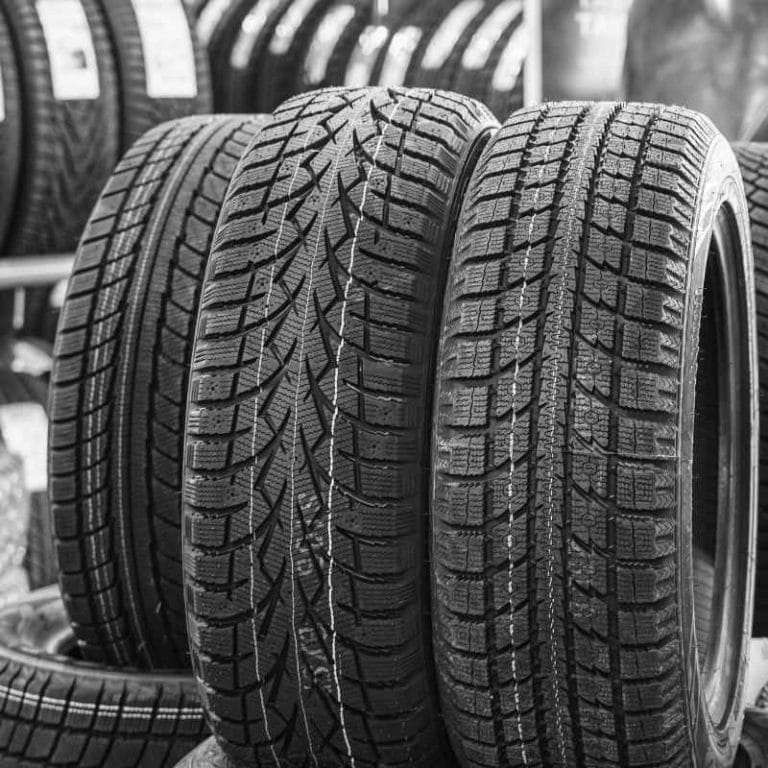
- Winter Tyres: Have a special rubber compound that stays soft in the cold. They have deep treads with many small cuts (sipes). These bite into snow and ice. They provide much better grip in freezing temperatures.
If you live in a place with harsh winters, winter tyres are a wise investment. They can make a huge difference in safety. You can swap them out for all-season or summer tyres when the weather warms up.
If you live in a milder climate, all-season tyres might be all you need. Summer tyres are for those who prioritize pure performance and have a second set of tyres for winter.
Tyre Type for Your Climate
Mild Climate (rare freezing/snow): All-Season tyres are usually fine.
Four Seasons (some snow, some heat): All-Season tyres are a good choice. Consider winter tyres if snow is significant.
Harsh Winter (heavy snow, ice): Dedicated Winter tyres are highly recommended for safety.
The Age of Your Tyres: Date Code Matters
Tyres don’t last forever, even if they look okay. Rubber degrades over time. This is true even if the tyre isn’t used much.
There’s a code on the sidewall that tells you the age.
Look for a four-digit number. It’s usually inside a small oval. For example, ‘3223’.
The first two digits (32) mean the 32nd week of the year. The last two digits (23) mean the year 2023. So, this tyre was made in the 32nd week of 2023.
Most experts recommend not buying tyres older than six years. Even if they have full tread. Tyres older than ten years should be replaced, no matter how they look.
Old tyres can be brittle. They might not perform well. They can be a safety risk.
When buying new tyres, check the date code. Aim for tyres made in the last year or two.
Understanding the DOT Code
DOT: Stands for Department of Transportation.
XX XX: The last four digits are the date. The first two are the week. The last two are the year.
Example: 1522 means the 15th week of 2022.
Tread Wear Indicators (TWIs): Know When They’re Done
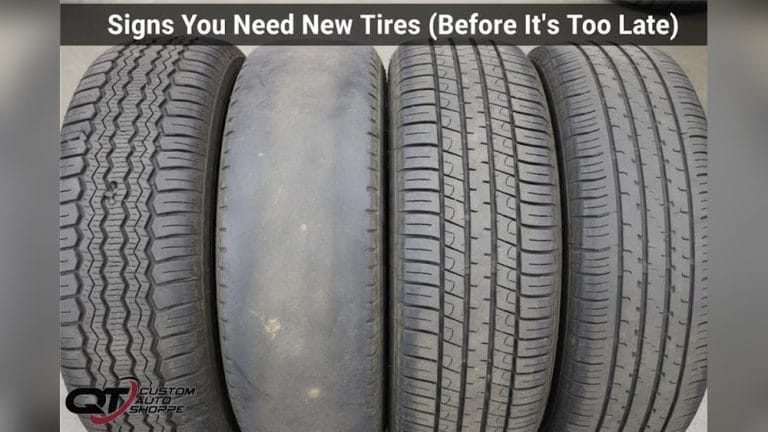
Tyres have built-in indicators to show wear. These are small raised bars. They sit in the grooves between the main tread blocks.
When the tread wears down to be even with these bars, the tyre is at its limit.
The legal limit for tread depth varies. In the U.S., it’s often 2/32 of an inch. Using a simple tread depth gauge or even a quarter can help you check.
For a quarter, the top of Washington’s head should not show if you insert it upside down into the tread groove. If you see his whole head, it’s time for new tyres.
Worn-out tyres are dangerous. They have less grip, especially in wet conditions. They are more likely to hydroplane.
This means losing control on wet roads. They also increase braking distances. Always keep an eye on your tread depth.
Don’t wait until the tyre is completely bald.
Tread Depth Check
TWIs: Raised bars in the tread grooves.
Legal Limit: Often 2/32 inch.
Penny Test: Lincoln’s head should be mostly covered.
Quarter Test: Washington’s head should NOT be fully visible.
Why it matters: Poor grip, longer stopping distances, risk of hydroplaning.
Choosing the Right Brand and Budget
Tyre brands fall into different categories. There are premium brands, mid-range brands, and budget brands.
- Premium Brands: Brands like Michelin, Goodyear, Bridgestone, Pirelli, Continental. They usually offer the best performance, technology, and durability. But they also come with a higher price tag.
- Mid-Range Brands: Brands like Cooper, Hankook, Falken, Yokohama, Toyo. These often provide a good balance of quality and price. They are a solid choice for many drivers.
- Budget Brands: These are often the cheapest options. They might be okay for very light use or older cars. But they may not last as long. They might not offer the same level of grip or safety features.
Your budget is a big factor. But try not to go for the absolute cheapest. Your tyres are a critical safety component.
Investing a bit more in a reputable mid-range or even a well-reviewed premium brand can pay off. It means better safety and often longer tyre life. Think of it as an investment in your car and your well-being.
Brand Tiers (General Guide)
Premium: Top performance, highest price. (e.g., Michelin, Goodyear)
Mid-Range: Good balance of quality and value. (e.g., Cooper, Hankook)
Budget: Lowest price, basic performance. (e.g., various store brands)
My Own Tyre Nightmare: A Lesson Learned
I remember one sweltering summer day a few years back. I was driving my trusty old sedan home from a weekend trip. The air conditioning was struggling.
I was tired. Suddenly, I heard a loud ‘thump-thump-thump’. My heart sank.
I pulled over to the side of the dusty road. A quick look confirmed it: a flat tyre.
No big deal, I thought. I had a spare. But as I was taking off the flat, I noticed the other front tyre looked… odd.
It was smooth. Too smooth. I had been so focused on just getting “tyres” when I last bought them.
I just picked a cheap set from a local shop, thinking it would save money. I never really checked the age or the tread depth properly.
That day, I had to limp to the nearest town on a barely-there tyre. It was slow and nerve-wracking. I realized then how much I had neglected something so vital.
The worn tyre could have caused a serious accident. It was a harsh lesson. Since then, I always check the date code, the tread, and the load/speed ratings.
It’s not just about saving money; it’s about staying safe.
Checking for Damage Beyond Wear
Tyres can get damaged in ways other than just wearing out. Cuts, bulges, cracks, and punctures are all serious issues.
- Cuts and Cracks: Look for any deep cuts or cracks in the sidewall or tread. These can happen from hitting curbs or sharp objects. Cracks can also appear as rubber ages.
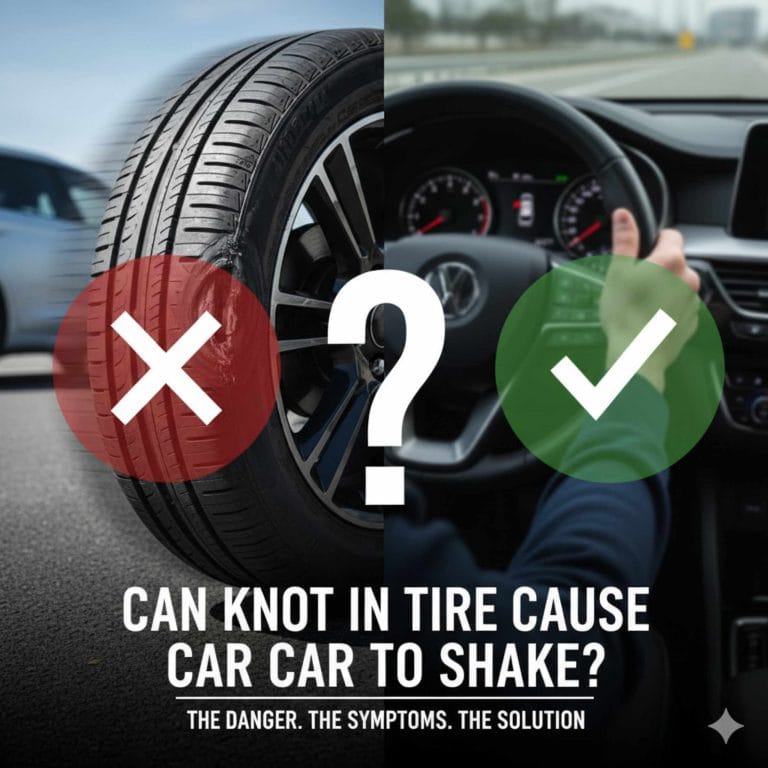
- Bulges: A bulge on the sidewall means the internal structure of the tyre is compromised. This is a serious defect. It can lead to a blowout. If you see a bulge, replace the tyre immediately.
- Punctures: Small punctures from nails or screws are common. If they are in the main tread area, they can often be repaired by a professional. Punctures in the sidewall are usually not repairable.
Regularly walk around your car and inspect your tyres. This is especially important after hitting a pothole or curb. Even a quick glance can spot problems before they become dangerous.
If you’re unsure about any damage, have a tyre professional check it out.
Common Tyre Damage Types
Cuts: Sharp objects slicing the rubber.
Cracks: Rubber aging or drying out.
Bulges: Internal damage, risk of blowout.
Punctures: Holes from nails, screws, etc.
Understanding Warranty and Guarantees
Many new tyres come with a warranty. This is a promise from the manufacturer. It covers certain types of defects or wear.
- Mileage Warranty: This guarantees the tyre will last for a certain number of miles. For example, 60,000 miles. If it wears out before that, you might get a credit towards new tyres.
- Treadwear Warranty: Similar to mileage, but focused on the tread depth.
- Workmanship and Materials Warranty: This covers defects in how the tyre was made. Or in the materials used. This is usually for the life of the usable tread.
Read the warranty details carefully. They often have specific conditions. For example, you might need to prove regular rotation.
You might need to keep records. It’s good to know what’s covered. It adds peace of mind to your purchase.
Don’t hesitate to ask the tyre shop about warranties.
Tyre Warranty Basics
Mileage: Covers wear over a set distance.
Workmanship: Covers manufacturing defects.
Road Hazard: Some might cover damage from potholes (less common).
Key: Always read the fine print!
When to Replace Your Tyres: Beyond the Obvious
You know you need new tyres when the tread is worn down. But there are other signs.
- Tyres are old: Even if tread looks good, tyres older than 6-10 years should be replaced.
- Uneven wear: If one side is much more worn than the other, it could mean an alignment problem. But it also means you need new tyres.
- Visible damage: Cuts, bulges, or cracks mean immediate replacement.
- Poor performance: If your car feels less stable, or you notice longer braking distances, it might be your tyres.
Don’t wait for a tyre to fail. Proactive checks save you trouble. They also keep you safer on the road.
Think of tyre replacement as routine maintenance, like oil changes.
Quick Checks for Tyre Health
Here’s a simple list to remember:
- Size: Match your car’s manual.
- Load Index & Speed Rating: Ensure they meet or exceed recommendations.
- Tread Pattern: Choose based on your driving needs (all-season, summer, winter).
- Date Code: Check for age (ideally under 6 years old).
- Tread Depth: Use the coin test or check TWIs.
- Visual Inspection: Look for cuts, bulges, cracks.
Doing these checks regularly will help you stay on top of your tyre health. It’s a small effort for a big safety gain.
Frequently Asked Questions about Buying Tyres
How often should I check my tyre pressure?
You should check your tyre pressure at least once a month. Also, check it before long trips. Cold tyres are best for checking pressure.
Use a reliable gauge.
Can I mix different brands of tyres on my car?
It’s best to have the same type of tyre on each axle (front or rear). Mixing brands or tread patterns can affect your car’s handling and braking. For optimal safety, it’s recommended to use matching tyres on all four wheels.
What does ‘run-flat’ tyres mean?
Run-flat tyres are designed to be driven on for a limited distance at a reduced speed even after a puncture has caused them to lose all air pressure. They have reinforced sidewalls. They allow you to reach a safe place to change your tyre.
Do I need to replace all four tyres at once?
Ideally, yes. Replacing all four tyres ensures even wear and consistent handling. If you must replace only two, put the new tyres on the rear axle.
This helps prevent oversteer in wet conditions. But replacing all four is the safest option.
What is ‘tyre balancing’ and why is it important?
Tyre balancing corrects weight imbalances in the tyre and wheel assembly. This ensures smooth rotation. Without balancing, you might feel vibrations.
This can lead to uneven tyre wear and damage to your suspension. It’s usually done when new tyres are fitted or when wheels are dismounted.
Are performance tyres worth the extra cost?
For drivers who enjoy spirited driving or own a sports car, performance tyres can offer better grip, handling, and responsiveness. For everyday driving, the benefits might not be as noticeable. Consider your driving style and needs carefully.
Final Thoughts on Smart Tyre Buying
Buying new car tyres doesn’t have to be confusing. By understanding the markings, tread types, and age of your tyres, you can make a smart choice. Always prioritize safety.
Your tyres are your connection to the road. Choose wisely, and enjoy your travels with confidence.
See also how much car tire pressure is too much or too little .