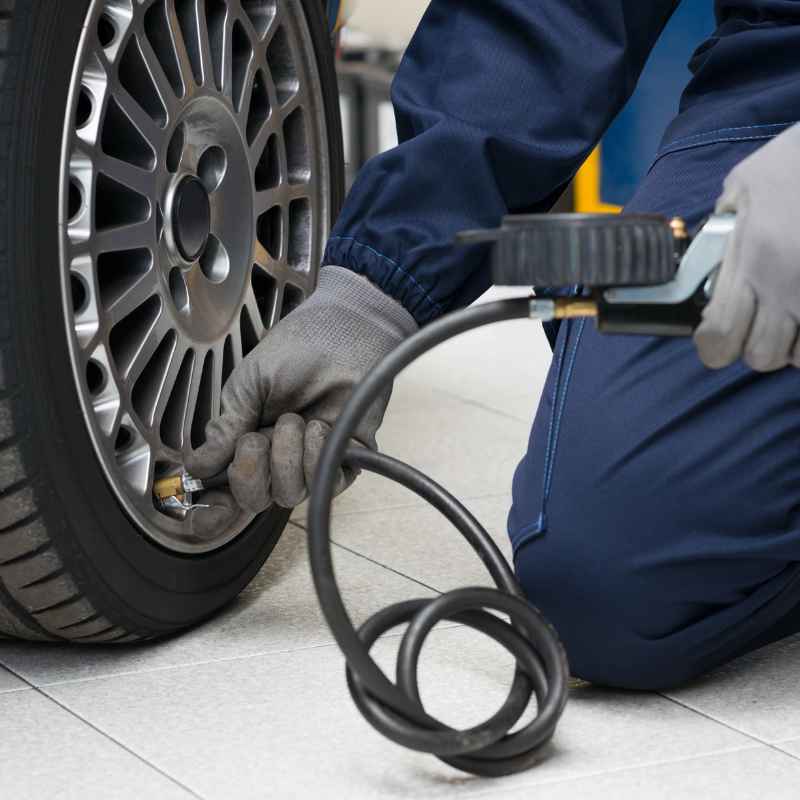
What Car Tire Pressure Is Too Low? Know Before You Drive
Car tire pressure that’s too low puts you at risk for blowouts, poor fuel economy, and uneven tread wear. This post explains exactly what pressure level is dangerous, how to spot underinflation, and what to do about it.
Simply put, any tire pressure below 20 PSI is dangerously low and you should not drive. Most passenger cars need 32-35 PSI. Driving on tires under 25 PSI increases the risk of a blowout and significantly reduces handling and braking.
Key Takeaways
- Low tire pressure below 20 PSI means immediate risk – do not drive.
- Most vehicles operate best between 32-35 PSI, but always check the driver’s door jamb sticker for your exact specifications.
- Underinflated tires reduce fuel efficiency by up to 3% for every 5 PSI lost, according to the U.S. Department of Energy.
- TPMS (Tire Pressure Monitoring System) warnings typically activate when pressure drops 25% below the recommended level.
- Regular monthly checks can prevent premature tire wear and extend tire life by up to 25%, reports the National Highway Traffic Safety Administration.
What Is Considered Normal Tire Pressure?
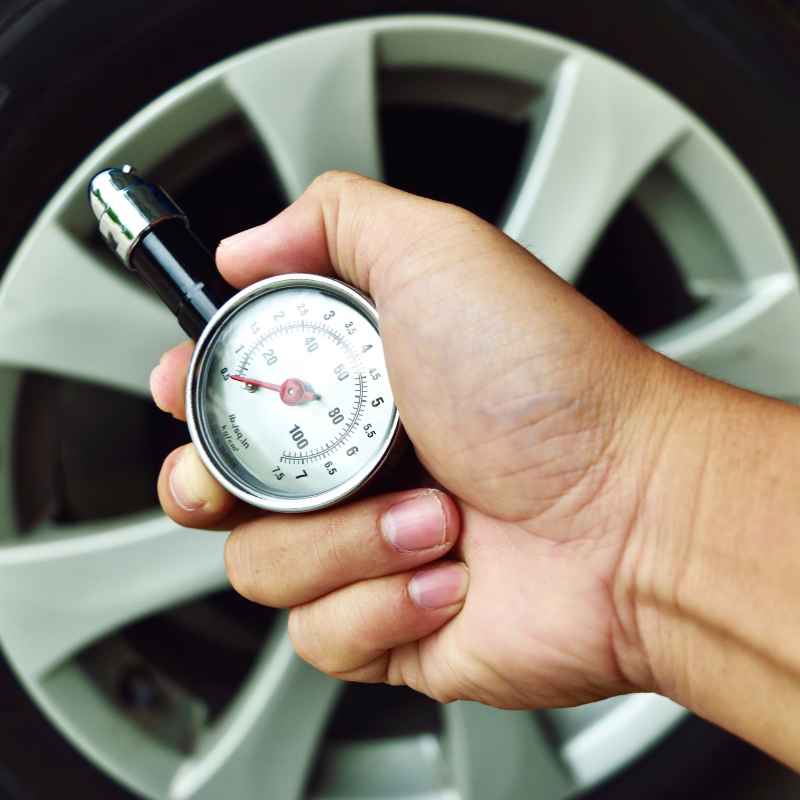
Normal tire pressure for most passenger cars falls between 32 and 35 PSI (pounds per square inch) when tires are cold. Light trucks and SUVs often require higher pressures, ranging from 35 to 45 PSI. The exact number is not a guess – it’s printed on a sticker inside your driver’s side door jamb.
Driving on tires inflated to the manufacturer’s recommended pressure gives you the best balance of grip, comfort, and fuel economy. Always check pressure before driving or at least three hours after the last drive, because heat from driving raises PSI readings.
Common Pressure Ranges by Vehicle Type
| Vehicle Type | Typical PSI Range |
|---|---|
| Compact car (e.g., Honda Civic, Toyota Corolla) | 30–33 PSI |
| Mid-size sedan (e.g., Toyota Camry, Honda Accord) | 32–35 PSI |
| SUV (e.g., Ford Explorer, Honda CR-V) | 35–40 PSI |
| Truck (e.g., Ford F-150, Ram 1500) | 40–45 PSI |
These are general ranges. Always verify with your vehicle’s placard, not the tire sidewall, because the sidewall lists maximum pressure – not recommended pressure.
What Level of Low Tire Pressure Is Dangerous?
Tire pressure below 20 PSI is universally dangerous. At this level, the tire can no longer support the vehicle’s weight properly. The sidewall flexes excessively, generating intense heat that can lead to a sudden blowout.
The danger zone starts well before 20 PSI. Anything below 25 PSI for a typical passenger car is considered low and should be addressed immediately. Your owner’s manual may define “low” as 25% below the recommended pressure – for a 35 PSI tire, that’s about 26 PSI.
- 20 PSI or less: Do not drive. Have the tire inspected or towed.
- 21–25 PSI: Low – drive only to the nearest service station at low speed.
- 26–30 PSI: Underinflated – fill as soon as possible.
- 31–35 PSI: Normal range for most cars.
- 36+ PSI: May be too high for some vehicles; check placard.
Warning: Never try to drive on a tire with less than 20 PSI. The risk of a blowout at highway speeds is extremely high.
How Does Low Tire Pressure Affect Your Car?
Driving with low tire pressure affects more than just the tire itself. The entire vehicle’s performance and safety suffer. The National Highway Traffic Safety Administration (NHTSA) reports that underinflated tires contribute to thousands of crashes annually.
Here’s what happens when you drive on underinflated tires:
- Reduced fuel economy: For every 5 PSI below specification, fuel efficiency drops by about 3%. Over a year, that adds up to significant extra cost.
- Poor handling: The tire’s contact patch changes shape, reducing cornering grip and increasing stopping distances by up to 30% on wet roads.
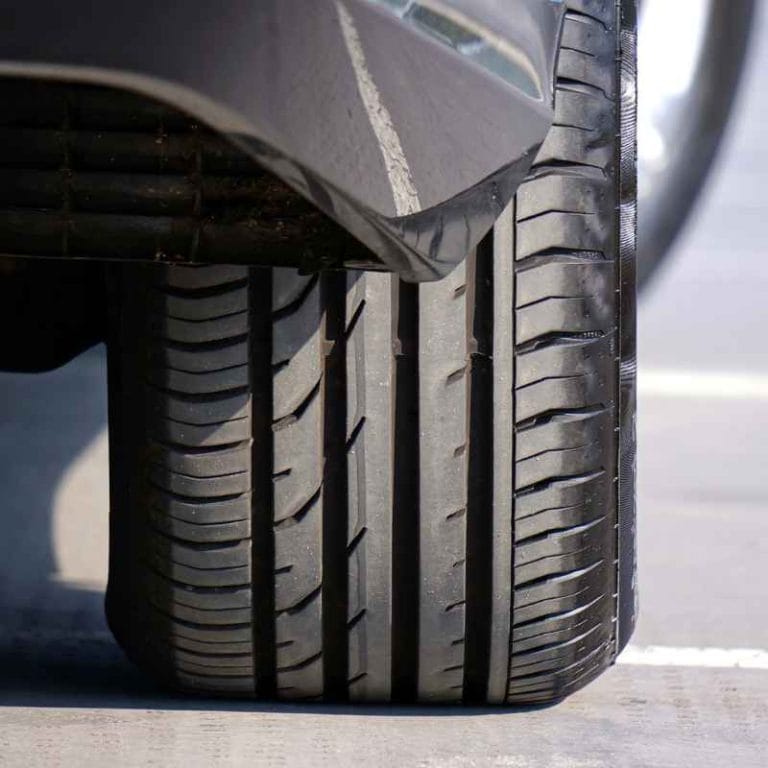
- Increased tread wear: The outer edges of the tread wear out much faster, shortening tire life by 25% or more.
- Higher risk of blowouts: Heat buildup inside the tire can cause the rubber to separate or the tire to fail completely.
- Uneven braking: Low pressure on one side can cause the car to pull during braking.
Important: A tire pressure drop of 5 PSI from your recommended setting is enough to affect safety. Check your tires every time you get gas.
How Do You Check Tire Pressure Correctly?
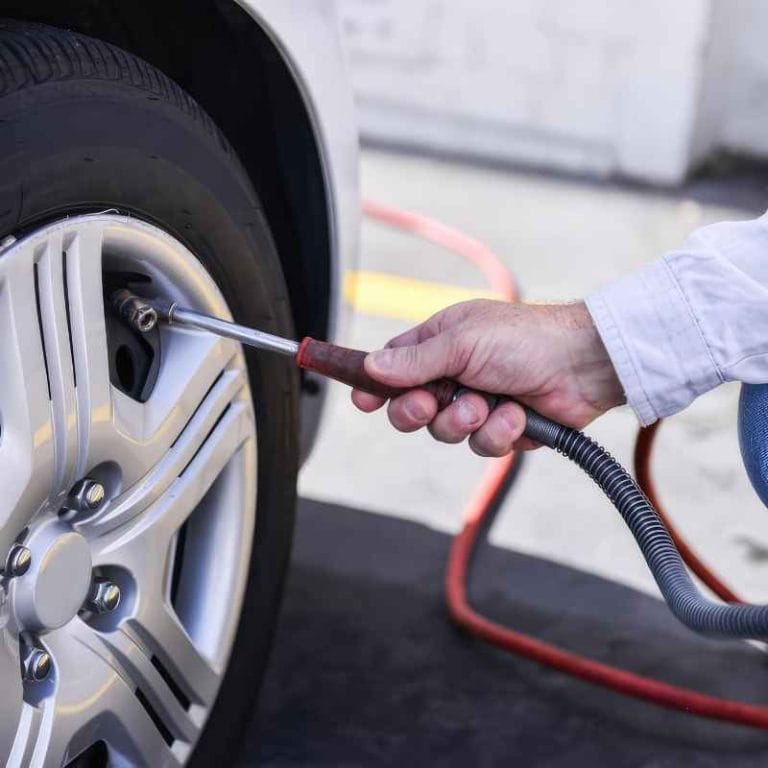
Checking tire pressure is simple and takes less than two minutes. You’ll need an accurate tire pressure gauge. Digital gauges are easier to read, but analog ones work just fine.
Follow these steps:
- Check tires when they are cold – meaning the car hasn’t been driven for at least three hours.
- Remove the valve stem cap from the tire.
- Press the gauge firmly onto the valve stem until you hear a small hiss stop.
- Read the PSI on the gauge. If using a digital gauge, it will display the number.
- Compare to the recommended PSI on your door jamb sticker.
- If low, add air at a service station or with a portable compressor.
- Recheck after filling to avoid overinflation.
Repeat for all four tires, including the spare if your vehicle has one. Don’t forget that tire pressure naturally drops about 1 PSI per month, plus 1 PSI for every 10°F drop in temperature.
What Does the TPMS Warning Light Mean?
The Tire Pressure Monitoring System (TPMS) is a standard safety feature on all vehicles sold in the U.S. since 2008. It uses sensors inside each tire to measure pressure and temperature.
When pressure drops 25% below the recommended level, the dashboard warning light illuminates.
If the light comes on while driving, pull over safely and check all tires. If you can’t see visible damage, drive slowly to the nearest gas station to add air. The light may stay on until the system resets, which can take a few minutes of driving at normal speed after the tire is properly inflated.
| TPMS Light Behavior | What It Means |
|---|---|
| Solid light | One or more tires are 25% below recommended pressure |
| Flashing light (60-90 seconds) then stays on | System malfunction – sensors may need service |
| No light | All tires within safe range |
TPMS is a helpful warning system, but it should not replace regular monthly pressure checks with a gauge. Many drivers ignore the light, which is a dangerous mistake.
How Does Cold Weather Affect Tire Pressure?
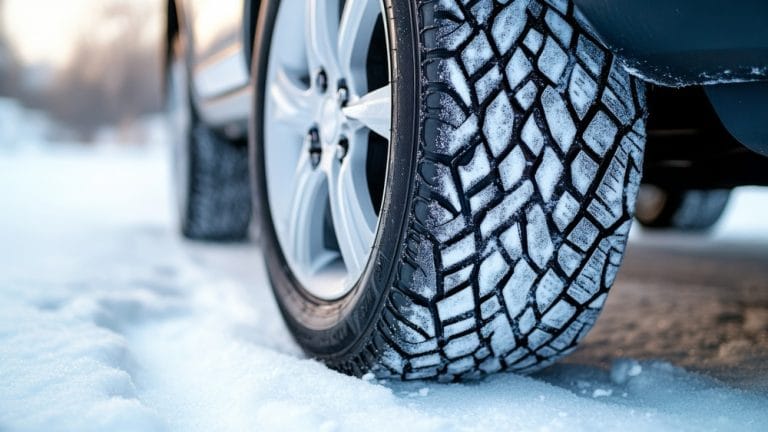
Temperature drops cause a dramatic reduction in tire pressure. For every 10°F decrease in outside air temperature, tire pressure drops by about 1 PSI. This is because air contracts when cold.
A drop from 70°F to 20°F can reduce your tire pressure by 5 PSI or more.
This is why many drivers see the TPMS light on the first cold morning of winter. It’s a natural phenomenon, but you must add air to bring the pressure back to the recommended level. Do not wait for the weather to warm up – driving with low pressure in cold conditions is just as dangerous.
- Check pressure monthly during winter (more often if you notice handling changes).
- Use a portable 12-volt compressor rather than relying on gas station air pumps in freezing weather.
- Know that nitrogen-filled tires are less affected by temperature swings, but they still need monitoring.
What Should You Do If You Find a Tire Too Low?
If you discover a tire that’s too low, the right action depends on the pressure reading. Follow this decision guide:
- Below 20 PSI: Do not drive. Use a portable compressor to inflate enough to drive slowly to a tire shop, or call for roadside assistance.
- 20–25 PSI: Inflate immediately to the recommended level. Check for visible punctures or nail heads. If you see damage, visit a repair shop.
- 26–30 PSI: Inflate to the correct pressure. Monitor the tire over the next few days. If it loses pressure again, you likely have a slow leak.
Tip: Keep a portable tire inflator in your trunk. Many affordable units plug into the 12V outlet and let you set a target PSI – they shut off automatically when reached.
After inflating, always re-check the pressure with a gauge. Dashboard readings can lag, and some gas station air pumps are inaccurate. The tire should hold pressure over time; if it doesn’t, a professional inspection is needed.
Frequently Asked Questions
Is 25 PSI too low for tires?
For most passenger cars, 25 PSI is too low. Recommended pressure is typically 32–35 PSI. At 25 PSI, handling and braking degrade, and fuel economy suffers.
Fill to the correct level as soon as possible.
Can I drive with tire pressure at 20 PSI?
No. Driving with tire pressure at 20 PSI or below is dangerous. The tire is severely underinflated and at high risk of a blowout.
Inflate it before driving or call for assistance.
How low is too low tire pressure in winter?
Winter cold can drop tire pressure by 5–7 PSI. If pressure falls below 25 PSI in cold weather, it’s too low. Always keep winter tires at the manufacturer’s recommended cold pressure – don’t reduce it for snow traction.
What is the lowest tire pressure you can drive on safely?
There is no safe “lowest” – but the general guideline is never drive with pressure below 20 PSI.
For normal driving, keep pressure within 3 PSI of the recommended value. Below that, performance degrades quickly.
Does low tire pressure affect gas mileage?
Yes. The U.S.
Department of Energy states that each 5 PSI drop in pressure can reduce fuel economy by about 3%. Over time, that adds up to significant wasted fuel and money.
Final Thoughts
Knowing what tire pressure is too low – and acting on that knowledge – keeps you safe on the road. Check your tire pressure monthly with a quality gauge, always follow the driver’s door placard, and never drive on tires below 20 PSI.
A few minutes of maintenance can prevent a dangerous blowout and extend the life of your tires.
See also why do car tyres burst warning signs you shouldn’t ignore.
Products related to this article
Sponsored / affiliate links. As an Amazon Associate I earn from qualifying purchases. I may earn additional commission from eligible campaigns.