Can You Use A Car Tire Pump For A Bike? Quick Answer
Many people wonder about this. It seems like a simple tool for a simple job. But is it really that simple?
We’ll break it down so you know exactly what to expect and what’s best for your bike. Let’s get your tires pumped up the right way.
Yes, in some cases, you can use a car tire pump for a bike. However, it’s not always ideal and depends on the type of pump and your bike’s tire valve. Manual pumps are often adaptable. Automatic car pumps can be too powerful and may damage bike tires or tubes. Always check compatibility and be cautious.
Car Tire Pumps vs. Bike Tires: What’s Different?
Cars and bikes are very different. This means their tires and the way we fill them can also be different. Think about the size of a car tire compared to a bike tire.

AstroAI
AstroAI L7 Tire Inflator Portable Air Compressor,150…
- ADVANCED TRUEGAUGE SCREEN: This battery tire inflator includes updated sensor technology, capable of collecting pressure data from…
- EASY TO USE: You can choose 4+N smart modes (car, motorcycle, bicycle, ball, and custom) and 4 pressure units (PSI, Bar, kPa, kg/c…
- COMPACT, FASTER INFLATION: Weighing less than 1 pound, this portable tire inflator is easy to carry and store in any limited space…
As an Amazon Associate I earn from qualifying purchases.
Cars need much more air. Their tires are bigger and hold more pressure. Bike tires are smaller.
Some bike tires need very low pressure. Others, especially road bikes, can need high pressure. High pressure means a lot of air packed into a small space.
This is where things can get tricky with car pumps. You want the right amount of air, not too much or too little.
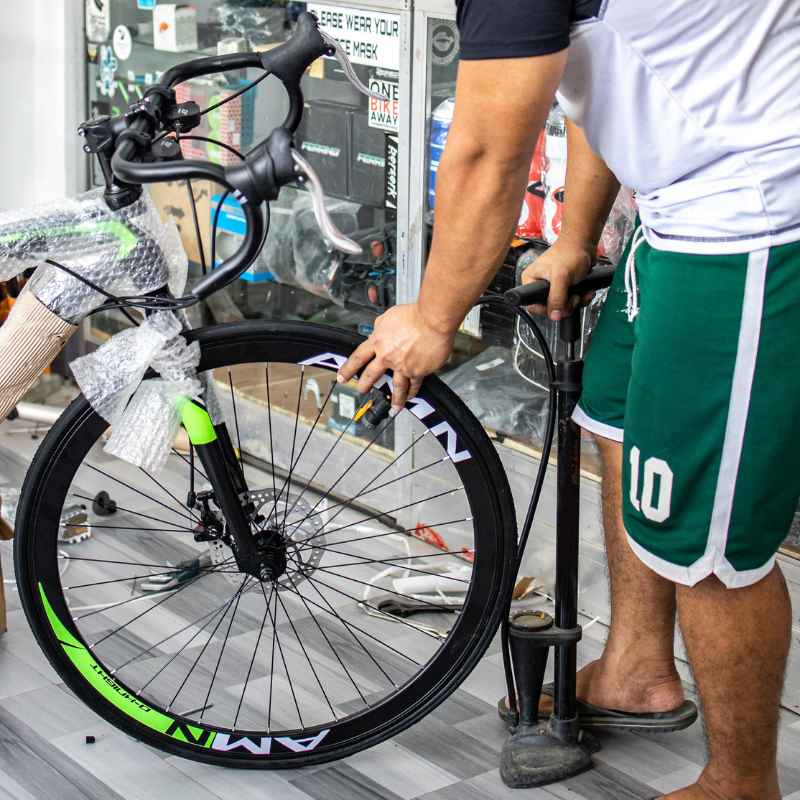
Understanding Tire Valves: The Key Connector
The part where you put air in is called a valve. Bikes have two main types of valves: Schrader and Presta. Cars almost always use Schrader valves.
Many bikes use Schrader valves too, especially mountain bikes and hybrid bikes. These look like the valves on car tires.
Presta valves are more common on road bikes and higher-end bikes. They are thinner and have a small nut at the top you need to unscrew before inflating. They also have a cap.
Most car tire pumps are made only for Schrader valves. Some pumps have a dual head that can fit both.
Valve Types at a Glance
Schrader Valves:
- Looks like car tire valves.
- Wider than Presta.
- Common on cars, mountain bikes, and hybrids.
- No small nut to unscrew.
Presta Valves:
- Thinner than Schrader.
- Found on road bikes and performance bikes.
- Has a small lock nut at the top that needs unscrewing.
- Requires a specific adapter or pump head for best results.
Types of Car Tire Pumps
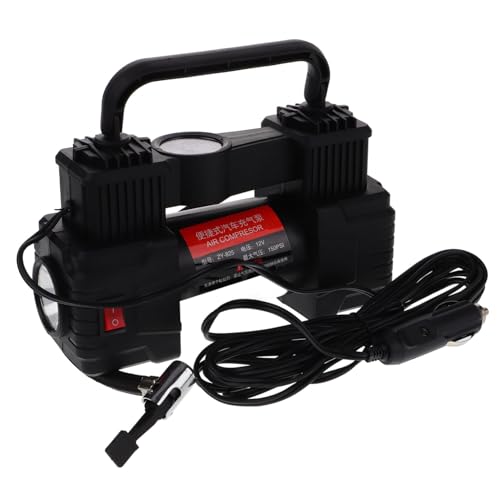
When you talk about car tire pumps, there are a few kinds. There are the small, portable ones you plug into your car’s cigarette lighter. Then there are the big, floor-standing manual pumps.
And sometimes, people mean the gas station air machines. Each one works a bit differently.
The portable electric pumps are designed for car tires. They can pump a lot of air quickly. This is great for cars.
But for bikes, especially road bikes with high pressure, they can be too much. They might also not be able to reach the higher PSI (pounds per square inch) some bike tires need.
Portable Electric Car Pumps: The Quick Facts
Pros:
- Fast for cars.
- Easy to use.
- No physical effort.
Cons:
- Can over-inflate or damage bike tires.
- May not reach high bike tire pressures.
- Often lack adapters for Presta valves.
- Can be less precise.
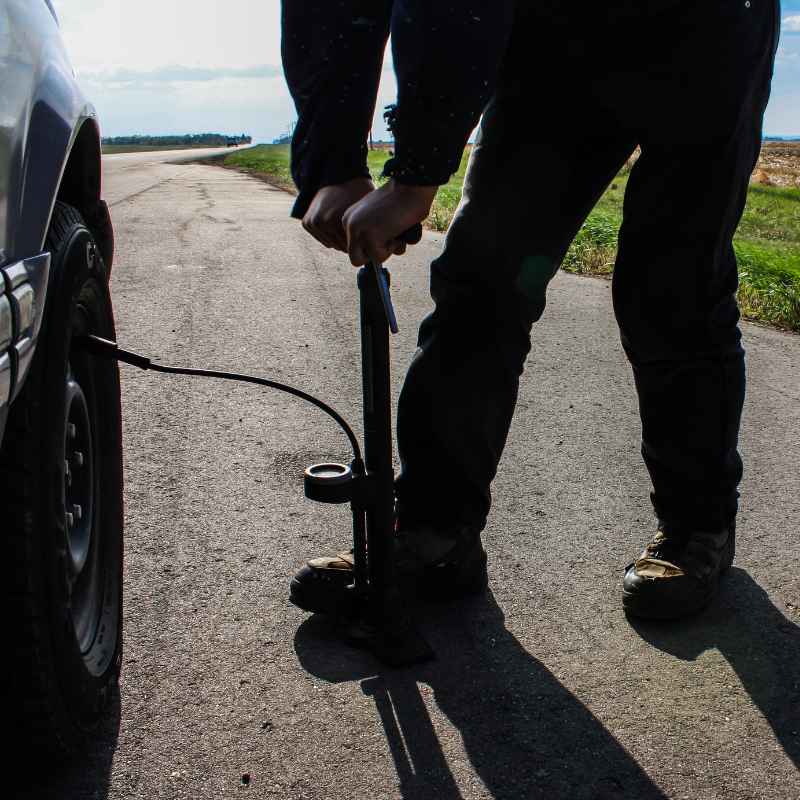
Manual floor pumps for cars are different. They work like a piston. You push down on a handle.
These pumps can often be used for bikes. Many have a changeable head or an adapter. You still need to be careful about the pressure.
They are better than electric car pumps for control.
Gas station air machines are made for cars. They pump air at high volume and pressure. Using them on a bike is risky.
You could easily blow out a bike tube if you aren’t very careful. They also usually have Schrader connections only.
Can You Use a Manual Car Pump for a Bike?
This is where it gets more promising. If you have a manual car tire pump, like a floor pump, you might be able to use it for your bike. The key is the pump head and any adapters it comes with.
Many of these pumps have a head that can switch between Schrader and Presta valves.
If your bike has Schrader valves, and your car pump’s head fits, you’re good to go for connecting. The real question then becomes pressure. Can the pump handle the PSI your bike tire needs?
And can you control it well enough?
Manual Car Floor Pump Checkpoints
Compatibility:
- Does the pump head fit Schrader valves?
- Does it have an adapter or switch for Presta valves?
Pressure Range:
- Check the maximum PSI the pump can reach.
- Compare this to your bike tire’s required PSI (found on the tire sidewall).
Control:
- Does the pump have a built-in gauge?
- How easy is it to feel the pressure as you pump?
Most car floor pumps are built for lower tire pressures than road bikes need. For example, many car tires are inflated to 30-35 PSI. A road bike tire might need 80-100 PSI.
A car pump might not be able to reach that. Or it might take a very long time to get there.
Mountain bike tires usually need less pressure, maybe 25-50 PSI. A car floor pump might be able to handle this. You just need to pay attention.
Always watch the pressure gauge if it has one. If it doesn’t, you have to guess, which is not ideal.
The Risk of Over-Inflation with Car Pumps
This is a big one. Bike tires are not like car tires. They are often thinner and made of lighter materials.
They also have different construction. Over-inflating a bike tire can cause it to burst. This is dangerous.
You could get hurt if a tire blows out while you’re riding or even while you’re pumping it.
Car pumps, especially the electric ones, can be very powerful. They deliver air quickly. It’s easy to add too much air too fast.
You might not realize how much pressure you’re adding until it’s too late. This is less of a risk with manual pumps where you feel the resistance.
Why Over-Inflation is Bad for Bike Tires
Tire Blowout: The tire can burst suddenly. This is dangerous and can cause injury.
Tube Damage: The inner tube can stretch or tear.
Rim Damage: Extremely high pressure can damage your wheel rim.
Uncomfortable Ride: Over-inflated tires are very hard and bumpy.
I remember one time trying to use a portable car air compressor on my kid’s bike. It was an electric one that plugged into the 12V outlet. I just wanted to top it up quickly.
I connected it, and it started pumping. I thought I’d watch it, but I got distracted for just a second by a text message. When I looked back, the tire looked weirdly round, almost balloon-like.
I quickly disconnected it. Thankfully, the tube didn’t burst, but it was way too full. It was a scary reminder of how powerful those things are.
That day, I learned to respect the difference in air needs.
When a Car Pump Might Work for Your Bike
So, when can you safely use a car pump for your bike? The best scenario involves a manual floor pump and a bike with Schrader valves. The pump needs a gauge so you can see the pressure.
And the pressure range of the pump should match or exceed your bike tire’s needs.
If you have a bike with Presta valves, you’ll need an adapter. Many car pumps don’t come with these. Or the pump head might not be designed to switch.
In that case, a car pump is usually not a good fit. You’d have to buy a special adapter for the Presta valve to connect to a Schrader pump head.
Best Case for Using a Car Pump (Manual Floor Pump)
Bike Tire Valve: Schrader (same as cars).
Pump Type: Manual floor pump with a pressure gauge.
Pressure Capability: Pump’s max PSI is equal to or higher than your bike tire’s requirement.
User Control: You can feel the resistance and monitor the gauge closely.
For example, if you have a hybrid bike with Schrader valves and the tire needs 40 PSI, and you have a sturdy manual car floor pump with a gauge that goes up to 100 PSI, you’re probably okay. You just need to pump slowly and watch the gauge. Stop right at 40 PSI.
However, if your bike is a road bike needing 90 PSI, and your car pump only goes up to 50 PSI, it won’t work. You’ll never get enough air in the tire. And even if it could, trying to force more air might damage the pump or the tire.
The Downside: Why Bike-Specific Pumps Are Better
While you might be able to use a car pump, it’s usually not the best option. Bike-specific pumps are designed with bikes in mind. They are made to handle the specific needs of bike tires and valves.
Bike pumps often have heads that work perfectly with Presta and Schrader valves. They might have a switch or a reversible part. This ensures a good seal.
A bad seal means air leaks out as you pump. That makes the job take much longer and is frustrating.
Why Bike Pumps Shine
Dual Valve Heads: Easily switch between Presta and Schrader.
High-Pressure Capability: Many road bike pumps go up to 120 PSI or more.
Precision Gauges: Accurate gauges help you hit the exact pressure.
Ergonomics: Designed for easier pumping action for bike tire pressures.
I invested in a good bike floor pump a few years ago. Before that, I sometimes borrowed my dad’s old car pump. It was a struggle.
The connection wasn’t great, and it was hard to get the right pressure. My road bike tires felt rock hard or too soft. Then I got a proper bike pump.
It had a head that easily switched for my Presta valves. It reached the high pressures I needed. Pumping became so much easier and faster.
I could finally get my tires just right. It made a huge difference in my ride quality.
Consider the cost. A decent manual bike floor pump might cost $30-$60. A portable electric car pump can be $20-$50.
But if that car pump damages your bike tire or tube, the repair or replacement cost could be more. Plus, the frustration factor is high.
Real-World Scenarios: When Might You Try It?
Let’s paint a picture. You’re out on a casual Sunday ride. You get a slow leak.
Your home is miles away. You have a small patch kit but no pump. You see your car parked nearby.
You remember you have a manual pump in the trunk. It’s a standard floor pump. Your bike has Schrader valves.
In this situation, using the car floor pump carefully is your best bet. You’d connect it, check the gauge, and pump until the tire feels firm. You’re aiming for a pressure that will let you ride home safely.
You probably won’t hit the exact PSI, but you can get it rideable.
Emergency Bike Inflation: Car Pump Use
Scenario: Flat tire on a ride, car nearby, manual pump available.
Bike Type: Likely hybrid or mountain bike with Schrader valves.
Pump Type: Manual floor pump preferred.
Action: Connect carefully. Pump slowly. Monitor gauge if possible.
Aim for rideable pressure, not perfect pressure.
Caution: Avoid over-inflating. If Presta valves, ensure you have an adapter.
Now, imagine a different scenario. You’re at home. You notice your bike tires are a bit soft.
You have an automatic car tire inflator. Your bike has Presta valves. In this case, it’s much riskier and less convenient.
You’d need an adapter. The auto-inflator might be too powerful, and it’s hard to control the pressure precisely. You could easily over-inflate and damage the tire or tube.
It’s better to wait and get a proper bike pump or go to a bike shop.
Checking Your Bike Tire Pressure
No matter what pump you use, knowing your bike tire’s required pressure is key. This information is usually printed on the sidewall of the tire itself. Look for numbers like “Inflate to 40-65 PSI” or “Max 120 PSI”.
It’s important to stay within this range. Too low pressure can lead to pinch flats (where the tube gets pinched between the rim and an obstacle) and makes riding harder. Too high pressure makes the ride bumpy and can damage the tire or rim.
Understanding Tire Pressure Markings
Minimum Recommended Pressure: The lowest safe pressure for riding. Helps prevent pinch flats.
Maximum Recommended Pressure: The highest safe pressure. Exceeding this can damage the tire, tube, or rim.
Sweet Spot: Often somewhere in the middle of the range, depending on rider weight, terrain, and tire width.
Example: A tire might say “40-65 PSI”. A lighter rider on smooth roads might use 40-50 PSI. A heavier rider on rough terrain might use 55-65 PSI.
What’s the actual experience of checking pressure? With a good bike pump and gauge, it’s quick. You connect the pump, read the gauge, and add air as needed.
Without a gauge, it’s all feel. You squeeze the tire. Does it feel rock hard?
Or does it feel squishy? It takes practice to get it right by feel. This is another reason why a gauge is so important, whether on a car pump or a bike pump.
What If Your Bike Has Presta Valves?
This is where using a car pump gets complicated. As we mentioned, cars don’t have Presta valves. Most car pumps are built for Schrader valves.
Presta valves are thinner. They have a small locknut at the top that you need to unscrew to let air in or out. If you try to put air into a Presta valve with a Schrader-only pump head, it just won’t seal.
Air will escape immediately.
Some car pumps have a dual head. This means the connector can fit both types. Or you can get a small adapter.
This adapter screws onto the Presta valve, turning it into a Schrader-compatible fitting. If you have this adapter, and a car pump with a Schrader head, you can inflate a Presta valve.
Presta Valve Inflation with Car Pumps: The Hurdles
Pump Head Incompatibility: Standard car pump heads only fit Schrader valves.
Need for Adapters: A Schrader-to-Presta adapter is often required.
Unscrewing the Locknut: You must unscrew the Presta valve’s small nut first.
Risk of Damage: Forcing an incompatible pump head can bend or break the Presta valve.
I’ve seen people try to force a Schrader pump head onto a Presta valve. It never works well. The pump might feel like it’s connecting, but air just hisses out.
Sometimes, the metal pump head can damage the delicate Presta valve. It’s much better to have the right tool. A proper bike pump with a dual head is a small investment that saves a lot of hassle.
The Dangers of Using Gas Station Air Machines
Gas station air machines are powerful. They are designed to inflate car tires quickly. These machines deliver a high volume of air at high pressure.
They are generally not suitable for bike tires. The pressure can build up very fast.
Imagine a thin road bike tire rated for 100 PSI. A gas station pump could easily deliver 100 PSI in just a few seconds. If you’re not paying close attention, or if the machine doesn’t have a precise gauge, you could blow out the tire instantly.
This is dangerous and can damage your wheel.
Gas Station Air Machines: Proceed with Extreme Caution
High Volume/Pressure: Designed for large car tires, not small bike tires.
Speed: Air is delivered very quickly, making over-inflation easy.
Gauge Accuracy: Gauges on these machines can be imprecise or hard to read.
Valve Compatibility: Usually only have Schrader connections.
Risk: High risk of tire blowout or tube damage for bikes.
I’ve only ever used a gas station air machine for my bike in a true emergency. And I mean a real emergency, like needing to get home safely after a long puncture. I would connect the hose, set the desired pressure on the machine if I could, and then stand there, right next to it, ready to pull the trigger the second it hit the right number.
It felt like defusing a bomb. It’s not something I’d ever recommend doing unless there’s absolutely no other choice.
My Experience: A Lesson Learned the Hard Way
I remember a time when I was younger and really trying to save money. I had just bought my first ‘real’ road bike. It needed specific tire pressures.
I had a basic car floor pump. I used it for my car tires and thought it would be fine for my bike. I’d pump, squeeze the tire, pump some more, squeeze again.
It took forever. I could never get the tires as firm as they needed to be. They always felt a bit soft.
I’d get pinch flats quite often. I thought it was just part of cycling. One day, I finally caved and bought a dedicated bike floor pump.
It had a gauge that went up to 140 PSI. It also had a head that easily switched between Schrader and Presta. The first time I used it, I was amazed.
My road bike tires went from feeling soft and bumpy to firm and fast. I could finally hit the correct pressure. It made a world of difference.
My pinch flats stopped too. That’s when I truly understood the value of using the right tool for the job.
When to Worry: Signs Your Tire Pressure is Off
How do you know if your bike tire pressure is wrong, whether from a car pump or a bike pump? There are a few tell-tale signs. If your tires feel too soft, like they’re sinking into the pavement, the pressure is likely too low.
This can make your bike sluggish and hard to pedal. You might also feel the tire squish under your weight.
On the flip side, if your tires feel rock hard, and every little bump in the road feels like a major jolt, you might have over-inflated them. This makes for a very uncomfortable ride. It also means less grip, which can be dangerous.
Tire Pressure Warning Signs
Feels Too Soft/Squishy: Pressure is too low. Risk of pinch flats and sluggish riding.
Feels Rock Hard/Bumpy Ride: Pressure is too high. Uncomfortable, less grip, potential for damage.
Tire Looks Flat or Sagging: Pressure is critically low or there’s a leak.
Tire Bulges Out: Might be over-inflated or have a weakened sidewall.
Another sign is checking the tire sidewall. If the tire looks like it’s about to burst, or if the rim seems to be digging into the tire, something is wrong with the pressure. This is a clear sign to stop and check your pump and the tire pressure immediately.
You don’t want to push it.
Quick Tips for Pumping Your Bike Tires
When you do pump your bike tires, here are a few simple tips. Always check the recommended pressure on your tire sidewall first. This is your guide.
If you have a pump with a gauge, use it! It’s the best way to get it right.
When connecting the pump head, make sure it’s on securely. For Schrader valves, push it on straight and firmly. For Presta valves, unscrew the locknut first, then attach the pump head.
You should hear a little hiss of air as it connects, and then it should seal.
Essential Pumping Habits
Know Your Pressure: Check tire sidewall for PSI range.
Use a Gauge: Invest in a pump with an accurate pressure gauge.
Secure Connection: Ensure the pump head seals well on the valve.
Pump Evenly: For manual pumps, use smooth strokes.
Regular Checks: Check tire pressure regularly, at least once a week.
After pumping, disconnect the pump head carefully. For Schrader valves, a little hiss is normal. For Presta valves, you might need to screw the locknut back down.
Give the tire a squeeze to feel its firmness. Then, take it for a short test ride around the block to see how it feels. Adjust if needed.
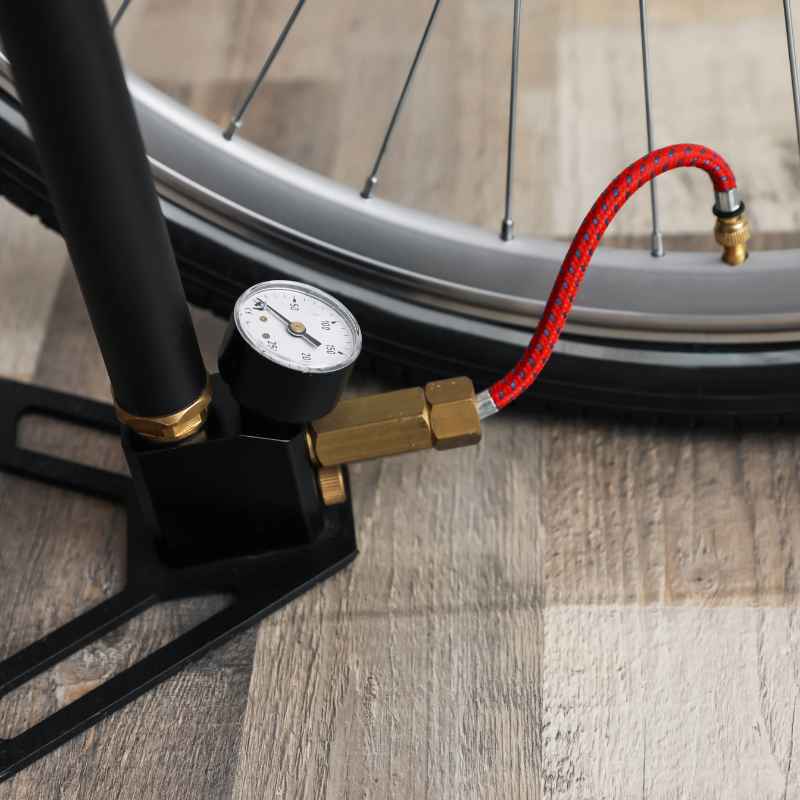
Frequent Questions About Car Pumps and Bike Tires
Can I use my portable electric car tire inflator on my bike?
You can, but it’s risky. These pumps deliver air very fast and can easily over-inflate and damage your bike’s tire or inner tube. They may also not be able to reach the high pressures needed for road bikes and might not fit Presta valves without an adapter.
My car pump has a Schrader connection. Will it work for my bike’s Presta valves?
Not directly. Standard Schrader connections won’t fit Presta valves. You will need a Schrader-to-Presta adapter.
This adapter screws onto the Presta valve, allowing the Schrader pump to connect. Remember to unscrew the small nut on the Presta valve first.
How do I know if my car pump can handle the pressure for my bike tires?
Check the maximum PSI rating on your car pump. Then, look at your bike tire’s sidewall for its recommended PSI range. If your bike tire needs a higher pressure than your pump can deliver, the pump is not suitable.
What happens if I over-inflate my bike tires using a car pump?
Over-inflating can cause the tire to burst, which is dangerous and can lead to injury. It can also damage the inner tube, the tire itself, or even the wheel rim. The ride will also become very hard and uncomfortable.
Is it okay to use a car pump for a quick top-up on my bike?
If it’s a manual floor pump with a gauge and your bike has Schrader valves, a careful, quick top-up might be okay. However, for electric car pumps, it’s still risky due to the speed and potential lack of precise control. Always monitor the pressure closely.
Why is a bike-specific pump better than a car pump for my bike?
Bike pumps are designed for bike valves (Schrader and Presta) and often reach higher pressures needed for road bikes. They typically have more accurate gauges and are designed for easier pumping action at higher PSI. This makes them safer and more effective.
Final Thoughts on Pumping Bikes with Car Gear
So, can you use a car tire pump for a bike? The short answer is sometimes, but with caution. A manual car floor pump might work for bikes with Schrader valves, especially if it has a pressure gauge.
However, it’s often less ideal than a dedicated bike pump. For electric car pumps, the risk of over-inflation is much higher, making them generally unsuitable.
Ultimately, investing in a good bike pump is the best way to ensure your tires are properly inflated. This keeps you safe, makes your ride smoother, and protects your bike. Your bike will thank you for it, and so will your ride quality!
See also best car tyres for mileage in 2026 long-lasting picks .
Related pick: Check today's price on Amazon See also what can i make with used tires 15 creative diy ideas.
Products related to this article
Sponsored / affiliate links. As an Amazon Associate I earn from qualifying purchases. I may earn additional commission from eligible campaigns.