Why Does a Car Need Engine Oil? Here’s What Happens Without It
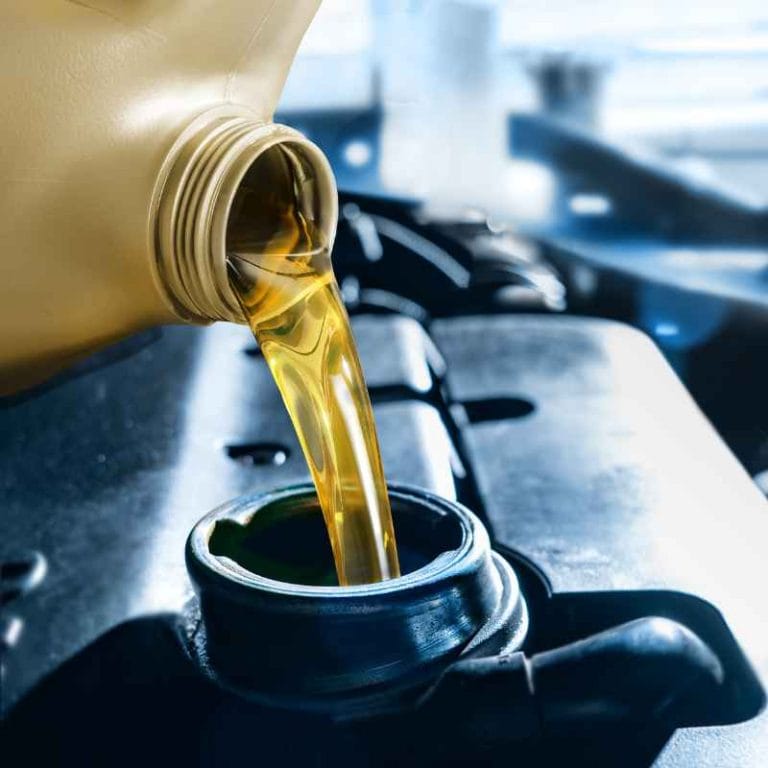
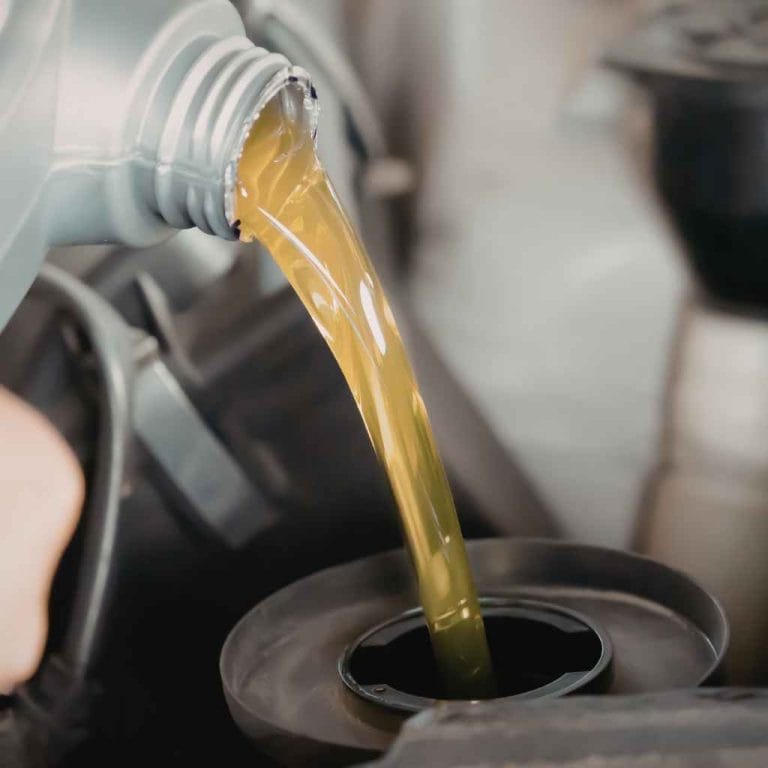
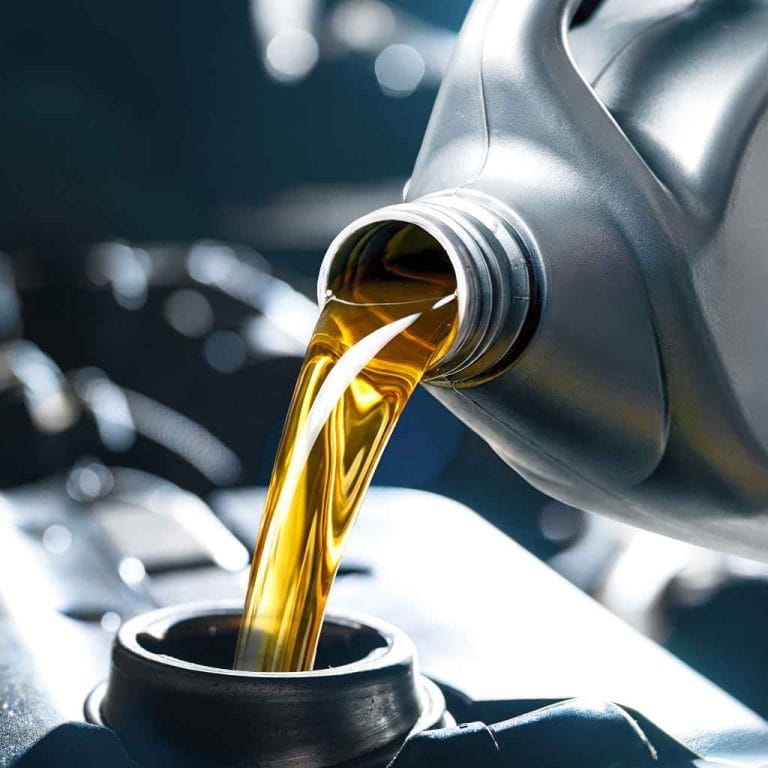
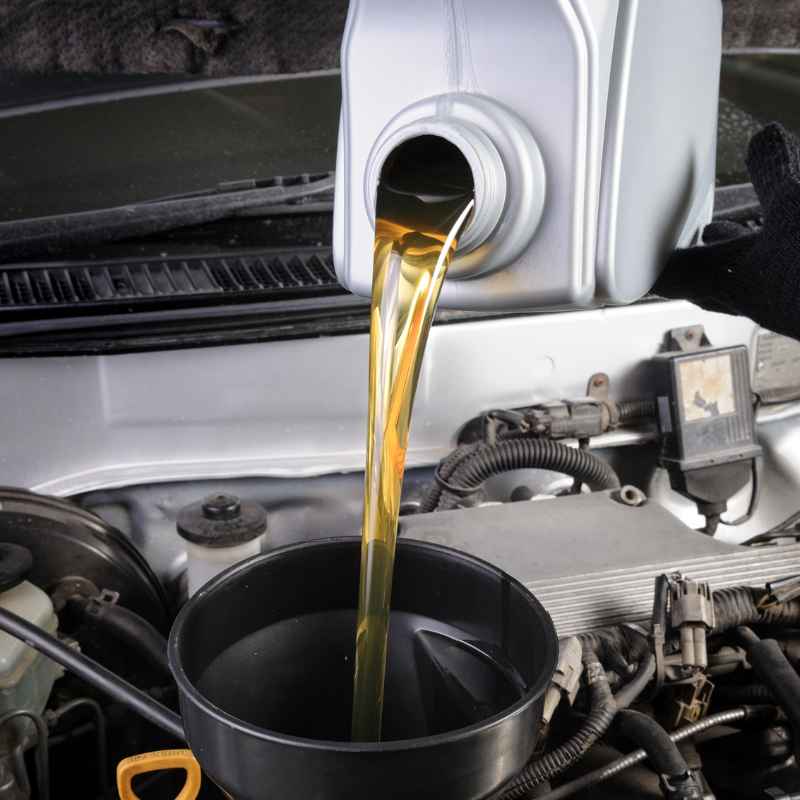
Why does a car need engine oil? Engine oil is the lifeblood of your vehicle’s engine, performing critical functions that keep it running smoothly and prevent catastrophic damage.
This guide explains the essential roles of engine oil, what happens when it’s neglected, and how to choose the right oil for your car. Whether you’re a new driver or a seasoned owner, understanding this simple fluid can save you thousands in repairs.
Simply put, a car needs engine oil to reduce friction, dissipate heat, clean internal components, seal piston rings, and protect against corrosion. Without it, metal parts grind together, overheat, seize, and destroy the engine in minutes.
Key Takeaways

Made Here Co.
Made Here Co. Multi-use Lubricating Penetrant Oil…
- High-Performance Formula: Engineered for maximum efficiency, our Lubricating Penetrant Oil penetrates deeply to free stuck parts,…
- Versatile Applications: Perfect for automotive, industrial, and home use. Use it on hinges, nuts and bolts, chains, and more to en…
- Safe and Non-Toxic: Made with your health and environment in mind, our formula is non-toxic, making it safe for use around the hom…
As an Amazon Associate I earn from qualifying purchases.
- Engine oil lubricates moving parts, reducing friction and wear that otherwise leads to engine failure.
- It acts as a coolant, carrying heat away from combustion chambers and preventing overheating.
- Without engine oil, metal components weld together, bearings seize, and the engine becomes irreparable.
- Regular oil changes remove contaminants and maintain oil viscosity for optimal performance.
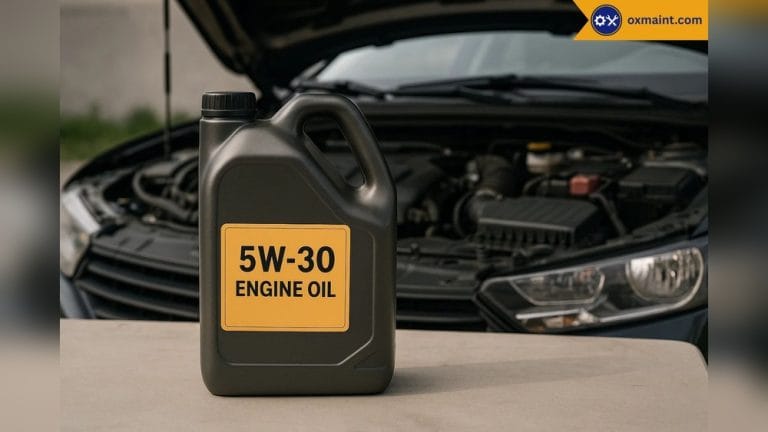
- Choosing the correct oil grade (e.g., 5W-30) and type (conventional, synthetic, blend) is crucial for engine longevity.
What Is Engine Oil and Why Is It Essential?
Engine oil is a specially formulated lubricant designed to operate under extreme temperatures and pressures inside an internal combustion engine. It’s typically a blend of base oils (mineral or synthetic) and additives that enhance performance.
The primary job of engine oil is to create a thin film between metal surfaces that rub against each other—like pistons sliding in cylinders, camshafts pushing valves, and bearings spinning on crankshafts. Without this film, metal-on-metal contact generates intense frictional heat.
Key Functions of Engine Oil
- Lubrication – Reduces friction and wear on moving parts.
- Cooling – Absorbs heat from combustion and carries it to the oil pan, where it dissipates.
- Cleaning – Suspends dirt, soot, and combustion byproducts, preventing sludge buildup.
- Sealing – Fills microscopic gaps between piston rings and cylinder walls, improving compression.
- Protection – Neutralizes acids from fuel combustion and prevents rust and corrosion.
- Dampening – Reduces engine noise and vibration by absorbing shock from moving components.
According to the American Petroleum Institute, a single quart of engine oil can circulate through the engine hundreds of times per minute, delivering these benefits continuously. The U.S. Department of Energy reports that proper lubrication can improve fuel economy by up to 2%.
How Does Engine Oil Lubricate Moving Parts?
Engine oil works through a pressurized circulation system. An oil pump draws oil from the oil pan, pushes it through a filter to remove contaminants, and then sends it through galleries (passages) drilled into the engine block and cylinder head.
From these galleries, oil is sprayed or splashed onto critical components: crankshaft bearings, connecting rod bearings, camshaft lobes, valve lifters, and piston pins. Gravity pulls the oil back down to the pan, completing the cycle.
The Lubrication Process Step by Step
- Oil pickup – The oil pump sucks oil from the pan through a pickup tube with a screen.
- Filtration – Oil passes through the oil filter, trapping particles as small as 20 microns.
- Pressurization – The pump builds pressure (typically 10–60 psi depending on engine speed).
- Distribution – Pressurized oil flows through main galleries to all bearings and moving surfaces.
- Return – Oil drains back to the pan, carrying heat and contaminants away.
| Component | Lubrication Method | Oil Requirement |
|---|---|---|
| Main bearings | Pressurized feed | High volume, consistent pressure |
| Piston rings | Splash + oil jets | Mist for ring sealing |
| Camshaft lobes | Pressurized gallery | High-pressure film |
| Valve stems | Splash/gravity | Light oil mist |
This closed-loop system ensures every moving part receives a fresh supply of oil as long as the engine is running. The oil pump is typically driven by the crankshaft, so lubrication starts immediately when you turn the key.
Tip: Let your engine idle for 30 seconds after a cold start. This allows oil to fully circulate and reach all parts, especially in cold weather when oil is thicker.
What Happens When a Car Runs Without Engine Oil?
Running an engine without oil is one of the fastest ways to destroy it. The absence of lubrication leads to immediate metal-on-metal contact, generating extreme heat and friction. Within seconds, components begin to fail.
The Timeline of Oil Starvation Damage
- 0–5 seconds – Oil pressure warning light illuminates; bearings start to contact.
- 5–15 seconds – Knock sound appears from connecting rod bearings; temperature spikes.
- 15–30 seconds – Pistons scuff against cylinder walls; metal shavings contaminate the oil (if any remains).
- 30–60 seconds – Bearings seize, connecting rods may break, pistons can weld to cylinders.
- 1–2 minutes – Complete engine seizure; crankshaft stops rotating. Engine is irreparable.
Here are the exact consequences of driving without oil:
- Bearing failure – Main and rod bearings spin or fuse, requiring a full engine rebuild.
- Piston seizure – Pistons expand and seize in cylinders, often cracking the block.
- Camshaft damage – Lobes wear down, causing valve timing issues and power loss.
- Overheating – Friction generates uncontrolled heat, warping cylinder heads and blocks.
- Oil pump failure – The pump itself, starved of oil, fails rapidly.
- Contamination – Metal debris circulates and destroys the rest of the engine.
Warning: Some drivers think idling with no oil is safe. It’s not. Even at idle, the engine depends entirely on oil lubrication. Shut it off immediately if you suspect an oil leak or low level.
The cost of repairing damage from oil starvation is staggering. A new engine can range from $3,000 to $8,000 or more, while regular oil changes cost only $30–$70. The American Automobile Association (AAA) notes that inadequate lubrication is among the top causes of engine failure.
What Are the Best Types of Engine Oil for Different Cars?
Choosing the right engine oil depends on your vehicle’s make, model, and driving conditions. Modern oils come in three main types: conventional, synthetic, and synthetic blend.
| Oil Type | Best For | Pros | Cons |
|---|---|---|---|
| Conventional | Older cars, low-mileage, moderate climates | Inexpensive, widely available | Breaks down faster, needs frequent changes |
| Full Synthetic | Modern engines, turbos, extreme temperatures | Superior protection, longer intervals, better fuel economy | Higher cost |
| Synthetic Blend | Pickups, SUVs, heavy-duty driving | Good balance of cost and protection | Not as pure as full synthetic |
Always check your owner’s manual for the recommended viscosity grade (like 5W-30 or 10W-40). Using the wrong grade can reduce fuel efficiency and increase wear. The Society of Automotive Engineers (SAE) sets these viscosity standards.
Viscosity Explained
- 0W-20 – Very thin at low temps, used in many modern fuel-efficient cars.
- 5W-30 – Common in newer gasoline engines; good all-season choice.
- 10W-40 – Thicker, often used in older or high-mileage engines.
- 15W-50 – High-performance and racing applications.
According to a study by the National Institute for Automotive Service Excellence, using the wrong oil type can reduce engine life by up to 40%.
Tip: If you drive in extreme heat or cold, full synthetic oil is worth the extra cost. Its chemical stability maintains viscosity better than conventional oil under harsh conditions.
How Often Should You Check and Change Engine Oil?
Regular oil checks and changes are the simplest ways to protect your engine. Most manufacturers recommend checking oil level at every fuel fill-up. For oil changes, intervals vary widely based on oil type and driving habits.
General Oil Change Intervals
- Conventional oil – Every 3,000 to 5,000 miles.
- Synthetic blend – Every 5,000 to 7,500 miles.
- Full synthetic – Every 7,500 to 15,000 miles (check owner’s manual).
- Severe driving – (towing, idling, extreme temperatures) – halve the interval.
Here’s a quick checklist for checking oil:
- Park on level ground and let the engine cool for 5 minutes.
- Pull out the dipstick, wipe it clean, reinsert fully.
- Pull it out again and check the level between the Min and Max marks.
- Top up if needed, using the same oil type and grade.
- Check oil color – dark, gritty oil indicates it’s time for a change.
Most modern cars have oil life monitoring systems that calculate remaining life based on mileage, temperature, and engine load. However, don’t rely solely on these – manual checks catch problems like leaks early.
Important: One quart of oil lost every 1,000 miles is generally acceptable for older engines. But if you lose more than a quart every 500 miles, have the engine inspected for leaks or internal wear.
What Are the Signs That Your Car Needs an Oil Change?
Your car gives several warning signs that engine oil has degraded or is low. Ignoring these can lead to the damage described earlier.
| Symptom | What It Means | Action Needed |
|---|---|---|
| Oil warning light on dash | Low oil pressure or low level | Stop immediately, check level, add oil |
| Engine noise (ticking or knocking) | Insufficient lubrication of valvetrain | Check level and condition; change oil |
| Dark, gritty oil on dipstick | Oil is contaminated and worn out | Oil change needed |
| Burning oil smell | Oil leaking onto exhaust components | Inspect for leaks, repair gaskets |
| Blue exhaust smoke | Oil burning in combustion chamber | Engine may need valve seal or ring repair |
If you notice any of these signs, address them promptly. Driving even a few miles with low oil can cause permanent damage. A Consumer Reports survey found that 23% of car owners delay oil changes beyond the recommended interval, increasing engine failure risk.
How Does Engine Oil Help Cool the Engine?
While the cooling system (radiator, coolant, water pump) handles most engine heat, oil plays a vital secondary cooling role. Oil absorbs heat from the hottest parts – pistons, cylinder walls, bearings – where coolant doesn’t circulate.
As oil flows past these hot surfaces, it carries heat to the oil pan, where it radiates into the surrounding air. Some vehicles also have an oil cooler (a small radiator) to enhance this process. The temperature of engine oil can reach 200–250°F (93–121°C) under normal operation.
Oil Cooling Benefits
- Prevents localized hot spots that can cause piston seizure.
- Stabilizes oil viscosity – overheated oil thins out and loses its lubricating ability.
- Extends oil life – excessive heat breaks down oil molecules faster.
- Reduces engine knock by maintaining proper film strength.
Studies from the SAE show that every 18°F (10°C) increase in oil temperature halves its service life. That’s why synthetic oils, with their higher thermal stability, are preferred for turbocharged engines and heavy loads.
Tip: If you regularly tow heavy trailers or drive in hot climates, consider installing an aftermarket oil cooler. It can drop oil temperatures by 20–30°F, significantly extending oil and engine life.
Frequently Asked Questions
Can I just add new oil instead of doing a full oil change?
Adding oil is fine if the level is low, but it doesn’t remove contaminants. Over time, old oil accumulates acids, sludge, and metal particles. A full change with new filter replacement is necessary to maintain engine health.
What happens if I overfill engine oil?
Excess oil can cause foaming, which reduces lubrication efficiency. It may also force oil past seals, leading to leaks, or into the combustion chamber, causing smoke. Always fill to the Full mark on the dipstick, no more.
Is synthetic oil worth the extra cost?
Yes, especially for modern engines with turbochargers, variable valve timing, or start-stop systems. Synthetic oil offers superior protection at high temperatures, flows better in cold starts, and allows longer change intervals, offsetting its higher price.
How often should I check my oil level?
Once a week or every other fuel fill-up is a good habit. Quick checks take 30 seconds and can catch slow leaks before they become critical. Older cars with more than 100,000 miles should be checked even more frequently.
Can I use any brand of oil as long as it meets viscosity?
Brand is less important than the API service rating (SL, SM, SN, SP) and viscosity grade. Sticking with a reputable brand that meets your car’s specifications ensures proper additive packages. Cheap no-name oils may lack crucial corrosion inhibitors.
Final Thoughts
Engine oil is not just a lubricant; it’s a multi-function fluid that keeps your engine cool, clean, and protected. Understanding why a car needs engine oil and what happens without it can prevent costly repairs and extend your vehicle’s life. Check your oil level regularly, change it at the recommended intervals, and use the correct type for your car.
A little attention goes a long way toward keeping your engine running for hundreds of thousands of miles.
Related pick: Check today's price on Amazon See also how to replace car engine oil yourself step-by-step .
Products related to this article
Sponsored / affiliate links. As an Amazon Associate I earn from qualifying purchases. I may earn additional commission from eligible campaigns.