Should I Follow Car PSI Or Tire PSI
The car manufacturer’s recommended tire pressure, found on the doorjamb sticker, is what you should use for everyday driving. The number on the tire sidewall is the maximum pressure the tire can safely hold, not the recommended pressure for your specific vehicle.
Understanding Tire Pressure Numbers
When you look at your car, you’ll find important information. It’s often on a sticker inside the driver’s door. This sticker tells you many things about your car.

CARSUN
Digital Air Compressor for Car Auto Pump…
- 【EASY TO USE&AUTO SHUT OFF】:Plug Carsun portable air compressor power cable into the car's 12V power outlet, then press the inflat…
- 【150PSI MAX WORKING PRESSURE】:With maximum pressure 150 PSI and air flow 35L/min, it can inflate the 195/65/R15 car tire from 0 to…
- 【DIGITAL DISPLAY & LED LIGHTING】:Carsun tire inflator is equipped with a large high-precision and high-brightness display to help…
As an Amazon Associate I earn from qualifying purchases.
One key piece of info is the recommended tire pressure. This number is usually in pounds per square inch, or PSI. It’s listed for the front and rear tires.
This number is specific to your car. It’s what the car makers decided is best. They figured this out during testing.
They want your car to ride well. They also want it to handle safely. This pressure helps your tires grip the road.
It also helps them last a long time. It’s about finding a good balance.
Now, look at the side of your tires. You’ll see lots of writing there. This is called the tire sidewall.
You’ll see a number like “MAX. PRESS. 51 PSI” or “MAX.
COLD INFLATION 44 PSI”. This is not the number you should aim for every day. This is the highest pressure the tire can safely handle.
Think of it like a balloon. You can blow up a balloon to a certain point. If you blow it up too much, it might pop.
The tire sidewall number is like that limit. It tells you the safest maximum. It does not tell you the best pressure for your car to drive with.
Why the Difference Matters
The number on your car’s door sticker is the result of careful engineering. Car makers test different pressures. They want the tires to work just right with the car’s weight.
They also consider how the suspension is set up. The goal is a safe and comfortable ride.
Using the pressure recommended by your car maker means your tires will be at their best. They will perform as they were designed to. This means good traction.
It means stable steering. It means the tire wears evenly across its tread. It also helps with fuel economy.
The tire flexes just the right amount.
If you used the maximum pressure from the tire sidewall, your ride would change. The tires would be harder. They would not absorb bumps as well.
This makes the ride bumpy. It can also make the steering feel strange. It might feel less stable on curves.
The center of the tire tread might wear out faster.
On the other hand, if you use a pressure that’s too low, that’s also bad. The tires will be too soft. They will bulge out at the bottom.
This makes the sides of the tire work too hard. It can cause the tire to overheat. This is dangerous.
It also makes the tire wear out faster on the edges. Fuel economy will drop too.
What Happens When Tire Pressure Is Wrong
Driving with incorrect tire pressure is a big deal. It affects more than just how your car feels. It’s about your safety and your wallet.
Imagine driving on tires that are too soft. They feel squishy. This makes your steering feel sluggish.
Turning the wheel might feel heavy. The car might not respond quickly when you want it to change direction. This is a real risk, especially in an emergency.
You need your car to react fast.
Also, soft tires heat up more. The rubber and air inside get warmer. This can damage the tire.
In very hot weather, or after a lot of driving, this heat can build up a lot. It can lead to a tire blowout. That’s when a tire suddenly bursts.
It’s a very dangerous situation. It can cause you to lose control of your car.
Now think about tires that are too hard. The ride becomes very stiff. Every little bump in the road feels like a big one.
It’s not comfortable. But more importantly, the tire doesn’t connect with the road as well. The contact patch – the part of the tire touching the ground – gets smaller.
This means less grip.
Less grip means your brakes might not work as well. It takes longer to stop. On wet roads, this is even more serious.
You could slide more easily. Also, the center of the tire tread will wear down much faster. This means you’ll need new tires sooner.
You’ll spend more money.
Key Takeaways for Tire Pressure
Car Sticker is King: Always follow the PSI listed on your vehicle’s doorjamb or in the owner’s manual. This is the correct pressure for your car.
Tire Sidewall is Maximum: The number on the tire means the most air it can hold safely. It’s not your daily driving pressure.
Impact on Safety: Wrong pressure affects braking, handling, and can lead to dangerous blowouts.
Impact on Tires: Incorrect pressure causes uneven and faster tire wear.
Impact on Fuel: Proper pressure helps you get better gas mileage.
Finding the Right Information on Your Car
The best place to find the correct tire pressure is always on your car itself. It’s the most reliable source. Here’s where to look:
Driver’s Side Doorjamb: This is the most common spot. Open the driver’s door. Look at the frame of the car.
You should see a sticker there. It’s usually white or yellow. It will list the recommended PSI for the front and rear tires.
It might also mention the spare tire.
Owner’s Manual: If the sticker is missing or damaged, check your car’s owner’s manual. It will have a section about tires. It will list the recommended pressures there.
It’s usually in the maintenance or specifications part of the book.
Inside the Fuel Filler Door: Some cars have this sticker inside the flap that covers the gas tank. It’s less common but worth checking.
Glove Compartment: Very rarely, this information might be in the glove compartment, but the doorjamb is the usual place.
It’s important to check this information for your specific car model. Different cars, even from the same maker, can have different tire pressure needs. This is because they weigh different amounts and have different suspension systems.
When to Check Your Tire Pressure
Checking your tire pressure regularly is a key part of car care. You should do it at least once a month. You should also check it before any long road trips.
The best time to check your tire pressure is when the tires are cold. “Cold” means the car hasn’t been driven for at least three hours. Or, it’s been driven for less than a mile at low speed.
Driving heats up the tires. This makes the air inside expand. It makes the pressure reading higher than it really is.
If you check your tires when they are hot, you’ll get a higher reading. You might then let out air to “correct” it. Later, when the tires cool down, the pressure will be too low.
So, always check them when they are cold for the most accurate reading.
I remember one time I was getting ready for a long family trip. I decided to check my tires. I hadn’t done it in a while.
I was surprised to see my front tires were quite low. It made sense. We had been driving a lot in the city.
Lots of stopping and starting heats up tires. I added air to all of them. The car felt so much better on the highway.
It was smoother and quieter. I also felt safer knowing they were at the right pressure.
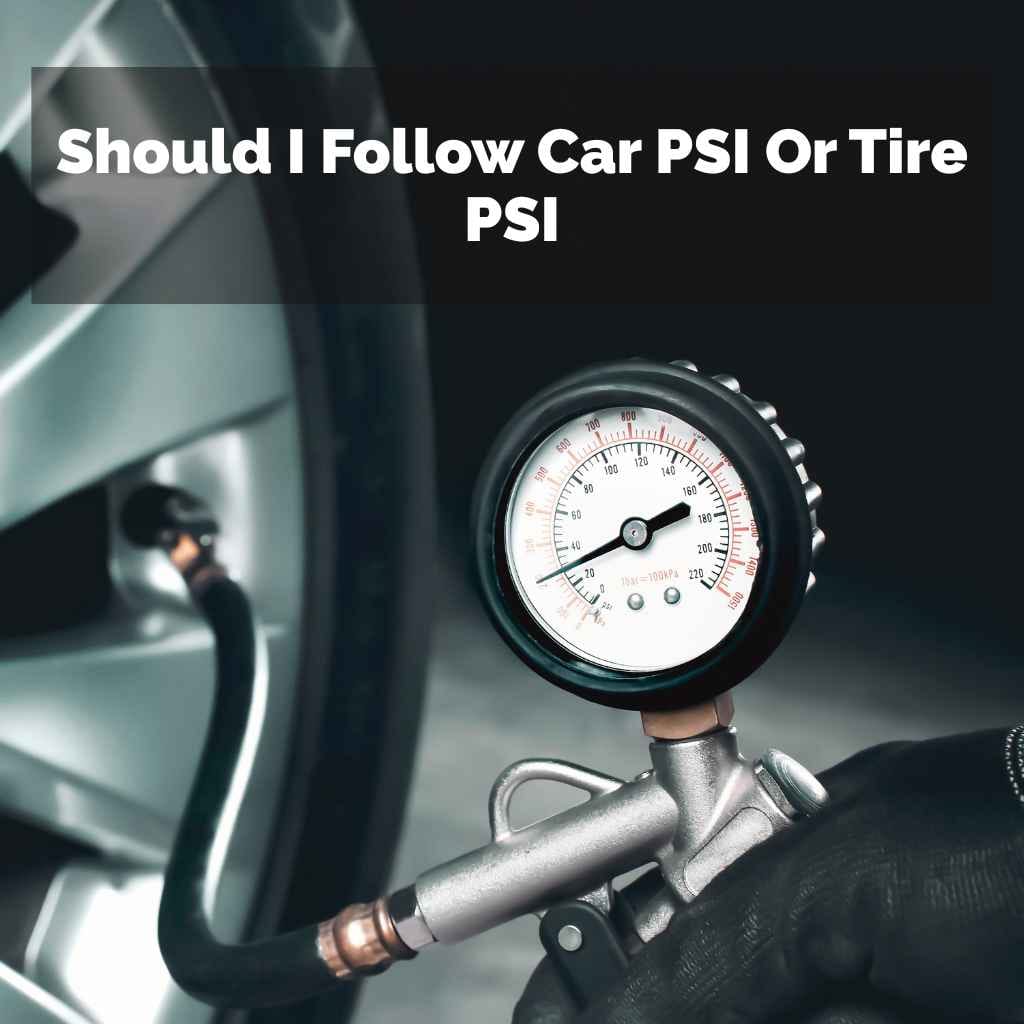
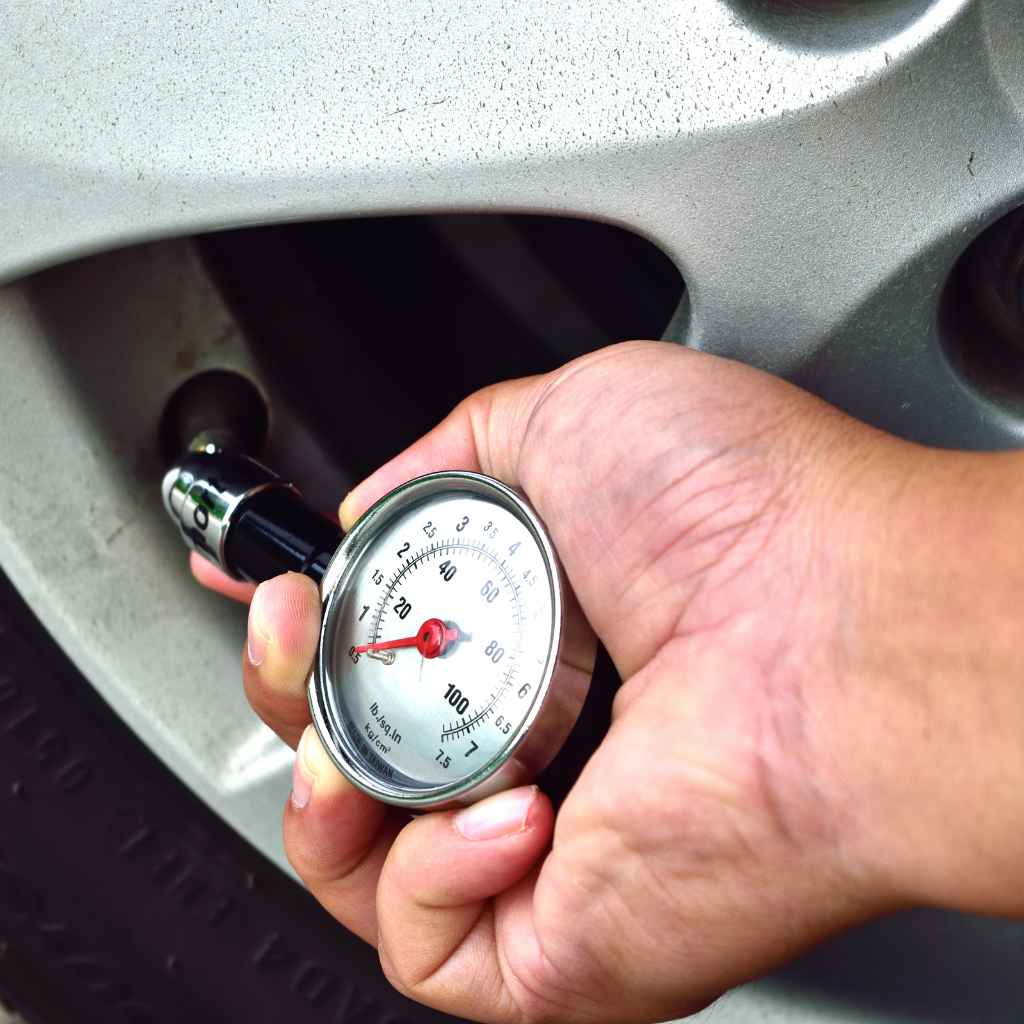
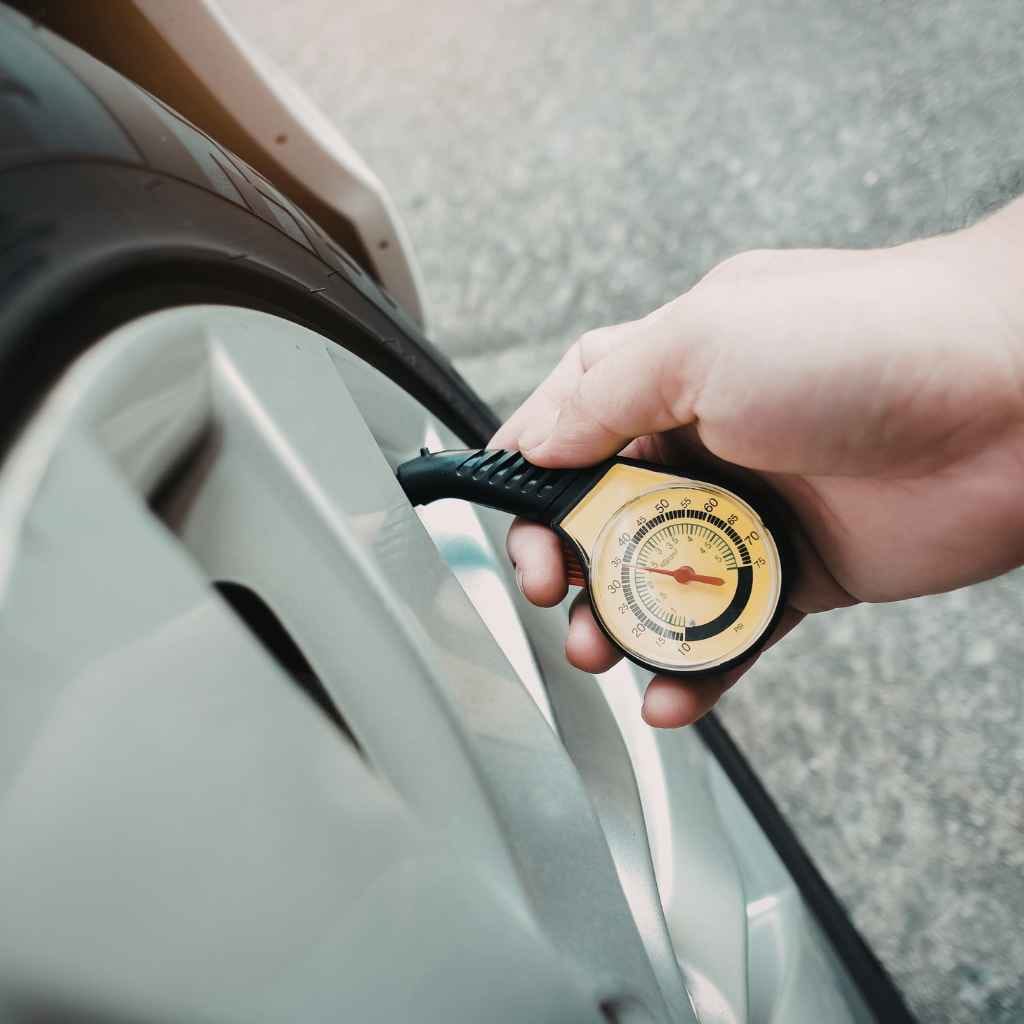
It takes just a few minutes to check all four tires. You need a tire pressure gauge. They are inexpensive.
Most gas stations have air pumps that also have gauges. Be sure to use your own gauge to be sure. Sometimes the gauges on the pumps aren’t perfectly accurate.
Understanding the Tire Sidewall Markings
Let’s dive a bit deeper into what’s on the tire’s sidewall. It’s like a secret code for tires. You’ll see numbers and letters.
For example, you might see something like: P215/65R15 95H.
P: Stands for Passenger tire.
215: This is the tire’s width in millimeters. It’s from one sidewall to the other.
65: This is the aspect ratio. It’s the tire’s height as a percentage of its width. So, the height is 65% of 215mm.
R: Means Radial construction. This is how the tire is built internally.
15: This is the diameter of the wheel rim in inches. It’s the size of the wheel the tire fits on.
Then you see something like 95H.
95: This is the Load Index. It’s a number that tells you how much weight each tire can carry. A higher number means it can carry more weight.
You can look up charts to see what 95 means in pounds or kilograms.
H: This is the Speed Rating. It’s a letter that tells you the maximum speed the tire can safely handle. H means it’s rated for speeds up to 130 mph (210 km/h).
Now, about that maximum pressure number. It will look something like: MAX. PRESS.
51 PSI.
This 51 PSI is the maximum air pressure the tire can hold when it’s cold. It’s not the pressure you should use for normal driving. It’s a safety limit.
Using this pressure every day would make the ride very hard and could cause problems. It’s important to know this number is different from the recommended PSI.
Tire Sidewall: What You Need to Know
- Max Pressure (e.g., 51 PSI): This is the SAFE UPPER LIMIT. DO NOT use this for daily driving.
- Load Index (e.g., 95): Tells you how much weight the tire can support.
- Speed Rating (e.g., H): Shows the maximum speed the tire can safely handle.
Remember, the car manufacturer’s sticker is your guide for everyday driving. The tire sidewall provides safety limits and specifications.
What About Different Driving Conditions?
The PSI recommended on your car’s sticker is for normal driving. What if you’re driving in special conditions? Does that change things?
Heavy Loads: If you’re carrying a lot of weight, like when moving or on a road trip with a full car, you might need to adjust the pressure. Check your owner’s manual or the doorjamb sticker. Some cars have a different recommended PSI for the rear tires when carrying heavy loads.
If you’re consistently carrying extra weight, a slight increase in pressure (maybe 2-4 PSI) for the rear tires can help maintain proper handling. However, do not exceed the maximum pressure listed on the tire sidewall.
Towing: Towing a trailer puts extra stress on your vehicle. You’ll likely need to increase tire pressure. Again, your owner’s manual is the best source for this.
It will give you specific instructions for towing. This is crucial for stability and safety.
Extreme Temperatures: Tire pressure changes with temperature. For every 10-degree Fahrenheit drop in temperature, tire pressure can decrease by about 1 PSI. In winter, you might need to add air to keep up with the recommended pressure.
In very hot weather, tires naturally gain pressure as they heat up from driving. Always check pressure when cold.
Performance Driving: If you’re into track days or serious performance driving, you might adjust tire pressure. But this is for experts. They understand how pressure affects grip and tire temperature on a race track.
For everyday drivers, sticking to the manufacturer’s recommendation is safest.
It’s also worth noting that some vehicles come with different tire sizes front and rear. In this case, the doorjamb sticker will list different PSI values for the front and rear tires. Always check this specific information.
Common Mistakes People Make
Even with clear information, people often make mistakes with tire pressure. One of the most common is using the number on the tire sidewall.
Another mistake is not checking the tires when they are cold. As we discussed, this leads to inaccurate readings. This can cause drivers to over- or under-inflate their tires without realizing it.
It’s like trying to measure something with a ruler that’s too hot or too cold.
Some people also forget to check their spare tire. The spare tire is often overlooked. But when you need it, it’s no good if it’s flat.
Check its pressure regularly too. Often, the spare tire requires a higher pressure than your regular tires. This is so it can stay firm when not in use for a long time.
Another less common but important point: not all tires on a vehicle are the same. If you’ve replaced just one or two tires, make sure they are the correct size and type for your car. Using the wrong tires can affect handling and the required pressure.
Finally, some drivers think that if their tires “look” fine, the pressure must be okay. But you can’t always tell by looking. A tire that is slightly underinflated might not look obviously flat.
It can still cause problems. Visual checks are not enough. You need a gauge.
Mistake vs. Reality
Common Mistake:
Using the MAX PSI from the tire sidewall.
What to Do:
Use the PSI recommended by your car manufacturer (door sticker).
Common Mistake:
Checking tire pressure when tires are hot.
What to Do:
Always check when tires are cold (car hasn’t moved for 3+ hours).
Common Mistake:
Forgetting about the spare tire.
What to Do:
Check the spare tire’s pressure monthly.
The Role of Tire Health
Tire pressure works hand-in-hand with tire health. Even with perfect pressure, old or damaged tires won’t perform well.
Tire Age: Tires don’t last forever. Rubber degrades over time, even if the tread looks good. Most manufacturers recommend replacing tires after 6 to 10 years, regardless of tread depth.
Check the tire’s DOT (Department of Transportation) code. The last four digits show the week and year it was made.
Tread Depth: The grooves in your tires are important. They channel water away from the tire. This is crucial for preventing hydroplaning.
When the tread gets shallow, your grip is reduced. You can check tread depth with a penny. Stick it into the deepest groove.
If you can see all of Lincoln’s head, your tread is too low.
Visible Damage: Look for cuts, bulges, or cracks in the tire’s sidewall. These are signs of damage. A bulge means the internal structure of the tire is weak.
It’s a serious safety risk. If you see any of these, get the tire inspected immediately.
Maintaining good tire health ensures that the pressure you set is working effectively. It’s a three-part system: correct pressure, good tire condition, and proper alignment. If any part is off, the others suffer.
What This Means for You
So, what’s the simple answer and what should you do? It’s straightforward.
Always follow your car’s recommended tire pressure. This is the number found on the sticker inside your driver’s door or in your owner’s manual. This pressure is engineered for your specific vehicle. It ensures the best balance of safety, comfort, and tire life.
Never use the maximum pressure listed on the tire sidewall for daily driving. This is a safety limit, not a performance target. Using it will make your ride harsh and can cause other problems.
Check your tire pressure regularly, at least once a month, and always when the tires are cold. Use a reliable tire pressure gauge.
This simple practice can make a big difference. It helps you save money on gas. It makes your tires last longer.
Most importantly, it keeps you and your passengers safer on the road.
Quick Tips for Tire Pressure Management
Here are some easy things you can do:
- Make it a habit: Put a reminder on your phone to check tire pressure monthly.
- Keep a gauge: Have a good quality tire pressure gauge in your glove box.
- Know your numbers: Write down the correct PSI for your front and rear tires.
- Check the spare: Don’t forget your spare tire needs air too!
- Ask a pro: If you’re ever unsure, ask your mechanic to check your tire pressure during an oil change.
Frequent Questions About Tire Pressure
Should I use the PSI on the car sticker or the tire?
You should always use the PSI recommended by your car manufacturer. This is usually found on a sticker inside the driver’s doorjamb or in your owner’s manual. The number on the tire sidewall is the maximum pressure the tire can hold, not the recommended pressure for your vehicle.
What happens if my tire pressure is too low?
Low tire pressure causes the tire to flex more. This generates heat, which can damage the tire and lead to a blowout. It also makes your steering feel sluggish, reduces fuel efficiency, and causes the edges of the tire tread to wear out faster.
What happens if my tire pressure is too high?
Overinflated tires are too stiff. They don’t absorb road bumps well, making for a harsh ride. The contact patch with the road is reduced, which means less grip.
This can affect braking distance and handling. The center of the tire tread will also wear out much faster.
How often should I check my tire pressure?
It’s best to check your tire pressure at least once a month. You should also check it before any long road trips. Always check the pressure when the tires are cold, meaning the car hasn’t been driven for at least three hours or has been driven less than a mile at low speed.
What does the number on the tire sidewall mean (e.g., MAX 51 PSI)?
This number indicates the maximum cold inflation pressure that the tire can safely handle. It’s a safety limit set by the tire manufacturer. It is not the recommended operating pressure for your car.
Using this maximum pressure for everyday driving is not advised.
Can temperature affect my tire pressure?
Yes, temperature has a significant effect. For every 10-degree Fahrenheit drop in ambient temperature, tire pressure can decrease by about 1 PSI. In colder weather, you may need to add air to maintain the correct pressure.
In hot weather, tires will naturally gain pressure as they heat up from driving.
Conclusion
Understanding the difference between car-recommended PSI and tire-maximum PSI is vital. It’s a simple step that greatly impacts your car’s safety, performance, and your wallet. Always trust the sticker on your car.
Keep your tires properly inflated for a smoother, safer, and more efficient ride.
See also why did people kick car tires the surprising real reason.
Related pick: Check today's price on Amazon