Why is My Car Tire Slowly Losing Air? (Reasons & Fixes)
A car tire slowly losing air is often caused by a small puncture, a faulty valve stem, or a leaky wheel rim. Finding the exact spot of the leak is key to fixing it. It’s important to address these slow leaks quickly to maintain tire safety and vehicle performance.
Understanding Slow Tire Leaks
Slow tire leaks happen when air escapes your tire over time. It’s not a sudden blowout. It’s a gradual process.
CarGuys
CAR GUYS Tire Shine Spray - The…
- VERSATILE & EASY TO USE: Achieve your desired tire shine with CAR GUYS Tire Shine Spray! Whether you prefer a glossy, wet look or…
- LONG-LASTING PROTECTION: Our tire dressing hydrates and protects your tires from UV rays that cause fading, cracking, and browning…
- NON-GREASY FORMULA: CAR GUYS Tire Shine Spray is designed for ultimate convenience. It dries quickly, leaving your tires looking g…
As an Amazon Associate I earn from qualifying purchases.
This can be due to many small reasons. Air is very tiny. It can find its way through tiny openings.
Your tires work hard. They handle a lot of pressure. They also face rough roads.
This wear and tear can cause small problems to develop.
Understanding why this happens is the first step. It helps you know what to look for. It also helps you know when to get professional help.
Sometimes, it’s a simple fix you can do yourself. Other times, it needs a mechanic’s touch. We’ll explore the most common culprits.
We’ll break down why each one makes your tire lose air.
Common Causes of Slow Tire Leaks
Many things can cause a tire to lose air slowly. Some are very common. Others are a bit rarer.
But all of them can lead to that frustrating low-pressure light on your dashboard. Let’s look at the usual suspects.
Small Punctures
This is probably the most frequent reason. A nail, screw, or piece of sharp metal can pierce your tire. The hole might be tiny.
It might not even be visible at first glance. The tire pressure might only drop a few pounds over days or weeks. You might not feel a difference in how the car drives.
These small objects can get lodged in the rubber. They create a small opening for air to escape. The size of the puncture matters.
A thin nail might make a very slow leak. A larger piece of glass could cause a faster leak. It’s important to check your tires often for any visible objects.
Faulty Valve Stem
Your tire’s valve stem is like a tiny faucet for air. It’s a rubber or metal stem on the wheel. Air goes in through it.
It also stays in because of a small core inside. This core can wear out or get damaged. It can also become loose.
The rubber part of the valve stem itself can also crack or get old. This makes it less flexible. It can then develop small leaks.
Sometimes, dirt or debris can get into the valve core. This prevents it from sealing properly. A leaky valve stem is a very common source of slow leaks.
Wheel Rim Issues
The wheel rim is the metal part that the tire mounts onto. The tire needs to create a perfect seal with the rim. This seal is crucial for holding air.
Sometimes, the rim can become damaged or corroded. Rust can build up on the rim’s edge.
This rust or damage creates tiny gaps. Air can then slowly seep out between the tire and the rim. This is more common with older cars or wheels that have seen a lot of salt from winter roads.
Bent rims can also cause sealing problems. Even a small dent can disrupt the seal.
Tire Bead Leaks
The tire bead is the edge of the tire that sits against the wheel rim. It’s a reinforced part of the tire. It needs to be perfectly seated to create an airtight seal.
If the bead is damaged, or if there’s dirt or debris on it, it won’t seal correctly.
Sometimes, the tire can be mounted improperly. This can stress the bead. This can lead to a slow leak.
Over time, the bead area can also degrade. This is more likely with older tires. A damaged bead can be hard to spot without taking the tire off the rim.
Cracks in the Tire Sidewall
The sidewall is the side part of your tire. It’s flexible. It’s also exposed to the elements.
Over time, the rubber can dry out. It can develop small cracks. These cracks might be very fine at first.
But they can still allow air to escape.
Sunlight and ozone can degrade the rubber. Age is also a big factor. If you see small, spider-web like cracks on your sidewalls, this could be the leak source.
This is a sign that the tire itself is aging and may need replacing.
This can also happen if the tire rubs against something. For example, if a fender liner is loose. Or if the tire is too big for the wheel well.
Any damage to the sidewall can create a potential leak path. It’s vital to keep an eye on the overall condition of your tires.
How to Find the Source of a Slow Leak
Finding the exact spot where the air is escaping is important. This helps you know if it’s a simple fix or if you need a professional. You don’t always need special tools for this.
Often, your ears and eyes are enough.
The most common way to find a slow leak is with soapy water. You can spray it on the tire. Or you can use a bucket of soapy water.
You’ll see bubbles form where the air is escaping. This is a very reliable method. It works for all types of leaks.
The Soapy Water Test
This is a classic method that works wonders. You’ll need some dish soap and water. Mix them in a spray bottle or a bucket.
First, make sure your tire is dry. Then, spray the soapy water all over the tire. Pay close attention to the tread, the sidewalls, and the area where the tire meets the rim.
If there’s a leak, you’ll see small bubbles start to form. The bubbles will grow. They will show you exactly where the air is coming out.
You can also submerge the wheel and tire in water. This is a bit messier. But it can be very effective for finding tiny leaks.
Listen for Hissing
Sometimes, you can actually hear a leak. If the leak is a bit bigger, you might hear a faint hissing sound. This is the sound of air escaping.
You’ll need to be in a quiet place to hear this. Turn off your car’s engine. Open your windows.
Walk around the car and listen carefully.
This method works best for larger leaks. It can be harder to hear a very slow leak. But it’s always worth a try.
It can give you a clue about where to focus your soapy water test.
Checking the Valve Stem
The valve stem is a common place for leaks. You can test it specifically. Take off the valve cap.
Spray some soapy water directly onto the valve stem. If you see bubbles forming around the stem itself, or around the valve core, you have a leaky stem. You might even feel air escaping with your finger.
Sometimes, the valve core is just loose. You can try tightening it gently with a valve core tool. If it still leaks, the core might need replacing.
Or the entire stem might need to be changed. This is a fairly straightforward repair.
Personal Experience: The Mysterious Slow Leak
I remember one time, my trusty old sedan started having a problem. The rear passenger tire. It was always a bit low.
Not dangerously so, but enough to annoy the tire pressure light. I’d add air every couple of weeks. I checked for nails.
I couldn’t find anything obvious. It was a real head-scratcher.
One Saturday, I was washing the car. I had a bucket of soapy water ready. I decided to go over the tire with a fine-tooth comb.
I sprayed the sidewalls. Nothing. I sprayed the tread.
Still nothing. Then, I focused on the wheel rim. I sprayed all around the edge where the tire met the metal.
And there it was. A tiny stream of bubbles. Very slow.
But definitely there.
It was a small bit of corrosion on the rim. It had created a tiny gap. The tire shop confirmed it.
They cleaned up the rim and resealed it. That fixed the problem completely. It taught me a valuable lesson.
Sometimes, the issue isn’t with the tire itself. It can be with the wheel it’s mounted on. And that soapy water trick is pure gold.
Quick Tire Leak Checks
Visual Inspection: Look for obvious damage like cuts, bulges, or embedded objects in the tire. Check the sidewalls for cracks or dry rot.
Valve Stem Check: Ensure the valve cap is on tightly. Gently press on the valve core to see if air escapes. Test with soapy water.
Rim Edge Check: Inspect the area where the tire meets the wheel rim. Look for signs of corrosion, dirt, or damage. Use soapy water here too.
Tread Depth: While not a leak cause, low tread can make punctures more likely. Ensure your tread is adequate.
When is a Slow Leak Serious?
A slow leak might seem minor. But it can become a bigger problem. Knowing when to worry is important.
It’s about safety. It’s also about preventing more costly damage.
Low Tire Pressure Risks
Driving on underinflated tires is dangerous. It affects your car’s handling. Your steering can feel sluggish.
Your braking distance can increase. It makes your car less stable, especially on curves. It can lead to a sudden tire failure.
Underinflation also causes tires to overheat. This can lead to a blowout. This is when the tire suddenly bursts.
It can cause you to lose control of your car. This is a very dangerous situation. Always maintain the correct tire pressure.
Damage to the Tire
If a tire has a puncture, the longer you drive on it, the worse the damage can get. The hole can become larger. The internal structure of the tire can be compromised.
This can make it impossible to repair. You might have to buy a new tire.
Driving on a low tire also puts extra stress on the tire’s walls. This can weaken them. It can lead to other problems down the road.
It’s always best to fix a leak promptly.
Damage to the Wheel
If the leak is due to a damaged or corroded rim, that issue needs attention. A damaged rim can affect the tire’s ability to seal. It can also affect the wheel’s structural integrity.
This could be a safety concern.
In some cases, a severely corroded rim might need to be replaced. It’s important to have the wheel inspected by a professional. They can tell you if it’s repairable or if it needs to be swapped out.
Real-World Scenarios
Let’s look at some common situations where you might encounter a slow tire leak.
Scenario 1: The Grocery Run Gotcha
You’re leaving the grocery store. You pull out of a parking spot. You hear a slight crunching sound.
You look down. There’s a nail sticking out of your rear tire. You think, “Oh no!” You decide to deal with it later.
You get home. You check the tire. It seems okay for now.
The next morning, your tire pressure light is on. You check the tire. It’s definitely lower.
The nail made a small puncture. It’s now slowly letting air out. This is a very common scenario.
Nails and screws are often found in parking lots or on roadsides.
Scenario 2: The Aging Tire
Your car is getting older. The tires have been on for a few years. You notice one tire seems to lose pressure faster than the others.
You check it for punctures. You can’t find any. But when you look closely at the sidewall, you see tiny cracks.
These are signs of dry rot.
The rubber is losing its flexibility. It’s becoming brittle. These small cracks are now letting air escape.
This is why regular tire inspection is important. Tires don’t last forever. Their condition degrades over time.
Scenario 3: The Pothole Encounter
You hit a nasty pothole. You feel a jolt. You might even hear a thud.
You pull over to check your tires. Everything looks fine. But a few days later, you notice a slow leak.
The impact might have slightly damaged the tire bead. Or it could have put a small crack in the wheel rim.
Potholes are a major cause of tire and wheel damage. They can create subtle problems that aren’t immediately obvious. These can lead to slow leaks over time.
Always try to avoid potholes if you can.
Tire Care Myths vs. Reality
| Myth: A slow leak is not a big deal. | Reality: Slow leaks can lead to dangerous underinflation, tire damage, and affect vehicle safety and performance. |
| Myth: Only visible damage causes leaks. | Reality: Many leaks are caused by unseen issues like valve stem wear, rim corrosion, or micro-cracks. |
| Myth: You can ignore slow leaks until you have time. | Reality: Slow leaks should be addressed promptly to prevent further damage and maintain safety. |
Quick Fixes and Tips
Depending on the cause, you might be able to fix a slow leak yourself. Or you can take steps to prevent them.
Temporary Fixes
For small punctures, you might use a tire plug kit. These kits have tools to insert a rubber plug into the hole. It’s a temporary fix.
It’s often best to get it professionally repaired or replaced soon after.
There are also tire sealants you can add to your tires. These are liquids that are supposed to seal small leaks from the inside. However, these can sometimes cause problems with tire pressure sensors.
They are usually best used as a last resort.
Professional Repair
For most punctures, a tire shop can provide a permanent repair. They will often remove the object and patch the tire from the inside. This is the safest and most reliable method for fixing a puncture.
If the leak is from the valve stem, it can be replaced. If it’s from the rim, the rim might need cleaning, repair, or replacement. A professional can assess the damage and recommend the best course of action.
Preventing Slow Leaks
The best approach is prevention. Regularly check your tire pressure. Use a reliable tire gauge.
Keep your tires properly inflated. This reduces stress on the tire and wheel.
Avoid driving over debris or potholes whenever possible. Inspect your tires visually for any signs of damage or wear. Rotate your tires regularly.
This helps them wear more evenly.
Keep your tires clean. Wash them periodically. This helps remove dirt and grime that can damage the rubber.
Pay attention to the valve caps. Make sure they are always on your valve stems. They help keep dirt out.
When to Get Professional Help
- Large Punctures: If the hole is bigger than a quarter inch.
- Sidewall Damage: Leaks on the sidewall are generally not repairable.
- Rim Damage: If the wheel rim is bent, cracked, or severely corroded.
- Uncertainty: If you can’t find the leak or are unsure about the cause.
- After Temporary Fixes: Always get a professional check after using a plug kit or sealant.
What This Means for You
So, what does all this mean for you as a driver? It means paying attention to your tires is crucial. That slow leak isn’t just an annoyance.
It’s a signal.
When a Slow Leak is Normal (Sort Of)
A very, very slight loss of pressure over many months might be considered normal. Tires naturally lose a tiny bit of air over time. However, if you’re topping up air more than once a month, it’s likely a leak.
Also, temperature changes can affect tire pressure. Colder weather can cause pressure to drop. Warmer weather can cause it to rise.
This is normal. But a consistently low tire that needs frequent air is not.
When to Worry
You should worry if:
The tire loses air quickly, like needing air every few days. The leak is near the sidewall of the tire. You see significant cracks or damage on the tire.
The tire pressure light stays on constantly. You experience unusual handling or vibrations while driving.
These are signs that you need to address the issue immediately. Don’t delay.
Simple Checks You Can Do
Make it a habit to check your tires weekly. Look at them. Feel them.
Kick them gently. Are they all the same firmness? Press on the sidewalls.
Do they feel stiff or soft?
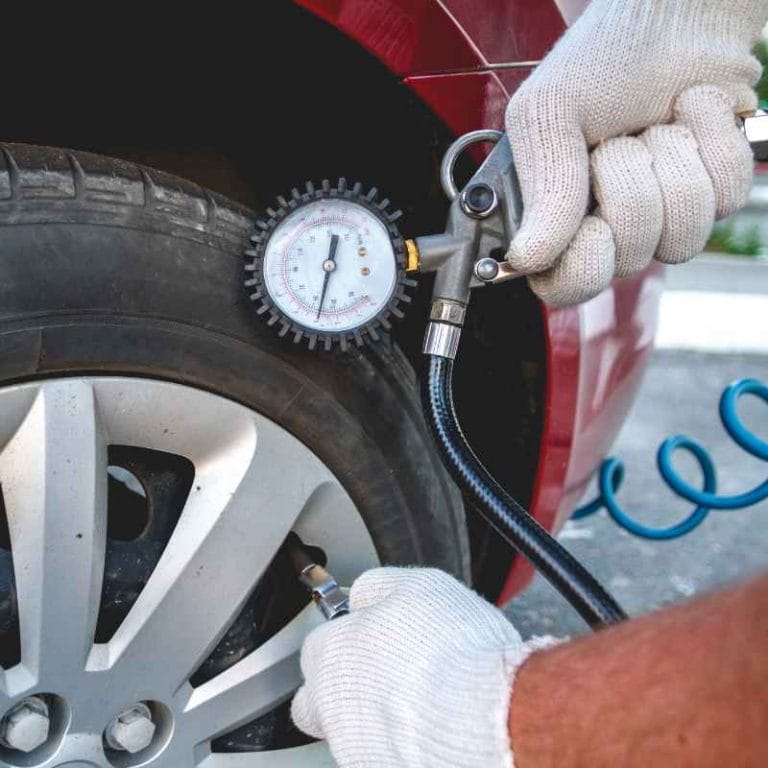
Use a tire pressure gauge. Check the pressure when the tires are cold. That means before you’ve driven the car for the day.
The recommended pressure is usually on a sticker in your driver’s side doorjamb or in your owner’s manual. Never use the maximum pressure listed on the tire itself.
Tire Pressure Maintenance Schedule
- Weekly: Visual inspection of all tires.
- Bi-Weekly: Check tire pressure with a gauge (when tires are cold).
- Monthly: Check tread depth and look for embedded objects or sidewall damage.
- Every Oil Change: Have a mechanic inspect your tires for wear and tear.
Frequent Questions
Can a slow tire leak be fixed with tire sealant?
Yes, temporary tire sealants can sometimes fix very small punctures. However, they are not a permanent solution. They can also sometimes interfere with tire pressure monitoring systems (TPMS).
It’s best to get a proper repair or replacement from a tire shop.
How long does a tire plug last?
A properly installed tire plug can last for a long time, sometimes for the life of the tire. However, it is still recommended to have the tire professionally inspected. The internal patch is the most reliable long-term repair.
What is considered a “slow” leak in a car tire?
A slow leak generally means the tire loses only a few pounds of pressure over several days or weeks. If you need to add air more than once a month, it’s usually considered a slow leak. If it’s daily or every few days, it’s a faster leak.
Can I drive with a slow tire leak?
It’s not recommended to drive long distances with any tire leak. Even a slow leak can lead to underinflation, which is dangerous. It affects handling, braking, and can cause tire damage or a blowout.
Address the leak as soon as possible.
What causes a tire to lose air even with no visible damage?
Leaks can occur from invisible causes such as tiny cracks in the tire sidewall, corrosion on the wheel rim where it meets the tire bead, a faulty valve stem core, or a microscopic puncture that isn’t easily seen.
How do I know if my tire needs to be replaced instead of repaired?
Tires typically cannot be repaired if the puncture is on the sidewall, if the hole is too large (generally over 1/4 inch), or if the tire is old with significant dry rot or damage to its internal structure.
Conclusion
Figuring out why your car tire is slowly losing air is important. It keeps you safe. It saves you money on gas.
And it prevents bigger problems with your tires or wheels. Most slow leaks are caused by simple things like small punctures, valve stems, or rim issues. By knowing what to look for and how to check, you can often spot the problem early.
A quick soapy water test can reveal a lot. Don’t ignore that slow leak. A little attention now can save you a lot of trouble later.
Related pick: Check today's price on Amazon