Why Does My Car Keep Running Out of Oil? Top Causes Explained
If your car keeps running out of oil, it’s not just annoying—it’s a sign that something is wrong. Many drivers ignore this problem, hoping it will go away. But losing oil too fast is dangerous for your engine and your wallet.
Ignoring it can lead to severe engine damage, expensive repairs, or even total breakdown. Understanding why your car keeps running out of oil is the first step to fixing it, saving money, and keeping your car running smoothly.
This guide explains every major reason cars lose oil, how to spot warning signs, and what you can do about it. You’ll also learn some facts that most car owners miss, and how to avoid common mistakes when dealing with oil loss.
Even if you’re not a car expert, you’ll find clear explanations and practical advice you can use right away.
Common Reasons Cars Run Out Of Oil
Many drivers think oil loss is normal. While a little oil consumption is expected, especially in older cars, rapid loss always means trouble. Here are the most common reasons your car might be running out of oil faster than it should.
1. Oil Leaks
Oil leaks are the most obvious cause of oil loss. They often leave dark stains under your parked car. Leaks can happen anywhere oil flows, but certain spots are more likely to fail.
- Valve cover gasket: This rubber seal keeps oil inside the top of your engine. If it cracks, oil drips down the engine block.
- Oil pan gasket: Located under the engine, it seals the oil pan. Road debris or age can damage it.
- Oil filter: If loose or damaged, it can cause leaks, especially after oil changes.
- Drain plug: The bolt at the bottom of the oil pan. If not tightened properly or if the washer is missing, oil seeps out.
A surprising fact: Some leaks are so slow you might not notice oil on the ground, but they add up over weeks or months. Always check for wet, dirty spots on your engine, not just the floor.
2. Worn Engine Seals And Gaskets
Seals and gaskets are everywhere in your engine. Over time, they get hard and brittle. When they fail, oil escapes. Unlike sudden leaks, these often cause slow, steady oil loss that’s hard to spot.
- Crankshaft seals: These keep oil inside the engine where the crankshaft exits. When worn, oil can spray onto the underside of your car.
- Timing cover gasket: Keeps oil sealed around the timing chain or belt. A leak here can be hidden behind covers.
Most beginners check only for drips under the car, missing leaks from these hidden spots. If your oil keeps dropping but you see no puddles, suspect worn seals.
3. Burning Oil Inside The Engine
If your car is burning oil, you might see blue smoke from the tailpipe, especially during acceleration or after starting the engine. This happens when oil gets into the combustion chamber and burns with fuel.
Main causes:
- Worn piston rings: These rings seal the gap between the piston and cylinder wall. If they wear out, oil sneaks past and burns.
- Valve stem seals: These keep oil out of the combustion chamber. Age or heat can make them fail.
Burning oil is more common in cars with over 100,000 miles. You may not always see smoke, especially if the catalytic converter traps it. But you’ll notice lower oil levels between oil changes.
4. High Engine Temperatures
Engines that run too hot can thin out oil, making it leak past seals and burn faster. Overheating can be caused by a failing cooling system, low coolant, or a stuck thermostat. Thinner oil doesn’t protect as well and escapes more easily.
Many drivers think oil loss is just a leak, not realizing that running hot can double the problem.
5. Faulty Pcv Valve
The PCV valve (Positive Crankcase Ventilation) controls pressure inside your engine. If it gets stuck or blocked, pressure builds up and pushes oil out through seals and gaskets.
Signs of a faulty PCV valve:
- Increased oil consumption
- Oil on the air filter or intake
- Rough idle
This is often missed because the PCV valve is small and hidden, but replacing it is cheap and can solve oil loss in many cars.
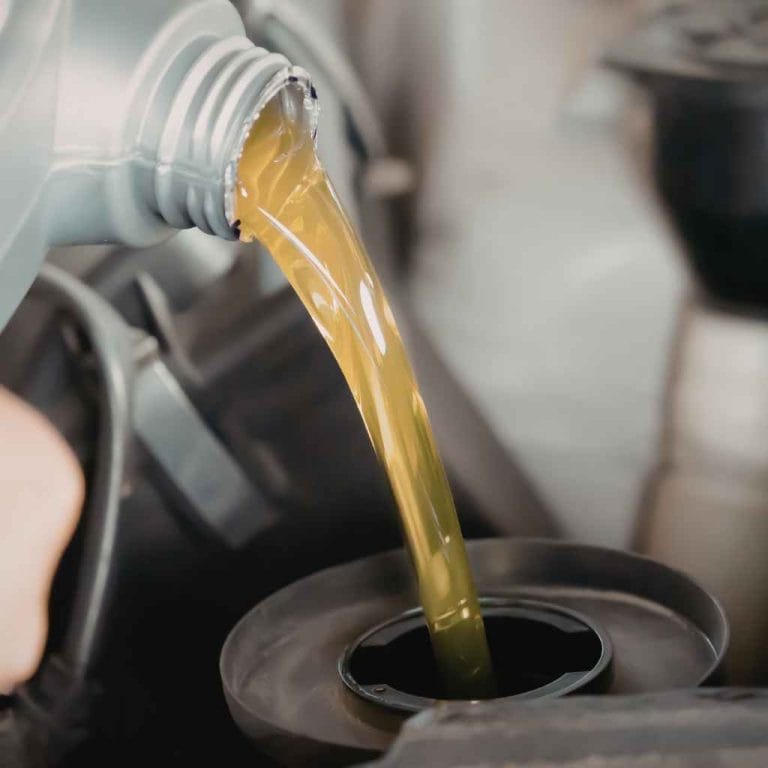
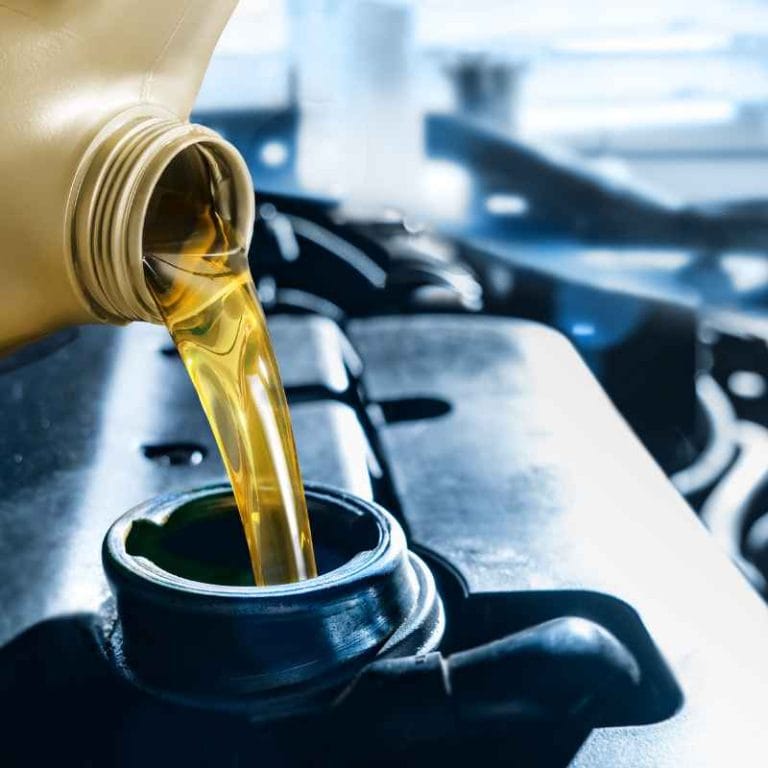
6. Using The Wrong Oil
Engine oil comes in different types and thicknesses (viscosity). Using oil that’s too thin can make it easier for oil to slip past seals and burn. Always check your owner’s manual for the correct oil type, especially for newer engines.
Some drivers switch to synthetic oil in older cars, not realizing that it can clean out old sludge and expose worn seals, causing leaks. While synthetic oil is usually better, changing types should be done carefully.
7. Overfilling Or Underfilling Oil
Both too much and too little oil can cause problems.
- Overfilling: Too much oil can foam up, causing poor lubrication and higher pressure that pushes oil out.
- Underfilling: With too little oil, the engine runs hotter, and the small amount of oil breaks down faster.
Always check the oil level with the dipstick after an oil change, not just trust the mechanic.
8. Engine Wear And Tear
As engines age, their moving parts—like pistons, rings, and cylinders—wear down. This creates bigger gaps for oil to escape or burn. Most engines use more oil as they pass 100,000 miles, but sudden increases are a warning sign.
Regular maintenance can slow this wear, but it can’t stop it forever.
9. Turbocharged Engines
Turbochargers spin at extremely high speeds and temperatures. If their oil seals fail, oil can leak into the intake and burn. Turbo engines often use more oil naturally, but excessive loss means something’s wrong.
Some cars with turbos need special oil and more frequent checks. Don’t assume all oil loss is “normal” if you have a turbo.
10. Poor Quality Oil Or Oil Filters
Cheap or counterfeit oil breaks down faster, especially in hot or hard driving. Low-quality oil filters might not trap contaminants, allowing sludge to build up and block oil passages.
Always buy oil and filters from trusted brands or stores. Saving money on oil can lead to engine failure.
Signs Your Car Is Losing Oil
Sometimes oil loss is obvious, but not always. Here are key signs to watch for:
- Oil warning light: This means oil pressure is low—stop the engine immediately.
- Burning smell: Oil dripping on hot parts creates a sharp, bitter smell.
- Blue exhaust smoke: Indicates burning oil.
- Engine noise: Ticking or knocking means there’s not enough oil for proper lubrication.
- Low dipstick reading: Check at least once a month.
A helpful tip: Always check your oil on a flat surface and after the engine is off for 10 minutes. This gives an accurate reading.
Dangers Of Running Out Of Oil
Some car owners top up oil and keep driving, but running low is always risky.
- Severe engine damage: Without enough oil, metal parts grind together and overheat.
- Engine seizure: The engine can suddenly stop, leaving you stranded.
- Expensive repairs: Fixing oil-starved engines often costs thousands of dollars—sometimes more than the car is worth.
- Environmental harm: Oil leaks pollute soil and water.
Fact: Most modern engines can be destroyed in less than 10 minutes if run with no oil.
Diagnosing The Cause Of Oil Loss
Finding why your car keeps running out of oil takes a bit of detective work. Here’s how to approach it:
1. Visual Inspection
Look for:
- Wet or dirty spots on the engine block
- Oil under the car after parking overnight
- Oil on the exhaust manifold (often smells burnt)
2. Check The Dipstick
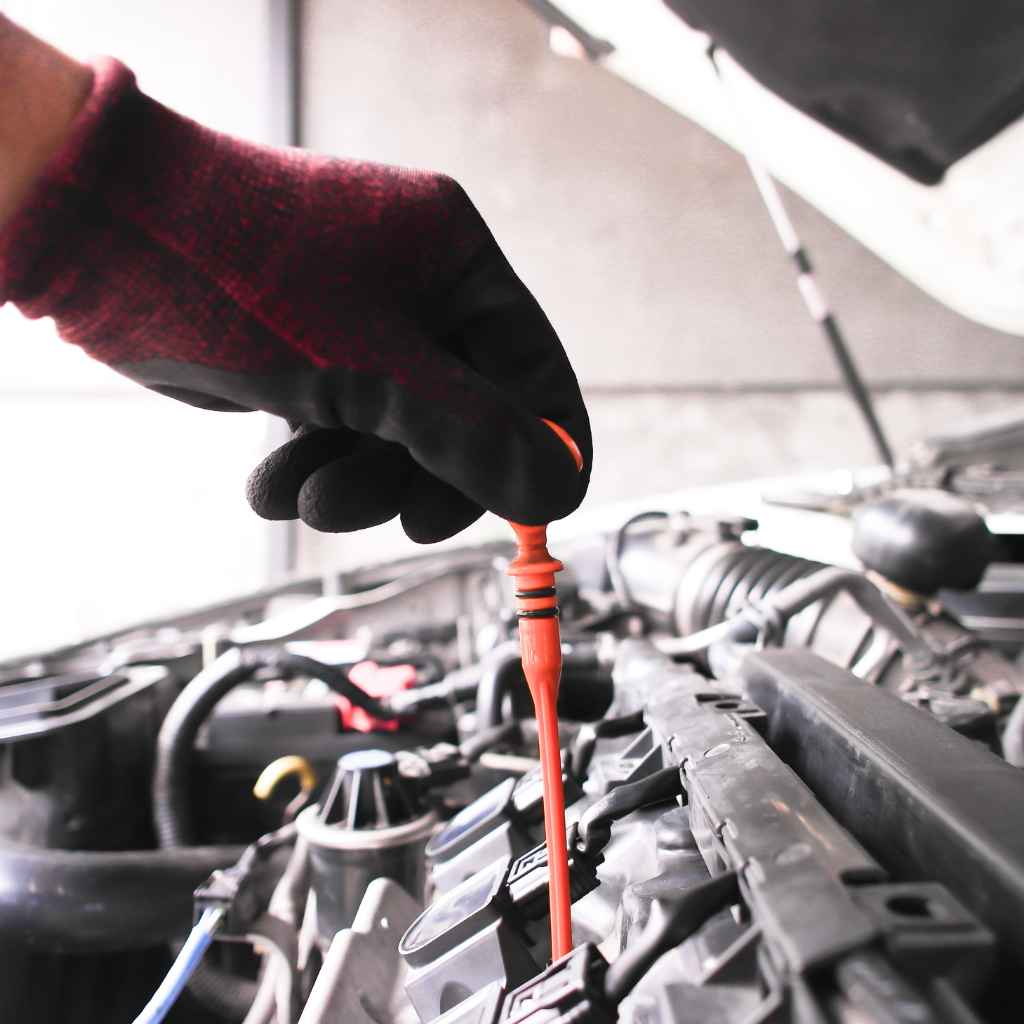
Pull out the oil dipstick and check the level and color. Fresh oil is amber; old oil is dark. If it’s milky, there may be coolant contamination.
3. Monitor Oil Consumption
Track how much oil you add between changes. Losing more than one quart every 1,000 miles is excessive for most modern engines.
4. Look For Exhaust Smoke
Blue smoke points to burning oil. White smoke usually means coolant is leaking into the engine.
5. Check For Engine Codes
Many cars store error codes when there’s a problem. An inexpensive code reader can reveal issues with sensors, PCV valve, or other systems.
6. Inspect Oil Filter And Drain Plug
Check for drips around the oil filter and drain plug. These are common leak spots after an oil change.
7. Pressure Test
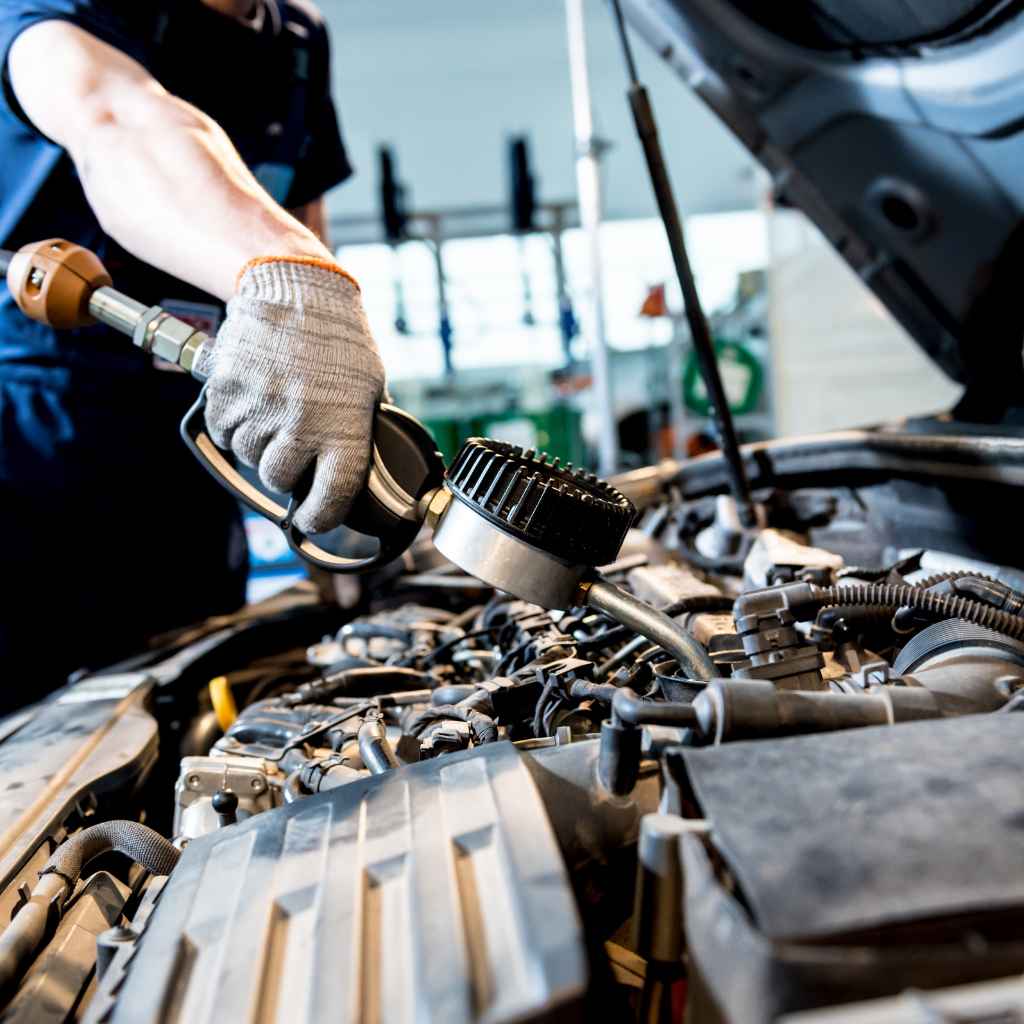
A mechanic can pressurize the cooling system or oil system to find hidden leaks.
Insight: Sometimes oil loss is caused by more than one problem—like old seals plus high engine temperature. Don’t stop looking after finding the first issue.
Solutions For Fixing Oil Loss
Once you know why your car is losing oil, you can choose the right solution. Not all fixes are expensive or complicated.
1. Replace Gaskets And Seals
Worn gaskets and seals are a common reason for leaks. Replacing them can stop slow or fast leaks. Some DIYers can replace valve cover gaskets at home, but crankshaft seals often need a professional.
2. Fix The Oil Filter Or Drain Plug
If leaks started after an oil change, the filter or drain plug might be loose or cross-threaded. Tighten or replace them, using a new washer on the drain plug if needed.
3. Change The Pcv Valve
A stuck or blocked PCV valve is cheap and easy to replace. This fix can reduce oil loss and even improve engine performance.
4. Use The Right Oil
Switch to the oil grade recommended by your car’s manufacturer. For older engines, consider high-mileage oil, which contains seal conditioners.
5. Repair Or Replace Turbo Seals
Turbocharged engines need special attention. If the turbo seals are leaking, have a mechanic inspect and repair them. Don’t ignore turbo oil leaks—they get worse quickly.
6. Address Engine Wear
If the engine is burning oil due to worn rings or cylinders, repair is expensive. Sometimes, using thicker oil or additives can reduce consumption, but this is only a short-term fix.
7. Inspect For Internal Leaks
If you suspect oil is mixing with coolant (milky oil), you may have a blown head gasket. This requires immediate professional repair.
Non-obvious tip: Sometimes, replacing a cheap part like a PCV valve can solve oil loss that seems like a major engine problem.
How Different Cars Compare In Oil Consumption
Some cars are known for higher oil consumption, even when new. Here’s a comparison of average oil loss in different car types:
| Car Type | Average Oil Loss (per 1,000 miles) | Normal Range |
|---|---|---|
| Small Sedan (Gasoline) | 0.2 quarts | 0–0.5 quarts |
| Large SUV (Gasoline) | 0.3 quarts | 0–0.7 quarts |
| Turbocharged Sports Car | 0.5 quarts | 0.2–1 quart |
| Diesel Truck | 0.4 quarts | 0.1–0.7 quarts |
Insight: Some newer cars (especially certain European brands) burn oil by design. Check your manual or ask a dealer if you’re not sure what’s normal for your car.
How Regular Maintenance Prevents Oil Loss
Many oil loss problems start with skipped or delayed maintenance. Here’s why regular checks matter:
- Oil changes: Fresh oil protects seals and keeps the engine clean.
- PCV system checks: Prevents pressure build-up that pushes oil out.
- Coolant system care: Keeps engine temperature low, reducing oil breakdown.
- Checking under the car: Quick look for leaks every few weeks.
Neglecting maintenance can turn a minor leak into major engine damage.
Comparing Fixing Oil Leaks Yourself Vs. Using A Mechanic
Some oil loss problems are simple to fix; others require a pro. Here’s how common repairs compare:
| Repair Task | DIY Difficulty | Average Cost (Mechanic) |
|---|---|---|
| Replace Oil Filter | Easy | $20–$50 |
| Change PCV Valve | Easy | $50–$150 |
| Valve Cover Gasket | Medium | $100–$400 |
| Oil Pan Gasket | Hard | $300–$900 |
| Piston Rings | Very Hard | $1,500–$4,000 |
Tip: If you’re not sure, start with easy checks and repairs. But never ignore oil loss if you can’t fix it yourself.
Mistakes To Avoid When Dealing With Oil Loss
Many car owners make mistakes that make oil loss worse, or waste money on unnecessary repairs. Here’s what to avoid:
- Using stop-leak additives without diagnosing the cause. These only help minor leaks and can clog oil passages.
- Ignoring small leaks. A small drip can turn into a big problem fast.
- Waiting too long between oil checks. Running low even once can damage your engine.
- Assuming all oil loss is “normal.” Always check what’s normal for your car.
- Switching oil types without research. Changing from conventional to synthetic oil can expose hidden leaks in old engines.
When To See A Mechanic
If you can’t find the cause of oil loss, or if you see any of these signs, see a professional right away:
- Oil warning light stays on
- Blue smoke from the exhaust
- Oil and coolant mixing (milky oil)
- Strange noises from the engine
Delaying could mean a simple repair becomes a full engine rebuild.
How To Reduce Oil Loss In Older Cars
Older cars are more likely to use oil, but you can slow the problem:
- Use high-mileage oil, which helps seal minor leaks.
- Check oil every time you fill up with gas.
- Fix small leaks right away.
- Keep the engine clean to spot leaks early.
Some mechanics recommend switching to a slightly thicker oil in hot climates, but always check your manual first.
The Real Cost Of Ignoring Oil Loss
Many drivers add oil and keep going, but the hidden costs add up:
- Frequent top-offs are expensive over time.
- Leaks can damage other parts, like belts and sensors.
- Burning oil can clog the catalytic converter, causing costly repairs.
- If the engine fails, replacement usually costs thousands of dollars.
Fact: According to the American Automobile Association (AAA), engine failures from oil neglect are a leading cause of roadside breakdowns in the US.
Real-world Example: How Oil Loss Ruined An Engine
A customer brought a 2014 sedan to a repair shop, complaining about adding a quart of oil every 800 miles. They ignored blue smoke and kept driving. When the oil light came on, the engine seized—total repair cost was over $3,000.
What went wrong? Worn valve stem seals and ignoring warning signs led to permanent engine damage. Checking the oil regularly and fixing the seals early could have saved thousands.
What Most Drivers Don’t Know About Oil Loss
Two insights that even experienced drivers miss:
- Some engines are designed to use a little oil. For example, certain German luxury cars can burn up to a quart every 1,200 miles and still be considered normal. Knowing your car’s specs is critical.
- Driving style affects oil loss. Hard acceleration and frequent high-speed driving can double oil consumption, even in healthy engines. If you drive aggressively, check oil more often.
For more about oil consumption standards by car brand, visit the Engine Oil Wikipedia page.
Frequently Asked Questions
Why Does My Car Run Out Of Oil Even With No Visible Leaks?
Oil can escape in ways you can’t see, such as burning in the engine due to worn piston rings or valve seals. Internal leaks or a faulty PCV valve can also cause oil loss with no drips on the ground.
How Often Should I Check My Oil Level?
Check your oil at least once a month, and before long trips. Older cars or those with oil loss problems should be checked every week.
Can I Just Keep Adding Oil Instead Of Fixing The Problem?
Topping up oil can keep your engine running for a while, but it doesn’t solve the root problem. Leaks or burning oil will get worse, possibly causing engine failure and expensive repairs.
Does Using Synthetic Oil Cause Leaks?
Synthetic oil doesn’t cause leaks, but it can clean out old engine deposits. In older engines, this can expose worn seals and make leaks more noticeable.
What’s The Most Expensive Oil Loss Repair?
Replacing worn piston rings or repairing internal engine damage is usually the most expensive, often costing $1,500–$4,000 or more. Simple gasket or seal replacements are much cheaper.
Taking oil loss seriously is essential for your car’s health and your safety. If you notice your car keeps running out of oil, don’t wait—find the cause, fix it, and protect your investment for years to come.
Products related to this article
Sponsored / affiliate links. As an Amazon Associate I earn from qualifying purchases. I may earn additional commission from eligible campaigns.
 Suifaqi Engine Oil Dipstick Oil Level Dipstick - Replace Part 120 589 07 21 00, 120589072100 - Compatible with Mercedes-Benz CLS55 AMG 2006(2026 NEW)
 ECOGARD X10023 Cartridge Engine Oil Filter for Conventional Oil - Premium Replacement | Fits 2018-2023 Volkswagen Atlas 3.6L; 2020-2023 Atlas Cross Sport 3.6L