How to Prevent Car Tires From Cracking (Proven Methods)
Every car owner knows the importance of tires—they connect your vehicle to the road, keep you safe, and affect performance and comfort. But tires face many threats, and one of the most common is cracking. Small cracks in the rubber may seem harmless at first, but they can grow, weaken the tire, and even cause dangerous blowouts. So, how can you prevent car tires from cracking? Let’s explore proven methods, practical advice, and expert tips to keep your tires in top shape for years.
Why Do Car Tires Crack?
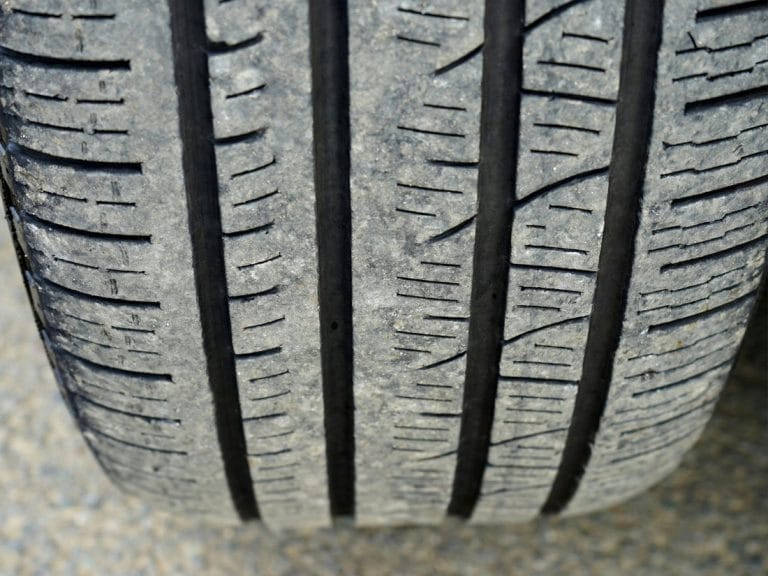
Tire cracking, sometimes called “dry rot,” happens when the rubber loses flexibility and starts to split. This is not just a cosmetic issue—cracks can lead to air leaks or complete tire failure. Understanding the causes helps prevent the problem.

RACE RAMPS
Race Ramps FlatStoppers Tire Saver Ramps, Non-Skid…
- Flat Spot Prevention: Set of 4 tire ramps with 1.25-inch lift evenly disperses vehicle weight to preserve tire shape and prevent f…
- Heavy Duty Capacity: Supports up to 6,000 pounds per set (1,500 pounds per ramp) and fits tires up to 8 inches wide; perfect for c…
- Durable Foam Build: Made from 100 percent solid, high-density foam using Race Ramps' exclusive patented process for lightweight st…
As an Amazon Associate I earn from qualifying purchases.
- UV Exposure: Sunlight contains ultraviolet rays that break down rubber molecules, making tires brittle and dry. Over time, even brief daily exposure adds up, especially if you park outside for work or errands.
- Ozone: Ozone in the air reacts with the tire’s surface, leading to oxidation and cracks. Ozone is produced by electrical equipment, like motors or generators, so tires stored near such items can age faster.
- Heat: High temperatures accelerate aging, especially in parked cars exposed to sunlight. Heat also causes tires to expand, which can stretch and weaken the rubber, making cracks more likely.
- Under-inflation: Driving with low air pressure increases flexing, which speeds up cracking. Tires that are under-inflated work harder, bend more, and their structure suffers.
- Age: Even unused tires can crack over time. Most manufacturers recommend replacing tires every 6-10 years. Old tires lose the oils that keep them flexible, making cracks appear even if you drive very little.
- Chemicals: Contact with oils, cleaning agents, or fuel can damage rubber compounds. For example, spilling brake fluid or gasoline near your tires can start surface cracks quickly.
- Lack of Use: Tires on cars that sit unused lose their protective oils, making them prone to cracking. Stationary tires also flatten, which can cause stress in the rubber.
Many beginners think cracks are only caused by driving, but storage conditions, chemical exposure, and environmental factors are just as important. Checking all these areas gives you a complete picture of tire health.
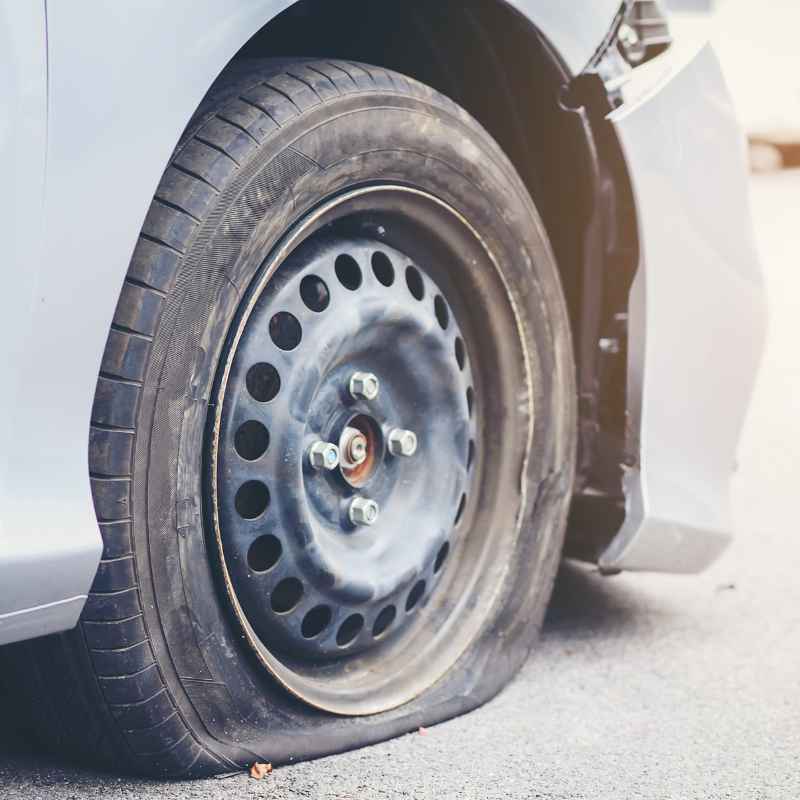
Proven Methods To Prevent Tire Cracking
Prevention starts with proper care, smart storage, and understanding the factors that harm your tires. Here are the best methods to keep cracking away.
1. Shield Tires From Sunlight
Direct sunlight is a tire’s enemy. UV rays break down the rubber and cause tiny cracks.
- Park your car in shade whenever possible. Even moving your car under a tree or into a carport makes a big difference.
- Use car covers or dedicated tire covers if you must leave your car outside. Some covers are designed specifically to block UV rays and prevent overheating.
- For long-term storage, keep tires in a garage or covered area. If you don’t have a garage, look for inexpensive pop-up shelters.
A study by the Rubber Manufacturers Association showed that tires exposed to sunlight aged 2-3 times faster than those kept in dark, cool places. Many people overlook how even short periods in direct sun can add up over the months.
2. Maintain Correct Tire Pressure
Low or high tire pressure stresses the rubber and increases the risk of cracking. Always keep tires at the recommended PSI.
- Check pressure monthly, even if you don’t drive often. Pressure can drop slowly without obvious signs.
- Use a digital tire gauge for accurate readings. Analog gauges can be hard to read and less precise.
- Adjust for temperature changes—cold air makes pressure drop. In winter, check pressure more often and add air if needed.
Over 80% of tire failures involve improper inflation. Keeping pressure correct can double tire life. For example, if your tires are consistently 5 PSI too low, they may age 30% faster. Many drivers set and forget tire pressure, but regular checks are key.
3. Clean Tires With The Right Products
Washing tires removes dirt and chemicals that can cause cracking. But harsh cleaners can do more harm than good.
- Use mild soap and water, not strong detergents or solvents. Dish soap works well, but avoid anything labeled “degreaser.”
- Avoid products with petroleum or silicone, which dry out rubber. Read labels carefully, since some “tire shine” sprays contain these ingredients.
- After cleaning, dry tires fully before driving. Water left on tires can attract dust and speed up aging.
For extra protection, apply a water-based tire dressing—these keep rubber flexible without making it slippery. Dressings can also add a barrier against ozone and UV. Beginners often use household cleaners, but these can strip protective oils from tires.
4. Rotate Tires Regularly
Tire rotation helps all tires wear evenly, reducing stress and cracks.
- Rotate every 5,000–8,000 miles (or as advised in your manual). If you drive in rough conditions or on gravel, rotate more often.
- Follow the rotation pattern for your car—front-wheel, rear-wheel, or all-wheel drive. Patterns are often “front to back” or “cross rotation,” so check your manual.
Uneven wear causes weak spots that crack faster. Regular rotation prevents this. Some drivers skip rotation, thinking it’s not needed for low-mileage cars, but even light use can cause uneven stress.
5. Store Tires Properly When Not In Use
If you need to store tires (for seasonal changes or long trips), follow these steps:
- Clean tires first and let them dry. Moisture trapped in storage can cause mold or weaken rubber.
- Store them in a cool, dry place away from sunlight and ozone sources. Basements or sheds are good if they stay dry.
- Keep tires upright, not stacked, to prevent deformation. If you must stack, do it only for short periods and never put heavy objects on top.
- Use airtight bags or tire totes to block air exposure. Large plastic bags work well; squeeze out excess air and seal tightly.
Never store tires near electric motors or furnaces, as these produce ozone. An extra tip: placing a piece of cardboard under tires helps prevent moisture from concrete floors.
6. Avoid Contact With Harmful Chemicals
Tires are sensitive to many chemicals found in garages and parking lots.
- Keep tires away from oil, grease, solvents, and gasoline. For example, don’t park over a fresh oil spill or near paint cans.
- If you spill chemicals, clean them quickly with soap and water. Don’t let them soak into the rubber.
Even small amounts can cause cracking, so be careful where you park and what you use near your tires. Many people don’t realize tire sidewalls are more vulnerable than the tread.
7. Drive Regularly
Tires need movement to stay healthy. Driving warms the rubber and distributes protective oils.
- Aim to drive at least once every 2–3 weeks, especially for parked vehicles. Even short drives (10–15 minutes) help.
- If you own a classic car or RV, take it for short drives to keep tires flexible. Don’t let tires sit flat for months.
Long-term parking causes tires to dry out and crack, even in good storage. People often think storage protects tires, but lack of use is just as harmful.
8. Inspect Tires Often
Regular checks help you spot cracks early, before they become dangerous.
- Look for small lines or splits, especially on sidewalls. Use your hand to feel for rough or dry patches.
- Use a flashlight to inspect tires in low light. Cracks can hide in shadowed areas or between tread blocks.
- If you see cracks, consider replacing tires—even if tread looks good. Don’t wait for a blowout.
Safety experts say most tire failures start with unnoticed cracks. Early detection saves money and keeps you safe. Set a reminder for inspection every month or after road trips.
9. Use Tire Protectants Wisely
Some products claim to protect tires from cracking, but not all are equal.
- Choose water-based protectants designed for automotive tires. These products add a layer of protection but don’t damage rubber.
- Avoid “shine” products with silicone or petroleum—they can worsen cracking. Glossy finishes may look good but are often bad for tires.
- Follow instructions and don’t over-apply. Too much product can attract dust or make tires slippery.
Quality protectants keep rubber soft and block UV damage. Many beginners use too much or the wrong product, so always check labels.
10. Replace Tires Before They Age Out
Tires have a shelf life—even if you barely use them.
- Check the DOT code on the sidewall for manufacture date. This code tells you the week and year the tire was made.
- Replace tires after 6–10 years, even if tread remains. Don’t rely only on visual inspection.
- Older tires are much more likely to crack and fail.
Many car accidents involve old, cracked tires. Don’t risk it—replace on time. Tire age matters more than mileage for many drivers.
Comparing Tire Care Methods
Let’s look at how different care strategies impact tire cracking risk:
| Method | Crack Reduction (%) | Ease of Use | Cost |
|---|---|---|---|
| Shading Tires | 60-80 | Easy | Low |
| Correct Pressure | 50-70 | Medium | Low |
| Proper Cleaning | 30-50 | Easy | Low |
| Rotation | 25-40 | Medium | Low |
| Storage | 70-90 | Medium | Medium |
Most crack prevention methods are low cost and easy to follow. However, skipping any one can reduce your tire’s lifespan by years. For example, even if you shade tires but let pressure drop, cracks can still appear. Combining methods gives the best results.
How Climate And Location Affect Tire Cracking
Where you live affects how fast tires crack. Hot, sunny, or dry places are harder on rubber. Let’s compare climates:
| Climate | Average Tire Life (years) | Cracking Risk |
|---|---|---|
| Hot & Sunny (Arizona, Texas) | 4-6 | High |
| Humid (Florida, Louisiana) | 6-8 | Medium |
| Cold (Minnesota, Alaska) | 7-10 | Low |
| Moderate (California, Oregon) | 6-9 | Medium |
If you live in a hot or sunny area, take extra steps: park in shade, use protectants, and check tires often. Drivers in cold climates still need to watch for cracks caused by ozone and dry air. For example, parking outside in Arizona may mean replacing tires every 5 years, while in Alaska, tires can last up to 10 years with proper care.
Choosing The Right Tires To Prevent Cracking
Not all tires are equal. Some brands and models resist cracking better than others.
Tire Type Matters
- All-season tires: Designed for year-round use, but may crack faster in extreme climates. They balance durability with flexibility but need protection in hot areas.
- Summer tires: Good in warm conditions, but need extra care in hot, sunny areas. Their rubber is harder, which can dry out faster.
- Winter tires: Softer rubber, prone to cracking if used in summer. Only use them in cold months, store properly when not needed.
Quality And Brand
High-quality tires use better rubber compounds and UV protectants.
- Top brands like Michelin, Bridgestone, and Goodyear invest in crack-resistant formulas. These tires often last longer and resist dry rot.
- Cheaper tires may save money upfront but crack faster, costing more over time. Sometimes, budget tires are made with recycled rubber, which ages quickly.
Tire Age And Date Code
Always check the DOT code before buying new tires. Sometimes “new” tires are already years old when sold.
- Ask for the manufacture date. Don’t assume the tire is fresh just because it’s unused.
- Don’t buy tires older than 2 years from the date of purchase. If unsure, ask the seller to show you the code.
A tire bought “new” but made five years ago is already halfway through its safe life. Many drivers miss this detail and end up with aging tires.
How To Spot Early Signs Of Tire Cracking
Catching cracks early can save your tires and prevent accidents.
Visual Inspection
- Look at the sidewalls and tread for small lines or splits. Cracks appear as tiny, spiderweb-like lines.
- Cracks often start near the rim or between tread blocks. Check all around the tire, not just the area touching the ground.
- Shallow cracks can deepen quickly. If you see many small cracks, the rubber is drying out.
Touch And Feel
- Gently run your hand over the tire. Cracked areas often feel rough or dry. Healthy rubber is smooth and slightly soft.
- Press gently—soft spots may indicate hidden cracks. If the rubber feels hard and brittle, it’s aging.
Sound
- Some cracks make a faint clicking sound when flexed. This is rare but can warn of deeper damage. If you bend the tire and hear noise, check closely.
Professional Inspection
If unsure, ask a tire shop to check your tires. They use tools like magnifiers and moisture meters to find hidden cracks. A professional can tell if cracks are surface-level or structural.
Common Mistakes That Lead To Cracked Tires
Many drivers make simple mistakes that speed up tire cracking.
- Neglecting tire pressure: Forgetting monthly checks lets tires flex too much. Low pressure causes sidewalls to bend and crack.
- Using harsh cleaners: Products not meant for tires break down rubber. Always use car-specific cleaners.
- Parking outside: Leaving cars in the sun every day causes fast aging. Even winter sun can damage tires.
- Ignoring age: Some owners keep tires far past their safe lifespan. Don’t rely only on tread depth.
- Stacking tires: Storing tires in piles warps their shape and causes cracks. Store upright and avoid heavy loads.
Avoid these mistakes to keep your tires safe and strong. For example, never park near paint or cleaning supplies that can leak onto tires.
Practical Tips For Everyday Tire Care
Sometimes, small habits make the biggest difference.
- Keep a tire gauge in your glove box for quick checks. Digital gauges are accurate and easy to use.
- Set a reminder for monthly inspections. Use your phone or calendar.
- Wash tires during every car wash—don’t skip the wheels. Cleaning removes harmful chemicals.
- Ask your mechanic to inspect tires during oil changes. Professionals spot problems early.
- Use a simple tire cover if you must park outside. Covers are cheap and block UV rays.
These routines help prevent cracks and catch problems early. Beginners often forget tires during car cleaning—make it a habit.
How Tire Cracking Affects Safety And Performance
Cracked tires aren’t just ugly—they’re dangerous. Here’s why:
- Reduced grip: Cracked rubber can’t hold the road as well, especially in rain. Your car may skid or slip.
- Blowouts: Deep cracks weaken the tire, causing sudden failure. Blowouts happen without warning.
- Air leaks: Cracks let air escape, leading to low pressure and poor handling. Low pressure increases stopping distance and reduces control.
- Shorter lifespan: Cracked tires wear faster and need replacing sooner. You spend more money and risk more accidents.
The National Highway Traffic Safety Administration reports that over 11,000 tire-related accidents happen annually in the US, often caused by old or damaged tires. Many of these accidents happen in good weather, simply because tires failed unexpectedly.
Data: Tire Cracking Vs. Other Tire Failures
How Does Cracking Compare To Other Tire Problems?
| Failure Type | % of Tire Failures | Preventable? |
|---|---|---|
| Cracking | 30 | Yes |
| Puncture | 40 | Partly |
| Sidewall Bulge | 20 | No |
| Tread Separation | 10 | Yes |
Cracking is one of the most preventable tire failures—routine care can stop most cases. For example, regular cleaning and pressure checks can prevent cracks, while punctures often depend on road conditions.
Real-life Examples And Expert Insights
Let’s look at a few cases:
- Case 1: A driver in Phoenix parks outside every day. After three years, his tires show deep cracks—even though tread is fine. He replaces all four tires. He could have prevented this with covers and regular cleaning.
- Case 2: An RV owner stores his vehicle in a garage, covers tires, and checks pressure monthly. After six years, tires show no cracks. He also avoids parking near ozone sources.
- Case 3: A busy mom forgets tire pressure checks. After two years, tires have uneven wear and sidewall cracks. She switches to monthly checks and sees improvement. Her tires last longer after changing habits.
Experts recommend routine care, storage, and inspection as the best defenses. Many tire shops now offer free inspections—take advantage!
Tire Manufacturer Recommendations
Manufacturers like Michelin and Goodyear have official guidelines:
- Never use tires older than 10 years. Even unused, rubber ages.
- Keep tires clean and dry. Moisture speeds up aging.
- Avoid exposure to chemicals and ozone. Store tires away from motors, cleaners, and paints.
- Inspect tires every 6 months. Look for cracks, bulges, and uneven wear.
Following these steps matches proven prevention methods. Always check your manual for brand-specific advice.
What To Do If Your Tires Are Already Cracking
If you spot cracks, act quickly:
- For shallow cracks, clean tires and use a water-based protectant. Monitor cracks weekly.
- For deep cracks (visible splits, air leaks), replace the tire. Don’t wait for a blowout.
- Don’t drive fast or long distances with cracked tires. Slow down and avoid highways.
- Ask a professional for advice. Tire shops can assess if cracks are dangerous.
Never ignore cracks—safety comes first. Replacing a tire is cheaper than risking an accident.
Frequently Asked Questions
What Causes Car Tires To Crack?
Car tires crack due to sunlight, ozone, age, improper inflation, and exposure to chemicals. UV rays and ozone break down the rubber, while low pressure and lack of use speed up the process.
How Often Should I Check My Tires For Cracks?
Check your tires monthly, and also before long trips. Include a visual inspection and feel for rough spots or lines. Early detection prevents bigger problems.
Is Tire Cracking Dangerous?
Yes, cracked tires can be very dangerous. Cracks weaken the rubber, leading to air leaks, blowouts, and loss of control. Replace tires if cracks are deep.
Can Tire Dressing Prevent Cracking?
Water-based tire dressing can help prevent cracking by keeping rubber flexible and blocking UV damage. Avoid silicone or petroleum products, as they may worsen cracks.
Should I Replace Tires If They Have Small Cracks?
If cracks are shallow and only on the surface, monitor closely. For deep or spreading cracks, replace the tire. Don’t risk your safety for a few dollars.
Preventing tire cracking is not difficult, but it does require attention and smart habits. By protecting your tires from sunlight, keeping them clean, maintaining proper pressure, and inspecting them regularly, you can avoid most cracks and keep your car safe. Remember—tire care is not just about saving money, it’s about protecting yourself and your family on the road. For more detailed tire care guidelines, visit NHTSA Tire Safety. With these proven methods, your tires will stay strong, flexible, and ready for the journey ahead. See also how to make a tire garden step by step fun diy guide .
Related pick: Check today's price on Amazon See also best car tire for gravel roads durability meets performance.
Products related to this article
Sponsored / affiliate links. As an Amazon Associate I earn from qualifying purchases. I may earn additional commission from eligible campaigns.