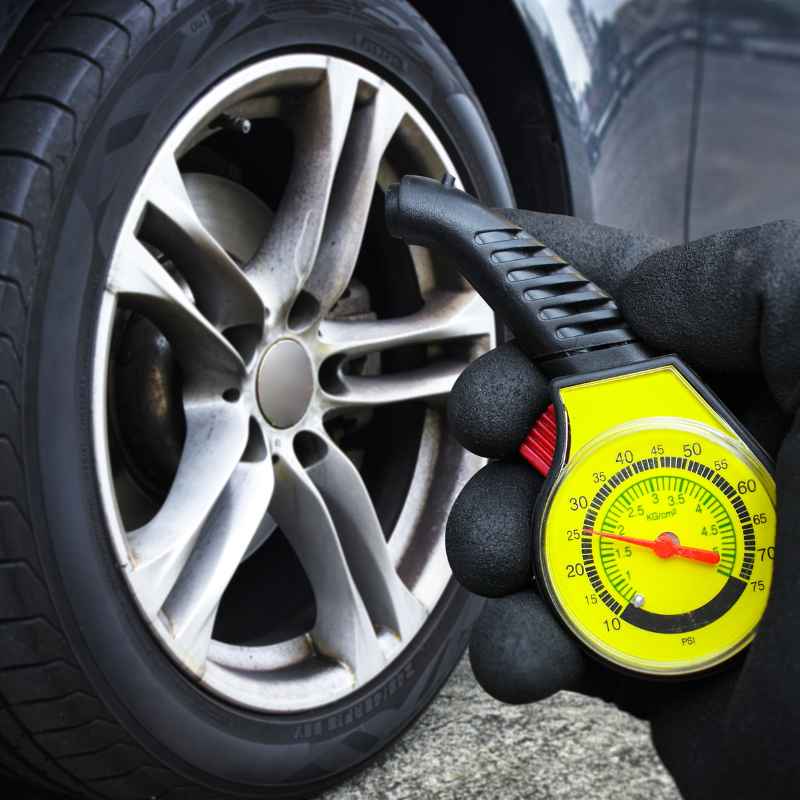
How To Use A Car Tire Pressure Gauge The Right Way
Using a car tire pressure gauge correctly involves checking pressure when tires are cold, finding your car’s recommended PSI, removing the valve cap, pressing the gauge firmly onto the valve stem, reading the number, and replacing the valve cap (missing one? here is what actually happens). Repeat for all tires, including the spare.
Understanding Your Car’s Tire Pressure
So, what exactly is tire pressure? It’s the amount of air inside your tires. This air pushes outward, keeping the tire firm and round.
It’s what allows your tires to support the weight of your car. It also helps them grip the road.
Why is it so important? Well, imagine trying to walk on a flat shoe. It’s hard and awkward.
Your car feels a bit like that with under-inflated tires. On the flip side, over-inflated tires can bounce around too much. Both situations are bad for your car and for you.
When tire pressure is just right, your tires work their best. They grip the road better. This means you can steer more easily and stop faster.
It also makes your ride smoother. Plus, your tires will last longer. They won’t wear out unevenly.
This saves you money in the long run.
And let’s not forget about fuel. Properly inflated tires roll more easily. They don’t fight against the road as much.
This means your engine doesn’t have to work as hard. Your car uses less gas. You’ll see this in your wallet at the gas pump.
It’s a small thing that adds up.
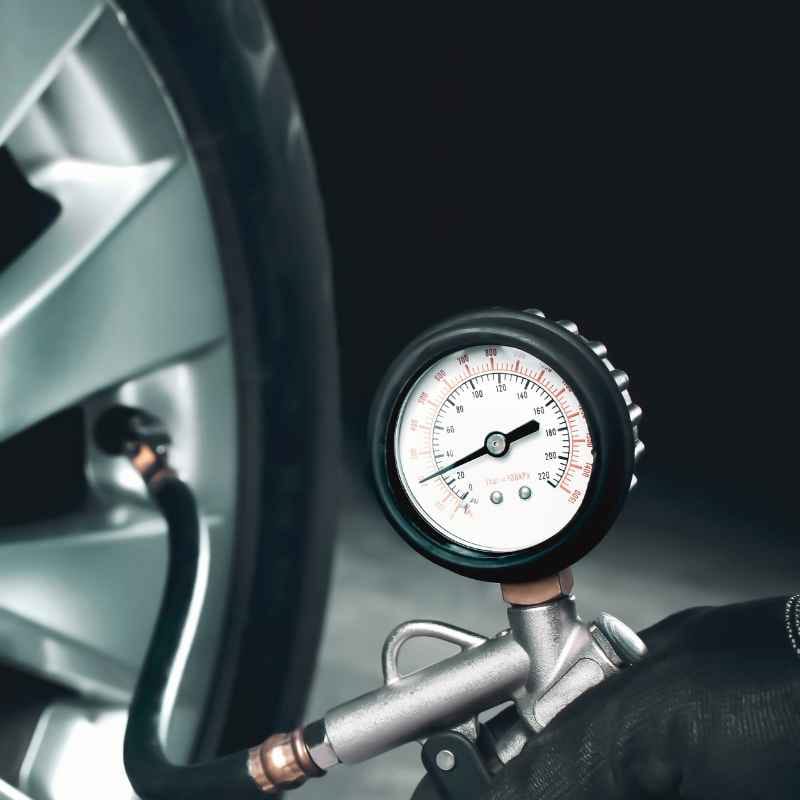
The Simple Truth About Finding Your Car’s PSI
Okay, so you need to know the right air pressure for your tires. Where do you find this magic number? It’s not usually on the tire itself.
The number on the side of the tire tells you its maximum pressure. That’s not what you need for daily driving.
Your car’s manufacturer knows best. They set the ideal pressure for your specific car model. You can find this information in a few easy spots.
Look on the driver’s side doorjamb. It’s usually on a sticker there. Sometimes, it’s in the glove box.
You can also check your car’s owner’s manual. It’s like a secret map to your car’s needs.
This recommended pressure is called the PSI. PSI stands for pounds per square inch. It’s the unit of measurement for air pressure.
The sticker will list the PSI for the front tires and the rear tires. They might be different. Always use the numbers from this sticker.
This recommended PSI is crucial. It’s about balancing a few things. It helps with handling.
It ensures your tires wear evenly. It also affects your car’s fuel economy. Having the correct pressure is a key part of safe driving.
Don’t guess this number. Always find the official recommendation.
My Own “Oh No!” Tire Pressure Moment
I remember this one time, a few years back. I was driving home after a long day at work. It was late.
The road was pretty empty. I felt like my car was pulling a little to the side. I brushed it off at first.
I was tired. I just wanted to get home.
Then, I hit a small bump. The car seemed to bounce more than usual. It felt…off.
I started to get a little worried. Was something seriously wrong? My mind went to the worst-case scenarios.
Flat tire? Something broken? I pulled over onto a quiet side street.
I got out and looked at my tires. They looked…okay? Not obviously flat.
But something was definitely not right. I had my tire pressure gauge in my trunk. I hadn’t used it in months.
I remembered seeing a sticker on the doorjamb that said 32 PSI. I hoped mine were close.
I checked the front driver’s side tire first. The gauge read 25 PSI. Twenty-five!
That’s way too low. No wonder it felt weird. I felt a wave of relief and then a bit of annoyance at myself.
I had ignored the subtle signs. That low pressure could have been dangerous.
I checked the other tires. They were all a bit low, but not as bad as the first one. I made a mental note to fill them up at the first gas station.
It was a good reminder. Car maintenance isn’t just about big repairs. It’s about these small, regular checks.
That night taught me a valuable lesson about paying attention.
When Is The Best Time To Check Your Tire Pressure?
This is a really common question. People often wonder if they can check their tires anytime. The answer is a bit specific.
For the most accurate reading, you need to check your tire pressure when the tires are cold.
What does “cold” mean in this context? It means the tires haven’t been driven on for at least three hours. Or, they’ve been driven less than a mile at low speed.
Why is this so important?
When you drive, tires heat up. The air inside them expands. This makes the pressure inside the tire go up.
If you check your pressure after a long drive, the reading will be higher than the actual cold pressure. This can trick you into thinking your tires are properly inflated when they aren’t.
So, the best time to check is usually in the morning. Before you start your day. Before you drive anywhere.
If you need to check them midday, make sure you haven’t driven much. Drive slowly to the nearest gas station if needed. But try to plan it out.
Think of it like checking your own body temperature. You wouldn’t take your temperature right after a run, right? You’d wait for things to calm down.
It’s the same idea with your tires. Patience here leads to a much more accurate and helpful reading.
Quick Tire Pressure Check Guide
Why Check? For safety, better gas mileage, and longer tire life.
When to Check? Always check when tires are cold.
Where to Find PSI? Driver’s doorjamb sticker or owner’s manual.
What You Need? A tire pressure gauge.
How to Actually Use a Tire Pressure Gauge
Now that you know the “why” and “when,” let’s get to the “how.” Using a tire pressure gauge is pretty straightforward once you know the steps. It’s a simple tool that does a big job.
First, make sure you have a reliable gauge. There are a few types. Digital gauges are easy to read.
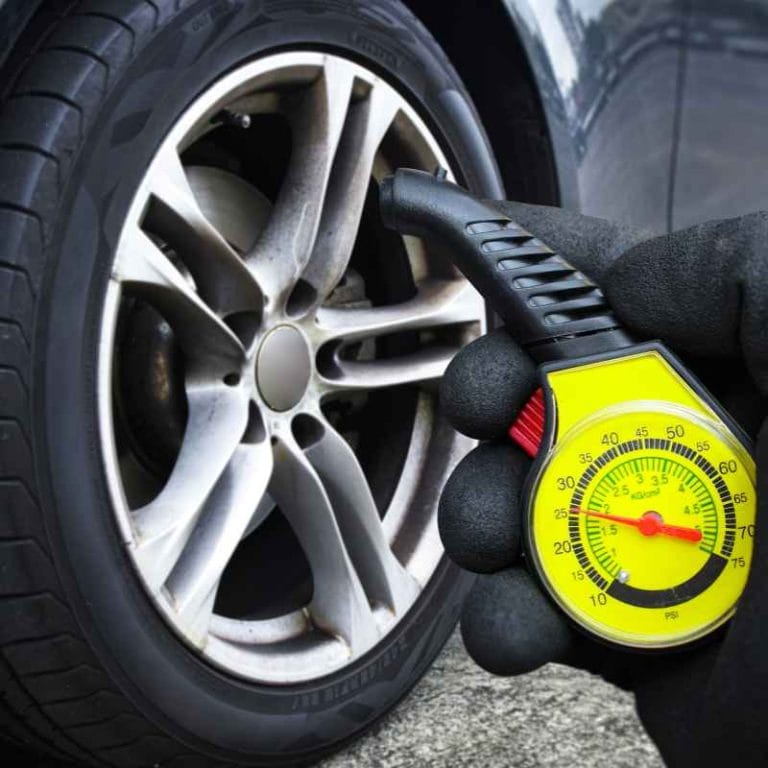
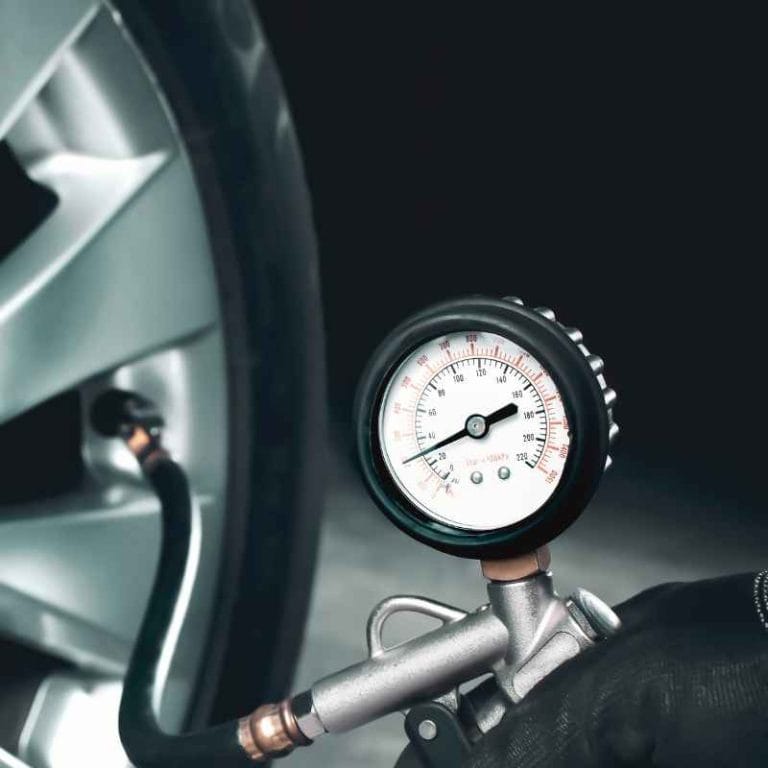
Dial gauges have a needle. Stick gauges are the most basic. They all work on the same principle.
They measure the air pressure pushing out of the valve stem.
Before you start, you need to find the valve stem. It’s that little black or metal nozzle sticking out of your wheel. It has a small cap on it.
That cap protects the stem from dirt and moisture.
Step 1: Remove the Valve Cap. Unscrew the small cap from the valve stem. Put it somewhere safe.
You don’t want to lose it! Many people put it in their pocket or on the back of the gauge.
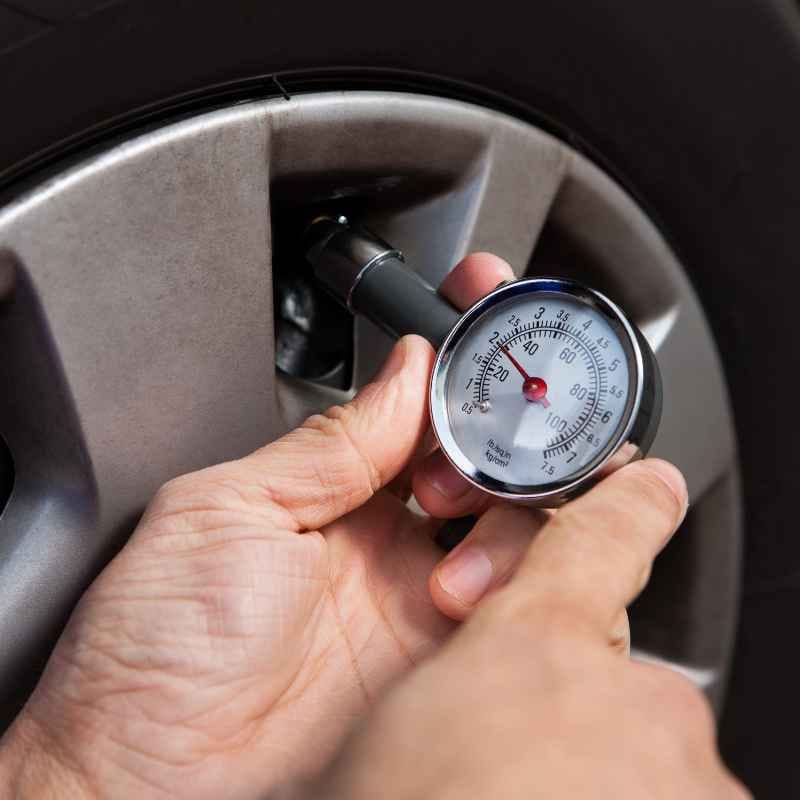
Step 2: Press the Gauge Firmly. Take your tire pressure gauge. Line up the opening on the gauge with the tip of the valve stem.
Push the gauge on firmly and straight. You might hear a little hiss of air. This is normal.
Hold it there for a second. The gauge will then show you the pressure reading. Digital ones will display a number.
Dial gauges will have a needle point to a number. Stick gauges will have a small rod pop out. This rod has markings on it.
Step 3: Read the Pressure. Note the number the gauge shows. This is the current pressure in that tire.
Step 4: Replace the Valve Cap. After you’ve read the number, gently pull the gauge off the valve stem. You might hear another small hiss.
Screw the valve cap back onto the stem. Make sure it’s snug.
Step 5: Repeat for All Tires. Do this for all four tires on your car. Don’t forget the spare tire!
It’s often overlooked but just as important.
It takes just a few minutes per tire. Doing this regularly will save you headaches. It’s a small habit with big rewards.
Many gas stations have air pumps that also have built-in gauges. You can use these to check and add air if needed.
What To Do If Your Tire Pressure Is Too Low
So, you’ve checked your tires. You find that one or more of them are significantly lower than the recommended PSI. What’s the next step?
This is where you need to add air. You can do this at most gas stations.
Look for the air pump. They usually have a hose with a connector for the valve stem. Some are free, while others require a small payment.
Connect the hose to the valve stem, just like you did with your gauge.
Most pumps have a display that shows the current pressure. They also let you set your target PSI. You can often set the desired pressure, and the pump will stop automatically when it reaches that level.
This is super convenient.
If the pump doesn’t have a set-and-forget feature, you’ll have to do it manually. Add air in short bursts. Check the pressure with your gauge after each burst.
Repeat this until you reach the recommended PSI.
It’s better to add a little air at a time. You can always add more. It’s harder to take air out.
If you accidentally over-inflate, you can press the small pin in the center of the valve stem with a fingernail or a small tool. This will release some air. Be careful not to let too much out.
Remember to check the pressure again with your own gauge after using the station’s pump. Sometimes their gauges aren’t perfectly accurate. It’s always good to double-check.
What If Your Tire Pressure Is Too High?
On the flip side, what if your gauge shows a number that’s higher than the recommended PSI? This is less common than low pressure, but it happens. Over-inflated tires can be just as problematic as under-inflated ones.
Over-inflation can make your ride feel much stiffer and bouncier. It can also reduce the contact patch your tire has with the road. This means less grip.
This is dangerous, especially in wet or slippery conditions.
It can also cause your tires to wear out faster in the center of the tread. This is because the center of the tire is bearing more of the weight. To fix this, you need to release some air.
To let air out, you’ll need to depress the small pin in the center of the valve stem. You can use a fingernail, a small screwdriver, or the back of many tire pressure gauges has a little nub for this purpose. Press it gently.
Let a little bit of air out at a time. Then, re-check the pressure with your gauge. Repeat this process until you get down to the recommended PSI.
It’s a process of trial and error.
Again, be patient. It’s easy to let too much air out quickly. It’s better to go slow and check often.
Your goal is to hit that sweet spot recommended by your car manufacturer. It makes a big difference in how your car drives.
Common Tire Pressure Gauge Mistakes
- Checking Hot Tires: Always check when tires are cold for accuracy.
- Not Replacing Valve Cap: Dirt can enter the valve stem, causing leaks.
- Rough Handling: Press the gauge on gently but firmly.
- Ignoring the Spare: The spare tire needs air too!
- Using Faulty Gauge: Invest in a reliable gauge for accurate readings.
The Role of the Spare Tire
Let’s talk about the spare tire. Many people forget about it. It sits in the trunk or under the car, out of sight.
But when you actually need it, it needs to be ready.
A spare tire often needs a different pressure than your regular tires. Check your owner’s manual or the doorjamb sticker to find the correct PSI for your spare. It might be higher.
For example, compact spare tires (often called “donuts”) usually need a much higher pressure, like 60 PSI.
Why is this so important? A spare tire is designed to get you to a repair shop. It’s not meant for long-term driving.
If it’s under-inflated, it won’t perform as it should. It could handle poorly. It might not even hold up for the short distance you need it.
Make it a habit to check your spare tire’s pressure at least once a month. Or, at the same time you check your other tires. It takes just an extra minute.
But that minute can save you a lot of trouble if you get a flat.
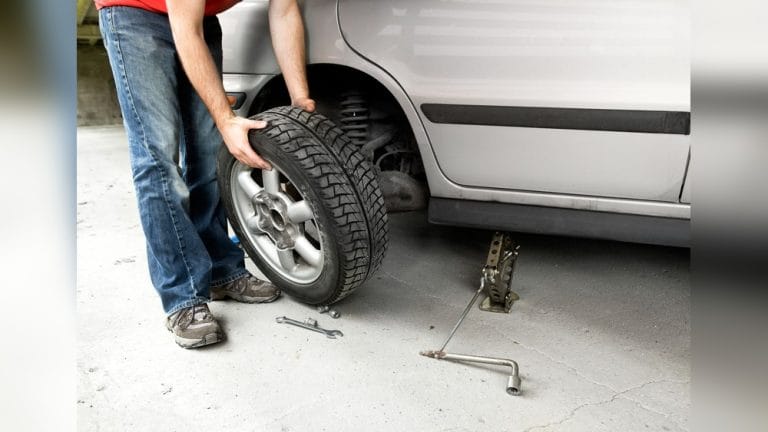
Also, make sure the tools needed to change a tire are with the spare. This includes a jack and a lug wrench. These are usually found in the same compartment as the spare tire.
What Can Go Wrong with Tire Pressure Readings?
Even with careful checking, things can go wrong. Understanding these pitfalls helps you avoid them. One big issue is using a faulty tire pressure gauge.
Cheap gauges can be inaccurate. They might give you a reading that’s off by several PSI.
This is why investing in a good quality gauge is worthwhile. You can find decent digital gauges for under $20. They offer better accuracy and are easier to read than some other types.
Test your gauge against a known accurate one if possible.
Another problem is dirt or debris in the valve stem. If the valve stem is dirty, it can prevent the gauge from getting a good seal. This can lead to an inaccurate reading.
It might also cause a slow leak over time.
Temperature fluctuations can also affect readings. While you check cold, a sudden change in weather can impact pressure. For example, if it gets very cold, tire pressure will drop.
If it gets very hot, it will rise.
Your tires might also have slow leaks that you don’t notice immediately. Small punctures from nails or screws can cause a gradual loss of air. This is why regular checking is key.
It helps you catch these slow leaks before they become a major problem.
Sometimes, the valve stem itself can leak. The rubber can age and crack. Or, the valve core inside can become loose or damaged.
These issues require a professional to fix. But again, regular checks will help you identify them.
Understanding PSI Variations
Normal Temperature Changes: For every 10°F (5.6°C) change in ambient temperature, tire pressure changes about 1 PSI.
Altitude: While less common for car tires, extreme altitude changes can slightly affect pressure.
Tire Wear: Heavily worn tires might not seal as well, potentially affecting readings.
Age of Tires: Older tires might be more prone to small leaks or have less resilient valve stems.
Real-World Scenarios: When Tire Pressure Matters Most
Think about driving in different conditions. In the summer, heat can increase tire pressure. This might make the ride harsher.
In the winter, cold air can cause pressure to drop significantly. This is when you are most likely to have under-inflated tires.
Heavy rain is another scenario. Proper tire pressure ensures your tires have the best contact with the road. This helps prevent hydroplaning.
Hydroplaning happens when a layer of water builds up between your tires and the road. This can cause you to lose control.
Carrying heavy loads also affects tire pressure. If you’re going on a road trip and loading up your car with luggage and passengers, your tires will have more weight to support. While the recommended PSI is usually adequate, it’s worth double-checking.
Some vehicles have different recommended pressures for heavy loads.
Driving on rough roads or unpaved surfaces can also be harder on tires. Properly inflated tires can handle these conditions better. They absorb some of the impact.
Under-inflated tires can be more susceptible to damage from potholes or sharp objects.
It’s not just about daily commuting. It’s about being prepared for whatever the road throws at you. Regular tire pressure checks are a simple safety net.
They ensure your car is ready for various situations.
What This Means For You: Normal vs. Concerning
So, when should you feel good about your tire pressure, and when should you start to worry? Generally, if your tires are within 1-2 PSI of the recommended amount, you’re in good shape. Small variations happen naturally.
You should start to worry if your tire pressure is more than 3-4 PSI below the recommended number. This is considered under-inflated. If it’s more than 5 PSI over, it’s over-inflated.
Look for signs like:
- Your car pulling to one side.
- The steering feeling sluggish or heavy.
- A rougher or bouncier ride than usual.
- Visible sagging on one or more tires.
- A warning light on your dashboard (if your car has a Tire Pressure Monitoring System – TPMS).
If you have a TPMS light, it usually comes on when pressure is significantly low. However, it’s not a substitute for regular manual checks. Some systems don’t activate until pressure is very low.
If you notice any of these signs, check your tire pressure immediately. If the pressure is very low, you might have a puncture. If it’s consistently low, you might have a slow leak somewhere.
Don’t delay in addressing it.
Quick Tips for Better Tire Health
Here are some quick tips to keep your tires in top shape:
- Check Monthly: Make tire pressure checks a monthly habit.
- Check Before Long Trips: Always check before any long drive.
- Use a Good Gauge: Invest in a quality tire pressure gauge.
- Know Your PSI: Keep the recommended PSI for your car handy.
- Rotate Tires: Rotate your tires every 5,000-7,500 miles. This helps them wear evenly.
- Inspect for Damage: Look for cuts, bulges, or embedded objects regularly.
- Balance and Alignment: Ensure your tires are balanced and your car is aligned.
Frequent Questions About Using a Tire Pressure Gauge
How often should I check my car’s tire pressure?
You should check your car’s tire pressure at least once a month. It’s also a good idea to check it before any long road trips. Making it a routine, like checking your oil, is the best way to stay on top of it.
Can I check my tire pressure after driving?
It’s best to check your tire pressure when the tires are cold. This means they haven’t been driven on for at least three hours. Driving heats up the air inside the tires, making the pressure reading higher than it actually is when cold.
What does PSI mean?
PSI stands for “pounds per square inch.” It is the standard unit of measurement used to measure air pressure inside your tires. Your car’s recommended tire pressure will be given in PSI.
Where can I find the correct tire pressure for my car?
The most accurate place to find your car’s recommended tire pressure is on a sticker located on the driver’s side doorjamb. You can also find this information in your car’s owner’s manual. The number on the tire sidewall is the maximum pressure the tire can hold, not the recommended pressure for your vehicle.
What happens if my tire pressure is too low?
Low tire pressure can lead to several problems. It reduces fuel efficiency, causes uneven tire wear (especially on the edges), makes steering more difficult, and increases the risk of a blowout. Your car’s handling and braking performance can also be negatively affected.
What happens if my tire pressure is too high?
Over-inflated tires can cause a bumpy and uncomfortable ride. They may also wear out faster in the center of the tread. More importantly, over-inflated tires have less grip on the road, which can affect handling and increase stopping distances, especially in wet conditions.
Do I need to check the spare tire’s pressure too?
Yes, absolutely! Your spare tire needs to be properly inflated to be useful when you need it. Spare tires, especially compact ones, often require a higher PSI than your regular tires.
Check your owner’s manual or the spare tire itself for its recommended pressure.
Final Thoughts on Tire Pressure
Taking a few minutes each month to check your tire pressure is a small act of car care that pays off big. It’s about safety, saving money on gas, and making your tires last longer. You’ve learned how to find the right numbers, use your gauge, and what to do if the pressure is off.
Keep these simple steps in mind, and you’ll drive with more confidence and peace of mind.