Which Car Light to Use at Night: A Complete Guide
Choosing the right car light to use at night is crucial for visibility and safety on the road. Understanding your headlights, tail lights, and other illumination options ensures you can see clearly and be seen by others, preventing accidents and making night driving less stressful.
Simply put, the primary lights for night driving are your headlights, typically consisting of low beams for general use and high beams for enhanced visibility in the absence of other vehicles. Always ensure your tail lights and brake lights are functional, and consider fog lights for adverse weather conditions.
Key Takeaways
- Low beams are your default for nighttime driving, providing adequate illumination without blinding oncoming drivers.
- High beams offer superior visibility but should be used judiciously, turning them off when approaching other vehicles.
- Tail lights and brake lights are essential for being seen by drivers behind you; regular checks are vital.
- Fog lights are specialized for low-visibility conditions like fog, heavy rain, or snow.
- Proper maintenance and understanding of your vehicle’s lighting systems are key to safe night driving.
What are Headlights and How Do They Work?
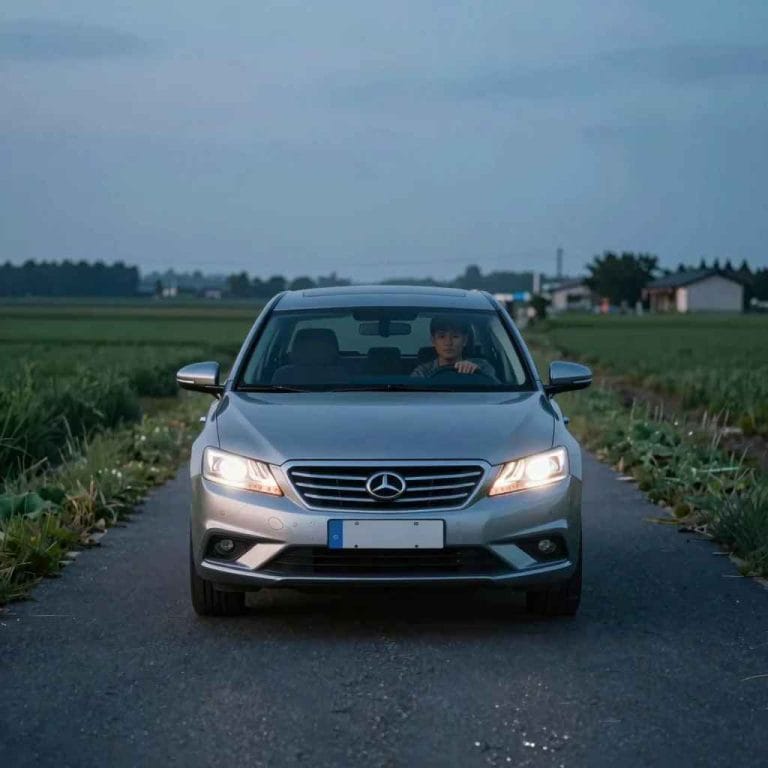
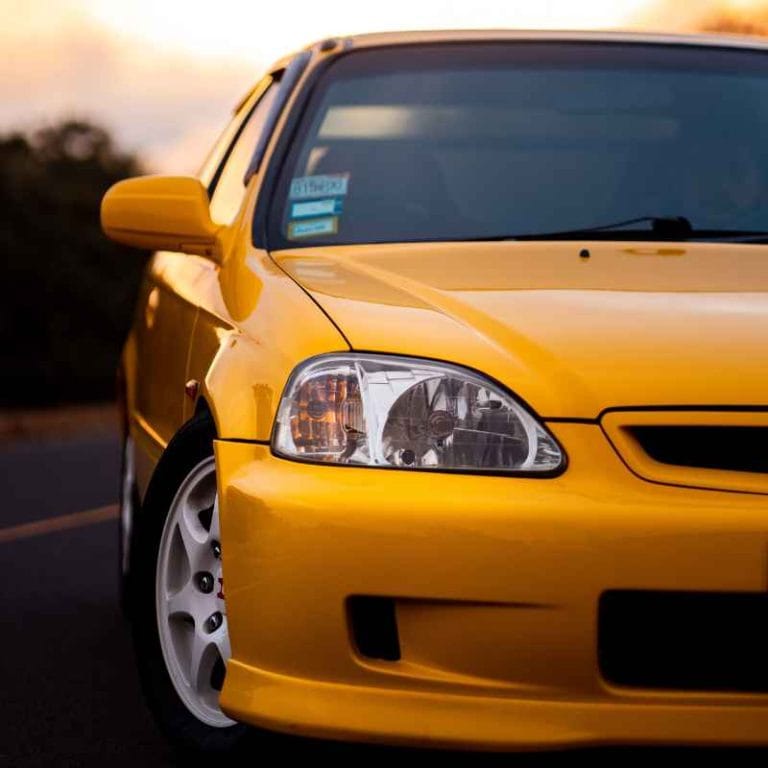
Headlights are the primary source of illumination for your vehicle when driving at night or in low-light conditions. Their main purpose is twofold: to allow you to see the road ahead and to make your vehicle visible to other road users. Modern headlights typically consist of two main beams: low beams and high beams.

Hemei9319
Wireless LED Lights for Car, Rechargeable Interior…
- ✨【Helpful Tips for Best Use】Before installation, thoroughly clean and dry the mounting surface for stronger adhesion. Before using…
- ✨【WIRELESS LED LIGHTS FOR CAR – NO WIRING NEEDED】 Upgrade your vehicle without messy wires. Each compact rechargeable light featur…
- ✨【8 COLORS, 10 MODES & 3 BRIGHTNESS LEVELS】 Customize your car interior lights with 8 colors, 10 lighting modes and 3 adjustable b…
As an Amazon Associate I earn from qualifying purchases.
Low beams are designed for general driving and are angled downwards to illuminate the road surface directly in front of your car without causing glare to oncoming traffic or drivers you are following. High beams, on the other hand, are much brighter and are angled upwards, providing a much longer range of vision. They are essential for driving on unlit roads with no other vehicles around.
The technology behind headlights has evolved significantly. Early headlights used incandescent bulbs, similar to household light bulbs. These were later superseded by halogen bulbs, which are more efficient and brighter.
More recently, advancements have led to the widespread adoption of High-Intensity Discharge (HID) and Light Emitting Diode (LED) technologies. LEDs are particularly popular now due to their longevity, energy efficiency, and the crisp, white light they produce, which is closer to natural daylight.
- Low Beam Functionality: Illuminates approximately 150-250 feet ahead.
- High Beam Functionality: Illuminates up to 350-450 feet ahead.
- Beam Adjustment: Crucial for optimal performance and preventing glare.
- Bulb Types: Incandescent, Halogen, HID, LED.
- Automatic Headlights: Many modern cars feature sensors that automatically turn headlights on or off based on ambient light.
- Daytime Running Lights (DRLs): Often integrated into headlight assemblies, these are lower-intensity lights that improve visibility during daylight hours.
When to Use Low Beams
Low beams are your go-to setting for most nighttime driving scenarios. They are specifically engineered to provide sufficient visibility of the road ahead while being considerate of other drivers. Using low beams correctly is a fundamental aspect of safe driving after dusk.
You should engage your low beams whenever you are driving at night and there is any risk of encountering other vehicles. This includes driving on any public road, even those that appear empty. The downward angle of the low beams prevents the light from shining directly into the eyes of approaching drivers, which could cause temporary blindness and lead to accidents.
Similarly, when following another vehicle, switching to low beams ensures you don’t create distracting glare in their rearview mirrors.
Situations Requiring Low Beams:
- Driving in urban or suburban areas.
- Driving on highways with moderate to heavy traffic.
- When approaching or passing oncoming traffic.
- When following another vehicle.
- In any situation where the road is illuminated by streetlights or other external sources.
- When visibility is reduced due to light fog or mist.
Low Beam Limitations:
- Limited illumination range compared to high beams.
- May not be sufficient for very dark, unlit rural roads.
When to Use High Beams
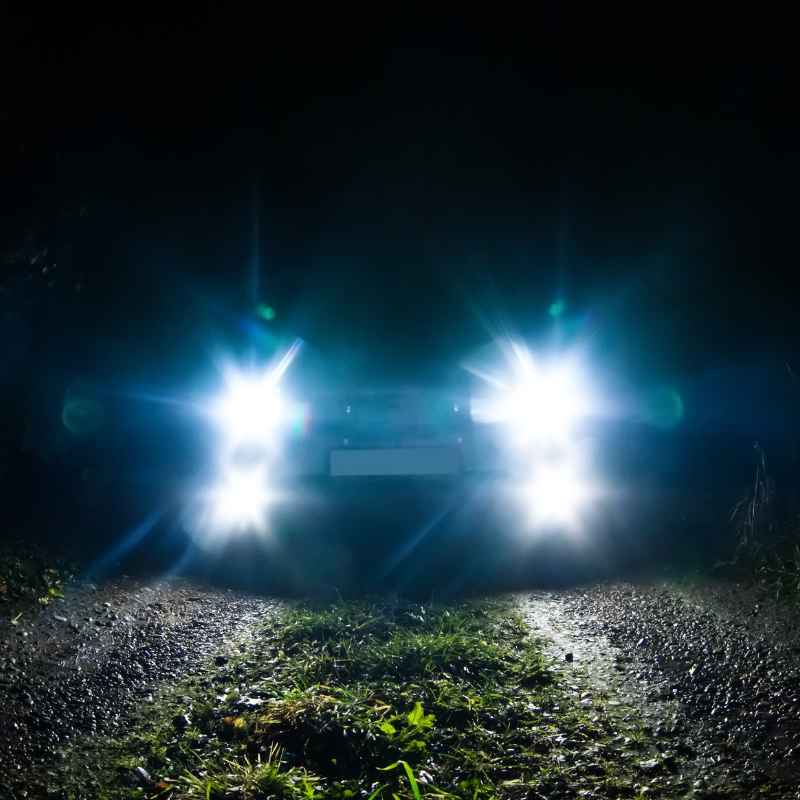
High beams are powerful and significantly extend your field of vision, making them indispensable for certain driving conditions. However, their intensity means they can be a serious hazard if misused. Responsible use of high beams is a hallmark of a cautious driver.
The primary situation for using high beams is when you are driving on dark, unlit roads where there are no other vehicles in sight. This could be a rural road, a remote highway, or a poorly lit section of road. High beams provide the maximum possible illumination, allowing you to spot potential hazards like animals, pedestrians, or debris much earlier.
However, it is imperative to switch them back to low beams at least 500 feet before meeting an oncoming car or when approaching a vehicle from behind. Failing to do so can temporarily blind other drivers, leading to dangerous situations.
Some modern vehicles are equipped with “smart” high beam systems that can automatically detect oncoming or preceding vehicles and dim the headlights. These systems aim to maximize the time high beams are used safely. However, drivers should always remain vigilant and be prepared to manually override the system if necessary.
Always be mindful of posted signs, as some areas may restrict the use of high beams.
When to Engage High Beams:
- Driving on dark, unlit country roads.
- On highways with no other vehicles in view.
- When needing to spot distant hazards like animals on the road.
- In situations where enhanced peripheral vision is critical.
When to Deactivate High Beams IMMEDIATELY:
- When an oncoming vehicle approaches within 500 feet.
- When you are within 200-300 feet of a vehicle you are following.
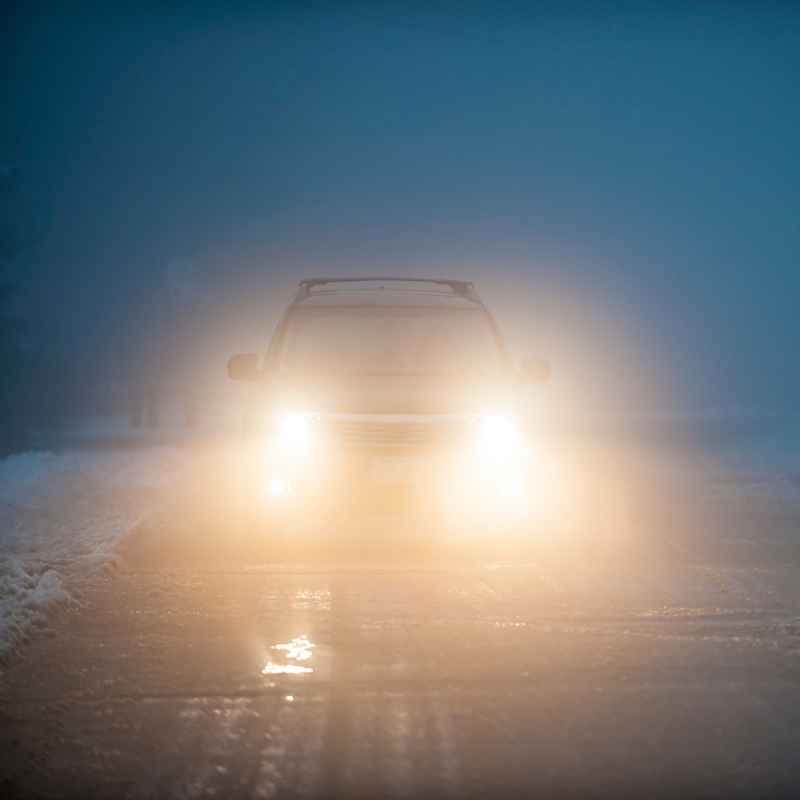
- When driving through fog, heavy rain, or snow, as high beams can reflect off water droplets and reduce visibility further.
- When approaching curves or hill crests where an oncoming vehicle might suddenly appear.
Understanding Tail Lights and Brake Lights
While headlights are for seeing, tail lights and brake lights are for being seen. These rear-facing lights are absolutely critical for preventing rear-end collisions. Your tail lights are illuminated whenever your headlights are on, providing a constant red glow to indicate your vehicle’s presence to those behind you.
Brake lights, which are usually brighter and more prominent, activate automatically whenever you apply the brakes.
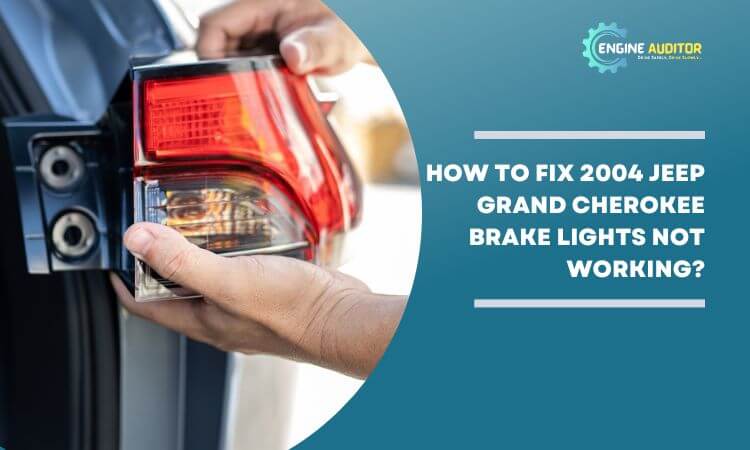
Regularly checking your tail lights and brake lights is a simple yet vital maintenance task. A broken bulb or a faulty brake light switch can go unnoticed by you but can be a dangerous oversight for other drivers. The red color is universally recognized as a signal to slow down or stop.
If your brake lights are not working, drivers behind you might not realize you are slowing down or stopping, leading to a collision. The same applies to non-functional tail lights, which make your vehicle much harder to spot, especially in low light or poor weather conditions.
| Light Type | When Activated | Primary Function | Color |
|---|---|---|---|
| Tail Lights | When headlights are on | Vehicle visibility to others behind | Red |
| Brake Lights | When brake pedal is pressed | Signal to stop or slow down | Bright Red |
| License Plate Light | When headlights are on | Illuminate license plate for identification | White |
These rear lights are your silent communication tools on the road. Ensuring they are always functional is a small effort with significant safety returns.
The Role of Fog Lights
Fog lights are a specialized set of lights designed to improve visibility in conditions of extremely low visibility, such as fog, heavy rain, snow, or dust. They are typically mounted lower on the vehicle’s front bumper than headlights and emit a wide, flat beam of light close to the road surface.
The reason for their low placement and wide beam is to reduce glare. When driving in fog, high beams and even low beams can reflect off the water droplets in the air, creating a wall of light that blinds the driver. Fog lights, by contrast, aim to cut under the fog, illuminating the road directly ahead without causing this blinding reflection.
The beam is also wider, helping to illuminate the road edges, which can be particularly helpful when visibility is reduced to just a few car lengths.
It’s important to use fog lights only when necessary. Leaving them on in clear conditions can be just as distracting or blinding to other drivers as misusing high beams. Some jurisdictions have specific regulations regarding the use of fog lights, often requiring them to be used in conjunction with low beams and switched off when visibility improves.
Not all cars come with fog lights as standard, but they can often be added as an aftermarket accessory.
When to Use Fog Lights:
- Dense fog.
- Heavy rainfall or downpour.
- Heavy snowfall.
- Driving in dusty conditions where visibility is severely impaired.
- Driving on winding roads where road edges are crucial for guidance.
When NOT to Use Fog Lights:
- Clear, dry weather conditions.
- Light mist or drizzle.
- When no other vehicles are around (as they are not meant for distance).
- When following another vehicle closely (unless absolutely necessary and used responsibly).
Other Exterior Lights to Consider
Beyond the main headlights and tail lights, vehicles are equipped with several other exterior lights that play a role in safety and communication on the road, especially at night. Understanding these can further enhance your awareness and responsible driving practices.
Turn signals, or indicators, are essential for communicating your intentions to change lanes or turn. They flash amber (or red at the rear in some regions) and are used proactively before a maneuver. Hazard lights, often activated by a red triangle button, flash all four turn signals simultaneously.
These are typically reserved for emergencies or when your vehicle is stopped in a dangerous location, such as on the side of a highway.
Reverse lights, usually white, illuminate when the vehicle is put into reverse gear, signaling to those behind that you are backing up and also providing light to help you see. Some vehicles also feature parking lights, which are typically the front amber and rear red lights that can be illuminated without the headlights being on, useful for signaling your vehicle’s presence when parked on a dimly lit street.
List of Other Exterior Lights:
- Turn Signals (Indicators): Amber (front/rear) or Red (rear) – Flashing to indicate turns or lane changes.
- Hazard Lights: All turn signals flashing simultaneously – Used for emergencies.
- Reverse Lights: White – Illuminate when vehicle is in reverse.
- Parking Lights: Front (amber/white) and Rear (red) – Low illumination for parked vehicles on dimly lit streets.
- Daytime Running Lights (DRLs): Often integrated into headlight units, but less intense than headlights – Enhance visibility during daylight but are not substitutes for headlights at night.
Maintenance and Checking Your Car Lights
Regular maintenance of your vehicle’s lighting system is not just a matter of compliance with traffic laws but is paramount for your safety and the safety of others. Many issues can be easily rectified with a quick check and replacement of a bulb.
A comprehensive check should be performed at least once a month. You can do this yourself by walking around your car with the headlights, tail lights, brake lights, and turn signals activated. It’s easiest to have a second person step on the brake pedal while you check the rear lights.
For the brake lights, you can also use a reflective surface like a puddle or a shop window to see if they illuminate when you press the pedal.
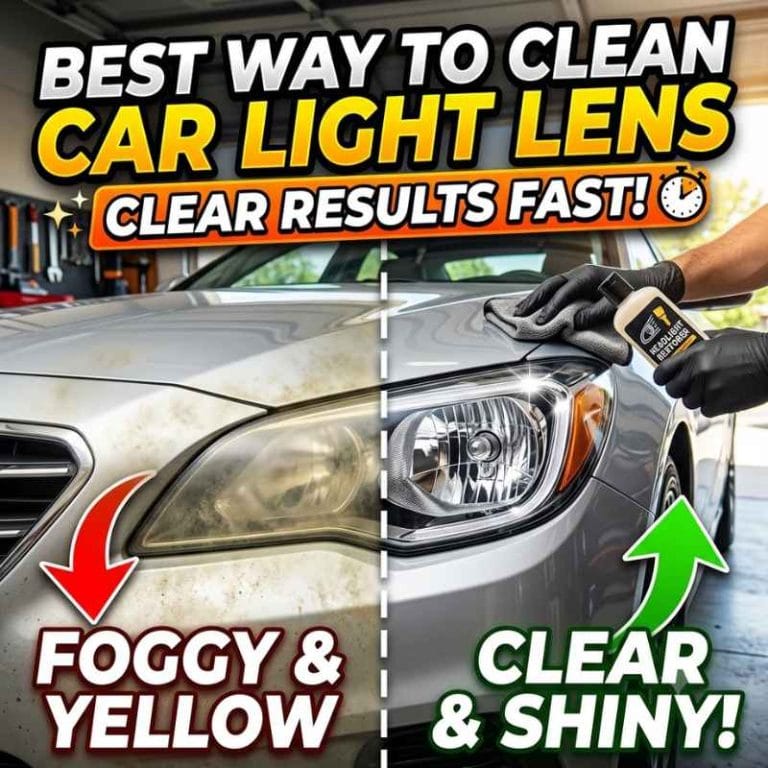
Beyond bulbs, also check for any damage to the light housings, such as cracks or fogging, which can reduce light output and penetration. Ensure that headlight lenses are clean and clear. Over time, plastic headlight lenses can become cloudy or yellowed due to UV exposure, a phenomenon known as oxidation.
This significantly diminishes their effectiveness. Many automotive stores sell restoration kits to clear up cloudy headlights, restoring their brightness.
Monthly Car Light Checklist:
- Headlights: Turn on low beams, then high beams. Check both sides for brightness and function.
- Tail Lights: Ensure both rear lights are illuminated when headlights are on.
- Brake Lights: Have someone press the brake pedal while you observe all three brake lights (two main, one high-mounted center brake light).
- Turn Signals: Activate the front and rear turn signals on both the left and right sides. Listen for the clicking sound and check for consistent flashing.
- Hazard Lights: Activate hazard lights and check all four turn signals.
- Reverse Lights: Shift into reverse and check if the white lights illuminate.
- Fog Lights: If equipped, test their function in appropriate conditions.
- License Plate Light: Ensure this is working when headlights are on.
Common Driving Mistakes at Night
Night driving presents unique challenges that can lead to common mistakes if drivers are not attentive. These errors often stem from a combination of reduced visibility, driver fatigue, and overconfidence in personal driving abilities.
One of the most frequent mistakes is the improper use of high beams. As discussed, failing to dim high beams for oncoming traffic or vehicles ahead is dangerous and common. Another significant issue is driving too fast for the conditions.
While the road might appear clear, your headlights only illuminate a certain distance, and animals or other hazards can appear suddenly beyond that range. Speeding at night reduces your reaction time significantly.
Fatigue is a major contributor to accidents at night. The body’s natural circadian rhythm often leads to drowsiness in the late evening and early morning hours. Drivers may push through this fatigue, leading to impaired judgment and slower reflexes.
Distracted driving, whether by mobile phones, passengers, or other distractions, is even more perilous at night due to the reduced visual input and limited reaction time.
Common Night Driving Mistakes:
- Improper use of high beams (not dimming when required).
- Driving too fast for conditions.
- Ignoring signs of driver fatigue.
- Distracted driving (phones, infotainment, etc.).
- Following too closely due to poor depth perception at night.
- Overestimating one’s ability to see in darkness.
- Failure to check and maintain vehicle lighting systems.
- Driving in adverse weather without appropriate lights (e.g., fog lights).
Frequently Asked Questions
What is the difference between low beams and high beams?
Low beams are your standard headlights for everyday night driving; they illuminate the road about 150-250 feet ahead and are angled downwards to avoid blinding other drivers. High beams are more powerful, illuminating up to 350-450 feet ahead, and are intended for use only on dark, unlit roads with no other vehicles present, as they can easily blind other drivers.
How often should I check my car’s lights?
It’s recommended to check your car’s exterior lights at least once a month. This includes headlights (low and high beams), tail lights, brake lights, and turn signals. A quick visual walk-around with a helper to check brake lights and turn signals is an effective method.
Are fog lights the same as driving lights?
No, they are different. Fog lights are designed to operate in extremely low visibility conditions like fog, heavy rain, or snow. They emit a wide, flat beam low to the ground to cut under fog and reduce glare.
Driving lights (sometimes called auxiliary driving lamps) are typically used off-road or on private property to provide superior long-range illumination, much like enhanced high beams, and are not street-legal in most places for general use.
Can I use high beams in heavy rain?
Generally, no. While high beams provide more light, they can reflect off water droplets in heavy rain or fog, creating glare that significantly reduces your visibility. It’s usually better to use your low beams and, if equipped and conditions are severe enough, your fog lights.
What are Daytime Running Lights (DRLs)?
Daytime Running Lights are lower-intensity lights that automatically turn on when the vehicle is running, even during the day. Their primary purpose is to make your vehicle more visible to other road users, especially in overcast conditions or when turning. They are not a substitute for headlights at night.
Final Thoughts
Mastering the use of your vehicle’s lighting system is fundamental to safe night driving. Always prioritize using low beams for general visibility and high beams judiciously when road conditions permit and no other vehicles are present. Consistent maintenance of all lights, especially tail and brake lights, ensures you are seen by others.
By understanding and correctly applying these principles, you can significantly enhance your safety and confidence behind the wheel after dark.
Related pick: Check today's price on Amazon See also how to remove car light scratches without spending much.
Products related to this article
Sponsored / affiliate links. As an Amazon Associate I earn from qualifying purchases. I may earn additional commission from eligible campaigns.
 1080p Car Backup Camera Wide Angle Night Vision for Parking
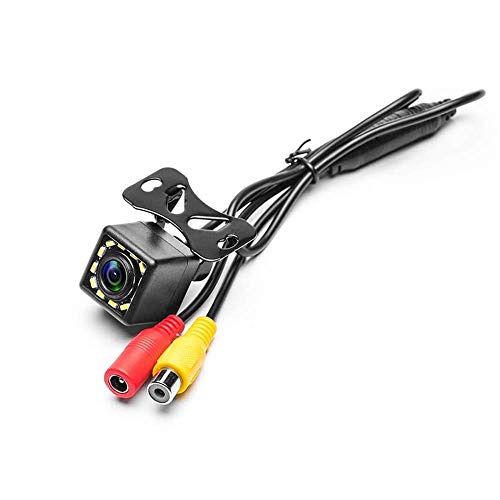 Camecho Vehicle Backup Camera Waterproof Car Rear View Camera 170° Wide Angle 12 LED Night Visions Backup Reversing Parking Cameras
 GZRUICA 70 Inches White Exterior Car LED Strip Lights for Hood, Flexible Waterproof Dynamic Scan DC12V Daytime Running Lights for Cars, SUVs, Trucks