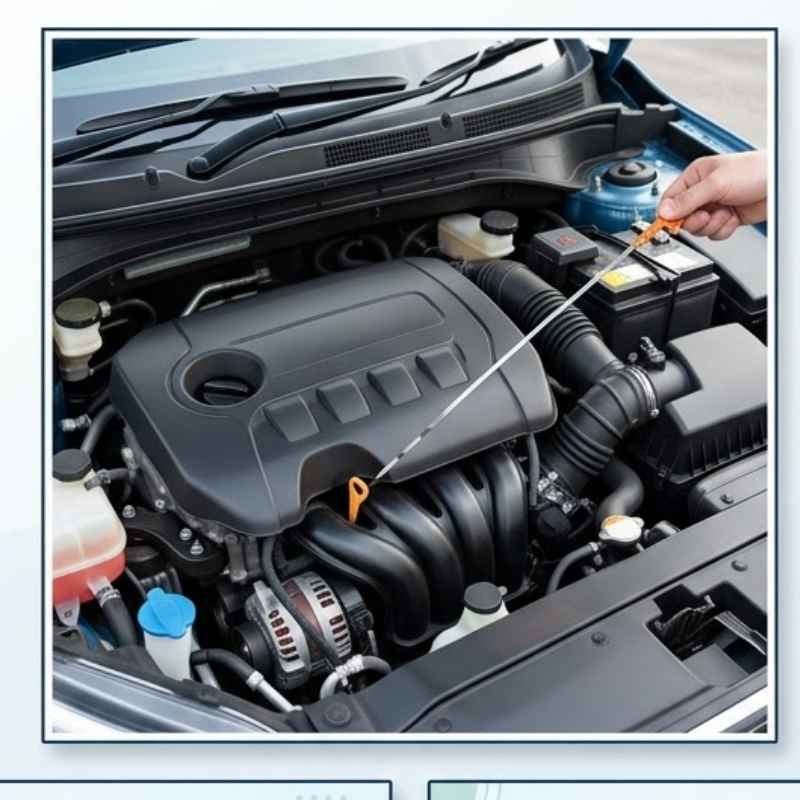
Can You Keep Engine Oil Stored In Your Car? Safe Or Not?
It’s a common thought: what if I just kept a spare quart of engine oil in the trunk? You know, just in case. That little bit of preparedness can feel smart.
But is it truly safe for your car, or the oil itself? Many folks wonder about this. They want to be ready for a low oil light.
Let’s dive into whether keeping engine oil in your car is a good idea. We’ll look at what can go wrong and how to do it right, if you choose to.
Storing engine oil in your car is generally not recommended for long periods. Extreme temperatures, especially heat, can degrade the oil’s quality. Improper sealing can also lead to leaks and damage to your car’s interior. It’s safer to store oil in a controlled environment.
What Happens When You Store Engine Oil in Your Car?
Engine oil is a vital part of your car. It keeps the engine parts moving smoothly. It also cools things down and cleans out gunk.

STP
STP Premium Synthetic Blend 4 Cycle Small…
- SAE 10W-30 MOTOR OIL FOR SMALL ENGINES: One 32 fl oz bottle of STP Premium Synthetic Blend 4 Cycle Small Engine Oil SAE 10W-30, fo…
- FIGHTS THERMAL BREAKDOWN: Antioxidants fight thermal breakdown to enhance oil durability, helping the SAE 10W-30 oil handle high t…
- PREVENTS BUILDUP: Detergents help keep small engine components clean and control carbon deposits, preventing buildup that can affe…
As an Amazon Associate I earn from qualifying purchases.
So, you want to keep your oil in good shape. When you leave a container of oil in your car, several things can happen. These changes might not seem like a big deal at first.
But over time, they can affect how well the oil works.
Think about the temperature inside a car. On a hot summer day, the inside can get very, very hot. It can reach over 100 degrees Fahrenheit, sometimes much more.
On a cold winter day, it can get just as cold. These wide swings in temperature are tough on many things. They are tough on engine oil too.
Heat is the main enemy here.
High heat can break down the oil. It makes the oil thinner. It can also make it lose its special additives.
These additives are like the vitamins for your oil. They help it fight wear and tear. They help keep the engine clean.
When the oil breaks down, it can’t do its job as well. This can lead to more wear inside your engine.
Cold temperatures can also be a problem. The oil can get thick and sludgy when it’s very cold. This makes it harder for the engine to start.
It also makes it harder for the oil to flow where it needs to go. This is especially true when you first start your car on a cold morning. The engine parts might not get oil right away.
This can cause them to wear out faster.
Another big issue is leaks. Oil containers need to be sealed tightly. Cars move around a lot.
They go over bumps and turn corners. If the cap isn’t on perfectly, the oil can spill. Even a small leak can create a big mess.
Oil can get all over your trunk or back seat. It can smell bad. It can be hard to clean up.
Some oil containers are better than others. The plastic bottles that oil comes in are usually okay. But if the cap isn’t screwed on just right, it can let air and moisture in.
Over time, this can affect the oil. The original metal cans that some oils used to come in were tougher. But most oils today come in plastic.
The additives in the oil can also separate. This is more likely to happen with temperature changes. The oil might not be mixed perfectly anymore.
This means you might not get the full protection the oil is supposed to give you.
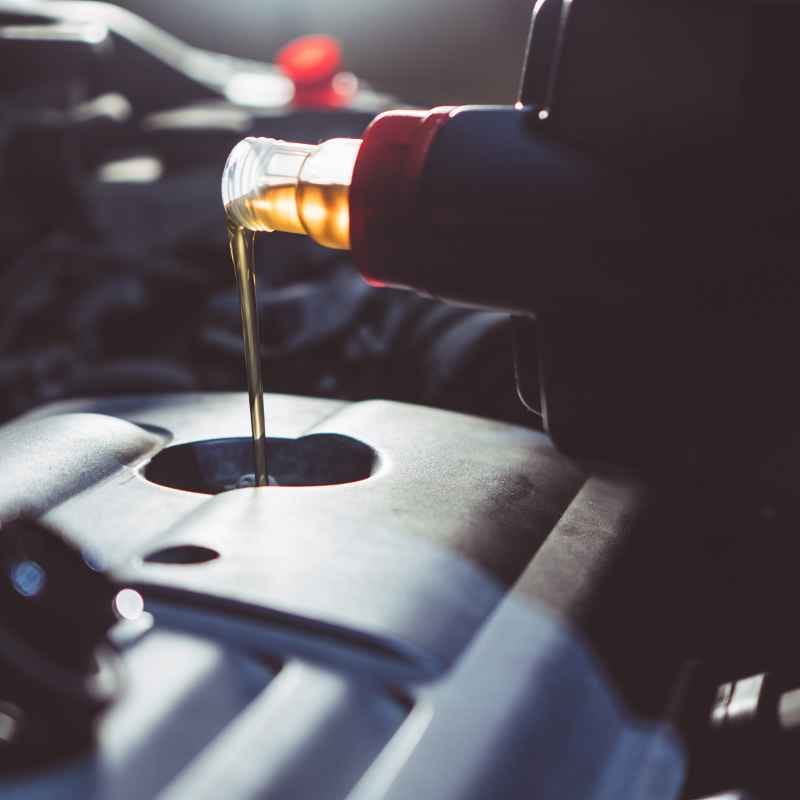
Personal Experience: A Trunk Full of Trouble
I remember one sweltering August day a few years back. I was on a road trip, heading to visit my parents. My car had been running a bit rough, and the oil light had flickered a few times.
I’d bought a quart of oil a week before, thinking I’d top it up. I’d tossed it in the trunk, thinking it was a good idea to have it handy. It was a standard plastic quart bottle.
By the time I reached my destination, the trunk was like an oven. I opened the hatch, and this wave of hot, chemical air hit me. I went to grab the oil.
The bottle felt soft and almost bubbly from the heat. I twisted the cap, and a little puff of air escaped. Not a leak, thankfully, but it felt wrong.
The oil inside looked a bit…off. Maybe it was just my imagination, but it seemed thinner and darker than I remembered.
That weekend, I decided to check the oil level in my car. I used the oil from the trunk. Within a week, my car started making this weird clicking noise.
The mechanic looked at it and said the oil had probably lost some of its protective qualities due to the extreme heat. He mentioned that oil degrades faster when exposed to high temperatures and repeated heating and cooling cycles. He told me it was best to keep spare oil in a cooler spot, like a climate-controlled garage.
It was a costly lesson. The simple act of storing oil in a hot car had potentially harmed my engine. I learned that preparedness doesn’t mean risking your car’s health.
Understanding Oil Degradation: What Heat Does
Engine oil has a complex recipe. It’s not just thick liquid. It’s a base oil mixed with special additives.
These additives are crucial. They do many jobs. They reduce friction.
They prevent rust and corrosion. They keep small metal particles from sticking together. They also help keep the oil from getting too thick or too thin.
High temperatures can cause these additives to break down. This process is called oxidation. When oil oxidizes, it gets thicker.
It forms sludge and varnish. Sludge is like thick gunk. It can clog oil passages.
This means less oil reaches the parts that need it. Varnish is a sticky film. It can make moving parts stick.
Heat also makes the oil’s base molecules break apart. This is called thermal breakdown. When this happens, the oil loses its ability to lubricate.
It can’t protect the engine from wear anymore. The viscosity, or thickness, of the oil changes. It might become too thin when hot.
This means the oil film between metal parts becomes weaker.
Imagine two pieces of metal rubbing together. Normally, the oil makes a smooth cushion. If the oil is thin and weak, the metal touches.
This causes friction and damage. This damage adds up over time. It can lead to expensive repairs.
Low temperatures can also be bad. The oil can lose its ability to flow easily. This is called thickening.
When oil thickens, it’s harder for the oil pump to move it. This can starve parts of the engine for oil, especially during startup. This is why some cars need different weights of oil for different climates.
So, leaving oil in a car that experiences temperature swings is like putting your engine through a mini stress test every day. The oil is constantly changing. It’s not performing at its peak.
It’s losing its power to protect your engine.
Oil Storage Risks in Your Vehicle
Temperature Extremes: Heat causes oil to break down faster. Cold makes it thick and hard to flow.
Oxidation: High heat leads to oil oxidation. This forms sludge and varnish inside the engine.
Additive Breakdown: Special additives in oil lose their power when heated. They can’t protect the engine as well.
Viscosity Changes: Oil becomes too thin when hot and too thick when cold. This affects lubrication.
Contamination: Poorly sealed containers let in moisture and dirt. This can hurt engine parts.
Leaks: Bumps and movement can cause containers to spill. This creates a mess and wastes oil.
Container Choices and Leak Prevention
If you absolutely must keep some oil in your car, the container is very important. Not all containers are created equal. The plastic bottles that motor oil typically comes in are okay for short-term storage.
But they can become brittle over time. The caps can also loosen.
You want a container that seals very well. A screw-on cap with a good rubber seal is best. Make sure the cap is screwed on as tightly as possible.
You might even consider putting a layer of plastic wrap under the cap before screwing it on. This adds an extra layer of protection against leaks.
Some people buy special oil storage containers. These are often made of thicker plastic or metal. They are designed to be more durable and leak-proof.
These are a better option if you plan to keep oil in your car for longer periods.
Always place the container upright. Never lay it on its side. Use a sturdy box or a plastic bin to hold the oil container.
This stops it from rolling around. It also helps contain any small leaks that might happen. Put this bin in a safe spot.
The trunk is often the best place. Avoid leaving it where it could be crushed by other items.
Some older cars might have a small, built-in oil cooler. This is part of the car’s system. It’s not the same as storing oil in the trunk.
These coolers help manage oil temperature. But even with a cooler, extreme outside temperatures can still affect the oil over time.
Think about the type of oil you are storing. Synthetic oils generally handle temperature changes better than conventional oils. They are engineered to resist breakdown at high temperatures.
They also tend to flow better in the cold.
However, even synthetic oil is not immune to the effects of extreme heat and repeated cycles. It will still degrade faster than if it were stored in a stable environment. The key is to minimize the stress on the oil.
Real-World Context: When Is It Necessary?
Let’s be honest. For most everyday drivers, keeping a quart of oil in the car is overkill. Modern cars are built to last.
They don’t burn oil like they used to. Most cars can go for thousands of miles without needing a top-up. Regular maintenance is usually enough.
You should check your oil level often. A quick check every few weeks, or before a long trip, is a good habit. If you notice your oil level is consistently dropping, there might be a bigger issue.
It could be a leak or an internal engine problem. In that case, carrying extra oil won’t fix the root cause. It will just delay the inevitable.
And it might even make the problem worse if the oil you add is degraded.
Older vehicles, or cars that are known to burn oil, might be an exception. If you have a classic car, or a specific model that’s known for oil consumption, then having a quart on hand might be more understandable. Even then, the storage method matters.
Consider the climate you live in. If you live in a place with extreme heat, like Arizona or Texas, storing oil in your car is riskier. The temperatures will be much higher, and for longer periods.
If you live somewhere with very cold winters, the oil will thicken. This could make starting your car harder.
Think about your driving habits. Do you drive long distances regularly? Do you drive in remote areas where a mechanic is hard to find?
If you answered yes to these, then having a plan for low oil is smart. But that plan should ideally involve proper storage.
Another scenario is if you are doing your own car maintenance. If you are changing your oil and have a little left over, you might be tempted to keep it in the car. Again, a climate-controlled garage or basement is a much better place for this.
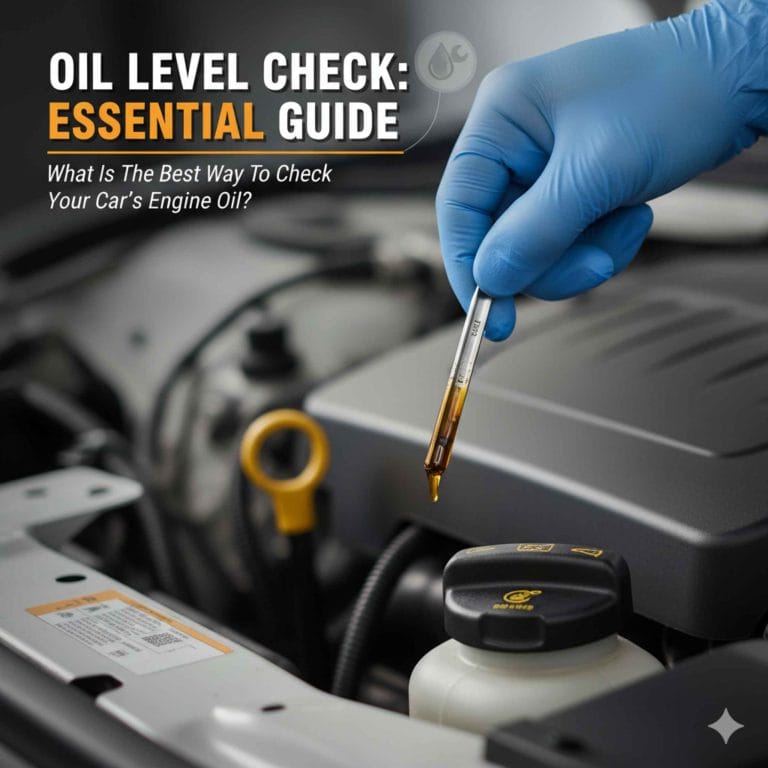
Quick Oil Check Guide
- Park on Level Ground: The car must be on a flat surface.
- Engine Off and Cool: Let the engine cool for at least 10 minutes.
- Locate Dipstick: It’s usually bright yellow or orange.
- Pull and Wipe: Remove the dipstick and wipe it clean with a cloth.
- Reinsert Fully: Push the dipstick all the way back in.
- Pull Again and Check: Look at the oil level. It should be between the ‘Min’ and ‘Max’ marks.
- Note the Color: Clear or light brown oil is good. Dark or black oil needs changing.
What This Means for Your Car’s Health
The main takeaway is that oil is a sensitive fluid. It works best when it’s within a specific temperature range. When you store oil in your car, you are exposing it to conditions that are far from ideal.
This can lead to several problems for your car.
First, if you use degraded oil to top up your engine, you are not helping. You might think you are fixing a low oil problem. But you are actually adding oil that is less effective.
This means your engine is not getting the protection it needs. The wear and tear on your engine can increase. This can shorten its lifespan.
Second, leaks can cause damage. If oil spills in your car, it can ruin upholstery and carpets. It can attract dirt and grime.
The smell can linger for a long time. If the leak is bad, it could even damage electrical components if it gets into the wrong places.
Third, if the oil separates or breaks down too much, it might not flow correctly. This could lead to oil starvation. This is when parts of your engine don’t get enough oil.
This can cause serious damage very quickly. Think of it like a person not getting enough water. Eventually, their body starts to fail.
Some people might say, “I’ve done it for years and my car is fine!” And that might be true. But it’s like smoking a cigarette here and there. It might not kill you.
But it’s still not good for your health. You are increasing the risk.
The best practice is to keep spare oil in a cool, dry place. A basement, a garage that doesn’t get too hot, or a storage closet indoors are good options. This ensures the oil stays in its best condition.
When you need it, it will be ready to do its job perfectly.
If you have a modern car, it’s unlikely you’ll need to add oil between changes. Most oil changes are recommended every 5,000 to 10,000 miles, depending on the car and the oil type. It’s more likely that you’ll need to change the oil than top it up.
However, if you do need to top up, and your only option is oil that’s been sitting in your car, it’s better than nothing. But it’s a compromise. You are sacrificing some of the oil’s quality for the sake of having it there.
Always try to avoid this situation if possible.
When Is It Okay (with Caveats)?
Let’s consider the rare times it might be less problematic, though still not ideal. If you live in a mild climate with very little temperature fluctuation, say San Diego or parts of coastal California. And if you use a very high-quality synthetic oil.
And if the container is absolutely robust and sealed perfectly. And if you only keep it there for a very short time, like a week or two before using it.
Even in these situations, the risk isn’t zero. Cars vibrate. Things shift.
Heat can still build up, even in mild climates, especially if the car sits in direct sun. The oil will still be exposed to more stress than if it were in a stable environment.
The most important thing is to understand the risks. If you choose to keep oil in your car, do it with your eyes wide open. You are accepting a certain level of risk.
This risk is to the quality of the oil, and potentially to your engine.
Think of it like carrying a spare tire. It’s essential to have. But you wouldn’t leave it sitting in the sun for months on end without checking it.
You’d want to know it’s in good shape. Oil is similar. It needs to be in good condition to do its job.
If you are a car enthusiast, or someone who takes pride in their vehicle’s longevity, you will want to avoid storing oil in your car. It’s a small inconvenience to store it properly. But it can save you big headaches later.
The goal is always to protect your engine. Engine oil is your engine’s best friend. You wouldn’t want to give your best friend a drink of something that’s gone bad, would you?
That’s essentially what you’re doing when you use oil that’s been poorly stored.
Quick Fixes & Tips for Storage
While storing oil in your car is not ideal, if you must, here are some tips to make it safer:
- Use a High-Quality Container: Invest in a sturdy, leak-proof oil storage jug.
- Seal It Twice: Make sure the cap is on very tight. Add plastic wrap under the cap for extra seal.
- Store Upright: Always keep the container standing tall.
- Use a Bin or Box: Place the oil container in a secure bin to prevent spills and damage.
- Choose the Coolest Spot: The trunk is usually better than the passenger cabin or under the hood. Avoid direct sunlight.
- Consider Synthetic Oil: Synthetic oils handle temperature changes better than conventional oils.
- Rotate Stock: If you keep oil in your car for a long time, replace it periodically.
- Check Regularly: Look at the container for any signs of leaks or damage.
- Bring it Inside When Possible: If you know you won’t need it for a while, bring it inside to a stable temperature.
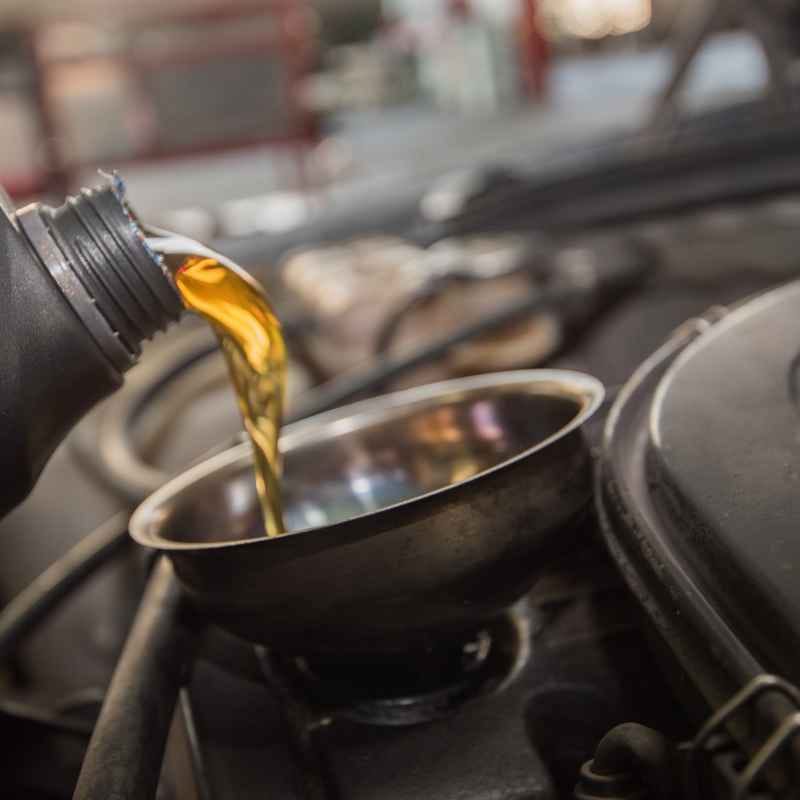
Frequent Questions About Storing Oil in Cars
Can I store engine oil in my car’s glove compartment?
It’s generally not a good idea to store engine oil in your glove compartment. It’s usually too small, and the temperature can still fluctuate significantly. The trunk is often a slightly better, though still not ideal, location.
Will heat ruin new engine oil?
Heat doesn’t instantly “ruin” new engine oil. But it speeds up the process of degradation. High temperatures break down the oil and its additives much faster than if it were stored in a cool, stable environment.
So, while it might not be ruined immediately, its lifespan and effectiveness are reduced.
Is it safe to use oil that has been stored in a hot car?
It’s generally safer not to use it if you can avoid it. If you have no other option and your engine is critically low on oil, it might be better than running with no oil. However, the oil’s protective qualities will be compromised.
It’s best to use oil stored in a proper environment.
How long can engine oil last in storage?
Unopened, factory-sealed containers of engine oil can last for several years if stored properly in a cool, dry place. Once opened, or if stored in less-than-ideal conditions like a car, its shelf life is significantly reduced. It’s best to use opened oil within a year or two, and stored oil in a car even sooner.
What are the best containers for storing oil long-term?
For long-term storage, sealed, original manufacturer containers are best. If you need to transfer oil, use specialized, durable, and tightly sealed oil storage containers made of HDPE plastic or metal. Ensure they have a secure screw-on cap with a good seal.
Does cold weather damage engine oil stored in a car?
Yes, very cold weather can cause engine oil to thicken considerably. This makes it harder for the oil to flow and lubricate the engine, especially during cold starts. While it doesn’t typically “ruin” the oil in the same way heat does, it impacts its immediate usability and performance in a cold engine.
Conclusion: Better Safe Than Sorry
Keeping a spare quart of engine oil in your car might seem like a good backup plan. However, the risks associated with temperature extremes and potential leaks often outweigh the benefits. Storing oil in your vehicle exposes it to conditions that degrade its quality.
This can lead to reduced engine protection and potential long-term damage. For the health of your engine and the integrity of your oil, it’s always best to store spare oil in a controlled environment. Think cool, dry, and stable.
Your car will thank you for it.
Related pick: Check today's price on Amazon
Products related to this article
Sponsored / affiliate links. As an Amazon Associate I earn from qualifying purchases. I may earn additional commission from eligible campaigns.