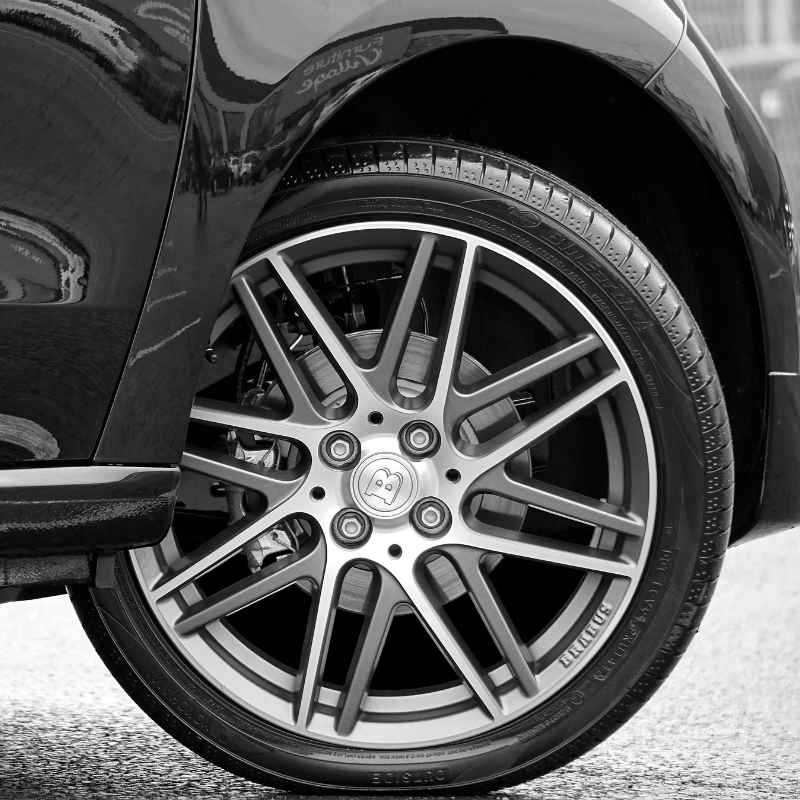
What Happens If A Car Tire Explodes While Driving?
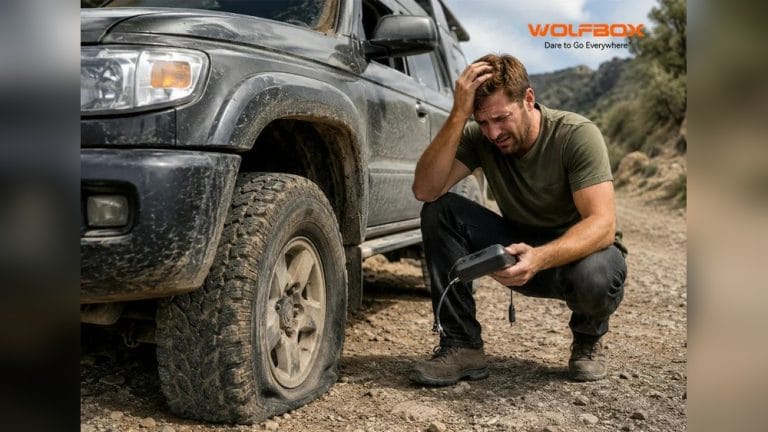
If a car tire explodes while driving, the vehicle can become unstable, pull sharply to one side, and potentially lead to a loss of control. Immediate actions include staying calm, gripping the steering wheel firmly, and gently easing off the gas pedal. Avoid sudden braking or steering. Safely pull over when possible.
The Immediate Aftermath of a Tire Explosion
When a tire gives out suddenly, it’s called a blowout. This can happen for many reasons. A blown tire makes a loud bang.
It’s often described as sounding like a gunshot. This noise is the tire casing ripping apart. What happens next depends on which tire blows.
If a front tire explodes, you will feel a strong pull. The car will want to steer itself hard to the side of the blown tire. It’s like the car is trying to turn a corner on its own.
This makes steering very difficult. The car might also shake a lot.
A rear tire blowout is often less dramatic to steer. However, it can still make the car unstable. The back of the car might fishtail or swerve.
This is called a loss of stability. It feels like the car is sliding sideways.
Why Do Car Tires Explode?
Tire blowouts don’t just happen for no reason. There are usually underlying causes. Most often, it’s related to tire health and maintenance.
Think of your tires as the shoes for your car. They take a lot of abuse.
Underinflation is a big one. When a tire doesn’t have enough air, its sidewalls flex too much. This creates heat.
Heat weakens the rubber. Eventually, the tire can fail. Underinflated tires are a common cause of blowouts, especially on hot days.
Overinflation can also be a problem. Too much air makes the tire stiff. This can make it more likely to burst if it hits something sharp.
It also reduces the tire’s contact with the road. This affects handling and braking.
Damage to the tire is another major factor. A sharp object like a nail or glass can puncture the tire. If the damage is small, it might just cause a slow leak.
But a larger puncture, or damage to the sidewall, can lead to a sudden blowout.
Age and wear matter too. Tires have a lifespan. As rubber ages, it can become brittle.
Old tires might have cracks. Worn-out tires have less tread. This makes them more vulnerable to damage.
They also don’t grip the road as well.
Overloading the vehicle puts extra stress on the tires. Your car has a weight limit. Exceeding it can cause tires to overheat and fail.
This is common when people pack for long trips or haul heavy items.
High speeds on hot roads can also contribute. The friction from the road generates heat. If tires are already stressed from underinflation or wear, this extra heat can be the breaking point.
I remember driving home one summer evening. The air was thick and hot. I hit a small pothole I didn’t see.
There was a loud pop. My steering wheel yanked hard to the right. My heart jumped into my throat.
I knew instantly something was wrong with a tire.
The car felt wobbly. I fought to keep it going straight. I could see the tire pressure light come on.
I slowly took my foot off the gas. I looked for a safe spot to pull over. It felt like it took forever to get to the shoulder.
The sound of the blowout was so sudden and scary. My hands were shaking for a while after. I was so relieved no one was hurt.
Understanding Tire Health and Maintenance
Taking care of your tires is crucial. It’s not just about looking good. It’s about safety.
Regular checks can prevent many problems.
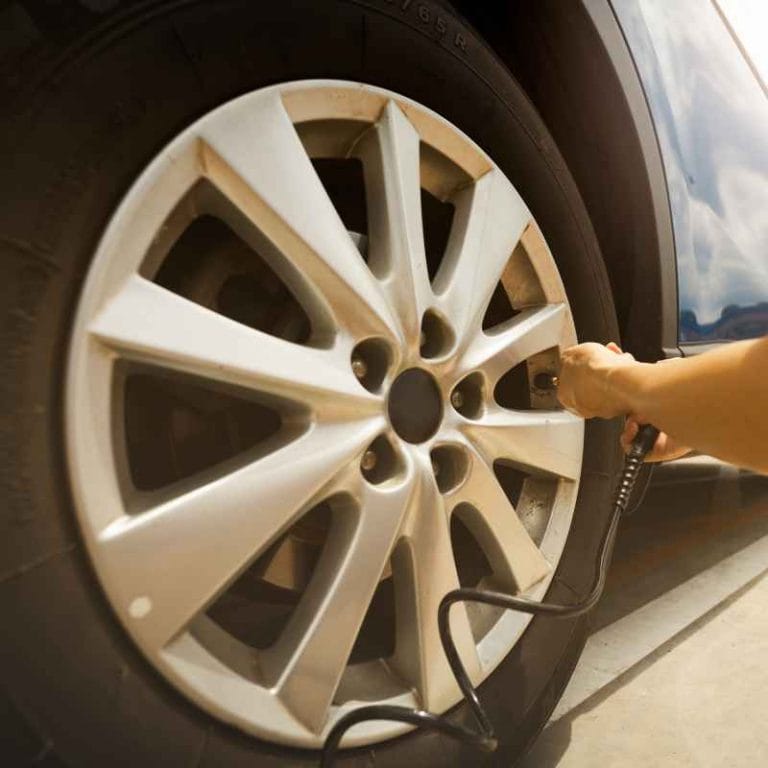
Check tire pressure often. This means at least once a month. It also means before long trips. Use a good tire pressure gauge.
The correct pressure is usually listed on a sticker inside your driver’s side doorjamb. Don’t rely on the number on the tire’s sidewall; that’s the maximum pressure.
Inspect your tires for damage. Look for cuts, bulges, or cracks. Pay attention to the tread. Is it worn down?
Are there objects stuck in the tire?
Rotate your tires. This helps them wear more evenly. Follow your car’s manual for the recommended rotation schedule. Usually, this is done every 5,000 to 7,500 miles.
Balance your tires. If your car shakes at certain speeds, your tires might need balancing. This ensures weight is distributed evenly.
Know your tires’ age. Tires don’t last forever. Even if they look good, old rubber can become unsafe. Look for the DOT code on the sidewall.
The last four digits show the week and year the tire was made.
Tire Checkup Quick Guide
Pressure: Check monthly, before trips. Use gauge. Correct PSI is key.
Tread: Look for wear. Use the penny test. If Lincoln’s head shows, it’s time for new tires.
Sidewalls: Inspect for cracks, bulges, cuts. These are danger signs.
Object Check: Look for nails, screws, or stones in the tread.
Age: Tires over 6-10 years old may need replacing, even with good tread.
When I first got my license, I didn’t think much about tires. They just seemed like black circles. My dad showed me how to check the pressure.
He also showed me the penny test for tread wear. It made a big difference. I started noticing my tires more.
I felt safer knowing they were in good shape.
How to React During a Tire Blowout
This is the most important part. What do you do when the unthinkable happens?
Stay calm. This is the hardest part. Panic makes things worse. Take a deep breath.
You need to think clearly.
Grip the steering wheel firmly. Use both hands. You need all the control you can get. Don’t fight the pull too hard at first.
Try to guide the car.
Do NOT slam on the brakes. This is crucial. Sudden braking will make the car unstable. It can cause you to spin out.
Instead, gently ease your foot off the accelerator pedal. Let the car slow down on its own as much as possible.
Keep the car going straight. Focus on maintaining your lane. Don’t try to swerve. Let the car drift slightly if it must, but keep it in its general path.
Signal and steer to a safe location. Once the car is more stable and you have some control, signal your intentions. Slowly and smoothly steer the car to the side of the road. Find a wide shoulder or an empty parking lot.
Get as far away from traffic as you can.
Engage hazard lights. Once stopped, turn on your hazard lights. This warns other drivers.
Do NOT change the tire on a busy road. It’s very dangerous. Call for roadside assistance instead. Wait in a safe place, away from traffic.
I once saw a video online of a car blowing a tire on a highway. The driver panicked. He swerved violently.
The car flipped over. It was a terrible sight. It really hammered home how important it is to stay calm and react correctly.
It’s not about fighting the car. It’s about guiding it safely.
Reaction Steps: Tire Blowout
1. STAY CALM: Breathe. Think.
2. STEERING: Firm grip. Two hands.
3. BRAKING: NO slamming. Ease off gas gently.
4. DIRECTION: Keep going straight. Avoid swerving.
5. PULL OVER: Safely to shoulder or lot. Away from traffic.
6. HAZARDS: Turn on hazard lights.
7. CALL HELP: Don’t change tire on a busy road.
What Happens to the Car’s Handling?
A blowout dramatically changes how your car behaves. The steering becomes unpredictable. This is because the tire is no longer a stable circle.
It’s a deflated, shredded mess.
When a tire explodes, it loses air very quickly. The rim of the wheel then starts to scrape against the road. This causes a lot of friction and noise.
It can also damage the wheel and brake components.
Steering Instability: As mentioned, a front blowout pulls the car. This is due to the change in rolling resistance and direction. The wheel that’s still good tries to steer normally.
The blown tire offers no directional control.
Braking Difficulties: Braking will be uneven. The wheels with good tires will brake effectively. The wheel with the blown tire will have little to no braking power.
This can cause the car to pull even more under braking.
Vibration and Noise: Expect intense vibration. The sound will be loud and alarming. It can be a combination of the tire tearing and the wheel hitting the pavement.
Tire Debris: The blown tire can shred into pieces. These pieces can fly off and hit your car or other vehicles. They can also cause damage to the undercarriage of your own car.
I once had a minor tire issue where it just lost a lot of air slowly. Even that made the car feel weird. It was pulling slightly.
It felt sluggish. A full blowout is a whole different level of chaos. It’s a sudden, violent event that completely disrupts the car’s balance.
Common Tire Problems Leading to Blowouts
Let’s dive a bit deeper into the specific issues that can cause a tire to fail spectacularly.
Punctures: This is when something sharp pierces the tire. Nails, screws, glass, and metal shards are common culprits. If the puncture is in the tread, it might be repairable.
If it’s on the sidewall, the tire usually needs replacing. A slow leak from a puncture can eventually lead to a catastrophic failure if ignored.
Sidewall Damage: The sidewall is the flexible part of the tire. It’s vulnerable to damage from curbs, potholes, and impacts. A cut or gouge in the sidewall weakens the tire structure.
This can lead to a bulge forming over time. A bulge is a serious warning sign.
Tread Separation: This is when the tread layer of the tire separates from the inner casing. It can be caused by heat, age, or poor manufacturing. You might hear a thumping sound before a blowout.
This is a very dangerous situation.
Manufacturing Defects: While rare, sometimes tires can have defects from the factory. These can lead to premature failure. Buying tires from reputable brands and installers helps reduce this risk.
Impact Damage: Hitting a large pothole or curb at speed can cause internal damage to the tire. This damage might not be visible immediately. It can weaken the tire over time, making it prone to a blowout later.
In my experience, most people don’t think about tire damage until there’s a problem. I once saw a neighbor scrape his tire badly on a concrete curb. He just shrugged it off.
A few weeks later, that tire blew out. It was a clear example of ignoring a visible issue.
Tire Issues to Watch For
Gouges & Cuts: Deep cuts, especially on the sidewall, are a major concern.
Bulges: A bulge in the tire wall means internal damage and needs immediate attention.
Uneven Wear: Tires wearing out faster on one side than the other can point to alignment or pressure issues, stressing the tire.
Cracks: Small cracks in the rubber can spread over time, weakening the tire.
Speed and Heat: A Dangerous Combination
Driving at high speeds, especially on warm or hot days, significantly increases the risk of a tire blowout. Here’s why.
Friction: As tires roll, they create friction with the road. This friction generates heat. The faster you go, the more friction you create.
The more heat is produced.
Tire Pressure Increases: Heat causes air inside the tire to expand. This means the tire pressure goes up. If the tire is already near its maximum pressure or is underinflated, this rise can be critical.
Rubber Degradation: Excessive heat can weaken the rubber compound of the tire. It makes the tire more pliable and less structurally sound. This is especially true for older tires or tires with worn tread.
Road Surface Temperature: Black asphalt absorbs a lot of heat from the sun. On a 90-degree Fahrenheit day, the road surface can easily reach 150 degrees Fahrenheit or more. This superheats the tires.
I’ve driven in the Southwest during summer. The heat is intense. You can feel the car vibrating more on long highway stretches.
It makes you think about how much stress your tires are under. It’s a good reminder to always check pressure before a long, hot drive.
Tip: If you’re driving on a very hot day, slow down. This reduces friction and heat buildup. It’s a simple step that can make a big difference for your tires.
What If It’s Not a Blowout, But a Flat Tire?
Sometimes, a tire doesn’t explode. It just loses air slowly. This is usually due to a puncture or valve stem issue.
A slow leak is less dramatic. You might notice your car pulling slightly to one side. Or you might see your tire pressure light come on.
It’s important to address a slow leak immediately.
Check tire pressure. If it’s low, you can reinflate it. Then, try to find the leak. You can use soapy water on the tire.
Bubbles will show you where the air is escaping.
Minor Punctures: If it’s a small nail or screw in the tread, a tire shop can often repair it. They’ll plug the hole from the inside. This is usually a safe and effective repair.
Valve Stem Issues: The valve stem is where you add air. It can become old or damaged, causing leaks.
When to Replace: If the damage is on the sidewall, the tire must be replaced. Even small punctures on the sidewall can weaken it significantly. Also, if the tire is very old or badly worn, it might be time for new ones.
I remember a time I got a screw in my tire. It didn’t go flat quickly. I noticed the pressure was a bit low.
I took it to a shop. They found the screw and fixed it. It was a simple repair that saved me from a potential bigger problem later.
The Role of Tire Age
Tires degrade over time, even if they have plenty of tread left. This is due to the breakdown of the rubber compounds. Exposure to sunlight, oxygen, and temperature changes all play a role.
Age is a factor: Most tire manufacturers recommend replacing tires after 6 to 10 years. This is regardless of tread wear. Some sources suggest checking tires every year after 5 years.
Finding the age: Look for the DOT (Department of Transportation) code on the sidewall. It’s a series of letters and numbers. The last four digits indicate the week and year of manufacture.
For example, “3221” means the tire was made in the 32nd week of 2021.
Cracks and Dry Rot: Older tires can develop visible cracks, especially on the sidewalls. This is called dry rot. It means the rubber is becoming brittle and less flexible.
It’s a sign the tire is no longer safe.
I’ve seen tires on old cars that look like they have good tread. But the rubber is brittle and cracked. It’s a dangerous situation.
It’s like driving on hardened plastic, not rubber.
Tire Age Breakdown
General Rule: Replace after 6-10 years.
Inspection: Check yearly after 5 years.
How to Find Age: Look for the DOT code on the sidewall. The last four numbers are week/year.
Warning Signs: Cracks, dry rot, visible signs of aging rubber.
What This Means for Your Safety
A tire blowout is a serious safety hazard. It can lead to accidents. It can cause injuries.
It can also lead to significant damage to your vehicle.
Loss of Control: The most immediate danger is losing control of the car. This is especially true at higher speeds or on wet roads.
Secondary Accidents: A car swerving or stopping suddenly after a blowout can cause other drivers to crash. The debris from a blown tire can also damage other vehicles.
Vehicle Damage: The forces involved in a blowout can damage your car’s suspension, brakes, and body panels. The rim itself can be damaged, meaning you can’t even put on a spare tire.
Personal Injury: Drivers and passengers can be injured due to the sudden loss of control or in a subsequent collision. Even a minor blowout can cause a driver to jerk the wheel and injure themselves.
It’s not just about being inconvenienced. It’s about the potential for serious harm. That’s why paying attention to your tires is so important.
It’s a proactive safety measure.
When is a Tire Failure More Likely?
Certain conditions and habits make tire blowouts more likely.
Hot weather: As discussed, heat is a major factor.
High speeds: Long trips at highway speeds increase heat buildup.
Underinflated tires: This is a very common precursor.
Overloaded vehicles: Carrying too much weight stresses tires.
Driving on rough roads: Potholes and debris are hazards.
Old or worn tires: Lack of tread and aging rubber are weak points.
Sudden impacts: Hitting objects hard.
I think about road trips often. People pack cars to the brim. They drive for hours without stopping much.
They might not have checked tire pressure before leaving. These are all ingredients that can lead to trouble.
Can I Prevent a Tire Blowout?
While not all blowouts can be prevented, you can significantly reduce the risk by following good maintenance practices.
Consistent Tire Pressure Checks: This is the number one preventative measure. Check your tires regularly and ensure they are inflated to the correct pressure.
Regular Tire Inspections: Visually inspect your tires for any signs of damage, wear, or aging.
Proper Tire Rotation and Balancing: This ensures even wear and a smoother ride, reducing stress on the tires.
Adhering to Load Limits: Do not overload your vehicle. Distribute weight evenly.
Mindful Driving: Avoid hitting potholes or curbs. Drive at appropriate speeds for the conditions.
Replacing Old Tires: Don’t wait until the tread is gone. Replace tires that are past their recommended age.
It boils down to being a responsible car owner. Your tires are your connection to the road. Taking care of them is taking care of yourself and others.

Frequently Asked Questions
What is the immediate sound of a tire blowing out?
The sound is usually a very loud, sharp bang, often compared to a gunshot. This is the tire’s casing rupturing.
Should I brake hard if my tire blows out?
No, absolutely not. Slamming on the brakes can cause you to lose control. You should gently ease off the gas pedal and let the car slow down.
How can I tell if my tire is about to blow out?
Warning signs include a thumping sound, a sudden loss of tire pressure, a visible bulge in the sidewall, or the car pulling sharply to one side before a loud bang.
What should I do if my car starts to pull strongly after a blowout?
Grip the steering wheel firmly with both hands and try to keep the car going straight. Resist the urge to yank the wheel. Guide the car towards a safe place to pull over.
Is it safe to drive on a tire that has had a blowout?
No. A tire that has blown out is destroyed. Driving on it will damage your wheel, suspension, and potentially other parts of your car.
You need to change to your spare or call for assistance.
How long do car tires typically last?
Tires typically last anywhere from 3 to 5 years or 30,000 to 50,000 miles, but this varies greatly by tire type, driving habits, and maintenance. The age of the tire is also a critical factor, with most manufacturers recommending replacement after 6-10 years.
Final Thoughts on Tire Safety
Dealing with a tire blowout is a stressful event. But by understanding what causes them and knowing how to react, you can significantly improve your safety. Regular checks, proper maintenance, and a calm response can make all the difference.
Think of your tires as vital parts of your car’s safety system. Treat them with the respect they deserve.
See also how car tire sizes work reading the numbers made simple. See also when should you change car tires timing matters most.